What North Carolina Gardeners Should Do If They Find A Baby Fox In The Yard
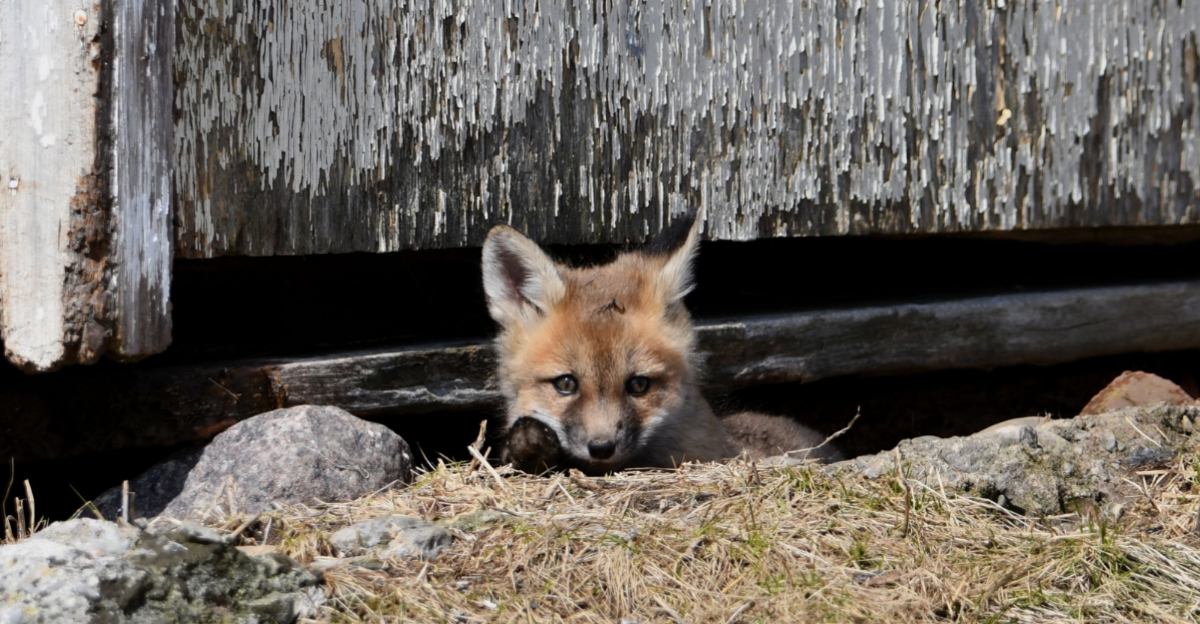
Spring and early summer in North Carolina have a way of surprising backyard gardeners with unexpected visitors, and few are quite as disarming as a small, wide-eyed fox kit tucked near a shrub or snoozing in the shade of a garden bed.
Cute? Absolutely. Alarming? Also yes, especially if you have kids or pets nearby.
The very first instinct for most North Carolina residents is to assume the worst and rush in to help, which is completely understandable.
But here is something really important to know before you do anything at all: a baby fox seen alone is not automatically in trouble. The adults are most likely out foraging and fully intend to return.
The smartest first move is almost always to take a breath, keep your distance, and figure out what you are actually dealing with before making any decisions.
1. Watch From A Distance First
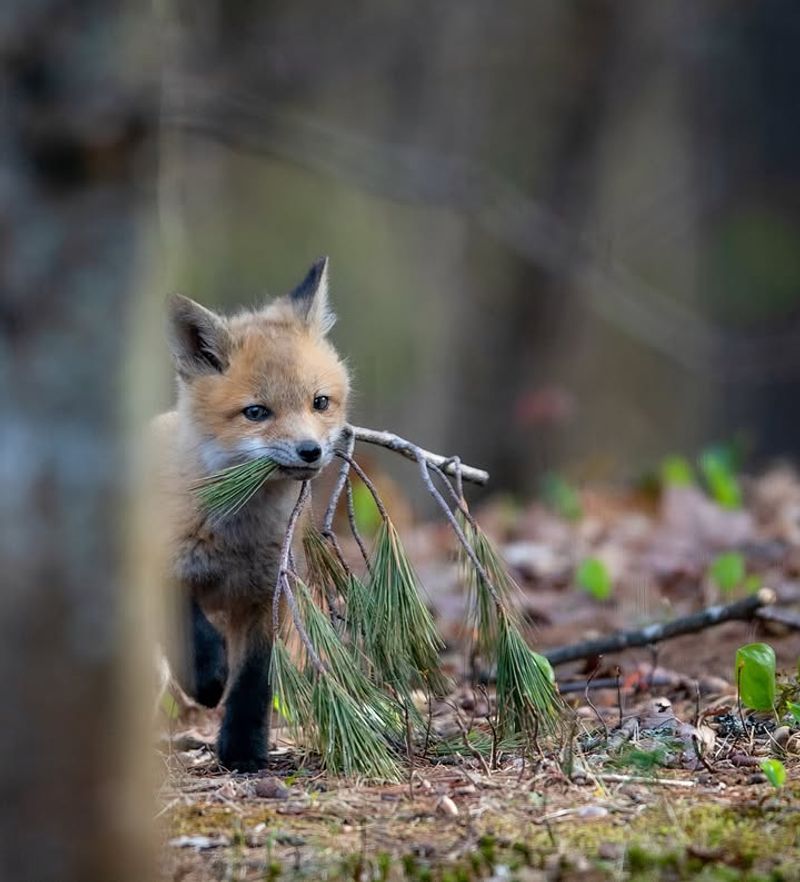
A quiet kit tucked near the edge of a flower bed or sitting motionless under a shrub can stop a gardener in their tracks.
Before doing anything else, step back and simply watch from a comfortable distance, ideally from inside your home through a window or from across the yard.
Fox mothers, called vixens, often leave their kits alone for stretches of time while they hunt or scout for food. This is completely normal behavior and does not mean the kit has been abandoned.
A healthy kit will usually stay still, appear alert, and show no visible injuries. It may also seem calm or tucked away simply because young foxes often rely on staying quiet while the adults are away.
Watching from a distance for several hours, or even most of a day, gives the adult fox a chance to return without feeling threatened by human presence.
Many North Carolina residents have discovered that stepping back and waiting was all that was needed.
Rushing in too soon can actually cause more harm by frightening the kit or preventing the mother from coming back. Give the situation time before drawing any conclusions.
2. Keep Children And Pets Away
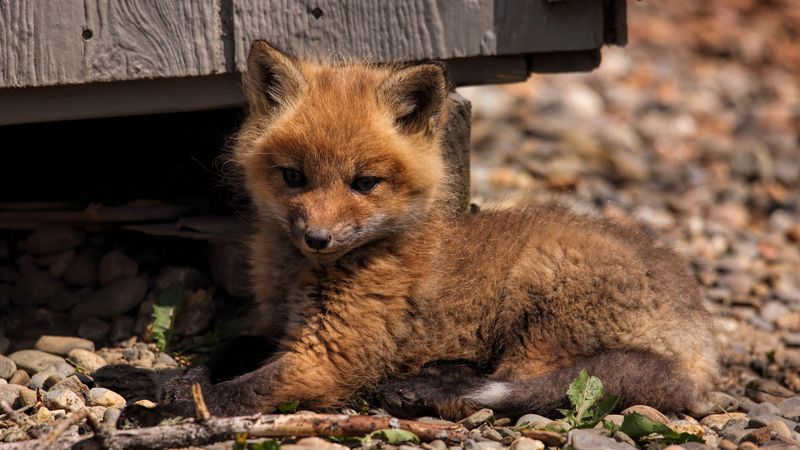
A pet dog sniffing something unusual near the back fence or a child running toward a small animal in the garden are situations that North Carolina homeowners deal with more often than they might expect during late spring.
When a fox kit is present, keeping kids and pets at a safe distance matters right away. A little extra space can prevent a stressful encounter from turning into a bigger problem.
Young foxes that feel cornered or threatened may scratch or bite out of fear, even if they appear calm at first. Dogs and cats can seriously stress or injure a kit, and a frightened kit may scatter into a dangerous area like a road or a neighbor’s yard.
Bringing pets indoors or keeping them leashed while the situation is assessed gives the kit space to stay calm and gives the adult fox a reason to return.
Explaining to children that the fox is a wild animal that needs quiet and space, rather than a pet to be picked up, is a helpful teaching moment.
Your North Carolina Garden Changes Every Week. Your Plan Should Too.
Gardening in North Carolina changes quickly throughout the season. Every Friday you’ll receive a simple weekly plan showing exactly what to plant, prune, fertilize, harvest, and protect so you never miss the right timing.
North Carolina gardens are home to a range of wildlife, and learning to share the space respectfully benefits both people and animals.
3. Do Not Feed The Kit

Spotting a tiny fox and wanting to help by offering food is a very human reaction, but feeding a wild fox kit is one of the most common mistakes well-meaning people make.
Wild fox kits have specific nutritional needs that household foods, pet food, and even store-bought meat cannot properly meet.
Even a small amount of the wrong food can make professional care more complicated if the kit later needs help.
Feeding a kit can also create a dependency on humans, which causes real problems down the road. A fox that associates people with food loses its natural wariness and becomes more likely to approach homes, roads, and strangers.
This puts the animal at greater risk, not less.
There is also a practical concern for North Carolina gardeners: putting food out near a kit can attract other wildlife, including animals that may pose a threat to the fox.
If you genuinely believe the kit needs nutrition because it appears weak or injured, that is a conversation to have with a licensed wildlife rehabilitator, not something to handle on your own.
The well-meaning instinct to feed a hungry-looking animal is understandable, but in this case, holding back is the more responsible and caring choice for the fox’s long-term wellbeing.
4. Avoid Handling Unless Safety Requires It
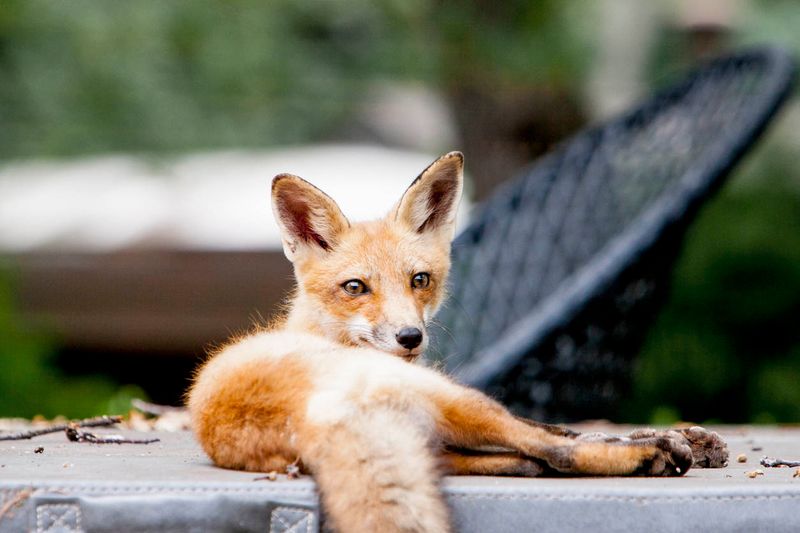
Picking up a baby fox feels like the right thing to do when it looks small, helpless, or lost. However, handling a wild fox kit without a clear safety reason can do more harm than good, even with the best intentions behind it.
Human scent on a kit does not guarantee the mother will reject it, but unnecessary handling adds stress to an already vulnerable animal. A frightened kit may scratch or bite, and even a small wound from a wild animal warrants a call to a healthcare provider.
In North Carolina, as in other states, wild foxes can carry certain diseases, so direct contact is best avoided when possible.
The situations where brief, careful handling might be necessary include moving a kit that is in immediate danger, such as one sitting in a road or near a predator with no way to escape.
In those cases, using thick gloves and moving the animal only a short distance to a safer nearby spot is a reasonable step.
Outside of clear safety concerns, the most helpful approach is to leave the kit where it is and let wildlife professionals guide the next move.
5. Look For Signs That Help Is Actually Needed

Most baby foxes spotted in North Carolina yards are simply resting or waiting while the adults are away. But there are real situations where a kit does need outside help, and knowing the difference matters a great deal before making any decisions.
The goal is to notice clear warning signs without mistaking normal quiet behavior for an emergency.
A kit that is clearly injured, has visible wounds, or is bleeding needs professional attention. One that is crying out continuously for several hours, especially after dark when fox activity typically increases, may be signaling that the mother has not returned.
A kit that is cold to the touch, appears limp, or is moving in circles is showing signs of distress that go beyond normal resting behavior.
Healthy kits, by contrast, tend to look alert even when still. Their eyes are open and responsive, and they may watch you with curiosity rather than appearing dazed or unresponsive.
Flies hovering around a kit or visible maggots are serious warning signs that require prompt contact with a wildlife rehabilitator.
North Carolina gardeners who are unsure can document what they see with photos or notes and describe the situation clearly when they reach out to a licensed wildlife professional for guidance.
6. Contact A Licensed Wildlife Rehabilitator For Guidance

When something feels off about a fox kit in the yard, reaching out to a licensed wildlife rehabilitator is one of the most practical steps a North Carolina resident can take.
These professionals are trained specifically to assess wild animals in distress and can guide homeowners through what to do next without requiring an immediate visit.
A phone call or message describing what you see, including the kit’s behavior, approximate size, condition, and how long it has been visible, gives a rehabilitator enough information to advise whether the animal needs to be brought in or whether it is fine where it is.
Many situations turn out to be non-emergencies once a professional hears the details.
North Carolina has a network of licensed wildlife rehabilitators who work with native species including foxes. The North Carolina Wildlife Resources Commission maintains resources to help residents find the right contact in their area.
Acting on professional guidance rather than instinct alone leads to better outcomes for the animal.
A rehabilitator can also walk you through how to safely contain a kit if transport is truly necessary, using steps that reduce stress for both the fox and the person helping.
7. Avoid Trying To Raise The Fox Yourself
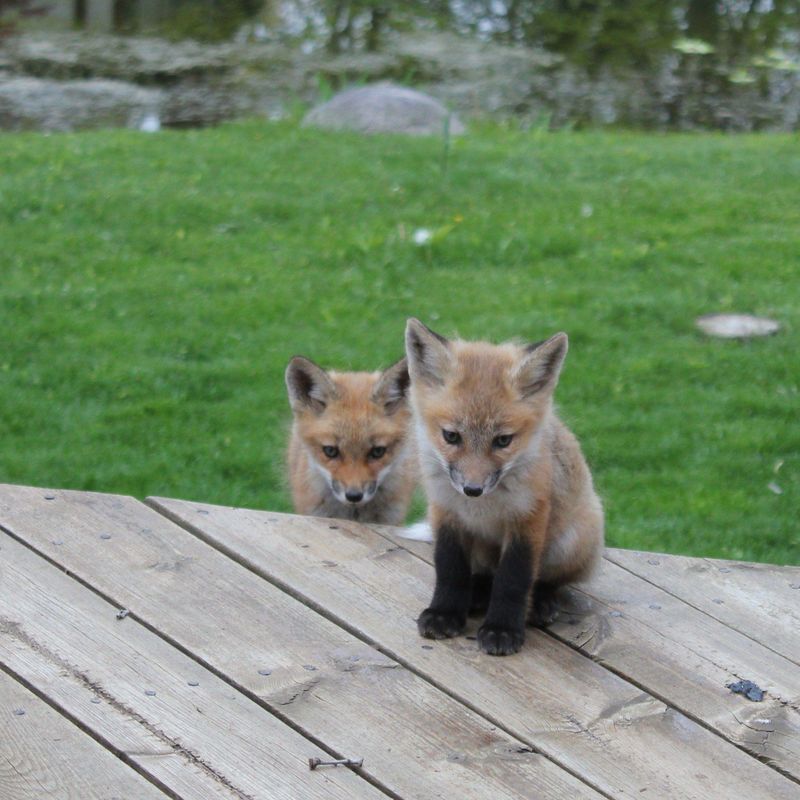
There is something undeniably appealing about the idea of raising a baby fox, especially one that seems helpless and alone.
However, raising a wild fox without proper training, facilities, and legal permits is not a safe or effective way to help, and it can cause lasting harm to the animal.
Fox kits raised by people without wildlife rehabilitation experience often fail to develop the instincts they need to survive on their own.
They may become too comfortable with humans, lose their natural fear of people and pets, and struggle to find food or shelter after being released.
In North Carolina, it is also illegal to keep a wild fox without the appropriate permits, even temporarily and even with good intentions.
The emotional pull to care for a small wild animal is completely understandable, but a licensed rehabilitator has the skills, environment, and knowledge to give a kit a genuine chance at returning to the wild.
They use techniques that limit human bonding while still meeting the animal’s physical needs.
Handing a kit over to someone qualified is not giving up on it. It is actually the most effective thing a North Carolina homeowner can do for the fox’s future.
8. Leave A Den Alone If The Family Seems Active
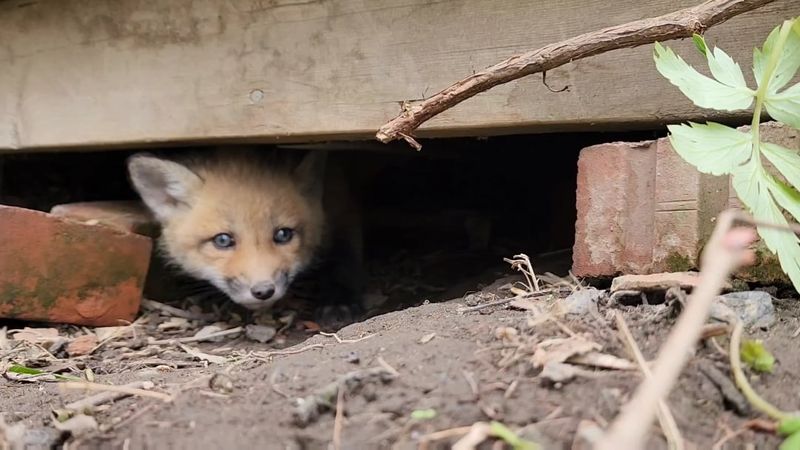
Discovering a fox den at the edge of the yard, under a shed, or near a brush pile can feel alarming, but an active den with a family present is generally a sign that things are working as they should.
North Carolina foxes often choose residential areas because of the shelter and reduced predator pressure those spaces provide.
An active den will show signs of regular use, including worn paths, scattered feathers or small bones near the entrance, and occasional sightings of adult foxes at dusk or dawn. Kits may emerge to play in early morning or late afternoon.
As long as the family is not creating a direct safety concern, the best approach is usually to leave them alone and let the season run its course.
Fox families typically move on from a den site on their own within a few months as the kits mature.
Disturbing an active den can scatter the family prematurely and separate young foxes from their mother before they are ready.
If the den location is causing a genuine problem, such as being directly under a structure that needs repair, reaching out to a wildlife professional for humane guidance is a better option than attempting to remove or block it yourself.
9. Remove Food Attractants Around The Yard

One of the most useful long-term steps a North Carolina gardener can take after a fox encounter is to reduce the things in the yard that attract wildlife in the first place.
Foxes are opportunistic and are drawn to yards that offer easy food sources, shelter, and low disturbance.
Unsecured trash cans, compost piles without tight lids, fallen fruit under trees, outdoor pet food bowls, and birdseed scattered on the ground are all common attractants.
Removing or securing these items does not harm the foxes already in the area, but it does reduce the likelihood of repeated visits and makes the yard less appealing as a long-term habitat near the house.
North Carolina gardens with wooded edges or overgrown areas near fences can also harbor the small rodents and insects that foxes hunt.
Keeping grass trimmed and clearing dense brush near the home can reduce the yard’s appeal as a hunting ground without harming the broader local ecosystem.
These steps benefit the garden as a whole and help maintain a reasonable boundary between the household and the wildlife that shares the neighborhood. A yard that offers fewer easy rewards is one that foxes are less likely to settle into long-term.