The Last Crops You Can Plant In Maryland In July Before First Frost
July in Maryland feels like peak summer, but your garden is already running out of time. The first frost doesn’t care that you’re still sweating through your shirt.
It arrives in October, right on schedule, and anything still in the ground better be ready. Here’s the thing most gardeners miss: July isn’t the end of planting season.
It’s the start of a second one. Skipping this window isn’t just a missed opportunity, it’s leaving a full harvest on the table.
Maryland’s climate gives you a narrow but surprisingly generous window. Six to ten weeks of solid growing weather still sit between now and that first hard frost.
That’s enough time to pull a real harvest from crops most people never even consider planting this late. Stop treating your garden like it’s winding down.
You might be surprised just how much is still possible, and how little time it takes to make it happen.
1. Bush Beans
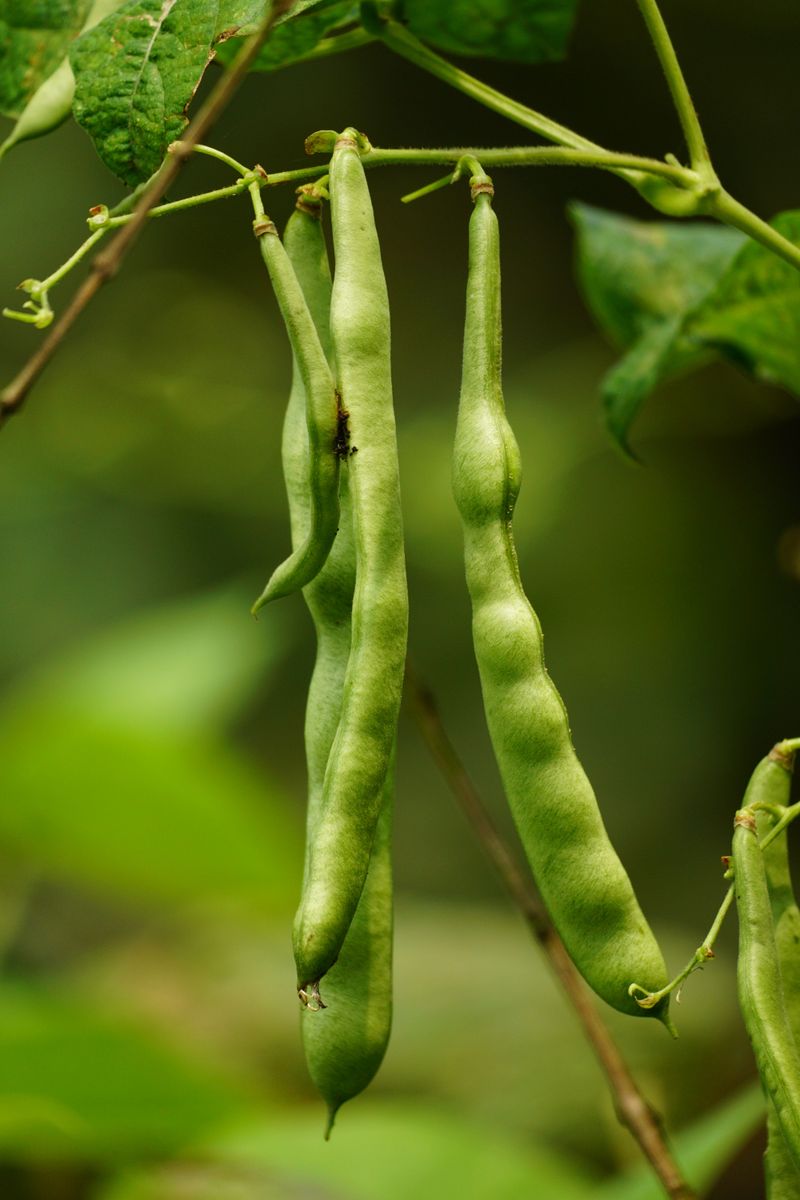
Few garden moments are as satisfying as snapping a fresh bean straight from the plant. Bush beans are one of the easiest crops you can plant in Maryland in July, and they grow fast enough to beat the first frost with ease.
These compact plants do not need stakes or cages, which makes them perfect for busy gardeners short on time. You can tuck them into any sunny corner of your yard and watch them take off within days of planting.
Bush beans germinate quickly in warm July soil, often sprouting in just five to eight days. That head start means you could be harvesting tender pods in as little as 50 days.
Plant seeds about one inch deep and two inches apart in rows spaced 18 inches wide. Keep the soil moist but not soggy, and avoid watering the leaves to prevent fungal issues.
One thing many gardeners overlook is succession planting. If you plant two small batches two weeks apart, you extend your harvest window significantly before temperatures drop.
Bush beans prefer full sun and well-drained soil with a slightly acidic pH around 6.0 to 6.5. Adding a little compost at planting time gives them the boost they need to produce abundantly.
Harvest the pods when they feel firm and snap cleanly. Waiting too long makes them tough and stringy, so check your plants every couple of days once they start producing.
2. Beets
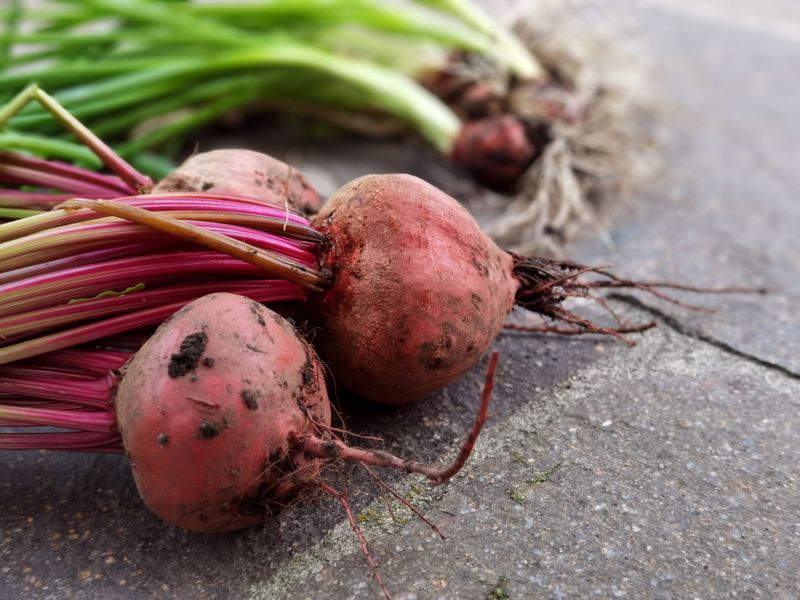
Beets are the quiet overachievers of the vegetable garden. They give you two harvests in one: sweet, earthy roots below and nutritious greens above.
July is actually a great time to sow beets in Maryland because the soil is warm and seeds germinate reliably. Cooler fall temperatures ahead will sweeten the roots naturally as they mature.
Soak your beet seeds in water for a couple of hours before planting to soften the seed coat. This simple trick speeds up germination and gives your crop a competitive edge against the calendar.
Plant seeds about half an inch deep and one inch apart, then thin seedlings to three inches once they sprout. Crowded beets produce small, misshapen roots, so thinning is a step you should not skip.
Your Maryland Garden Changes Every Week. Your Plan Should Too.
Gardening in Maryland changes quickly throughout the season. Every Friday you’ll receive a simple weekly plan showing exactly what to plant, prune, fertilize, harvest, and protect so you never miss the right timing.
Beets prefer loose, well-drained soil free of rocks and clumps. Hard soil prevents the roots from expanding properly, leaving you with stunted or forked beets at harvest time.
Most varieties mature in 55 to 70 days, which fits perfectly into Maryland’s fall growing window. Choose reliable varieties like Detroit Dark Red or Chioggia to stay safely ahead of the first frost.
Harvest beets when roots reach about two inches in diameter for the best flavor and texture. Leaving them in the ground too long makes them woody and less enjoyable to eat.
The greens are edible too, so do not toss those thinnings. Saute them with garlic and olive oil for a delicious bonus side dish.
3. Carrots
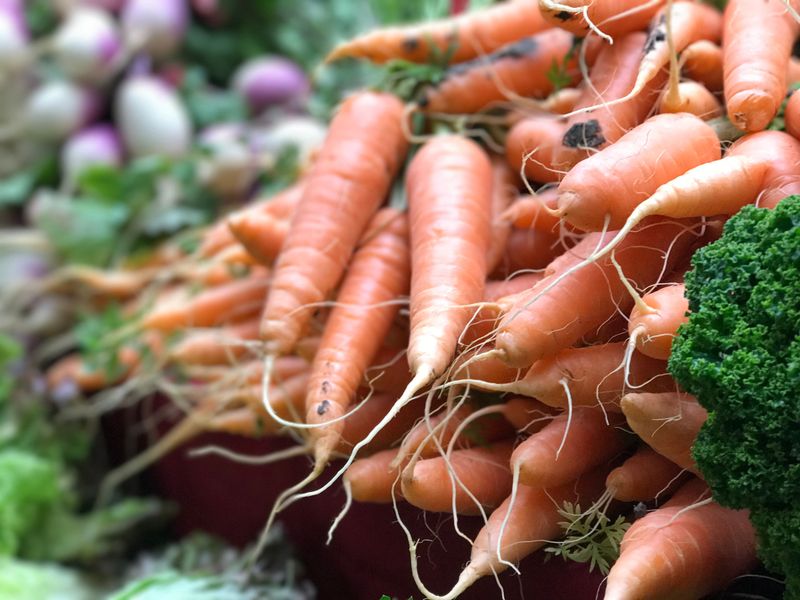
Carrots planted in July develop a secret weapon: fall cold snaps convert their starches into sugars, making them sweeter than anything from the grocery store. That flavor payoff alone is worth the effort of getting them in the ground now.
Carrot seeds need consistent moisture to germinate, which can be tricky during hot July days. Covering the seeded row with a thin board or burlap until sprouts appear helps lock in moisture and improve germination rates.
Choose a shorter variety like Danvers 126 or Little Finger if your soil is heavy or clay-based. These compact roots push through dense soil far more successfully than longer varieties that tend to fork and twist.
Sow seeds a quarter inch deep and about two inches apart in rows spaced 12 inches wide. Once seedlings reach two inches tall, thin them to three to four inches apart to give each root room to develop.
Carrots are slow starters, often taking 10 to 14 days to germinate. Patience is key during this stage, and keeping the soil consistently moist is the most important thing you can do.
Most carrot varieties take 70 to 80 days to mature, so planting in early July puts harvest right around late September or early October. That timing works well before Maryland’s typical first frost window.
Loosen the soil deeply before planting and remove any rocks or debris. A fluffy, well-prepared bed gives your carrots the best chance of growing straight and strong all the way to harvest.
4. Radishes
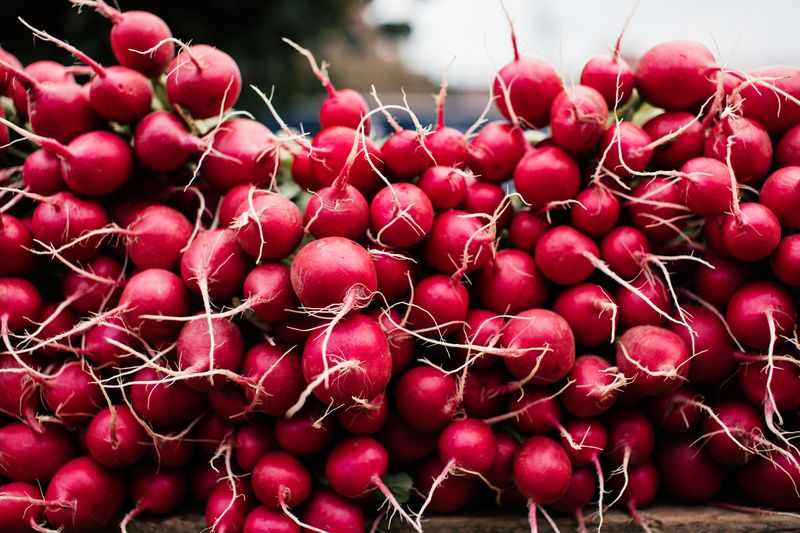
Image Credit: © Rachel Claire / Pexels
If you want instant gardening gratification, radishes are your best friend. Some varieties go from seed to table in as little as 22 days, making them the fastest crop on this entire list.
Planting radishes in July gives you multiple harvest rounds before frost even becomes a concern. You could plant a small batch every week and enjoy a continuous supply of crisp, peppery roots all the way into October.
Radishes actually prefer slightly cooler conditions, so a July planting that matures in early September hits a sweet spot. The mild fall weather mellows their flavor and reduces the sharp bitterness that summer heat can sometimes cause.
Sow seeds half an inch deep and one inch apart in rows about six inches wide. Thin seedlings to two inches apart once they emerge to prevent overcrowding, which causes roots to become leggy and hollow.
These little roots are incredibly unfussy about soil as long as it drains well. They do not need heavy fertilizing either, just consistent watering to keep the soil evenly moist without becoming waterlogged.
Cherry Belle and Easter Egg are two popular varieties that perform beautifully in Maryland’s late summer conditions. Both mature quickly and hold their quality in the ground for a reasonable window before turning pithy.
Radishes also double as a companion plant, helping to deter certain pests when grown near other crops. Tucking them between slower-growing vegetables makes smart use of limited garden space while keeping your garden healthier overall.
5. Kale
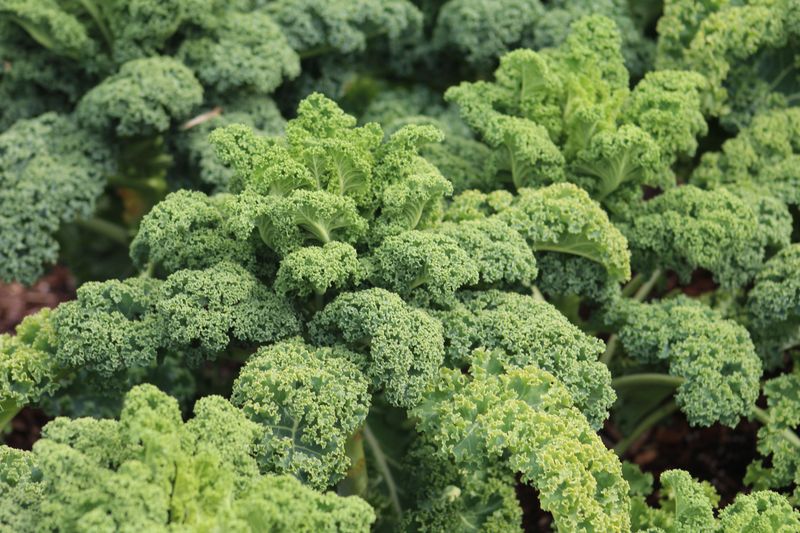
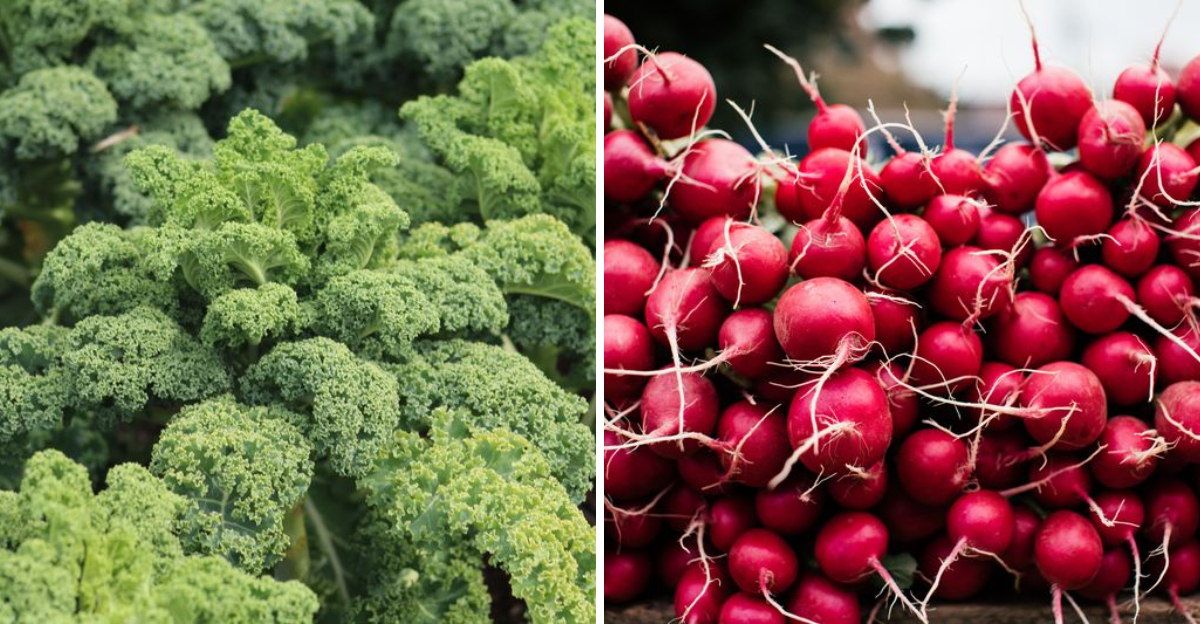
Image Credit: © Dresden Benke / Pexels
Kale is one of the most reliable performers in the fall garden. It gets better with cold, producing sweeter and more tender leaves after the first light frost touches its curly edges.
Planting kale in July sets you up for a harvest that peaks right when other crops are winding down. That makes it one of the most strategic crops you can plant in Maryland in July before the first frost shuts things down.
Start seeds directly in the ground or use transplants to save a couple of weeks. Either approach works well in July, though transplants give you a slight head start if you are working against a tight timeline.
Kale prefers rich, well-drained soil with plenty of nitrogen to fuel those big, leafy canopies. Work a generous layer of compost into the bed before planting to give the plants a strong nutritional foundation from day one.
Space plants 18 inches apart so they have room to spread without competing for sunlight or nutrients. Crowded kale produces smaller leaves and is more vulnerable to pest pressure and disease.
Water regularly during the hot July weeks to help transplants establish without stress. Once the plants are settled in, they become surprisingly resilient and can handle brief dry spells without much drama.
Lacinato, Red Russian, and Winterbor are excellent varieties for fall growing in this region. Harvest outer leaves first, leaving the center intact so the plant continues producing well into November and beyond.
6. Spinach
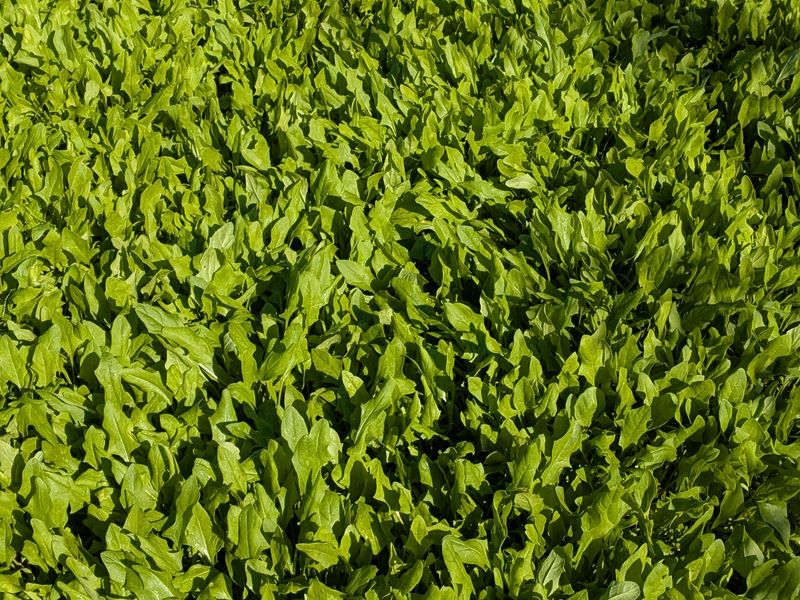
Spinach is a cool-season champion that actually struggles in peak summer heat. Planting it in mid-to-late July gives it time to establish before the brutal heat fades and fall temperatures make it truly happy.
The trick with July spinach is timing the seed drop so germination happens before the soil cools too much. Aim to plant by the last week of July so seeds sprout while the ground is still warm enough to cooperate.
Spinach seeds germinate poorly when soil temperatures exceed 85 degrees Fahrenheit. If your garden bed is baking in the afternoon sun, try planting in a spot with some light shade to keep germination conditions more favorable.
Sow seeds half an inch deep and two inches apart, then thin to six inches once plants are established. Spinach leaves grow quickly once the plant settles in, and you can begin harvesting outer leaves in about 40 to 50 days.
Choose bolt-resistant varieties like Bloomsdale Long Standing or Space for July plantings. These types hold their shape and flavor longer without bolting to seed when temperatures fluctuate during late summer and early fall.
Keep the soil consistently moist but never waterlogged, as spinach roots are sensitive to sitting in wet conditions. Mulching around plants helps regulate soil temperature and hold moisture during the remaining warm weeks of summer.
Spinach is rich in iron, folate, and vitamins A and C, making every harvest genuinely worth celebrating. A healthy fall crop means fresh salads and smoothies straight from your backyard well into October.
7. Broccoli (Transplants)
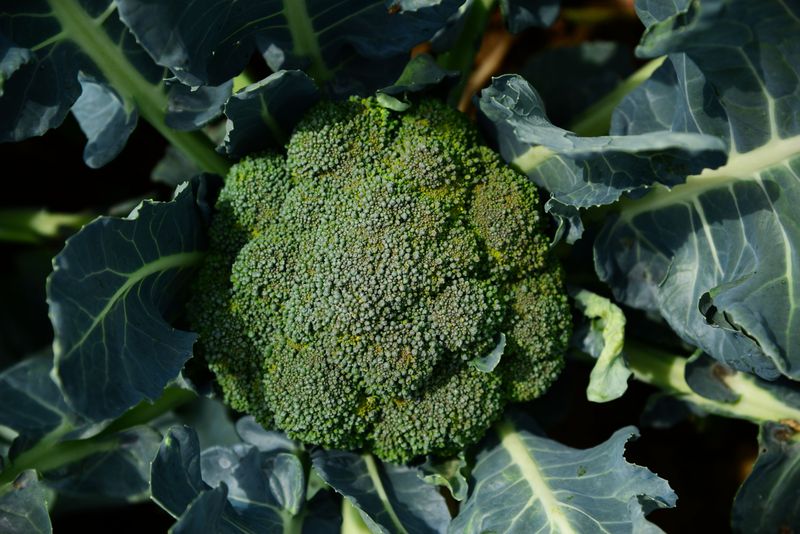
Most standard broccoli varieties take too long from seed for a late July start, but transplants change the whole equation. Buying or starting transplants early in July gives you a crop that matures perfectly right around the first frost window.
Look for transplants that are about four to six weeks old with thick, sturdy stems. Avoid leggy or pale seedlings, as they struggle to establish quickly enough to produce a solid head before cold weather arrives.
Broccoli loves cooler temperatures for head development, which is why fall growing produces some of the best-tasting crowns of the year. The heads form tightly and taste sweeter when daytime temperatures drop into the 60s and 70s.
Space transplants 18 to 24 inches apart in rows about 24 inches wide. This spacing allows air circulation between plants, which reduces the risk of fungal diseases that can spread quickly in humid late-summer conditions.
Feed your transplants with a balanced vegetable fertilizer shortly after planting to fuel early growth. A second feeding about three weeks later supports strong head development as the plant shifts from leaf growth to crown formation.
Calabrese and Waltham 29 are two reliable varieties for fall production in this region. Both mature in roughly 60 to 80 days from transplant, which fits neatly into Maryland’s fall growing calendar.
Watch for cabbage worms and aphids, which are strongly drawn to broccoli crops. Row covers installed right after planting can block these pests before they become a serious problem for your crop.
8. Summer Squash
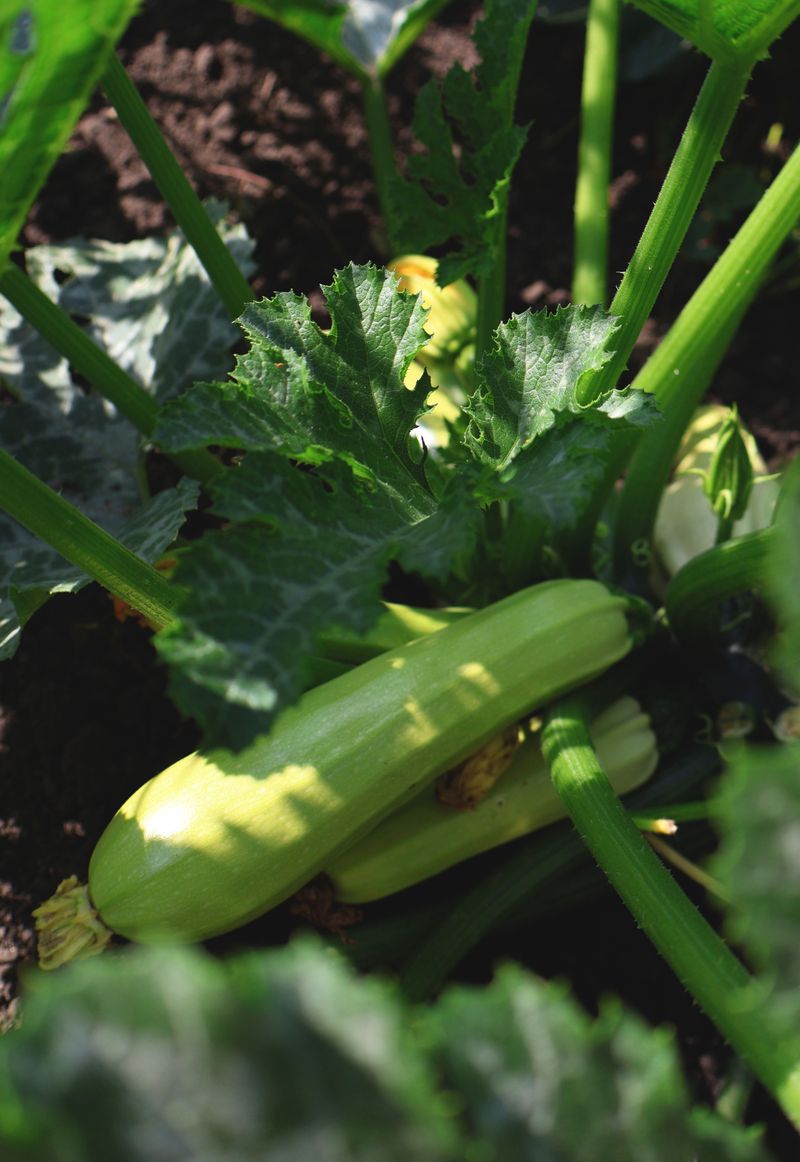
Summer squash is one of the fastest-maturing crops you can plant in late summer. A July planting can put tender zucchini or yellow squash on your table in as little as 45 to 55 days, squeezing right in before Maryland’s fall frosts arrive.
This crop thrives in warm soil and full sun, which makes July an ideal planting month despite the heat. The key is getting seeds in the ground early enough that harvest wraps up before nighttime temperatures consistently drop below 50 degrees.
Plant seeds one inch deep in hills or rows, spacing plants about 24 to 36 inches apart. Squash plants spread aggressively, so giving them generous room from the start prevents crowding and keeps airflow strong between the big leaves.
Water deeply and consistently, aiming for about one inch of water per week at the base of the plant. Wet foliage is an open invitation to powdery mildew, which spreads fast and can significantly reduce your late-season yield.
Pollination is essential for fruit development, so healthy bee activity around your garden matters. If you notice flowers dropping without producing fruit, hand pollination with a small brush can bridge any gaps in natural pollinator visits.
Harvest squash when fruits are six to eight inches long for the best flavor and texture. Leaving them on the vine too long results in seedy, tough fruits that the plant wastes energy on instead of producing new ones.
These last crops you can plant in Maryland in July before first frost are a reminder that the season is not over yet. Summer squash is proof that a little late-season effort pays off in a big, delicious way.