Stop Making These 7 Mistakes With Powdery Mildew On Maryland Roses
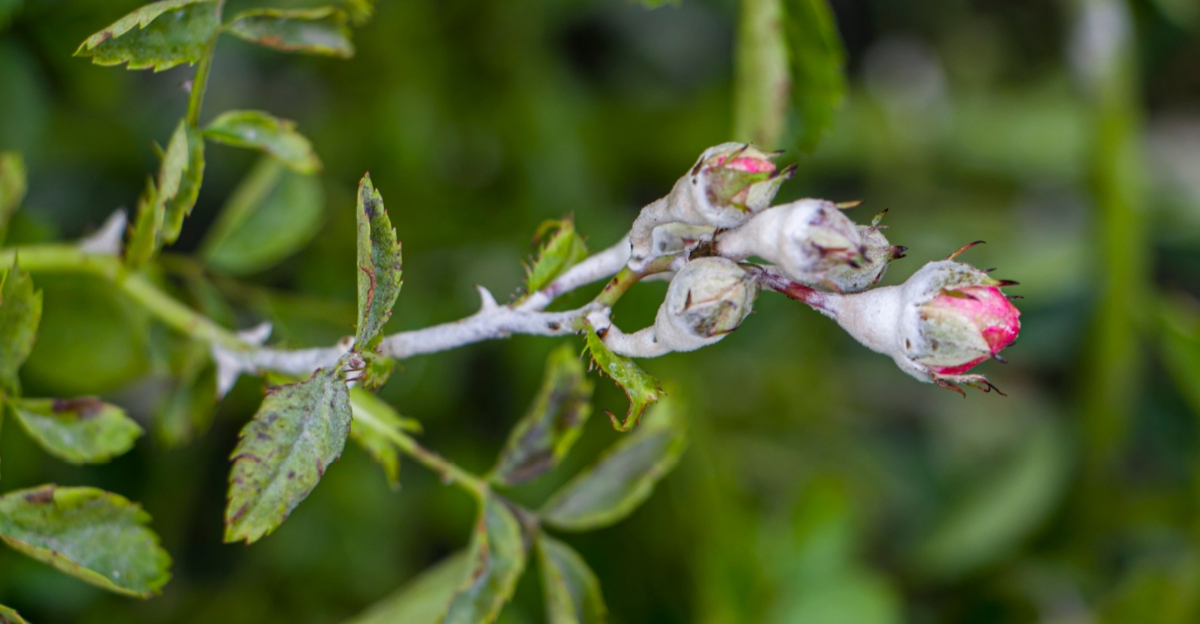
You walk out at noon and your ‘Belinda’s Dream’ looks absolutely perfect. Two hours later, white powder covers every leaf, and you haven’t changed a thing.
The fungus has. Powdery mildew doesn’t wait for an invitation. It moves quietly and quickly, building on Maryland’s overnight humidity while spores drift on dry wind.
They need no moisture to travel, just the right temperature shift between dusk and dawn.
What if every misstep you’ve made was completely avoidable? Most gardeners address the surface issue rather than the root cause.
They spray, trim, and hope for the best, but the mildew circles back every single time. Your Maryland roses have every chance of coming out on top.
The only thing standing in the way is a handful of habits that quietly tip the odds in the fungus’s favor. What follows will make that chalky coating feel like a thing of the past.
1. Composting Infected Clippings

Tossing diseased clippings into the compost bin feels like responsible gardening. It is actually one of the quicker ways to reintroduce mildew to the plants closest to your compost pile.
Most backyard compost piles never reach the internal temperature needed to destroy fungal spores.
The fungus overwinters in infected plant material, and working that compost back into your garden the following spring puts it directly in contact with your roses again.
Powdery mildew on Maryland roses moves from plant to plant through exactly these kinds of overlooked contact points.
A warm compost pile might feel hot on the outside but stay cool enough inside to let the fungus thrive.
The fix is simple but requires discipline. Bag every infected clipping in a sealed plastic bag and send it straight to the trash, not the compost bin.
Some gardeners burn infected material when local ordinances allow it. That is the most reliable way to destroy spores completely and protect next season’s growth.
Think of your compost pile as a neighborhood, not a waste dump. Everything you add eventually goes back into your soil, so protecting that resource matters enormously.
Healthy clippings from non-infected canes are perfectly fine to compost. Just be ruthless about separating the clean material from anything showing that telltale white coating.
Making this one switch in your routine can dramatically reduce how much mildew returns each season. Your roses will thank you with cleaner foliage and stronger blooms all summer long.
2. Watering Overhead In The Evening
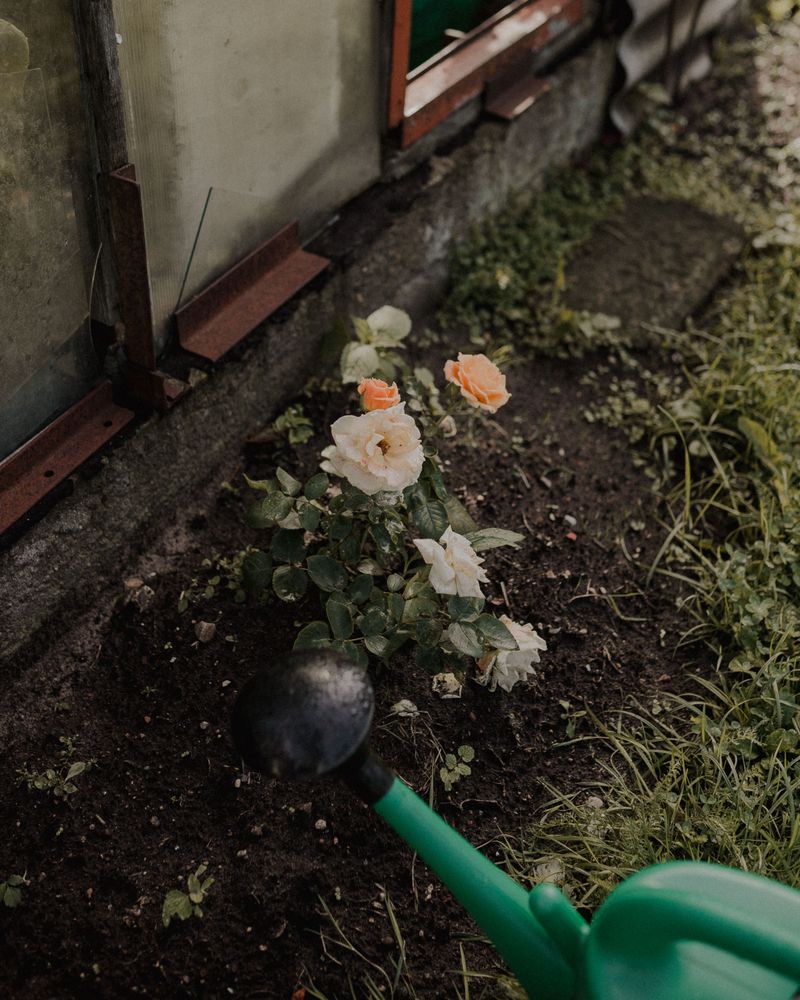
Evening overhead watering is one of those habits that feels totally logical. You are home from work, the sun is down, and the roses look thirsty.
The problem is that foliage that stays damp through a humid Maryland night creates conditions where multiple fungal issues can take hold.
Powdery mildew thrives in warm air with poor circulation, and a humid Maryland night gives it exactly the conditions it favors most.
Morning watering is the gold standard for rose care in this region. Leaves have the entire day to dry out before temperatures drop and humidity climbs again after dark.
Your Maryland Garden Changes Every Week. Your Plan Should Too.
Gardening in Maryland changes quickly throughout the season. Every Friday you’ll receive a simple weekly plan showing exactly what to plant, prune, fertilize, harvest, and protect so you never miss the right timing.
Switching to a drip irrigation system or a soaker hose makes an even bigger difference. Water goes directly to the root zone, and foliage stays completely dry throughout the growing season.
Maryland summers are already humid enough without adding extra moisture to leaf surfaces at night. Every small change you make to reduce leaf wetness cuts mildew pressure significantly.
If you must water by hand in the evening, aim the stream at the base of the plant. Keep the nozzle low and slow so water never splashes up onto the canes or leaves.
Overhead sprinklers are especially problematic because they coat every surface evenly. That includes the undersides of leaves where spores often first take hold.
Changing when and how you water costs nothing but a small shift in routine. That single adjustment can be the difference between a clean garden and a recurring mildew problem all season.
3. Ignoring It And Waiting

Powdery mildew does not take a day off while you wait and hope for improvement. Ignoring the first signs is the mistake that turns a manageable situation into a garden-wide problem.
Early symptoms look like a faint dusty coating on young leaves or buds. That is your window to act, and it closes faster than most people expect.
Within days, those dusty patches expand and merge into thick white sheets across entire canes. Buds that were about to open become deformed and fail to bloom properly.
Catching powdery mildew on Maryland roses early means your treatment options are much broader. Baking soda sprays, neem oil, and potassium bicarbonate all work well on light infections.
Once the disease progresses to a severe stage, you often need stronger fungicides applied multiple times. That costs more money, more time, and puts more chemical stress on already weakened plants.
Some gardeners convince themselves the problem will clear up after rain. Unfortunately, rain does not wash away an established mildew colony the way you might hope.
Set a weekly inspection schedule for your rose garden throughout Maryland’s growing season. Catching issues early is the single highest-leverage habit any rose grower can build.
Walk the garden with good light, turn leaves over, and look closely at new growth. Early action keeps small problems small, and that is always the smarter path forward.
4. Over-Fertilizing The Sick Plant

Feeding a struggling rose feels nurturing and kind. When that rose has powdery mildew, though, heavy fertilization is actually making things significantly worse.
High-nitrogen fertilizers push out a flush of soft, tender new growth. That lush young tissue is exactly what powdery mildew spores love most and attack first.
Think of nitrogen-rich growth as fresh bread left on the counter. Mold moves in fast, and the softer the material, the quicker the colonization happens.
Maryland gardeners often reach for fertilizer as a cure-all when plants look stressed. Mildew stress and nutrient deficiency look surprisingly similar, which leads to this well-meaning but counterproductive mistake.
During an active infection, hold off on any high-nitrogen feeding entirely. Your goal is to stop producing irresistible new growth until the disease is under control.
A light application of potassium or phosphorus can support root strength without triggering that soft leafy flush. Always check the N-P-K ratio on the bag before applying anything to a sick plant.
Once the mildew is fully treated and new growth looks clean and healthy, you can resume a balanced feeding schedule. Timing your nutrition program around plant health makes a real difference in outcomes.
Powdery mildew on Maryland roses thrives on opportunity, and over-fertilized plants hand it every advantage. Feed smart, feed at the right time, and your roses will come back stronger.
5. Leaving Fallen Leaves On The Ground

Fallen leaves under your rose bushes might look like mulch, but they are actually a reservoir of trouble. Each infected leaf on the ground holds thousands of dormant spores ready to reinfect your plants.
Wind picks up those spores and carries them directly back onto healthy canes. Rain splashes them upward from the soil surface during storms, coating lower leaves almost immediately.
Cleaning up fallen debris is one of the most underrated steps in any rose care routine. It breaks the disease cycle at its source instead of just treating the symptoms on the plant above.
Grab a rake or gloved hand and clear the ground under your roses at least once a week during the growing season. Do not let infected material pile up and become a spore factory right at the base of your plants.
In Maryland, autumn cleanup is especially important before the first frost arrives. Spores can overwinter in fallen leaves and emerge fresh and aggressive the following spring.
Pair your cleanup routine with a light soil surface spray of diluted neem oil or copper fungicide. This targets any spores already present in the top layer of ground material.
Replacing old mulch around the base of the plant each spring also helps. Fresh mulch covers any overwintered spores and gives you a cleaner starting point for the new season.
Healthy ground equals healthy plants above it. Never underestimate what is happening at soil level when you are managing powdery mildew on Maryland roses.
6. One-Time Fungicide Treatment
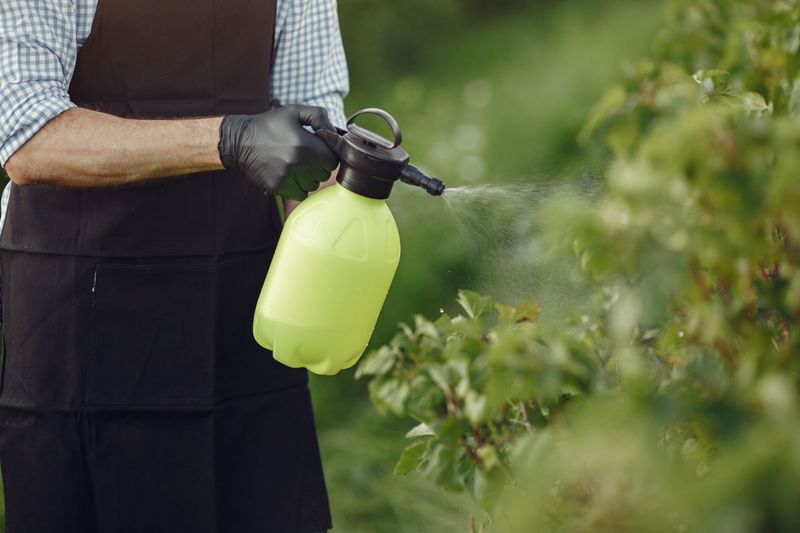
Spraying your roses once and calling it done is a common gap in treatment that gives mildew room to return. Fungicides work on contact or short-term systemic protection, not as a permanent cure.
Most products protect treated surfaces for seven to fourteen days, and during active infection, the shorter end of that window applies.
After that window closes, new growth and changing weather create fresh opportunities for the fungus to return.
Consistent, repeated applications are the backbone of any effective treatment plan. Skipping follow-up sprays because the plant looks better is like stopping antibiotics because you feel fine after two days.
For powdery mildew on Maryland roses, plan on a regular spray schedule from early spring through late summer.
Weekly or biweekly applications during high-risk periods keep protection consistent and reliable. Rotating between different fungicide types is also critical for long-term effectiveness.
Using the same product repeatedly allows resistant spore populations to develop and take over your garden.
Alternate between neem oil, potassium bicarbonate, and sulfur-based sprays to hit the fungus from multiple angles.
Each product works differently, which prevents any single resistance pathway from becoming dominant.
Always spray in the early morning so leaves dry fully before nightfall. Coverage matters too, so coat both the tops and undersides of leaves thoroughly with every application.
A single spray is a starting point, never a finish line. Commit to the full schedule and your roses will reward you with clean, vibrant growth all season long.
7. Reusing Pruning Tools On Healthy Canes
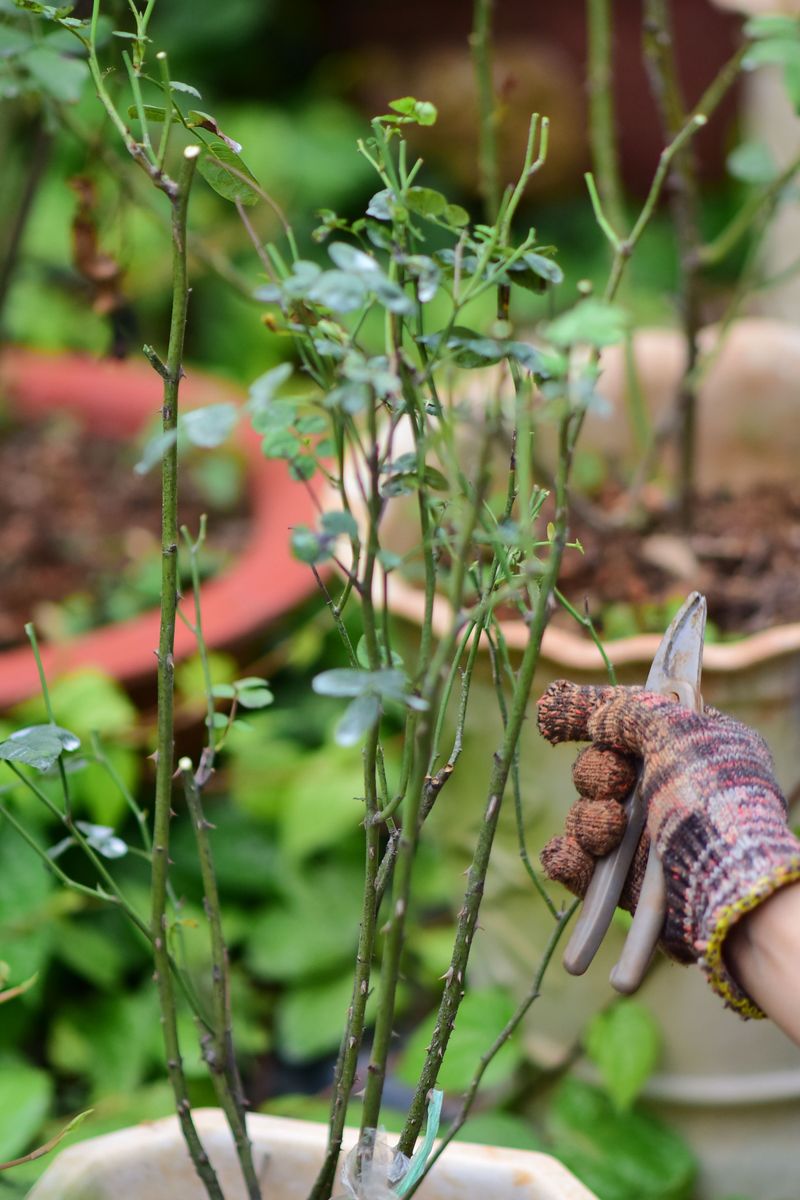
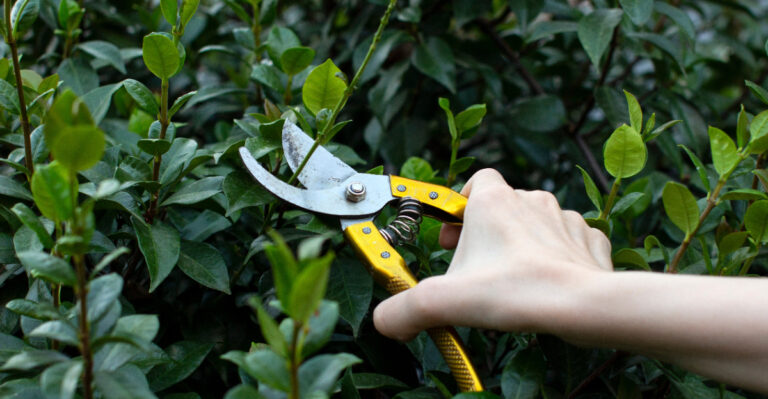
Your pruning shears are incredibly efficient tools, and not just for cutting. Contaminated blades spread powdery mildew from one cane to another in seconds flat.
Every cut you make with an infected tool deposits spores directly into fresh plant tissue. That open wound on the cane becomes an entry point that speeds up infection dramatically.
Sanitizing between cuts sounds tedious, but it takes about ten seconds with the right setup. Keep a small container of isopropyl alcohol or a diluted bleach solution right next to you as you work.
Dip the blades, wipe them clean, and move to the next cane. That simple habit eliminates one of the most common and overlooked transmission routes in the entire garden.
Spores are microscopic, invisible on your blades, and completely undetectable until symptoms show up days later.
Sharp, clean tools also make better cuts that heal faster. A clean cut seals over quickly, while a ragged or contaminated cut stays vulnerable to infection much longer.
After each pruning session, wash your tools with soap and water before storing them. Dry them completely to prevent rust, and give the blades a final wipe with rubbing alcohol for good measure.
Clean tools are a simple investment in your garden’s long-term health. Stop treating sanitization as optional and start treating it as the non-negotiable habit it truly needs to be.