Chaos Gardening May Look Carefree But North Carolina Gardeners Know It Still Takes Work
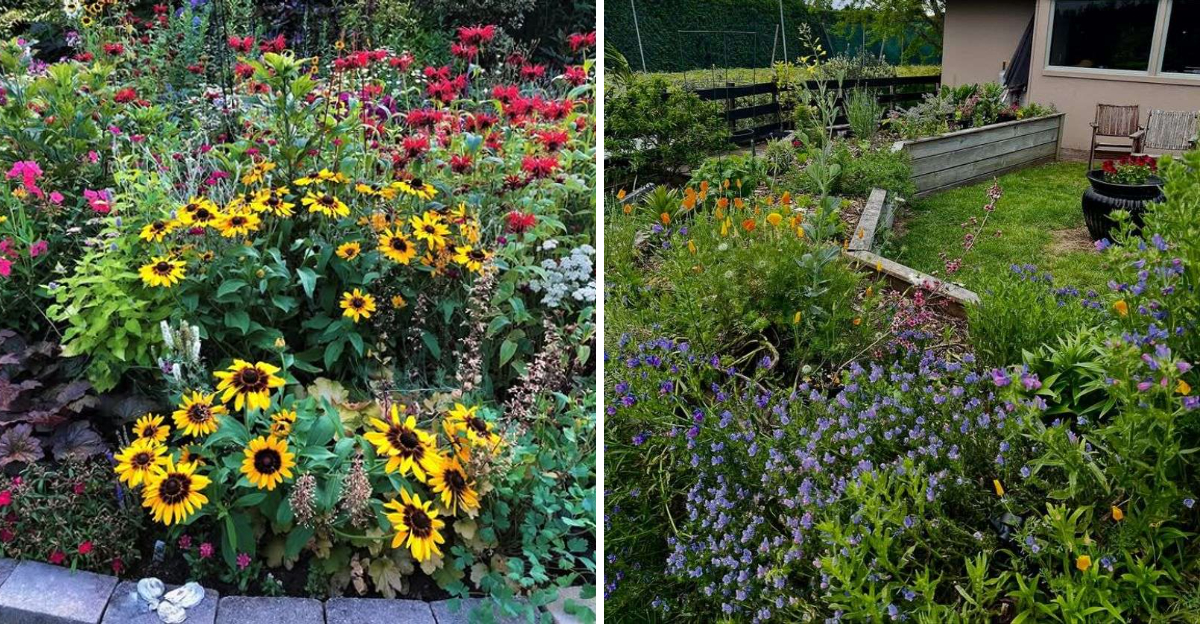
Chaos gardening has captured the attention of gardeners across North Carolina who are tired of rigid rows and high-maintenance borders. The aesthetic is deliberately wild, layered, and relaxed in a way that feels like nature did most of the work.
What that effortless appearance actually requires is a level of planning and seasonal attention that surprises most people who try it for the first time.
North Carolina’s heat, humidity, and fast-growing weed pressure mean that a truly neglected space looks nothing like a well-executed chaos garden.
The difference between beautiful intentional wildness and an overgrown mess comes down to specific decisions made before the first seed ever hits the ground.
Getting those decisions right is what makes chaos gardening look as good as it does all season long.
1. Chaos Gardening Still Starts With Site Prep
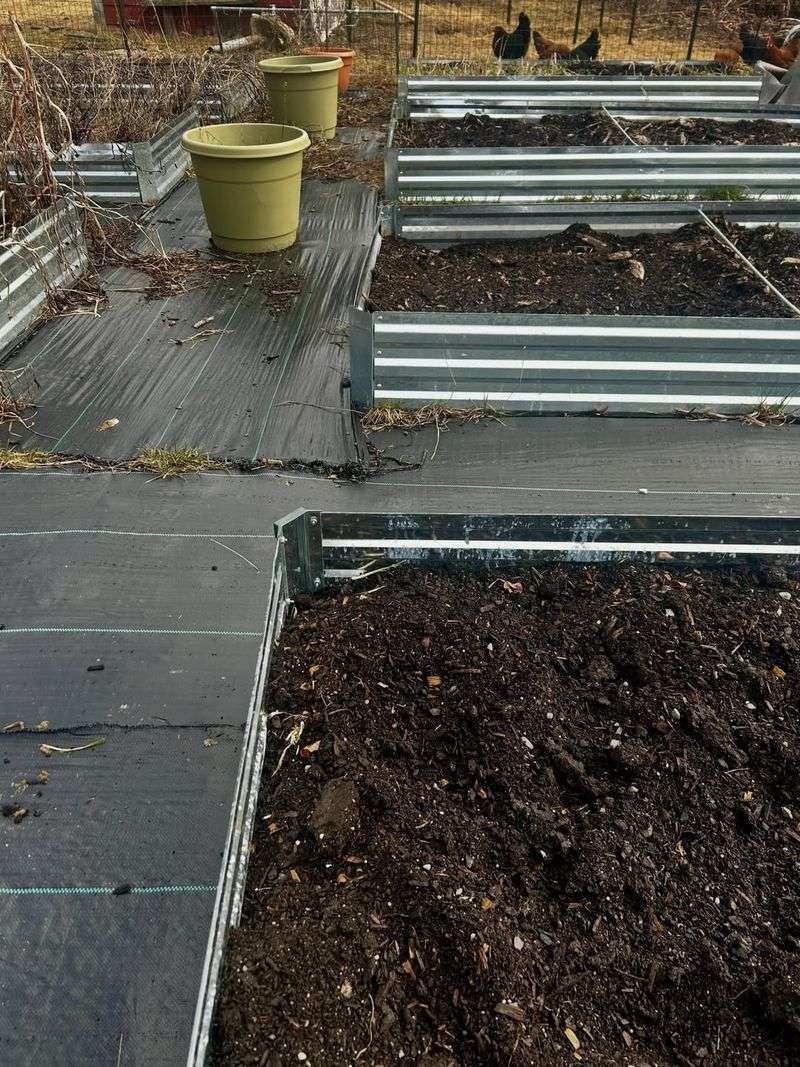
Before a single seed hits the ground, your soil needs to be ready for it. North Carolina chaos gardens that start on compacted, weedy, or grass-covered ground tend to struggle right out of the gate.
That carefree, abundant look everyone loves on Instagram? It almost always begins with a lot of unglamorous prep work that nobody photographs.
Existing turf, invasive plants, and aggressive weeds need to come out before you plant anything. These competitors will outpace your wildflowers and pollinator plants without hesitation, smothering new seedlings before they even get a fair chance.
Solarizing the soil with clear plastic during summer is one popular North Carolina method for clearing problem areas without reaching for chemicals.
Once the ground is cleared, loosening the top few inches of soil helps seeds make good contact with the earth below.
Compacted clay, which is extremely common across much of North Carolina, can block germination even when everything else is right.
Breaking it up, mixing in compost, and leveling the surface creates the kind of welcoming seedbed that makes a chaos garden look effortlessly lush later on.
The wild beauty is real, but the preparation behind it is what makes the whole thing possible.
2. Native Seeds Need More Than A Random Toss
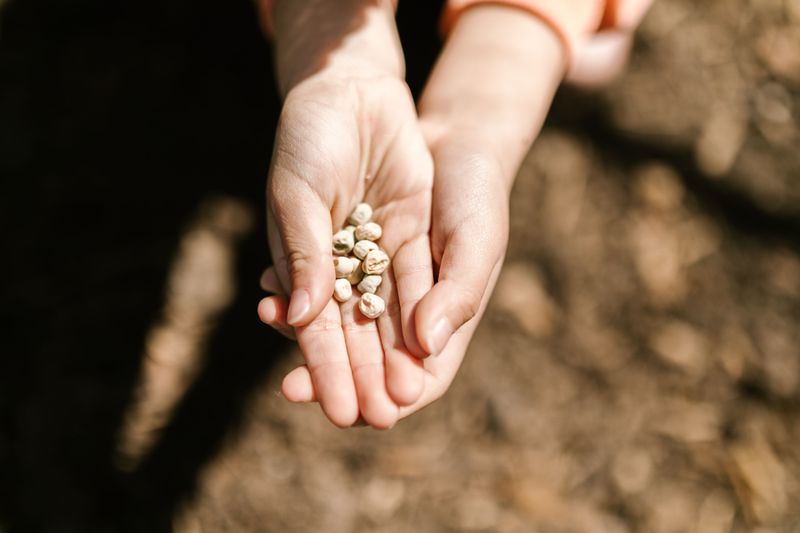
Scattering seeds and hoping for the best sounds poetic, but native seeds are a little more demanding than that story suggests.
Each species has its own set of needs, and meeting those needs is what separates a thriving chaos garden from a patch of bare dirt with a few stragglers poking through.
Soil contact is one of the most important factors. Seeds that land on top of mulch or loose debris often fail to germinate because they never touch actual soil. Sunlight, moisture levels, and planting timing all play roles too.
Many North Carolina native seeds, like those from purple coneflower or black-eyed Susan, actually benefit from a cold stratification period, meaning they need winter temperatures to trigger spring sprouting.
Mixing seed types can also create uneven results if the plants have very different requirements.
Some germinate in two weeks while others take several months, so gardeners often feel disappointed when not everything sprouts at once.
Your North Carolina Garden Changes Every Week. Your Plan Should Too.
Gardening in North Carolina changes quickly throughout the season. Every Friday you’ll receive a simple weekly plan showing exactly what to plant, prune, fertilize, harvest, and protect so you never miss the right timing.
Keeping realistic expectations helps. Spreading seeds in fall lets nature handle the cold stratification process naturally, which tends to produce stronger, more reliable spring germination.
Knowing what each seed needs before you scatter it turns a random toss into a genuinely smart planting strategy that rewards patience season after season.
3. North Carolina Heat Rewards Tough Plant Choices
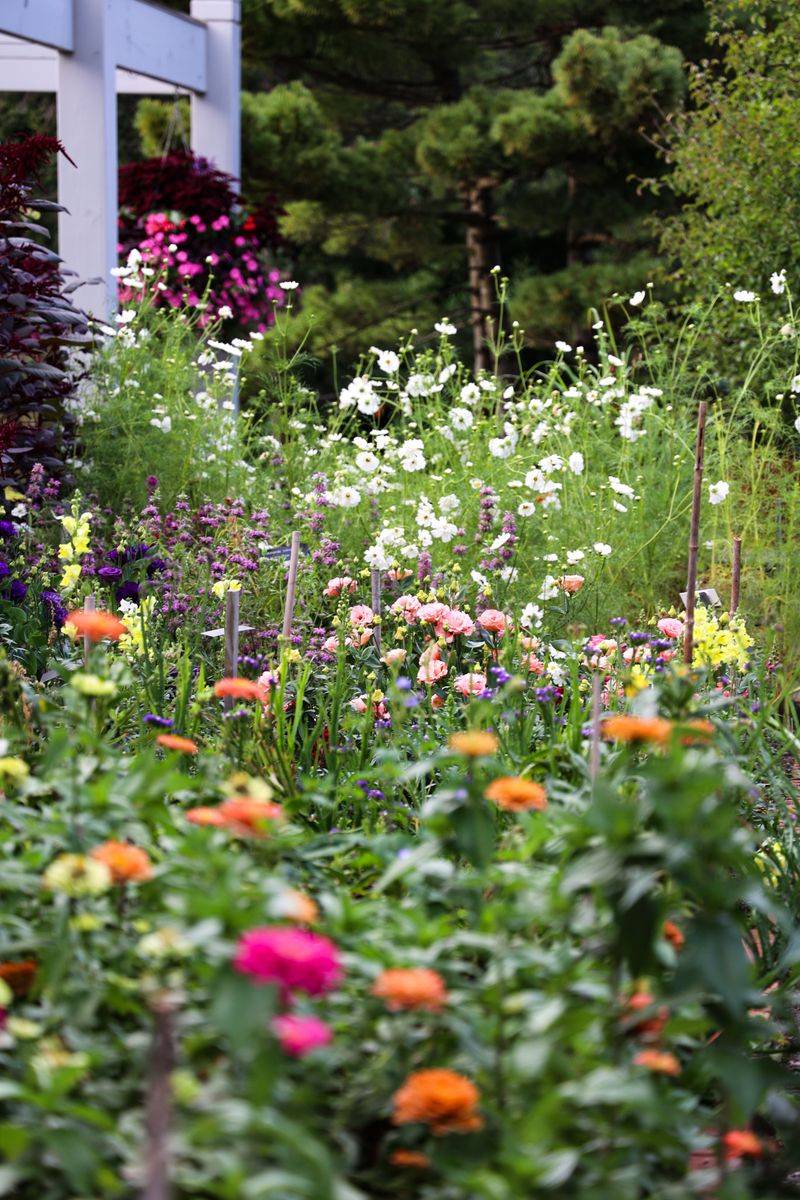
North Carolina summers are no joke. Between the scorching heat, thick humidity, and sudden afternoon storms that can flatten tender plants overnight, not every flower is built for what this state delivers from June through September.
Chaos gardens that thrive here are stocked with plants that genuinely belong in this climate.
Native and regionally appropriate options like purple coneflower, lanceleaf coreopsis, bee balm, and native grasses such as little bluestem are excellent starting points.
These plants evolved alongside North Carolina weather patterns, which means they handle heat, drought stretches, and heavy rain far better than many ornamental varieties sold in general seed mixes.
Herbs like wild bergamot and mountain mint also hold up beautifully while attracting pollinators throughout the season.
Generic wildflower seed packets are tempting because they look colorful on the packaging, but many contain species suited to cooler, drier climates that simply will not perform well in Piedmont clay or coastal plain sand.
Reading the label carefully and cross-referencing plants with NC State Extension recommendations can save a lot of frustration.
Choosing tough, site-matched plants from the start means less replanting, fewer failures, and a garden that looks genuinely wild and abundant rather than patchy and worn out by midsummer.
4. Weed Pressure Shows Up Fast In Bare Soil
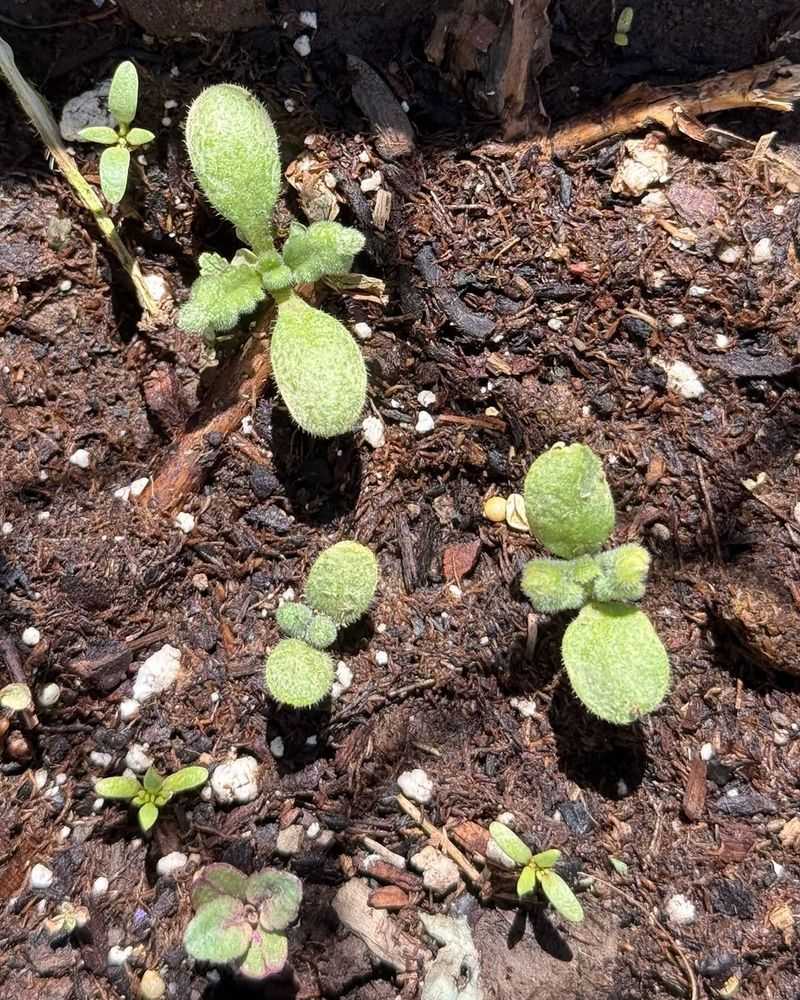
Bare soil in North Carolina is like an open invitation that weeds accept immediately.
The warm climate, frequent rainfall, and naturally fertile ground create perfect conditions for opportunistic plants to move in fast, sometimes within days of soil being disturbed.
Gardeners who clear a bed and then wait too long to plant often find themselves staring at a weed forest instead of a wildflower meadow.
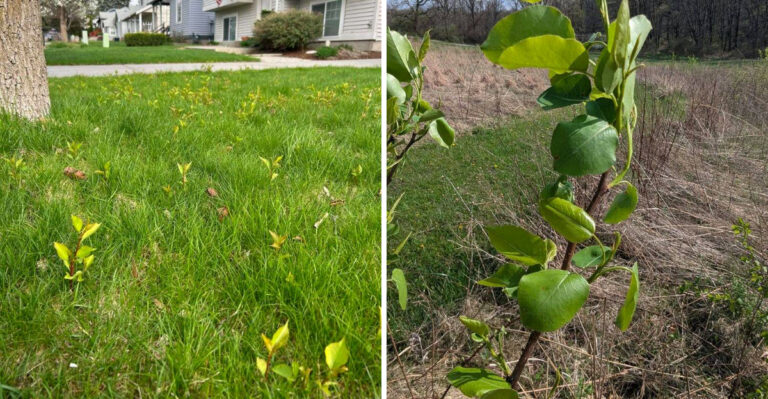
The tricky part is that young weed seedlings and young wildflower seedlings can look surprisingly similar.
Crabgrass, chickweed, and henbit are especially common troublemakers in North Carolina gardens, and they germinate quickly enough to shade out slower-growing flowers before those flowers can establish.
Learning to identify seedlings early is one of the most valuable skills a chaos gardener can develop.
Keeping a small patch of bare soil nearby where you intentionally sprout your desired seeds first gives you a reference point for identification.
Field guides, plant ID apps, and NC Cooperative Extension resources are all helpful tools for sorting out what belongs and what needs to go.
Pulling weeds when they are tiny is also far easier than wrestling with mature plants that have already set roots deep into the soil.
Staying ahead of weed pressure in those first weeks makes a measurable difference in how the whole garden develops over time.
5. First Year Plantings Need Mowing And Monitoring
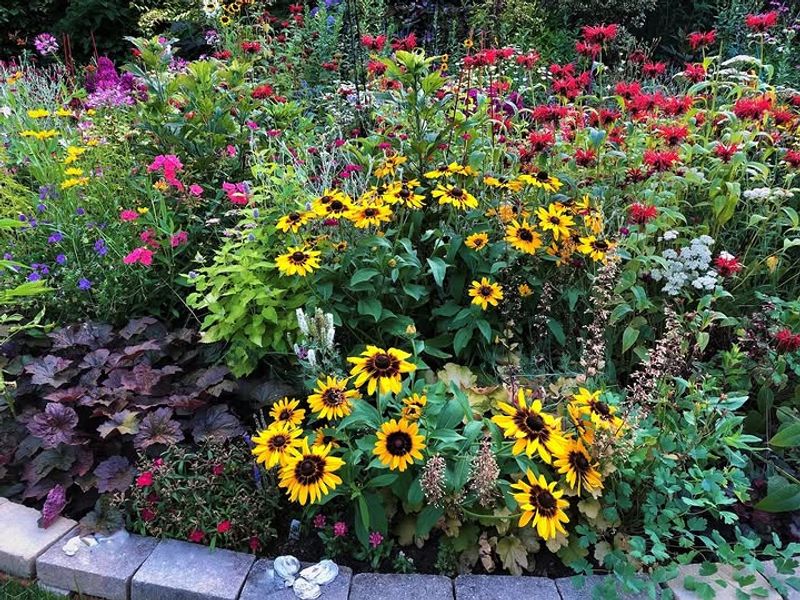
Most people imagine a chaos garden as a place you plant once and then largely ignore, but the first year tells a very different story.
New meadow-style plantings in North Carolina often need more active attention during their first growing season than a traditional flower bed would.
That might sound counterintuitive, but it makes complete sense once you understand what is happening underground.
NC State Extension guidance for establishing meadow plantings recommends mowing new growth down to about four to six inches when weeds start shading out the wildflowers. This might feel alarming the first time you do it, but the logic is sound.
Weeds tend to grow taller faster than desired flowers in early establishment, and a well-timed mowing cuts them back while allowing lower-growing wildflower seedlings to access sunlight again.
Monitoring the planting regularly through the first season helps gardeners catch problems before they spiral. Checking for weed dominance, bare patches, and moisture stress every week or two keeps you informed and in control.
Watering during dry stretches also helps young plants establish roots deep enough to handle summer heat later on. The first year is genuinely an investment of time and observation.
Gardeners who stick with it through that initial season typically find that year two and beyond reward them with far less work and far more beauty.
6. Invasive Plants Cannot Be Allowed To Blend In
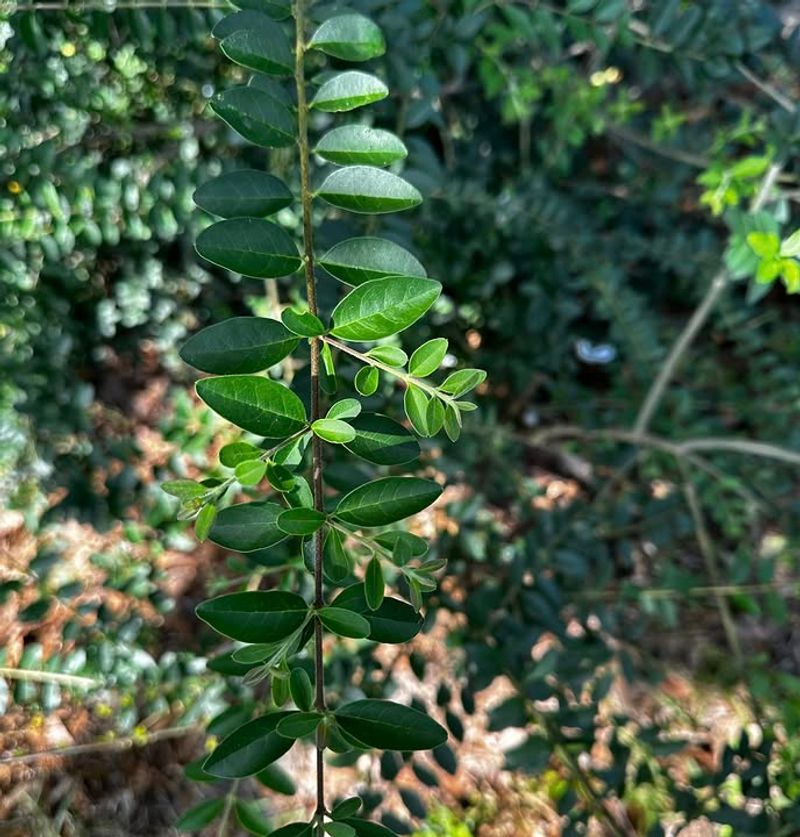
One of the sneakiest challenges in chaos gardening is that invasive plants are very good at looking like they belong.
Japanese honeysuckle, kudzu, privet, and multiflora rose are all common North Carolina invaders that can slip into a casual planting and establish themselves before anyone notices.
By the time they become obvious, they have already put down serious roots.
Knowing the difference between a native volunteer, a garden-friendly self-seeder, and a genuine invasive weed is a skill that takes some study but pays off enormously.
The NC Invasive Plant Council maintains a useful list of problematic species in the state, and cross-referencing that list with what you see sprouting in your garden is a smart habit to build early.
Plant identification apps can also speed up the process considerably.
Removing invasive plants promptly, before they set seed or spread vegetatively, keeps the whole planting healthier and more hospitable to pollinators. Native bees, butterflies, and other beneficial insects rely on native plant communities for food and habitat.
When invasives crowd out those natives, the ecological value of the chaos garden drops significantly. Staying vigilant about what is growing in your space is not about being a perfectionist.
It is about protecting the wild, living community you are working to build, one season at a time.
7. A Messy Look Still Needs Clean Edges
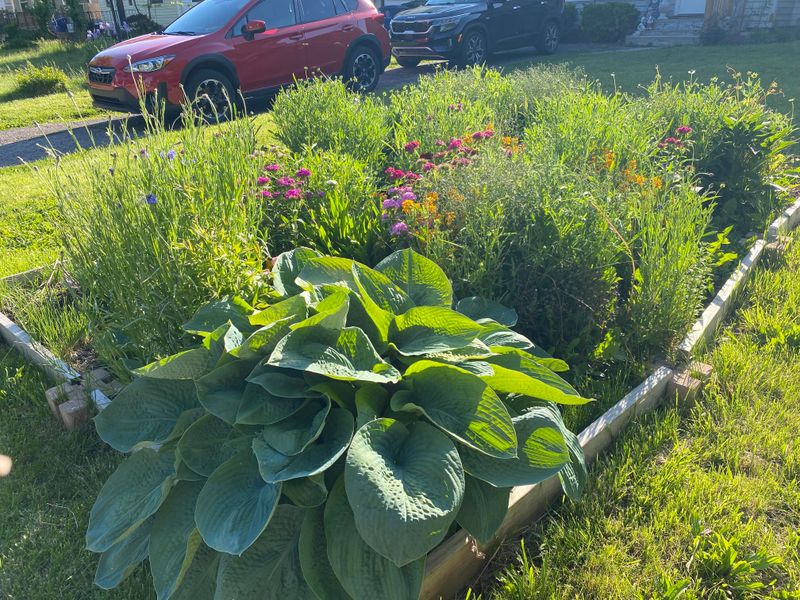
There is a meaningful visual difference between a garden that looks intentionally wild and one that simply looks neglected. In most North Carolina neighborhoods, that difference often comes down to one thing: edges.
A chaos garden surrounded by clean, defined borders sends a clear message that a person is actively tending this space, even if the interior looks beautifully untamed.
Mowed grass borders are the simplest and most affordable option. Running a string trimmer or edger along the perimeter of the planting every week or two keeps the boundary crisp and signals intention to neighbors and passersby.
Stone edging, raised bed frames, mulch strips, and gravel paths can also define a chaos garden elegantly while adding visual structure that makes the wild interior feel deliberate rather than accidental.
Some homeowners worry about HOA rules or neighbor reactions when shifting away from traditional lawn care. A well-edged chaos garden tends to address those concerns far more effectively than a sign explaining your ecological goals.
People respond to visual cues, and clean edges are one of the most powerful cues available.
Adding a small pathway through the planting or a simple focal point like a birdbath or bench also helps frame the space as a designed garden rather than an overlooked corner of the yard.
Edges are small details that carry enormous weight.
8. Self Seeding Plants Need Guidance
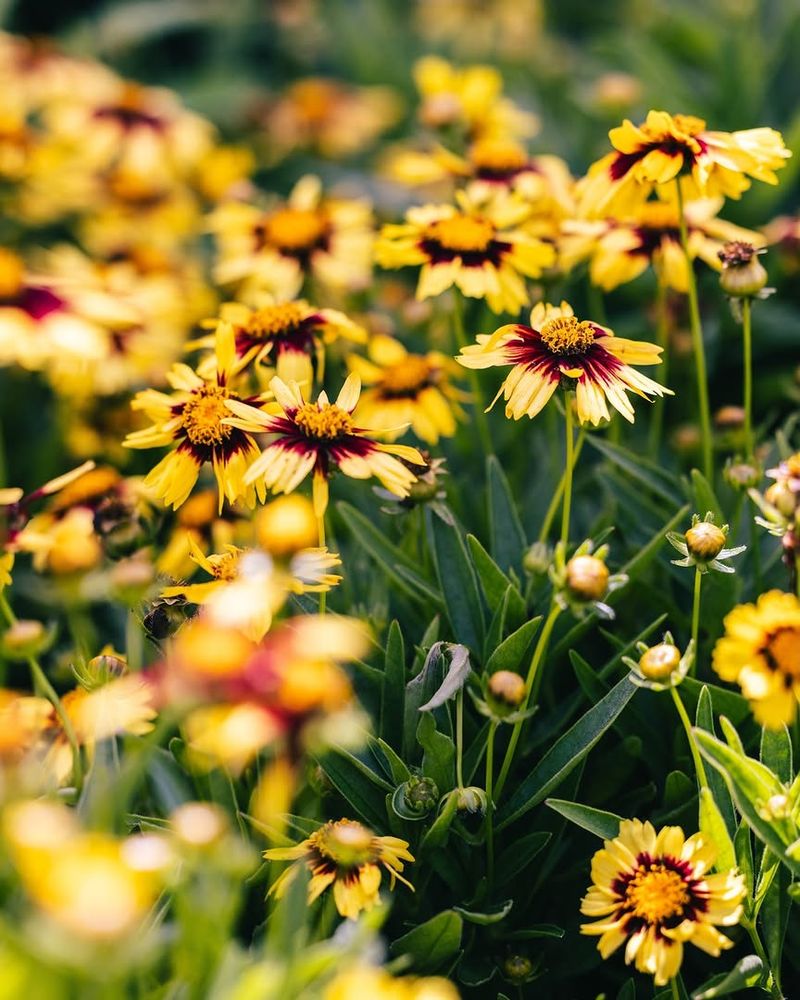
Self-seeding plants are one of the most exciting features of a chaos garden. Watching a single coneflower multiply into a colony over two or three seasons feels genuinely magical.
But left completely unchecked, self-seeders can shift from generous sharers to aggressive takeover artists, and that shift can happen faster than most gardeners expect.
Plants like annual coreopsis, cosmos, larkspur, and native black-eyed Susans are enthusiastic self-seeders in North Carolina’s warm climate. When conditions favor them, they can produce hundreds of seedlings in a single season.
If those seedlings all establish themselves, smaller and less vigorous plants nearby often get crowded out, reducing the diversity that makes a chaos garden visually interesting and ecologically valuable.
Seasonal editing is the key to keeping self-seeders in check without losing their generous spirit.
Each spring, walking the garden and thinning dense clusters of seedlings by hand takes maybe an hour but makes a dramatic difference in how the planting looks and performs by midsummer.
Transplanting extras into bare spots, sharing them with neighbors, or composting the surplus are all reasonable options. Removing spent flower heads before they fully ripen is another simple way to slow the spread of particularly enthusiastic spreaders.
Guidance, not total control, is the goal. A well-managed self-seeder fills a garden with joyful abundance while still leaving room for everyone else to shine.
9. The Best Chaos Gardens Are Controlled Wildness
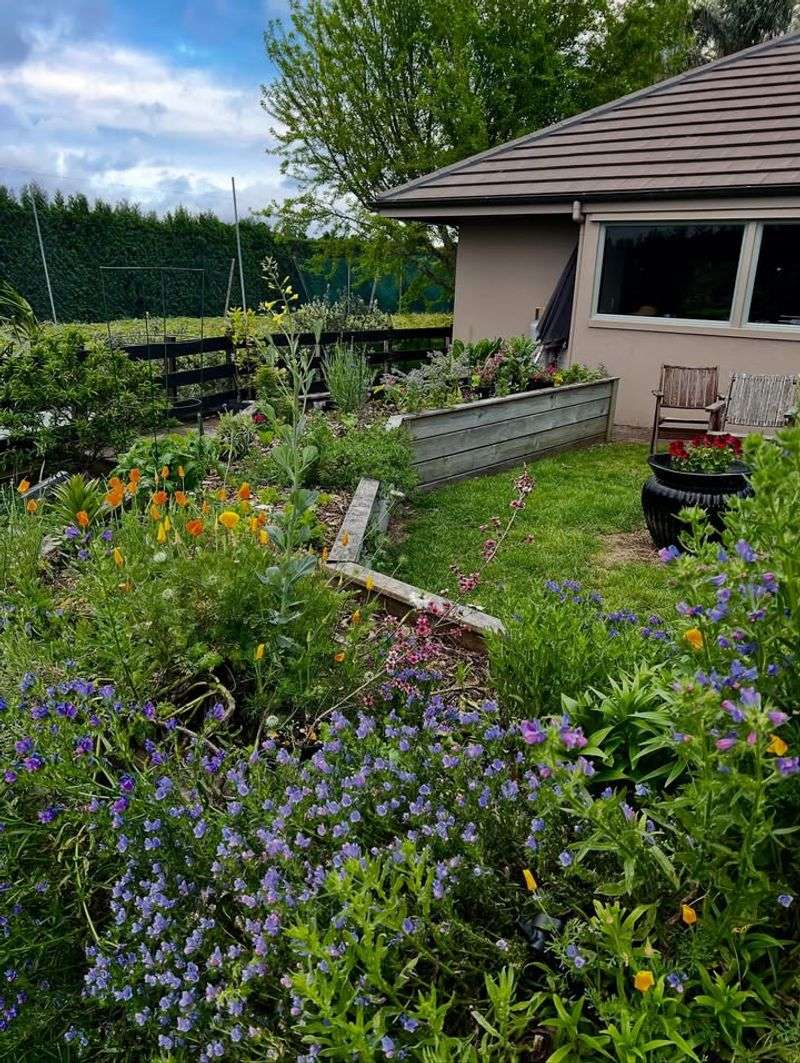
The most stunning chaos gardens are not actually chaotic at all beneath the surface. They are the result of thoughtful site preparation, smart plant selection, consistent weed management, and seasonal editing that happens year after year.
The wildness is real, but it is guided wildness, shaped by a gardener who understands what the space needs to stay beautiful and functional.
To achieve this look, first clear the site, choose tough native plants, manage weeds, and mow strategically in the first year.
Promptly removing invasives, defining edges, and controlling self-seeders will then create a garden that appears effortless to visitors while showcasing your genuine skill. Patience is a big part of the equation too.
North Carolina chaos gardens often hit their stride in year two or three, when plants have established deep roots and begun filling in naturally.
The reward for that patience is a garden that hums with bees, flickers with butterflies, and shifts through color and texture across every season. Neighbors stop to ask about it.
Kids notice the insects. Birds show up for seeds and shelter.
That kind of garden does not happen by accident, and it does not happen by abandoning the space and hoping for the best. It happens when a gardener chooses to guide the wild rather than simply walk away from it.