Pennsylvania Plants Wild Chervil Is Destroying In Gardens Right Now
If you’ve been noticing a tall, leafy plant with clusters of tiny white flowers popping up around your Pennsylvania garden, take a closer look before you assume it’s harmless.
It might look innocent enough, blending in with the surrounding greenery like it belongs there.
But this plant is one of the most aggressive and destructive invasive species taking over Pennsylvania landscapes right now. Wild chervil is spreading fast.
And it is not playing nice. This invader grows with alarming speed, forming dense colonies that choke out native plants, wildflowers, and garden vegetation before most homeowners even realize what’s happening.
It takes over roadsides, garden borders, woodland edges, and open fields, crowding out everything in its path. Once it gets established, getting rid of it becomes a serious battle.
The really frustrating part is that wild chervil is easy to overlook early on because it looks so similar to several harmless plants. By the time most people identify it correctly, it has already spread further than they expected.
1. Hostas
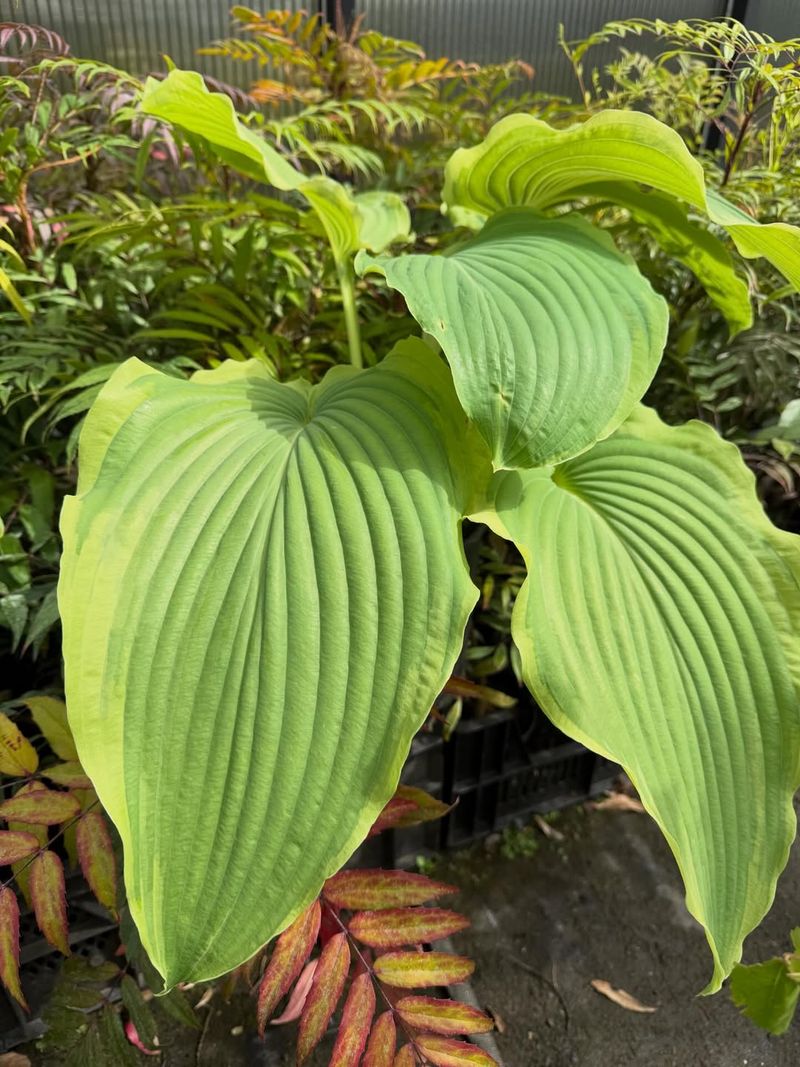
Walk through almost any Pennsylvania garden and you will spot hostas. These leafy, shade-loving perennials are a go-to choice for gardeners because they are easy to grow, look beautiful, and come in dozens of varieties.
But right now, wild chervil is giving hostas a serious run for their money. Wild chervil loves the same shady, moist spots that hostas prefer.
When it moves into those areas, it grows tall quickly and creates a dense canopy that blocks light from reaching hosta leaves.
Since hostas rely on filtered light to produce their signature bold foliage, reduced light means smaller, weaker leaves and less impressive growth overall.
The competition does not stop at light. Wild chervil has an aggressive root system that pulls nutrients and water right out of the soil.
Hostas are heavy feeders, especially in spring when they are pushing out new growth. When wild chervil is stealing resources during that critical period, hostas can end up looking pale, stunted, and thin.
If you start seeing your hostas underperforming, check for wild chervil growing nearby. It often hides among hosta clumps, making it tricky to spot until it is already well established.
Pull wild chervil plants out by the root before they go to seed. One plant can drop up to 1,000 seeds, so acting early matters a lot.
Mulching around your hostas with a thick layer of wood chips can help slow wild chervil germination. Also, check your beds every week during spring and early summer, which is when wild chervil spreads the fastest in Pennsylvania gardens.
2. Daylilies
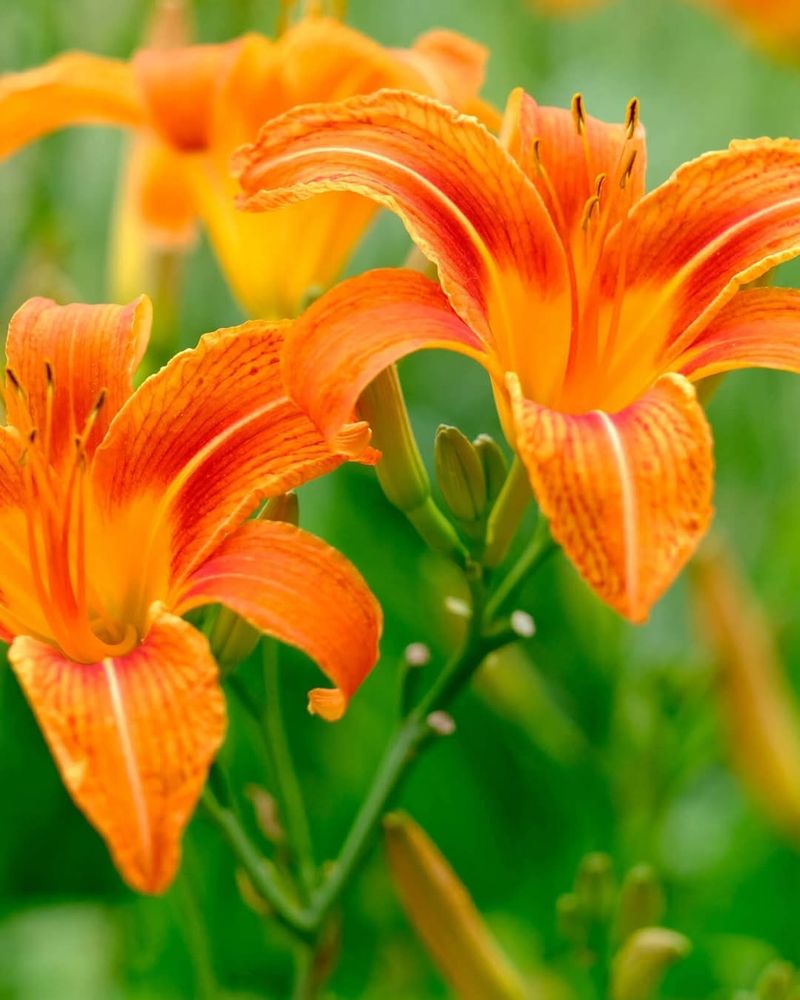
Daylilies are one of the toughest and most cheerful plants in any Pennsylvania garden. They line driveways, brighten borders, and come back year after year without much fuss.
Most gardeners think daylilies can handle just about anything, but wild chervil is proving that wrong in gardens all across the state.
Along garden edges and fence lines, wild chervil moves in fast and grows tall enough to shade out daylily foliage. Daylilies need good sun exposure to produce their signature blooms.
Your Pennsylvania Garden Changes Every Week. Your Plan Should Too.
Gardening in Pennsylvania changes quickly throughout the season. Every Friday you’ll receive a simple weekly plan showing exactly what to plant, prune, fertilize, harvest, and protect so you never miss the right timing.
When wild chervil blocks that light, flower production drops noticeably. You might get fewer blooms, smaller flowers, or plants that just look tired and weak by midsummer.
Here is something many gardeners do not realize: wild chervil finishes its seed cycle early in the season, but the damage it causes lingers all summer long.
Even after the chervil starts to die back, the daylilies that were shaded and stressed during spring struggle to bounce back fully.
Removing wild chervil from daylily borders takes patience. Because daylilies spread in dense clumps, chervil can root itself right in the middle of a clump where it is hard to reach.
Use a hand weeder or a narrow trowel to get under the chervil roots without disturbing the daylily rhizomes underneath.
Staying consistent with removal is key. Pull any new chervil seedlings as soon as you see them each spring.
Keeping the area around your daylilies clear of debris and weeds over winter also reduces the number of chervil seeds that survive to germinate come March and April in Pennsylvania.
3. Fern
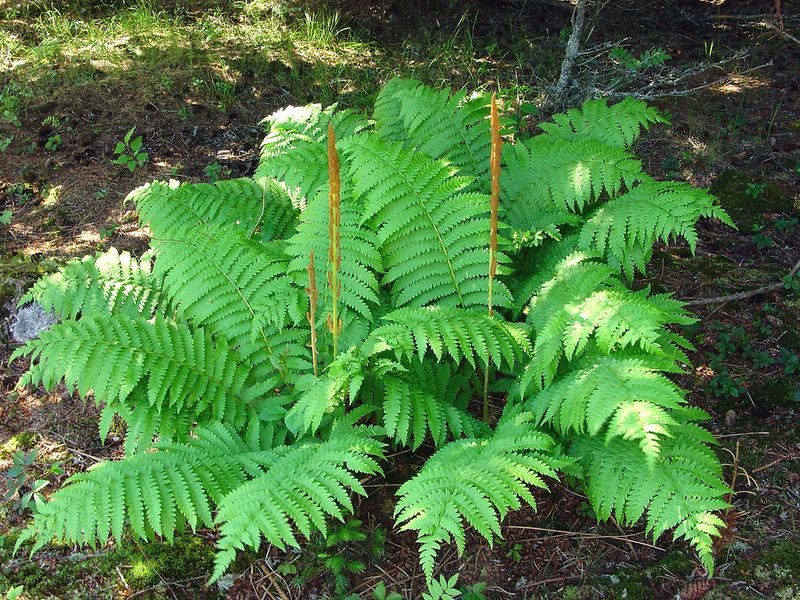
There is something truly magical about a woodland garden filled with native ferns. Whether it is the delicate cinnamon fern, the spreading Christmas fern, or the graceful maidenhair fern, these plants bring a quiet, natural beauty to shaded Pennsylvania landscapes.
Unfortunately, wild chervil has become one of their biggest threats. Ferns are not fast growers. They spread slowly and prefer stable, undisturbed environments with filtered light and consistent moisture.
Wild chervil is the opposite. It moves in quickly, towers over low-growing ferns, and blocks the dappled light that native ferns depend on. Once shaded out, ferns cannot compete and their growth slows down significantly.
What makes this especially frustrating is that many native ferns take years to establish. A gardener who has spent seasons nurturing a patch of maidenhair ferns can watch that work get undone in a single spring when wild chervil takes over.
The chervil does not just block light, it also creates thick ground cover that prevents fern fronds from unfurling properly.
Removing wild chervil from fern patches requires a careful hand. Fern roots are shallow and fragile, so aggressive weeding can damage them.
Try hand-pulling chervil when the soil is moist after rain, gripping low near the base to get the whole root out cleanly.
Prevention is even better than removal. Check the edges of your woodland garden regularly for chervil seedlings popping up in early spring.
Getting them before they reach six inches tall makes removal much easier and keeps your native ferns safe from competition all season long in Pennsylvania.
4. Coral Bells
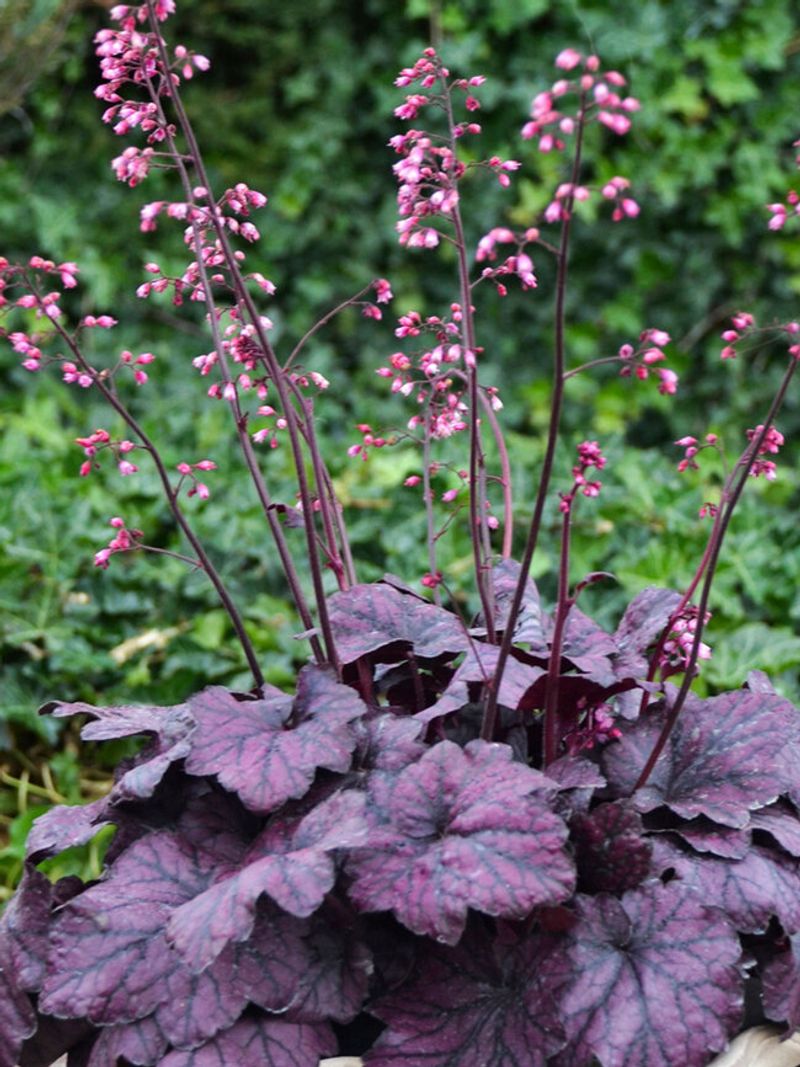
Coral bells are the showstoppers of the perennial garden. With their rich burgundy, caramel, and lime-green foliage, they add color even when nothing else is blooming.
Pennsylvania gardeners love them in mixed beds and shady borders, but wild chervil is quietly making life very hard for these beautiful plants.
Heuchera plants stay relatively low to the ground. Their rosette shape means they spread outward rather than upward, which makes them especially vulnerable to tall, aggressive neighbors like wild chervil.
When chervil shoots up around a coral bells plant, the heuchera gets shaded from above and crowded from the sides at the same time.
That kind of pressure takes a real toll. Shaded coral bells produce fewer flower spikes, and their famous foliage loses some of its bold color.
Plants that were once eye-catching can start to look dull and flat. In severe cases, the center of the heuchera rosette can become weak and begin to decline as resources run low.
Fun fact: coral bells are actually native to North America, and some species are native to the eastern United States. That makes protecting them from invasive species like wild chervil even more meaningful for gardeners who care about supporting native plants.
To protect your coral bells, create a clear buffer zone around each plant by removing any wild chervil seedlings as soon as they appear. Avoid heavy mulching right against the crown of the heuchera, as that can cause rot.
Instead, keep a clean ring of bare soil around each plant and check it weekly throughout the Pennsylvania spring growing season.
5. Bleeding Heart
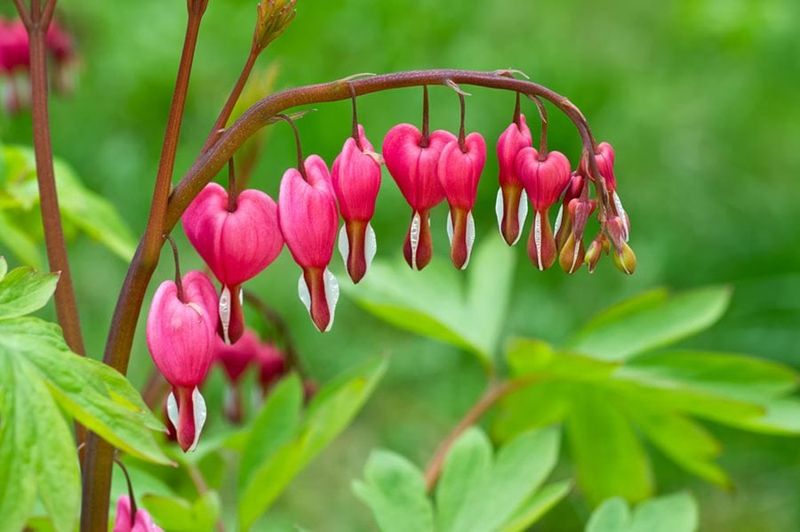
Few plants bring the same old-fashioned charm as bleeding heart. Those arching stems loaded with dangling heart-shaped flowers feel like something straight out of a storybook garden.
Pennsylvania gardeners have grown bleeding hearts in shady, moist spots for generations, but wild chervil is now crashing the party in a big way.
Bleeding heart thrives in cool, moist, shaded conditions, and so does wild chervil. That shared preference puts them in direct competition.
Wild chervil often germinates and establishes itself right alongside bleeding heart in early spring, sometimes before gardeners even notice it. By the time the chervil is fully grown, it has already started pulling nutrients and moisture away from the bleeding heart below.
Bleeding heart is also a plant that goes dormant by midsummer, which means it has a short window to store energy for the next season. Any stress caused by wild chervil during that spring window can reduce the plant’s ability to bloom well the following year.
Gardeners sometimes blame poor soil or weather when the real culprit is chervil competition.
Removing wild chervil near bleeding heart takes a gentle touch. Bleeding heart roots can be brittle, especially in early spring when the ground is soft.
Hand-pull chervil carefully, working slowly and checking that you are not pulling up bleeding heart roots along with it.
Marking where your bleeding hearts are planted with small stakes helps a lot. When the plant goes dormant and disappears from view, those markers remind you to keep weeding that spot.
Wild chervil will absolutely take advantage of any empty-looking space in your Pennsylvania garden if you give it the chance.
6. Wild Ginger
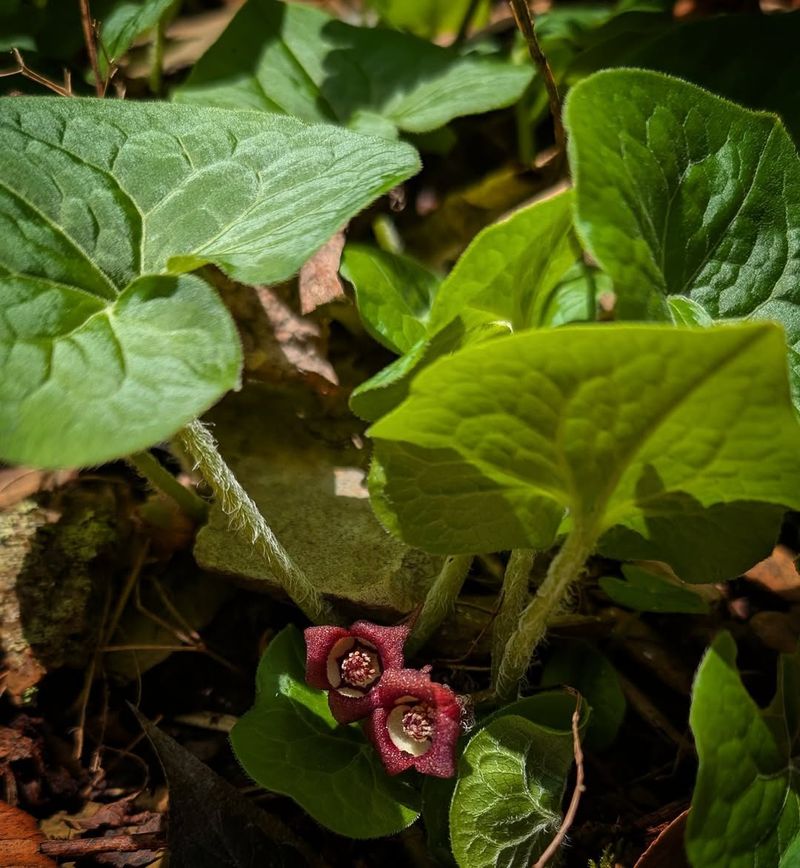
Wild ginger is one of those plants that quietly does a big job. As a native groundcover, Asarum canadense spreads slowly across the forest floor, suppresses weeds on its own, and supports local wildlife.
It is a plant that Pennsylvania naturalists and native plant gardeners truly treasure. Sadly, wild chervil is one of the biggest threats it now faces.
Because wild ginger grows so low and spreads so gradually, it has almost no defense against a fast-moving invader like wild chervil. Chervil can establish itself right on top of a wild ginger patch, growing tall and dense enough to block almost all available light.
Wild ginger depends on filtered woodland light to photosynthesize properly, and when that light disappears, the plant struggles to maintain its spread.
The ecological damage goes beyond just one plant. Wild ginger provides habitat and food for specific native insects and small animals.
When a patch of wild ginger shrinks or disappears because of chervil pressure, those small ecological relationships break down too. That ripple effect is one reason invasive plants like wild chervil are considered so harmful to native ecosystems in Pennsylvania.
Protecting wild ginger patches means being proactive about chervil removal at the start of every spring season. Since wild ginger spreads slowly, any ground it loses to chervil takes a long time to recover.
Pull chervil by hand as close to the root as possible, and avoid using any tools that might disturb the shallow rhizomes of the wild ginger beneath the soil surface.
Consider adding native shrubs or taller native plants around your wild ginger to create a buffer that makes it harder for chervil seeds to land and establish in those areas of your garden.
7. Columbine
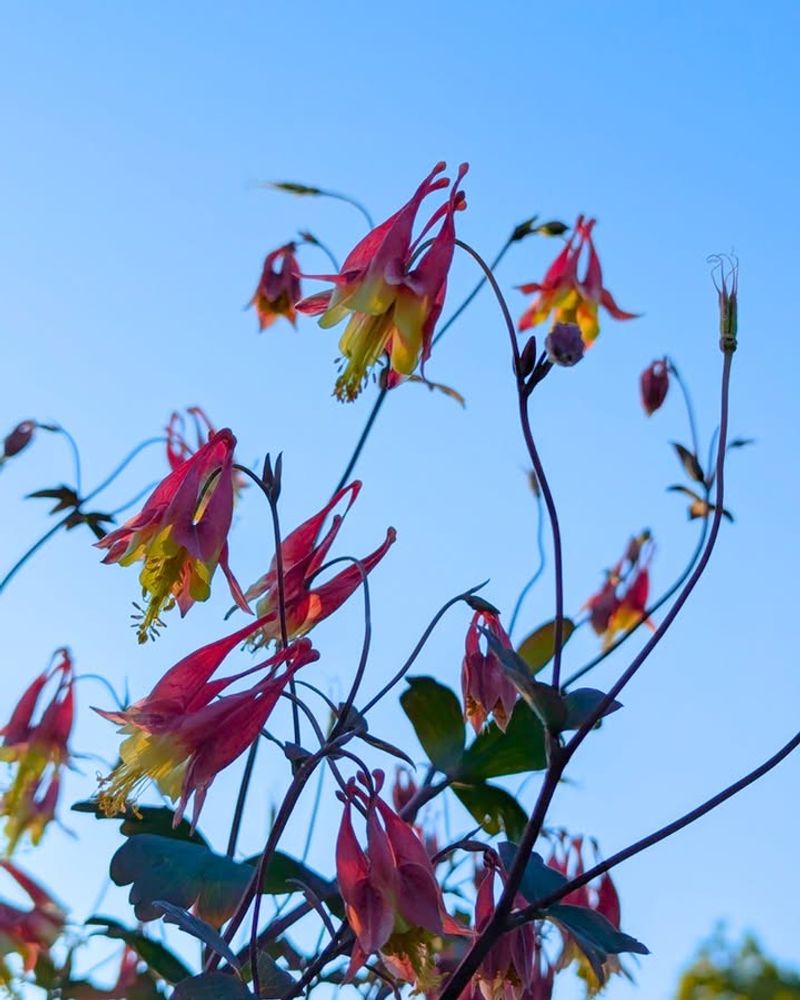
Native columbine is one of the most beloved wildflowers in Pennsylvania. Its nodding red and yellow blooms appear in mid-spring and attract hummingbirds and native bees right when they need food most.
It self-seeds freely and naturalizes beautifully in woodland gardens, but wild chervil is making that naturalization a lot harder to achieve these days.
Columbine relies heavily on self-seeding to spread through a garden. The tiny seeds fall to the ground in late spring and germinate the following year as small seedlings.
Here is the problem: wild chervil seeds do the exact same thing, and they do it even more aggressively.
In a garden where both plants are present, chervil seedlings often outnumber and outcompete columbine seedlings, crowding them out before they ever get a chance to establish.
Even mature columbine plants feel the pressure. Wild chervil grows tall and bushy, shading out the lower-growing columbine foliage and reducing the plant’s ability to produce healthy blooms.
A columbine patch that once spread naturally across a woodland border can shrink noticeably over just two or three seasons of unchecked chervil growth.
The good news is that columbine is resilient when given the chance to compete on fair terms. Removing wild chervil before it sets seed is the single most important step you can take.
Pull or cut chervil plants in late spring, right before the white flower clusters go to seed, to stop the next generation from germinating.
Scattering fresh columbine seeds in cleared areas each fall also helps reestablish the plant in spots where chervil has pushed it out. Pennsylvania native plant nurseries often carry Aquilegia canadensis, making it easy to replenish your supply every season.