5 Worst Fruits To Grow In North Carolina Clay Soil And 3 That Actually Thrive In It
Clay soil is one of the most common challenges across North Carolina gardens, and fruit growing is where its limitations show up most unforgivingly.
Poor drainage, compaction around root zones, and the way clay holds heat unevenly through summer create conditions that certain fruit plants simply cannot work around no matter how well everything else is managed.
Gardeners who have tried and failed with specific fruits in clay often blame their technique when the real issue was the plant selection itself.
Knowing which fruits are genuinely poor matches for clay soils in this state saves an enormous amount of effort, expense, and frustration.
Just as importantly, knowing which two fruits handle those conditions exceptionally well opens up real possibilities for productive growing even in the most stubborn ground.
1. Peaches
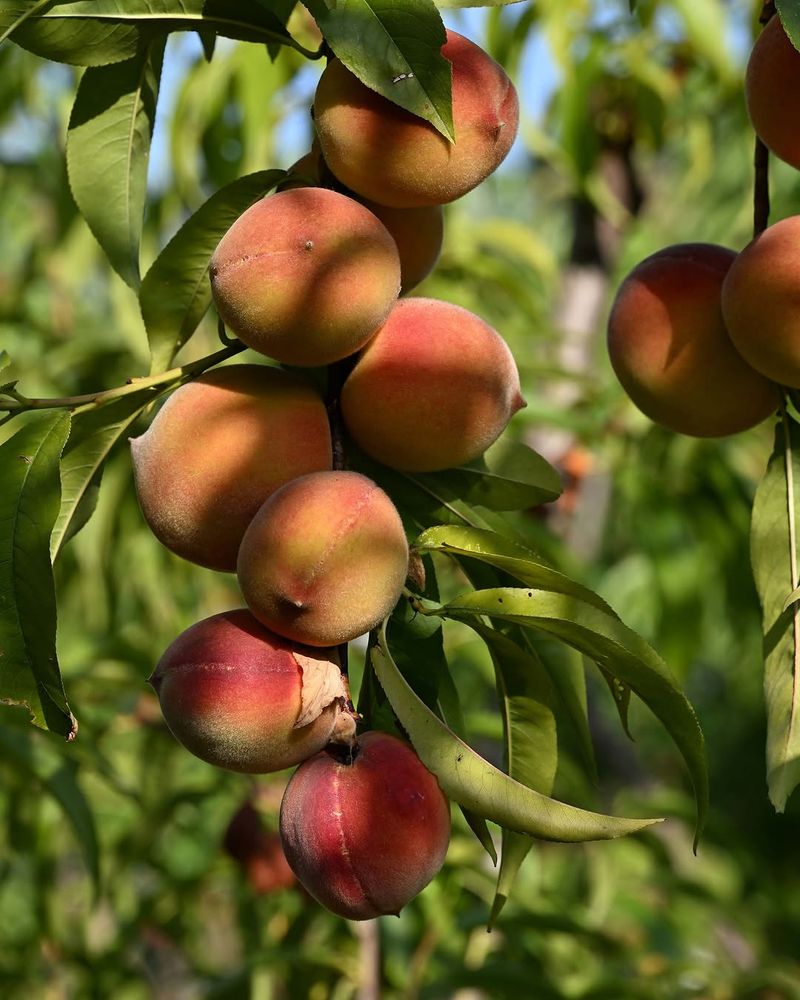
Peaches are one of the most beloved fruits in the South, and North Carolina even has a proud peach-growing tradition. But here is the truth most gardeners learn the hard way: peaches absolutely hate clay soil.
Their roots need air, and clay does not give them that luxury. Clay soil stays wet for long stretches after rain, and peach tree roots simply cannot handle sitting in soggy ground.
That standing moisture creates the perfect environment for Phytophthora root rot, a fungal disease that attacks the root system and cuts off the tree’s ability to absorb water and nutrients.
Once root rot sets in, the tree weakens quickly and fruit production drops to almost nothing.
North Carolina’s piedmont and foothills regions are especially tricky because the clay layer often sits just a few inches below the surface. Even if the top of the soil looks dry, the roots are swimming in moisture below.
Peach trees planted in these conditions often show yellowing leaves, stunted growth, and little to no fruit within just a couple of seasons.
If you are set on growing peaches, raised beds filled with well-draining loamy soil can help a lot. Adding organic matter like compost improves drainage and feeds the tree. You can also plant on a slope where water naturally runs off instead of pooling.
Still, peaches will always demand more attention and soil work in clay-heavy yards than most gardeners expect, making them a high-effort, high-risk choice for many homeowners.
2. Cherries
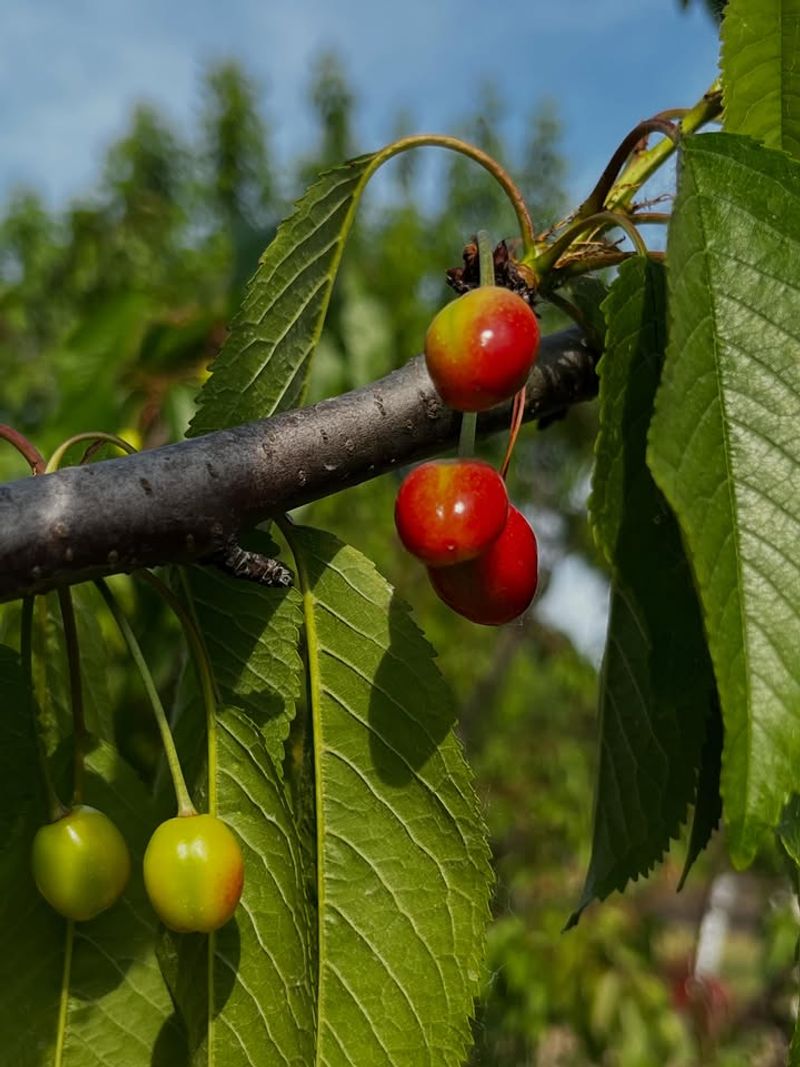
Few things sound more appealing than picking fresh cherries right from your own backyard.
Sweet cherries like Bing and sour cherries like Montmorency both have loyal fans, but growing either type in North Carolina clay soil is a serious uphill challenge.
These trees are picky about their roots, and heavy, compacted ground is about the worst environment you can offer them.
Cherries need well-draining soil more than almost any other fruit tree. When clay holds water around their roots, the trees become vulnerable to bacterial canker, brown rot, and crown rot, all of which spread fast in wet, humid conditions.
North Carolina summers are already warm and sticky, and wet clay roots make disease pressure even worse. Flowering drops off, fruit set becomes unreliable, and the tree often looks stressed even after a decent winter.
Your North Carolina Garden Changes Every Week. Your Plan Should Too.
Gardening in North Carolina changes quickly throughout the season. Every Friday you’ll receive a simple weekly plan showing exactly what to plant, prune, fertilize, harvest, and protect so you never miss the right timing.
Compaction is another serious problem. Cherry roots are relatively shallow and spread outward to find oxygen.
When clay packs tight, the roots cannot expand properly, which limits nutrient uptake and overall tree vigor. You might see a tree that technically survives but never really thrives, producing only a handful of cherries per season despite years of care.
Improving your odds means building raised planting mounds, amending soil generously with perlite and aged compost, and choosing rootstocks bred for heavier soils.
Gisela rootstocks, for example, offer slightly better tolerance. Even with those steps, cherry trees in clay will require consistent monitoring and soil management to produce a meaningful harvest in North Carolina landscapes.
3. Apricots
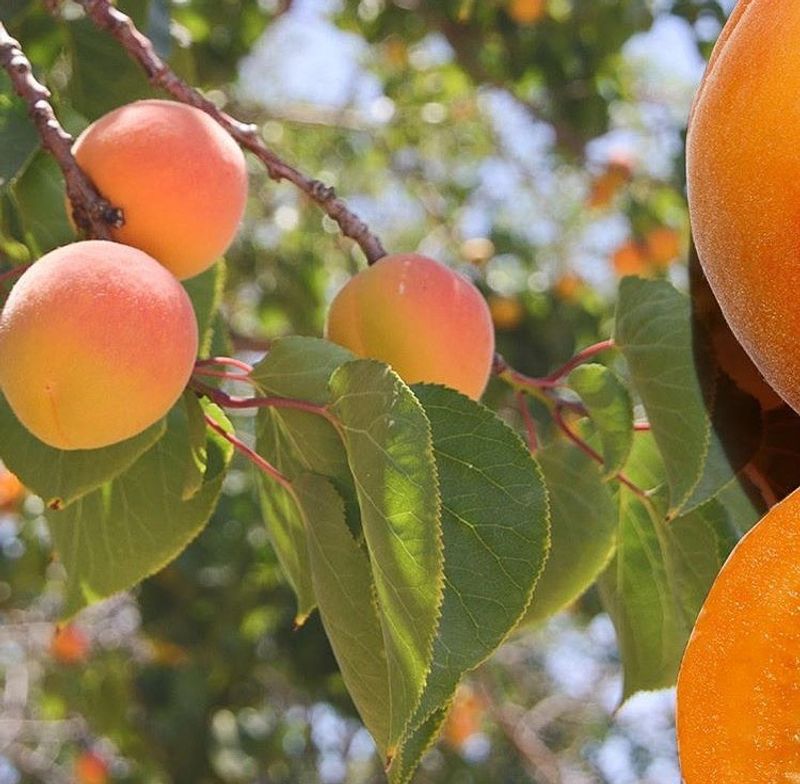
Apricots have a beautiful, almost romantic reputation. Their golden fruit and early spring blossoms make them look like something out of a Mediterranean garden catalog.
Unfortunately, North Carolina clay soil and apricot trees are a combination that rarely ends well, and most homeowners who try it end up disappointed after just a few seasons.
Crown rot is the biggest threat. Apricot trees are incredibly sensitive to standing water near the base of the trunk, and clay soil practically guarantees that water will linger there after every rain.
Phytophthora and other soil-borne pathogens thrive in those wet conditions and attack the crown, which is the area where the trunk meets the soil.
Once crown rot takes hold, the tree’s ability to move water and nutrients throughout its system becomes seriously compromised.
North Carolina also throws another curveball at apricot growers: late spring frosts. Apricots bloom very early, often in late February or March, right when a surprise cold snap can wipe out an entire year’s worth of blossoms overnight.
Clay soil compounds this problem because it stays cold longer in spring, slowing the tree’s development and making it more vulnerable to temperature swings.
Yields from apricots in heavy clay are typically poor even in good years. The combination of drainage issues, disease pressure, and frost risk stacks the odds against a successful harvest.
If you want to experiment anyway, plant on a raised mound with amended soil, choose a south-facing slope for warmth, and prepare for the reality that consistent fruit production will take serious effort and luck.
4. Pears
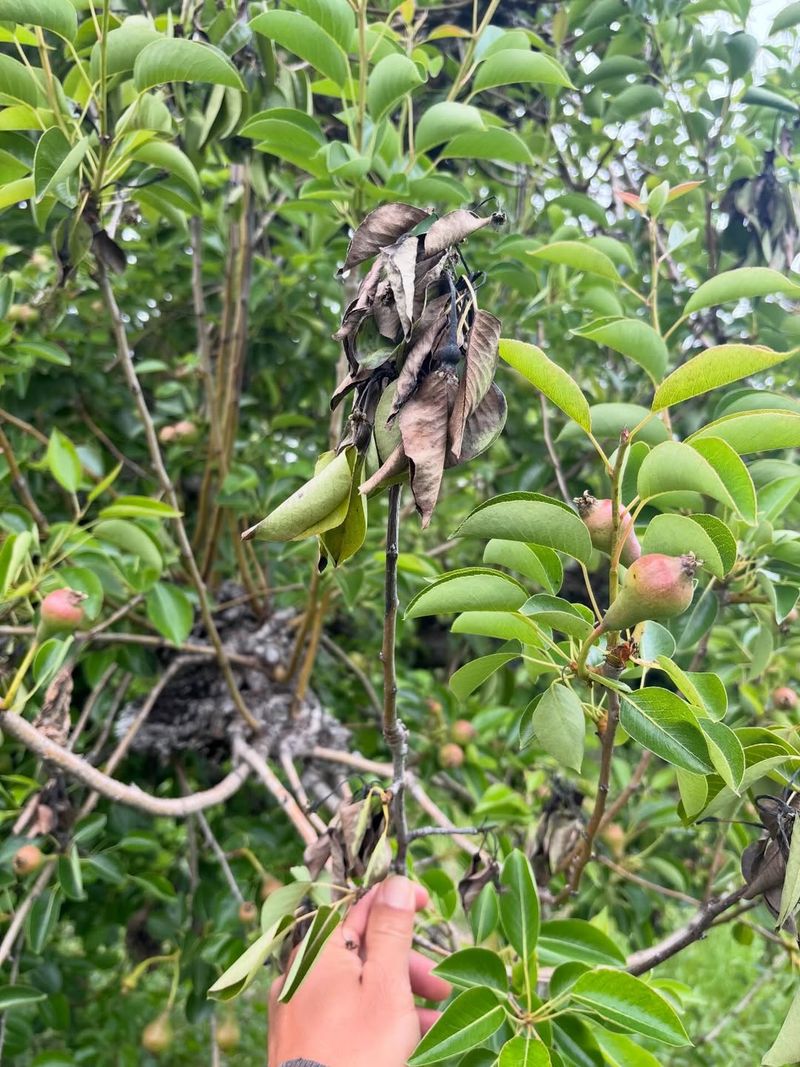
Pears get recommended a lot as an easier alternative to apples, and in the right soil, that reputation holds up. But plant a European pear in clay, and you will quickly understand why drainage matters so much.
Poor drainage is one of the fastest ways to stunt a pear tree’s growth and keep it from ever reaching its full potential.
Waterlogged clay prevents oxygen from reaching the roots, and pear trees need that oxygen to stay healthy and productive.
Without it, roots begin to deteriorate, and the tree becomes an easy target for fire blight, one of the most destructive bacterial diseases in fruit growing.
Fire blight spreads rapidly in humid, wet conditions, which North Carolina’s clay-heavy regions provide in abundance, especially during warm, rainy spring weather.
Soil compaction also works against pear trees in a different way. Pears develop a deep taproot system that needs loose, well-structured soil to anchor properly and pull up nutrients.
In tight clay, that taproot hits resistance quickly, limiting how well the tree can establish itself. Shallow, poorly anchored trees are also more vulnerable to wind damage during summer storms, which are common across the state.
Fruit size and quality often suffer too. When the tree is under constant soil stress, it puts energy into survival rather than fruit production, resulting in smaller, tougher pears with less flavor.
Asian pear varieties tend to handle clay slightly better than European types, but even they benefit enormously from soil amendment and raised planting to keep roots above the worst of the drainage problems.
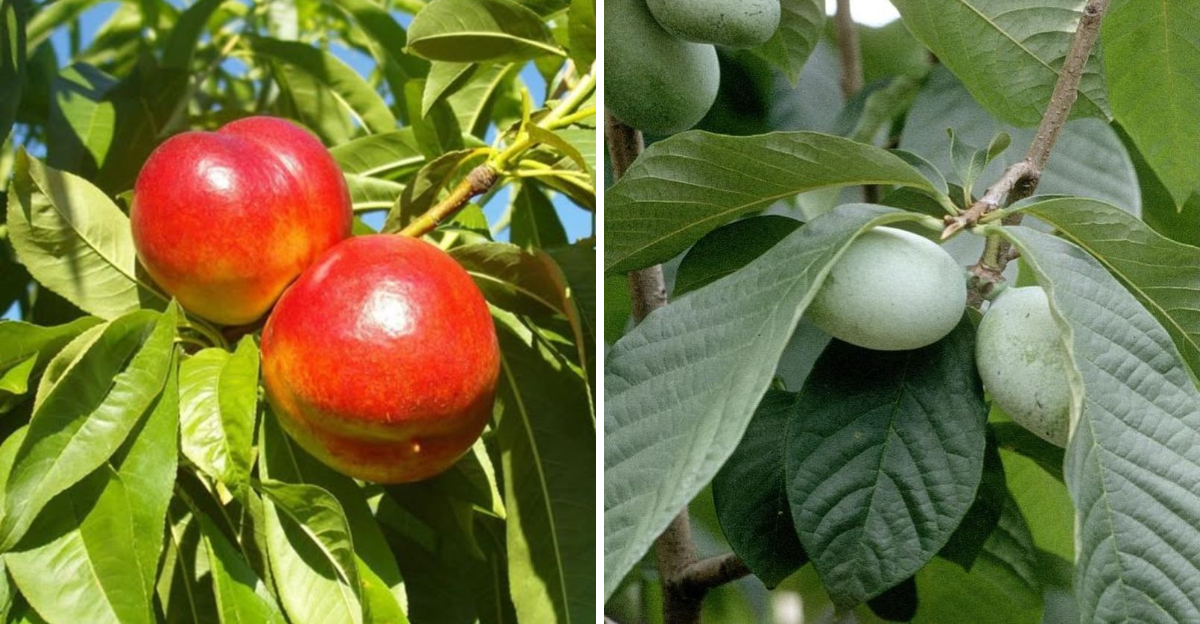
5. Nectarines
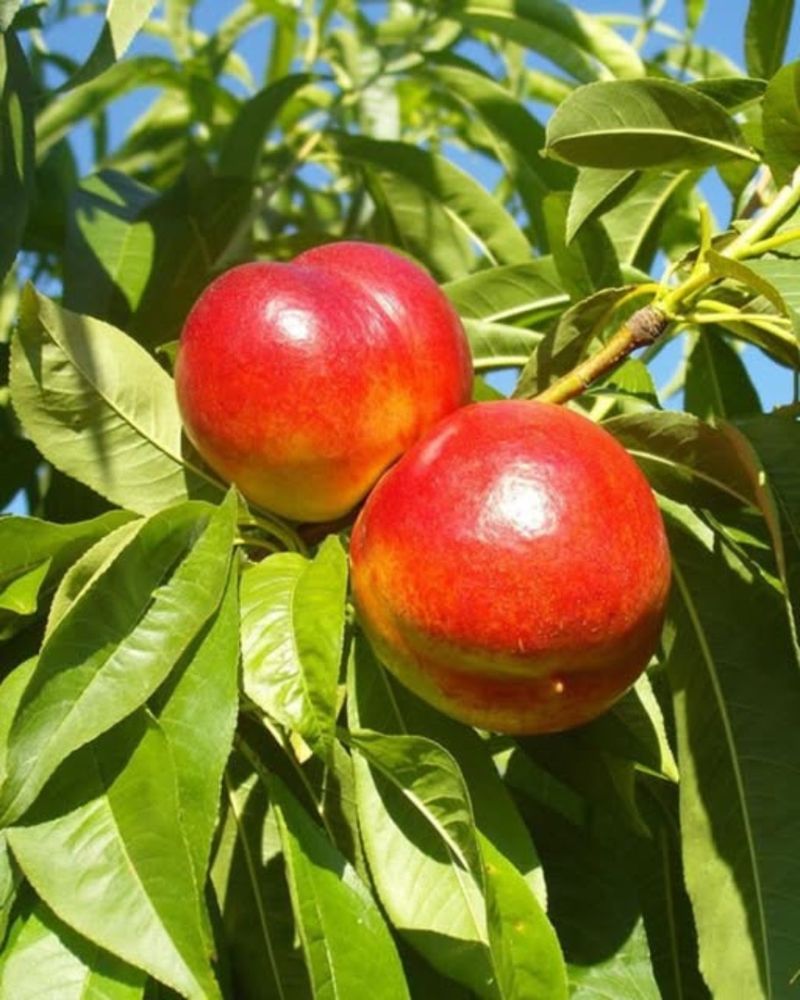
Nectarines look like peaches without the fuzz, and they share more than just appearance with their close relatives. They also share the same deep dislike of heavy, poorly draining clay soil.
In fact, nectarines may be even more sensitive to wet root conditions than standard peaches, making them a risky pick for North Carolina homeowners dealing with clay-heavy yards.
Root diseases are the main concern. Nectarines grown in clay are highly susceptible to Armillaria root rot, sometimes called oak root fungus, as well as Phytophthora crown and root rot.
Both thrive in moist, compacted soil, and once they infect a tree, recovery is extremely difficult. The tree may look fine above ground for a while before symptoms appear, which makes early intervention tricky and often too late to save a full season of fruit.
Nectarine skin is also thin and delicate, which makes the fruit itself more vulnerable to cracking and disease when the tree experiences irregular moisture levels.
Clay soil swings between bone-dry and waterlogged depending on the weather, creating the kind of inconsistent moisture that leads to split fruit, brown rot, and reduced shelf life even when you do manage to get a harvest.
Site preparation makes a real difference if you are committed to trying nectarines.
Planting on a raised mound at least 18 inches above the natural soil level, mixing in coarse sand, perlite, and aged compost, and installing drainage channels around the planting area can all help.
Choosing rootstocks with known clay tolerance, such as Lovell or Halford, also improves your chances of getting consistent fruit over multiple seasons.
6. Pawpaw
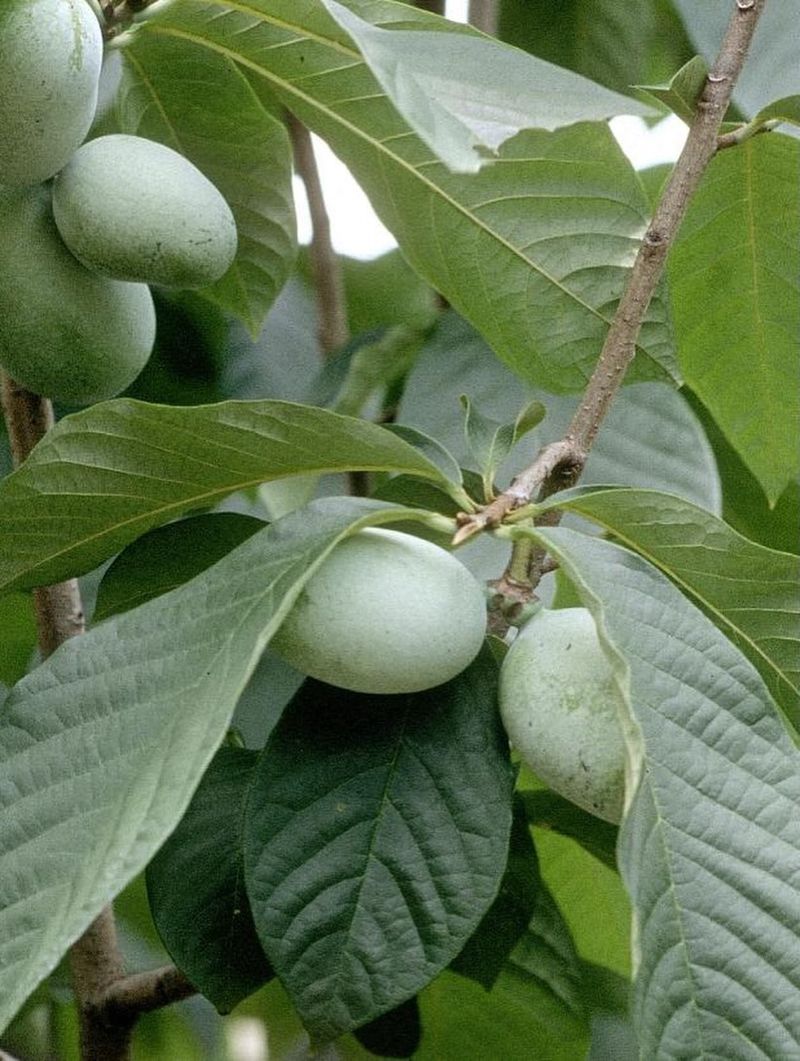
Imagine biting into a fruit that tastes like a cross between a banana and a mango, grown right in your own North Carolina backyard, with almost zero fuss.
That is exactly what a pawpaw tree offers, and the best part is that it actually loves the kind of soil that defeats so many other fruit trees. Clay soil, meet your match.
Pawpaws are native to eastern North America, and they evolved in the rich, moisture-retentive bottomland soils that cover much of the region.
Those conditions are remarkably similar to North Carolina’s clay-heavy landscapes, which means pawpaws feel right at home where other trees struggle.
Their root systems are well adapted to handle periods of wet soil without suffering the root rot that takes out peaches and nectarines so quickly.
Beyond soil compatibility, pawpaws bring a lot of other advantages to the home garden. They are naturally resistant to most common pests and diseases, partly because their leaves and bark contain compounds that insects find unappealing.
Deer tend to avoid them too, which is a huge bonus for rural and suburban North Carolina gardeners who battle wildlife pressure constantly.
Pawpaws do best with some afternoon shade when young and benefit from being planted in groups of at least two different seedling-grown trees for cross-pollination.
Once established, they need very little intervention to produce reliable crops of custard-sweet fruit each fall.
Varieties like Shenandoah, Susquehanna, and Allegheny are proven performers that thrive in clay-rich southeastern soils and reward patient gardeners with generous harvests year after year.
7. Persimmon
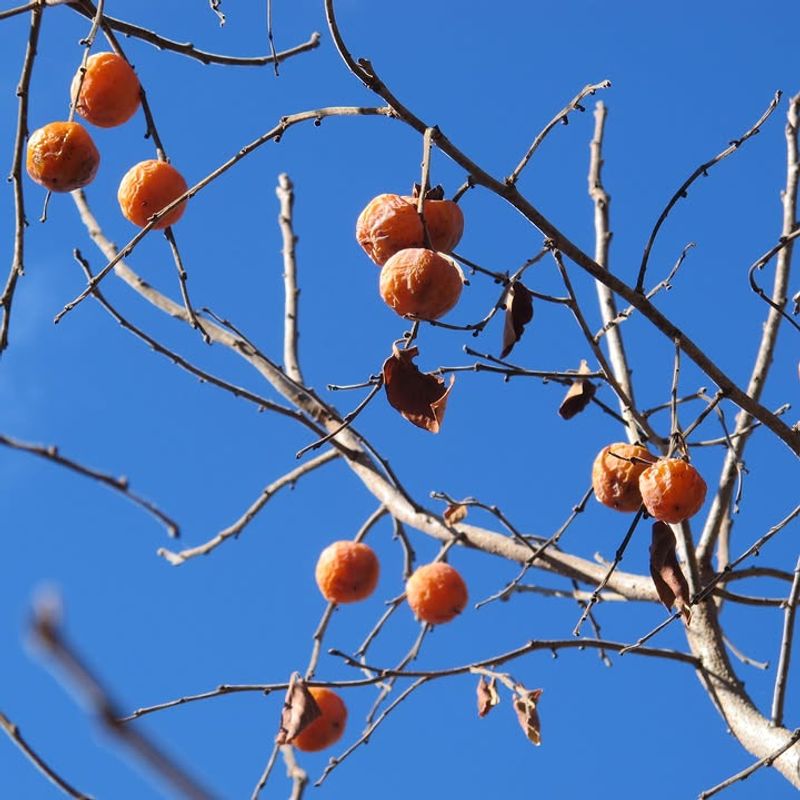
There is a tree growing wild along roadsides, forest edges, and creek banks all across North Carolina, and most people drive right past it without realizing it is one of the toughest, most productive fruit trees the state has to offer.
The native persimmon, Diospyros virginiana, has been feeding wildlife and humans alike for thousands of years, and it does it all while thriving in the same heavy clay soils that send other fruit trees into decline.
Native persimmons have a root system built for resilience. Their deep taproots push through compacted clay layers that would stop most trees in their tracks, accessing water and nutrients from deep in the soil profile.
This also makes them remarkably drought-tolerant once established, able to handle the dry summer stretches that follow North Carolina’s wet spring season without missing a beat.
The fruit itself is worth getting excited about. After the first frost softens them up, native persimmons turn incredibly sweet, with a rich, honey-like flavor that surprises most first-time tasters.
Improved cultivars like Meader, Yates, and NC-10 produce larger fruit with better flavor than wild trees and are available from many southeastern nurseries.
Persimmons are also low-maintenance in a way that feels almost too good to be true. They rarely need spraying, tolerate wet periods without complaint, and grow steadily even in unamended clay.
Planting a male and female tree ensures reliable fruit set, though some cultivars are self-fruitful.
For North Carolina homeowners tired of fighting their soil, the native persimmon is one of the smartest, most rewarding fruit trees you can put in the ground.
8. Serviceberry
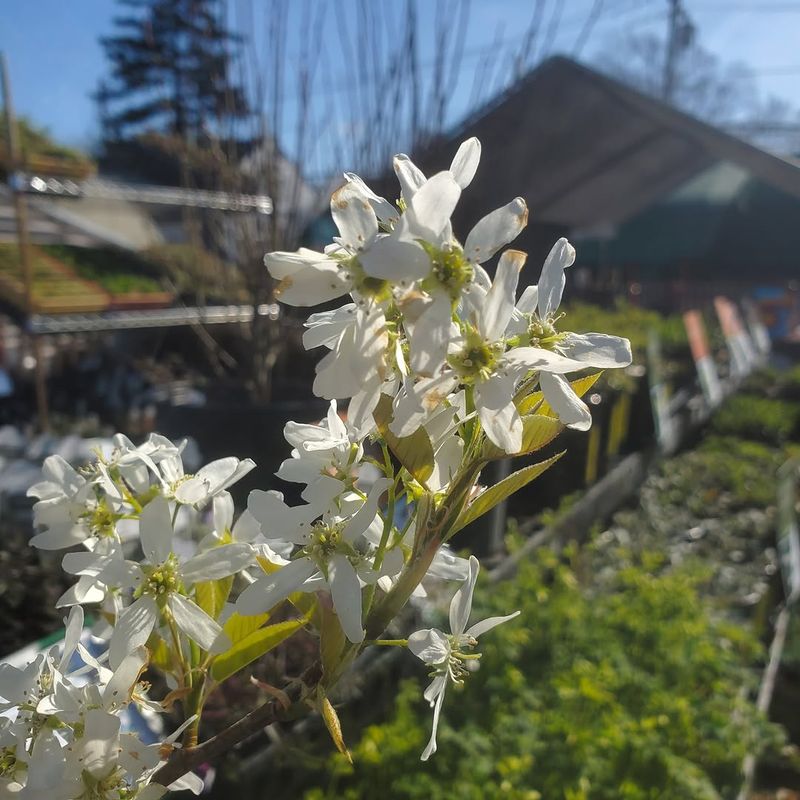
Serviceberry is an exceptional native shrub or small tree that thrives in North Carolina’s clay soils, making it a reliable choice for gardeners seeking fruiting plants that can adapt to heavier, less-draining ground.
Its multi-season appeal begins in early spring when clusters of delicate white flowers bloom, attracting bees and other pollinators to your garden.
By early summer, these blossoms give way to small, sweet, dark-purple berries that are edible for humans and highly valued by birds and small wildlife, providing both ecological benefits and an additional layer of garden activity.
Serviceberries are remarkably versatile, tolerating full sun to partial shade, and their natural growth habit allows them to fit comfortably in borders, woodland gardens, or even as small ornamental trees in residential yards.
Their moderate height and branching structure make them manageable for pruning and maintenance, while their adaptability to clay soils reduces the risk of root stress or nutrient deficiencies that often challenge other fruiting plants.
In addition to food value, Serviceberries offer stunning fall color, with leaves turning golden, orange, or red, adding visual interest throughout the year.
For Michigan and North Carolina gardeners alike, planting Serviceberry is a way to enjoy both edible fruits and year-round ornamental beauty in challenging soil conditions.