Why More North Carolina Homeowners Are Adding Owl Houses To Their Yards
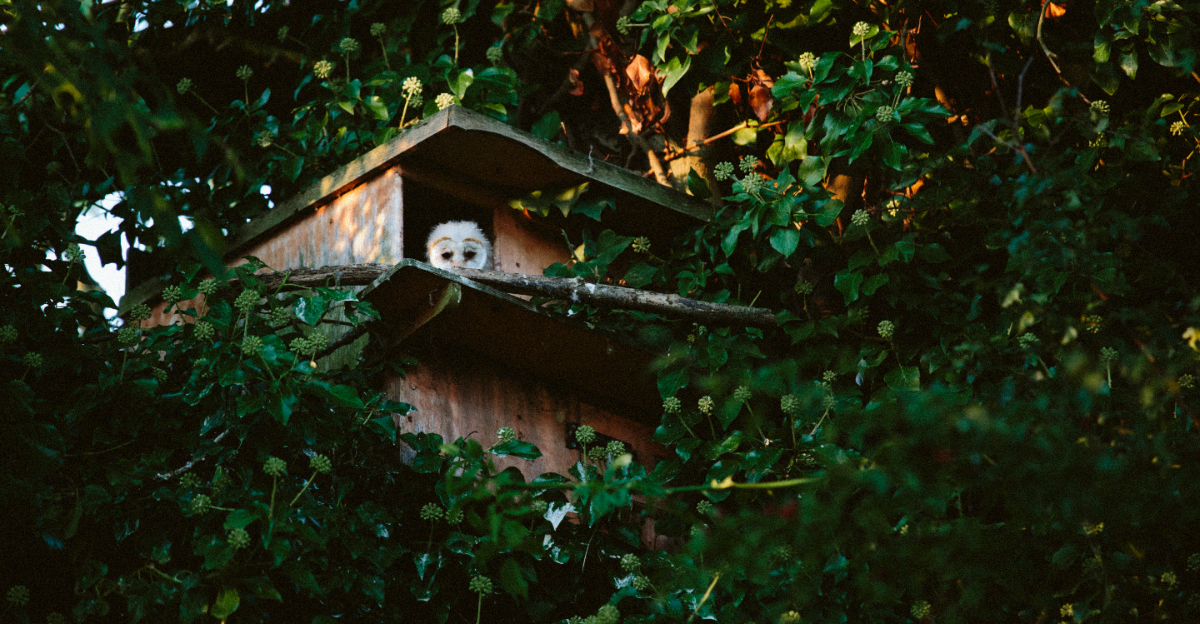
Owl houses have been showing up in North Carolina yards with increasing frequency, and the reasons behind that trend go well beyond simple wildlife appreciation.
Owls are remarkably effective at naturally controlling the rodent populations that frustrate homeowners and damage gardens through every season of the year.
A single barn owl can consume an impressive number of mice and voles over the course of a season without any traps, poisons, or ongoing effort from the homeowner.
North Carolina provides excellent habitat for several owl species across both rural and suburban landscapes.
Installing a properly placed owl house creates a genuine invitation for these birds to take up residence and quietly handle a pest problem that most people have been managing in far less effective ways.
1. Owl Houses Give Cavity Nesting Birds More Options
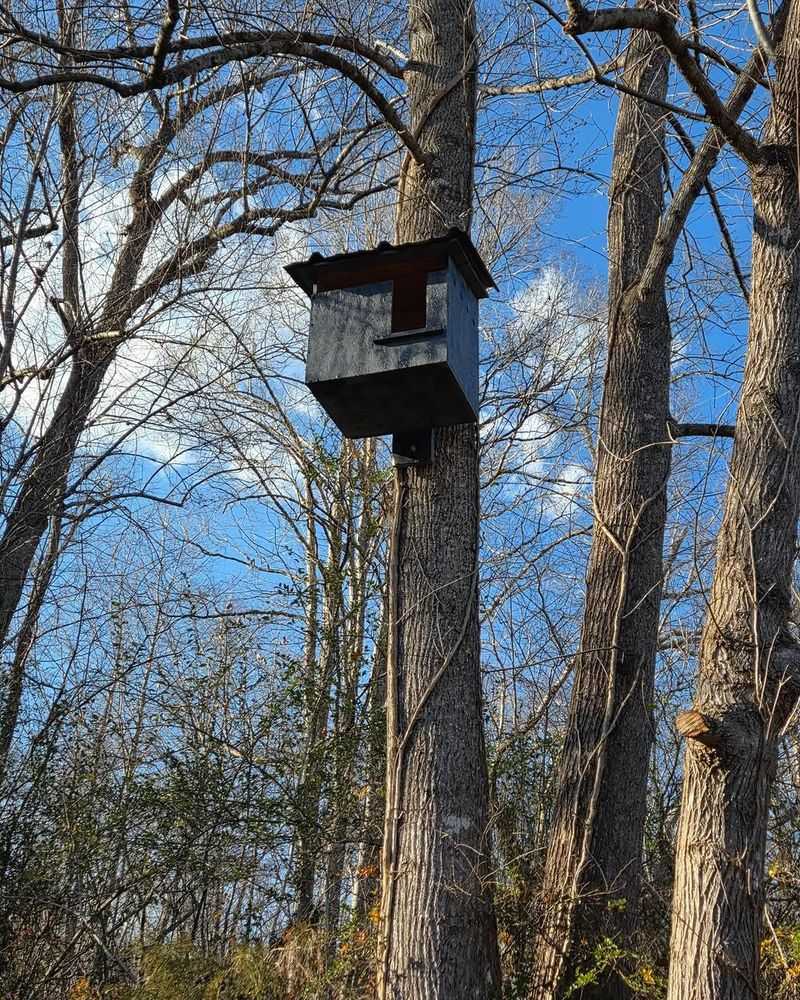
Not every owl builds a nest from scratch. Some species, including a few found right here in North Carolina, rely on existing tree cavities or hollow spaces to raise their young.
When those natural cavities are hard to find, a well-built nest box can step in as a reliable alternative.
Barn Owls, Eastern Screech Owls, and Barred Owls are three species often mentioned in connection with nest box programs, though each one has specific needs when it comes to box design and surrounding habitat.
A box that works beautifully for a Screech Owl may not suit a Barn Owl at all.
Matching the right box to the right environment is what makes the difference between a box that gets used and one that sits empty for years.
Mature hollow trees have become less common in many parts of the state as older forests are cleared or thinned.
Nest boxes can fill that gap in places where the surrounding habitat still offers good foraging ground, quiet shelter, and enough territory for a breeding pair.
Homeowners who already have large trees, open edges, or wooded corridors on their property are often the best candidates for trying a nest box.
It is a simple addition that can genuinely expand options for cavity-nesting birds already living nearby.
2. Habitat Loss Makes Nest Sites Harder To Find
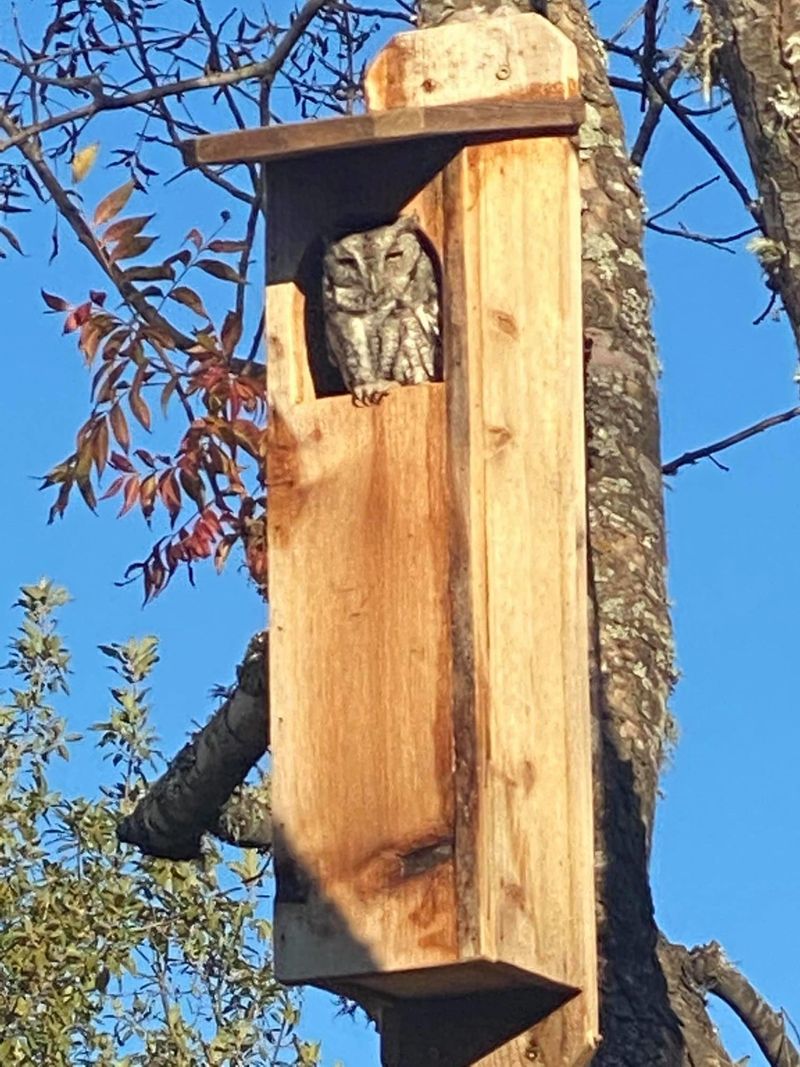
Across North Carolina, land that once held old forests, farm hedgerows, and mature tree lines has gradually shifted into subdivisions, shopping centers, and managed pasture.
That change does not just affect the scenery. It quietly removes the hollow trees, snag logs, and undisturbed cavities that raptors like owls depend on for nesting each year.
When those natural sites shrink, owls do not automatically find replacements on their own. They need the right combination of shelter, foraging habitat, and space.
That is where homeowners can play a meaningful role, especially those who already live near fields, woodlands, or natural corridors that still offer good owl territory.
An owl house is not a magic fix for broader habitat loss, but it is one practical action a homeowner can take.
Placing a nest box in a yard that borders suitable habitat gives local raptors one more option when natural cavities are scarce.
Your North Carolina Garden Changes Every Week. Your Plan Should Too.
Gardening in North Carolina changes quickly throughout the season. Every Friday you’ll receive a simple weekly plan showing exactly what to plant, prune, fertilize, harvest, and protect so you never miss the right timing.
The key word is suitable. A box placed in a yard surrounded only by pavement and noise is unlikely to attract nesting owls, no matter how well it is built.
But for homeowners whose property already sits near the kind of open or wooded land owls prefer, adding a nest box is a genuinely helpful contribution to local wildlife support.
3. Barn Owls Benefit In Open Country Settings
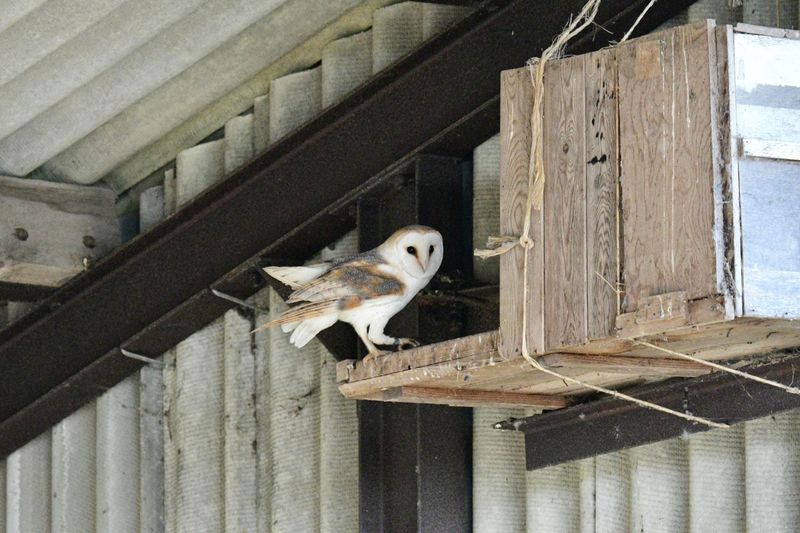
Barn Owls have a look that stops people in their tracks.
That heart-shaped face and ghostly white coloring make them one of the most recognizable raptors in North America, and North Carolina is home to a population that wildlife managers have worked to monitor and support over the years.
One thing worth knowing right away is that Barn Owl boxes are not a great fit for every yard.
These birds thrive in open country settings like farm fields, pasture edges, meadows, and rural landscapes where they can hunt across wide stretches of low grass.
A tight suburban yard surrounded by houses and fences is simply not the environment they need, no matter how nice the box looks.
North Carolina wildlife officials have monitored a Barn Owl nest box in western North Carolina that has seen use across multiple seasons, which shows that the right box in the right location can genuinely attract this species over time.
If your property sits near open farmland or rural fields, it may be worth researching Barn Owl box plans approved by wildlife organizations in the state.
Connecting with local birding groups or the NC Wildlife Resources Commission before building is a smart first step, since placement guidance specific to your county can make a real difference in whether the box ever gets used.
4. Eastern Screech Owls Often Visit Smaller Yards
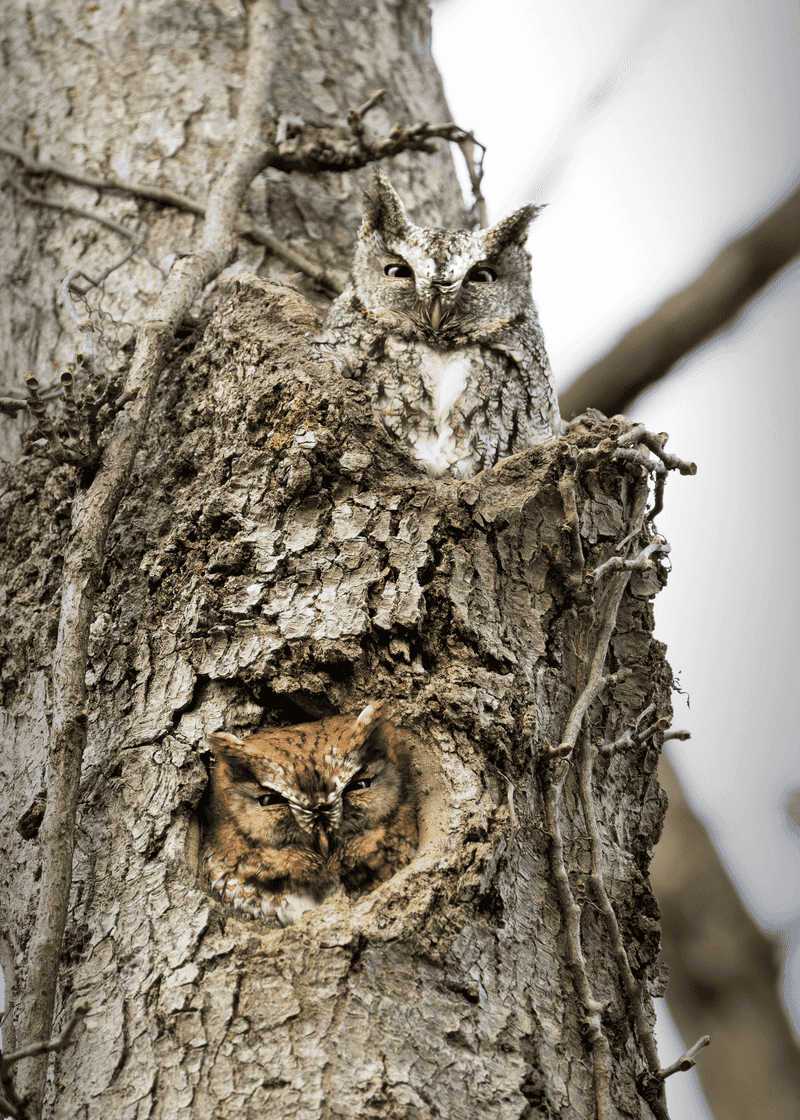
If your yard is on the smaller side but still has a few mature trees, the Eastern Screech Owl might be the species most worth thinking about.
These compact little owls are surprisingly adaptable and have been known to use nest boxes in wooded suburban neighborhoods across North Carolina when conditions are right.
Getting those conditions right takes some thought. The box should have the correct entrance hole diameter, typically around three inches, to match what Screech Owls naturally seek out. Placement matters too.
Mounting the box on a mature tree rather than a fence post gives it a more natural feel, and positioning it away from areas with heavy foot traffic or frequent noise can make the space feel safer and more inviting to a nesting pair.
Shade is another factor that experienced nest box builders often mention. A box that bakes in direct afternoon sun can get uncomfortably hot during spring nesting season, so finding a spot with some natural shade is worth the extra planning.
Screech Owls are cavity nesters, which means they are already looking for enclosed spaces that resemble tree hollows.
A well-placed box that mimics those conditions gives them one more option in neighborhoods where truly hollow trees have become rare.
Patience is part of the process too, since it may take a full season or two before a pair investigates the box seriously.
5. Barred Owls Need Larger Wooded Habitat
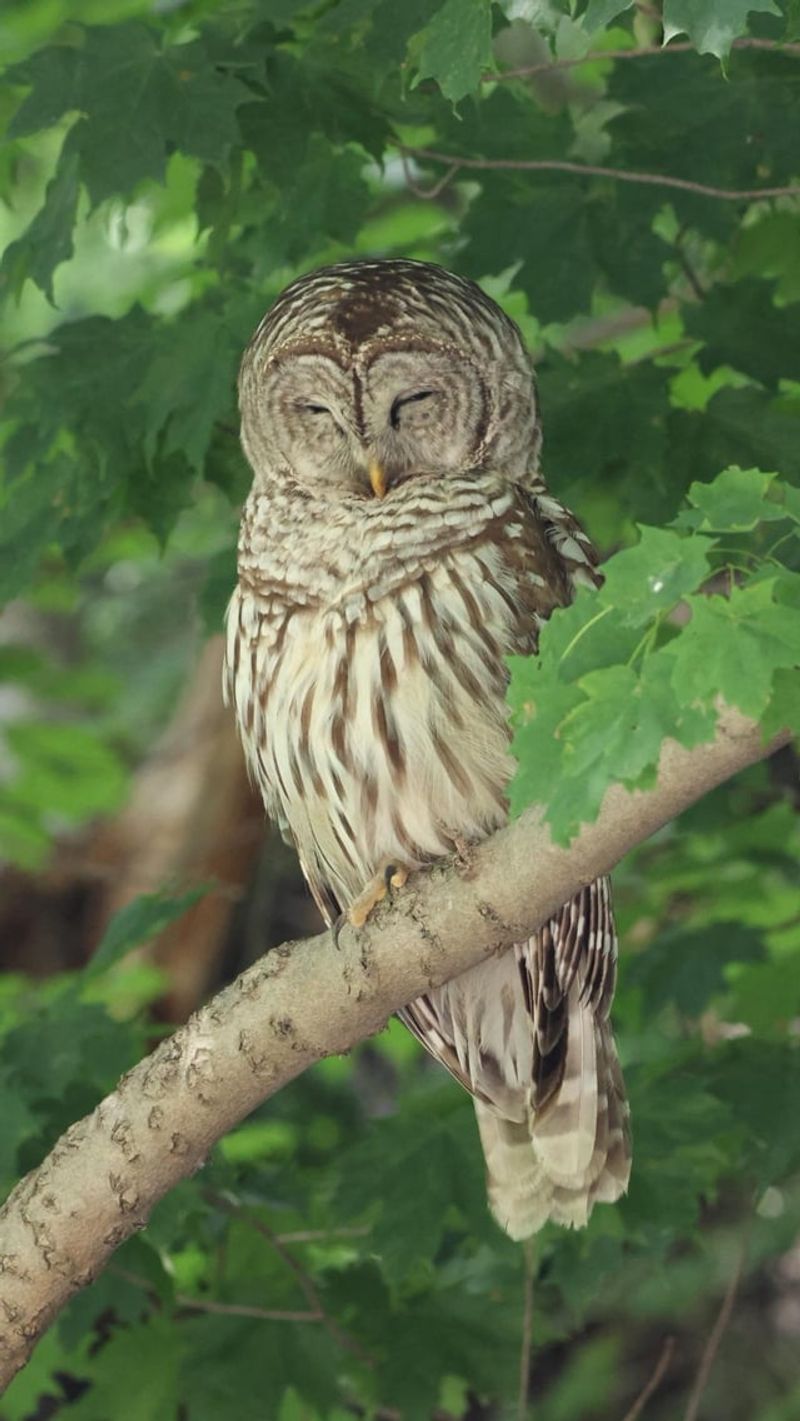
Few sounds in a North Carolina night are as memorable as the call of a Barred Owl.
That rolling, rhythmic who-cooks-for-you call carries through river corridors, swamps, and bottomland forests across the state, often surprising people who had no idea an owl was living so close to home.
Barred Owls are widespread in North Carolina and tend to favor wetter, heavily wooded environments.
Think river bottoms, forested swamps, and areas where tall hardwoods grow close together with plenty of understory cover.
Homeowners who back up to that kind of habitat often report hearing Barred Owls regularly, especially in the hours just after dark or before dawn.
Nest boxes designed for Barred Owls do exist, and some wildlife organizations provide plans for building them.
However, it is worth being honest about expectations. Even a perfectly built and properly placed box does not guarantee that a Barred Owl will move in.
These birds prefer large territories with access to water, mature trees, and undisturbed forest, and no box can replicate those broader habitat needs on its own. For homeowners near the right environment, a box is a worthwhile addition.
For those in denser suburban areas without nearby wooded corridors, the chances of attracting a nesting Barred Owl remain low regardless of box quality or placement effort.
6. Homeowners Like The Natural Rodent Control Angle
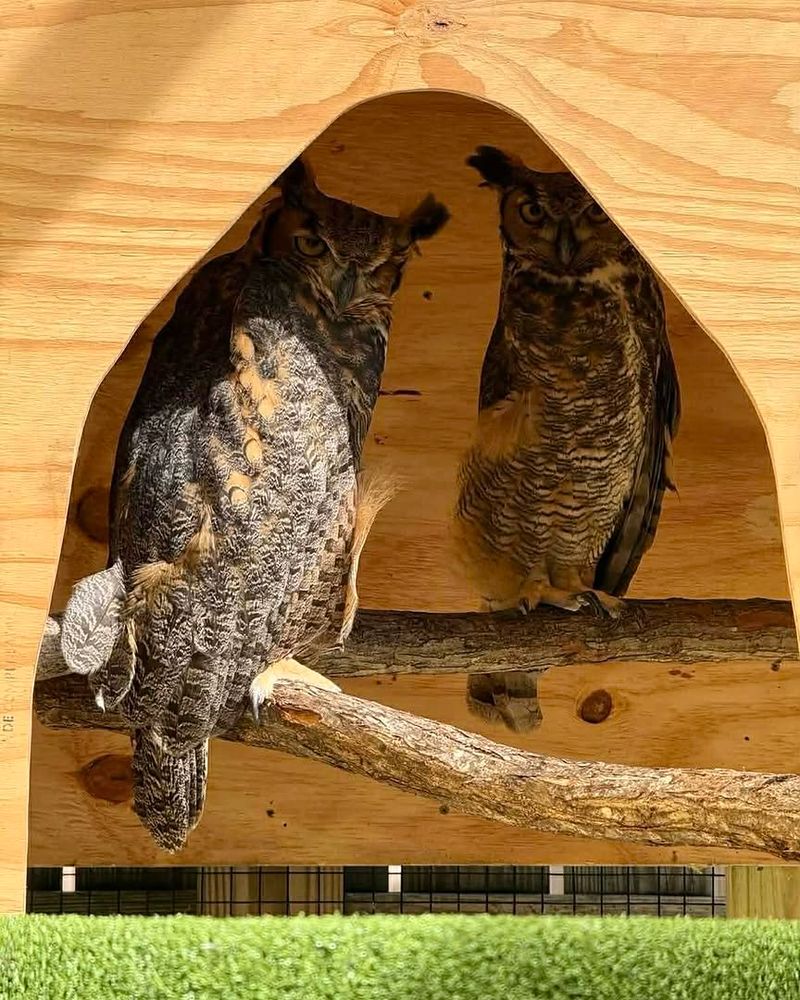
One of the most common reasons people start researching owl houses is the idea of natural rodent control.
Owls are skilled hunters, and species like Barn Owls and Screech Owls do eat mice, voles, and other small rodents as a regular part of their diet.
It makes sense that homeowners dealing with unwanted rodent activity would find that appealing.
The honest picture is a bit more nuanced, though. A single owl pair will not eliminate a rodent problem the way a professional pest service might.
Owls hunt on their own schedule, cover their own territory, and eat what they find naturally.
They are not on-demand pest controllers, and treating them that way sets up unrealistic expectations that can lead to disappointment. What an owl box actually does is support wildlife habitat.
When a pair of owls nests nearby and forages regularly across your property, they do naturally reduce some rodent activity in their hunting range. That is a genuine benefit, just not a guaranteed or complete solution.
Homeowners who approach owl boxes as a way to support local raptors and appreciate whatever natural balance follows tend to have a much more rewarding experience than those expecting a dramatic overnight change.
Keeping that perspective makes the whole project feel more meaningful and less like a transaction with nature.
7. Owl Houses Encourage Nighttime Wildlife Watching
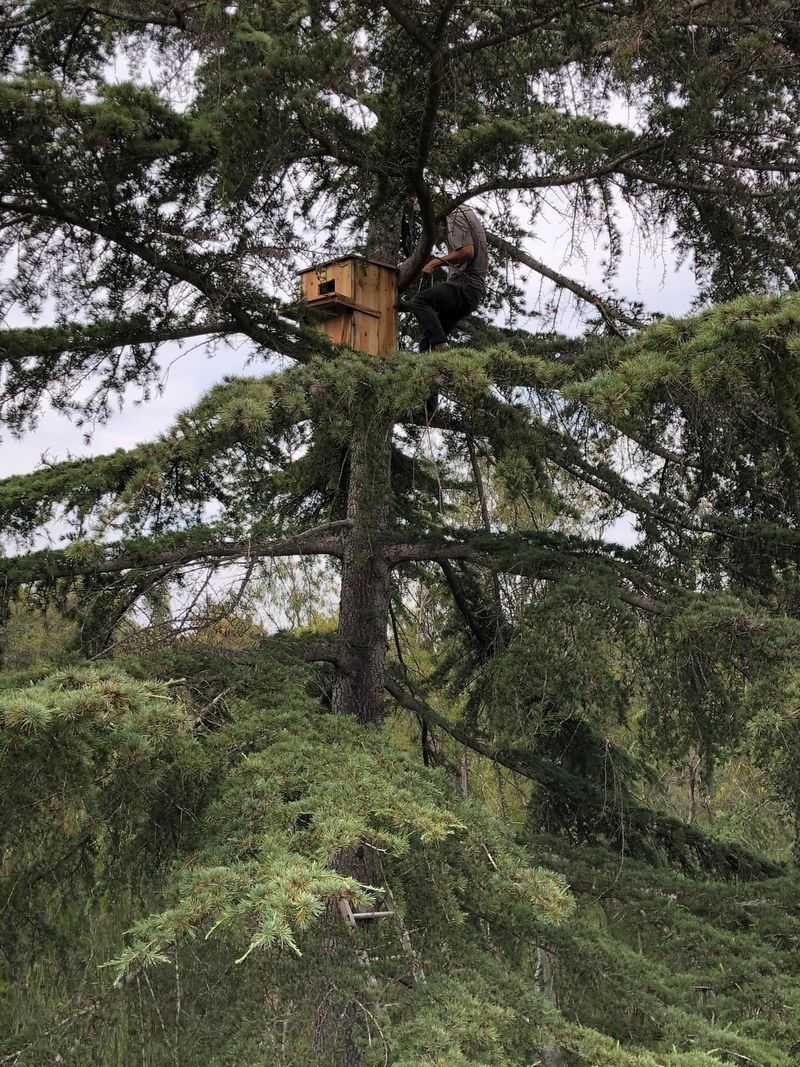
There is something genuinely special about stepping outside on a warm Carolina night and hearing an owl call from somewhere close by.
For many homeowners, that experience is exactly what drew them to adding an owl house in the first place.
It turns an ordinary yard into something that feels a little wilder and a lot more alive. Nighttime wildlife watching has a quiet magic to it that daytime birding sometimes lacks.
Owls move and call on their own terms, which means every sighting feels earned.
Some homeowners set up simple wildlife cameras near their nest boxes to catch activity they would otherwise miss, and the footage often becomes a highlight of their whole backyard wildlife experience.
Respecting the owls throughout that process is essential. Watching from a comfortable distance, avoiding flashlights pointed directly at the box, and keeping noise low during nesting season all help ensure the birds feel safe enough to stay.
An owl that feels disturbed will simply move on, and no one wants that outcome after putting real effort into creating good habitat. The reward for patience is real, though.
Hearing a family of Screech Owls calling back and forth on a summer evening, or catching a Barn Owl drifting silently across an open field, is the kind of experience that makes people genuinely passionate about backyard conservation.
8. Correct Placement Matters More Than Decoration
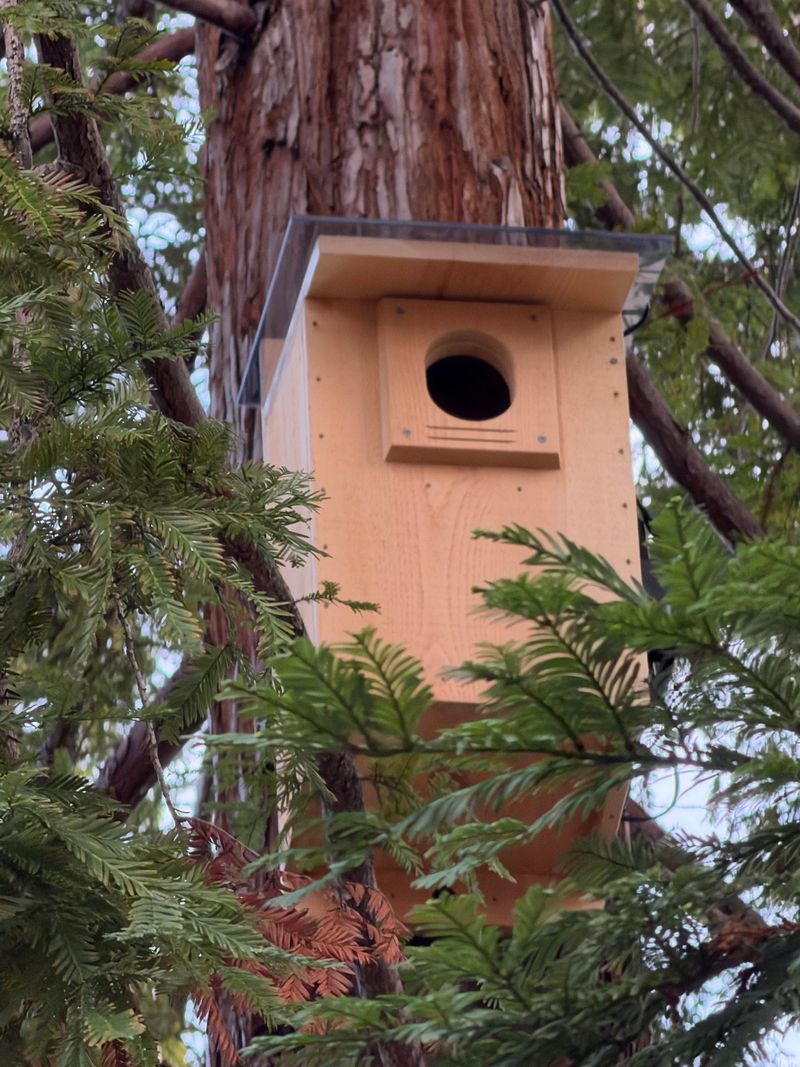
Walk into any garden center and you will find owl houses in all shapes, sizes, and paint colors.
Some look like tiny barns. Others are carved into whimsical shapes with decorative trim.
They can be genuinely attractive additions to a yard, but here is the thing that experienced wildlife supporters will tell you clearly: a beautiful box in the wrong spot helps almost no one.
Placement is where the real work happens. Each owl species has specific preferences for mounting height, entrance hole diameter, surrounding habitat, and flight path clearance.
A Screech Owl box needs a different setup than a Barn Owl box. Both need proper drainage holes in the floor so moisture does not build up inside, and neither should face into harsh afternoon sun if it can be avoided.
A clear, unobstructed flight path in front of the entrance is also important, since owls need room to approach and land without navigating through dense branches.
Taking the time to research species-specific guidelines before mounting a box is the single most valuable thing a homeowner can do.
Resources from the NC Wildlife Resources Commission and established birding organizations offer free guidance on height, direction, habitat match, and maintenance.
A simple, correctly placed box with proper drainage and the right entrance size will always outperform an elaborate decorative one stuck in the wrong tree at the wrong height with no thought given to what the owl actually needs.
9. Small Pets And Poultry Still Need Protection
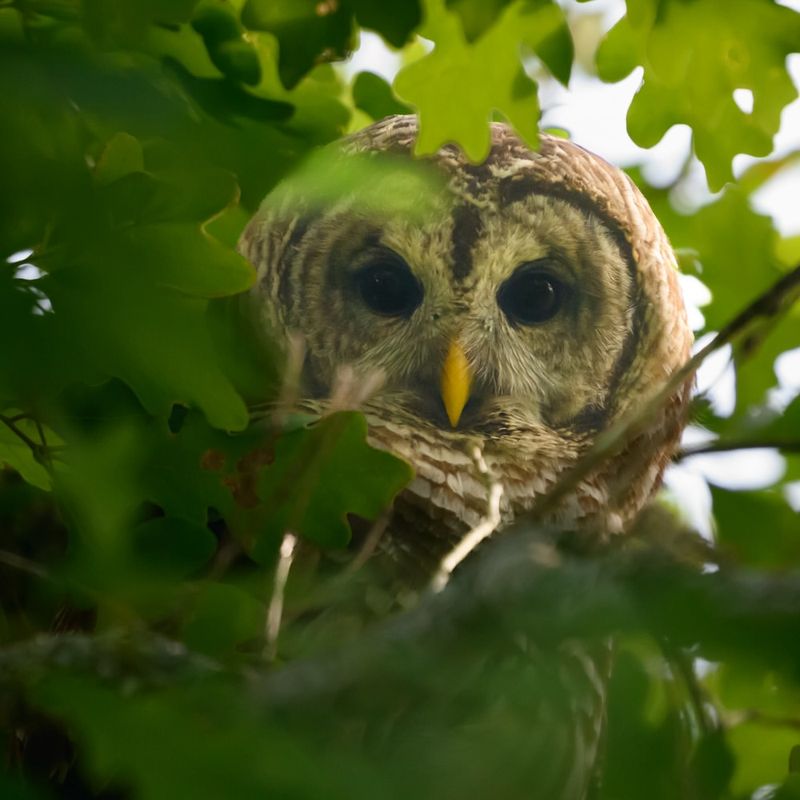
Adding an owl house to your property is a wonderful way to support local wildlife, but it should never replace common sense when it comes to protecting the animals already in your care.
Owls are natural hunters, and while most North Carolina species target rodents, frogs, and insects, larger species like Great Horned Owls and Barred Owls are capable of taking small poultry, rabbits, or other small animals if the opportunity presents itself.
Backyard chicken keepers should make sure coops are fully enclosed with hardware cloth, including the roof, and that birds are secured inside before dark each evening.
Covered runs make a significant difference in keeping free-ranging poultry safe from aerial predators of all kinds.
Small pets like cats or toy-breed dogs should not be left unattended outside after dark, particularly in yards that border wooded or open habitat where larger owls regularly hunt.
None of this means owl habitat and pet safety are at odds with each other. Most homeowners manage both without any conflict at all.
The key is thinking about both at the same time rather than treating them as separate concerns.
Secure housing for poultry, supervised time outside for small pets, and a thoughtfully placed owl box can all coexist on the same property.
A little planning upfront makes the whole setup work smoothly for everyone involved, feathered or otherwise.
10. Active Nests Must Be Left Alone
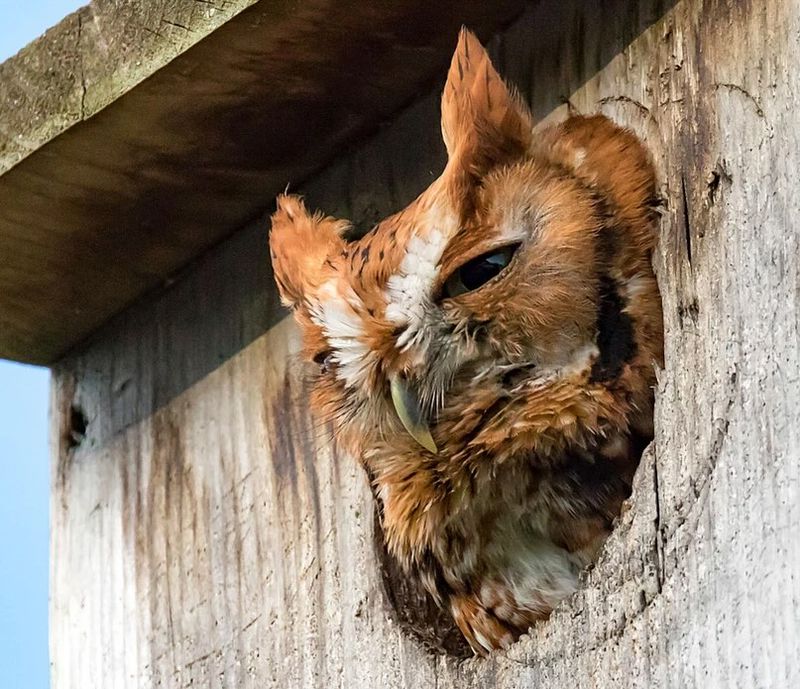
Once an owl decides your nest box is home, the most important thing you can do is step back and let nature take over.
North Carolina owls are protected under both state and federal law, which means disturbing an active nest, handling an owl, or moving young birds is not just discouraged.
It is illegal. That legal protection exists for good reason. Nesting owls are sensitive to disruption, especially during incubation and the early weeks after eggs hatch.
Too much human activity near an active box can cause adults to abandon the nest, which is an outcome no one who put effort into supporting wildlife wants to see.
Watching from a respectful distance, keeping pets away from the base of the tree, and skipping routine maintenance on the box until the nesting season ends are all simple ways to give the family the space it needs.
If you ever notice an owl on the ground that appears to be injured, or a young owl that seems to be in trouble, resist the urge to handle it yourself.
Young owls often spend time on the ground as they learn to fly, and what looks like a problem may be completely normal development.
When genuine concern arises, contacting the NC Wildlife Resources Commission or a licensed wildlife rehabilitator is the right move.
They have the training and legal authority to assess the situation and provide proper care if it is truly needed.