10 Reasons North Carolina Gardeners Should Grow Lemongrass
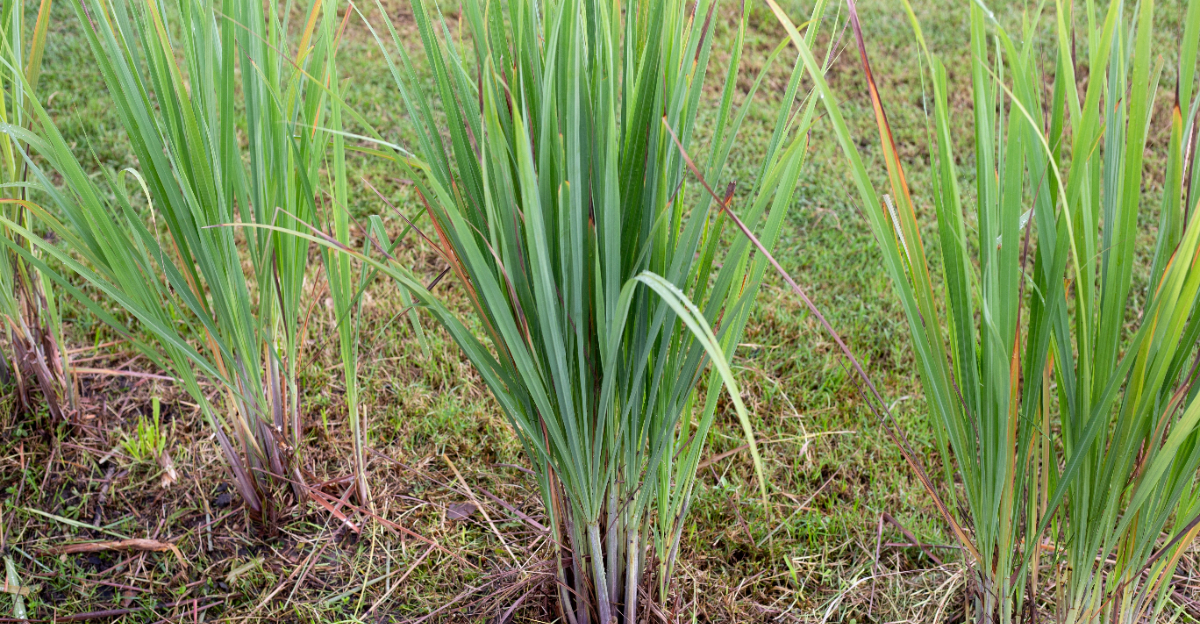
Lemongrass is gaining popularity in North Carolina gardens, and it is easy to see why more people are giving it a try. This plant brings a fresh citrus scent, bold texture, and a fast growing habit that fits perfectly with the state’s warm climate.
Once temperatures rise, it takes off quickly and adds a lively, tropical feel to garden beds and containers. Beyond its appearance, lemongrass is useful in the kitchen and can add a unique touch to homegrown meals.
It also handles heat and humidity better than many other plants, making it a reliable choice through the summer months. For gardeners looking to grow something a little different, it offers both beauty and function without being difficult to manage.
With the right setup, lemongrass can become one of the most rewarding plants in your North Carolina garden.
1. Thrives In North Carolina Heat And Humidity
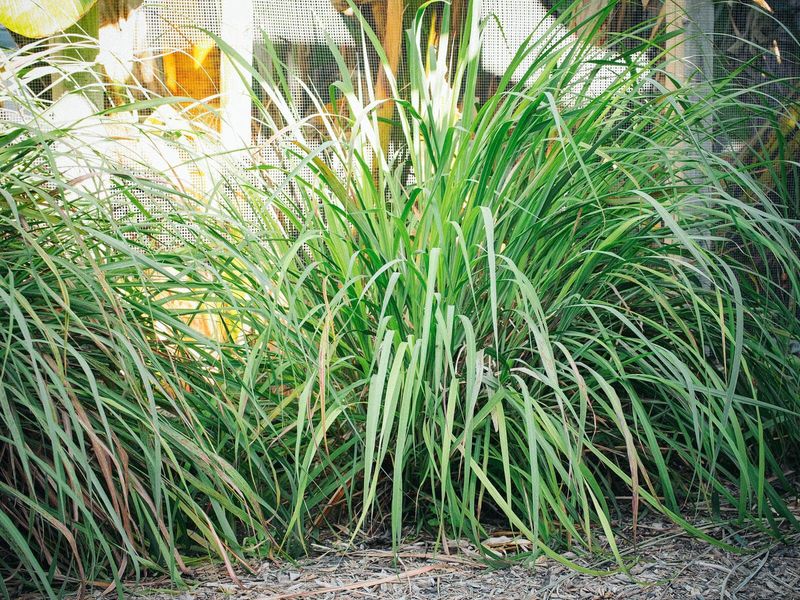
Few plants love a hot, sticky Southern summer quite like lemongrass does. Native to tropical regions of Asia, Cymbopogon citratus was practically designed for the kind of heat and humidity that North Carolina serves up from June through September.
While other herbs wilt and struggle, lemongrass keeps pushing upward, sometimes reaching five or six feet tall in a single season.
North Carolina’s warm days and mild nights create the ideal growing window for this plant. Full sun is its best friend, and the state’s long summer days give it exactly what it needs to bulk up into impressive, lush clumps.
Areas like Charlotte, Fayetteville, and Raleigh regularly see the kind of temperatures lemongrass absolutely loves.
Gardeners who have grown lemongrass here often say it is one of the most rewarding herbs they have ever tried. It does not demand special soil, it does not need constant attention, and it rarely complains about the weather.
Plant it in a sunny spot, give it consistent moisture, and watch it absolutely take off. For North Carolina gardeners tired of babying finicky herbs through brutal summers, lemongrass is a welcome breath of fresh, citrusy air that delivers season after season without much fuss at all.
2. Grows As A Perennial In Warmer Coastal Areas
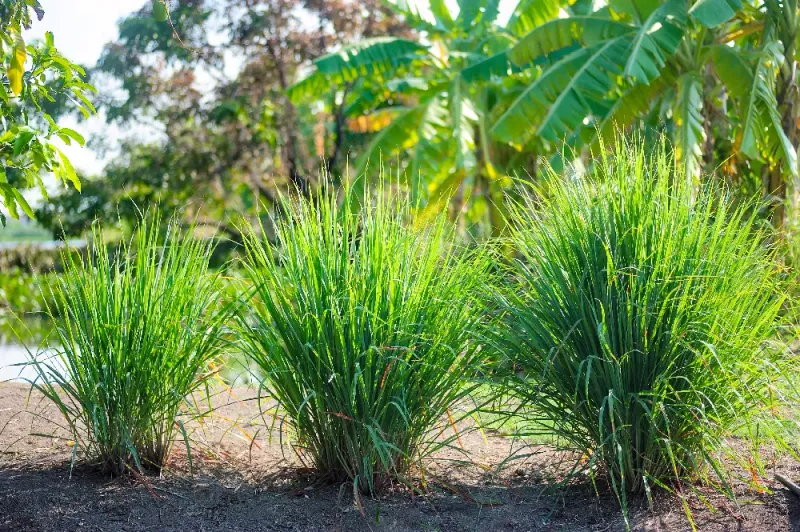
Coastal North Carolina has a real advantage when it comes to growing lemongrass long-term.
In USDA Hardiness Zone 8, which covers areas like Wilmington, Jacksonville, and the Outer Banks region, lemongrass can survive mild winters and come back strong the following spring.
That means less replanting, less spending, and more reward for loyal gardeners who stick with it.
During a typical Zone 8 winter, temperatures rarely drop low enough to fully wipe out an established lemongrass clump.
Gardeners in these coastal communities often mulch the base of the plant heavily before the first cold snap, which gives the roots just enough insulation to survive.
Come spring, new green shoots push up from the center of the clump, and the whole cycle begins again.
Watching a lemongrass clump return after winter is genuinely exciting. It signals the start of a new growing season and rewards the patience of gardeners who protected it through cooler months.
Your North Carolina Garden Changes Every Week. Your Plan Should Too.
Gardening in North Carolina changes quickly throughout the season. Every Friday you’ll receive a simple weekly plan showing exactly what to plant, prune, fertilize, harvest, and protect so you never miss the right timing.
Over several years, a single clump can grow enormous, producing more than enough stalks for cooking, herbal teas, and sharing with neighbors.
For coastal North Carolina gardeners, treating lemongrass as a true perennial is a smart, cost-effective strategy that pays off beautifully year after year with minimal extra investment or effort required.
3. Easy To Grow As An Annual Inland
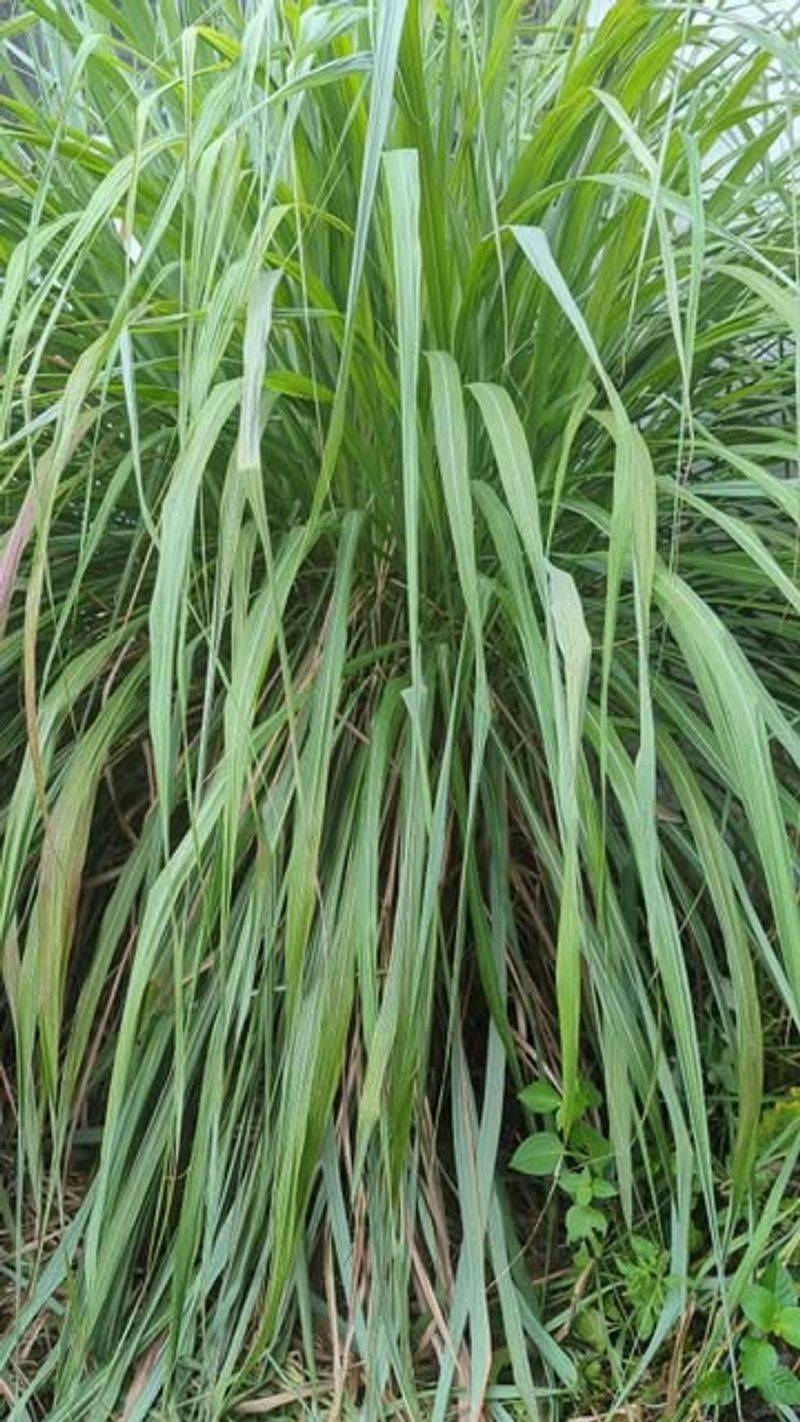
Not everyone in North Carolina lives near the coast, and that is perfectly fine when it comes to growing lemongrass. In the central Piedmont and western mountain foothills, where winters tend to be colder, lemongrass performs brilliantly as a warm-season annual.
Plant it after the last frost in mid to late spring, and it will reward you with an impressive harvest before fall arrives.
The growth rate of lemongrass as an annual is honestly surprising. In one season, a small transplant or rooted stalk can expand into a clump several feet wide and just as tall.
Gardeners in places like Greensboro, Durham, and Asheville regularly pull off successful lemongrass harvests without ever worrying about overwintering the plant at all.
Treating it as an annual actually simplifies the whole process. You plant it fresh each year, harvest freely throughout summer and early fall, and then compost the spent clump after the first frost touches it.
There is no pressure to protect it, no stressing over cold snaps, and no complicated winter storage routines.
For busy inland North Carolina gardeners who want maximum reward with minimum complication, growing lemongrass as a seasonal annual is a completely satisfying and productive approach that fits naturally into any backyard garden plan.
4. Works Perfectly In Containers
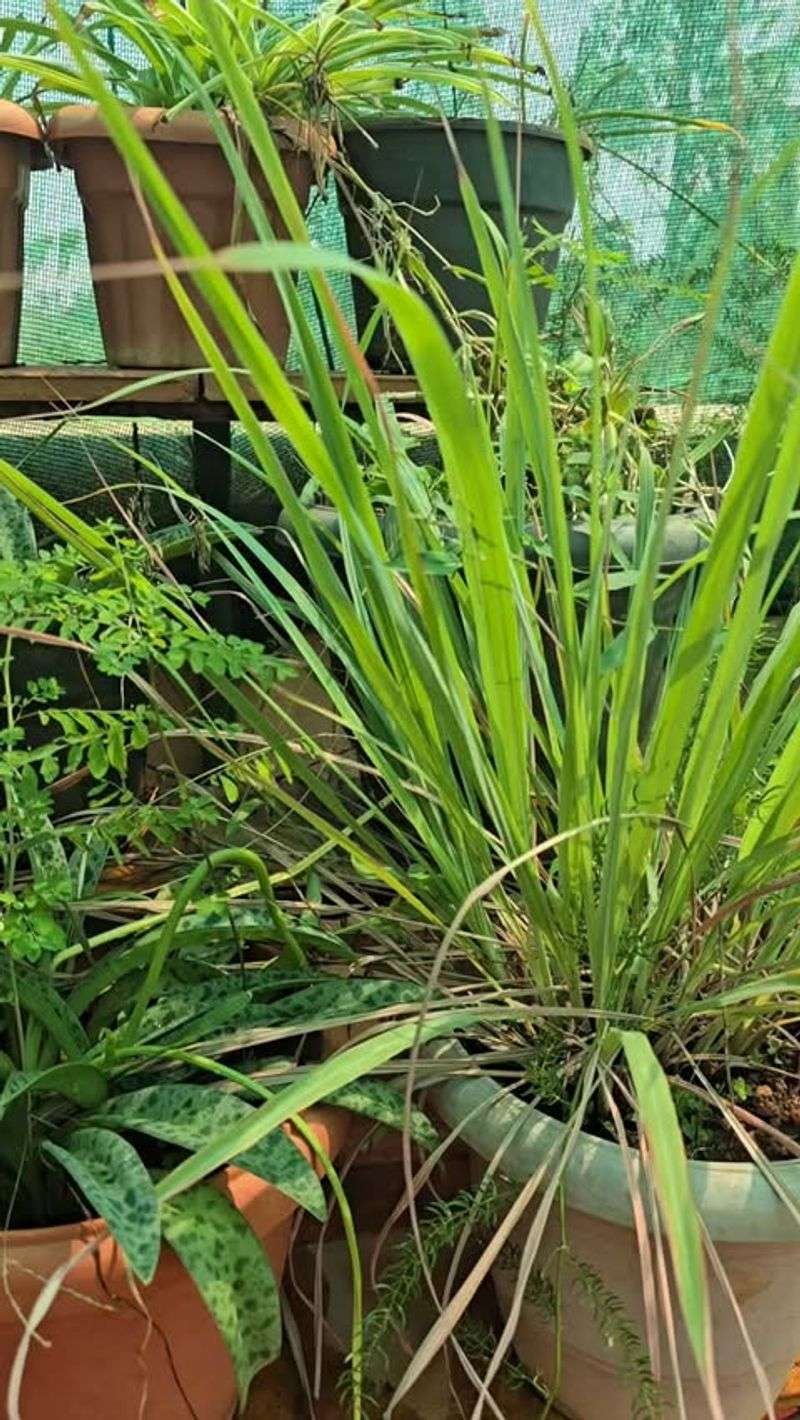
Container gardening is a popular choice across North Carolina, and lemongrass fits right into that lifestyle.
Growing it in a large pot gives gardeners the flexibility to move the plant indoors before cold weather arrives, essentially extending its life well beyond what the outdoor climate would normally allow.
A five-gallon container or larger works best since lemongrass roots need room to spread and anchor properly.
On a sunny North Carolina patio, a potted lemongrass plant looks genuinely striking. The tall, arching green blades create a tropical feel that pairs beautifully with flowering annuals, succulents, or other container herbs.
It brings both beauty and function to outdoor living spaces in one elegant package, and the citrus fragrance that drifts off the leaves on warm evenings is an added bonus worth enjoying.
When cooler temperatures approach in October or November, simply wheel or carry the container inside to a bright, sunny window. The plant will slow its growth during winter but stay alive and ready to thrive again come spring.
This approach works especially well for gardeners in the mountain regions of North Carolina, where early frosts can cut the outdoor growing season short.
Container lemongrass offers the best of both worlds and is one of the smartest ways to enjoy this herb year-round without complicated overwintering setups.
5. Naturally Aromatic And A Sensory Garden Treat
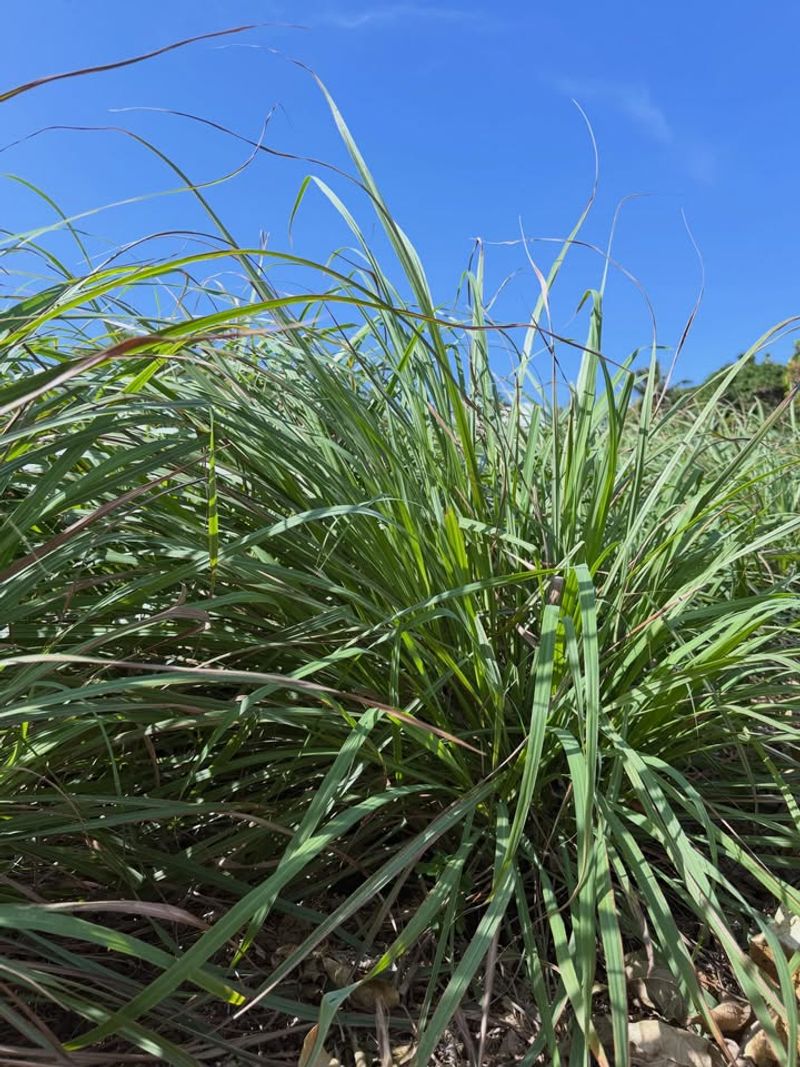
Run your hand along a lemongrass leaf and something wonderful happens immediately. A burst of fresh, clean citrus scent fills the air around you, sharp and bright and completely uplifting.
That aroma comes from the plant’s natural oils, particularly citral, which gives lemongrass its signature lemony fragrance without any artificial help whatsoever.
North Carolina gardeners who place lemongrass near seating areas, walkways, or garden entrances get to enjoy this sensory experience all summer long.
Every time someone brushes past the clump or the breeze catches the leaves just right, that citrus scent drifts through the air in the most pleasant way.
It creates an atmosphere that feels fresh, lively, and genuinely inviting for anyone spending time outdoors.
Beyond the smell, the visual texture of lemongrass adds something special to any garden design. The long, slender blades sway gracefully in the wind and catch the light in a way that feels almost like watching ornamental grass perform.
Gardeners who appreciate multi-sensory planting will find lemongrass checks all the right boxes. It looks beautiful, smells incredible, and adds a layer of tropical charm to North Carolina gardens that most common herbs simply cannot match.
For anyone who loves a garden that engages more than just the eyes, lemongrass belongs in the plan.
6. Useful For Cooking And Homemade Tea
There is real culinary magic in a stalk of fresh lemongrass. The lower, pale section of the stalk is the part most used in cooking, and it brings a bright, citrusy depth to soups, curries, stir-fries, marinades, and rice dishes that dried or store-bought versions simply cannot replicate.
Growing your own in a North Carolina garden means having that freshness available all season long, just steps from your kitchen door.
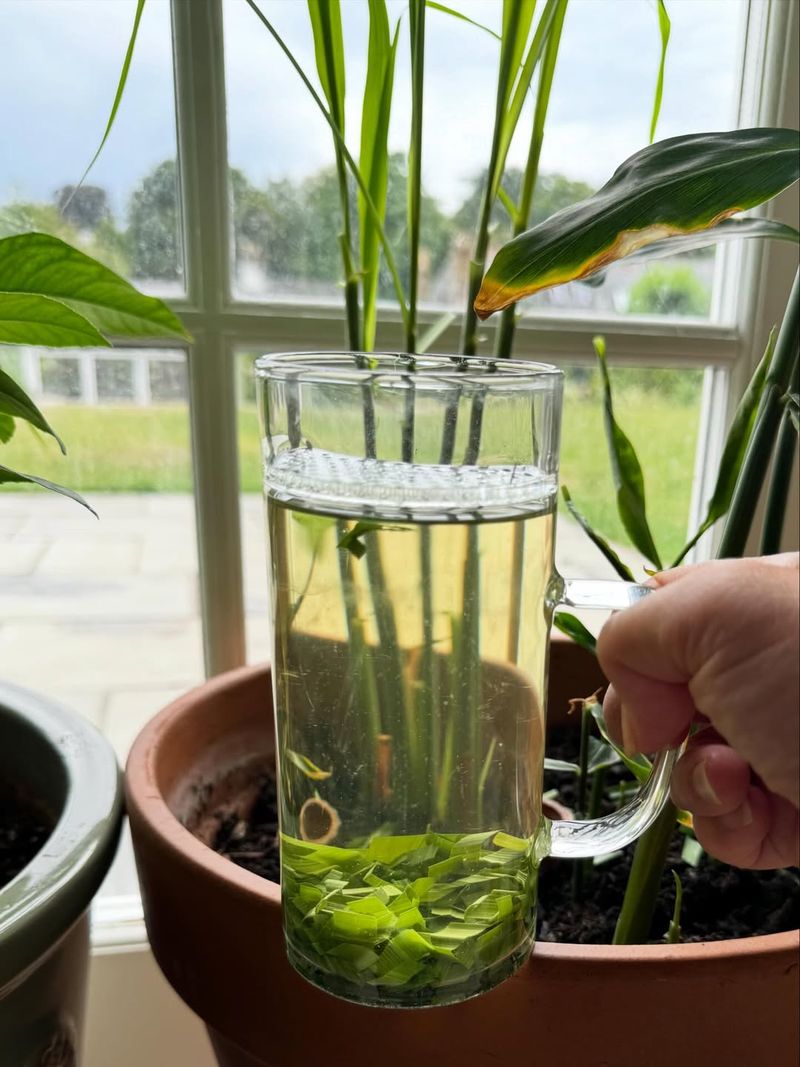
Lemongrass tea is another fantastic use that home gardeners love. Steep a few bruised stalks or leaves in hot water, add a little honey, and you have a soothing, fragrant herbal tea with a naturally refreshing flavor.
Many North Carolina gardeners who start growing lemongrass for cooking end up making tea a regular ritual throughout the summer months.
The plant is also incredibly generous with its harvest. A healthy, established clump produces far more stalks than most families can use on their own, which makes it a great herb for sharing with friends, neighbors, or fellow gardeners at local plant swaps.
Farmers markets and community gardens across North Carolina have seen growing interest in lemongrass for exactly this reason.
Once you start cooking and brewing with fresh lemongrass from your own garden, going back to the store-bought version feels like a significant downgrade in both flavor and freshness.
7. Can Help Deter Nuisance Insects Around Your Yard
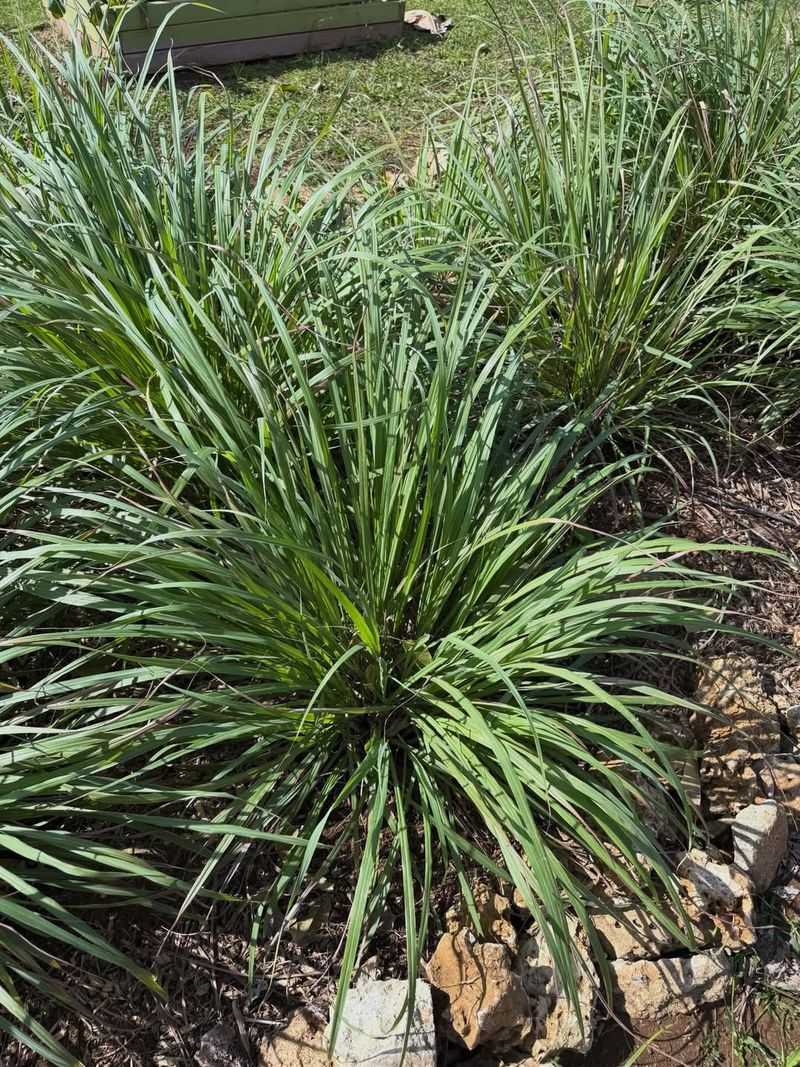
Anyone who has spent a summer evening on a North Carolina porch knows that insects can be a real nuisance. Lemongrass contains citronella oil, the same compound found in many commercial insect-repelling candles and sprays.
While it is not a guaranteed fix for every flying pest, planting lemongrass around outdoor seating areas can contribute to a more comfortable backyard experience during warm months.
The scent the plant naturally releases, especially when leaves are brushed or crushed, acts as a mild deterrent for mosquitoes and some other insects.
Gardeners in humid parts of North Carolina, particularly in the eastern coastal plain where insects are especially active in summer, have found that incorporating lemongrass into patio borders adds a pleasant and practical layer of natural protection without any chemicals involved.
Pairing lemongrass with other insect-deterring plants like basil, lavender, or catnip can make outdoor spaces even more enjoyable during peak mosquito season.
It is worth being realistic and understanding that lemongrass alone will not eliminate insects entirely, but it is a worthwhile and fragrant addition to any strategy for making your yard more livable.
For North Carolina families who love spending summer evenings outside, planting lemongrass nearby is a smart, natural, and beautifully aromatic way to help reclaim those warm outdoor hours.
8. Adds Striking Height And Structure To Garden Beds
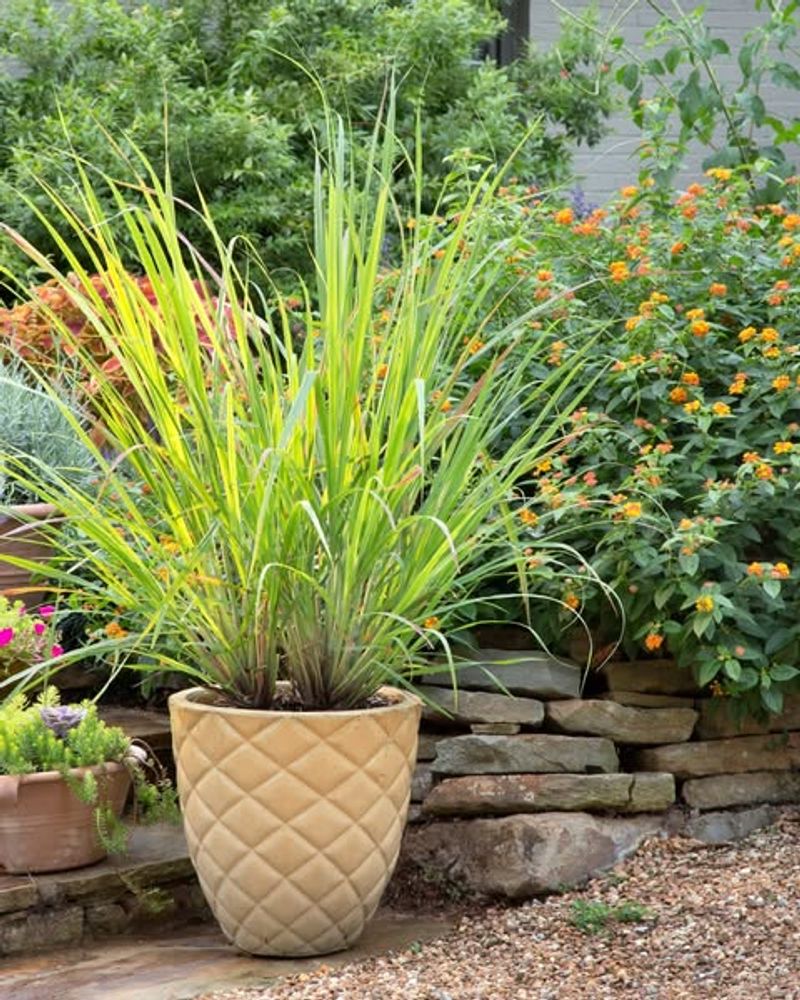
Vertical interest is something every thoughtful garden design needs, and lemongrass delivers it in a bold, tropical way.
The clumps can reach four to six feet tall under good North Carolina growing conditions, creating a dramatic backdrop or centerpiece that draws the eye and gives garden beds a layered, polished look.
Placed behind shorter herbs, flowering plants, or vegetable rows, lemongrass acts like a natural living wall.
The texture of lemongrass blades is also worth noting. Unlike broad-leafed plants, the long, narrow, arching leaves add a fine, graceful texture that contrasts beautifully with chunkier foliage.
This makes it an excellent companion for plants like tomatoes, peppers, zinnias, or marigolds, all of which are common in North Carolina summer gardens and benefit from having a tall, airy neighbor nearby.
Landscape designers and home gardeners alike have discovered that lemongrass works as more than just an herb. It functions as an ornamental grass substitute with the added bonus of being edible and aromatic.
In mixed garden beds across North Carolina, from suburban backyards in Chapel Hill to community gardens in Winston-Salem, lemongrass creates visual structure that makes the whole space look more intentional and professionally designed.
If your garden has been feeling a little flat, adding a clump or two of lemongrass might be the easiest upgrade you make all season long.
9. Fast Growing With Minimal Care Required
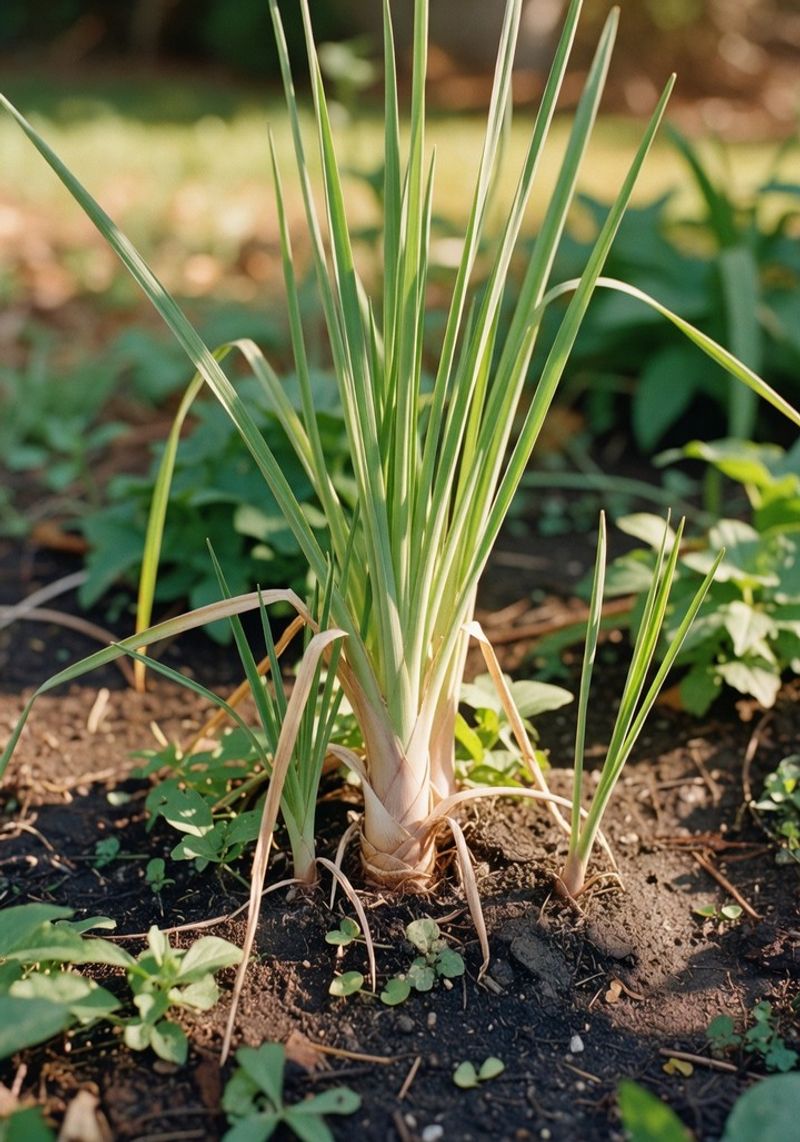
Busy gardeners across North Carolina will appreciate how little lemongrass asks of them once it gets established. After the initial planting and a couple of weeks of regular watering to help roots settle in, this plant largely takes care of itself throughout the summer.
It does not need constant pruning, frequent fertilizing, or special treatments to stay healthy and productive.
A light feeding with a balanced fertilizer in early summer gives lemongrass a helpful boost, but even without it, the plant tends to grow vigorously in North Carolina’s warm conditions.
Water consistently during dry spells, especially during July and August when heat is at its peak, and the plant will keep producing fresh new growth throughout the season without skipping a beat.
Pest and disease problems are also rare with lemongrass, which is a welcome relief for gardeners who have battled aphids, fungal issues, or other headaches with more demanding plants.
The strong natural oils in the leaves seem to discourage most common garden pests from setting up camp.
For North Carolina gardeners juggling busy schedules, jobs, kids, and everything else life throws at them, lemongrass is the kind of low-drama, high-reward plant that earns a permanent spot in the garden.
It grows fast, stays healthy, and keeps on giving all season long with very little asked in return.
10. Easy To Propagate From Store-Bought Stalks
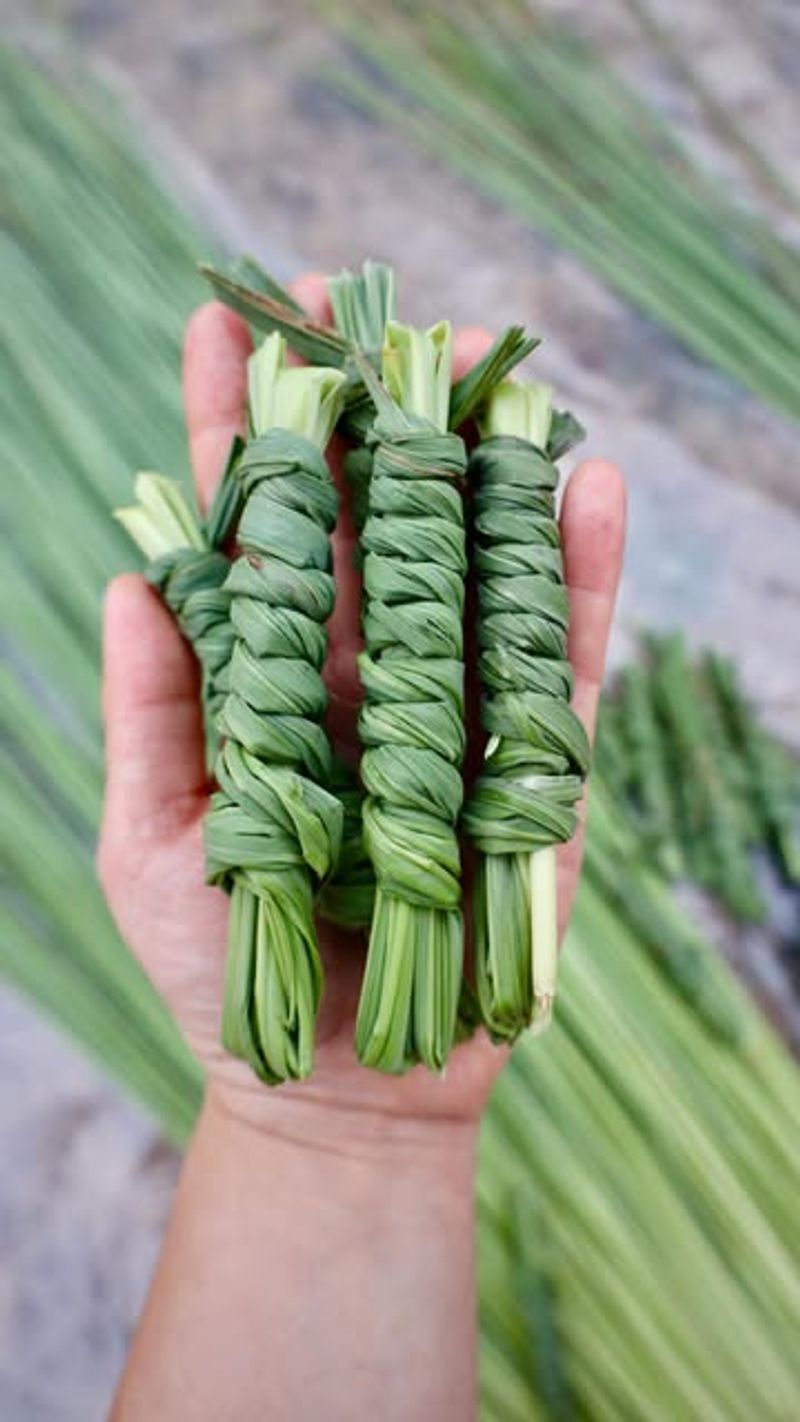
Here is something that surprises a lot of first-time lemongrass growers. You do not need to buy a plant from a nursery to get started.
Fresh lemongrass stalks purchased from a grocery store or Asian market can actually be rooted right at home, making this one of the most budget-friendly herbs you can add to your North Carolina garden this season.
The process is simple and almost foolproof. Trim the tops of the stalks slightly, place the bases in a glass of water on a sunny windowsill, and wait.
Within one to three weeks, small white roots begin to appear at the base. Once those roots reach an inch or two in length, the stalks are ready to transplant into pots or directly into garden soil once outdoor temperatures are warm enough.
North Carolina gardeners who have tried this propagation method often end up with more plants than they planned for, which is a great problem to have.
Extra rooted stalks make wonderful gifts for fellow gardeners, and they are perfect for filling in new garden beds without spending much money at all.
Community garden groups and neighborhood plant swaps in cities like Durham, Raleigh, and Asheville have embraced this technique enthusiastically.
Growing lemongrass from a grocery store stalk is one of those satisfying garden moments that reminds you how generous and accessible nature can truly be.