How Minnesota Gardeners Are Watering Less, And Growing More This Summer
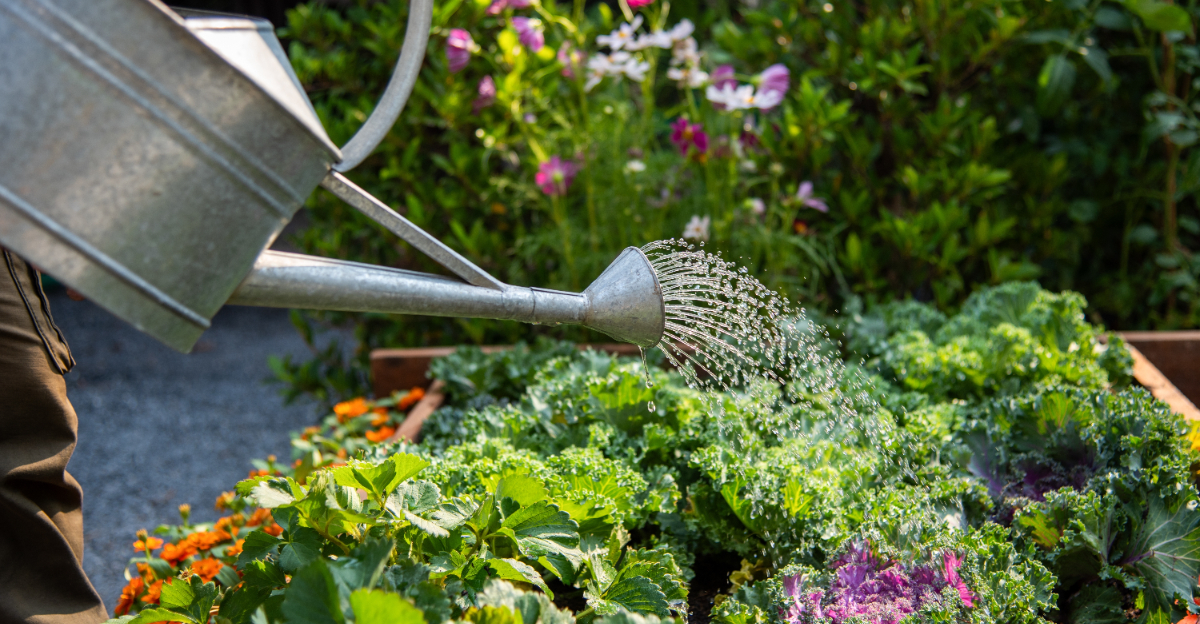
Something quiet is shifting in Minnesota gardens this summer. Fewer sprinklers running at noon, fewer wilted plants by Friday, and somehow, more color, growth, and produce than gardeners expected.
The change is not coming from new tools or expensive products. It is coming from a different way of thinking about what plants actually need versus what gardeners assume they need.
Turns out, those two things are not always the same. Overwatering has long been one of the most common and least talked-about mistakes in home gardens, and Minnesota’s humid summers make it especially easy to misjudge.
What gardeners across the state are discovering this season is that pulling back a little, and being more deliberate about when and how they water, produces results that a heavy-handed hose schedule simply cannot.
If your garden has felt more like a chore than a joy lately, this might be the shift worth trying.
Smarter Watering Habits Are Changing Minnesota Gardens This Summer
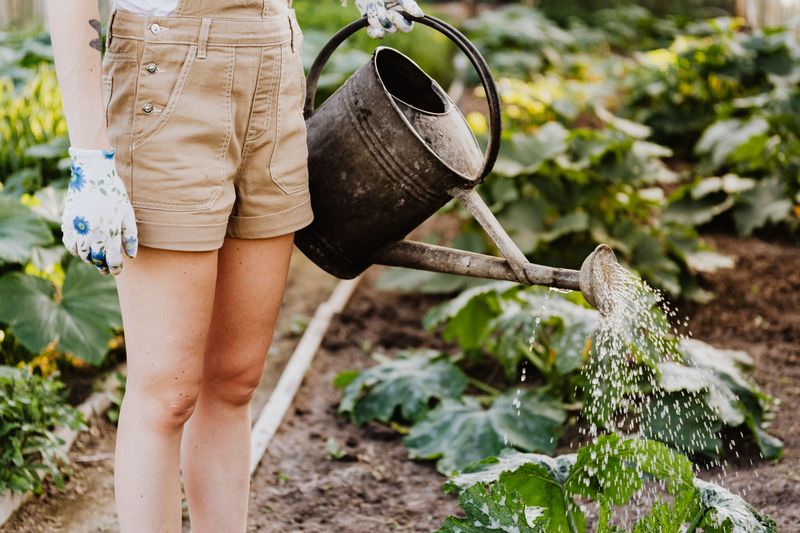
Your neighbor’s garden looks incredible, and they swear they barely touched the hose. Minnesota gardeners are watering less this summer, and their plants are actually loving it.
Many gardeners were once told to water every day, regardless of conditions. Smarter gardeners now know that deep, infrequent watering grows stronger roots than daily shallow sprinkles.
When roots chase water deeper into the soil, plants become tougher. They handle heat waves and dry spells far better than shallow-rooted plants ever could.
The shift starts with paying attention to your specific garden. Soil type, sun exposure, and plant variety all change how much water a garden truly needs.
Sandy soils drain fast and need more frequent watering. Clay soils hold moisture longer and can actually suffer from overwatering more than drought.
Raised beds and container gardens lose moisture quicker than in-ground plots. Knowing your setup helps you water smarter, not harder.
Many gardeners have also started grouping plants by water needs. Thirsty tomatoes stay together, and drought-tolerant herbs grow in their own section.
This simple layout change saves serious time and water each week. You stop guessing and start giving each plant exactly what it wants.
The results speak clearly: fewer yellow leaves, fewer root problems, and bigger harvests. Smarter watering habits are quietly transforming how Minnesota grows food and flowers this season.
How Minnesota’s Summer Climate Affects How Often You Should Water
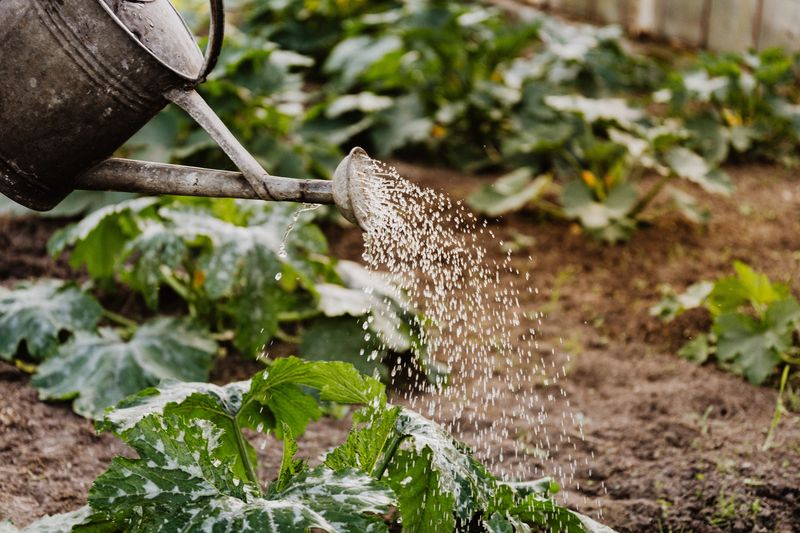
Minnesota summers are moody, and your watering schedule should be too. One week can bring scorching sun; the next might deliver several days of steady rain.
The state sits in a humid continental climate zone. That means summers can swing between drought-level dry spells and stretches of heavy rainfall within the same month.
Watering on a fixed schedule ignores all of that. A rigid routine wastes water during wet weeks and under-delivers during heat waves.
Smart gardeners check the forecast before grabbing the hose. If rain is coming in 24 hours, skipping a watering session is usually the right call.
Your Minnesota Garden Changes Every Week. Your Plan Should Too.
Gardening in Minnesota changes quickly throughout the season. Every Friday you’ll receive a simple weekly plan showing exactly what to plant, prune, fertilize, harvest, and protect so you never miss the right timing.
Humidity also plays a quiet but powerful role. High humidity slows evaporation, meaning soil stays moist longer than it would on a dry, breezy afternoon.
Wind is often overlooked as a moisture thief. A breezy afternoon in July can dry out topsoil faster than full afternoon sun alone.
Temperatures above 85 degrees push plants into stress mode. During heat waves, watering deeply every two to three days beats daily shallow watering every single time.
Cooler stretches in June or early August let soil hold moisture for longer periods. Adjusting your habits to match the weather saves both water and plant energy.
Checking soil moisture with your finger is still the most reliable tool available. Push two inches down and feel whether the soil is damp or dry before deciding to water.
Signs Your Garden Needs Water Less Often Than You Think
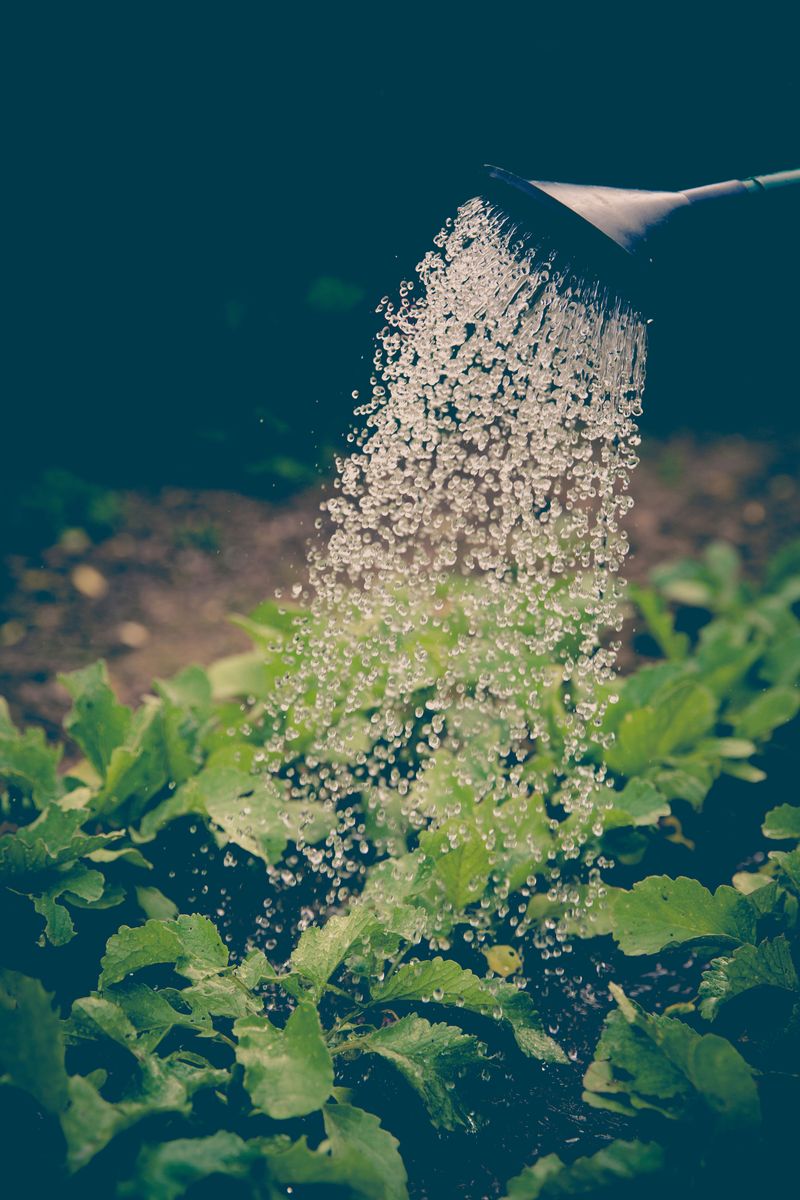
Most gardeners water out of habit, not out of necessity. Learning to read your plants changes everything about how you manage your garden’s moisture.
Wilting leaves are the classic warning sign, but context matters. Many plants wilt slightly in afternoon heat and bounce back completely by evening without any extra water.
If your plants look droopy at noon but perk up by sunset, they likely do not need more water. That midday wilt is often just a plant protecting itself from intense heat.
Yellowing lower leaves can signal overwatering just as easily as drought stress. Too much moisture around roots cuts off oxygen and causes leaves to yellow and drop.
Soggy soil that stays wet for more than two days after watering is a red flag. Roots sitting in standing water can rot, and recovery is often slow and difficult.
Checking soil depth gives you real information fast. Dig two inches down with your finger and feel the actual moisture level where roots live.
Surface soil dries out quickly and is a misleading indicator. The soil an inch or two below the surface tells the true story of what your plants are experiencing.
Established perennials and native plants often need far less supplemental water than new transplants. Once roots settle in, many plants handle dry stretches with surprising ease.
Trusting your garden’s signals over the calendar makes you a smarter steward. Less guessing leads to healthier plants and a noticeably lower water bill.
Soil Improvements That Help Plants Thrive Between Waterings
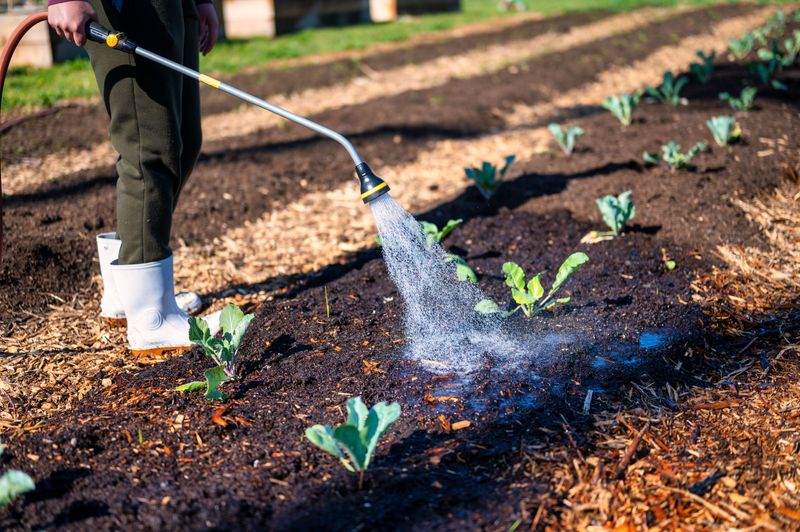
Great soil is the best drought insurance a gardener can buy. When your soil holds moisture well, your plants stay hydrated longer between watering sessions.
Compost is the single most powerful amendment for improving moisture retention. Adding two to three inches of finished compost each season transforms both sandy and clay soils dramatically.
Sandy soils drain too fast and leave plant roots thirsty within hours. Compost fills in the gaps between soil particles and helps water stay where roots can actually reach it.
Clay soils have the opposite problem: they hold water so tightly that roots struggle to breathe. Compost loosens clay structure and creates better drainage without sacrificing moisture retention.
Mulch works as a team with healthy soil to lock in moisture from above. A two-to-three-inch layer of wood chips or straw can noticeably slow evaporation from the soil surface.
Without mulch, summer sun can dry out topsoil within hours of watering. With mulch, that same soil stays noticeably cooler and moist well into the afternoon.
Biochar is gaining popularity among dedicated Minnesota gardeners. This charred organic material holds water like a sponge and improves microbial activity in the root zone.
Worm castings added to planting holes boost both moisture retention and nutrient availability. Plants grown in enriched soil develop deeper, more efficient root systems over time.
Investing in soil health tends to pay off season after season. Stronger soil means stronger plants, fewer watering sessions, and a garden that demands much less day-to-day attention.
The Best Time Of Day To Water A Minnesota Garden
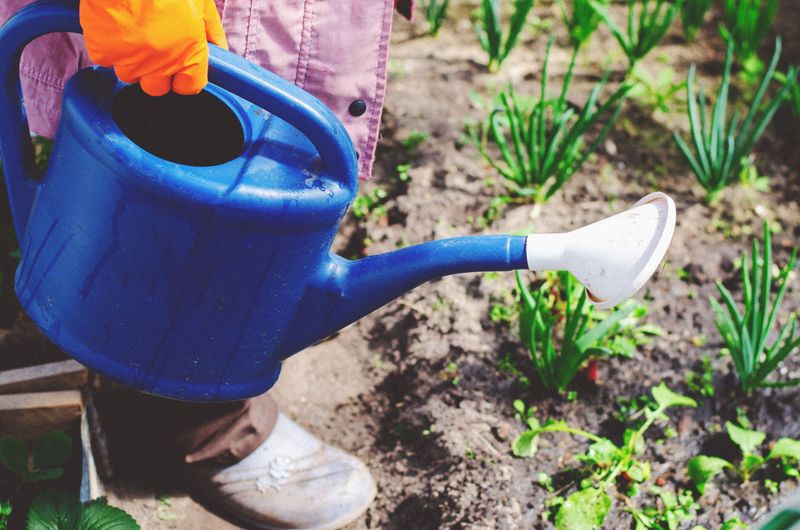
Timing your watering session is almost as important as how much water you apply. The clock makes a bigger difference in garden health than most people ever realize.
Early morning is the gold standard for garden watering. Between 6 a.m. and 10 a.m., temperatures are cooler and evaporation rates are at their lowest point of the day.
Water applied in the morning soaks deep into the soil before the sun climbs high. Plant roots absorb that moisture steadily throughout the day when they need it most.
Morning watering also allows foliage to dry before nighttime arrives. Wet leaves sitting in cool overnight air create ideal conditions for fungal problems like powdery mildew.
Evening watering is the second-best option when mornings are not possible. Water the soil directly and avoid splashing leaves to reduce overnight moisture on plant surfaces.
Midday watering is the least efficient choice by a wide margin. High temperatures and direct sun cause significant evaporation before water reaches the root zone.
Sprinklers running at noon can lose a significant portion of their output to evaporation, especially on hot, breezy days. Drip systems reduce that loss dramatically by delivering water directly to the soil.
Consistency in timing helps plants build reliable daily rhythms. When plants know when moisture is coming, they regulate their energy use more efficiently throughout the season.
Shifting your watering to early morning can make a noticeable difference in your garden’s overall health. Early mornings are quieter anyway, making watering feel less like a chore and more like a ritual.
Simple Adjustments That Lead To Healthier Plants And Lower Water Use
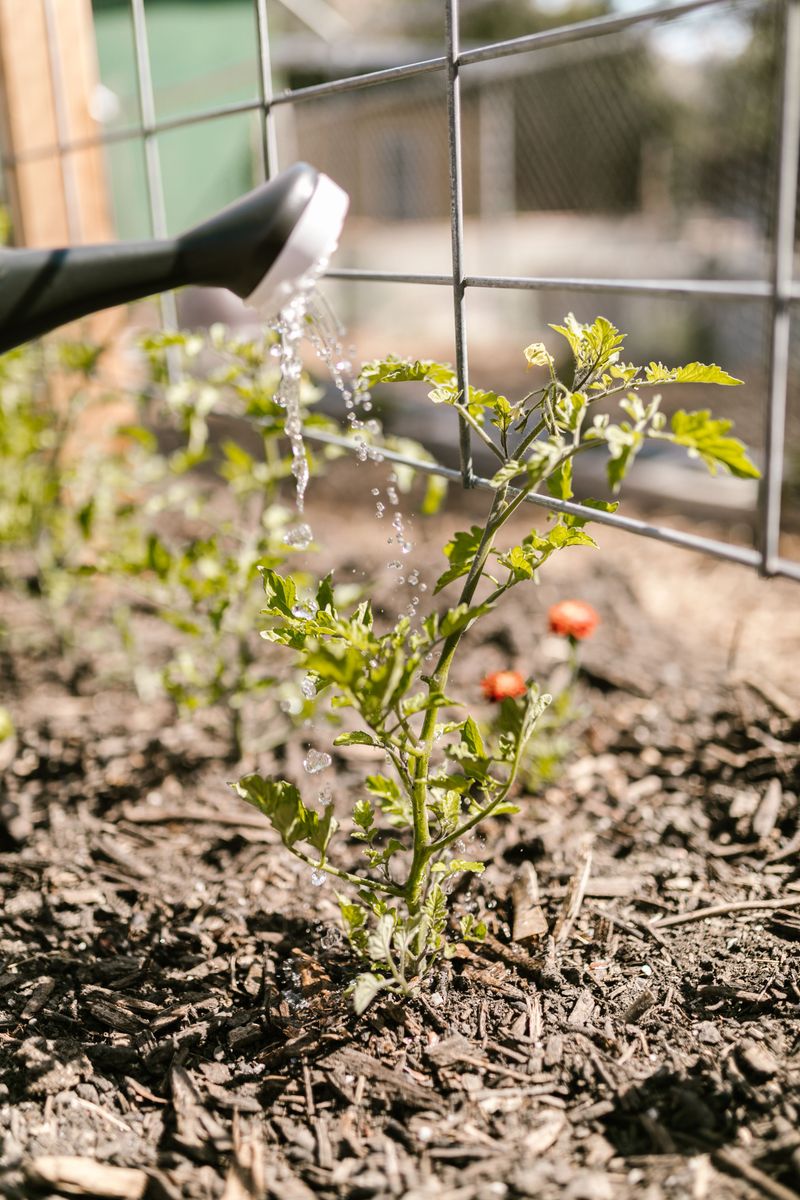
Small changes to your garden routine can add up to serious water savings. You do not need expensive equipment or a complete garden overhaul to start seeing results.
Switching from overhead sprinklers to drip irrigation is one of the most impactful upgrades available. Drip lines deliver water directly to the root zone, cutting waste by up to 50 percent.
Rain barrels are another low-cost tool that Minnesota gardeners are embracing quickly. Collecting roof runoff gives you free water for dry stretches without touching the outdoor spigot.
Grouping plants by their water needs, called hydrozoning, makes every watering session more targeted. Thirsty plants get what they need without overwatering their drought-tolerant neighbors nearby.
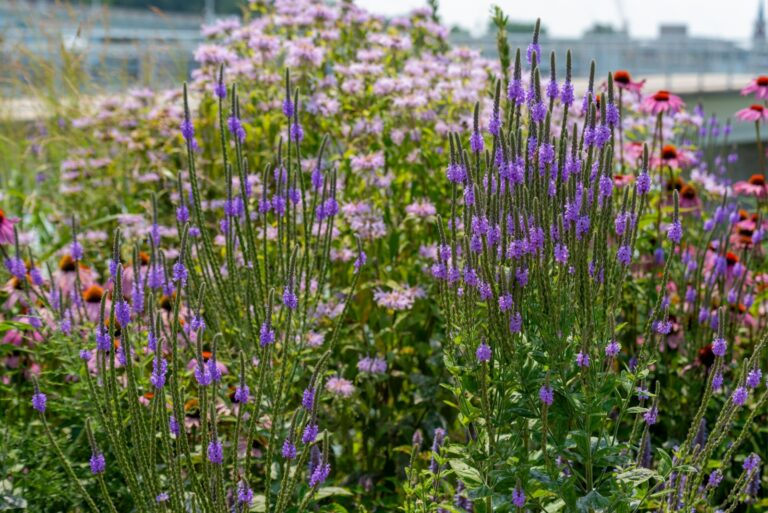
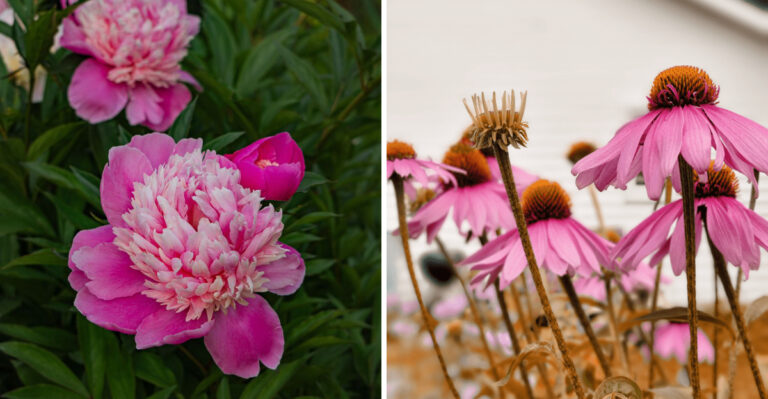
Choosing plants suited to Minnesota’s climate also reduces watering demands naturally. Native perennials like coneflowers and black-eyed Susans thrive with minimal supplemental moisture once established.
Pruning overcrowded plants improves airflow and reduces moisture competition between root systems. Fewer crowded roots mean each plant accesses available soil moisture more efficiently.
Keeping weeds under control is an underrated water-saving strategy. Weeds compete aggressively for the same soil moisture your vegetables and flowers depend on.
A simple soil moisture meter is widely available at most garden centers and removes all the guesswork. Knowing exactly when to water prevents both drought stress and root rot simultaneously.
Gardeners who water less and grow more are not lucky, they are intentional. These straightforward adjustments prove that working smarter always beats working harder in the garden this summer.