What Michigan Gardeners Should Do If They Find A Baby Fox In The Yard
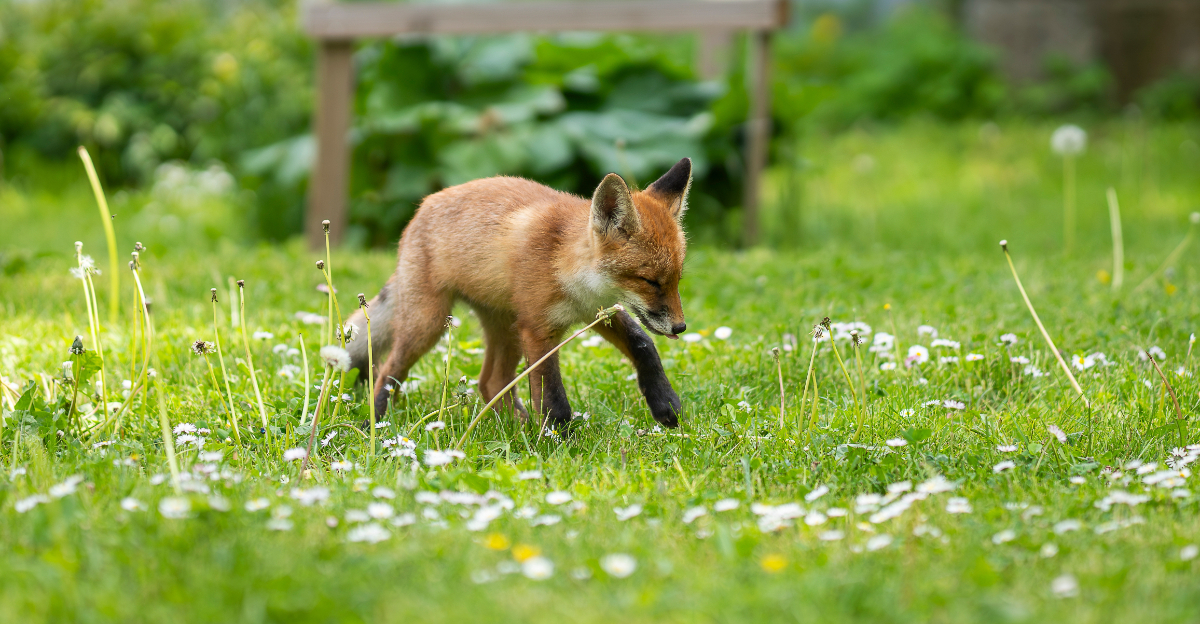
Finding a baby fox in the garden is the kind of unexpected moment that immediately raises questions about what to do next.
The instinct to help is natural, but acting on that instinct without understanding fox behavior first can cause more harm than doing nothing at all.
Michigan fox populations are healthy and active across both rural and suburban landscapes, and what looks like an abandoned kit is very often not abandoned at all.
Mother foxes regularly leave young ones alone for extended periods while foraging, and human intervention during those windows disrupts a process that was unfolding exactly as it should.
Knowing how to read the situation correctly, when to observe and wait, and when a kit genuinely needs outside help makes all the difference in how the story ends for that animal.
1. Do Not Pick Up The Fox Kit
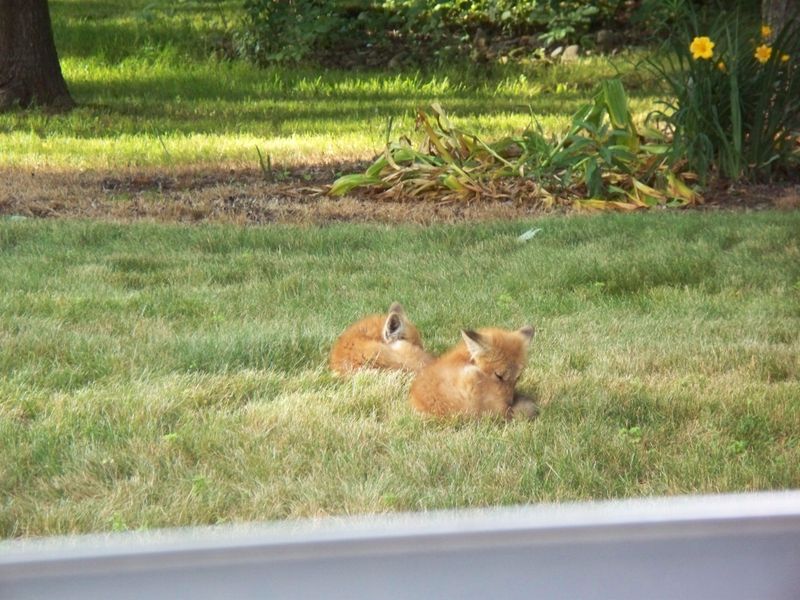
A baby fox sitting alone in your yard does not automatically mean something is wrong. Many Michigan gardeners see a fox kit by itself and immediately feel the urge to scoop it up and help.
That instinct comes from a good place, but picking up the kit is almost always the wrong move.
Fox parents are incredibly attentive, but they do not hover over their young every single second. Adult foxes regularly leave kits in sheltered, quiet spots while they go out to search for food.
The yard, a brush pile, or a shady corner near a fence can all serve as a temporary resting spot. The parents know exactly where the kit is, even if you cannot see them.
Handling a wild animal can cause serious stress and may even leave a human scent that complicates the parents returning. A licensed wildlife rehabilitator can walk you through exactly what to do if the situation seems unusual.
Until you have spoken with a professional, the best action is no action at all. Watch from a window, stay calm, and give the kit the space it needs.
2. Give The Parents A Chance To Return

Fox parents are almost never far away, even when they seem completely invisible. Adult foxes are cautious by nature, and they will not approach their young if a person or a pet is standing nearby.
What looks like an abandoned kit is very often a kit whose parents are simply waiting for the coast to clear.
The best thing a Michigan gardener can do is step back, go indoors, and observe quietly for several hours. A window or a spot far across the yard works perfectly.
You want to watch without being seen or smelled, because foxes have sharp senses and will hold back if they detect human presence nearby.
Wildlife experts generally recommend waiting at least four to six hours before deciding a kit has truly been separated from its family. That might feel like a long time when you are worried, but patience is genuinely the most helpful tool here.
If the parents return, the situation often resolves completely on its own. Rushing in too early can turn a normal wildlife situation into one that actually requires intervention.
Your Michigan Garden Changes Every Week. Your Plan Should Too.
Gardening in Michigan changes quickly throughout the season. Every Friday you’ll receive a simple weekly plan showing exactly what to plant, prune, fertilize, harvest, and protect so you never miss the right timing.
Give the family time, stay quiet, and let nature work before reaching for your phone.
3. Keep Dogs, Cats, And Children Away
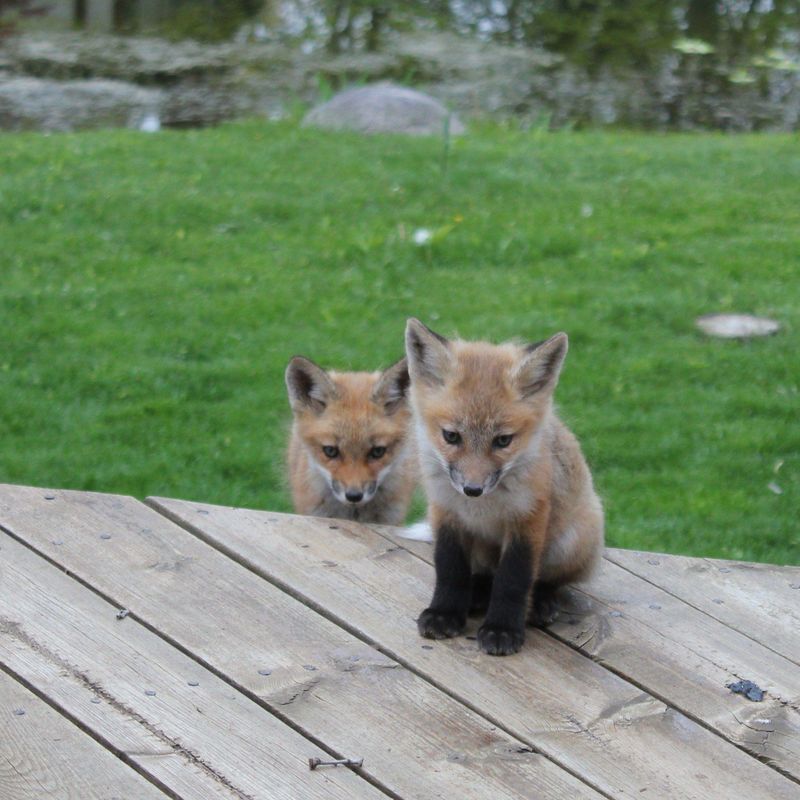
The single most helpful thing you can do right after spotting a fox kit is to create a calm, quiet space around it. That means bringing pets inside immediately, asking children to stay back, and pausing any yard activity near the area.
It sounds simple, but it makes a huge difference for both the kit and the returning parents.
Dogs and cats are naturally curious, and even a friendly, well-behaved pet can accidentally harm or seriously stress a young wild animal. A dog chasing or cornering a fox kit, even playfully, can cause injuries or push the kit into a dangerous situation.
Cats can be surprisingly quick and aggressive toward small wildlife, so keeping them indoors is just as important.
Children are naturally drawn to small, fuzzy animals, and it takes a clear, calm explanation to help them understand why they need to stay away. Framing it as protecting the baby fox tends to work really well with kids.
Once pets and children are safely inside, reduce noise and movement in the yard as much as possible. The quieter the environment, the faster the adult foxes will feel safe enough to return.
A calm yard is the best welcome mat you can offer a fox family trying to stay together.
4. Look For A Den From A Distance
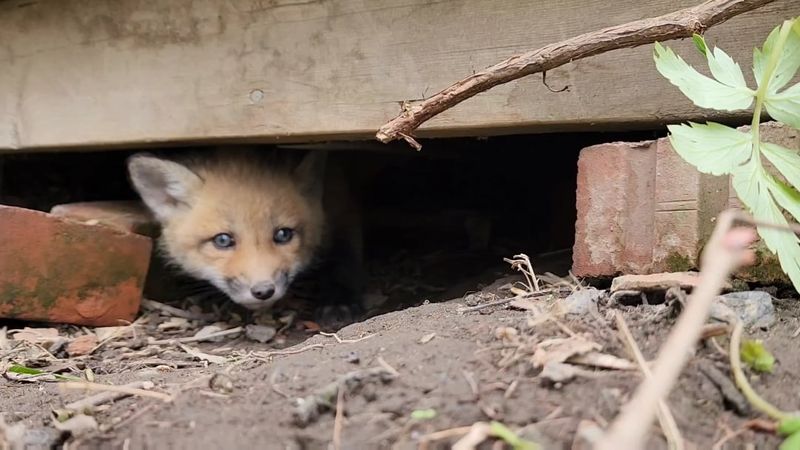
Fox families are clever when it comes to choosing den locations, and Michigan backyards offer plenty of options.
Under a shed, beneath a deck, inside a brush pile, along a sloped embankment, or tucked into a quiet yard corner are all popular choices.
If you spot a kit in your yard, there is a good chance a family den is closer than you think.
Scanning the yard from a distance can help you understand the bigger picture without causing any disruption. Look for a small opening in the ground, a gap under a structure, or a sheltered area with flattened vegetation.
You might even notice fox tracks or scattered fur near the entrance if you look carefully from a respectful distance.
The key word here is distance. Do not walk up to a suspected den, block the entrance, move objects nearby, or attempt to peek inside.
Any of those actions can cause the family to abandon the location and scatter, which is exactly what you want to avoid.
Understanding where the den is helps you make smarter decisions about where to limit yard activity and where to focus your quiet observation.
Knowing the layout also helps if you eventually need to describe the situation to a wildlife rehabilitator or the Michigan DNR.
5. Do Not Feed The Fox Kit

Feeding a baby fox feels like the kindest thing in the world, but it is actually one of the most harmful things you can do.
Milk, meat, pet food, water, fruit, or any household food item can cause serious physical problems for a young wild animal whose digestive system is not built to handle it.
Even small amounts can cause issues that would not be obvious right away.
Beyond the physical risks, feeding wild animals teaches them to associate humans with food. A fox that learns this lesson early can become bold around people and homes as it grows older.
That boldness often creates problems for both the fox and the neighborhood, and it rarely ends well for the animal in the long run.
Michigan wildlife guidelines are clear on this point: do not feed wildlife unless a licensed professional specifically instructs you to do so.
If the kit appears genuinely weak, thin, or in distress, the right call is to contact a wildlife rehabilitator and follow their guidance rather than improvising with whatever is in your kitchen.
Staying hands-off with food is one of the most powerful ways to protect the kit’s long-term health and keep it properly wild. Good intentions are wonderful, but expert guidance is always better than guessing.
6. Call A Licensed Wildlife Rehabilitator If Something Is Clearly Wrong
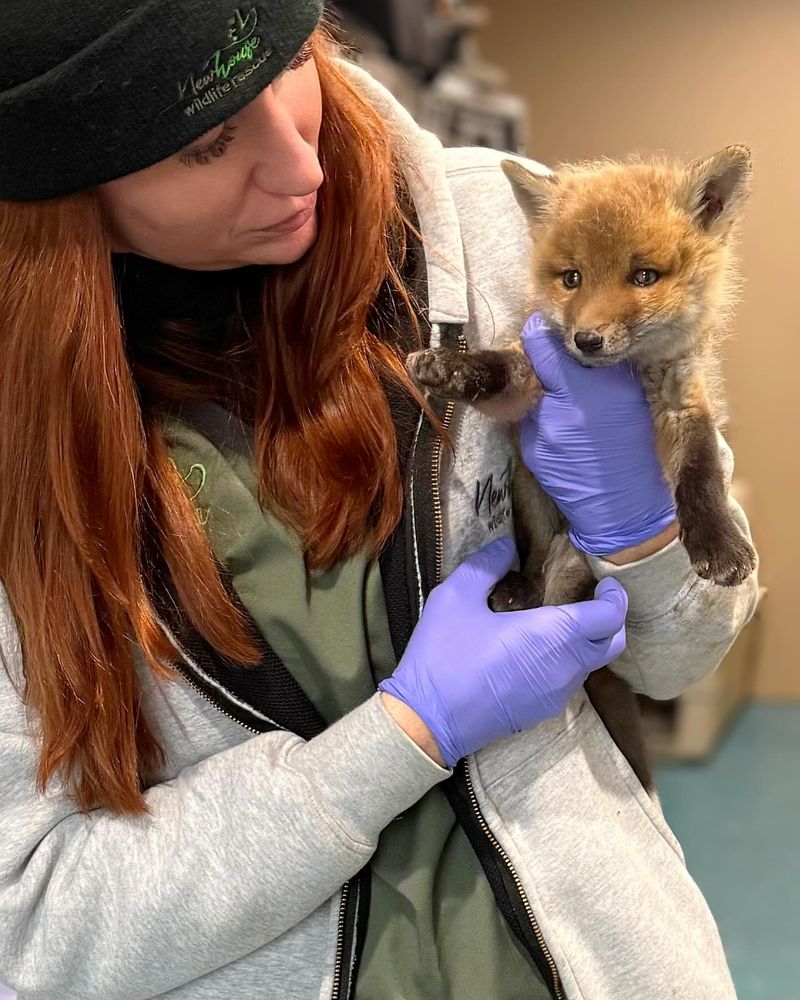
Most of the time, a fox kit in a Michigan yard is perfectly fine and just needs space. But there are specific signs that tell you the situation is different and that a call for help is the right move.
Knowing those signs can make a real difference for the animal’s outcome.
Watch for a kit that is lying in the middle of a road or driveway, one that cannot move normally or stumbles repeatedly, one that has been crying loudly for more than a few hours straight, or one that looks visibly thin, weak, or unresponsive.
Flies gathering around the animal, visible wounds, or a kit that allows you to walk right up to it without any reaction are also red flags worth taking seriously.
When you see any of those signs, do not wait and do not attempt to handle the animal on your own. Contact a licensed Michigan wildlife rehabilitator or reach out to the Michigan Department of Natural Resources for guidance on next steps.
They will ask you questions about what you are observing and walk you through exactly what to do.
Having the location, time of day, and a description of the kit’s behavior ready when you call will help the conversation move faster and get the animal the help it needs sooner.
7. Do Not Try To Raise It Yourself
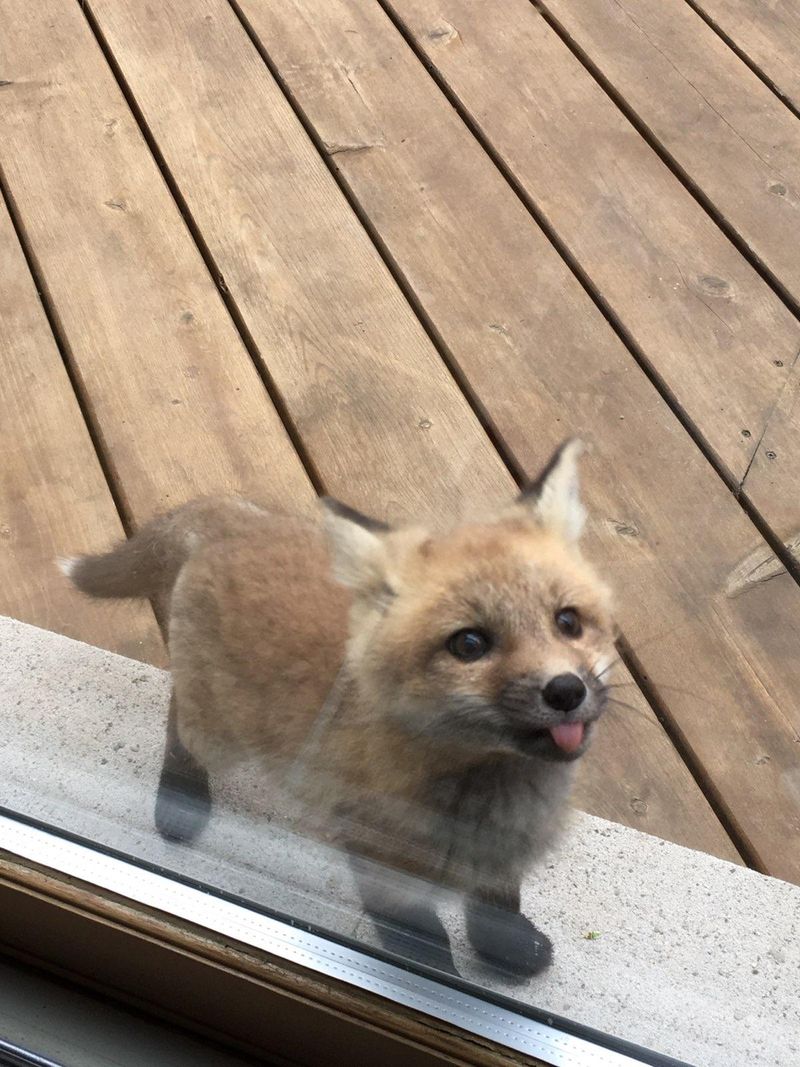
Finding a baby fox and feeling the urge to bring it inside and care for it yourself is completely understandable.
The problem is that raising a wild animal at home, no matter how much love and effort you put in, almost never gives it what it truly needs to survive and thrive in the wild as an adult.
Michigan law requires specific permits and authorization to possess live wild animals, including fox kits. Keeping one without proper licensing is not just risky for the animal, it is also a legal issue that Michigan residents should be aware of.
The rules exist to protect wildlife, not to make things difficult for well-meaning people.
Licensed wildlife rehabilitators spend years learning how to care for wild animals in ways that preserve their natural behaviors and prepare them to return to the wild successfully.
They have proper enclosures, the right nutrition plans, and the experience to handle situations that would overwhelm even the most devoted homeowner.
A kit raised by a rehabilitator has a much stronger shot at becoming a healthy, fully wild fox. If you genuinely want to help, the best contribution you can make is finding the right licensed professional and getting the kit into their capable hands as quickly as possible.
8. Give The Yard A Quiet Buffer

When a fox kit is resting near a den in your yard, one of the most genuinely helpful things you can do is simply turn the volume down on your outdoor routine for a little while. You do not need to abandon your yard entirely or make dramatic changes.
Just pull back from the specific area where the kit or den is located.
Delaying lawn mowing, skipping trimming near that corner of the yard, holding off on loud power tools, and reducing foot traffic in that zone can make a big difference.
Fox parents are sensitive to disturbance, and consistent noise or activity near a den can cause them to move the family before the kits are fully ready.
That kind of premature disruption is stressful for the animals and harder to manage from a human perspective too.
A quiet buffer does not need to last long. Fox families are surprisingly mobile and tend to move on naturally once the kits grow strong enough.
In many cases, giving them just a week or two of calm space is all it takes for the family to continue on their own without any further involvement from you.
Think of it as being a good temporary neighbor to a wild family that just needs a little room to finish what they started.
9. Remove Attractants Without Disturbing The Foxes
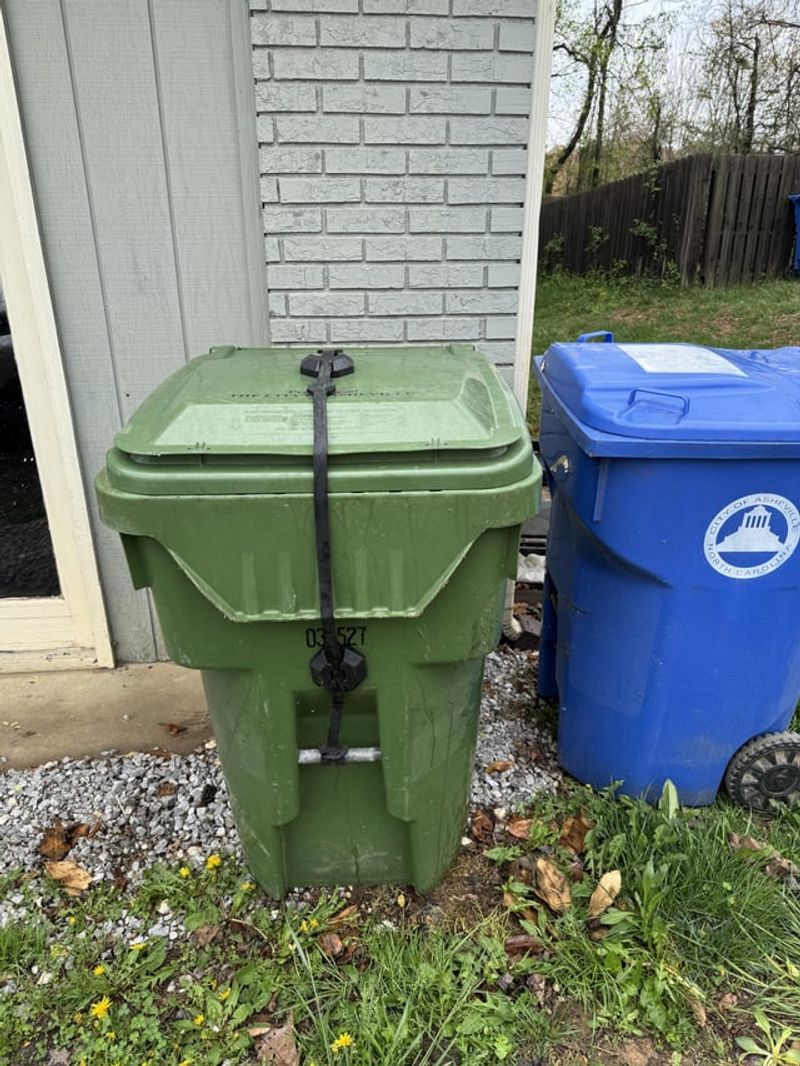
One of the smartest long-term moves a Michigan gardener can make is taking a look at what might be drawing wildlife closer to the home in the first place.
Foxes are opportunistic and resourceful, and a yard that offers easy food is naturally more attractive to them than one that does not.
Securing trash can lids tightly, bringing outdoor pet food bowls inside after feeding time, picking up fallen fruit from trees, and keeping compost bins properly covered are all practical steps that reduce a yard’s appeal to foxes and other wildlife.
None of these tasks require you to get close to the kit or the den area, which is exactly the point.
You can make meaningful changes from a safe distance without disrupting the animal at all.
Timing matters here too. Try to handle these tasks on the far side of the yard first, and avoid working directly near the kit or den until the fox family has moved on.
The goal is to make steady, calm adjustments that quietly signal to the foxes that the yard is not a reliable food source, encouraging them to move along naturally. It is a patient approach, but it works far better than trying to force anything.
Small changes add up quickly and tend to produce lasting results.
10. Protect Poultry And Small Pets
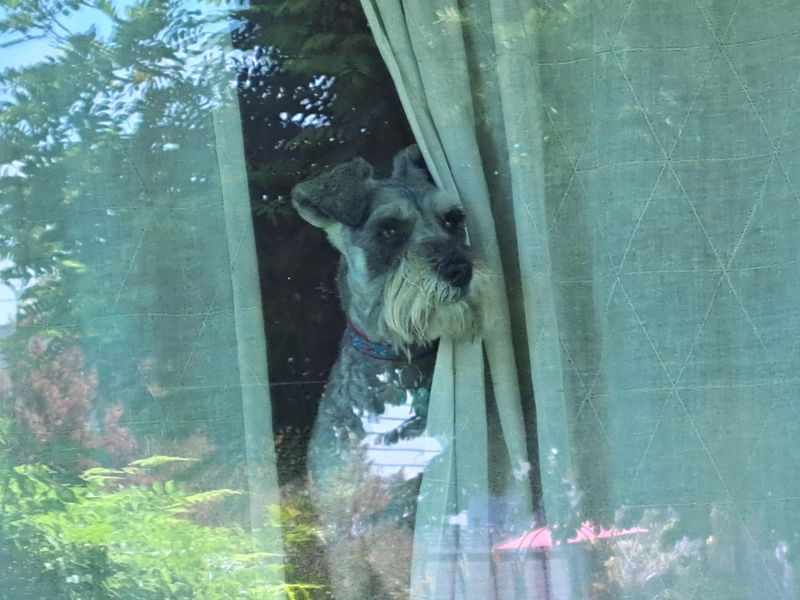
A fox family in the neighborhood is a natural reminder that backyard poultry and small pets need proper protection. Chickens, ducks, rabbits, and guinea pigs are all vulnerable, and a fox that discovers easy access to them will take advantage of it.
The good news is that a few straightforward precautions go a long way.
Covered runs with hardware cloth rather than basic chicken wire offer much stronger protection against foxes.
Heavy-duty latches on coop doors, secure perimeter fencing, and the habit of closing coops every single evening are all essential habits worth building.
Supervised outdoor time for small pets, especially rabbits and small dogs, is also worth taking seriously during any period when foxes are active nearby.
It is worth remembering that the baby fox in your yard is simply doing what foxes do. It is not a villain in your garden story, just a wild animal living its life.
Focusing on protecting your animals rather than blaming the fox creates a much more practical mindset. Strong, consistent barriers are the most reliable answer, and they work regardless of what wildlife happens to be passing through.
A well-secured coop or enclosure protects your animals from foxes, raccoons, hawks, and a long list of other wildlife, making it one of the best investments a backyard keeper can make.
11. Expect The Family To Move Along

Here is something reassuring that many Michigan gardeners do not realize: fox families are not permanent residents. They use dens temporarily while kits grow strong enough to travel, and then they move on.
What feels like a long-term situation is almost always a short chapter in the fox family’s journey.
Most fox families vacate a den within a few weeks once the kits become more mobile and independent. The process moves faster when the surrounding environment is calm and food sources near the yard are limited or removed.
Trying to force the family away through loud noise, strong scents, or physical disruption often backfires and can scatter the kits, making the situation more complicated rather than less.
Monitoring from a distance is genuinely the most productive thing you can do during this waiting period.
Check from a window once or twice a day, note any changes in behavior, and continue keeping the yard calm and free of food attractants.
Most Michigan gardeners who follow this approach find that the fox family moves on quietly and on their own timeline without any dramatic intervention needed.
Patience and observation are underrated tools, and in this situation, they are often the most powerful ones you have available.
12. Know Who To Call In Michigan
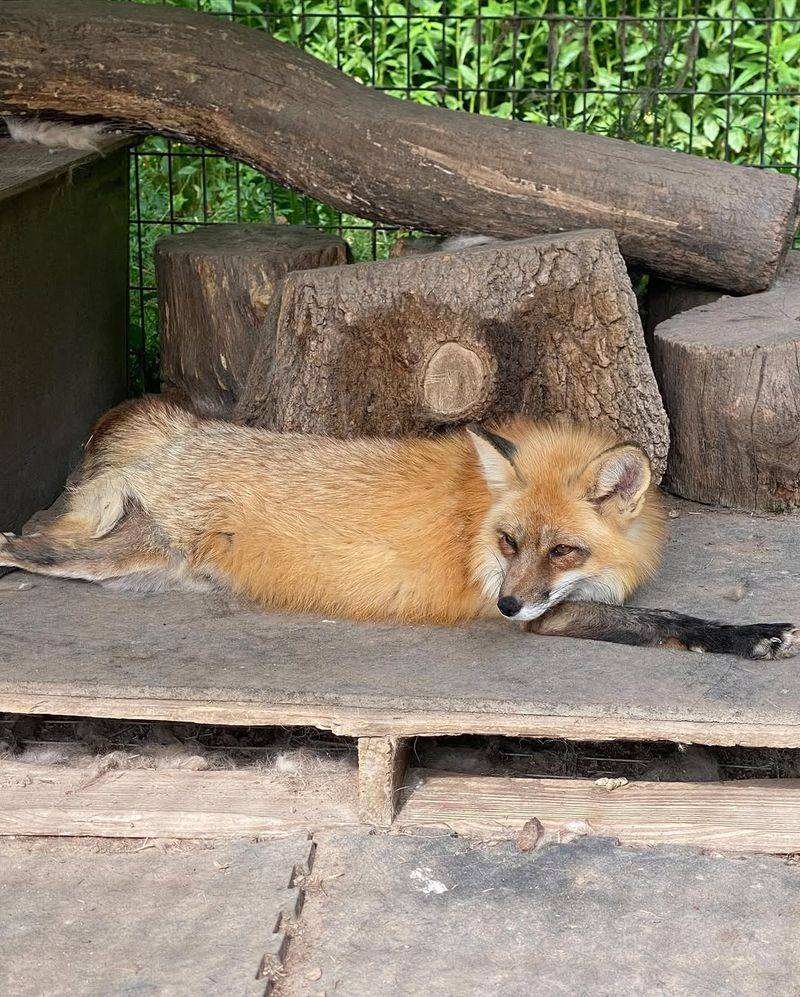
When something about the situation feels off and you are not sure what to do next, having the right contact information ready makes everything easier.
Michigan offers solid resources for exactly these moments, and reaching out early is always smarter than waiting until a situation becomes urgent.
The Michigan Department of Natural Resources is a reliable first point of contact. Their website maintains a directory of licensed wildlife rehabilitators organized by region, making it easy to find someone close to you.
Many rehabilitators also offer phone consultations where they can help you assess the situation before anyone needs to travel or intervene physically.
That kind of guidance is incredibly valuable when you are standing in your yard trying to figure out the right call.
The simplest rule to carry with you after reading all of this is easy to remember: do not touch, do not feed, keep pets and children away, watch from a distance, and get expert advice before taking any action.
Following that rule protects the fox kit, protects your pets, keeps you on the right side of Michigan wildlife law, and gives the fox family the best possible chance of staying together and thriving.
You do not need to be a wildlife expert to do the right thing. You just need to know who to call and when to step back.