How To Keep Wisteria From Taking Over Your Georgia Landscape This Summer
Some plants spend years earning a place in the yard. They stay where they belong, do what they are supposed to do, and become part of the landscape without creating extra work.
Others have a way of slowly changing the rules. What starts as a beautiful addition can become much harder to manage once strong seasonal growth kicks in.
The tricky part is that the change does not always happen overnight. A plant can seem perfectly under control one season and noticeably larger the next.
By the time many homeowners realize what is happening, they are already spending more time cutting, removing, or redirecting growth than they expected.
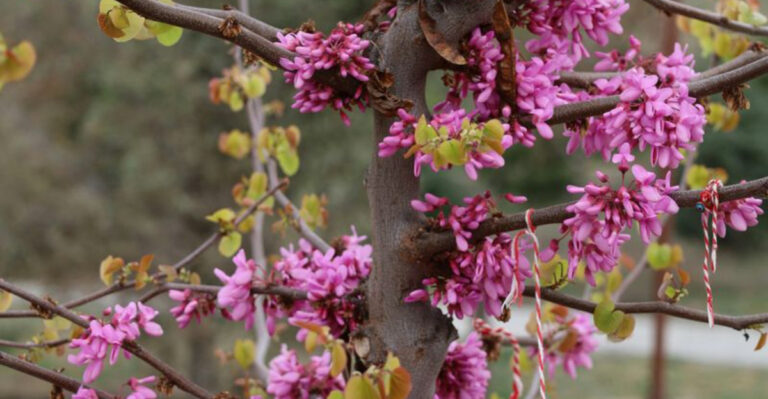
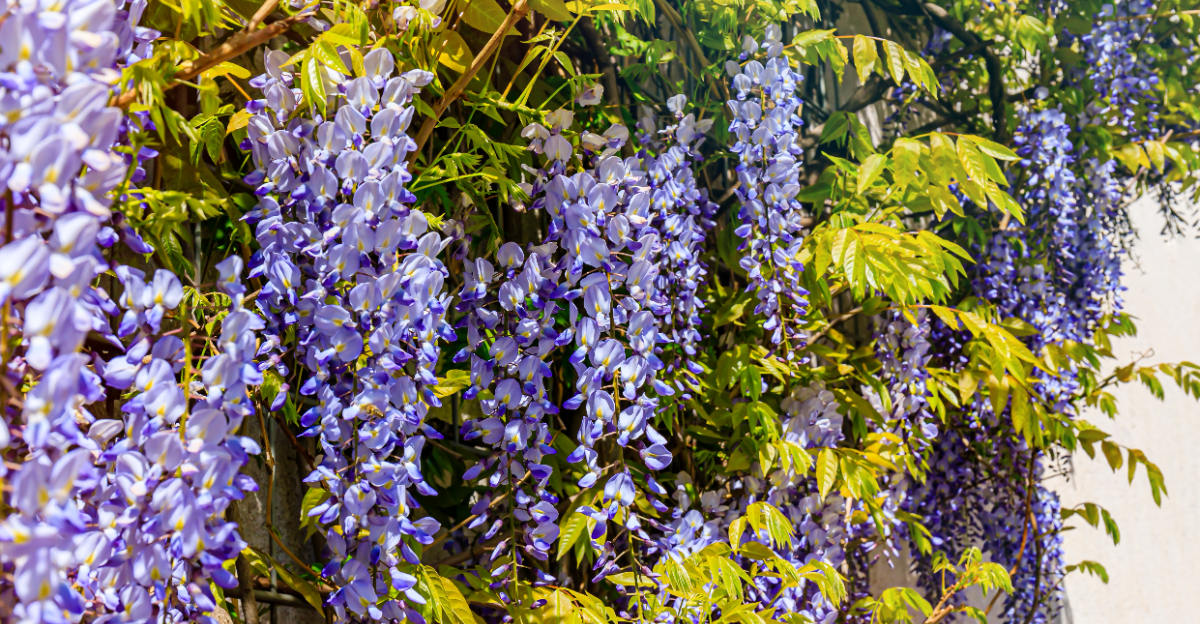
Wisteria often falls into that category. Its spectacular blooms attract plenty of attention, but its vigorous growth deserves just as much respect.
During a Georgia summer, that growth can accelerate quickly, making this an important time to keep the vine from expanding beyond the space you intended for it.
1. Summer Pruning Can Slow Wisteria’s Rapid Growth
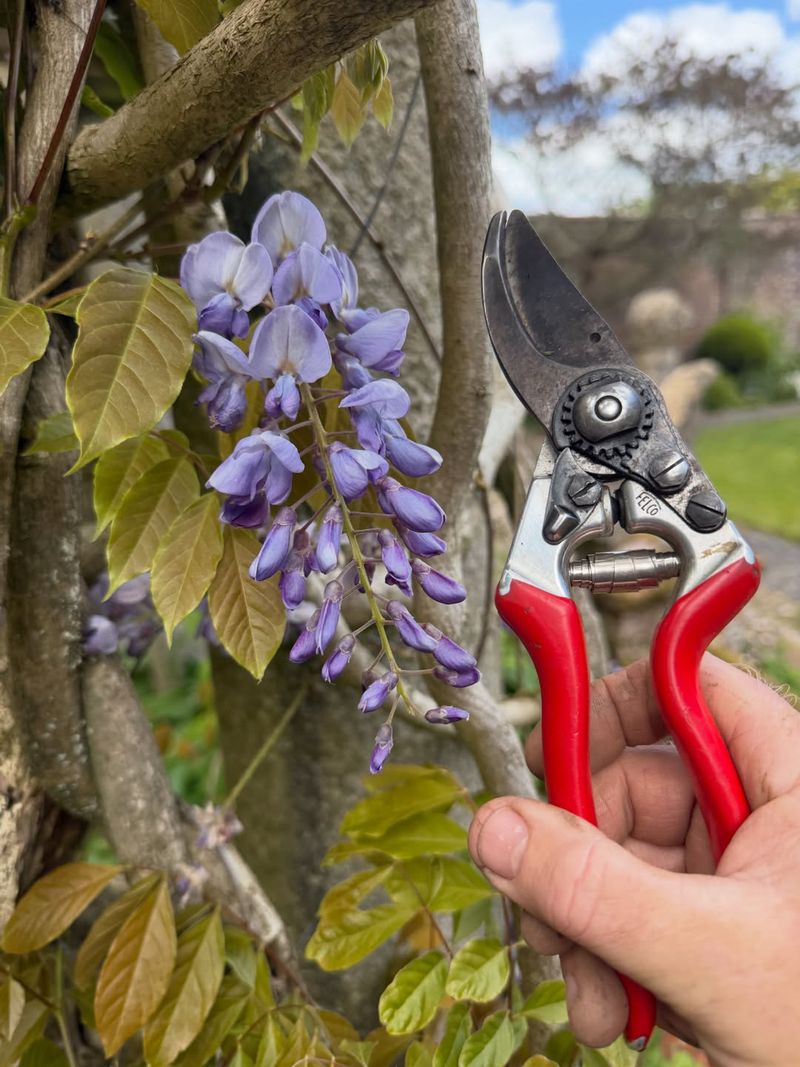
Pruning in summer is one of the most effective tools you have against wisteria. Most gardeners only think about cutting it back in late winter, but a second round of pruning in July or August can seriously slow things down.
When wisteria pushes out new shoots during the growing season, those shoots are soft and easy to cut. Trim them back to about five or six leaves from the base of each shoot.
Short cuts like this redirect the plant’s energy away from spreading and toward the roots.
Skipping summer pruning is where most people lose ground. By late August, those soft shoots harden into woody stems that are much harder to manage.
Getting out there with a clean pair of bypass pruners every few weeks makes a real difference.
Focus especially on shoots reaching toward trees, gutters, or neighboring shrubs. Wisteria moves fast when it finds something new to climb.
Cutting those runners early keeps the plant where you actually want it.
Pruning does not need to be a huge project. Even a quick 20-minute pass around the plant every couple of weeks keeps growth in check.
Consistency matters more than any single hard cutback during these warmer months.
2. Root Suckers Can Spread Well Beyond The Original Plant
Root suckers are sneaky. You plant wisteria in one spot and then find new shoots popping up three or four feet away, sometimes even through lawn grass or mulch beds.
Wisteria spreads underground through lateral roots that send up new shoots when conditions are right. Warm soil and summer rain create exactly the right conditions for this kind of spreading.
Catching suckers early is key.
Pull young suckers by hand when the soil is moist. Grab them low and pull firmly so you get as much of the root as possible.
Leaving even a small piece behind can result in regrowth within a few weeks.
Check around the base of the plant regularly, but also look further out than you might expect. Some suckers appear several feet from the main vine.
Your Georgia Garden Changes Every Week. Your Plan Should Too.
Gardening in Georgia changes quickly throughout the season. Every Friday you’ll receive a simple weekly plan showing exactly what to plant, prune, fertilize, harvest, and protect so you never miss the right timing.
Checking a wide radius around your wisteria every week or two during summer keeps surprises to a minimum.
Digging out persistent suckers with a narrow trowel or hand fork works well. Try to follow the root back toward the main plant and remove as much as you can.
It takes patience, but staying on top of suckers prevents a single plant from turning into a sprawling colony across your yard over time.
3. Seed Pods Are Worth Removing Before They Open
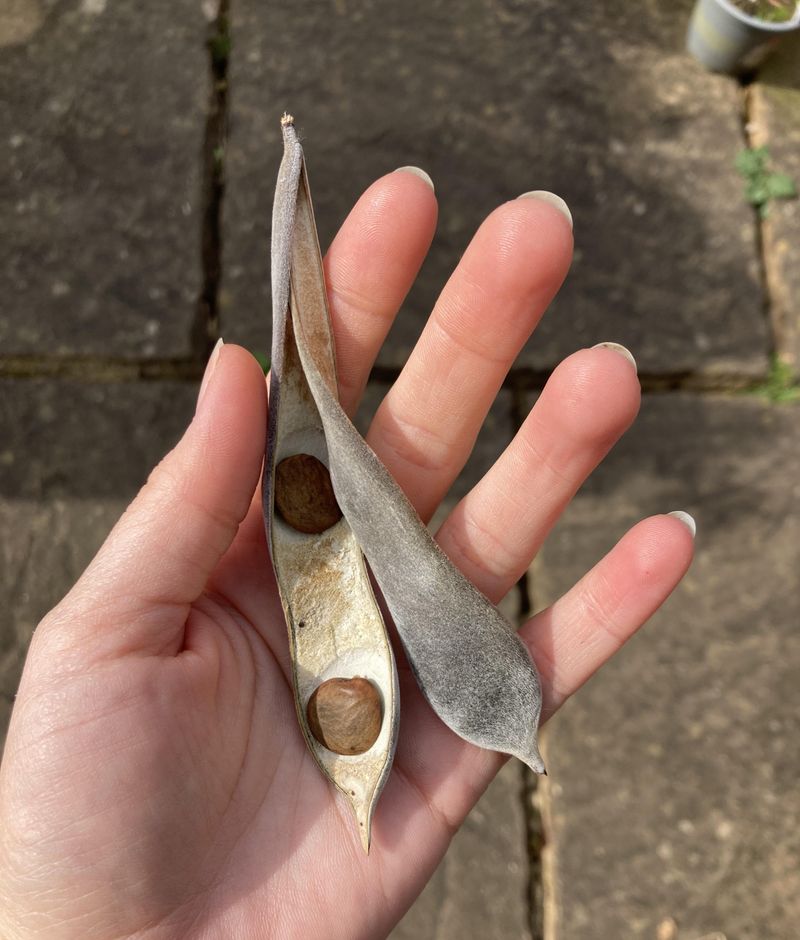
Wisteria seed pods look harmless hanging there on the vine, but each one holds seeds that can sprout into new plants if they hit the ground and find favorable conditions.
By midsummer, those pods start forming after the spring bloom fades. Removing them before they dry and split open is a smart preventive step.
It takes far less effort to snip a few dozen pods than to pull dozens of seedlings from your beds later on.
Use a pair of garden scissors or hand pruners to cut the pods off cleanly. Toss them in a trash bag rather than the compost pile, since seeds can survive composting and end up back in your garden.
A little extra caution here pays off.
Wisteria seeds do not always sprout immediately. Some stay dormant in soil for a season or two before germinating.
Removing pods consistently every summer reduces the seed bank in your soil over time, which makes future management easier.
Not every pod will lead to a new plant, but in a warm, moist environment the odds are higher than in drier climates.
Staying proactive with pod removal is one of the simplest habits you can build into your summer garden routine without a lot of extra time or equipment needed.
4. New Shoots Can Quickly Climb Trees And Shrubs
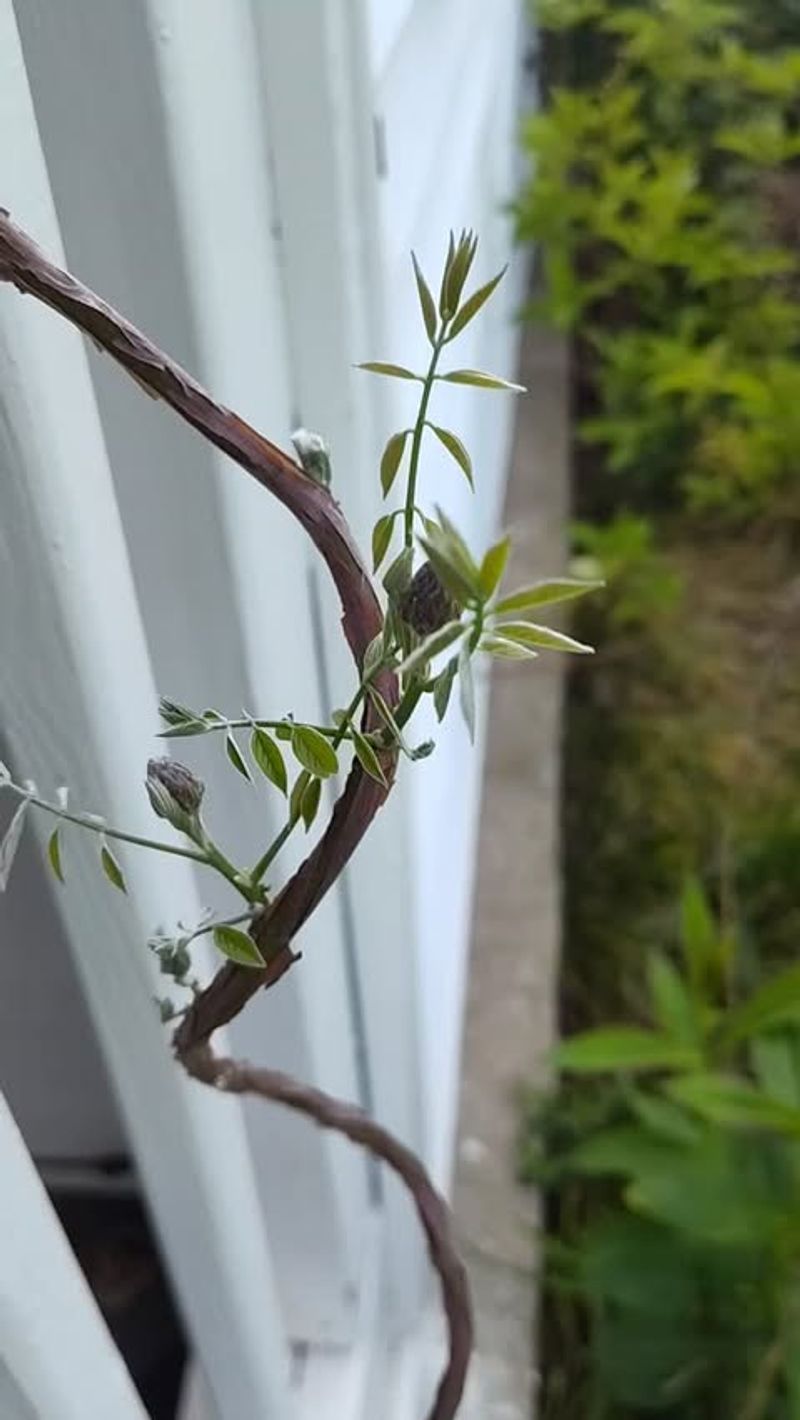
A wisteria shoot can travel several feet in just a few weeks when temperatures are warm. Once it finds a tree or shrub to grab onto, it moves upward fast and becomes much harder to remove.
Woody trees are especially vulnerable. Wisteria wraps tightly around trunks and branches, and over time that pressure can damage or weaken the tree.
Spotting and removing climbing shoots before they get established protects both your trees and your overall landscape.
Walk your yard every week or two and look for tendrils reaching toward any vertical structure. Unwrap them gently if they have just started climbing.
Early on, they usually come free without too much effort or damage to the plant they were climbing.
Once a shoot has wrapped around a branch multiple times or started to harden, removal gets trickier. You may need to cut the vine in several places and carefully unwind sections to avoid tearing bark.
Patience matters more than force in those situations.
Shrubs like azaleas and hollies are common targets in Southern gardens. Check around their bases and lower branches regularly.
Keeping a clear zone around neighboring plants gives you a better view of what wisteria is reaching for and helps you act before a small problem becomes a much bigger one.
5. Unwanted Vines Are Easier To Remove Before They Become Woody

Soft, green wisteria stems can be pulled or cut with minimal effort. Wait until those same stems turn brown and woody, and you are dealing with a completely different challenge.
New growth in summer is pliable and responds well to hand removal or light pruning. Grab a young shoot near its base and pull steadily.
Many come free from the soil or detach from structures without much resistance when they are still in the early growth stage.
Woody vines grip hard. Fences, lattice panels, and stone walls can all sustain damage if you try to yank a thick, established wisteria stem away forcefully.
Cutting woody sections into shorter pieces before removing them reduces the risk of damaging whatever they are attached to.
Summer gives you a window where new growth is still manageable. Check your fence lines, garden walls, and pergola posts every couple of weeks.
Catching vines before they harden into wood saves significant time and physical effort over the course of the season.
A small folding handsaw is useful for any stems that have already started to lignify. Cut low, close to the ground, and remove as much root material as possible.
Leaving a clean cut at soil level is better than leaving a jagged stump that can send up new growth quickly in warm weather.
6. Missed Runners Can Take Root In New Areas
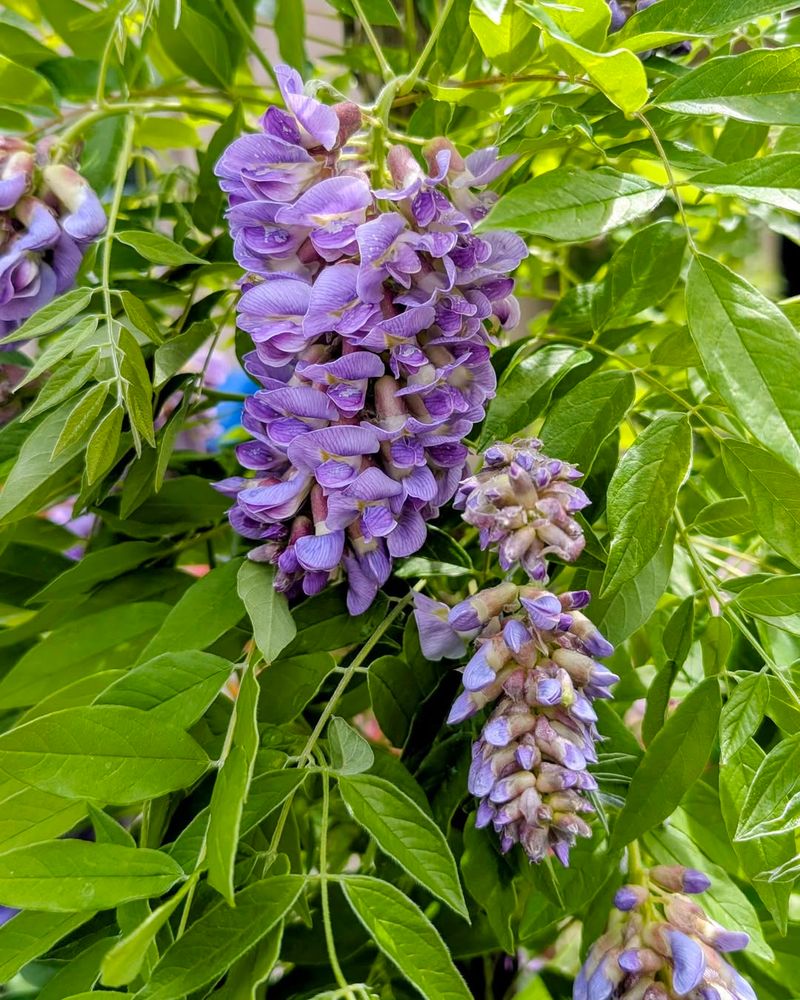
Wisteria does not need much encouragement to root somewhere new. A trailing stem that touches bare soil long enough can put down roots and start an entirely new plant.
Runners that escape notice during the busy summer months are the ones most likely to cause problems. They move along the ground quietly, sometimes hidden under low shrubs or ground cover plants.
By the time you spot them, they may already be anchored in a new spot.
Check the perimeter of your wisteria regularly, especially around the edges of mulched beds where stems can easily reach bare soil. Lift ground cover plants occasionally to look underneath.
Finding a runner before it roots takes seconds to address.
If a runner has already started to root, sever it from the main plant first. Then dig up the new rooting point carefully, removing as much root material as you can.
Leaving it connected to the main plant while trying to dig it out just makes the job harder.
Laying a layer of landscape fabric or thick mulch around the base of your wisteria can slow this kind of layering. It does not stop it entirely, but it reduces the number of spots where trailing stems can make easy contact with soil.
Pairing that with regular visual checks is a practical and low-effort way to stay ahead of unwanted spread throughout the summer growing season.
7. Support Structures Can Become Overloaded With Growth
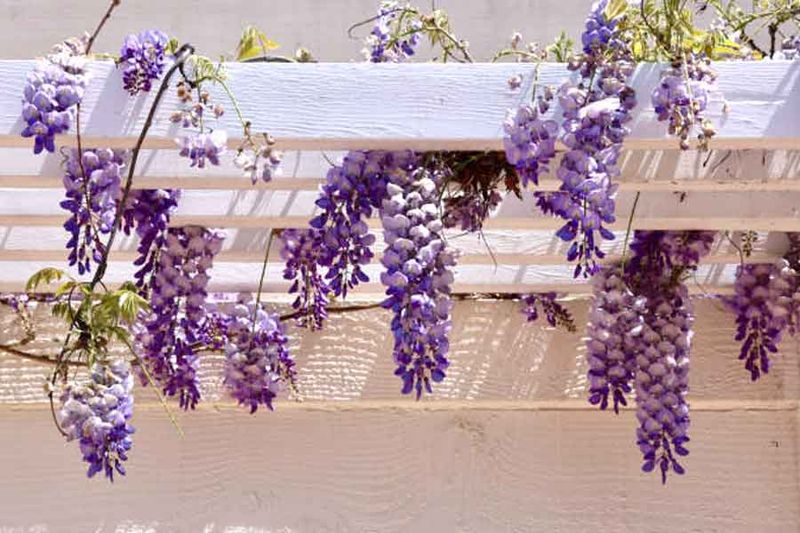
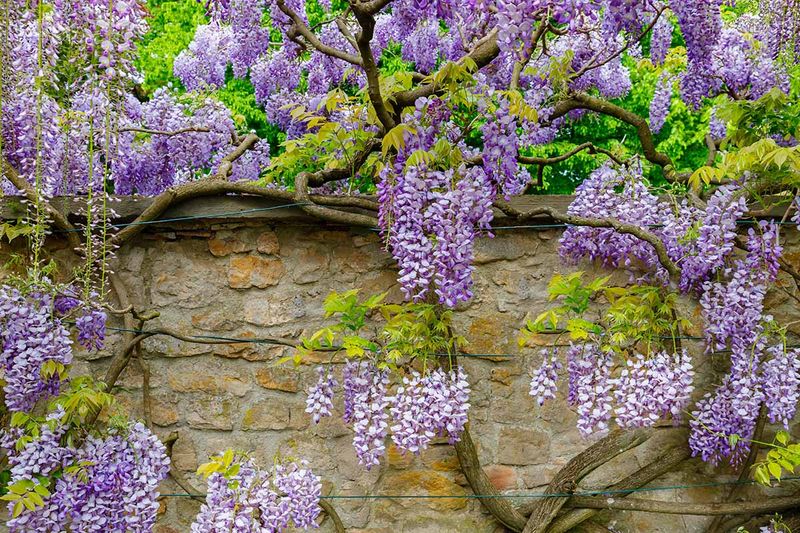
Wisteria can look stunning on a pergola or arbor, but it is also heavy. A mature vine can weigh hundreds of pounds, and summer growth adds to that load fast.
Wood structures are especially vulnerable. Wisteria stems wrap tightly around posts and beams, and the weight of dense summer foliage puts real stress on joints and fasteners.
Checking your support structure at the start of summer and again mid-season is a smart habit.
Look for signs of stress like cracked wood, leaning posts, or fasteners pulling away from beams. Catching structural problems early is far easier than dealing with a collapsed pergola after a summer storm adds rain weight to already heavy vines.
Thinning the vine helps reduce load. Remove crossing branches and older, heavy stems that no longer produce good foliage or blooms.
Thinning improves airflow too, which reduces humidity buildup and lowers the risk of fungal issues on the foliage during humid stretches.
Metal or steel structures handle wisteria weight better than wood over time. If you are planning a new support structure in your landscape, heavier materials are worth the upfront investment.
For existing wooden structures, annual maintenance checks combined with consistent summer pruning keep the vine manageable and the structure standing for many more seasons to come.