These Are The Steps To Take With Plants When Minnesota Temperatures Stay Above 95
July in Minnesota doesn’t ask permission. One week you’re watering normally, the next your tomatoes are gasping, your hostas have given up entirely, and the soil three inches down feels like fired clay.
Above 95 degrees, the rules change. Shade cloth matters more than fertilizer, timing a watering wrong can cook roots instead of saving them, and the plants you ignored all spring suddenly need your full attention.
Most gardeners find out too late. They walk outside on a Tuesday morning and the evidence is already written across every leaf: scorched edges, wilted stems, a pepper plant that looked fine yesterday and looks finished today.
Minnesota summers can be unforgiving in ways that sneak up on you. Warm mornings feel manageable until noon hits like a wall. Do these things right, or spend September wondering what went wrong.
Water Deeply At The Roots Each Morning Before Peak Heat
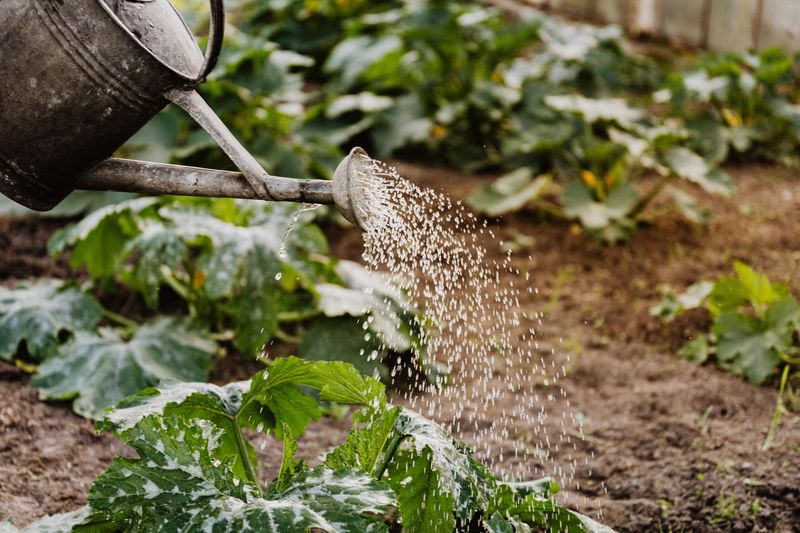
When the air is already thick with heat at 7 a.m., your plants are under serious water stress before the day even starts. Getting water down deep before peak heat arrives is one of the smartest steps to take with plants when Minnesota temperatures stay above 95.
Shallow watering is a trap that backfires fast. Roots chase moisture to the surface and become even more vulnerable to scorching heat.
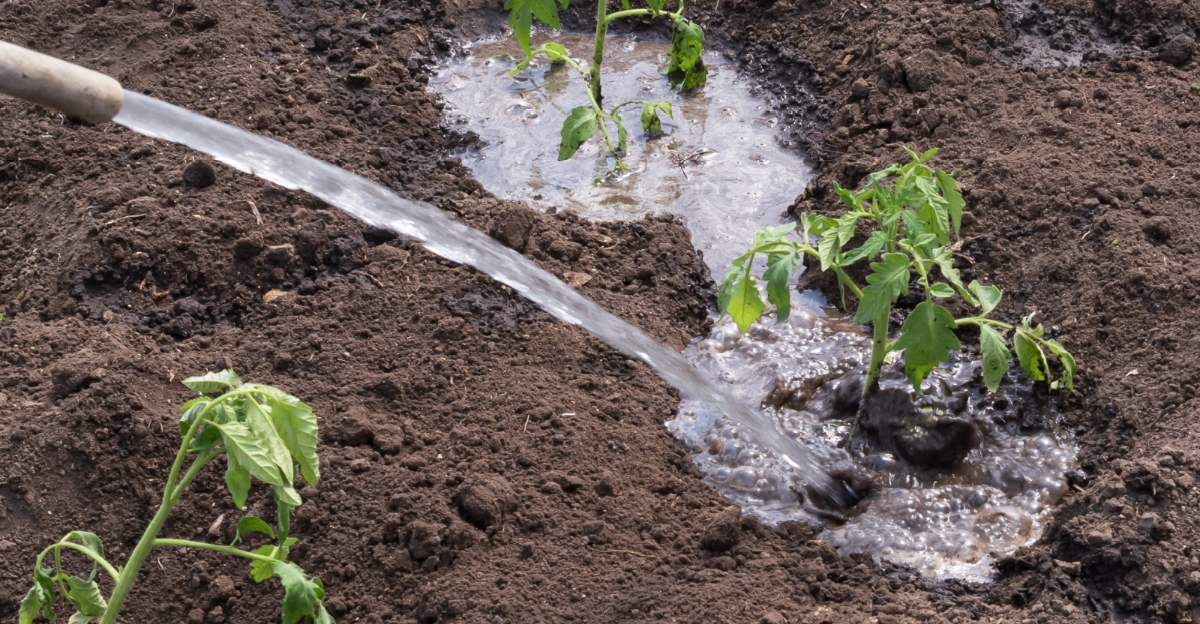
Deep watering means soaking the soil six to eight inches down. A slow drip for 20 to 30 minutes at the base works far better than a quick sprinkle.
Morning is the magic window because water soaks in before evaporation steals it. Midday watering loses a significant amount of moisture to evaporation before it even reaches roots.
A soaker hose is your best friend during a Minnesota heat stretch like this. Lay it along your rows and let it run while you drink your coffee.
Evening watering is tempting but risky because wet foliage overnight invites fungal problems. Stick to mornings and your plants will reward you with resilience.
Check the soil with your finger before watering each day. If it is dry two inches down, water deeply right away.
Consistency matters more than volume during extreme heat. Minnesota summers do not forgive loose routines. A steady schedule keeps roots calm and plants anchored through the worst of it.
Mulch Generously With 2 To 4 Inches To Keep Soil Cooler
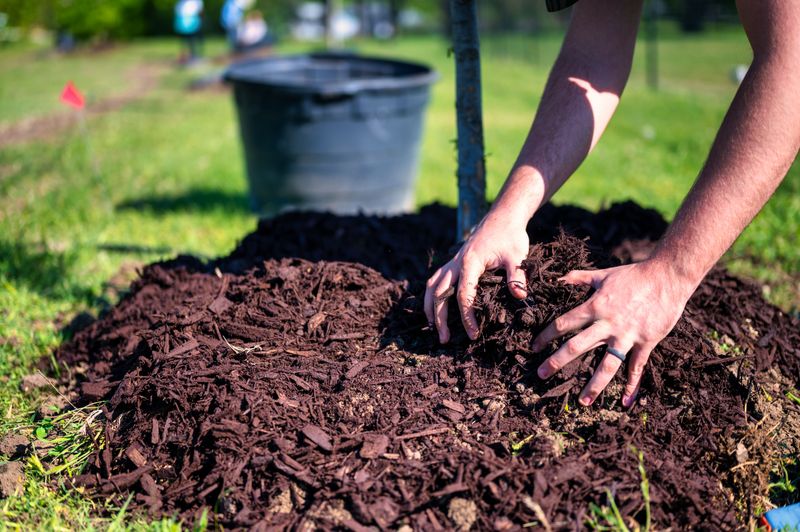
Bare soil in a heat wave is an unprotected surface that bakes quickly and pulls moisture away from roots. A thick layer of mulch is one of the easiest and most powerful steps you can take right now.
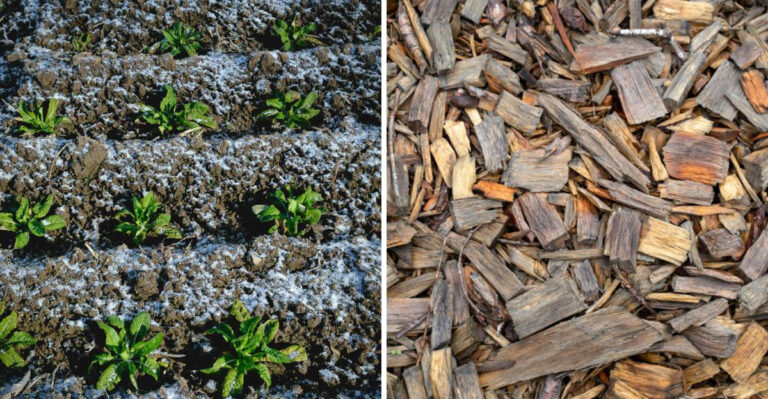
Two to four inches of wood chips, straw, or shredded leaves acts like a blanket in reverse. It blocks the sun from baking the soil and holds precious moisture in place.
Studies show mulched soil can run 10 to 25 degrees cooler than exposed ground. That temperature difference is enormous for root health during a stretch above 95.
Pull mulch back slightly from the main stem of each plant. Piling it directly against stems can cause rot and invite pests you do not want.
Your Minnesota Garden Changes Every Week. Your Plan Should Too.
Gardening in Minnesota changes quickly throughout the season. Every Friday you’ll receive a simple weekly plan showing exactly what to plant, prune, fertilize, harvest, and protect so you never miss the right timing.
Straw mulch is especially popular for vegetable beds because it breaks down slowly. It also looks tidy and keeps mud from splashing onto lower leaves during watering.
Wood chips work beautifully around trees, shrubs, and perennials. They hold moisture longer than straw and suppress weeds at the same time.
If you have no mulch on hand, even a layer of cardboard can help in a pinch. Wet it down and cover it with whatever organic material you have nearby.
Refreshing your mulch layer every season pays off in plant health and water savings. Your soil will thank you long after the heat breaks.
Move Potted Plants To A Shaded Spot For The Duration
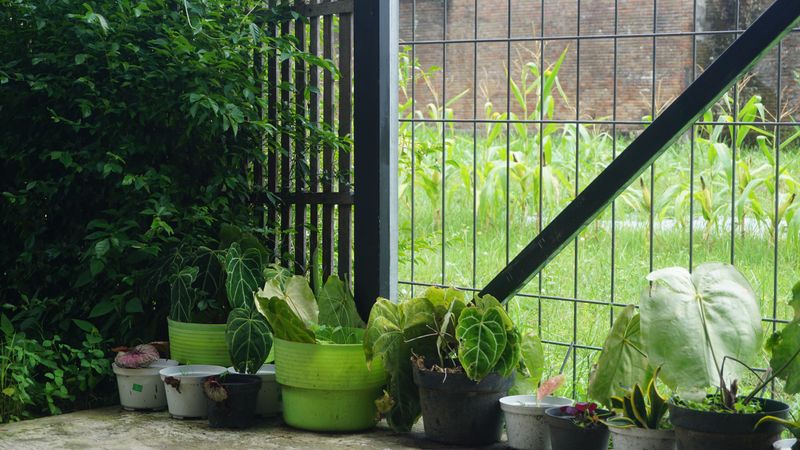
Container plants are the most vulnerable members of your garden during a heat emergency. Their roots have nowhere to escape, and pots heat up fast in direct sun.
Black plastic pots can reach temperatures above 120 degrees on a blazing afternoon. That level of heat damages roots from the outside in, and recovery becomes very difficult.
Moving pots to a shaded spot is one of the quickest steps you can take when a prolonged heat period is in the forecast. Under a tree, behind a fence, or beneath an overhang all work well.
Morning sun is gentler and can stay, but afternoon sun after noon is the most damaging window for container plants. Shade from about 1 p.m. onward makes a dramatic difference in plant survival.
Group pots together in their new shaded location. Plants clustered together create a slightly cooler, more humid microclimate that benefits everyone in the group.
Elevate pots off concrete or pavement if possible. Hard surfaces radiate heat upward and can push root temperatures even higher than the air around them.
Water potted plants more frequently than you would in-ground ones. Containers dry out much faster, sometimes needing water twice a day during extreme stretches.
Once temperatures drop back to a normal range, ease them back into full sun gradually. A sudden return to intense light after shade can shock even a healthy plant.
Skip Fertilizing And Pruning Until The Heat Breaks
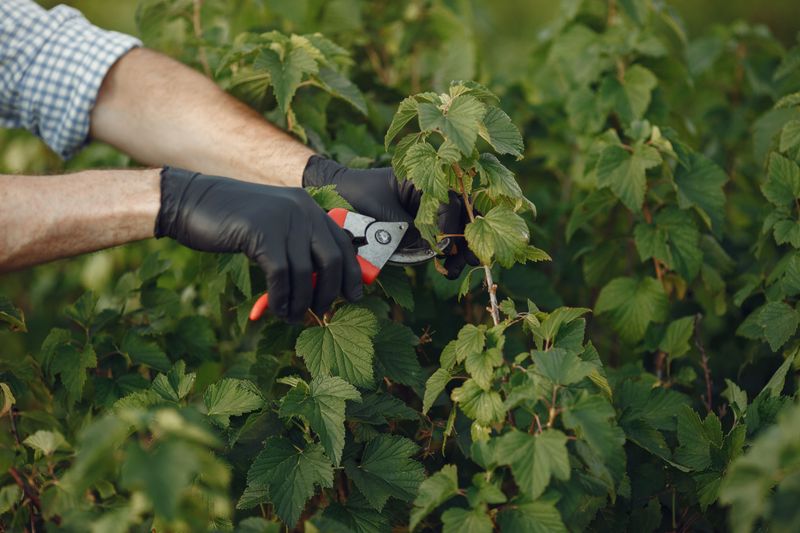
Fertilizing during a heat wave is like pushing a marathon runner to sprint at mile 20. Your plants are already under extreme stress, and adding nutrients forces growth they simply cannot support.
Nitrogen-heavy fertilizers are especially problematic in high heat. They push tender new growth that wilts instantly and invites pest damage at the worst possible time.
Pruning carries the same risk during a stretch above 95. Fresh cuts create open wounds, and stressed plants heal slowly, leaving them exposed to disease and insect pressure.
The one exception is removing already-damaged or completely brown material. That kind of cleanup does not stimulate new growth and can improve airflow around struggling plants.
Wait until nighttime temperatures drop back to a comfortable, consistent range before resuming your regular fertilizing schedule. That signal tells you the plant is ready to absorb and use nutrients again.
Slow-release granular fertilizers applied before a heat event are different. Those are fine to leave in place. The issue is applying fresh, fast-acting fertilizer during the heat event itself.
Think of this pause as rest, not neglect. Giving your plants a break from growth demands is one of the kindest things you can do during extreme weather.
When the heat finally lifts, your plants will bounce back faster if they were not pushed during the worst of it. Patience right now pays off with a stronger, healthier garden later.
Hang 30 To 40% Shade Cloth Over Lettuce, Spinach, And Brassicas
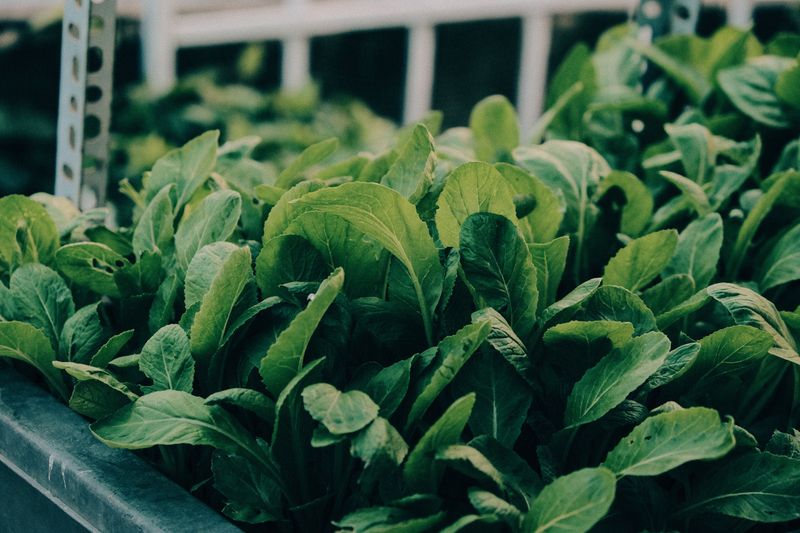
Lettuce does not do drama quietly. It bolts, turns bitter, and falls apart the moment summer heat gets serious. A 30 to 40 percent shade cloth is the shield that buys it more time.
Shade cloth reduces the intensity of sunlight hitting your plants without blocking it entirely. That partial shade can drop leaf temperature by 10 degrees or more on a scorching afternoon.
Spinach and all brassicas, think kale, broccoli, cabbage, and cauliflower, bolt and turn tough in extreme heat. Shade cloth slows that process significantly and extends your harvest window.
You can buy shade cloth at most garden centers or online for a reasonable price. Look for a knitted fabric rated at 30 to 40 percent shade, which is the sweet spot for most vegetables.
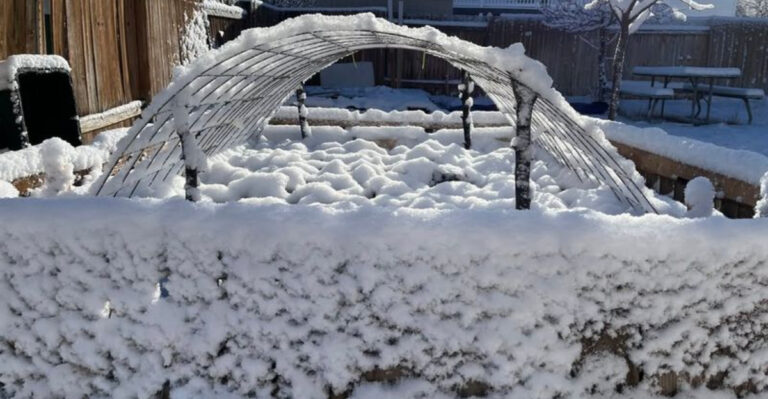
Drape it over simple hoops or a basic wooden frame above your beds. Even a loose drape held up by stakes works better than leaving plants fully exposed.
Make sure there is airflow underneath the cloth. Trapping heat without ventilation can create a steamy environment that encourages fungal issues on wet foliage.
Remove the cloth on cloudy days or once temperatures drop below 85. Keeping it on during mild weather can slow growth more than necessary.
This one tool can protect an entire bed of greens during a prolonged heat period. Your salad bowl will thank you when everyone else has given up on fresh greens for the season.
Pull Weeds Every Few Days Since Heat Makes Competition For Water More Intense
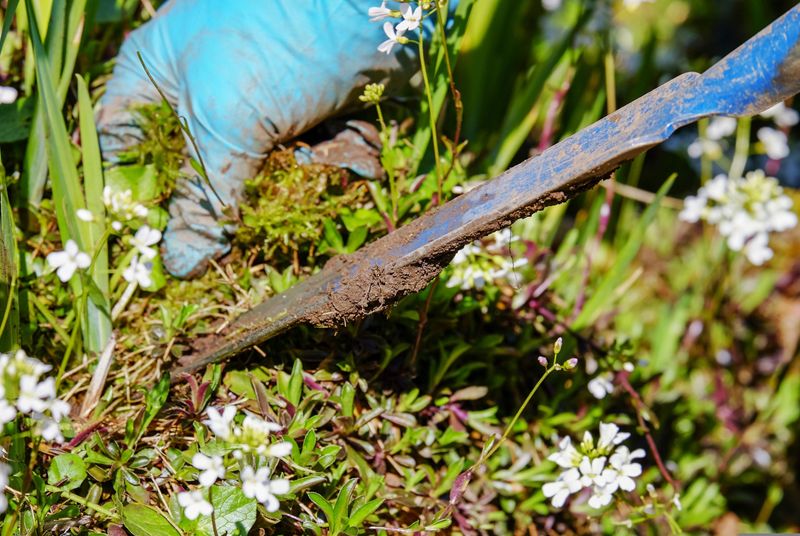
Weeds in a heat wave are not just annoying. They are aggressive competitors stealing water your plants desperately need. Pulling them every few days keeps your garden from falling behind fast.
Many common weeds actually thrive in heat and dry conditions. Purslane, pigweed, and crabgrass are built for exactly this kind of weather and spread quickly when left unchecked.
Each weed you leave in the ground is robbing moisture from your vegetables and flowers. During a stretch above 95, that stolen water can tip the balance between a plant surviving or giving up.
Pull weeds early in the morning when the soil is still slightly moist from watering. Roots release more easily when the ground has some give to it.
Use a hand tool like a hori-hori knife or a weeder to get the whole root out cleanly. Leaving the root behind just means the weed comes back in a week.
Toss pulled weeds into a bag or bin rather than leaving them on the soil surface. Some weeds can re-root themselves even after being yanked if they stay in contact with moist ground.
Staying on a short weeding schedule feels like a lot of work, but each session gets shorter when you stay consistent. Letting weeds go for two weeks in summer heat turns a 10-minute job into an an hour-long struggle.
A weed-free garden bed also looks noticeably healthier and gives you a clear view of how your plants are actually doing in the heat.
Pinch Off Faded Flowers To Redirect Plant Energy Away From Seed Production
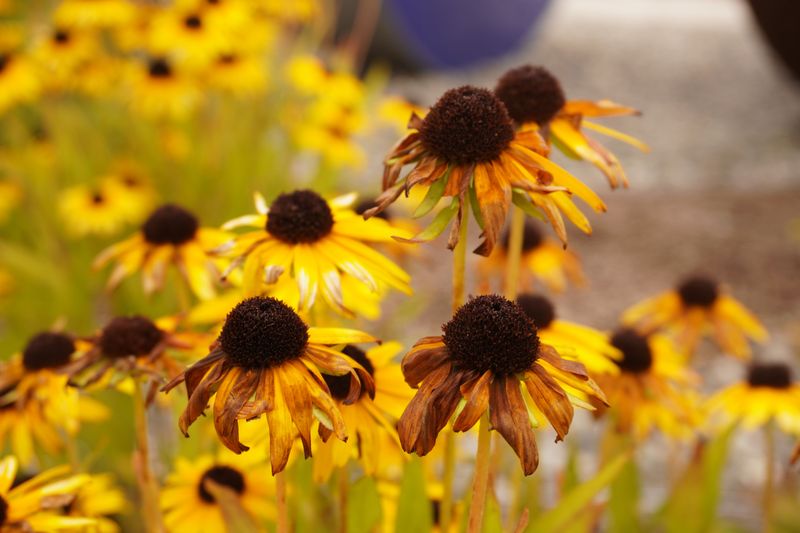
A plant’s reproductive instinct pushes it toward making seeds as its primary goal. Pinching off faded flowers tricks it into staying in bloom mode instead of shutting down early.
This process, called flower pinching, redirects the plant’s energy back into producing new flowers and maintaining healthy foliage. During extreme heat, that energy redirection is especially critical.
Plants under heat stress already have limited resources to work with. Letting them direct energy into seed production during a prolonged stretch above 95 slows their ability to stay healthy and keep blooming.
Petunias, zinnias, marigolds, and coneflowers all respond beautifully to regular flower pinching. Pinch or snip just below the faded bloom where it meets the stem.
You do not need special tools for most flowers, your fingers work perfectly well. A quick pinch in the morning during your watering routine adds almost no extra time to your day.
For larger plants like dahlias or black-eyed Susans, a pair of clean scissors or pruners gives a neater cut. Wipe the blades between plants to avoid spreading any disease.
Flower pinching also keeps your garden looking fresh and well-tended during a stretch when everything else looks tired and heat-worn. Neighbors will wonder how your beds still look so good.
Make it a habit every two to three days and you will extend your blooming season well into fall. A small act of pinching now creates weeks of extra color and life later.
Avoid Spraying Herbicides When Temperatures Are Above 85 Degrees
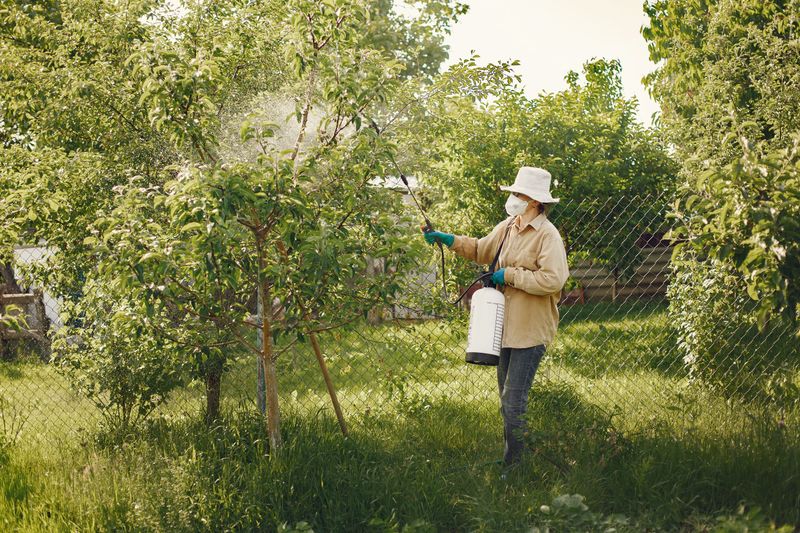
Spraying herbicide on a scorching day is one of those mistakes that feels fine in the moment and terrible a week later. Heat changes everything about how chemicals behave in the garden.
When temperatures climb above 85 degrees, herbicides volatilize, meaning they turn into a gas that drifts far beyond where you aimed. Neighboring plants, flowers, and even vegetables can absorb that drift and suffer significant stress.
Glyphosate and other common weed control products become unpredictable in high heat. They can also absorb unevenly, sometimes causing surface burn without fully reaching the root system.
This is one of the most overlooked steps to take with plants when Minnesota temperatures stay above 95. Skipping the spray protects your whole garden, not just the weeds you were targeting.
Wait for a calm morning when temps are below 85 and wind is under 10 mph. Those conditions give herbicides the best chance of working correctly and staying where you put them.
Early morning applications also reduce the risk of the product evaporating before it absorbs into the weed. Cooler air slows volatilization and lets the chemical do its job properly.
If weeds are out of control and you cannot wait, hand-pulling is always a safe alternative during a Minnesota heat event. It is slower, but it is precise and carries no drift risk.
Following label instructions on temperature limits protects your garden, your neighbors, and your own investment in every plant you have worked hard to grow this Minnesota season.