Why More Minnesota Gardeners Are Choosing Cover Crops Over Empty Beds This Season

Pull back the straw from a cover-cropped bed in April and the smell hits you first. Dark, alive, almost sweet.
Underneath, the soil crumbles between your fingers instead of clumping into grey paste. That’s not luck.
That’s what happens when ground spends winter working instead of waiting. Cover crops aren’t decoration. They’re infrastructure. Roots drill through compaction while you’re inside drinking coffee.
Nitrogen fixes in nodules too small to see. Organic matter feeds a whole underground economy that won’t show up until your tomatoes outgrow every expectation in July.
None of it happens on bare dirt. Most Minnesota gardeners rake their beds clean in October and consider the job done.
The soil spends five months exposed, compacting, slowly losing everything the growing season built. Minnesota winters are long, but they don’t have to be wasted.
You could keep leaving beds bare. Or you could plant something, step back, and let winter do the work for you.
Bare Soil Loses Nutrients, Erodes, And Invites Weeds But Cover Crops Solve All Three
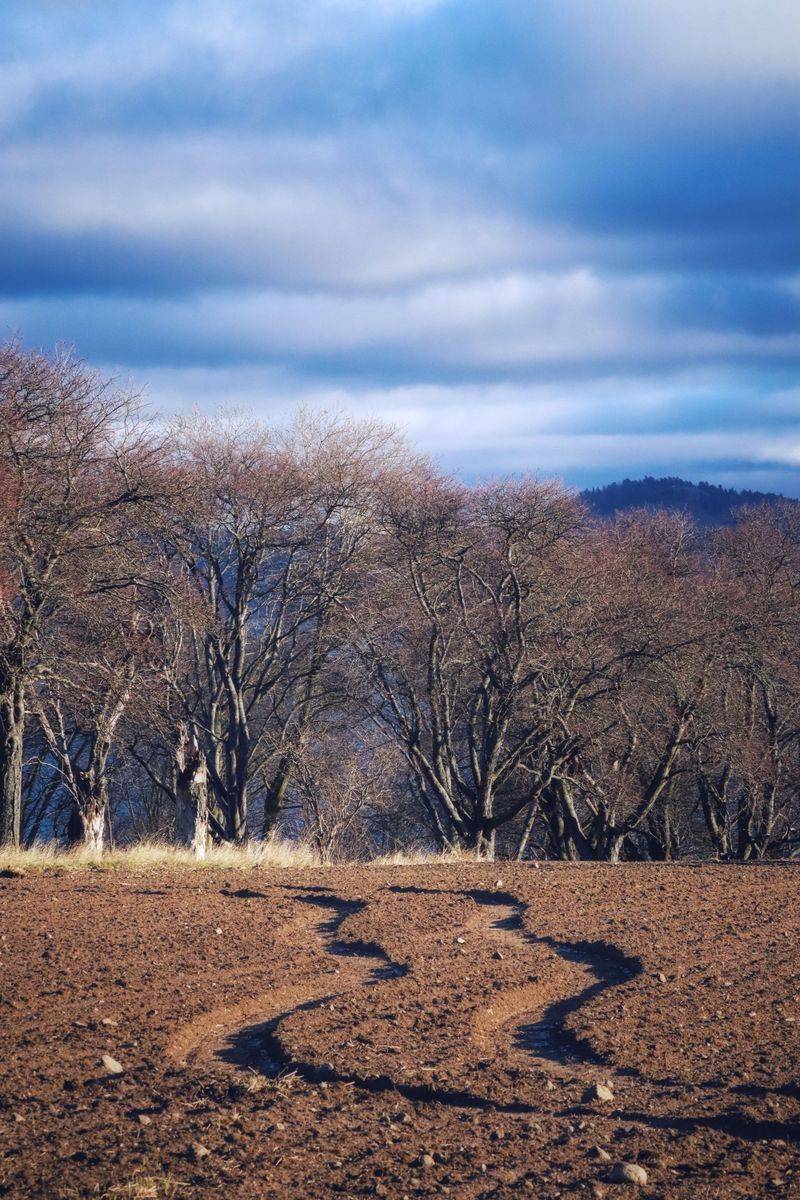
Empty garden beds look harmless, but they are quietly working against you every single day. Bare soil is one of the most vulnerable things in your yard.
When rain hits unprotected ground, it carries away the topsoil your plants depend on most. That lost layer can take years to rebuild, depending on your soil type and conditions.
Weeds are patient opportunists, and they thrive in exposed dirt in fall. Before your first frost even arrives, weed seeds are already settling in for spring.
Nutrients like nitrogen do not just sit still in empty beds waiting for you. Rain leaches them deep into the ground, far below where roots can reach.
Wind erosion is another overlooked problem that gardeners rarely think about until damage is done. A few windy November days can strip more topsoil than a full season of heavy rain.
Cover crops act like a living shield stretched across your garden beds all season long. Their roots grip the soil firmly, their leaves block wind, and their canopy stops rain from hitting bare ground.
Choosing cover crops over empty beds this season is not just a trendy garden move. It is a practical, science-backed decision that pays off big when spring planting begins.
The soil you protect this fall will be richer, softer, and far more productive next year. Gardeners who try cover crops once rarely go back to leaving beds bare again.
What Exactly Is a Cover Crop and How Is It Different From a Regular Garden Plant

Cover crops are plants grown specifically to feed and protect the soil, not to feed you. They are sometimes called green manure, which sounds strange but makes perfect sense.
Unlike tomatoes or zucchini, cover crops are never the main event on your dinner plate. Their whole job is to work underground and above ground for the benefit of your soil.
Regular garden plants take nutrients from the soil as they grow and produce food. Cover crops actually put nutrients back, especially nitrogen-fixing legumes like clover and field peas.
Your Minnesota Garden Changes Every Week. Your Plan Should Too.
Gardening in Minnesota changes quickly throughout the season. Every Friday you’ll receive a simple weekly plan showing exactly what to plant, prune, fertilize, harvest, and protect so you never miss the right timing.
Some cover crops have deep taproots that break up compacted layers of soil naturally. Others spread wide and low, creating a dense mat that smothers weeds before they get started.
Grasses like winter rye and oats are popular cover crop choices because they grow fast and tough. They establish quickly even when temperatures are already dropping toward freezing.
Legumes like hairy vetch and crimson clover work with soil bacteria to pull nitrogen from the air. That captured nitrogen becomes free fertilizer for whatever you plant next season.
Brassica cover crops like daikon radish punch through hard soil with their thick roots. When those roots decompose over winter, they leave behind channels that improve drainage and aeration.
Choosing cover crops over empty beds means choosing a smarter, more regenerative approach to gardening. Once you understand what these plants do underground, you will wonder why you waited so long to try them.
The Best Cover Crops for Minnesota’s Harsh Climate and Short Growing Windows

Not every cover crop can handle a Minnesota winter, and choosing the wrong one wastes your time fast. Climate matters enormously when picking the right plant for your beds.
Winter rye is the gold standard for cold-climate gardens, and it thrives in conditions that finish off other crops. It can germinate in soil as cold as 34 degrees Fahrenheit, which is remarkable.
Hairy vetch is another cold-hardy champion that pairs beautifully with winter rye in a mix. Together they fix nitrogen and hold soil through even the harshest freeze-thaw cycles of a northern winter.
Oats are a great choice if you want a cover crop that naturally fades out over winter on its own. They grow fast in fall, and fade out cleanly in December, leaving a tidy mulch layer behind.
Crimson clover adds a pop of beauty to your fall garden while fixing nitrogen underground. It is not as cold-hardy as rye, so plant it early enough to establish before a hard frost.
Daikon radish is a dramatic option because its thick roots grow straight down into compacted subsoil. Gardeners call it a tillage radish because it does the job of a garden fork without any digging.
Buckwheat is a warm-season option that works well if you have a bed that opens up in late summer. It grows incredibly fast and attracts pollinators before you terminate it ahead of frost.
Matching the right cover crop to your specific beds and timing is the key to real success this season.
When to Plant Cover Crops in Minnesota for Maximum Soil Benefit Before the First Frost
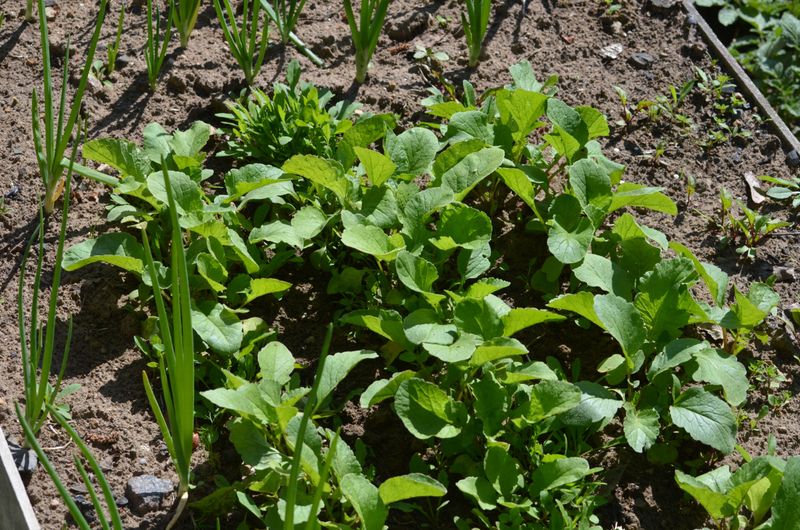
Timing is everything with cover crops, and planting too late is the most common beginner mistake. Seeds need enough time to sprout and establish before the ground freezes solid.
In most parts of the state, the first hard frost arrives between late September and mid-October. That means your planting window is narrower than it might feel in the warm days of early fall.
Aim to get winter rye and hairy vetch seeds in the ground by mid-September for best results. Earlier planting gives roots more time to anchor and leaves more time to fill in bare spots.
Oats and crimson clover should go in even earlier, ideally by early September in northern zones. They need warmer soil to germinate quickly, so do not wait until the leaves start turning color.
Daikon radish is surprisingly flexible and can be seeded as late as mid-September in most areas. Its fast growth rate lets it establish quickly even when nights are already getting chilly.
If you miss the fall window entirely, do not panic because spring planting is a real option too. Many gardeners in colder climates plant cover crops between spring crops to keep soil covered year-round.
Watch your local frost date closely and mark your calendar at least six weeks before it arrives.
Setting a planting reminder in August sounds early, but it saves you from scrambling when September sneaks up.
Planting on time is the single biggest factor in getting the full soil benefit from your cover crops this season.
How Cover Crops Improve Soil Structure, Fertility, and Microbial Life Over the Winter Months
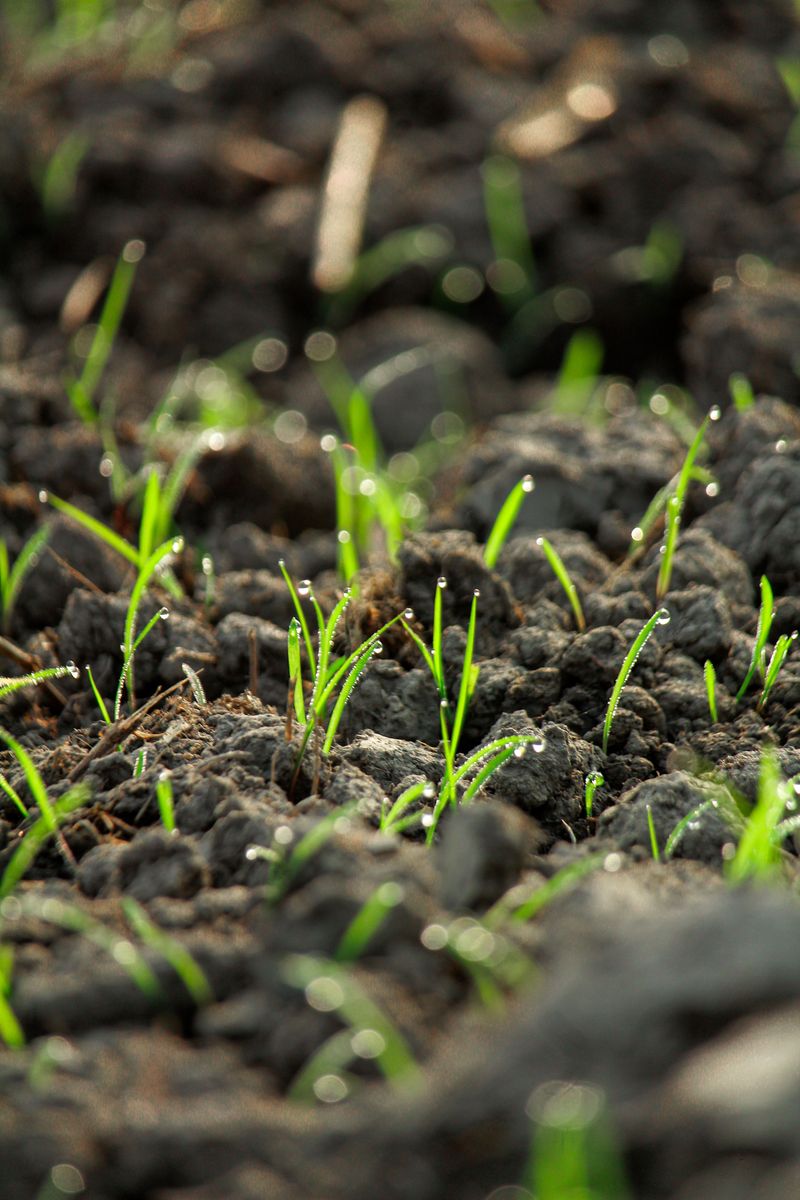
Something remarkable happens beneath your garden beds all winter long when cover crops are growing. The soil is not sleeping; it is quietly transforming into something far better.
Root systems from winter rye can grow several feet deep, breaking through compacted layers with steady pressure. Those channels remain open in spring, giving future plant roots an easy path downward.
Legume cover crops like hairy vetch form tiny nodules on their roots that house nitrogen-fixing bacteria. Those bacteria pull nitrogen gas from the air and convert it into plant-available fertilizer stored in the soil.
Soil microbes thrive when living roots are present in the ground throughout winter. Cover crop roots release sugars called exudates that feed fungi, bacteria, and other beneficial organisms constantly.
Mycorrhizal fungi networks expand noticeably when roots are active in the soil year-round. These fungal threads connect plants and help them access water and nutrients far beyond their normal reach.
Earthworm populations tend to increase in beds with cover crops compared to bare beds. Worms follow the food source, and living roots give them exactly what they need to multiply.
Organic matter builds up as cover crop roots and leaves slowly decompose through freeze-thaw cycles. That added organic matter improves water retention, reduces compaction, and creates the fluffy texture gardeners love.
By the time you pull back your cover crop in spring, the soil underneath will feel noticeably different. Richer, darker, and more alive, it will be ready to support your best garden season yet.
How to Terminate Cover Crops in Spring Without Disrupting Your Garden Beds
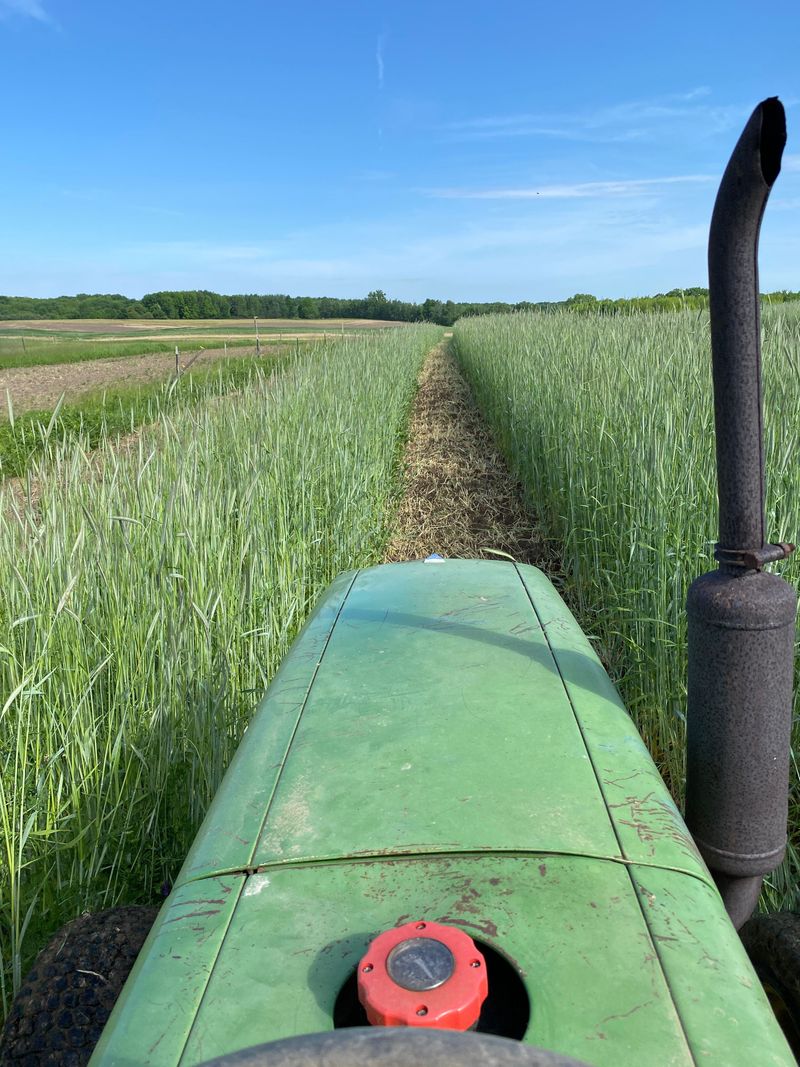
Spring arrives and your cover crop is thriving, which is exciting but also means it is time to act. Knowing how to end the cover crop cleanly makes all the difference for your planting season.
The goal is to terminate cover crops before they go to seed and become a weed problem themselves. Timing this step correctly keeps your garden beds tidy and ready for warm-season planting.
The simplest method is cutting the plants down at soil level with a sharp hoe or garden scissors. Leave the cut material right on the bed as a mulch layer that will decompose over the next few weeks.
For tougher cover crops like winter rye, you may need to cut and then cover with cardboard or burlap. This smothering technique prevents regrowth without any digging or chemical intervention.
Tarping is another popular no-till method where you lay an opaque tarp over the bed for one to two weeks. Darkness and heat beneath the tarp terminate even stubborn cover crops without disturbing the soil structure below.
Avoid tilling cover crops into the soil if you want to preserve the microbial networks you built all winter. Turning the soil disrupts fungal threads and earthworm tunnels that took months to develop.
Wait two to three weeks after termination before planting your spring vegetables into the bed. This resting period allows residue to break down and prevents nitrogen tie-up from affecting young seedlings.
Managing cover crops over empty beds with this simple spring routine closes the loop on a full season of smart, regenerative gardening.