New Jersey Homeowners Should Avoid These 8 Lawn Mistakes During Drought
New Jersey summers don’t ease you in. They arrive like someone turned on a broiler and forgot about it entirely.
One week your lawn is thick and green, the next it looks like a welcome mat someone left outside for three months.
Drought doesn’t just brown your grass. It exposes every mistake you’ve made all season, and some you didn’t even know you were making.
The instinct to fight back is strong: drag out the hose, drop the mower blade, reseed the struggling patches.
Natural reactions, wrong moves. Grass under heat stress is already running on fumes, and most homeowners unknowingly compound the stress already working against it.
The difference between a lawn that bounces back in September and one that needs a full renovation comes down to a handful of decisions made in July and August. New Jersey drought season doesn’t forgive guesswork.
1. Watering More Than Twice A Week No Matter How Dry It Looks
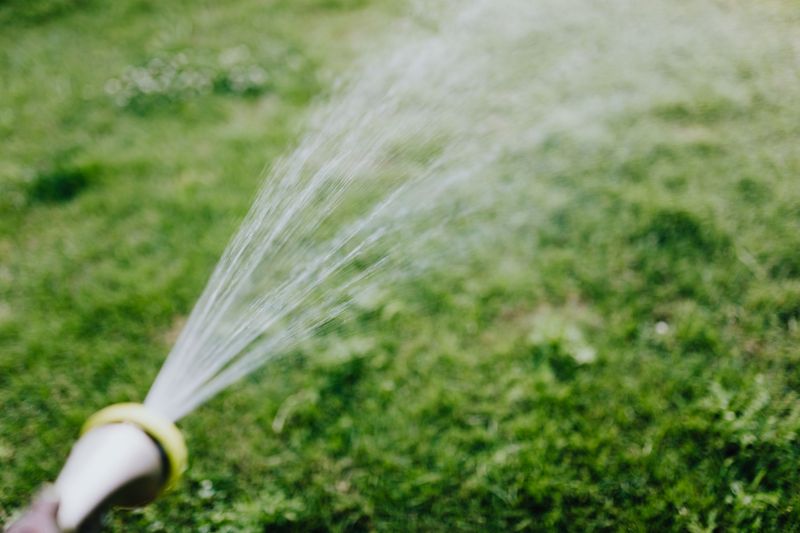
Your gut says water more, but your lawn disagrees. During drought conditions in New Jersey, watering more than twice a week actually weakens your grass roots over time.
When you water too frequently, roots stay shallow. They never need to reach deeper into soil to find moisture.
Deep, infrequent watering trains roots to grow downward. That deeper root system makes turf far more resilient when dry spells stretch on for weeks.
Twice a week is the sweet spot recommended by most lawn care experts. Each session should deliver about one inch of water total to penetrate the root zone.
A simple tuna can placed on your lawn measures output surprisingly well. Once it fills to the brim, your sprinkler has done its job for that session.
Overwatering also invites fungal disease, which thrives in wet, stressed turf. You end up trading drought damage for a whole new set of lawn problems.
Many NJ municipalities already restrict watering to specific days. Following those rules while keeping sessions deep and thorough is the winning formula.
Your lawn is tougher than it looks during a drought. Trust the science, resist the urge to overdo it, and your grass will surprise you.
2. Running Sprinklers During Midday When Evaporation Peaks
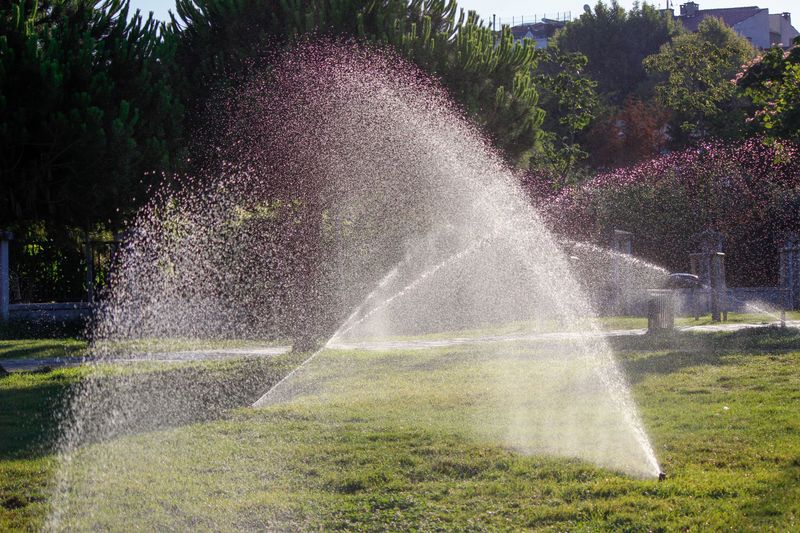
Picture this: it is 1 PM, the sun is blazing, and your sprinklers kick on right on schedule. Most of that water never reaches the roots at all.
Midday evaporation rates are significantly higher than during early morning hours. Water droplets can evaporate before penetrating past the top layer of soil.
Research indicates a significant portion of midday irrigation evaporates before it ever reaches the root zone. That is wasted water, wasted money, and no real benefit for your struggling turf.
Early morning is the gold standard for lawn watering. Between 5 AM and 9 AM, temperatures are cooler and wind speeds tend to be calmer.
Morning watering also gives grass blades time to dry before nightfall. Wet overnight turf creates the perfect environment for mold and fungal growth.
Your New Jersey Garden Changes Every Week. Your Plan Should Too.
Gardening in New Jersey changes quickly throughout the season. Every Friday you’ll receive a simple weekly plan showing exactly what to plant, prune, fertilize, harvest, and protect so you never miss the right timing.
Evening watering is a distant second option if mornings do not work for your schedule. Just make sure the lawn has at least two hours of daylight to begin drying.
Reprogramming your irrigation timer takes about five minutes. That small adjustment can save thousands of gallons over a single drought season in New Jersey.
Smart irrigation controllers now adjust automatically based on local weather data. Investing in one is one of the smartest upgrades a homeowner can make for their yard.
3. Soaking The Lawn Right After Any Rainfall
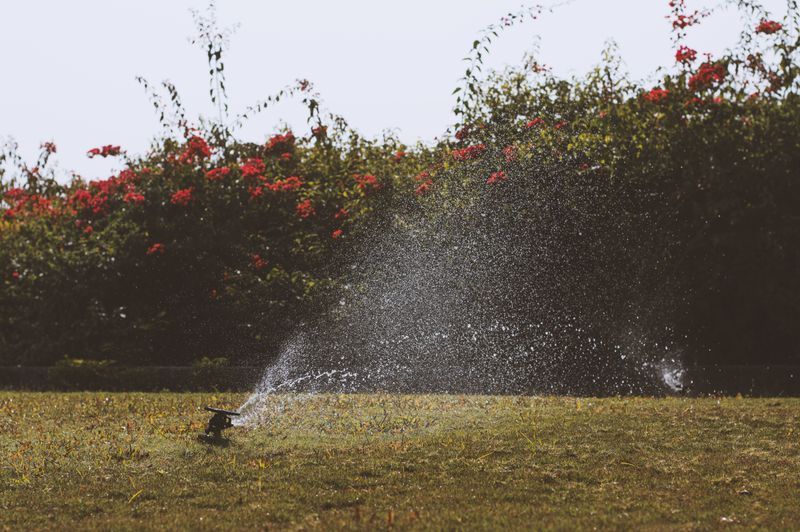
Image Credit: © Animesh Srivastava / Pexels
Rain just fell, the ground smells earthy and fresh, and somehow the sprinkler timer still kicks on anyway. This is one of the most common and costly lawn mistakes homeowners make.
Watering on top of rainfall saturates the soil fast. Oversaturated ground cannot absorb more moisture, so water runs off into storm drains instead.
That runoff carries fertilizer, pesticides, and topsoil with it. You lose nutrients your lawn desperately needs and contribute to local water pollution at the same time.
A rain gauge is a cheap and reliable tool for tracking natural precipitation. When rainfall delivers half an inch or more, skip your next scheduled watering session entirely.
Smart sprinkler controllers with rain sensors do this automatically. They pause irrigation cycles when moisture levels in the soil are already adequate.
Even a brief afternoon shower can change your watering needs for the next 48 hours. Always check soil moisture before running any irrigation after rain.
Press a screwdriver six inches into the soil to test moisture. If it slides in easily, the ground is wet enough and your sprinkler can stay off.
Respecting what nature already delivered keeps your lawn healthier and your water bill lower. Work with the rain, not against it, and your turf will reward you generously.
4. Mistaking Dormant Grass For A Lawn That Has Given Up
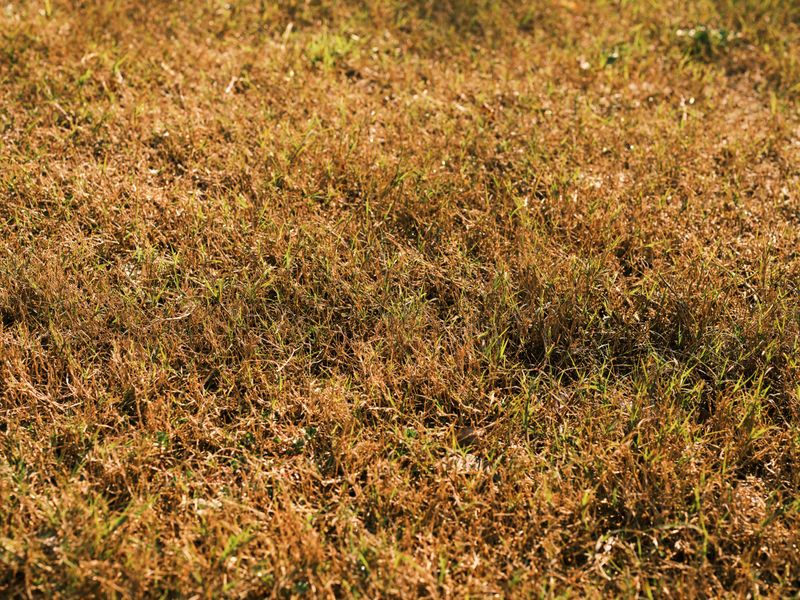
Image Credit: © Engin Akyurt / Pexels
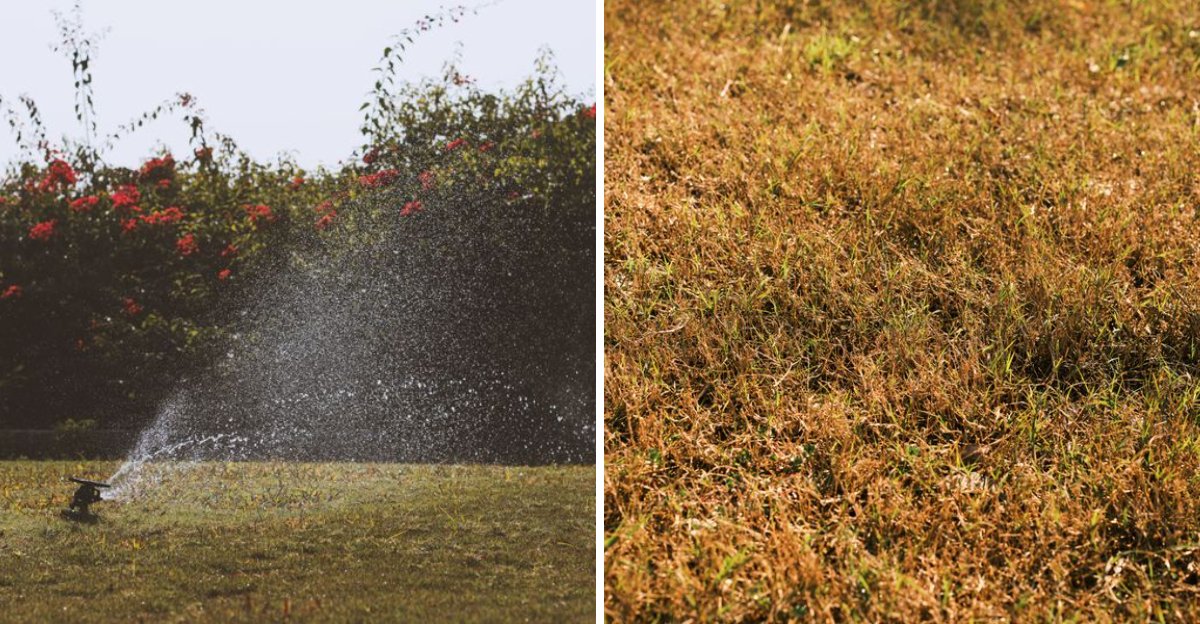
Brown grass does not mean lost grass. For many New Jersey homeowners, that golden-tan color in July is actually a sign that the lawn is doing exactly what nature intended.
Cool-season grasses like tall fescue and Kentucky bluegrass go dormant in extreme heat. It is a built-in survival strategy, not a lawn emergency.
Dormant turf conserves energy by redirecting resources away from blades. The crown and root system stay alive underground, waiting for cooler and wetter conditions to return.
Pouring water on a fully dormant lawn can actually cause harm. Inconsistent watering during dormancy confuses the grass and may trigger partial green-up followed by stress damage.
If you choose to keep turf green through drought, commit to consistent watering from the start of summer. Switching strategies midseason creates more problems than it solves.
To check if dormant grass is still alive, tug gently on a handful of blades. If they resist and the crown feels firm, your lawn is resting, not gone.
Most lawns bounce back beautifully once fall rains return to the region. Cooler September temperatures and natural precipitation usually revive dormant turf within a few weeks.
Stop panicking over the color and start trusting the process. A tan lawn in August is often the healthiest decision that grass ever made for itself.
5. Hosing Down Flower Beds Instead Of Hand-Watering
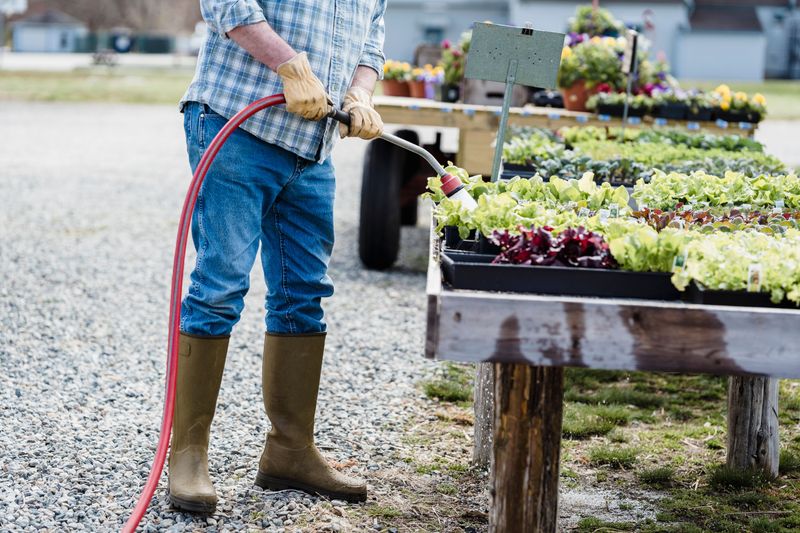
A blast from the hose feels efficient, but flower beds beg for a gentler approach. Broadcasting water broadly wastes far more than it delivers to the plants that actually need it.
Overhead hosing wets foliage instead of soil. Wet leaves during drought heat can lead to sunscald and fungal issues that weaken plants quickly.
Hand-watering with a watering can or drip nozzle directs moisture straight to root zones. That targeted approach uses a fraction of the water while delivering far better results.
Drip irrigation systems are even more efficient for established flower beds. They release water slowly at soil level, reducing evaporation and keeping leaves dry.
Mulching around flower beds is one of the most effective moves you can make during drought season. A two-to-three inch layer of organic mulch holds soil moisture for days longer than bare ground ever could.
During a drought, water flower beds early in the morning just like your lawn. Cooler air temperatures reduce evaporation and give roots time to absorb moisture before midday heat arrives.
Check soil moisture before watering each time. Stick your finger two inches into the soil near the base of plants, and water only when it feels dry at that depth.
Precision beats volume every single time in a drought. A focused approach to flower bed watering saves water, protects plants, and keeps your whole yard healthier through the dry stretch.
6. Ignoring Local Utility Guidelines Beyond The Basic Watering Schedule
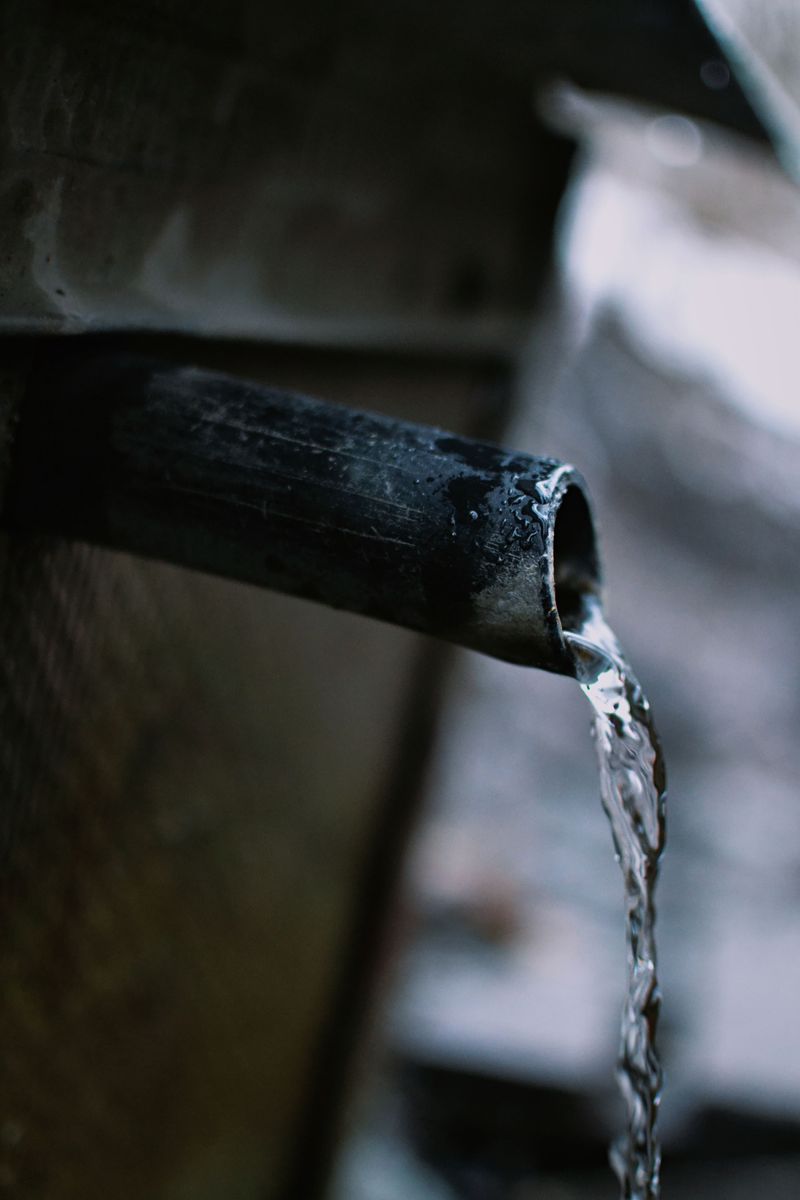
Water restrictions exist for a reason, and ignoring them during a drought is a mistake that can cost you more than just a fine. Local utility guidelines protect the entire community water supply during high-demand periods.
New Jersey municipalities often issue tiered restrictions during drought watches and emergencies. These rules go beyond the standard two-day-per-week watering limit that many residents already follow.
During a Drought Warning, the state urges residents to limit outdoor watering to two days per week on a voluntary basis.
A Drought Emergency, the highest tier, can bring mandatory restrictions that ban outdoor irrigation entirely until conditions improve.
Violations carry real penalties in many towns across the state. Fines vary by municipality and can include warning letters or financial penalties depending on local ordinances.
Checking your local utility website takes less than two minutes. Most water authorities post current restriction levels and update them regularly throughout the summer season.
Signing up for utility alerts by text or email keeps you informed automatically. You will never accidentally run sprinklers on a restricted day if alerts land right on your phone.
Neighbors notice when one yard stays green while restrictions are in place. Following the rules builds community trust and demonstrates genuine respect for a shared resource.
Compliance is not just about avoiding fines, it is about being a responsible neighbor. Protecting the regional water supply during drought is something every homeowner in New Jersey can take pride in doing.
7. Cutting Grass Too Short Which Stresses Drought-Weakened Roots
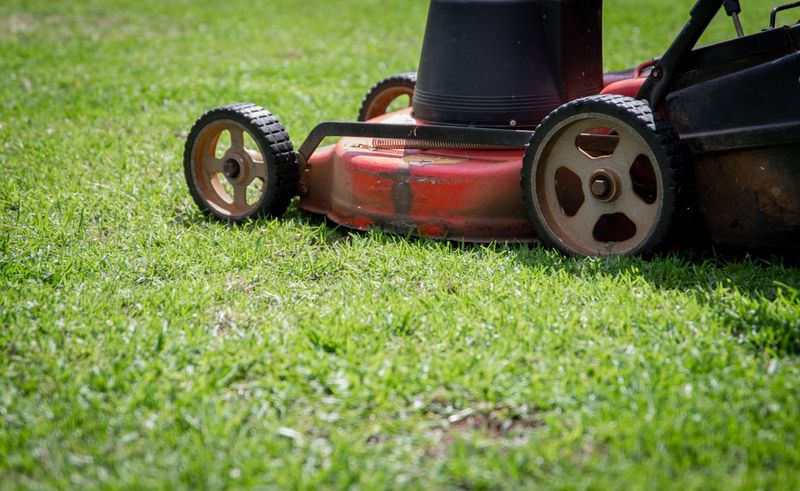
Scalping your lawn in summer feels tidy, but it is one of the most damaging things you can do to drought-stressed grass. Short blades mean shallow shade, and shallow shade means faster soil moisture loss.
Grass blades act as a natural canopy for the soil below. Taller turf shades its own root zone, keeping ground temperatures cooler and moisture locked in longer.
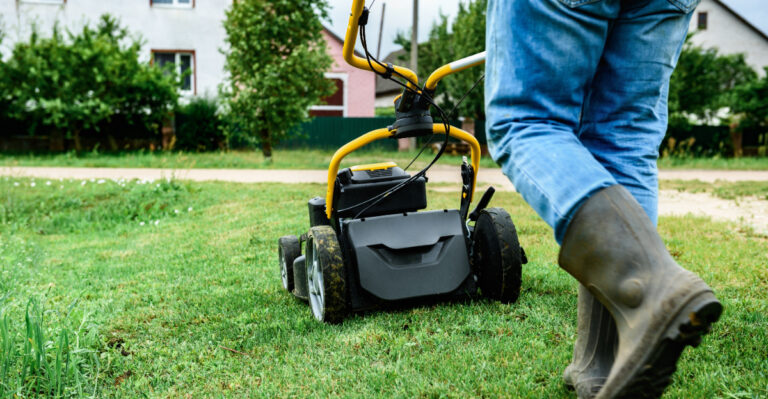
During drought, raise your mower deck to cut at three to four inches. That extra blade height makes a measurable difference in how long your soil retains water between sessions.
Cutting more than one-third of the blade length at once shocks the plant. That rule, called the one-third rule, applies year-round but becomes especially critical in dry conditions.
Dull mower blades tear grass rather than cutting it cleanly. Ragged cuts leave unclean edges that lose moisture faster and invite disease into already-stressed turf.
Sharpen your mower blade at least once per season, ideally twice. A clean cut heals faster and keeps the grass plant healthier during the toughest weeks of summer.
Leave grass clippings on the lawn after mowing during drought. They break down quickly and return a thin layer of organic matter that helps hold soil moisture.
Height is your lawn’s best protection during a drought in New Jersey. Resist the urge to cut low and let those extra inches of grass do their quiet, powerful job.
8. Assuming One Rainstorm Erases Months Of Precipitation Deficit
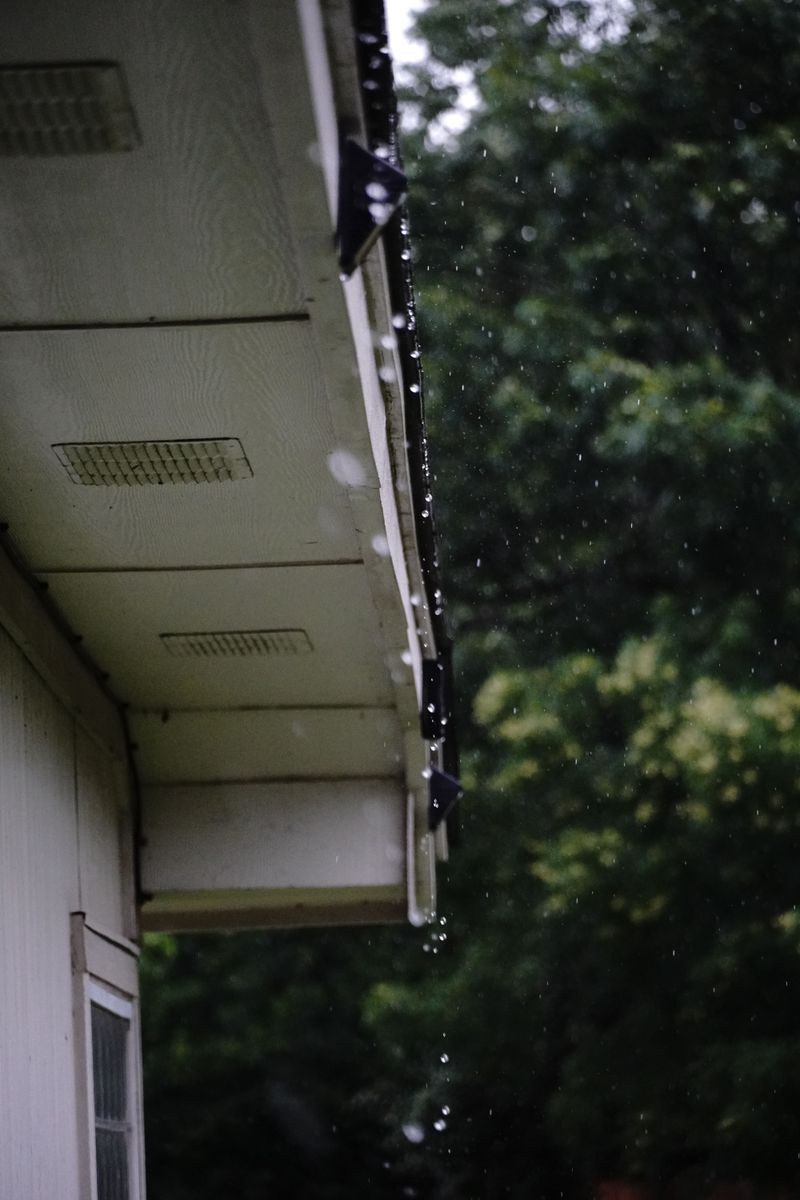
One good thunderstorm rolls through and suddenly everyone thinks the drought is over. That optimism is understandable, but it can lead to some harmful lawn decisions.
A single rainstorm rarely delivers more than half an inch to one inch of precipitation. New Jersey drought deficits can run several inches behind normal seasonal totals.
Soil that has been dry for weeks becomes almost hydrophobic at the surface. Water from a brief storm often runs off rather than soaking deep into the root zone.
A proper soil recharge requires slow, steady rainfall over multiple days. One intense storm event does not undo weeks or months of moisture deficit in the ground.
Check your local weather service drought monitor after any significant rainfall. The US Drought Monitor updates weekly and shows exactly how much deficit remains in your region.
Resume your regular watering schedule within a day or two after the storm passes. Do not assume the lawn is set for the week just because the sky opened up briefly.
Watch how your lawn responds in the days following rain. If color improves and soil feels moist six inches down, you may be able to extend your next watering cycle slightly.
Drought recovery takes patience and consistency, not wishful thinking after one cloudy afternoon. Keep monitoring conditions and trust the data over the feeling that everything must be fine now.