Delaware Gardeners Rely On These 7 Direct Sown July Vegetables For A Successful Fall Harvest
Delaware summers don’t ease up. They double down. By mid-July, the humidity sits on your shoulders like a wet coat.
Most people have mentally checked out of the garden until September. That’s exactly the window savvy growers exploit.
While your neighbors are wrapping up their tomato season and reaching for the iced tea, you can be pushing seeds into still-warm soil.
That sets you up for something genuinely worth bragging about come October. The fall harvest in Delaware hits different than spring. Cooler nights sharpen the sweetness in greens.
Roots come out of the ground tasting clean and dense, and you’re eating fresh long after the farmers market packs up.
July planting feels counterintuitive. It’s supposed to be too late, too hot, too much. But the calendar disagrees. The ground is primed.
The season is longer than you think, and the table at the end of it is absolutely worth the effort.
1. Snap Beans
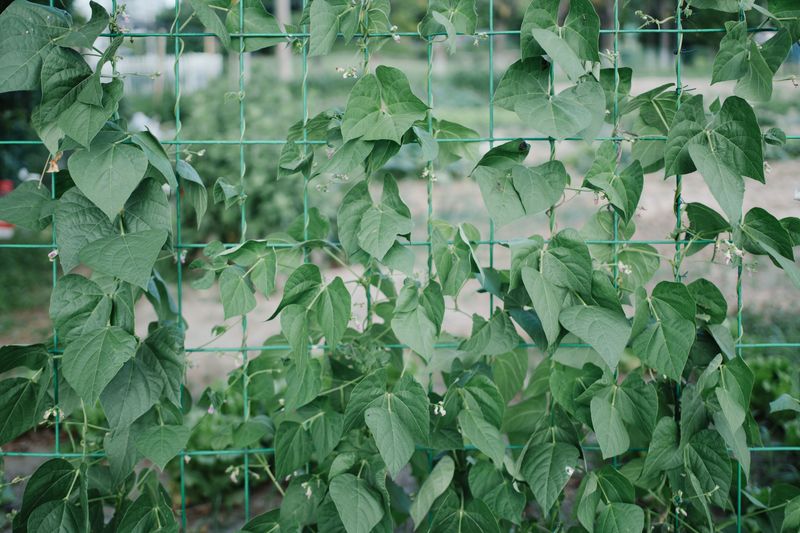
Few vegetables deliver as fast as snap beans planted in July, and Delaware’s warm, humid summers create near-perfect conditions for exactly that.
They germinate quickly and reward impatient gardeners with pods in as little as 50 days, making them one of the smartest warm-soil investments a Delaware gardener can make this month.
For anyone serious about stretching the growing season in Delaware, snap beans are the place to start. Direct sowing is the only way to go with beans.
They prefer to stay exactly where they are planted, so skip the seed trays entirely and push seeds straight into warm, loose soil.
The ground in July is practically begging for them. Space seeds about two inches apart in rows roughly 18 inches wide.
Bush varieties work best for a fall direct-sown planting because they mature faster than pole types and don’t need the staking and fussing that comes with vertical growing.
Water consistently after planting, especially during germination. Dry soil causes uneven sprouting and can leave your row looking patchy and thin, which means a disappointing harvest that doesn’t match the effort you put in.
Beans also quietly improve your garden while you’re busy harvesting them. They fix nitrogen directly into the soil as they grow, giving your fall beds a natural nutrient boost that the next crop will thank you for.
Pick pods when they snap cleanly and feel firm in your hand. Leaving pods too long on the plant signals it to stop producing, so staying on top of the harvest actually encourages more of it.
Rotate your bean bed each season to keep soil-borne disease from building up, and this simple, low-effort crop will keep delivering year after year.
2. Cucumbers
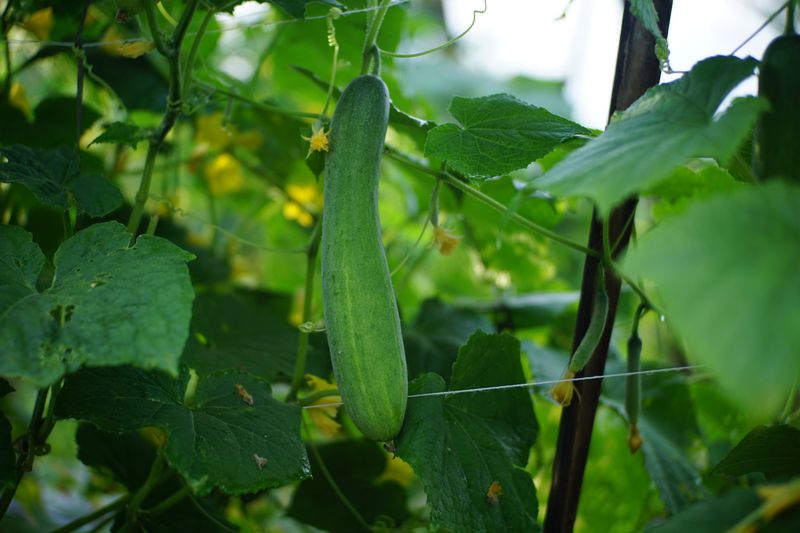
Cucumbers are the surprise hero of a July garden planting. Most people assume the season for cukes is already behind them, but a mid-summer sowing produces crisp, cool fruits right through September and often well beyond it.
Choose a compact or bush variety for your July planting plan. Shorter vining types mature faster than their sprawling cousins and fit neatly into smaller raised beds without taking over the entire space around them.
Your Delaware Garden Changes Every Week. Your Plan Should Too.
Gardening in Delaware changes quickly throughout the season. Every Friday you’ll receive a simple weekly plan showing exactly what to plant, prune, fertilize, harvest, and protect so you never miss the right timing.
Soil temperature above 70 degrees speeds germination dramatically, and July ground is perfect for exactly that.
Seeds often sprout within five days, which means you’re watching green shoots push through the soil almost before you’ve had time to forget you planted them.
Sow seeds one inch deep and about six inches apart in a sunny spot. Cucumbers crave full sun and will underperform in anything less than six hours of direct light daily, so placement matters more than most gardeners realize.
Consistent moisture is non-negotiable. Irregular watering causes bitter-tasting fruits, which is the single biggest cucumber disappointment a gardener can face after weeks of careful tending.
Mulch heavily around the base of each plant once seedlings reach four inches tall. It holds moisture in the soil and keeps roots cool during August heat spikes that would otherwise stress the plant right when it’s trying to set fruit.
Watch for cucumber beetles early and often. These striped pests spread bacterial wilt fast, so remove them by hand the moment you spot them rather than waiting to see how bad it gets.
Harvest cucumbers when they reach six to eight inches long and still feel firm. A trellis keeps fruits straight, clean, and well-ventilated, which becomes especially valuable as cooler, damper fall nights start closing in.
3. Summer Squash
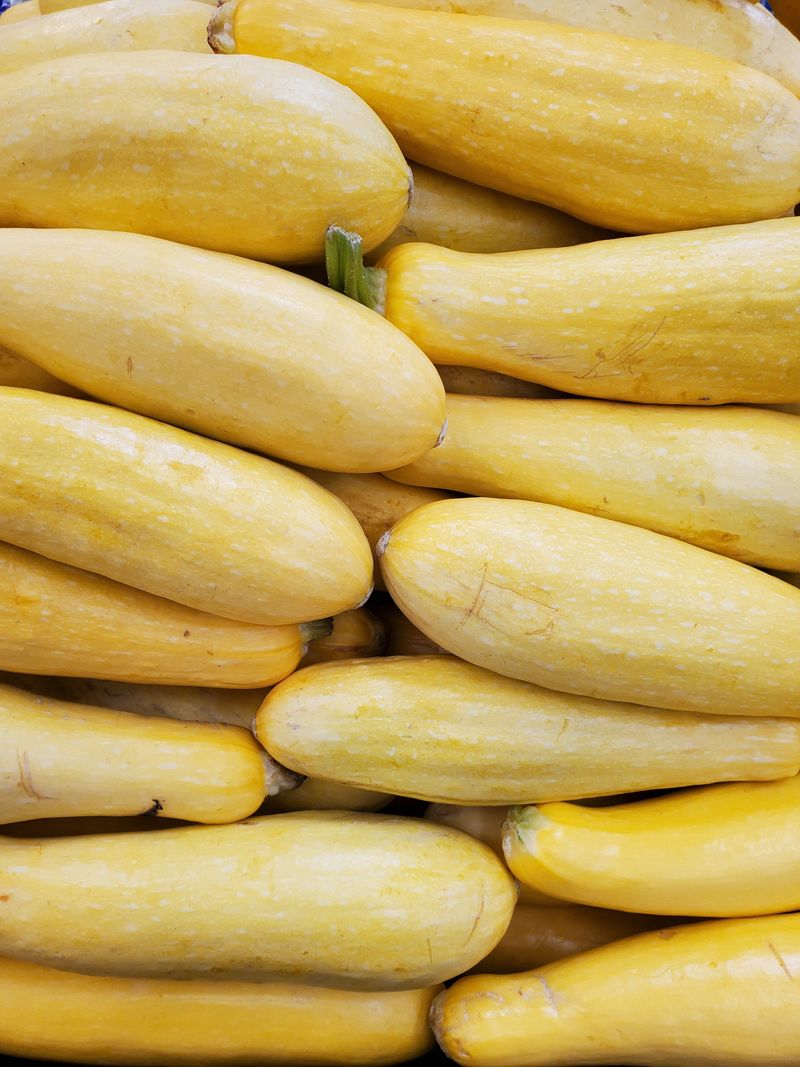
Summer squash planted in July produces a second wind of abundance before autumn frost ends the party. Most gardeners only plant once in spring and never realize they’ve been leaving an entire bonus harvest on the table.
Zucchini and yellow crookneck are the top picks for a late-season direct sowing. Both mature in around 50 days, fitting perfectly inside a July-to-October growing window.
That alone makes them worth choosing over anything with a longer timeline. Push two seeds per hole about one inch deep, spacing holes 24 inches apart.
Once seedlings hit four inches, thin to the strongest plant per hole so roots have room to spread without competing against each other.
Squash is a heavy feeder, so blend compost into the planting area before seeding. Rich soil gives plants the fuel they need to hit full production speed quickly, and the difference between amended and unamended ground shows up fast.
Powdery mildew is the main challenge with late-season squash. Planting in full sun with good airflow around each plant dramatically slows how fast that white coating spreads across leaves as humidity climbs through August.
Pick fruits when they are small and tender, around six to eight inches long. Young squash has cleaner flavor and thinner skin than anything left on the vine too long. Check plants every single day once fruiting begins.
Squash grows at a pace that surprises even experienced gardeners, and a modest fruit can balloon into something cartoonishly oversized overnight. Roast, sauté, or shred any surplus and freeze it for winter soups.
4. Beets
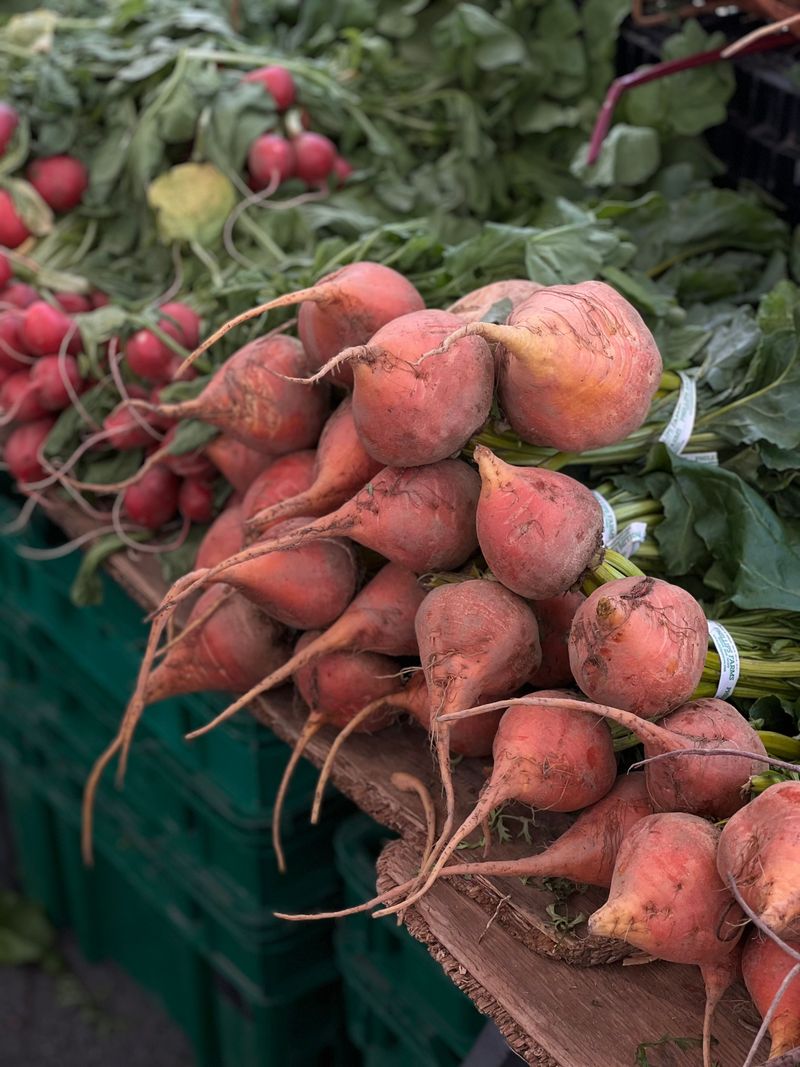
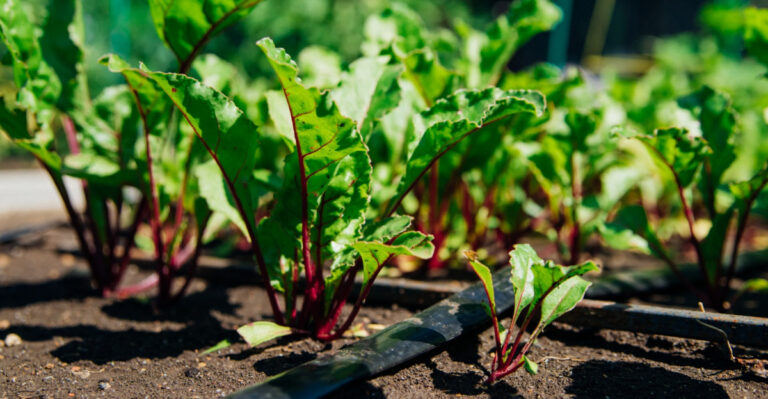
Beets are one of the most underrated direct sown July vegetables a Delaware gardener can choose, and the state’s cooling September nights make them particularly well suited for a late-season planting.
They give you two crops in one: sweet edible roots and nutrient-packed leafy greens. Sow beet seeds half an inch deep and two inches apart in rows spaced about a foot wide.
Each beet seed is actually a cluster of several seeds, so thinning is essential for proper root development.
Thin seedlings to one plant every three inches once they reach two inches tall. Crowded beets produce small, misshapen roots that disappoint at harvest time.
Beets prefer slightly cooler soil and germinate better when daytime temperatures begin to ease off in late July.
Planting mid-to-late July gives roots time to swell in September’s cooler ground, which Delaware reliably delivers right on schedule.
Water deeply but infrequently to encourage roots to grow downward. Shallow watering produces shallow roots, and shallow roots mean small beets.
A light frost improves beet flavor by converting starches into natural sugars. Plan your timing so roots mature right around the first light frost of October, a window that Delaware gardeners can count on with reasonable consistency.
Harvest when roots reach one to three inches in diameter for peak sweetness. Larger beets become woody and lose that tender, earthy flavor that makes them so satisfying.
Do not toss the greens. Young beet tops taste wonderful sautéed in olive oil with a pinch of garlic and a squeeze of lemon.
Beets store beautifully in a cool, damp location for weeks after harvest. Your fall harvest efforts continue paying off long after the garden beds go dormant.
5. Kale
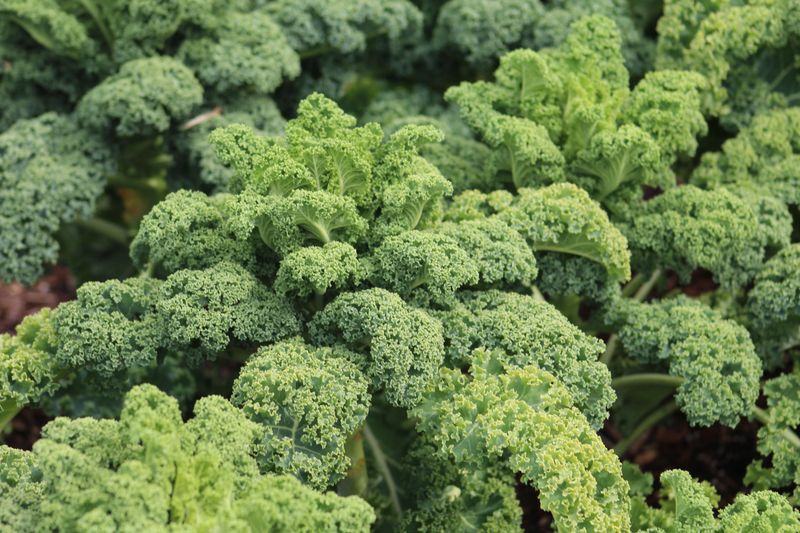
Kale planted in July transforms into a powerhouse by fall, producing sweet, tender leaves that taste better after a frost hits them. It is one of the most cold-tolerant crops you can grow.
Direct sow kale seeds a quarter inch deep and three inches apart in a sunny to partly shaded bed. Thin plants to 12 inches apart once seedlings establish their second set of true leaves.
Kale germinates fast in warm July soil, often sprouting within four to seven days. That quick start gives plants plenty of time to size up before October temperatures begin dropping steadily.
Curly kale and Lacinato, also called dinosaur kale, are both excellent choices for a fall direct sown July vegetables garden. Lacinato has a slightly milder flavor that even kale skeptics tend to enjoy.
Cabbage worms are the biggest pest threat to kale. Cover young plants with row fabric immediately after thinning to block white butterflies from laying eggs on leaves.
Water kale deeply twice a week during August heat. Stressed kale turns bitter and tough, which undermines all the effort you put into getting it started.
Begin harvesting outer leaves once plants reach 10 inches tall. Removing lower leaves encourages the plant to keep pushing out fresh growth from the center.
A hard frost does not stop kale; it sweetens the leaves by breaking down complex starches. Harvesting after frost gives you the most flavorful kale of the entire growing season.
6. Collards
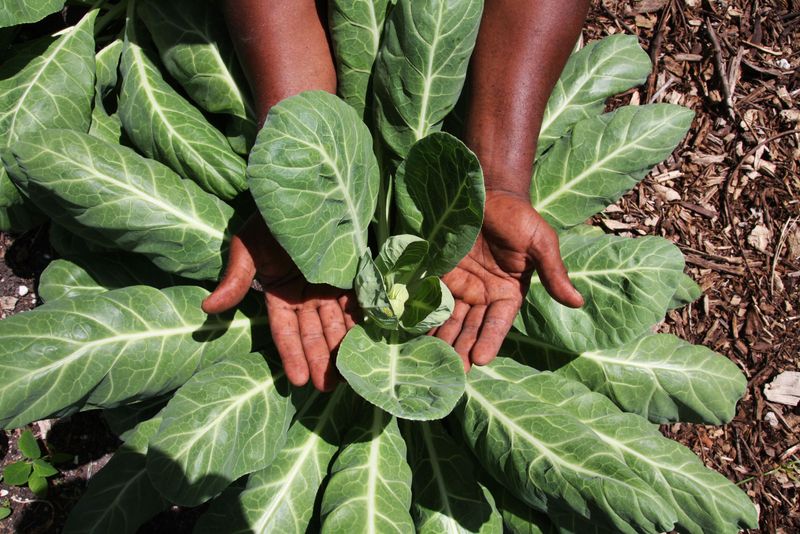
Collards are a Southern staple that thrives in mid-Atlantic gardens with remarkable resilience. Plant them in July and they will still be feeding you deep into November without complaint.
Sow seeds a quarter inch deep, spacing them about four inches apart in full sun. Collards grow into large plants, so thin them to 18 inches apart once seedlings hit four inches tall.
These plants are among the toughest direct sown July vegetables you can grow. They handle summer heat, fall chill, and even light snow without skipping a beat.
Consistent soil moisture during the first month keeps collard plants growing vigorously. Once established, they become surprisingly drought-tolerant, though regular watering always produces better-tasting leaves.
Cabbage loopers and aphids are the main insects to watch for on collards. A strong blast of water from a hose knocks aphid colonies off leaves without any chemicals needed.
Harvest leaves from the bottom of the stalk upward as plants mature. The central growing tip keeps producing new leaves as long as you avoid cutting it off.
Collard greens taste best after at least one solid frost has touched the leaves. Cold converts starches into sugars, giving the leaves a sweeter, more complex flavor profile.
Traditional slow-braised collards with smoked meat are a classic for good reason. Fresh garden-grown collards have a depth of flavor that bagged grocery store leaves simply cannot match.
Plan for a long harvest window stretching from September through early December. Few vegetables offer that kind of extended productivity from a single July seeding.
7. Swiss Chard
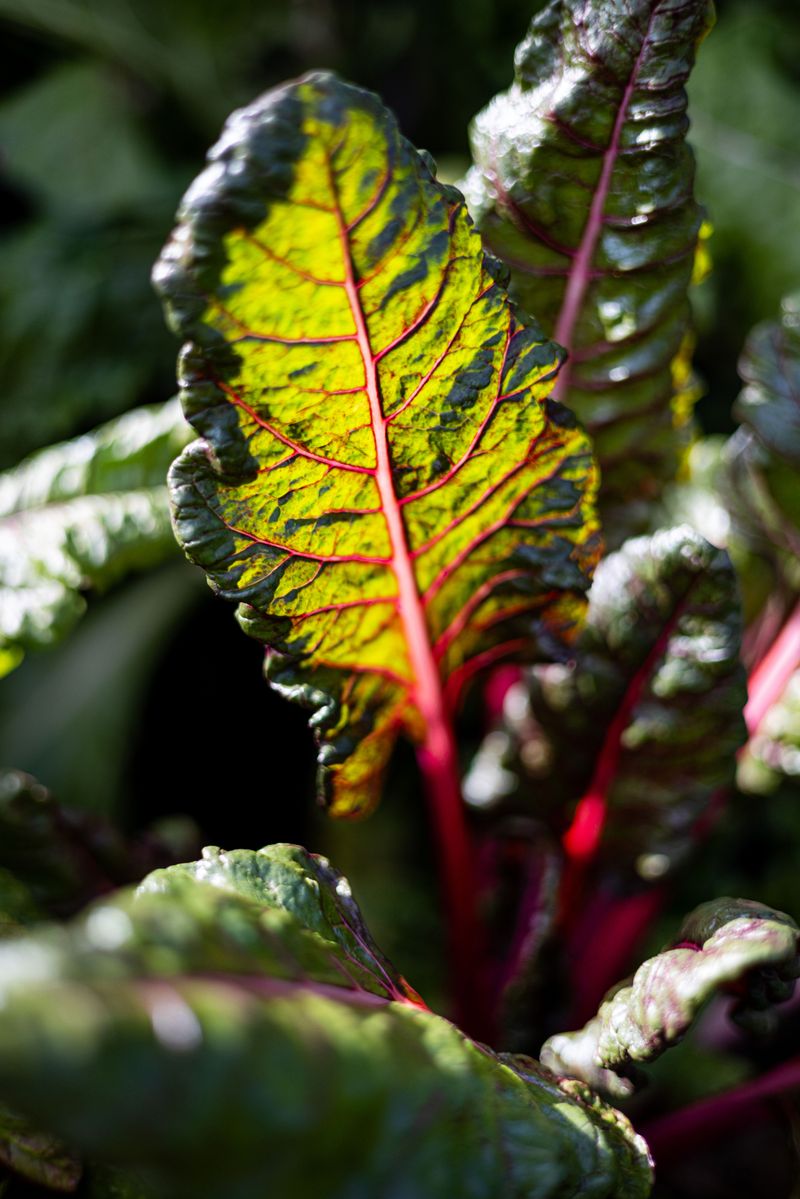
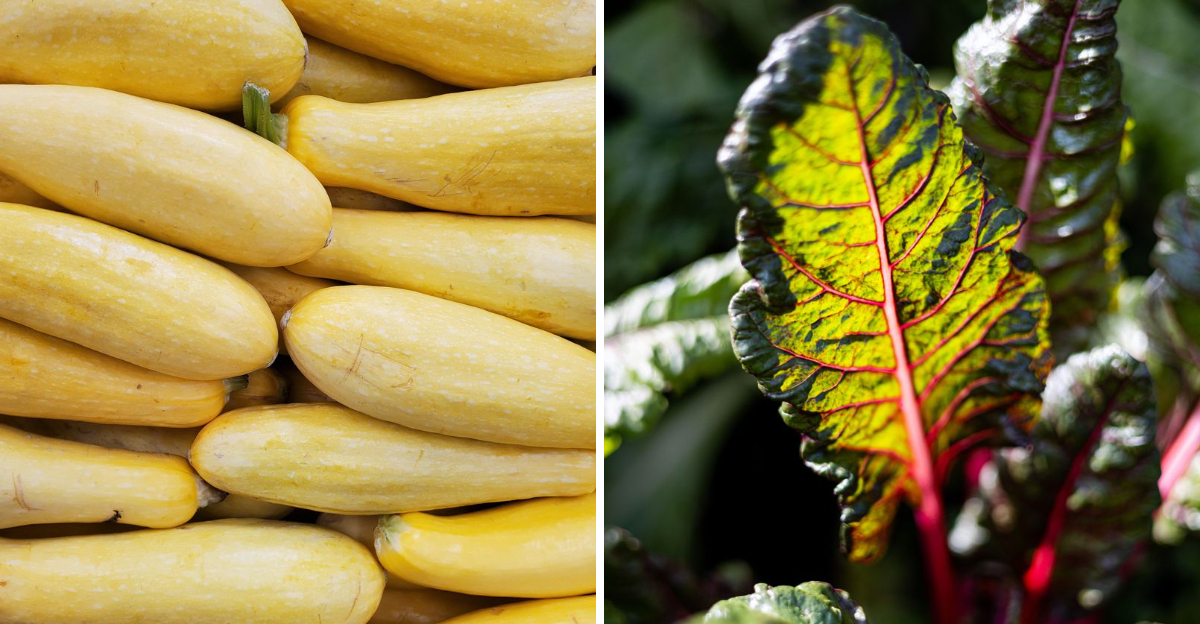
Swiss chard is the showstopper of any Delaware fall garden, with stems blazing in red, yellow, orange, and white. It is as beautiful as it is productive, and July is the ideal month to sow it.
Press seeds half an inch deep and four inches apart in well-amended soil. Like beets, chard seeds are clusters, so expect multiple sprouts per hole and thin accordingly.
Thin plants to eight inches apart once they reach three inches tall. Crowded chard grows spindly and produces smaller leaves with thinner, less colorful stems.
Swiss chard handles summer heat better than spinach or lettuce, making it a smart swap for Delaware gardeners craving leafy greens through the gap between summer and fall harvests.
Water chard regularly but avoid soaking the crown of the plant. Wet crowns invite rot, which can wipe out an entire planting before you notice anything is wrong.
Harvest outer leaves when they reach six to eight inches long. Young leaves are tender enough for fresh salads, while larger leaves work beautifully in sautés and soups.
Chard tolerates light frost with ease and keeps producing well into November, which makes it one of the longest-running crops in any Delaware fall garden. A row cover adds extra protection and extends your harvest by several additional weeks.
Rainbow chard varieties offer the most visual drama and taste just as good as single-color types. Growing a mix adds genuine excitement to harvest time and makes a stunning presentation on any dinner plate.
Direct sown July vegetables like Swiss chard prove that midsummer planting is a strategy, not a second thought. Your fall table will thank you every single week.