The Plants You Should Divide In July In Texas And Those You Should Skip
July in Texas is not exactly the month most gardeners think about dividing plants. It’s hot, the ground is tough, and the idea of digging up established plants in the middle of summer sounds like a recipe for disaster.
And honestly, for some plants it absolutely is. But for others, July division is not only possible, it can actually set them up for a much stronger growing season ahead.
The key is knowing which plants fall into which category. Get it right and you’ll have healthier, more vigorous plants that fill in beautifully and reward you with better blooms and growth.
Get it wrong and you could stress a plant at the worst possible moment, leaving it struggling to survive when it should be thriving. Texas summers throw a lot at your garden, and timing matters more here than almost anywhere else.
What works for a gardener in the Pacific Northwest or the Midwest does not always apply when temperatures are regularly pushing past the triple digits.
Here’s exactly which plants are safe to divide in July and which ones you should leave completely alone until the heat backs off.
1. Cannas (Canna Spp.)
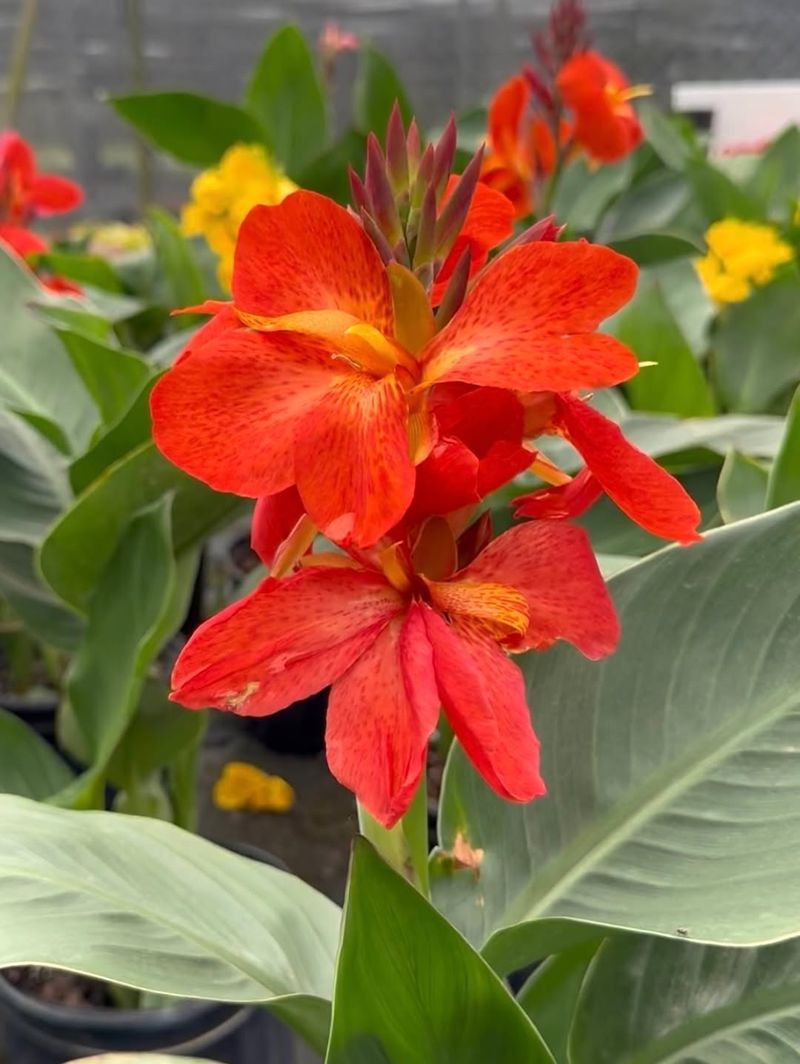
Few plants put on a show quite like cannas in a Texas summer garden. Their bold, tropical-looking blooms in shades of red, orange, yellow, and pink make them a backyard favorite. And the good news? July is actually a great time to divide them.
Cannas grow from thick underground stems called rhizomes. Over time, these clumps get crowded and the blooms start to shrink.
Dividing them in July gives each section more room to breathe and more energy to produce flowers. You can expect a fresh round of blooms later in the season after dividing.
To divide cannas, dig up the clump carefully and use a sharp, clean spade or knife to cut the rhizomes apart. Make sure each section has at least one healthy eye, which is a small bud where new growth will sprout.
Replant the sections about 18 inches apart in well-draining soil. Water the newly divided plants deeply right after planting. Keep the soil moist but not soggy during the first week or two.
Cannas are heat-tolerant, so they handle the July temperatures in Texas without much trouble.
One fun fact about cannas is that they have been grown in gardens for hundreds of years. They were popular in Victorian-era gardens and are still beloved today. Some varieties can grow up to six feet tall, making them a dramatic focal point in any yard.
Mulching around the base of newly divided cannas helps keep moisture in the soil and keeps the roots cooler on those extra-hot Texas days. A layer of two to three inches of mulch works well.
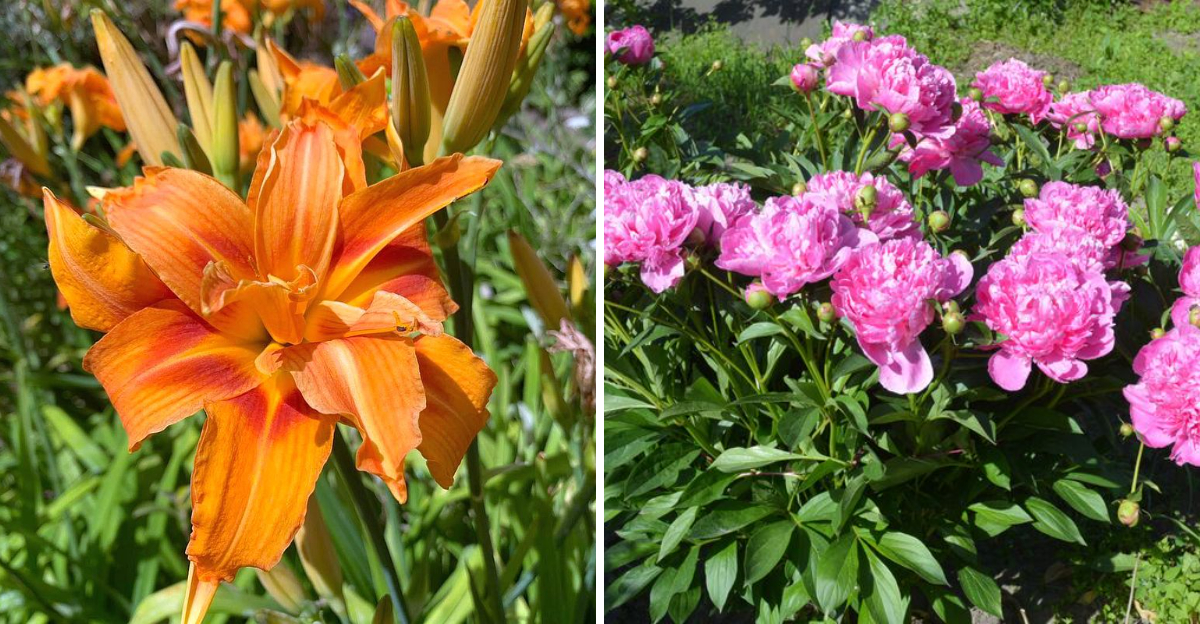
2. Daylilies (Hemerocallis Spp.)
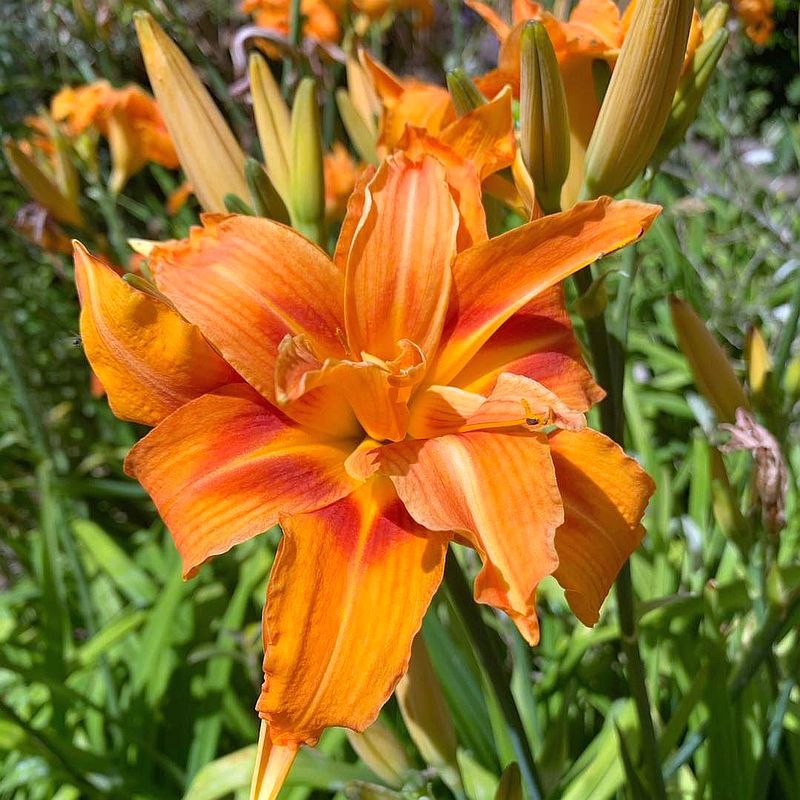
Daylilies are some of the toughest perennials you can grow in Texas. They handle heat, drought, and neglect better than most plants.
But even tough plants need a little attention sometimes, and July is the perfect month to divide overcrowded daylily clumps.
Your Texas Garden Changes Every Week. Your Plan Should Too.
Gardening in Texas changes quickly throughout the season. Every Friday you’ll receive a simple weekly plan showing exactly what to plant, prune, fertilize, harvest, and protect so you never miss the right timing.
When daylilies get too crowded, they stop blooming as well. You might notice fewer flowers, smaller blooms, or a big clump of foliage with very little color.
That is your sign that it is time to divide. Splitting the clumps gives each plant more nutrients, water, and space to grow strong roots.
Start by digging up the entire clump with a garden fork. Gently shake off the loose soil so you can see the individual fans of leaves.
Pull the fans apart by hand or use a sharp knife if the roots are tightly tangled. Each division should have a healthy fan of leaves and a good set of roots attached.
Replant the divisions quickly so the roots do not dry out in the hot Texas sun. Water them in well and keep them consistently moist for the first couple of weeks. A light layer of mulch helps protect the roots and keeps soil temperatures from spiking.
Daylilies divided in July often settle in fast and may even push out a few late-season blooms before fall arrives. That is a rewarding bonus for the effort you put in during the summer heat.
There are over 80,000 registered daylily cultivars in the world, so if you are looking to expand your collection, this is a great time to trade divisions with neighbors or local garden clubs.
3. Society Garlic (Tulbaghia Violacea)
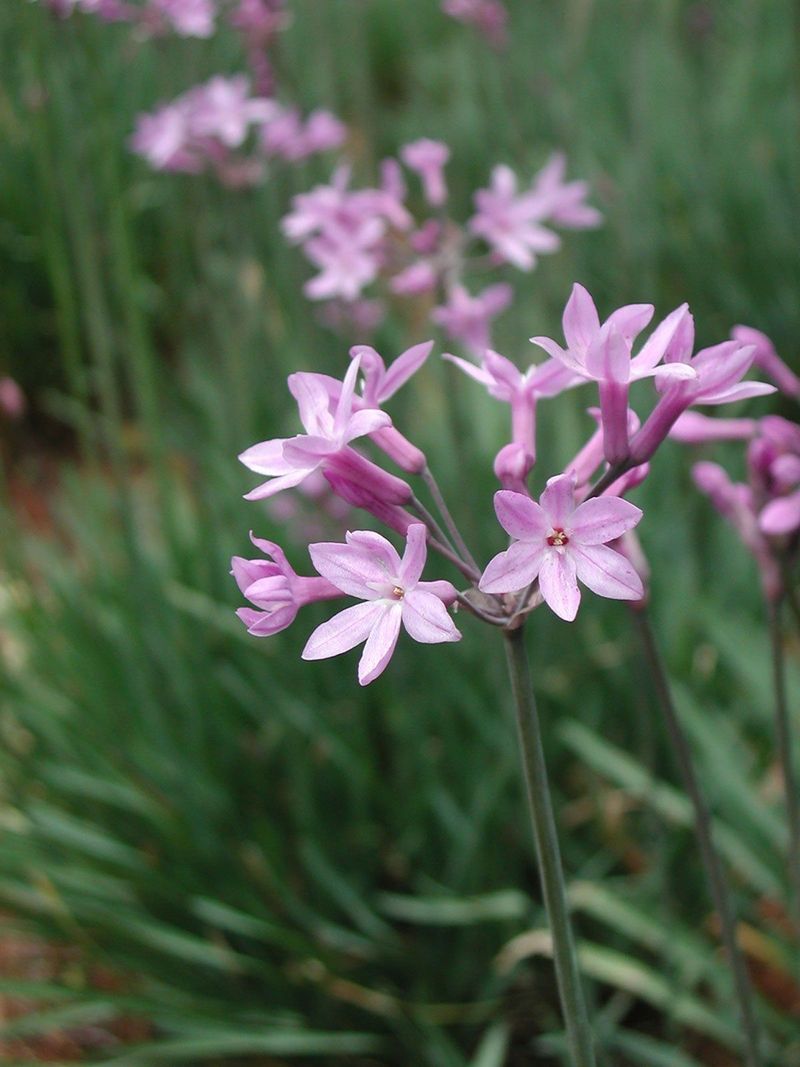
Society garlic might not be the most famous plant in the garden, but it is one of the hardest workers.
It blooms almost nonstop through the hottest months of the year in Texas, pushes through drought without much fuss, and smells pleasantly garlicky when you brush against its leaves.
July is an ideal time to divide it and spread more of that reliable beauty around your yard. This heat-loving perennial grows in clumps that slowly expand over time. When the clumps get large, the center can become woody and the blooms may thin out.
Dividing in July refreshes the plant and gives you more starts to fill other spots in your landscape.
To divide society garlic, dig up the clump and separate it into smaller sections. Each section should have several leaves and a healthy root system.
Replant them at the same depth they were growing before. Space the divisions about 12 inches apart to allow for good air circulation, which helps prevent fungal issues in humid summer weather.
Water the new divisions well right after planting. Society garlic is drought-tolerant once established, but it needs regular moisture for the first week or two after being moved.
After that, it is pretty much on its own and will reward you with clusters of delicate purple blooms.
The leaves and flowers of society garlic are actually edible and have a mild garlic flavor. Some people use them in salads or as a garnish.
It is a fun plant that pulls double duty as both an ornamental and an edible herb in the garden.
Planting society garlic near roses or vegetable beds may also help deter certain pests naturally.
4. Irises (Iris Spp.)
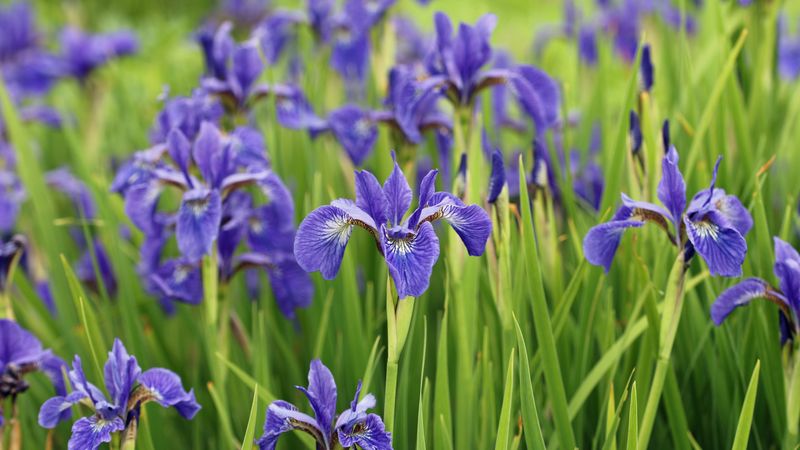
Irises are gorgeous, and it is tempting to want to work with them whenever you have a free afternoon in the garden.
But July is not the right time to divide them in Texas, even though some gardening calendars suggest mid-summer division. In the Lone Star State, the heat in July is just too extreme for iris rhizomes to handle well.
When you dig up and divide irises during peak summer heat, the exposed rhizomes can get scorched by the sun and stressed by the high temperatures. This kind of stress often leads to fewer blooms the following spring.
The whole point of dividing irises is to get more flowers, so doing it at the wrong time defeats the purpose entirely.
The best time to divide irises in Texas is after they finish blooming, which is usually in late spring, or you can wait until late summer or early fall when temperatures start to drop a bit.
Somewhere between late August and October tends to work well, depending on your part of the state.
Irises need their rhizomes to be partially exposed when replanted, not buried deep. This is a common mistake that leads to poor blooming.
Make sure the tops of the rhizomes sit just at or slightly above the soil surface after dividing and replanting.
If your irises are looking crowded right now in July, just make a mental note and mark the clumps so you remember to come back to them in early fall.
A little patience goes a long way with these elegant plants. Skipping July division protects next year’s spectacular bloom show.
5. Tulips (Tulipa Spp.)
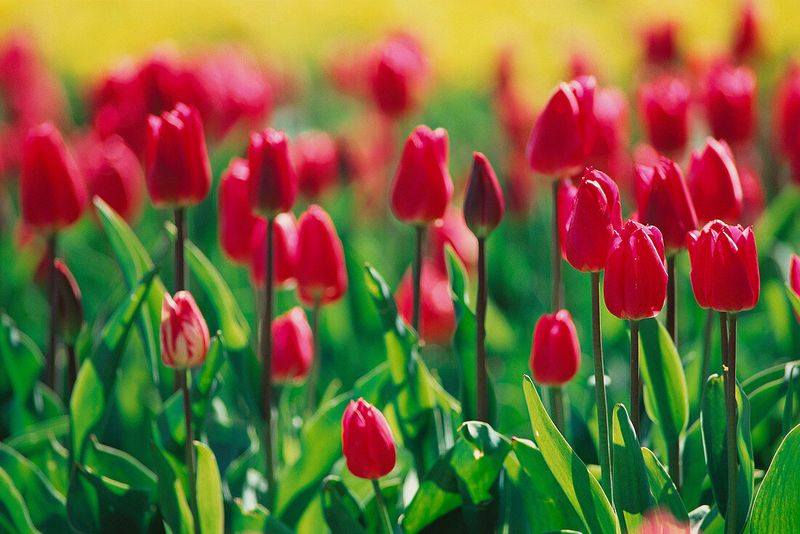
Tulips are a bit of a challenge to grow in Texas to begin with, since they need a cold period to bloom properly. Most Texas gardeners treat them as annuals, chilling the bulbs in the refrigerator before planting in late fall.
With that in mind, July is absolutely the worst time to be digging up or dividing tulip bulbs in Texas.
By July, tulip foliage has already turned yellow and dried back. The bulbs are in a dormant state underground, waiting out the brutal summer heat.
Disturbing them now by digging and dividing can cause damage to the bulbs before they have fully prepared themselves for the next growing cycle.
Heat stress on bulbs during summer dormancy can weaken them significantly. Tulip bulbs that get too warm or too dry during this phase may not perform well when it is time to bloom.
Digging them up in July exposes them to direct sun and extreme heat, which can cause the outer layers to break down and the bulb to lose moisture rapidly.
If you want to save your tulip bulbs for replanting, the best approach is to wait until the foliage has completely dried and browned on its own.
Then store the bulbs in a cool, dry, well-ventilated location until fall planting time. A mesh bag or paper bag works better than plastic for storage.
Texas gardeners often skip saving tulip bulbs altogether because the climate makes reliable repeat blooming difficult.
Buying fresh, pre-chilled bulbs each fall is often a simpler and more successful strategy than trying to save and divide bulbs through a scorching Texas summer.
6. Peonies (Paeonia Spp.)
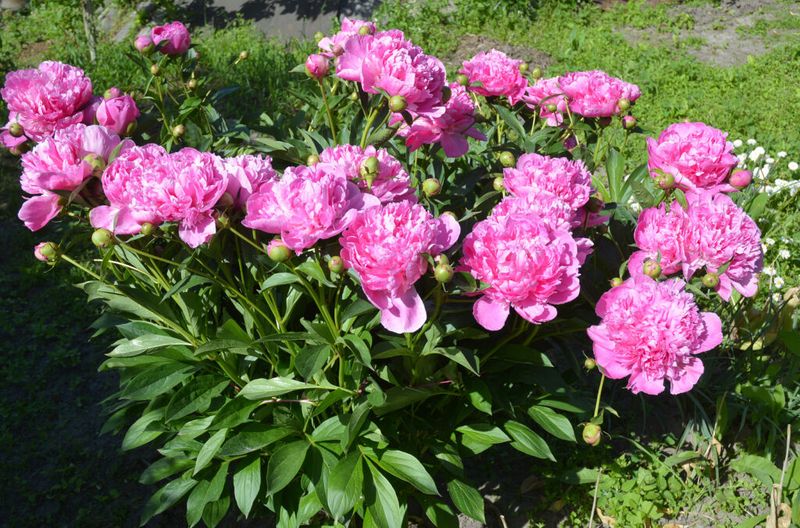
Peonies are beloved for their big, fluffy, fragrant blooms that feel like something out of a fairy tale.
Growing them in Texas is already a stretch since they prefer cooler climates, but some gardeners in the northern parts of the state do manage to grow them successfully. One thing that is certain, though, is that July is not the time to divide them.
Peonies need a period of cool dormancy to rest and recharge their root systems. Dividing them in July, when Texas heat is at its most punishing, puts enormous stress on the roots.
The intense sun and high temperatures can cause the freshly cut root sections to dry out quickly before they have a chance to establish themselves in the soil.
Attempting to divide peonies mid-summer often results in weak plants that struggle to bloom the following year.
Since peonies already take a few years to settle in and bloom well after being divided, causing extra stress only pushes that timeline back further. You could end up waiting even longer for those gorgeous flowers.
The ideal time to divide peonies in Texas is in the fall, usually between late September and November. By then, the worst of the heat has passed and the soil is starting to cool down.
This gives the roots time to settle in before winter and set the stage for a better bloom in spring.
When you do divide peonies in fall, make sure each division has at least three to five eyes, which are the pinkish-red buds on the roots.
Plant them so the eyes sit about one to two inches below the soil surface. Planting too deep is one of the most common reasons peonies refuse to bloom.