This Texas Garden Weed Gets Less Attention Than Fire Ants But Spreads Twice As Fast
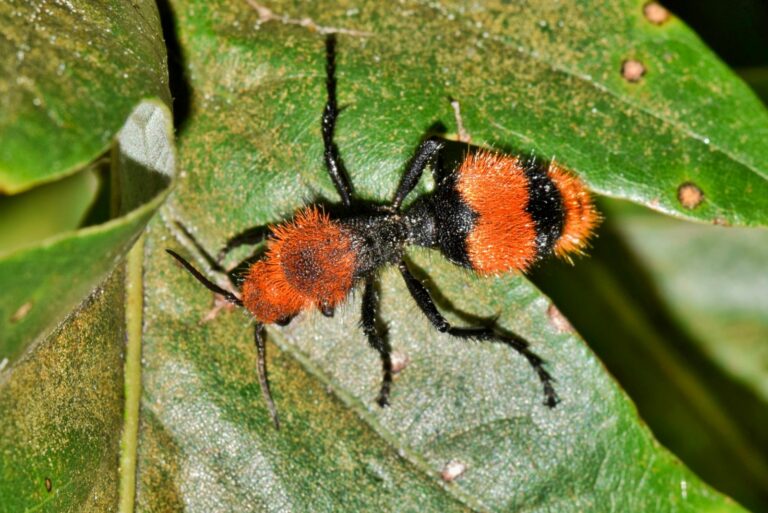
Texas gardeners have a long list of things they keep an eye out for, and fire ants tend to sit near the top of that list for good reason.
What gets far less attention is a garden weed that spreads through Texas yards and beds with a speed and persistence that rivals anything with legs.
This one works quietly, staying low to the ground and blending into the surroundings well enough that most people do not notice it until it has already claimed significantly more space than they realized.
By midsummer it can cover bare soil in a way that makes it feel like it appeared overnight, and the seed production it achieves before anyone gets around to pulling it ensures the problem is even bigger the following season.
Knowing this weed by sight early in the season, understanding how it spreads, and acting on it before it sets seed is one of the more impactful things a Texas gardener can do to save themselves a significant amount of frustration.
Spotted Spurge Spreads Incredibly Fast
You might walk past it every single day without realizing what it is. Spotted Spurge, known scientifically as Euphorbia maculata, is a low-growing annual weed that hugs the ground so tightly it almost looks like it belongs there.
It is one of the most aggressive warm-season weeds found in Texas gardens, and it rarely gets the attention it deserves.
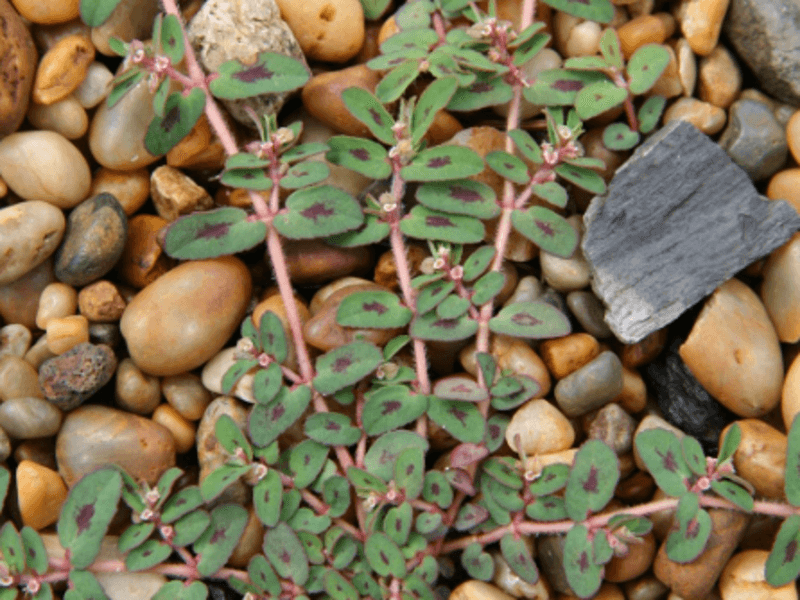
What makes Spotted Spurge so sneaky is its mat-forming habit. It spreads outward in a flat, wide circle, growing only one to three inches tall.
Because it stays so close to the ground, it can easily hide beneath taller grass or blend into garden borders. Before long, a single plant can cover a surprising amount of space.
One of its most recognizable features is the milky white sap that oozes out when a stem is broken. That sap is a clear giveaway that you are dealing with Spurge and not some harmless ground cover.
The plant produces tiny flowers and seeds in large quantities, which is exactly how it takes over so quickly.
Many gardeners first notice Spotted Spurge along sidewalk cracks, in garden paths, or at the edges of mulched beds. It loves bare, sunny spots and does not need rich soil to thrive.
In fact, the worse the soil conditions, the more comfortable Spotted Spurge seems to feel. Understanding just how fast and quietly it spreads is the first step toward keeping it under control in your Texas yard.
Why It Spreads So Fast
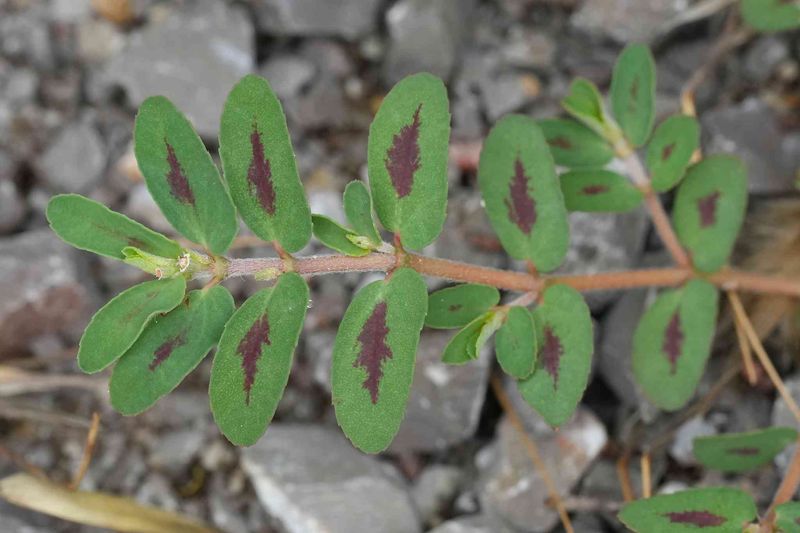
A single Spotted Spurge plant can produce thousands of seeds over the course of one growing season. That number is not an exaggeration.
Studies have shown that one mature plant can release anywhere from 2,000 to 4,000 seeds before the summer is over. Those seeds do not sit around waiting for perfect conditions either.
They germinate quickly in warm temperatures, and Texas summers give them exactly the heat they need.
The seeds are incredibly small and lightweight, which means they travel easily. Wind, water runoff, garden tools, and even foot traffic can carry them from one part of your yard to another without you noticing.
Your Texas Garden Changes Every Week. Your Plan Should Too.
Gardening in Texas changes quickly throughout the season. Every Friday you’ll receive a simple weekly plan showing exactly what to plant, prune, fertilize, harvest, and protect so you never miss the right timing.
Once they land in a sunny, open patch of soil, they can sprout in just a few days under the right conditions.
Spotted Spurge also loves the kind of soil that is common in Texas yards. Compacted, dry, and disturbed soils are its favorite growing spots.
Driveways, garden pathways, areas under trees where grass struggles, and recently tilled flower beds are all prime real estate for this weed. It is perfectly adapted to tough conditions that would stop other plants cold.
Another reason it spreads so fast is that it starts producing seeds very early in its life cycle. A young plant does not need to reach full size before it begins setting seeds.
That means even if you catch it somewhat late, it may have already scattered seeds nearby. Acting quickly when you first spot it is always the smartest move for protecting your garden from a full-blown Spurge takeover.
How To Identify It
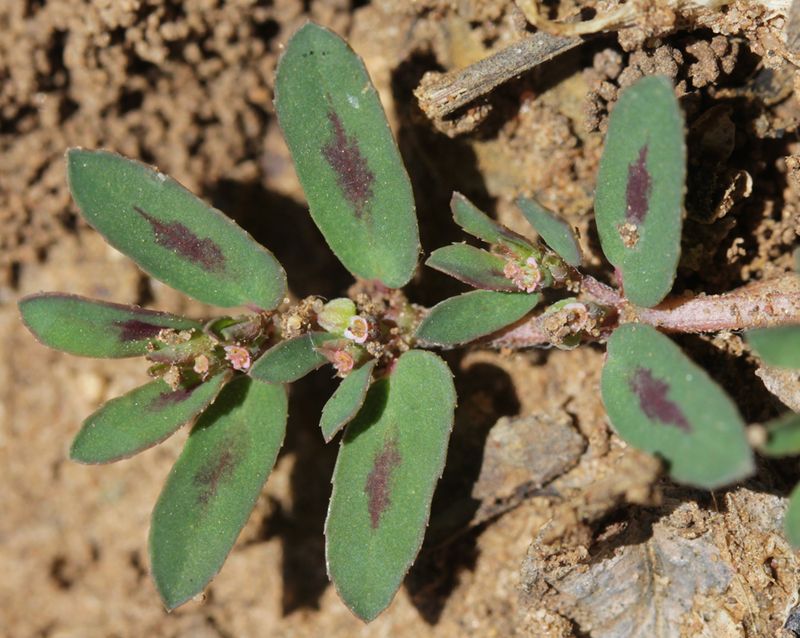
Knowing your enemy is half the battle. Spotted Spurge has a pretty distinct look once you know what to search for.
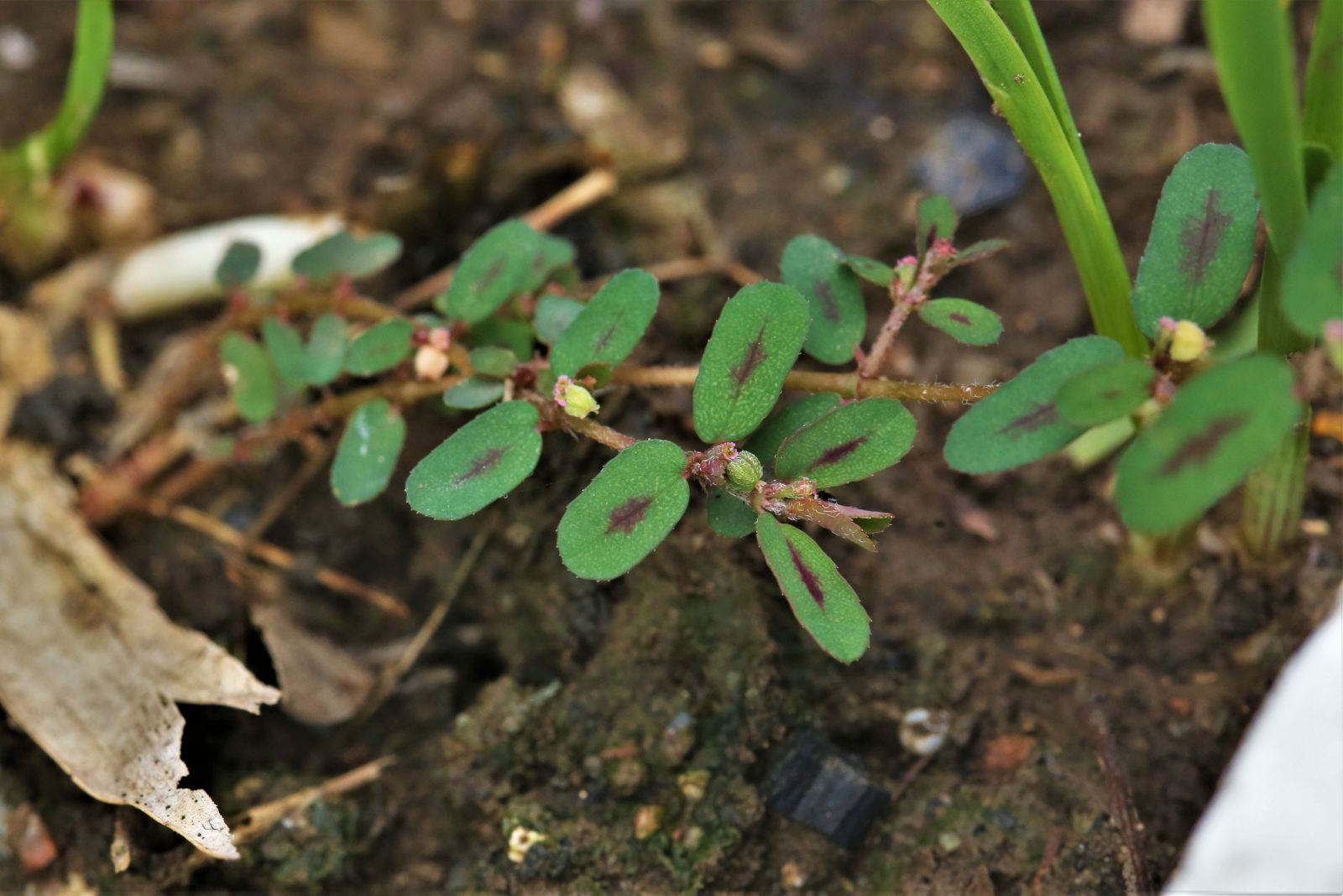
The plant grows flat along the ground in a star or mat shape, rarely rising more than three inches above the soil surface. Its stems are reddish or pinkish, especially near the base, and they branch out in multiple directions from a central taproot.
The leaves are small, oval-shaped, and grow in pairs along each stem. Many leaves have a small dark reddish or purplish spot right in the center, which is actually how the plant got its name.
Not every leaf will show this spot clearly, but it is a helpful detail when you are trying to confirm what you are looking at. The overall color of the plant is a medium green, sometimes with a slightly grayish tint.
When a stem is broken or pulled, a thick milky white sap appears almost immediately. This latex-like sap is one of the most reliable ways to confirm you are dealing with Spurge rather than a look-alike weed.
Handle it carefully, though, because the sap can cause mild skin irritation in some people, especially those with sensitive skin.
Spotted Spurge forms dense, overlapping mats that crowd out grass and ornamental plants by blocking sunlight and competing for water. In lawns, it often shows up as irregular patchy areas where the grass looks thin or stressed.
In flower beds, it can appear suddenly around the base of plants. Catching it early, while the mats are still small, makes removal much easier and less time-consuming.
The Risks Of Ignoring It
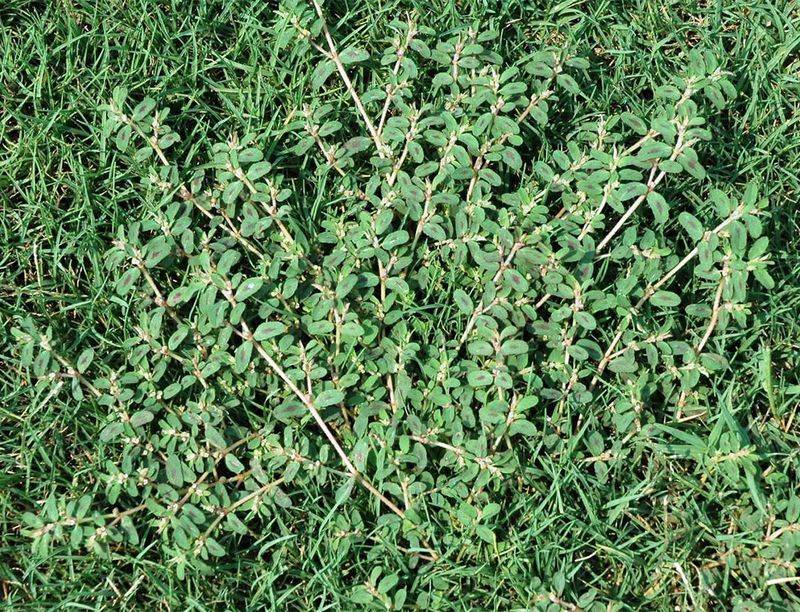
Leaving Spotted Spurge unchecked in your garden is a decision you will almost certainly regret by midsummer. Once it gets a foothold, it competes aggressively with everything around it.
Lawns, flower beds, and vegetable gardens all suffer when Spurge is allowed to spread freely. It pulls water and nutrients away from the plants you actually want to grow.
The mats it forms are thick enough to smother small seedlings completely. If you have recently planted seeds or young transplants in your garden, Spotted Spurge can block the sunlight they need to grow properly.
Vegetable gardens are especially vulnerable because seedlings are small and fragile during the early weeks after planting. A fast-moving Spurge mat can set back an entire bed in a matter of days.
Beyond competing for resources, the plant also has a physical effect on the soil. Its dense root systems and ground-covering mats can make it harder for water to reach deeper soil layers, which affects the health of nearby plants over time.
Lawns covered in Spurge often look patchy, thin, and stressed even when they are being watered regularly.
The milky sap is another concern worth mentioning. While it is not highly toxic, it can cause noticeable skin and eye irritation for some people, particularly children who play in the garden or anyone with sensitive skin.
Wearing gloves when pulling Spurge by hand is always a smart habit. Ignoring this weed does not just cost you a pretty garden.
It can reduce your overall garden productivity and make the growing season feel like a constant uphill struggle.
Control And Prevention
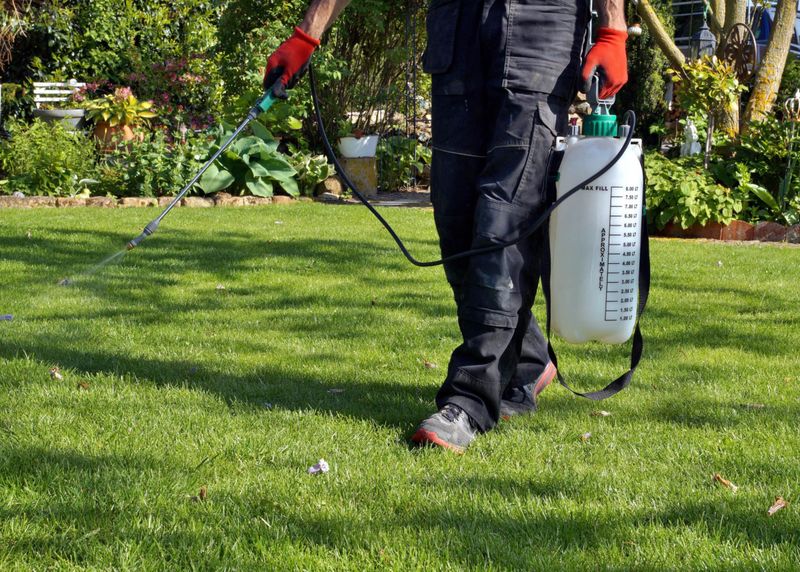
Getting rid of Spotted Spurge does not have to feel overwhelming if you tackle it with a clear plan. Hand-pulling is the most straightforward method for small infestations.
Grab the plant close to the base and pull firmly to remove as much of the taproot as possible. Always wear gloves to protect your skin from the milky sap.
Remove pulled plants from the garden completely rather than leaving them on the soil, since they can still set seeds even after being uprooted.
For larger infestations or to prevent Spurge from coming back next season, pre-emergent herbicides are a powerful tool. These products work by stopping seeds from germinating in the first place, so timing is everything.
Apply a pre-emergent in early spring, before soil temperatures climb above 60 degrees Fahrenheit. In Texas, that window usually falls somewhere between late February and early March depending on your region.
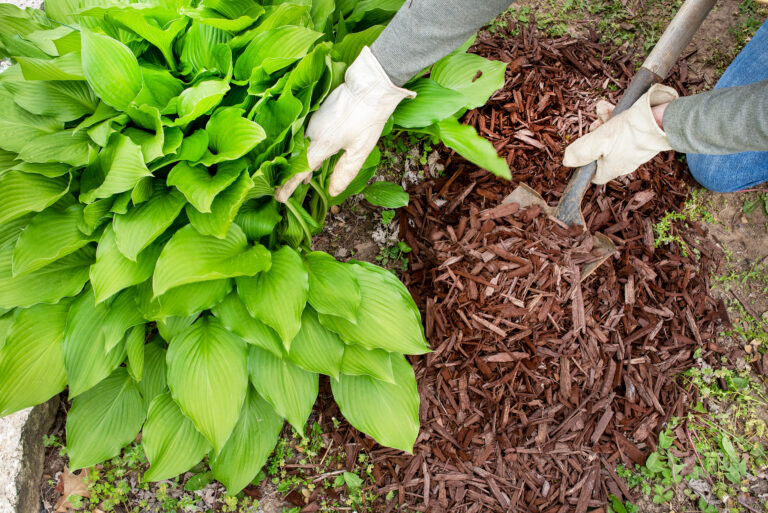
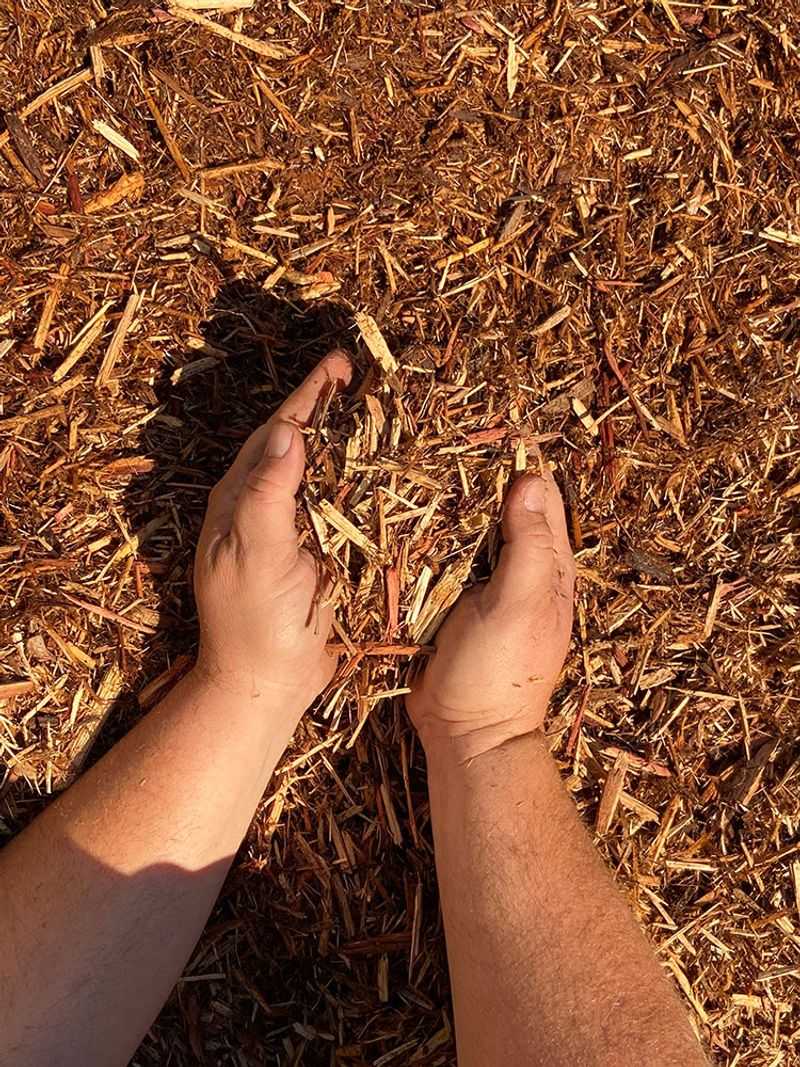
Mulching is another highly effective strategy. A thick layer of organic mulch, about two to three inches deep, blocks sunlight from reaching the soil surface and makes it much harder for Spurge seeds to sprout.
Keep mulch refreshed each season for the best results. Bare soil is an open invitation for Spurge to move in.
Maintaining a healthy, dense lawn is one of the best long-term defenses you have. Thick grass crowds out weeds naturally by leaving no open space for seeds to settle.
Regular fertilizing, proper watering, and correct mowing height all contribute to a lawn that is strong enough to resist Spotted Spurge on its own.
Combining these cultural practices with targeted herbicide use gives you the best chance of keeping this weed out for good.
Seasonal Tips For Texas Gardens
Timing your efforts against Spotted Spurge makes a huge difference in how well your control strategy works. Spring is the most critical season to stay alert.
As soon as daytime temperatures start climbing consistently into the 70s, Spurge seeds begin waking up. Walk your yard regularly in March and April to catch any early growth before it has a chance to spread and set seeds of its own.
During summer, focus your attention on the hottest and driest areas of your yard. Sunny spots near driveways, sidewalks, and along fence lines are where Spurge tends to show up first and grow the fastest.
These areas dry out quickly, which is exactly the kind of environment Spurge prefers. Checking these zones every week or two during June, July, and August keeps small problems from turning into big ones.
Reducing the number of places where Spurge can easily germinate is a smart seasonal habit. Break up patches of compacted soil and work organic matter into bare areas to improve soil structure.
Healthy, loose soil supports the plants you want while making it harder for weeds to establish strong root systems. Clearing away dry debris and old plant material also removes potential hiding spots for seeds waiting to sprout.
Fall is a good time to apply a fresh layer of mulch and assess how well your control efforts worked during the growing season. If Spurge was a recurring problem, consider applying a pre-emergent in late winter before temperatures rise again.
Staying consistent year after year is the real secret to long-term success. Spotted Spurge is persistent, but so can you be with a reliable seasonal routine in place.