These Signs Suggest Your Plant Has Been Severely Affected By Florida Heat
Florida summer heat hits hard and plants feel every degree of it. Wilting, scorched leaf edges, curled foliage, pale color, dropped flowers, young fruit on the ground, these are all signals that something is off, but they are not always telling the same story.
That is where Florida summer gardening gets genuinely tricky.
Heat stress, drought stress, root problems, pests, disease, and poor drainage can all produce symptoms that look remarkably similar, and jumping to the wrong fix wastes time and can make a struggling plant worse.
Checking the whole plant carefully before doing anything else is the kind of habit that separates gardeners who solve problems from those who accidentally create new ones.
In Florida’s intense summer conditions, a little diagnosis goes a long way.
1. Wilting That Does Not Improve By Morning
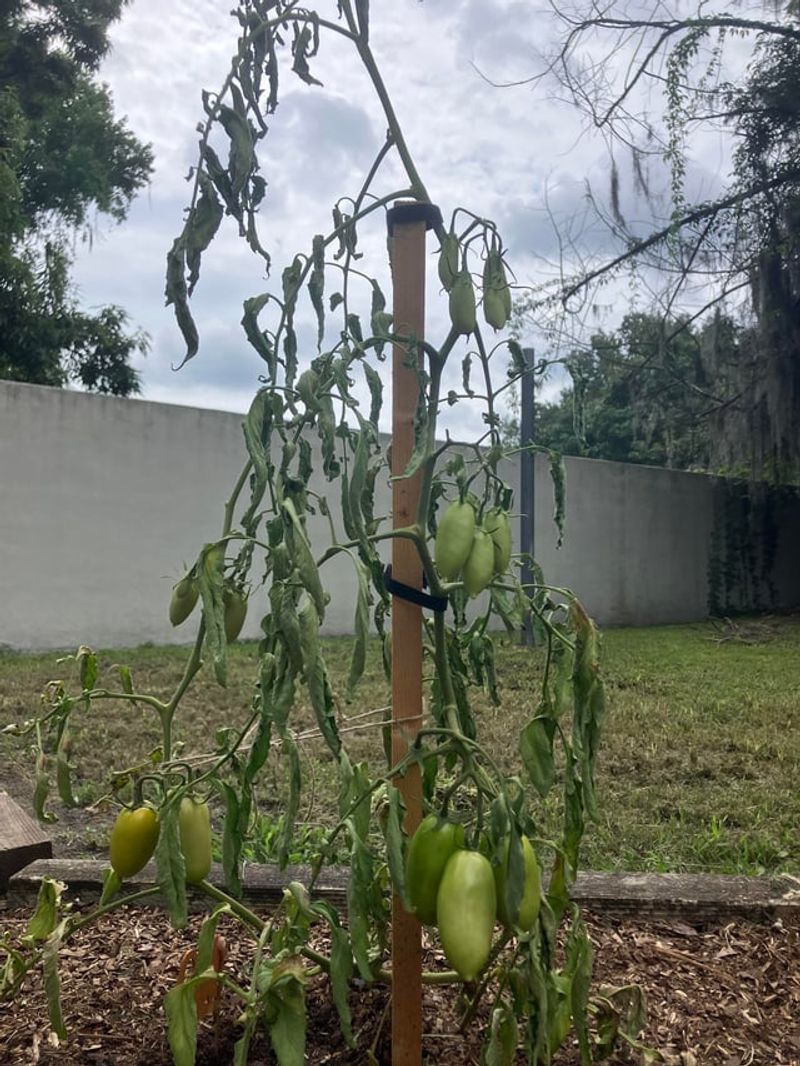
Drooping leaves late in the afternoon are something most Florida gardeners learn to expect during summer. Many plants temporarily lose their stiffness when the sun is at its strongest, and that kind of droop usually corrects itself once the evening cools things down.
The real concern starts when the wilting carries into the night or the plant still looks collapsed the next morning.
Morning wilting is a signal worth taking seriously. At that point, the plant has had hours to recover in cooler air, and if it has not bounced back, something deeper may be going on.
Before watering heavily, check the soil moisture a few inches down, because overwatered roots in Florida’s sandy or compacted soil can cause the same droopy appearance as drought stress.
Root problems, poor drainage, stem damage, and even certain fungal diseases can block water movement inside the plant and cause wilting that looks just like thirst. Checking for soft or discolored stems near the soil line can help rule out rot.
If the soil feels wet but the plant still droops, more water is likely not the answer.
Look at the whole picture, including recent rain, irrigation schedule, container size, and whether other plants nearby are showing the same pattern, before deciding how to respond.
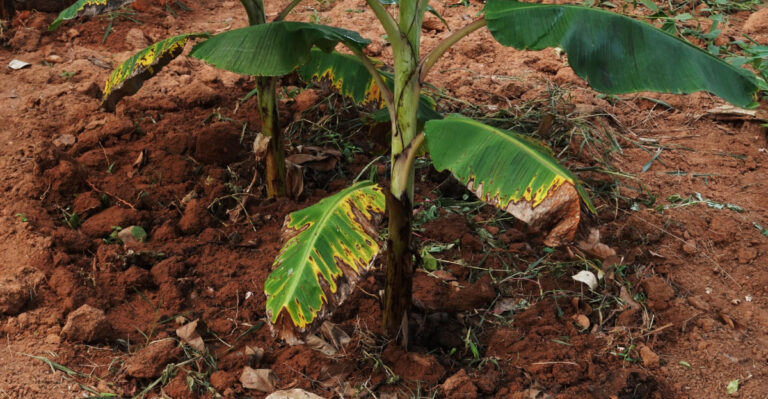
2. Leaf Edges Look Brown Or Scorched
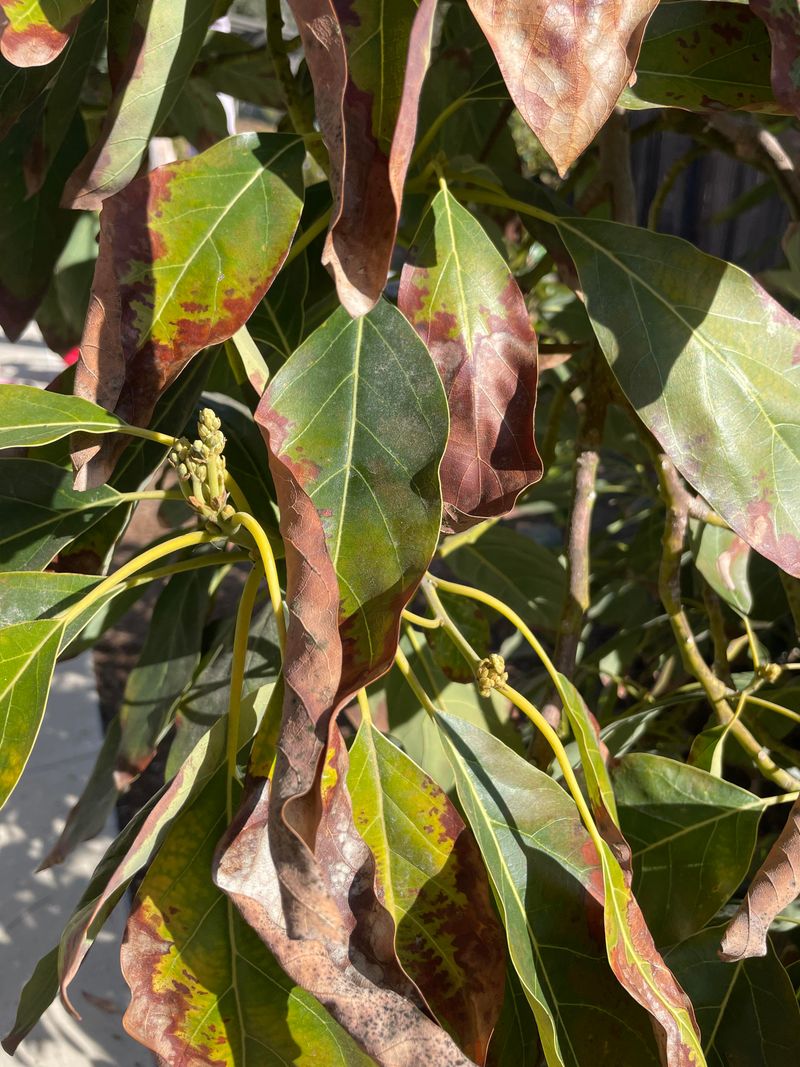
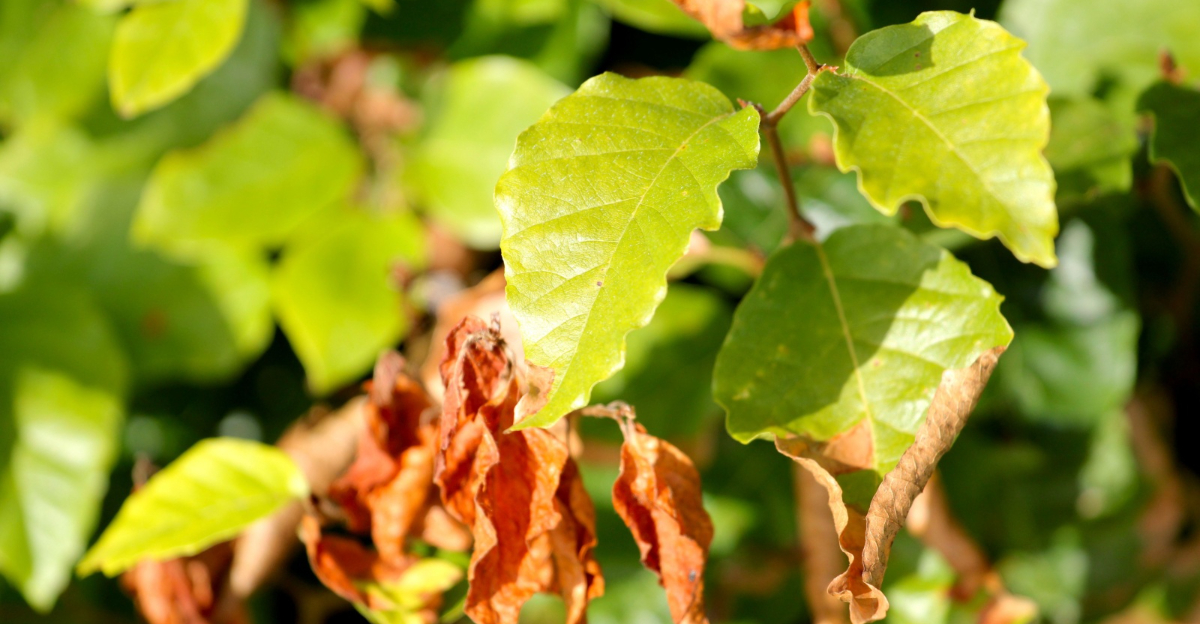
Crispy brown edges creeping across your plant’s leaves are one of the more dramatic-looking signs of heat stress, and they tend to alarm gardeners the moment they spot them.
What happens is fairly straightforward: when a plant loses moisture through its leaves faster than the roots can pull water up from the soil, the outer tissue starts to dry out and turn brown.
Florida’s intense summer sun can push that process along quickly, especially in exposed beds or on south-facing walls.
The tricky part is that scorched-looking leaf edges do not always mean the plant simply needs more water.
Salt buildup from fertilizer or irrigation water, root damage from pests like nematodes, compacted or waterlogged soil, and certain fungal or bacterial diseases can all create brown edges that look nearly identical to heat scorch.
Jumping straight to extra watering without investigating can sometimes make root problems worse.
Your Florida Garden Changes Every Week. Your Plan Should Too.
Gardening in Florida changes quickly throughout the season. Every Friday you’ll receive a simple weekly plan showing exactly what to plant, prune, fertilize, harvest, and protect so you never miss the right timing.
Check the soil moisture level, look at the roots if possible, and consider whether the plant has received any recent fertilizer applications.
Also look at how many leaves are affected and whether the damage is spreading from older leaves to newer ones or showing up randomly across the plant.
Patterns like that can point toward a nutrient or root issue rather than heat alone. Mulching around the base of the plant can help moderate soil temperature and reduce moisture loss between waterings.
3. Leaves Curl Or Fold During Heat
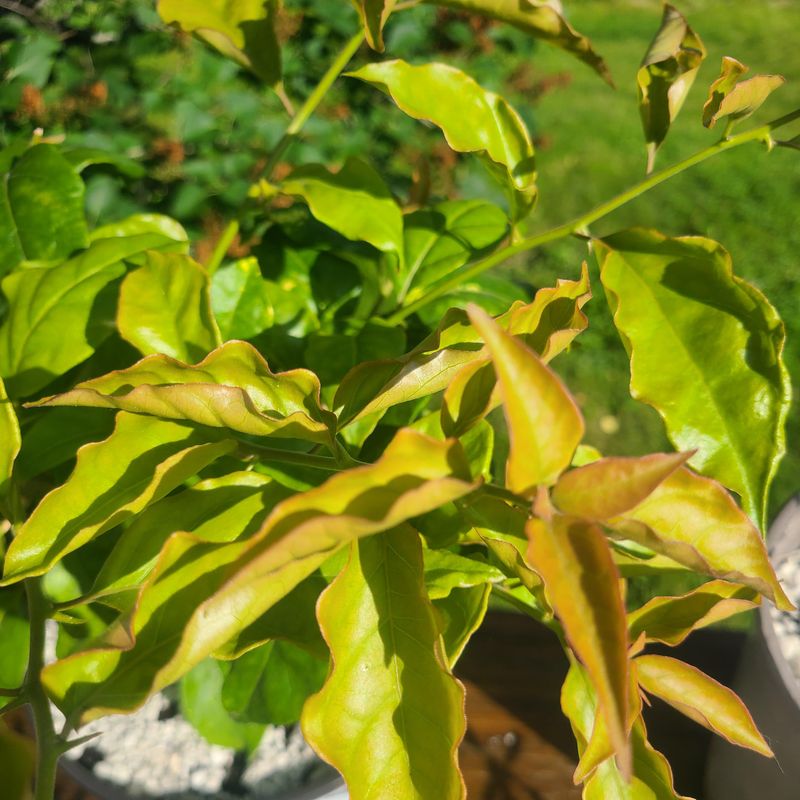
Watching a plant fold its leaves inward on a blazing Florida afternoon can feel alarming, but this response is actually a built-in survival strategy for many species. By curling or folding, leaves reduce the surface area exposed to direct sunlight, which slows down moisture loss.
Some plants do this quite dramatically, making them look almost wilted when they are simply managing the heat the best way they know how.
The concern comes when the curling does not ease up after the sun goes down or when it appears on new growth rather than older, more exposed leaves.
New leaves curling tightly can point to something beyond heat, including pest feeding from insects like aphids or thrips, viral issues, or irregular watering patterns.
Florida’s afternoon thunderstorms can create uneven soil moisture in raised beds and sandy yards, which may contribute to leaf curl even when the weather seems to be helping.
Before taking action, compare the curled leaves to the rest of the plant. If older leaves look fine and only new growth is affected, that pattern is worth paying attention to.
If the whole plant is curling and the soil feels dry a few inches down, consistent moisture and some afternoon shade cloth might help the plant settle.
Avoid fertilizing a plant that is actively curling and stressed, since pushing new growth during heat strain can make recovery harder rather than easier.
4. Foliage Turns Pale, Yellow, Or Dull
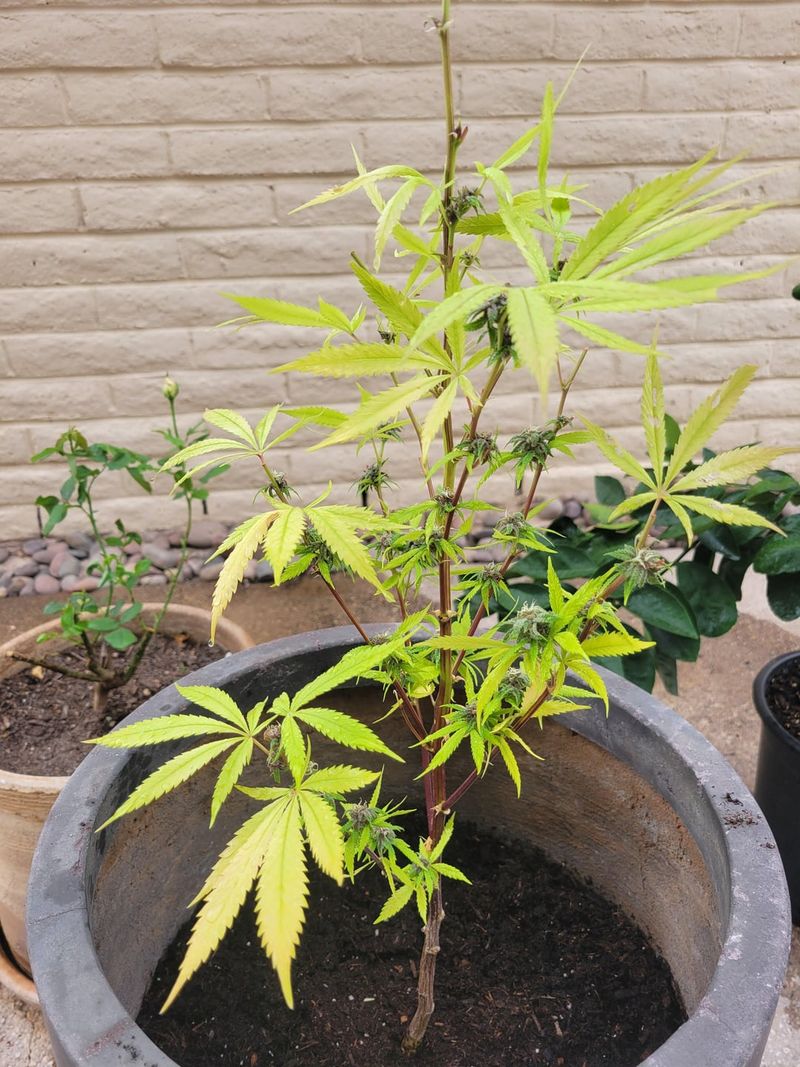
A plant that once had deep green, glossy leaves suddenly looking washed out, pale, or yellowish is the kind of change that makes you stop and stare.
Color loss in foliage is one of those signs that can mean several different things at once, and Florida’s summer heat is just one possible piece of the puzzle.
When temperatures stay high for extended stretches, some plants redirect energy away from leaf pigment and growth, which can make the whole plant look faded or dull.
Heat alone rarely causes uniform yellowing across an entire plant. More often, the pattern of color change offers clues.
Yellowing that starts on older leaves and moves toward new growth may point to a nutrient deficiency, which is common in Florida’s naturally sandy, low-organic soils.
Yellowing that begins on new leaves first can suggest iron or manganese issues, which sometimes appear when soil pH is off or when roots are waterlogged.
Nematodes, root rot, and certain fungal diseases can also cause pale or yellowing foliage by damaging the roots and cutting off nutrient uptake.
Before adding fertilizer, check the soil drainage and consider whether the plant has been sitting in overly wet conditions after heavy rain or irrigation.
Adding compost or mulch to improve soil structure can support root health over time. Getting a soil test through a local extension office can also take the guesswork out of nutrient decisions.
5. Flowers Drop Before Opening
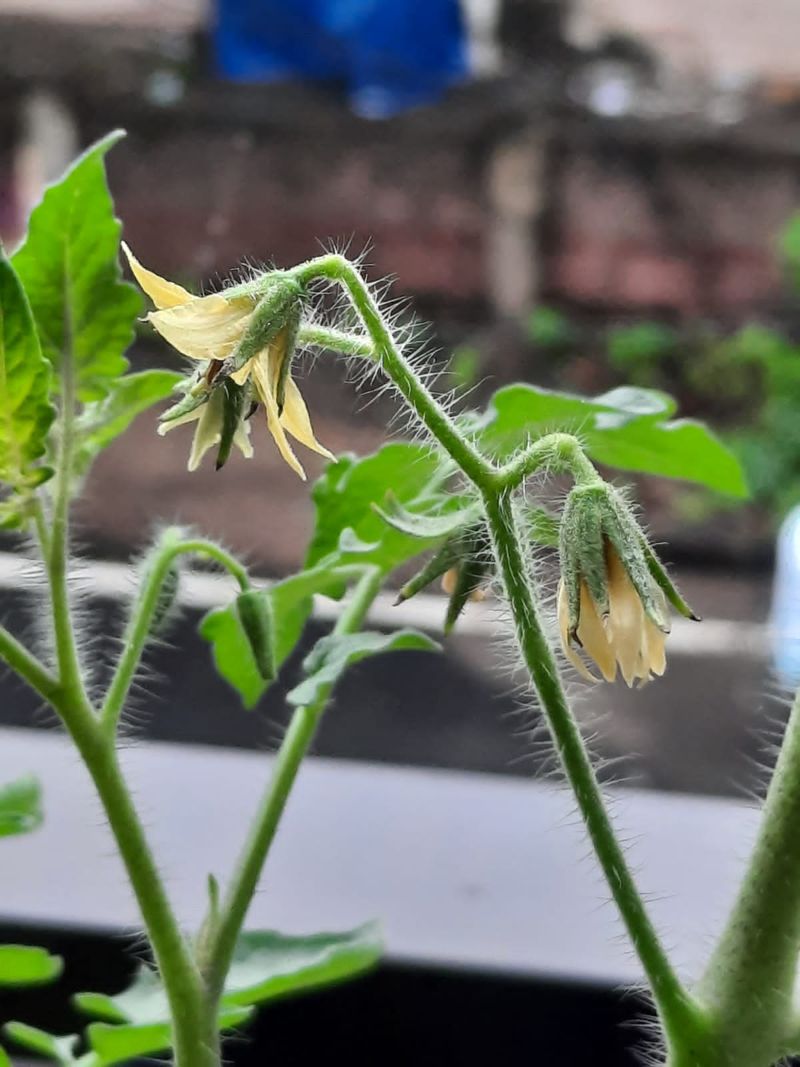
Finding a cluster of tiny dropped flower buds or unopened blooms scattered under your plant is one of the more frustrating things Florida gardeners deal with during the summer stretch.
Plants put a lot of energy into producing flowers, and when conditions get too stressful, they shed those blooms before they ever get the chance to open or set fruit.
High heat, especially when nighttime temperatures stay elevated for several nights in a row, can interfere with the pollination process and trigger this kind of drop.
Tomatoes are probably the most well-known example in Florida vegetable gardens, but peppers, beans, and several ornamental plants also drop flowers when temperatures climb above their comfortable range.
Uneven soil moisture plays a role too, since swinging between dry and wet conditions confuses the plant’s systems and adds stress on top of heat pressure.
Florida’s summer pattern of intense sun followed by afternoon downpours can create exactly that kind of inconsistency.
Humidity also matters in this equation. When heat and humidity combine, pollen can become sticky or clump together, making successful pollination less likely even when pollinators are present.
Keeping soil moisture steady with consistent irrigation or mulch can reduce one layer of stress.
Avoid heavy fertilizer applications during flower drop, since pushing leafy growth at that moment pulls energy away from any blooms that might still have a chance to develop and hold.
6. Young Fruit Drops From The Plant
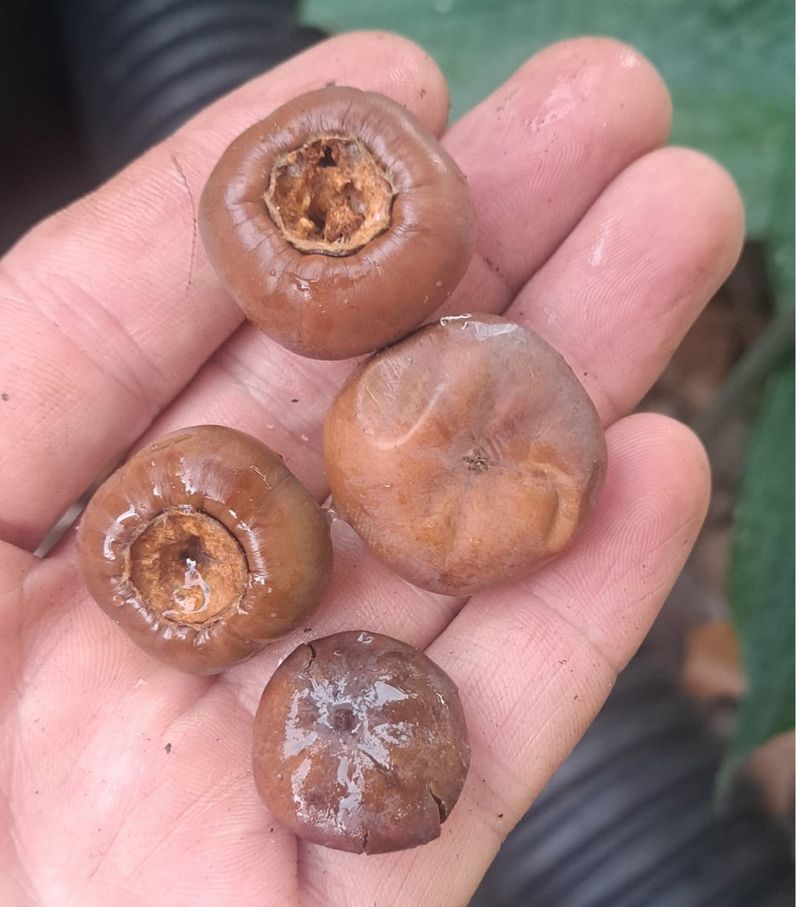
Spotting tiny, underdeveloped fruit on the ground beneath your plant before you ever had a chance to harvest anything is a disheartening experience, especially after weeks of watering and tending.
Young fruit drop is a real response to plant stress, and Florida’s summer heat is one of the conditions that can push a fruiting plant to shed its developing load.
When the plant senses it cannot support both survival and fruit development at the same time, it lets go of the fruit first.
Drought stress and uneven irrigation are closely linked to this kind of drop. Sandy Florida soils drain quickly, and without consistent moisture in the root zone, plants under fruiting pressure can dry out faster than expected between waterings.
Mulching around the base of the plant, about two to three inches deep and pulled slightly away from the stem, helps hold soil moisture and keeps root temperatures more stable during the hottest parts of the day.
Before reaching for fertilizer to boost the plant, check soil moisture at root depth, inspect the roots for signs of damage or rot, and look at the irrigation schedule.
Nematodes, which are microscopic worms common in Florida soils, can damage roots enough to cause symptoms that look like drought or heat stress even when watering seems adequate.
If fruit drop keeps happening season after season in the same spot, a soil assessment may help identify whether root-zone conditions are contributing to the problem.
7. Potted Plants Feel Hot And Dry Fast
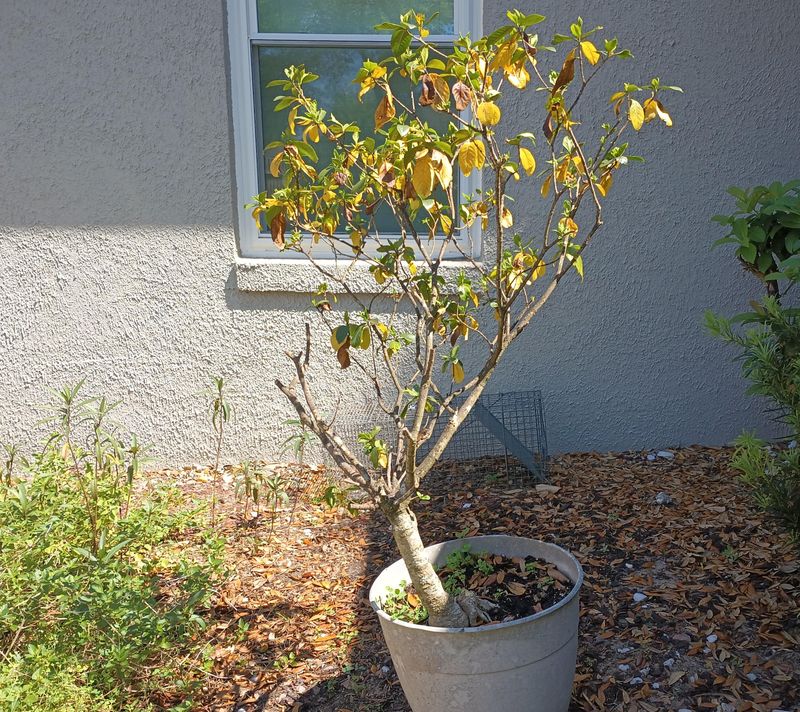
Container plants on Florida patios, balconies, driveways, and pool decks face a heat challenge that in-ground plants simply do not. The pot itself absorbs heat from the sun and from reflective surfaces nearby, and that heat transfers directly into the root zone.
Dark-colored pots and metal containers can reach temperatures that would surprise most gardeners, and small pots with limited soil volume dry out much faster than larger ones, sometimes within hours on a hot summer day.
Roots crowded into a warm, drying container have very little buffer against stress.
Unlike plants growing in the ground, where soil deeper down stays cooler and holds moisture longer, potted plants depend entirely on the small amount of soil inside the container.
Once that soil dries out, the roots feel the heat almost immediately, and the plant starts showing stress signals faster than you might expect.
Grouping containers together can help them shade each other slightly. Moving pots to a spot with afternoon shade during the peak summer months reduces heat exposure without fully sacrificing sunlight.
Watering in the morning rather than midday gives moisture time to soak in before the hottest hours arrive.
Checking soil moisture by pressing a finger an inch or two into the soil, rather than watering on a fixed schedule, helps avoid both underwatering and overwatering.
Repotting root-bound plants into larger containers before summer can also give roots more room and more insulation from heat.
8. Growth Slows Or Looks Stunted
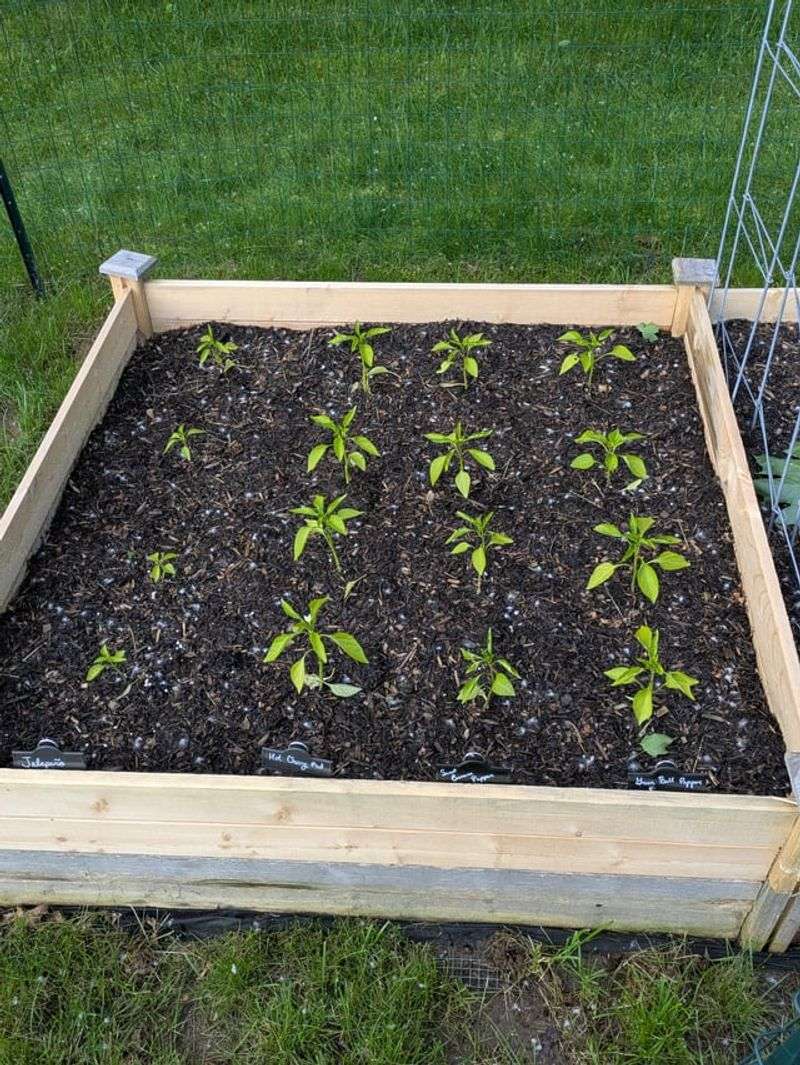
A plant that seems to have simply stopped growing during the height of Florida summer is not necessarily in crisis, but it is worth paying attention to.
Some slowing down is a normal response to extreme heat, since plants shift their energy toward survival rather than producing new leaves, stems, or roots when conditions get tough.
That said, growth that has stalled completely for weeks, or a plant that looks noticeably smaller and weaker than others of the same variety, may be dealing with something beyond seasonal heat adjustment.
Root zone problems are a common hidden cause of stunted growth in Florida gardens.
Nematodes damage roots in ways that limit the plant’s ability to take up water and nutrients, and the above-ground symptoms can look almost identical to heat or drought stress.
Poor drainage, compacted soil, or shallow containers can also restrict root development and make it harder for a plant to grow even when surface conditions look fine.
Pest pressure from insects feeding on stems or roots, along with certain fungal issues in the soil, can also slow growth significantly.
Looking at the plant as a whole, including checking the soil, examining roots when possible, and comparing the plant to others nearby, gives a more complete picture than focusing on one symptom alone.
Avoiding heavy fertilizer applications on a clearly stressed, slow-growing plant is a good practice, since adding nutrient pressure to an already struggling root system rarely speeds recovery.