Mulch These Texas Garden Areas Before June Ends Or Watch Plants Struggle Through July And August
June is almost gone, and if you haven’t mulched your Texas garden yet, the clock is ticking. July and August in Texas are not forgiving months.
The heat is relentless, the soil dries out fast, and plants that might have been doing just fine suddenly start showing serious signs of stress.
A lot of that suffering is completely preventable, and the solution is simpler than most people realize. Mulch is not optional in a Texas summer. It’s essential.
A good layer of mulch does more for your garden during these brutal months than almost anything else you can do.
It locks in moisture, keeps soil temperatures from spiking, suppresses weeds that compete with your plants for water, and protects root systems from the kind of heat that can cause real damage just below the surface.
But not every area of your garden needs the same approach, and not all mulch is created equal. Knowing where to focus your efforts before the real heat sets in makes a big difference in how your garden handles what’s coming.
1. Vegetable Beds
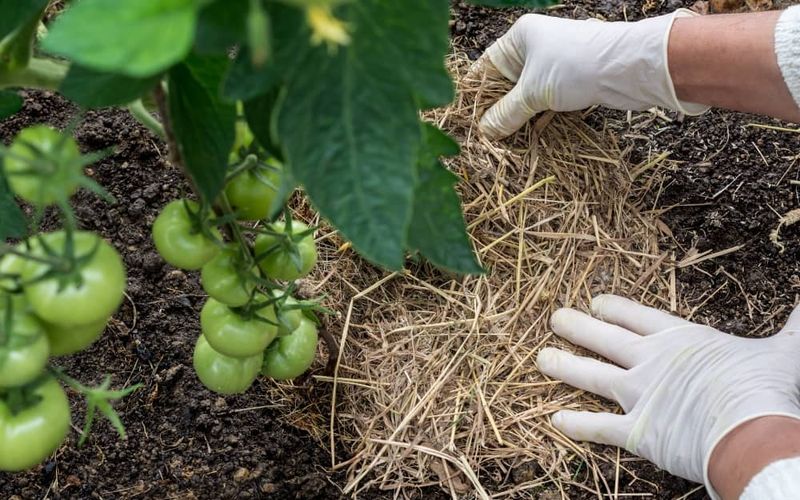
Walk out to your vegetable garden on a July afternoon in Texas and the ground feels like a skillet. Without mulch, the soil surface can reach temperatures that stress plant roots and cause vegetables to slow down or stop producing altogether.
Mulching your vegetable beds before June ends is one of the best moves you can make for your summer harvest.
A 2 to 3 inch layer of straw, wood chips, or shredded leaves works great for vegetable beds. Spread it around the base of your plants but keep it a couple of inches away from the stems so air can still circulate.
This small step keeps soil moisture locked in, which means you water less and your plants drink more consistently.
Weeds are another big problem in summer vegetable beds. They compete with your tomatoes, peppers, squash, and cucumbers for water and nutrients.
A good mulch layer blocks sunlight from reaching weed seeds, so far fewer weeds sprout up to cause trouble.
Mulch also helps balance soil temperature swings. Bare soil heats up fast during the day and cools rapidly at night.
That back and forth stresses roots. Mulched soil stays more even, which helps plants focus their energy on growing fruit instead of just surviving the heat.
Organic mulches like straw or compost also break down slowly over time and add nutrients back into the soil.
So not only are you protecting your vegetables right now, you are also improving your soil for next season. That is a win you can feel good about all year long.
2. Flower Borders
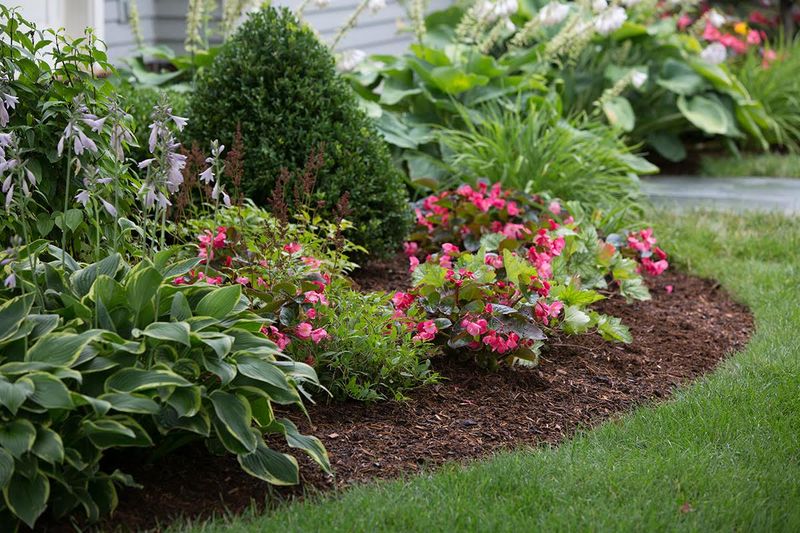
Flower borders take a beating in Texas summers. The combination of intense heat, dry air, and unpredictable rain can leave your blooms looking tired and worn out way before the season ends.
Mulching those borders before June wraps up gives your flowers a real fighting chance to stay vibrant and healthy through August.
Perennial flowers especially benefit from a protective mulch layer. Their root systems are sensitive to extreme heat, and when the soil dries out too fast, the roots struggle to pull up enough water to keep flowers blooming.
Your Texas Garden Changes Every Week. Your Plan Should Too.
Gardening in Texas changes quickly throughout the season. Every Friday you’ll receive a simple weekly plan showing exactly what to plant, prune, fertilize, harvest, and protect so you never miss the right timing.
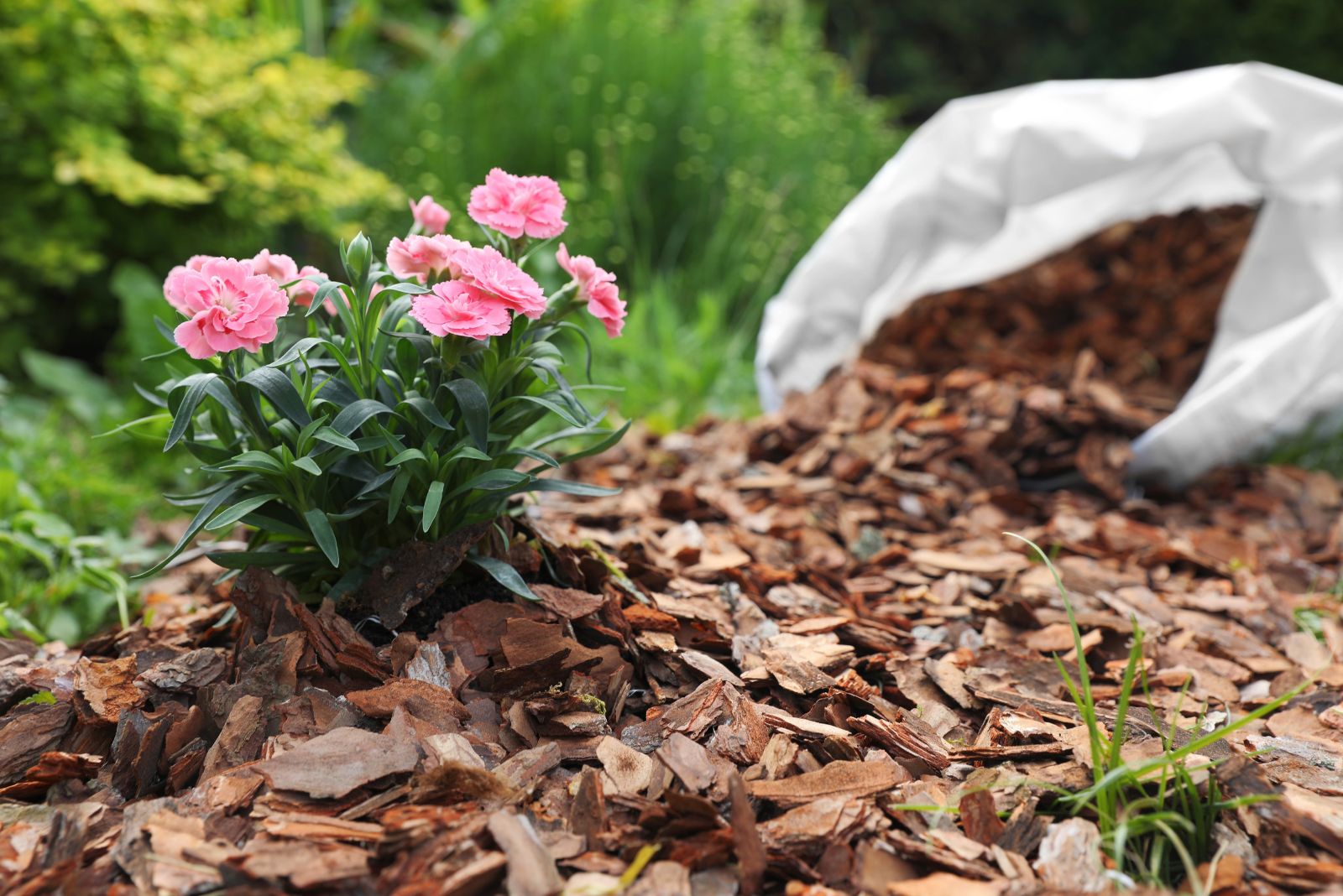
A 2 to 4 inch layer of shredded bark or wood chips around your flower borders acts as insulation, keeping root zones cooler and more moist.
One thing a lot of gardeners overlook is how much mulch extends bloom time. When plants are not fighting heat stress and water loss every single day, they put that saved energy into producing more flowers for longer.
You end up with a border that looks better well into late summer instead of fading out by mid-July.
Mulch also protects the soil structure in flower beds. Heavy rain, which Texas does get even in summer, can compact bare soil and wash away nutrients.
A mulch layer cushions that impact, keeping the soil loose and breathable so roots can spread easily.
Pine straw is a popular and affordable mulch choice for Texas flower borders. It is lightweight, easy to spread, and breaks down slowly.
Plus, it gives beds a neat, finished look that makes your whole yard feel more polished and well cared for all season long.
3. Around Young Trees
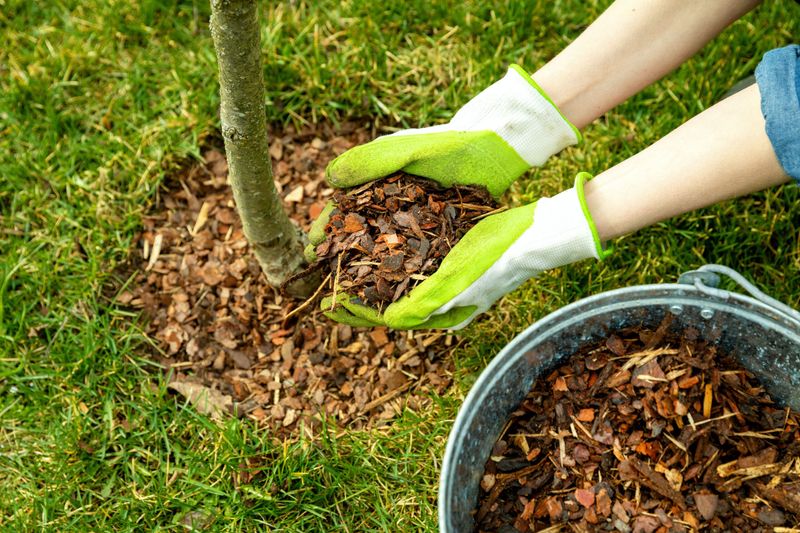
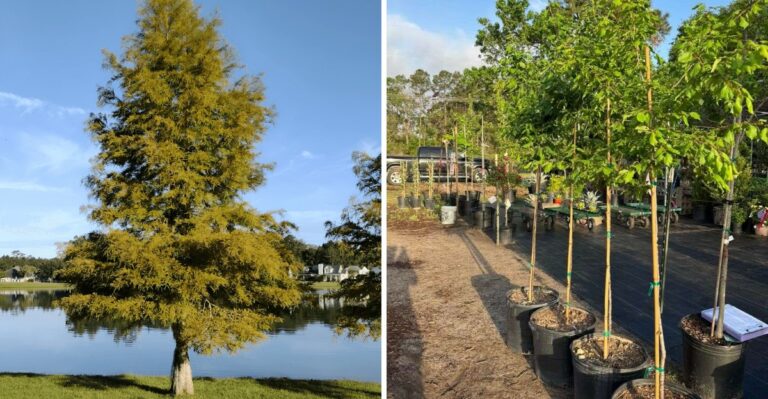
Young trees need extra care during their first few summers in the ground. Their root systems are still spreading out and establishing, which makes them far more vulnerable to heat and drought than mature trees.
Laying mulch around young trees before the summer heat peaks is one of the most effective ways to help them get through July and August in good shape.
The goal is to create a mulch ring that extends out to the edge of the tree’s canopy, or at least 3 to 4 feet from the trunk. Keep the mulch 2 to 3 inches deep and make sure it does not touch the bark of the trunk directly.
Piling mulch against the trunk can trap moisture and lead to rot or pest problems, so always leave a small gap around the base.
Shallow roots are a real concern for young trees in Texas clay and sandy soils. When the top layer of soil dries out completely, those young roots have nothing to grab onto.
Mulch slows evaporation dramatically, keeping the upper soil layer moist and accessible for roots that are still growing outward.
Weeds and grass growing right up to the trunk compete aggressively for water and nutrients. A clean mulch ring eliminates that competition and gives the tree a stress-free zone to grow in.
You will notice healthier leaf color and stronger growth when a young tree is not sharing its resources with nearby weeds.
Wood chips from a local tree service are often free or very cheap. They make an excellent mulch for trees and break down into rich organic matter over time, slowly feeding the soil beneath.
4. Shrub Beds
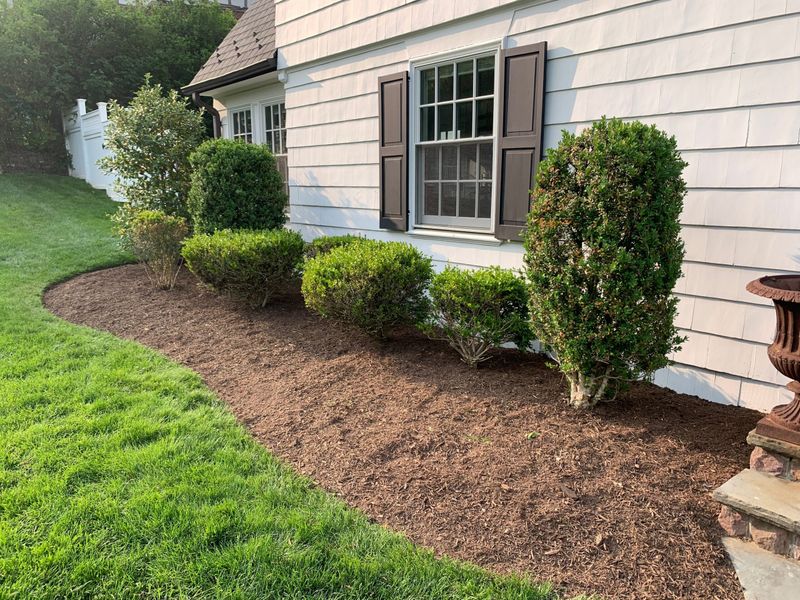
Shrubs are often thought of as low-maintenance plants, and in many ways they are. But even tough Texas shrubs like knockout roses, Indian hawthorn, and boxwoods can show signs of stress during an extended summer drought.
Mulching shrub beds before June ends helps maintain the steady soil moisture these plants need to stay lush and full all season.
During a Texas summer, the soil in shrub beds can dry out surprisingly fast, sometimes within just a day or two after watering. Without a protective mulch layer, you end up watering more often just to keep up with evaporation.
Add a 3 to 4 inch layer of shredded hardwood mulch or bark nuggets and you can cut your watering frequency noticeably while still keeping shrubs happy.
Consistent moisture also plays a big role in how well shrubs handle the heat. Plants that go through repeated wet and dry cycles get stressed.
That stress shows up as yellowing leaves, reduced flowering, or slow growth. Mulched beds stay more even, so shrubs can focus on growing strong rather than recovering from drought stress over and over.
Weed control is another reason shrub beds love mulch. Weeds that pop up between shrubs steal water and nutrients that your plants need.
A thick mulch layer suppresses those weeds before they even get started, saving you hours of pulling and hoeing during the hottest part of the year.
As a bonus, mulched shrub beds simply look more polished and put together. A fresh layer of dark brown or reddish bark mulch makes the whole landscape look intentional, neat, and professionally maintained even if you did all the work yourself.
5. Pathways And Bare Soil
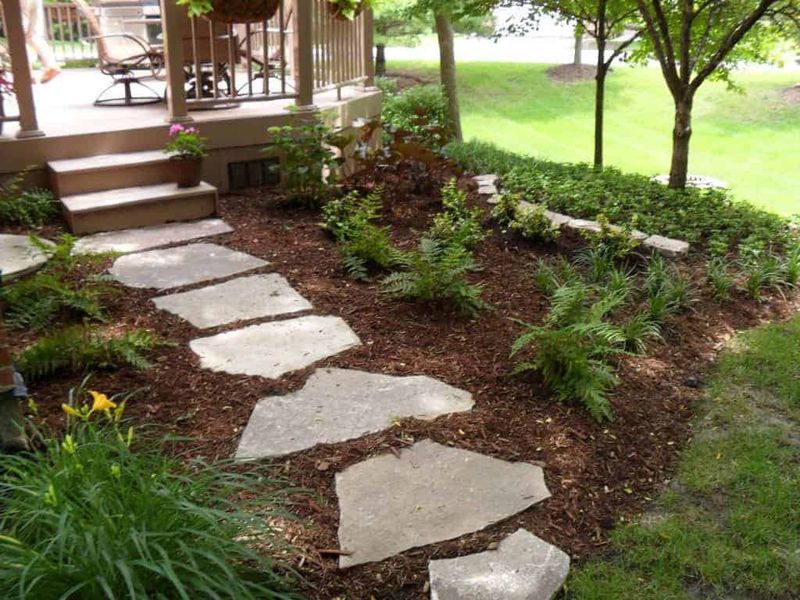
Bare soil in a Texas summer garden is a problem waiting to happen. When soil has no plant cover and no mulch, the sun bakes it hard and dry within days.
Rain, when it does come, runs off compacted bare soil instead of soaking in. That means the plants growing nearby miss out on the water they need most.
Mulching pathways and bare patches of soil between garden areas solves several problems at once. First, it stops soil erosion.
Summer thunderstorms in Texas can be intense, and a hard rain hitting bare soil sends it washing away fast. A mulch layer absorbs that impact and holds the soil in place so your garden stays where you put it.
Second, mulched pathways create a cooler microclimate right at ground level. Bare soil radiates heat upward, raising the temperature around nearby plant stems and lower leaves.
Cover that soil with wood chips or straw and the area around your plants stays noticeably cooler, which reduces stress on roots and lower foliage during the worst heat of the day.
Walking on mulched paths is also much more comfortable and practical than walking on cracked, dusty bare soil. Wood chips give you a firm, clean surface that does not track mud into the house after rain and does not turn into a dust cloud when it is dry.
For large bare areas, shredded wood chips or pine straw are cost-effective choices. You can often find wood chips for free through local tree trimming companies or municipal composting programs.
Covering bare soil now saves you a lot of trouble and extra watering all summer long.
6. Container Gardens
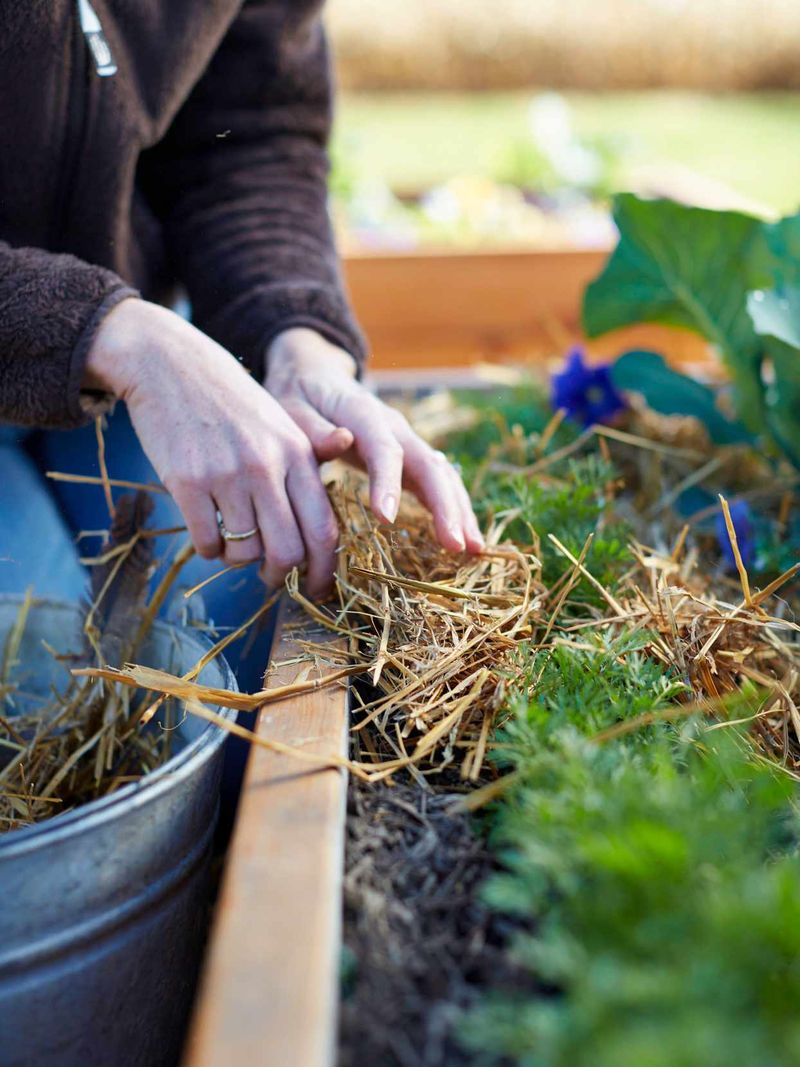
Container gardens are some of the most vulnerable spots in any Texas yard during summer. Pots heat up fast because they are exposed to sun on all sides, not just the top.
The soil inside a container can reach extreme temperatures within a few hours of direct sun exposure, and that heat stresses roots in ways that even drought-tolerant plants struggle to handle.
Adding a layer of mulch on top of container soil is a simple trick that makes a surprisingly big difference. Just 1 to 2 inches of fine bark mulch, shredded leaves, or even decorative gravel on top of the pot soil slows evaporation dramatically.
Containers that once needed watering every single day may only need it every other day with that protective top layer in place.
Newly planted containers are especially at risk. When plants have just been transplanted, their roots have not spread out yet to find moisture deeper in the pot.
Mulching the surface keeps the upper soil layer moist longer, giving those new roots the time they need to establish without going through repeated dry-out cycles.
Heat-sensitive plants like impatiens, ferns, and begonias really benefit from container mulching.
These plants are often chosen for shady patio spots, but even shade does not fully protect pots from heat buildup in a Texas summer. A mulch top layer adds that extra buffer they need.
When choosing mulch for containers, go with something lightweight and fine-textured so it does not block water from reaching the roots. A quick rinse from the hose should still soak through easily.
Check the moisture level below the mulch every few days to make sure the soil underneath stays properly hydrated all season.