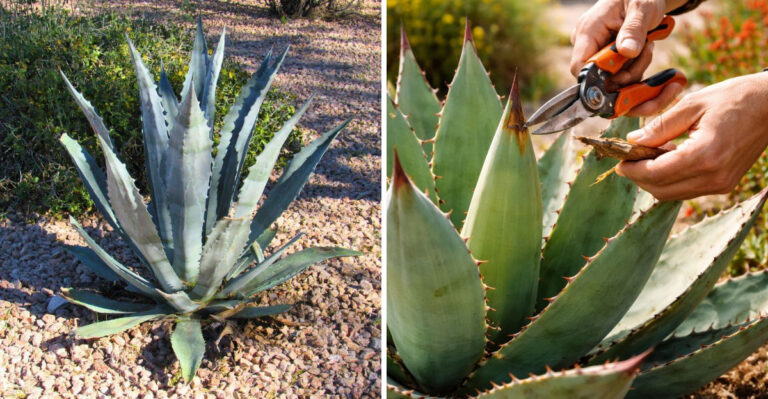
Native Arizona Plants Taking The Place Of Decorative Boulders In More Yards
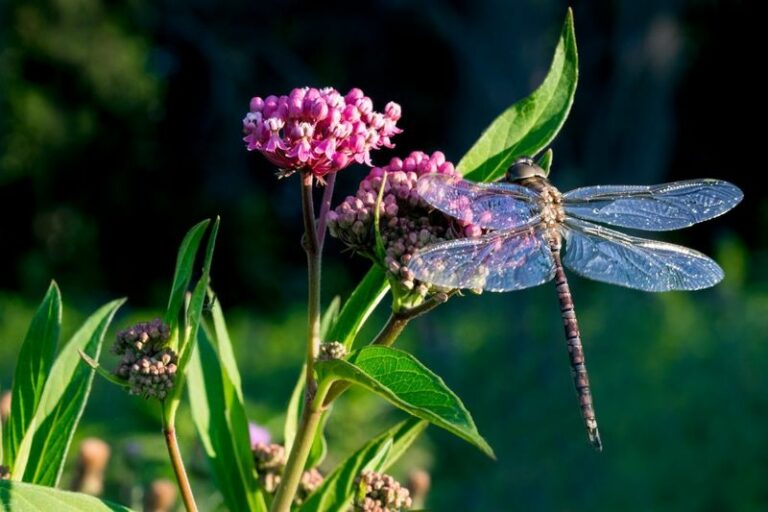
Not every yard needs another boulder to make an impact. Sometimes the feature that catches your eye is something that changes with the seasons instead of staying exactly the same year after year.
A landscape feels different when it has movement, flowers, texture, and wildlife instead of only stone. That is one reason more homeowners are rethinking how they fill open spaces.
They still want a yard that can handle heat and dry weather, but they also want something that feels more alive every time they step outside.
That idea is gaining attention in Arizona, where native plants are proving they can do much more than survive tough conditions.
Many of them add color, interesting shapes, and year-round interest while needing very little care once established.
It is an easy way to create a landscape that stands out without giving up the low-maintenance benefits people already appreciate.
1. Desert Spoon Adds Bold Shape Year Round
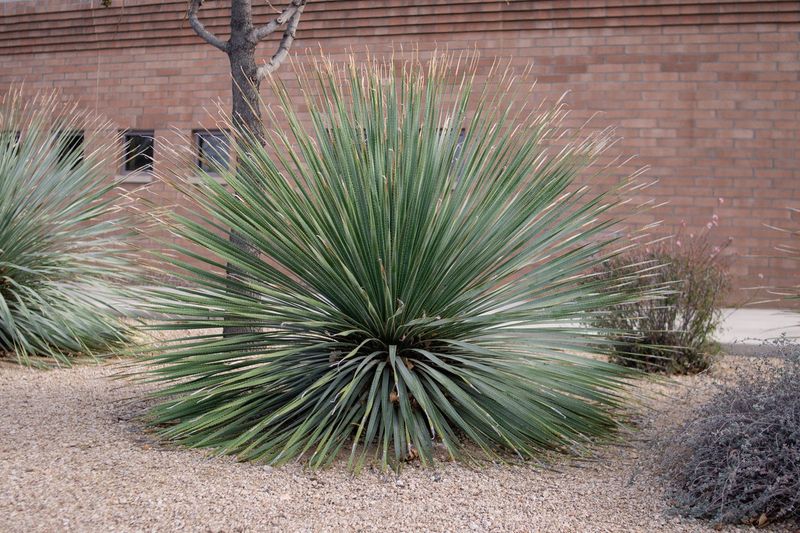
Bold, spiky, and completely unbothered by heat, Desert Spoon earns its spot in any dry yard without apology. Known botanically as Dasylirion wheeleri, it grows in a dramatic rosette of long, narrow leaves that fan outward like a living sculpture.
No boulder pulls off that kind of visual impact all year long.
Mature plants can reach five feet tall and just as wide, so give it room. Leaves are blue-gray with tiny teeth along the edges, which adds texture you just can’t buy at a garden center.
When the center stalk shoots up in summer, it can climb over ten feet and draws attention from across the yard.
Caring for it is straightforward. Plant it in full sun, in well-draining soil, and water it occasionally during the first year.
After that, rainfall in the Sonoran region usually handles the rest. Avoid planting it near walkways since those leaf edges are sharp.
Wildlife benefits too. Birds visit the tall flower stalk, and native bees work the blooms.
It stays attractive through every season, which is more than most ornamental boulders can claim. Landscapers in Tucson and Phoenix recommend it as a first choice for low-water yards that still need strong visual structure.
Replacing a boulder with Desert Spoon is one of the most practical swaps a homeowner can make.
2. Banana Yucca Brings Structure And Texture
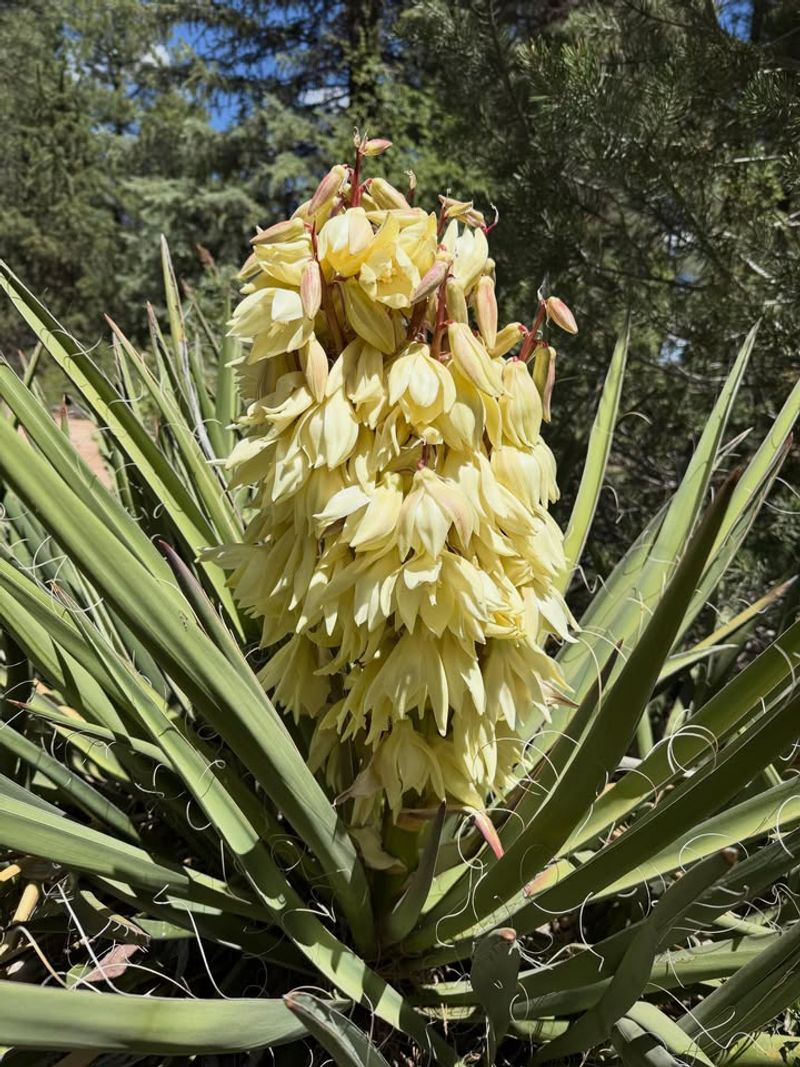
Forget everything you think you know about yuccas being plain or boring.
Banana Yucca, or Yucca baccata, is one of the most structurally interesting native plants you can put in a dry yard.
Stiff, blue-green leaves grow in a dense clump and hold their shape through scorching summers and cold winters alike.
What makes it stand out is the flower. Clusters of creamy white blooms appear in spring on a thick central stalk.
After flowering, the plant produces large, fleshy fruit that looks a bit like a banana, which is exactly how it got its name. Native peoples across the Southwest used both the fruit and the fiber for centuries.
Growth is slow but steady. Expect a mature plant to reach three to five feet tall and wide over several years.
Your Arizona Garden Changes Every Week. Your Plan Should Too.
Gardening in Arizona changes quickly throughout the season. Every Friday you’ll receive a simple weekly plan showing exactly what to plant, prune, fertilize, harvest, and protect so you never miss the right timing.
It handles rocky, poor soil without complaint and never needs fertilizer. Once rooted in, it rarely needs supplemental water in most low-desert areas.
Placement matters. Full sun is best, and good drainage is non-negotiable.
Plant it where the bold leaf tips won’t be a hazard to kids or pets.
Banana Yucca works especially well near walls, corners, or dry creek beds where it adds layers of texture.
It also pairs beautifully with boulders, gravel, and other drought-tolerant native plants, creating a landscape that looks striking with very little maintenance.
3. Beargrass Softens Rocky Landscapes
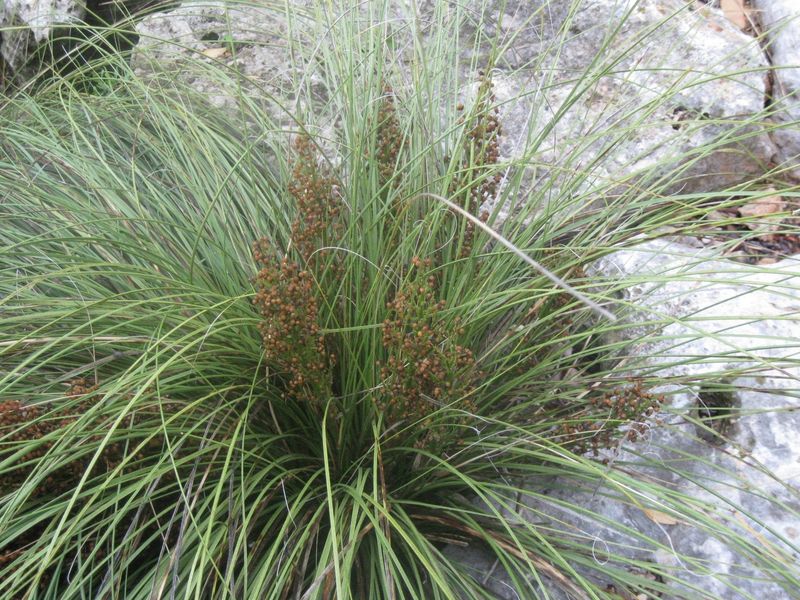
Rocky yards can feel harsh and uninviting, but Beargrass changes that completely. Nolina microcarpa grows in graceful clumps of long, thin leaves that arch outward like a fountain frozen mid-flow.
Up close, the leaves have a fine, almost hair-like texture that softens even the most rugged desert terrain.
Unlike sharp agaves or stiff yuccas, Beargrass has a relaxed, flowing quality. Wind moves through it easily, creating gentle motion in the yard.
That movement makes a space feel alive in a way that a static boulder never could. It also stays green year-round in most low-desert elevations, giving you consistent color without irrigation.
Established plants need almost no water. During the first growing season, deep watering once every couple of weeks helps roots settle in.
After that, natural rainfall in most parts of the region is usually enough. Avoid overwatering since soggy roots are the one thing this plant struggles with.
Beargrass works well when grouped in threes or fives near boulders, walls, or along dry pathways. Its clumping habit keeps it tidy without pruning.
Old leaves can be trimmed away at the base each spring to refresh the look. Birds use the dense foliage for shelter, and small native bees visit the tall white flower plumes that appear in late spring.
It is a quiet, reliable plant that earns its place without demanding attention.
4. Parry’s Agave Creates A Strong Focal Point
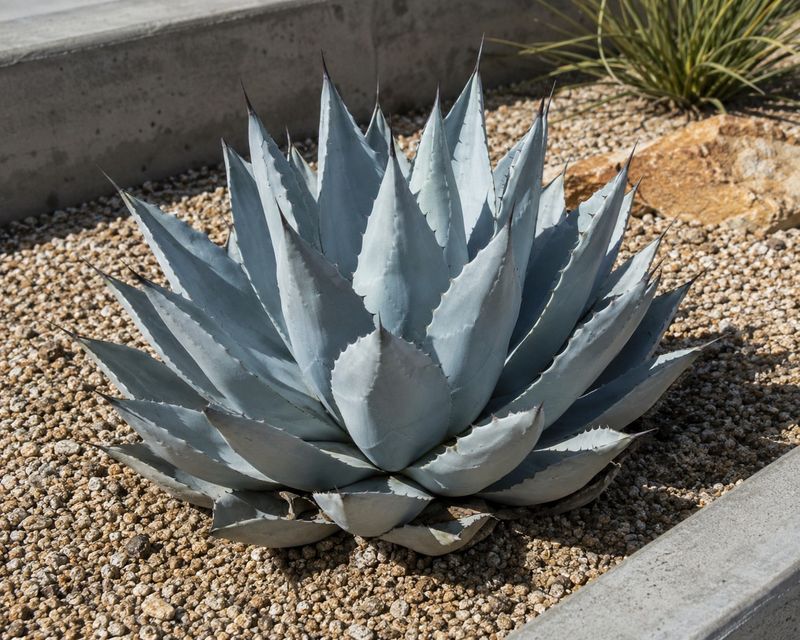
Symmetry in a plant is rare. Parry’s Agave, or Agave parryi, pulls it off naturally.
Compact blue-gray leaves form a near-perfect rosette that looks almost too precise to be real. Set it against gravel or decomposed granite and it becomes the first thing every visitor notices.
Mature plants stay between two and three feet tall, which makes them manageable in most yard sizes. Leaf tips end in a dark, rigid spine, so placement near foot traffic should be thoughtful.
Along a fence line, beside a large pot, or anchoring a dry garden bed, the agave holds its shape without any pruning or shaping needed.
Water requirements are minimal after the first season. Deep watering every few weeks during summer heat helps young plants establish.
Once roots are settled, most desert rainfall covers the rest. Sandy or rocky soil with excellent drainage keeps the plant thriving long term.
One thing to know about Parry’s Agave is that it blooms once in its lifetime, sending up a tall stalk loaded with yellow flowers. That bloom draws hummingbirds, bats, and native bees in large numbers.
After flowering, the main plant fades, but offsets, called pups, grow around the base and carry on.
In yards across the Phoenix metro area, this agave has become a go-to replacement for boulders because it delivers year-round impact with almost no ongoing effort from the homeowner.
5. Fairy Duster Attracts Hummingbirds In Spring
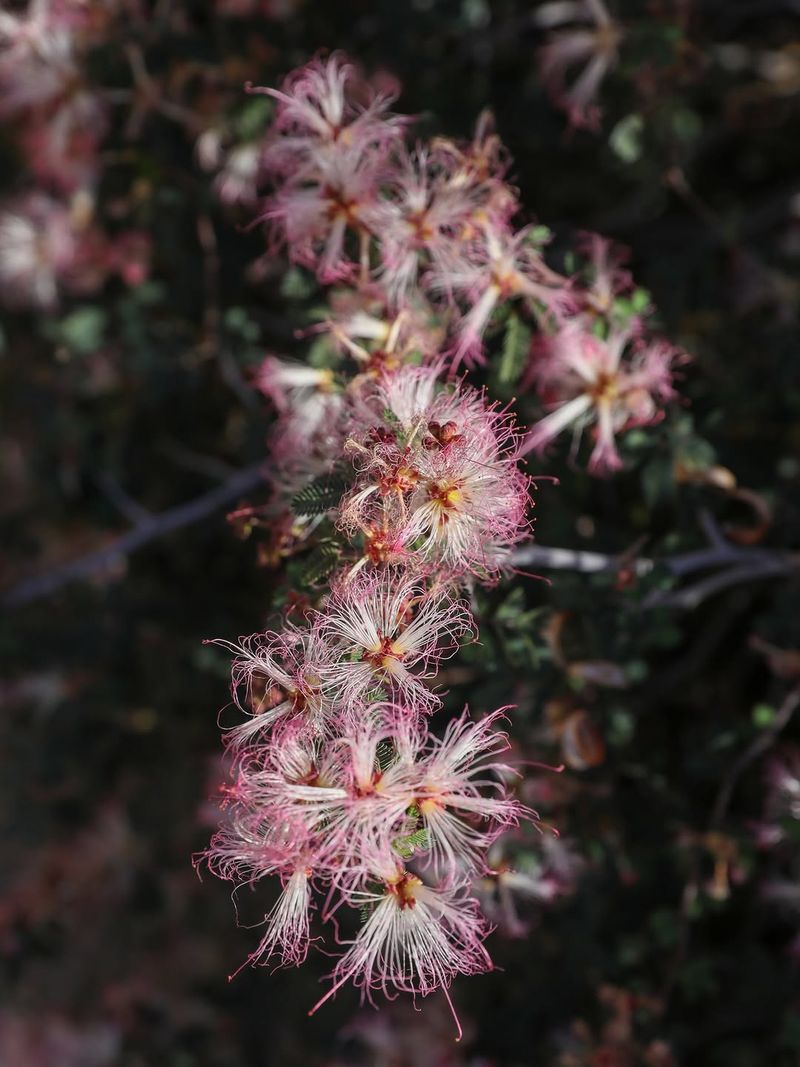
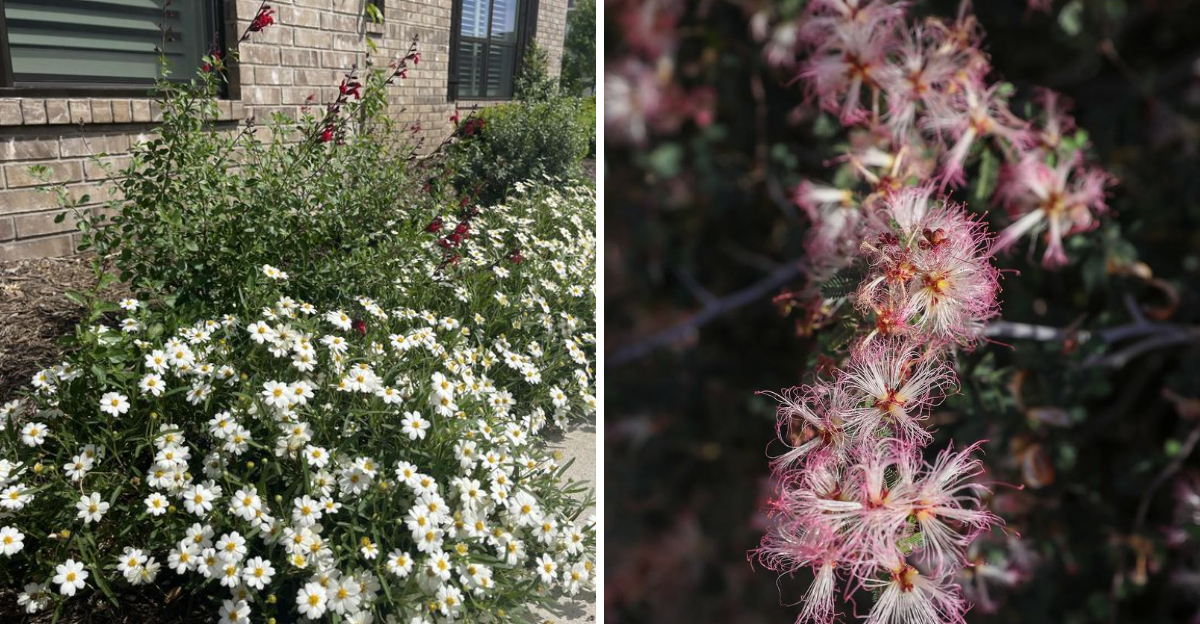
Bright, feathery, and absolutely magnetic to hummingbirds, Fairy Duster earns its name the moment it blooms.
Calliandra eriophylla bursts into clusters of pink-red, powder-puff flowers in late winter and early spring, often before most other plants in the yard show any sign of life. The color is vivid and the timing is perfect.
Shrubs stay compact, typically reaching two to three feet tall and wide. Tiny, fern-like leaves give it a delicate texture that contrasts well with coarser plants like agave or yucca.
That contrast is part of what makes it such a useful design plant. Grouping several together creates a low, soft hedge with real seasonal drama.
Water needs are low once established. During the first summer, watering every week or two helps roots develop in the heat.
After that, occasional deep watering between rains keeps it looking its best. It handles full sun well and tolerates rocky, low-nutrient soil without issue.
Beyond hummingbirds, Fairy Duster also draws native bees and butterflies during its bloom period. Seed pods that follow the flowers are eaten by quail and doves, so it supports local wildlife through multiple seasons.
It loses some leaves in cold winters but recovers quickly in spring.
In gardens across the Sonoran Desert region, it fills the role that boulders never could: providing seasonal color, wildlife habitat, and soft texture all in one compact, easy-care package.
6. Blackfoot Daisy Covers The Ground With Blooms
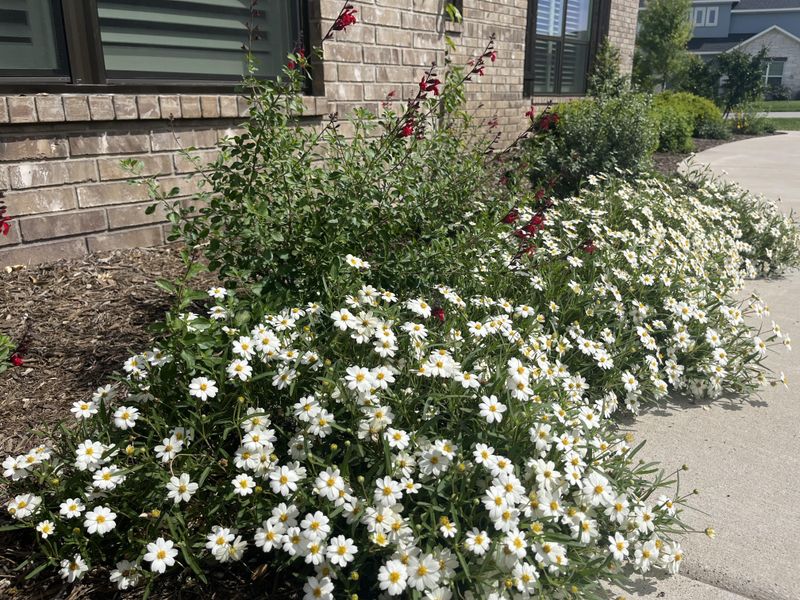
Ground-level color is one of the hardest things to get right in a dry yard. Blackfoot Daisy, or Melampodium leucanthum, solves that problem with cheerful consistency.
Small white flowers with yellow centers bloom heavily in spring and fall, and in mild winters they keep going almost without a break. No boulder in the world does that.
Plants grow into low, rounded mounds about one foot tall and up to two feet wide. Stems are slender, and the foliage stays a clean gray-green between bloom cycles.
Massed together in a garden bed, several plants create a carpet of white that draws the eye from a distance. Mixed with taller plants like agave or Fairy Duster, they fill in the lower layer beautifully.
Drainage is critical for Blackfoot Daisy. It handles dry, rocky soil very well but struggles in heavy clay that holds water.
Full sun brings out the best flowering. Once established, it needs very little supplemental water, especially during cooler months.
Light trimming after each bloom cycle encourages fresh growth and more flowers. Old, woody stems can be cut back by about a third to keep the plant tidy.
Bees and butterflies visit the blooms regularly throughout the season.
One of its biggest strengths is how long it keeps blooming with very little care, adding reliable color to sunny landscapes while asking for almost nothing in return.
7. Globe Mallow Brightens Dry Garden Beds
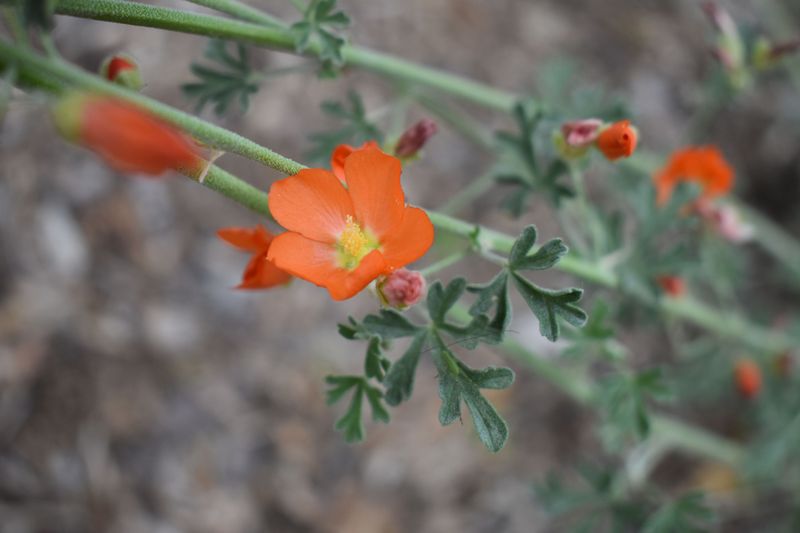
Orange flowers in a desert garden feel almost shocking at first glance. Globe Mallow, or Sphaeralcea ambigua, delivers exactly that kind of bold, unexpected color against gray-green foliage and dry soil.
Blooms appear in late winter and continue through spring, with another flush possible in fall if temperatures cooperate and some moisture is present.
Fuzzy, gray-green leaves cover the plant year-round, giving it texture even when it’s not in flower. Plants can grow two to four feet tall depending on soil conditions and available moisture.
In lean, rocky soil, they tend to stay more compact. In slightly richer ground with occasional water, they stretch taller and bloom more heavily.
Full sun is essential. Shade causes leggy growth and poor flowering.
Globe Mallow handles reflected heat well, which makes it a strong performer near walls, patios, and south-facing garden beds where other plants often struggle. It’s also one of the few native plants that handles alkaline desert soil without complaint.
Pruning is simple. Cut plants back hard in late fall or early winter to encourage fresh, dense growth the following season.
Without trimming, they get woody and open in the center over time. Bees, especially native solitary bees, visit the flowers constantly during bloom periods.
Its bright blooms can make even the driest landscape feel more vibrant.
8. Arizona Rosewood Makes A Natural Living Accent
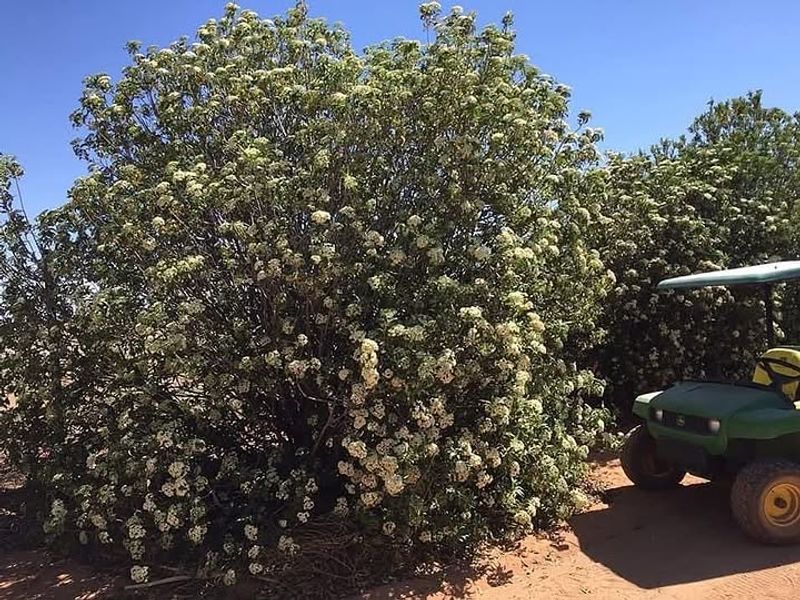
Not every plant in a dry yard needs to be spiky or sculptural. Vauquelinia californica, commonly called Arizona Rosewood, brings something different: a dense, upright shrub with dark, leathery leaves and clusters of small white flowers in late spring.
It looks refined without trying too hard.
Mature plants can reach eight to twelve feet tall over many years, making them useful as privacy screens, windbreaks, or natural living accents along fence lines. Growth is slow, so patience is part of the deal.
What you get in return is a long-lived, drought-tough shrub that holds its foliage year-round and never looks messy.
Water needs are low once established. During the first two years, regular deep watering helps roots grow deep into the soil.
After that, occasional watering during extended dry spells is usually enough. Full sun or light afternoon shade both work well in most low-desert settings.
Pruning is optional. Left on its own, the plant develops a natural, multi-stemmed form that blends into the landscape without looking overly groomed.
Light shaping can be done in late winter if a tidier look is preferred. Birds nest in the dense branches and feed on the seeds that follow the flowers.
In a yard where a large decorative boulder once sat collecting dust, a mature Arizona Rosewood creates genuine presence, seasonal interest, and real habitat value. It turns a static corner of the yard into something that actually grows and evolves over time.