What Florida Gardeners Wish They Knew Before Their First Summer
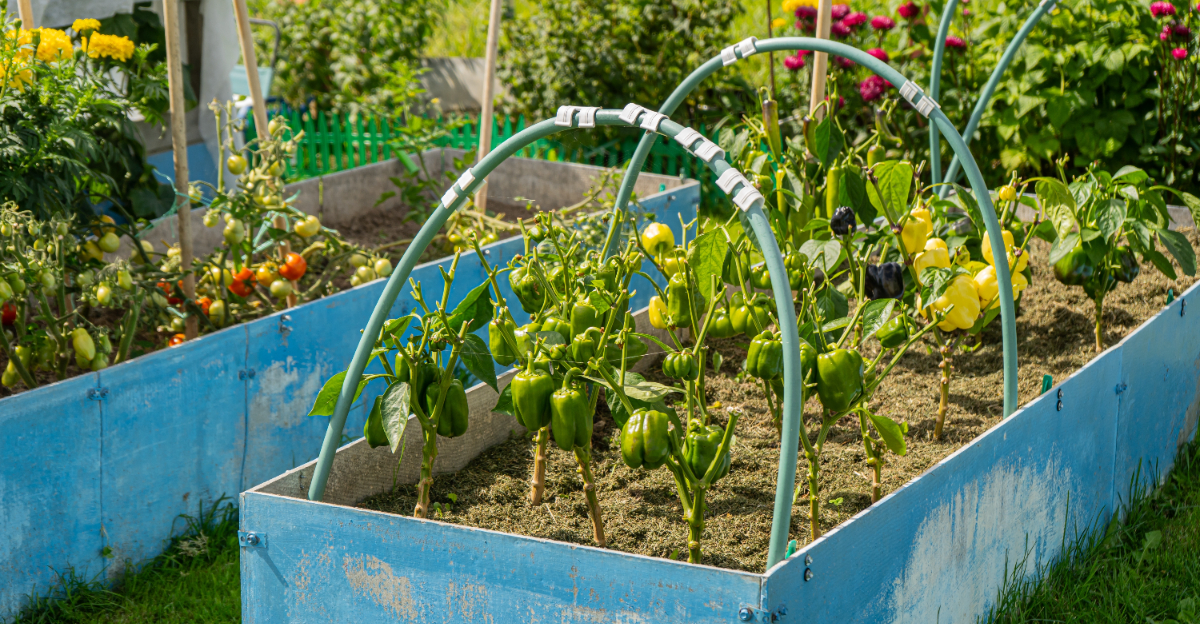
Nobody warns you about the wall of heat that hits a Florida garden in June.
One week your tomatoes look promising, and the next week everything seems to be melting into the mulch.
First-time Florida gardeners often move here from cooler states expecting gardening to follow the same rules they have always known.
The truth is, summer gardening in Florida operates on its own schedule, its own logic, and its own set of surprises that no seed packet from a big-box store will ever mention.
Florida summers bring intense heat, unpredictable afternoon storms, sandy soil that drains fast, and pests that seem to appear out of nowhere.
The good news is that experienced Florida gardeners have already made the mistakes so you do not have to repeat them all.
This guide pulls together the most important lessons learned the hard way, from checking soil moisture after heavy rain to rethinking which plants can actually survive July.
Read on, and your first Florida summer garden will be a whole lot smarter.
1. Heat Changes The Planting Calendar
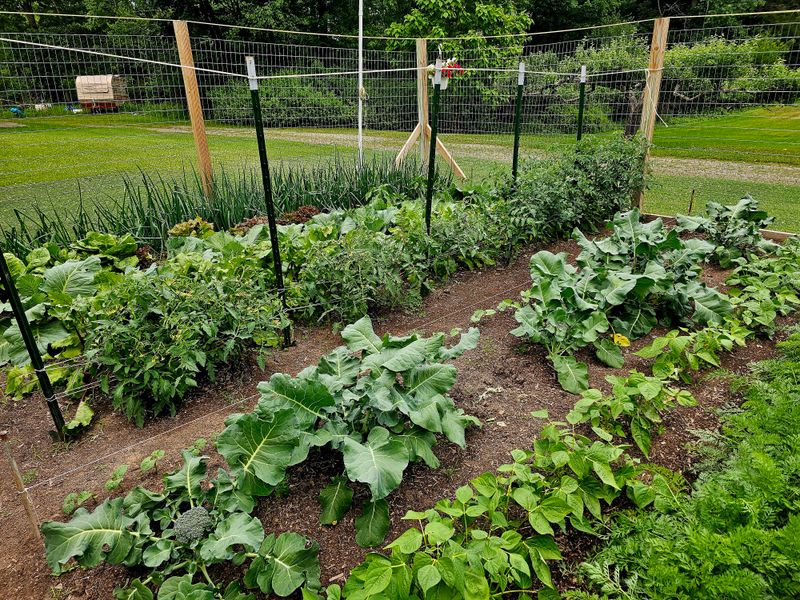
Many gardeners who move to Florida bring a planting calendar from somewhere up north, and that calendar becomes almost useless by Memorial Day.
The heat here is not just warm. It is heavy, relentless, and capable of stressing even tough plants within a few hours of midday exposure.
Florida’s primary vegetable gardening seasons run fall through spring. Summer is largely considered a rest and prep season for food crops, not a peak planting window.
Crops like tomatoes, peppers, and squash that thrive in a mild northern summer often struggle once Florida temps climb past 90 degrees Fahrenheit consistently.
Heat affects pollination too.
When nighttime temperatures stay above 75 degrees, many fruiting vegetables drop their blossoms without setting fruit. That can feel discouraging if you do not know it is coming.
Planning around this reality is not giving up. It is gardening smart.
Some heat-tolerant options do work in Florida summers. Sweet potatoes, Southern peas, Malabar spinach, and okra are built for this climate.
Shifting your expectations and your plant list to match the season is the single biggest mindset change a new Florida gardener needs.
Summer here is not the main event for vegetables. It is a transition period worth using wisely.
2. Rain Does Not Replace Root Checks
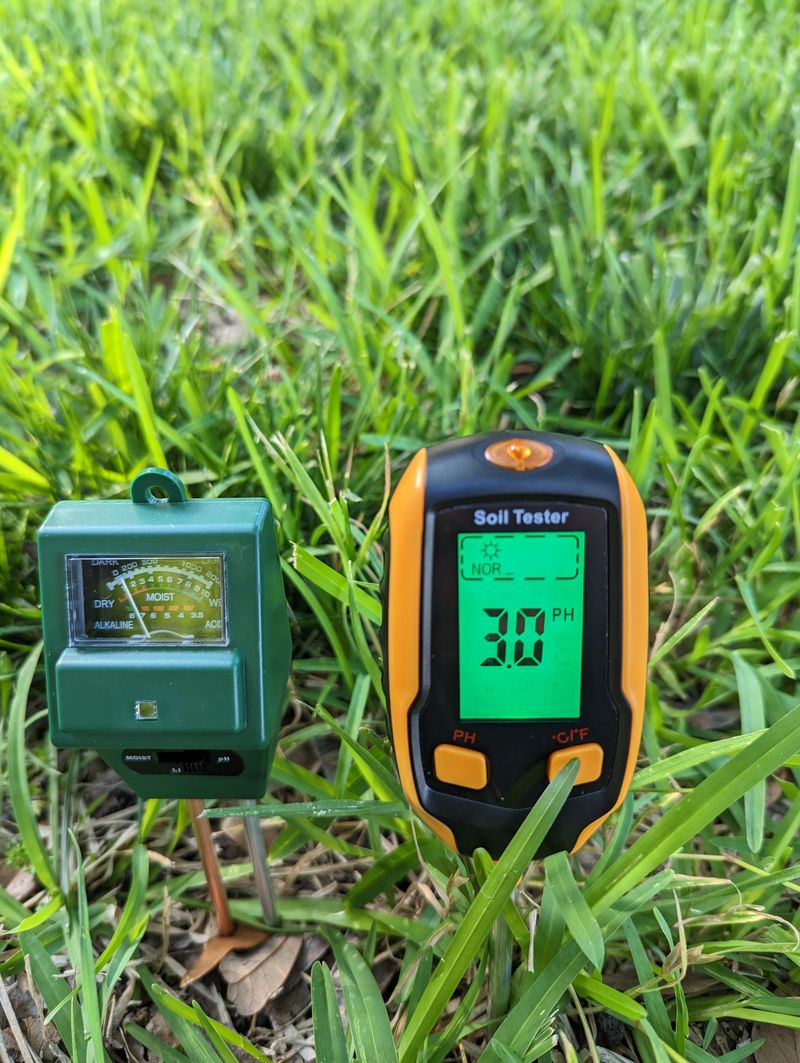
One of the most common surprises for new Florida gardeners is discovering that an afternoon thunderstorm does not mean their plants are watered.
It sounds backward. The rain was heavy, the driveway flooded, and the garden looked soaked. But an hour later, the soil two inches down can be completely dry.
Florida’s sandy soil drains extremely fast.
Water moves through it quickly, often before roots have time to absorb what they need. A short but intense storm may wet the surface while leaving the root zone barely touched.
Soil moisture checks, not rainfall totals, should guide watering decisions.
The finger test is simple and reliable. Push your finger about two inches into the soil near the base of the plant. Dry at that depth means the plant needs water, regardless of how much it rained earlier in the day.
Your Florida Garden Changes Every Week. Your Plan Should Too.
Gardening in Florida changes quickly throughout the season. Every Friday you’ll receive a simple weekly plan showing exactly what to plant, prune, fertilize, harvest, and protect so you never miss the right timing.
A moisture meter works even better for container plants or raised beds.
Florida’s rainy season runs roughly June through September, and the storms can feel dramatic and generous.
Do not let the sound of rain on the roof fool you into skipping your root checks.
Consistent moisture at the root level is what keeps plants healthy, not the puddles forming on the surface. Building a daily check habit early in the season saves a lot of wilted plants later on.
3. Sandy Soil Loses Nutrients Fast
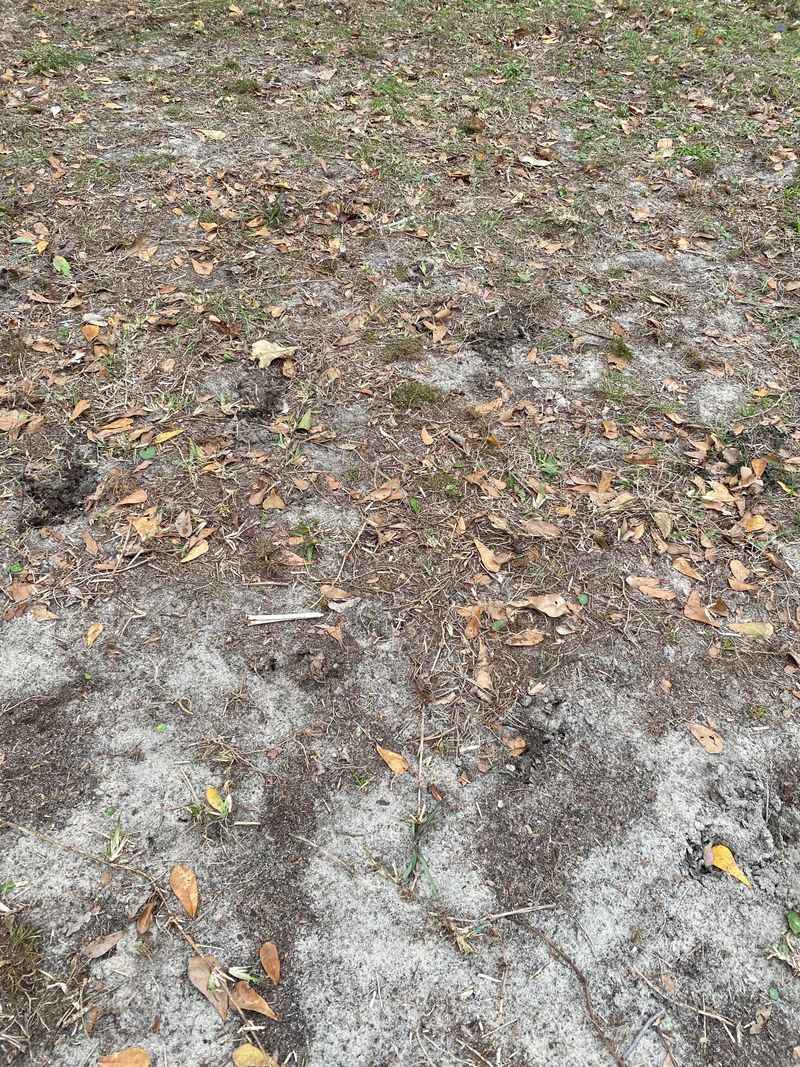
Florida soil has a reputation, and it is well-earned.
Much of the state sits on sand that looks more like a beach than a garden bed. That sandy texture drains water fast, which feels like a good thing until you realize it drains nutrients just as quickly.
The process is called leaching.
When rain or irrigation water moves through sandy soil, it carries soluble nutrients down and away from the root zone before plants can absorb them.
This is why fertilizing once and forgetting it does not work here the way it might in heavier soils up north. Nutrients simply do not stick around long enough.
Slow-release fertilizers work better in Florida gardens because they break down gradually and feed plants over a longer period.
Mixing in organic matter like compost also helps sandy soil hold moisture and nutrients better over time. Building organic content in Florida soil is a long game, but it pays off consistently.
Getting a soil test before planting is one of the smartest moves a new gardener can make.
Florida soils often run slightly acidic, and knowing your baseline helps you fertilize correctly instead of guessing.
Feeding your soil is just as important as feeding your plants, and in sandy Florida ground, that lesson tends to arrive fast and stick permanently.
4. Afternoon Sun Tests New Plants
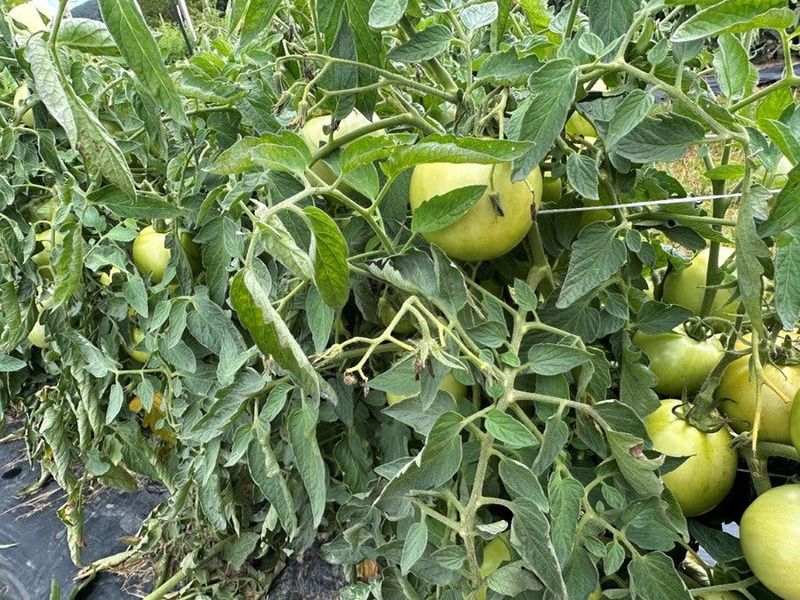
Morning sun in Florida feels manageable. The light is warm, the air still has a hint of cool, and plants seem to soak it up happily.
Then two o’clock arrives, and the whole game changes.
Afternoon sun in a Florida summer is a different situation entirely, and new plants often pay the price before gardeners realize what is happening.
Intense afternoon light combined with high humidity and reflected heat from pavement, fences, or walls can push leaf temperatures well above air temperature.
New transplants with underdeveloped root systems are especially vulnerable. They cannot pull up water fast enough to replace what they lose through their leaves during peak heat hours. The result is wilting, leaf scorch, or both.
Placement matters enormously in a Florida garden.
A spot that gets full sun all day in April may become brutal and unforgiving by July. Observing how sun patterns shift throughout the seasons helps you make smarter placement decisions.
Six hours of direct sun is enough for most vegetables and flowering plants.
A location that delivers morning sun and dappled afternoon shade often outperforms a blazing full-sun spot during Florida’s hottest months.
Moving containers to shadier spots during peak summer heat is one easy adjustment. For in-ground plants, a temporary shade cloth rated at 30 to 40 percent can make the difference between a struggling plant and a thriving one.
5. Mulch Becomes Summer Protection
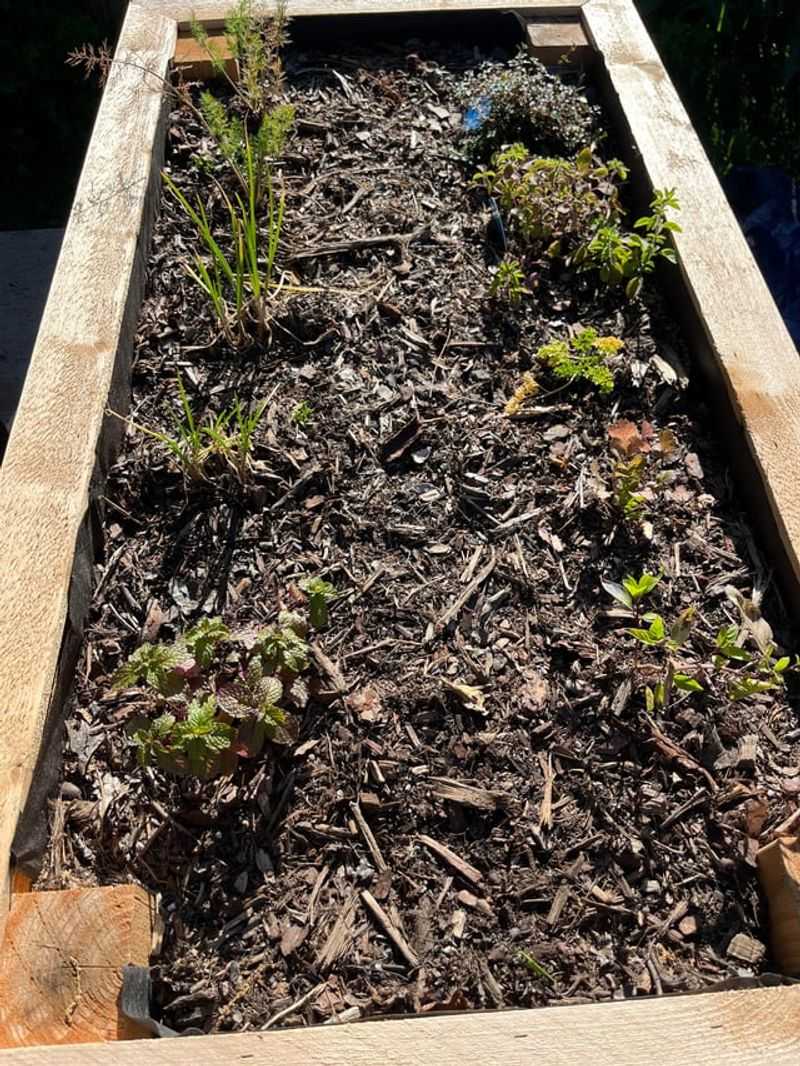
Ask any experienced Florida gardener what single product changed their summer garden most, and a surprising number will say mulch.
Not a fancy fertilizer. Not a new irrigation system. Just mulch.
In Florida summers, mulch stops being a finishing touch and starts being a survival tool.
Bare soil in a Florida summer absorbs heat rapidly. Soil temperatures can climb high enough to damage roots and slow plant growth significantly during the hottest afternoon hours.
A three-inch layer of organic mulch acts like insulation, keeping the soil cooler and more stable even when the afternoon sun is at its most intense.
Mulch also dramatically reduces water evaporation from the soil surface.
In sandy Florida soil, that moisture retention is critical because water disappears quickly without help. Fewer weeds are another bonus, since weed seeds need light to germinate and a solid mulch layer blocks that light effectively.
Pine bark, wood chips, and pine straw all work well in Florida gardens.
Whatever type you choose, applying it early in the season before the heat peaks gives the soil a head start on the months ahead.
Mulch is essentially summer sunscreen for your garden beds, and Florida summers do not forgive the gardeners who skip it.
6. Pests Find Tender Growth Quickly
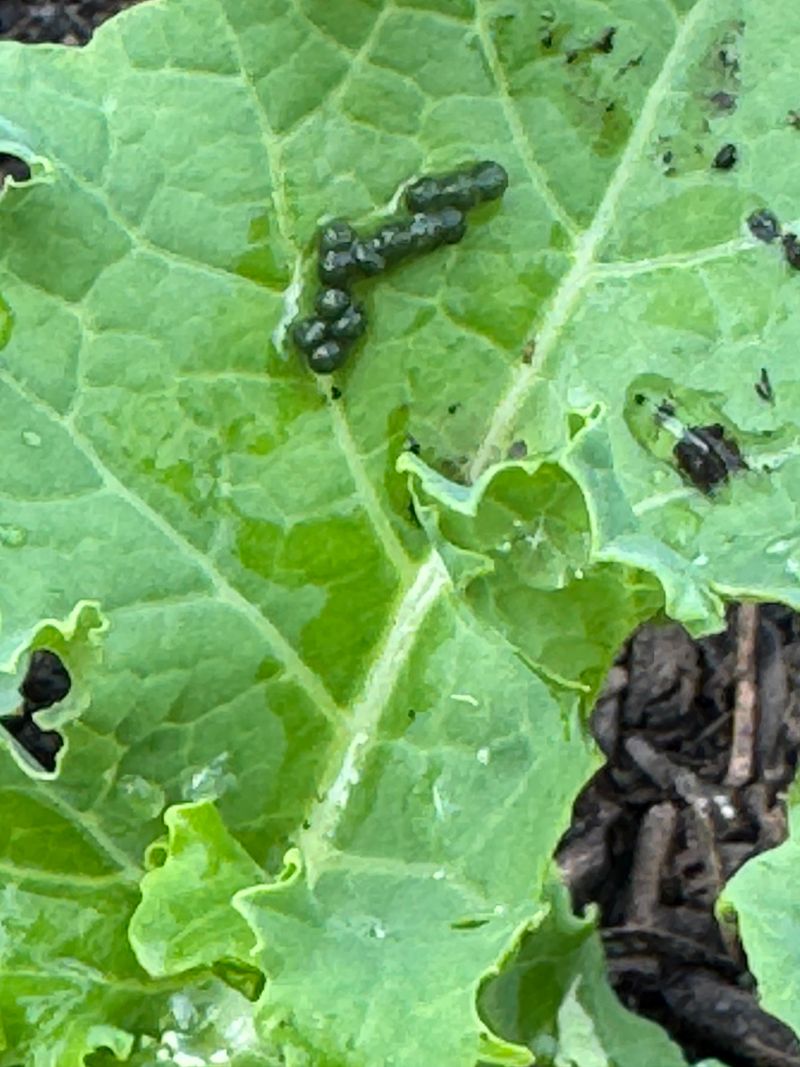
Fresh, tender plant growth is basically a dinner invitation for Florida garden pests.
Aphids, whiteflies, caterpillars, spider mites, and slugs all zero in on new leaves and soft stems with impressive speed.
First-time Florida gardeners often miss the early warning signs because they are not yet in the habit of looking closely and often.
Scouting means checking your plants regularly for signs of pest activity.
Look at the undersides of leaves, not just the tops. Many pests, especially whiteflies and aphids, prefer to feed hidden under the foliage where they are harder to spot.
Catching an infestation early gives you far more options than trying to manage a full-blown outbreak.
Florida’s warm, humid summers create ideal conditions for pest populations to build quickly. A few aphids on Monday can become hundreds by Friday.
Starting with the least toxic management options makes the most sense. A strong spray of water knocks pests off plants effectively. Insecticidal soap handles soft-bodied insects well. Neem oil disrupts pest feeding and reproduction without heavy chemical impact.
Healthy plants resist pests better than stressed ones.
Proper watering, appropriate fertilizing, and good airflow around plants all help reduce vulnerability.
Scouting your garden a few times a week, especially on new growth, is the most effective pest management habit you can build in a Florida summer garden.
7. Containers Need Daily Attention
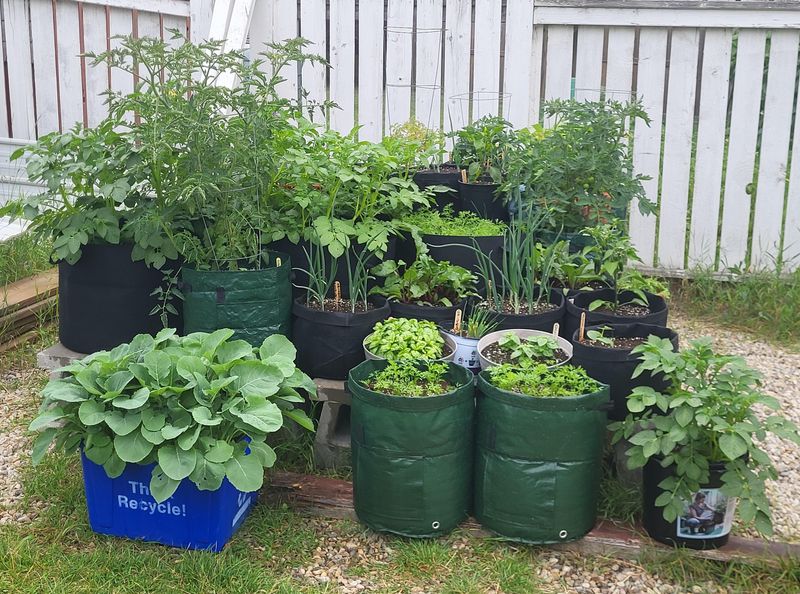
Container gardening feels like a flexible, manageable way to start a Florida garden. You can move pots around, control the soil mix, and tuck them onto a porch or patio.
What many new gardeners do not expect is how demanding containers become the moment Florida summer heat arrives in full force.
Pots heat up much faster than in-ground soil. Dark-colored containers sitting on concrete or pavers can reach temperatures that stress or damage roots within just a few hours on a sunny afternoon.
Light-colored pots or wrapping containers in burlap helps reduce this effect significantly.
Watering frequency in summer containers often needs to jump to once or even twice daily. Sandy or fast-draining potting mixes dry out even faster than ground soil.
Sticking your finger into the top inch of potting mix is a quick way to check, but with small containers in full sun, checking both morning and late afternoon is the safer approach.
Grouping containers together helps in two ways.
Plants create a microclimate of slightly higher humidity around each other, which slows moisture loss. Grouped pots also shade each other’s sides, reducing heat buildup across the collection.
Moving containers to a partially shaded spot during the hottest summer weeks is not admitting defeat. It is smart container management.
Florida’s summer sun does not forgive a forgotten pot, and a wilted plant in a container can decline surprisingly fast when the conditions align against it.
8. Summer Is For Adjusting Expectations
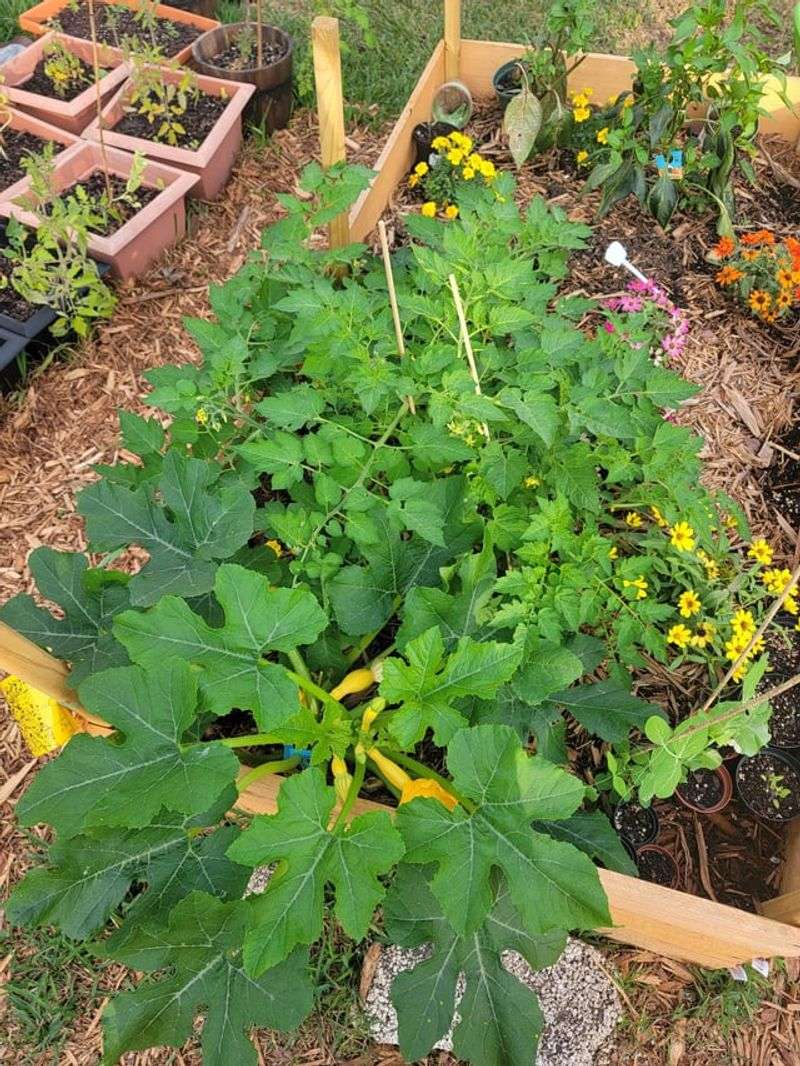
Here is the honest truth that most gardening books skip over: Florida summer is not the season you grow the most food.
It is the season you grow the most knowledge.
Experienced Florida gardeners have made peace with this, and that shift in thinking makes the whole season easier to enjoy rather than fight against.
Summer tasks look different here than in cooler climates.
Instead of planting and harvesting heavily, summer becomes the time to amend soil, plan fall beds, experiment with heat-tolerant crops, and observe how your yard handles intense heat and heavy rain.
Tasks like pruning, composting, and improving irrigation systems fit naturally into the slower growing pace.
Some plants genuinely love Florida summers.
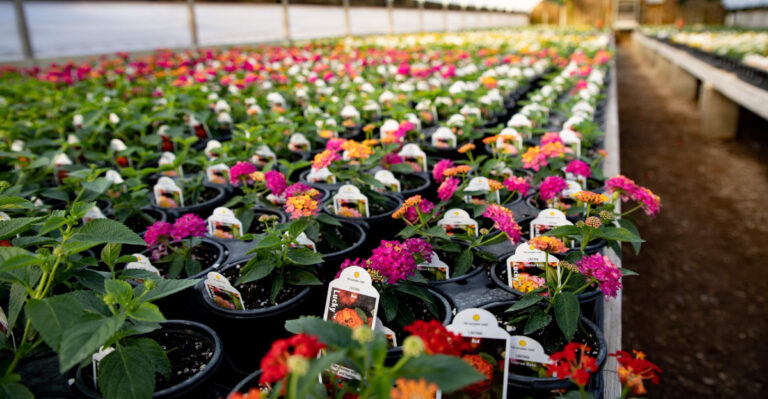
Tropical ornamentals like pentas, portulaca, vinca, and gaillardia thrive in the heat. Edible options like okra, sweet potatoes, Southern peas, and Malabar spinach produce reliably when other vegetables simply cannot handle the conditions.
Shifting the garden toward these heat-tough performers keeps the space productive and interesting even in July and August.
Accepting the rhythm of a Florida garden takes a full year of experience.
Summer teaches patience, observation, and flexibility in ways that no cooler season can.
The gardeners who enjoy Florida summers most are the ones who stop trying to force a northern gardening calendar onto a subtropical climate and start working with what the season actually offers.
Start one new heat-tolerant plant this summer, watch it carefully, and let that small success build your confidence for everything that comes next.