This Slug Is Not An Enemy In Your Pennsylvania Yard But A Nocturnal Ally
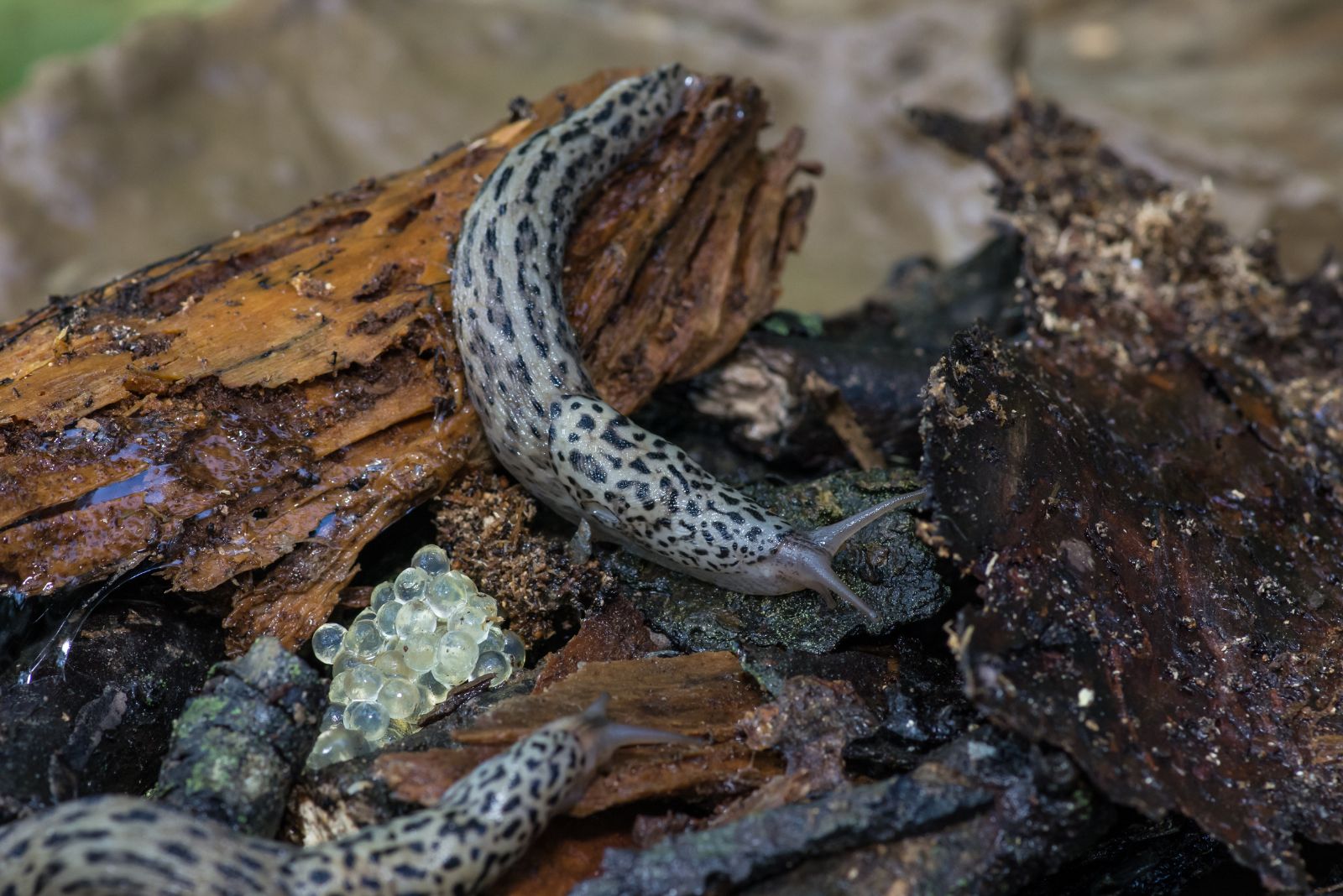
When most people spot a slug in their Pennsylvania yard, the reaction is pretty predictable. A grimace, maybe a little shudder, and an immediate plan to get rid of it.
Slugs have one of the worst reputations in the gardening world, and honestly it’s not hard to understand why. They’re slimy, they come out at night, and they look like trouble.
But what if you’ve been completely wrong about this one? There’s a particular slug showing up in Pennsylvania yards that deserves a serious second look.
While most people are reaching for the salt or the pesticide, this nocturnal creature is quietly doing some surprisingly useful work after dark.
Work that directly benefits your garden in ways you would never expect from something so easy to dismiss. It hunts. It cleans up.
It handles things that would otherwise become real problems for your outdoor space. All while you sleep.
Before you declare war on every slug you see, read this. You might just change your mind about one of the most misunderstood creatures in your yard.
Meet The Leopard Slug
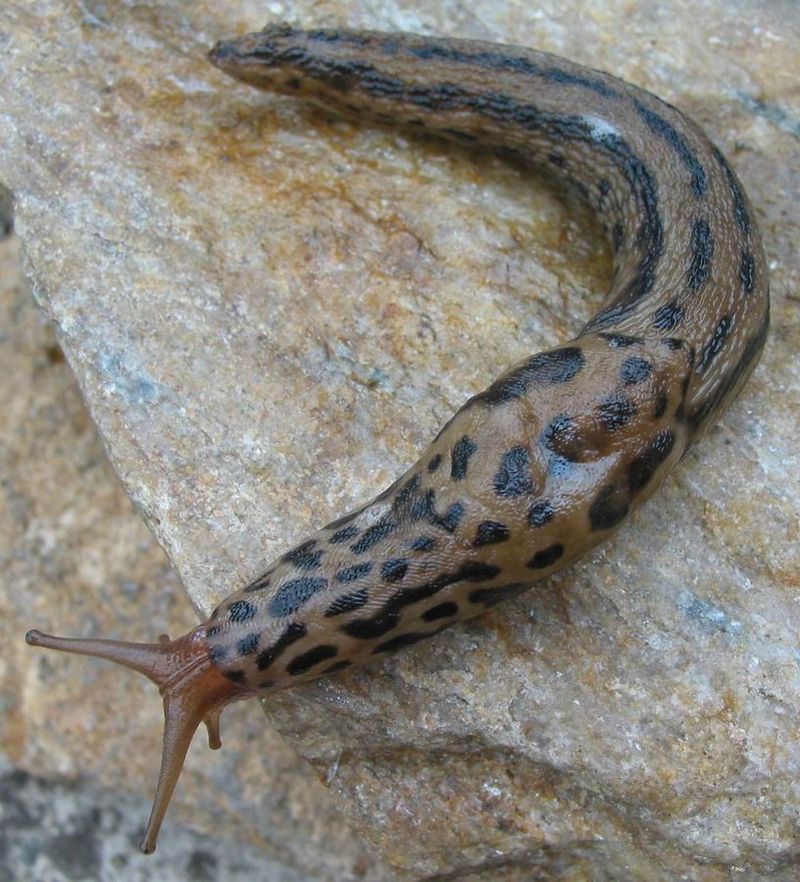
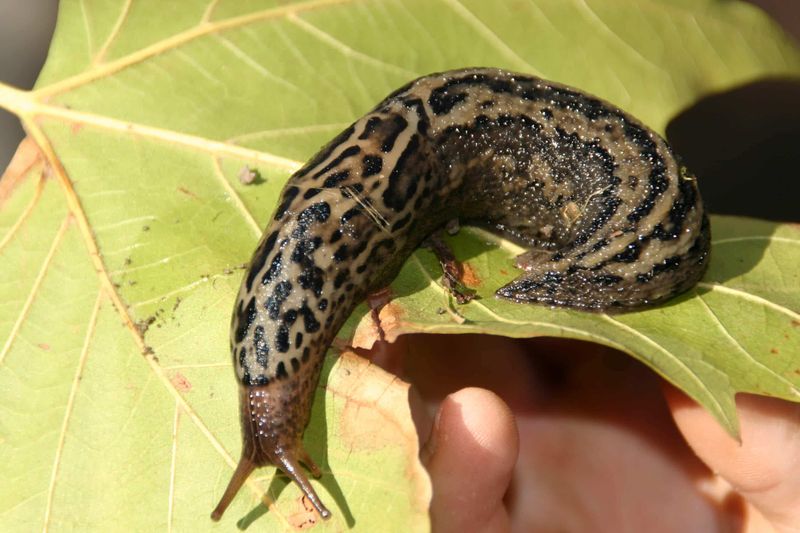
Spotted, slimy, and surprisingly fascinating, the Leopard Slug is one of the largest slugs you will ever find in a Pennsylvania backyard. Its scientific name is Limax maximus, which actually means “greatest slug” in Latin.
That name is well earned. Adults can grow up to eight inches long, making them hard to miss when they glide across your garden path after dark.
The Leopard Slug gets its name from the dark spots and streaks running across its pale gray or yellowish body, similar to the pattern on a leopard’s coat. No two slugs look exactly alike, which makes each one uniquely its own.
You will usually spot them on rainy nights or early mornings when moisture is high and conditions are just right for slugging around.
Many homeowners mistake the Leopard Slug for a pest and assume it is chewing through their plants. But here is the truth: Leopard Slugs do not attack healthy, living plants.
They are not interested in your tomatoes or flower beds. They prefer decaying matter, fungi, and the occasional smaller slug. So if you see one cruising across your patio, there is no need to panic.
Originally from Europe, the Leopard Slug has made itself at home across North America, including Pennsylvania. It thrives in moist, wooded areas and shady gardens.
Despite being an introduced species, it has found a beneficial niche in local ecosystems. Getting familiar with this creature is the first step toward appreciating the surprisingly helpful work it does every single night in your yard.
Natural Decomposer Working Overnight
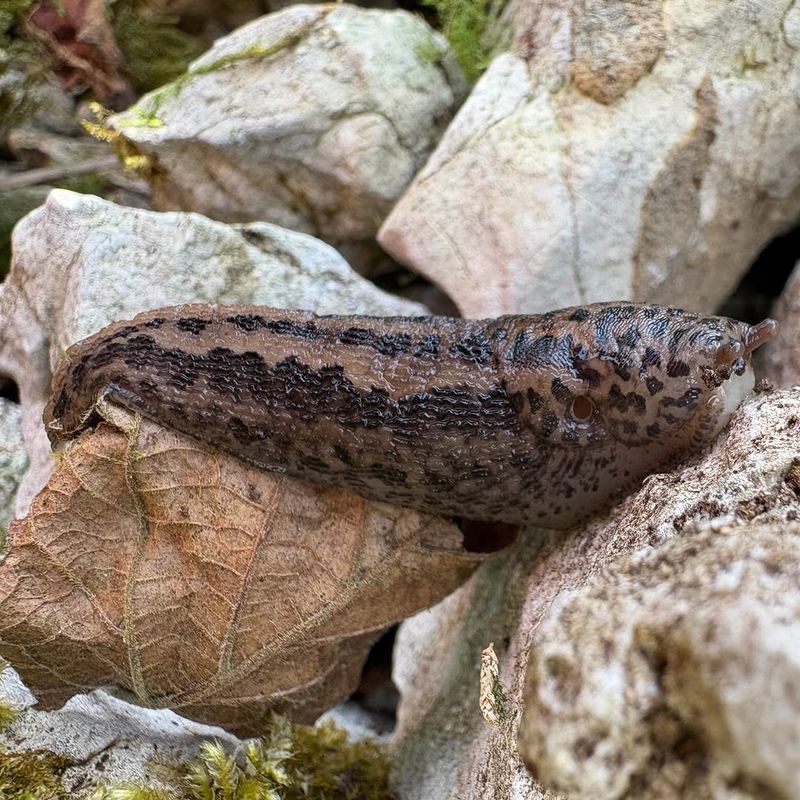
Every yard produces waste. Fallen leaves pile up. Old plant stems break down. Fruit drops from trees and rots on the ground.
Most gardeners spend hours raking, bagging, and hauling this debris away. The Leopard Slug, however, handles a good portion of that job for free, every single night, without being asked.
Leopard Slugs are detritivores, which means they feed on decaying organic material. Dry leaves, rotting wood, decomposing plant matter, and fungi are all on the menu.
Your Pennsylvania Garden Changes Every Week. Your Plan Should Too.
Gardening in Pennsylvania changes quickly throughout the season. Every Friday you’ll receive a simple weekly plan showing exactly what to plant, prune, fertilize, harvest, and protect so you never miss the right timing.
As they eat through this debris, they break it down into smaller pieces. Those smaller pieces are then processed by bacteria and other microorganisms in the soil, eventually becoming rich nutrients that feed your plants naturally.
Think of the Leopard Slug as a living compost machine. It speeds up the decomposition process in a way that directly benefits your garden’s soil health.
The nutrients released through this process include nitrogen and carbon, two elements that plants absolutely need to grow strong and healthy. You get better soil without adding a single bag of fertilizer.
Beyond nutrients, this decomposition activity also improves soil structure over time. As organic matter breaks down and gets worked into the earth, the soil becomes looser and more capable of holding moisture.
That means better conditions for roots to spread and for water to reach deeper into the ground.
Pretty impressive for a creature most people want to sweep off their porch. The Leopard Slug is doing quiet, consistent work that supports your entire yard from the ground up, one bite of dry leaf at a time.
Predator Of Pest Slugs
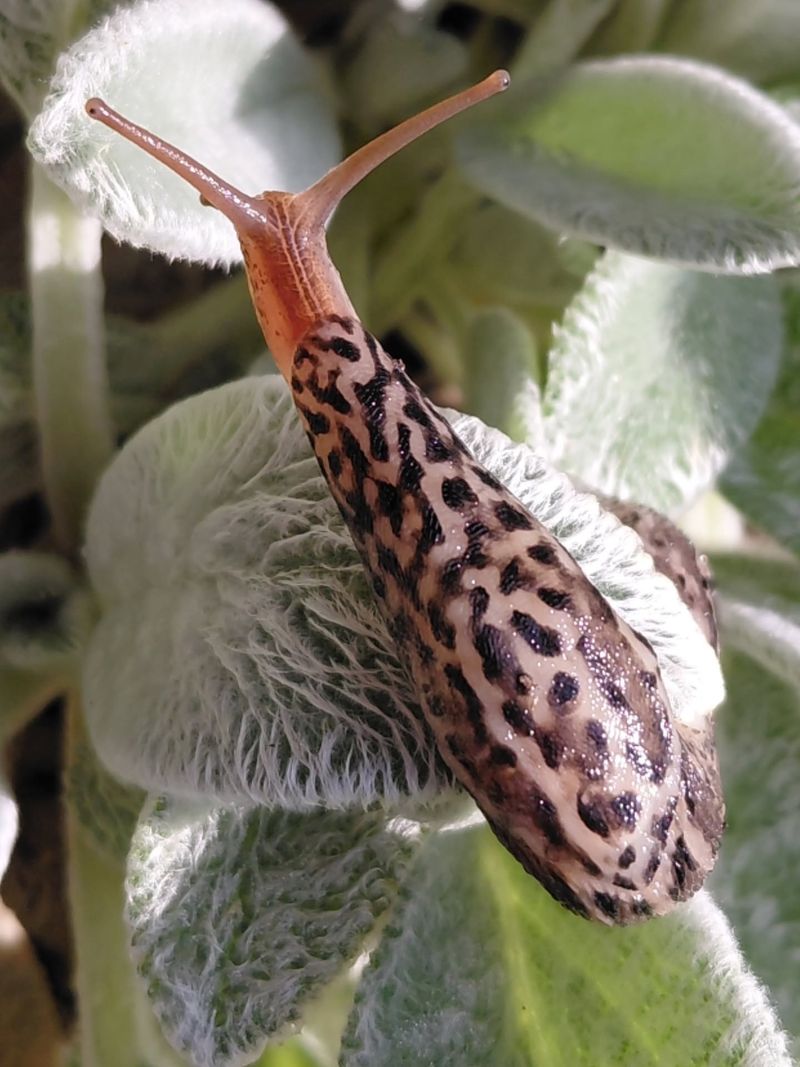
Here is something most people never expect to hear: slugs hunt other slugs. The Leopard Slug is actually a predator, and one of its favorite meals is smaller, more destructive slug species.
If you have ever dealt with common garden slugs tearing through your lettuce or hostas, you might want to think twice before removing the one creature that keeps their numbers in check.
The Leopard Slug tracks its prey using a combination of scent and slime trails. When it detects the mucus trail left behind by a smaller slug, it follows it with surprising determination.
Once it catches up, it moves in quickly. It also feeds on slug eggs, which are laid in clusters just beneath the soil surface.
By consuming these eggs, the Leopard Slug stops entire future generations of pest slugs before they even hatch.
This kind of natural pest control is incredibly valuable. Chemical slug pellets can harm birds, frogs, and even household pets that accidentally come into contact with them.
The Leopard Slug, on the other hand, does the same job without any toxic side effects. It is a built-in, chemical-free solution that has been working in gardens long before pest control products were ever invented.
Gardeners in Pennsylvania who have noticed fewer chewed leaves and damaged seedlings may have a Leopard Slug patrol happening right under their noses.
Encouraging this natural predator to stick around by avoiding chemical treatments can make a noticeable difference in how well your plants survive the season. Nature already built the solution. You just have to let it work.
Soil Aeration And Garden Clean-Up
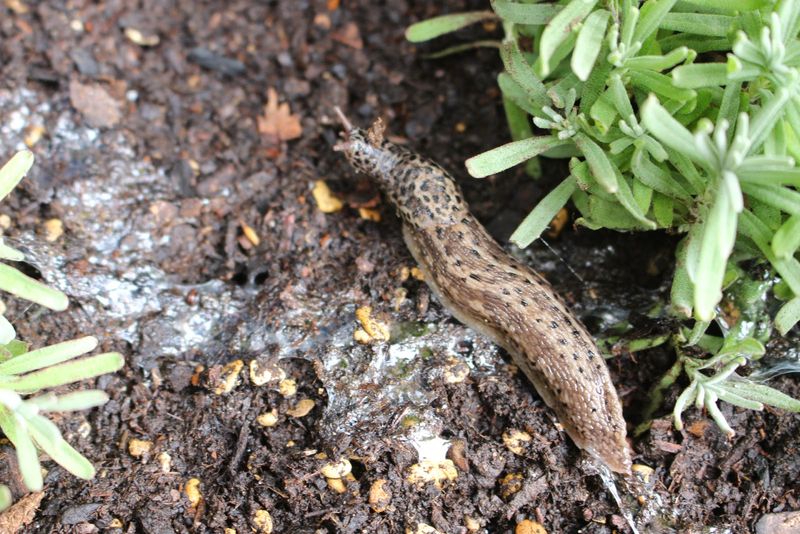
Soil health is everything in a garden. Compacted soil blocks water from soaking in, prevents roots from spreading, and makes it harder for beneficial microbes to do their work.
Most gardeners aerate their soil with tools and a lot of effort. The Leopard Slug, moving through your yard every night, contributes to that same process in a small but meaningful way.
As the Leopard Slug travels through leaf litter and loose topsoil, its body movement gently loosens compacted surface layers. It creates tiny channels and disturbances in the soil that allow air and water to penetrate more easily.
Over time, this constant nighttime activity contributes to a softer, more porous soil environment that roots love.
Beyond aeration, the Leopard Slug is also a dedicated clean-up crew. It consumes mold, fungi, and rotting plant material that would otherwise sit on the surface and potentially harbor harmful pathogens.
By removing this decaying matter, it reduces the chances of fungal diseases spreading to healthy plants nearby. That is a garden maintenance benefit most people never even consider.
What makes this especially appealing is that the Leopard Slug never touches healthy, living plant tissue. It is not interested in your green leaves, fresh stems, or blooming flowers.
Its focus stays firmly on the dry and decomposing material that other creatures ignore. So while you sleep, this nocturnal helper is quietly tidying up the garden floor and improving the conditions that your living plants depend on.
It is low-effort, high-reward garden maintenance happening automatically, every single night of the growing season.
Supports Garden Biodiversity
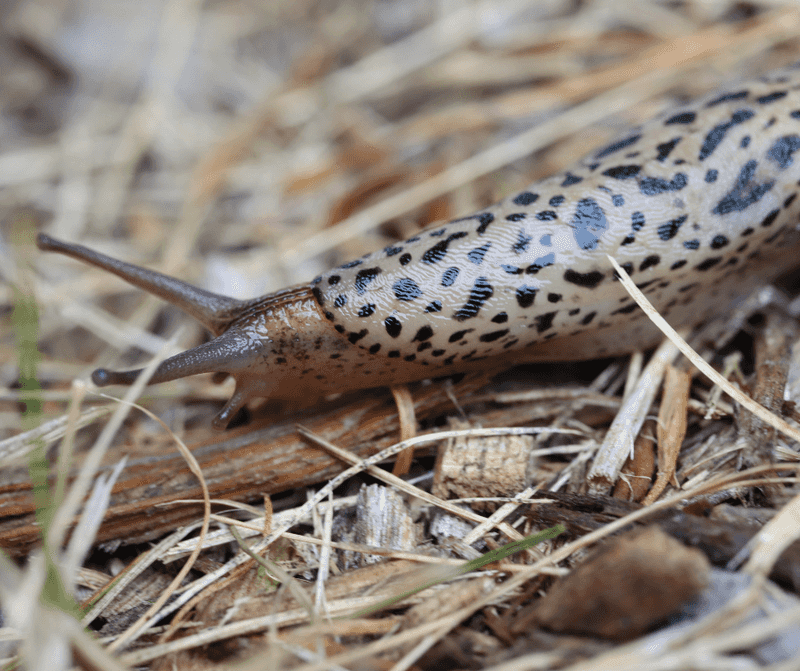
A healthy yard is not just about pretty flowers or a weed-free lawn. Real yard health comes from biodiversity, the variety of living creatures that interact, support, and balance each other.
The Leopard Slug plays a quiet but important role in keeping that balance alive and working in your Pennsylvania garden.
Birds love slugs. Robins, starlings, and thrushes will eagerly snap up a Leopard Slug if they come across one during early morning foraging.
Frogs and toads, which are wonderful natural pest controllers themselves, also feed on slugs regularly. Ground beetles and certain fly species target slug eggs as a food source.
By simply existing in your yard, the Leopard Slug becomes a link in the food chain that supports all of these other beneficial animals.
When you use chemical slug controls, you do not just remove the slugs. You remove a food source for every creature that depends on them. Fewer slugs means fewer frogs. Fewer frogs means more insects.
More insects means more plant damage. The chain reaction can quietly unravel the natural balance your yard depends on.
Keeping the Leopard Slug around encourages birds and amphibians to visit your yard more often. More birds mean more natural insect control.
More frogs mean fewer mosquitoes near your porch. Everything is connected, and the Leopard Slug sits right in the middle of that web.
Welcoming this slug into your yard is not just about one creature. It is about supporting an entire living system that keeps your garden resilient, balanced, and thriving season after season without extra effort from you.
Low-Maintenance Garden Ally You Already Have
Some of the best garden helpers require no shopping, no setup, and no maintenance. The Leopard Slug is exactly that kind of ally.
If one is already living in your yard, you are ahead of the game. All you need to do is stop working against it, and it will keep working for you.
Avoiding chemical pesticides and slug pellets is the single most effective thing you can do to support the Leopard Slug population in your yard.
Many common slug control products are toxic to the broader garden environment and will reduce the natural helpers already present.
Choosing organic or chemical-free gardening methods creates a safe environment where beneficial creatures like the Leopard Slug can thrive.
Leaving small areas of leaf litter, log piles, or shaded moist spots in your yard gives the Leopard Slug a place to rest during the day and hunt at night. You do not need a wild or messy garden to support it.
Even a small undisturbed corner near a fence or under a shrub is enough to make your yard a welcoming habitat.
If you are new to eco-friendly gardening, the Leopard Slug is honestly one of the easiest starting points. No feeding, no watering, no special care required.
It shows up, does its job, and disappears before sunrise. Most people never even see it working.
Pennsylvania gardeners who embrace this mindset often find that their yards become healthier over time with less effort.
The natural systems that were always there simply get a chance to do what they were designed to do. The Leopard Slug has always been on your side.