This Pennsylvania Tree Is Spreading A Silent Problem Through Yards
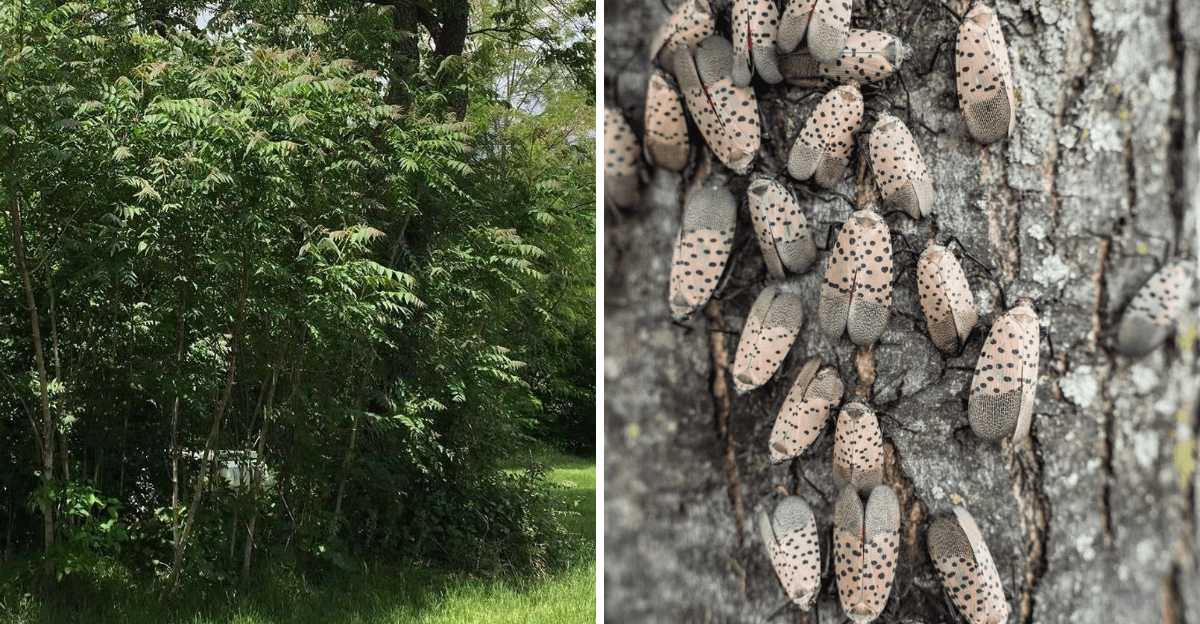
It might be growing in your backyard right now, and you probably haven’t given it a second thought. It looks like a tree.
It behaves like a tree. And for years, most Pennsylvania homeowners have treated it exactly like one, letting it do its thing without any concern.
But researchers and environmental experts have been raising serious alarms about this species, and the problem it’s spreading is far more serious than most people realize. This tree is quietly causing damage that goes well beyond your property line.
The issue isn’t always visible at first. It happens slowly, affecting the plants and ecosystems nearby in ways that are difficult to reverse once they take hold. Neighboring native plants suffer. Local wildlife loses important habitat.
And the tree keeps spreading further with every passing season. Pennsylvania yards are seeing more of this tree than ever, which makes right now the most important time to know what you’re dealing with.
Meet The Tree Of Heaven
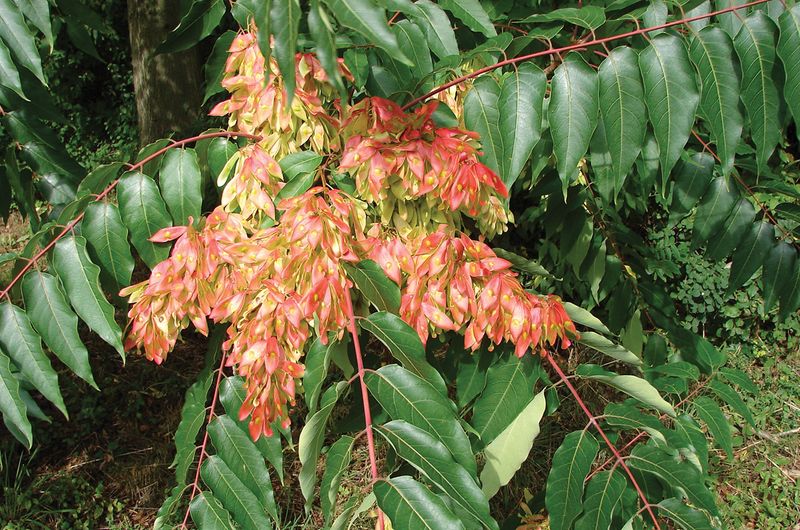
You might have walked past it a hundred times without ever knowing its name. Ailanthus altissima, commonly called the Tree of Heaven, is one of the most aggressive invasive trees in Pennsylvania.
Originally brought to the United States from China in the late 1700s, it was once planted as an ornamental shade tree. Nobody knew the trouble it would eventually cause.
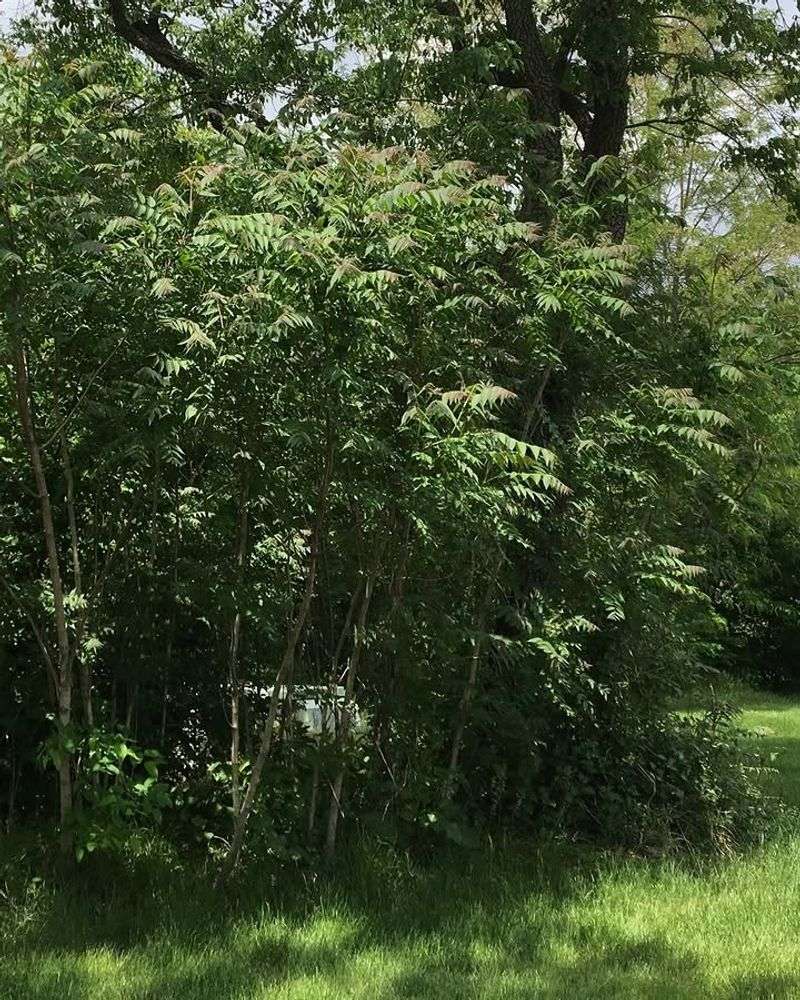
The Tree of Heaven is easy to spot once you know what to look for. Its leaves are long and feathery, made up of many smaller leaflets arranged in pairs along a central stem.
Each leaf can stretch up to four feet in length. The tree also produces large clusters of papery, winged seeds that spin through the air like tiny helicopters.
One of its most telling signs is the smell. When you crush a leaf or break a small branch, it gives off a strong, unpleasant odor that many people compare to rancid peanut butter. That scent alone can help you identify it quickly.
Growth speed is another standout feature. A young Tree of Heaven can grow up to six feet in a single year.
That means a small sprout you ignore in spring can become a significant tree before summer ends. It thrives in poor soil, cracked pavement, roadsides, and fence lines.
No environment seems too tough for it. Recognizing this tree early is the very first step in protecting your yard from the silent problem it carries with it wherever it grows.
Primary Host For The Spotted Lanternfly
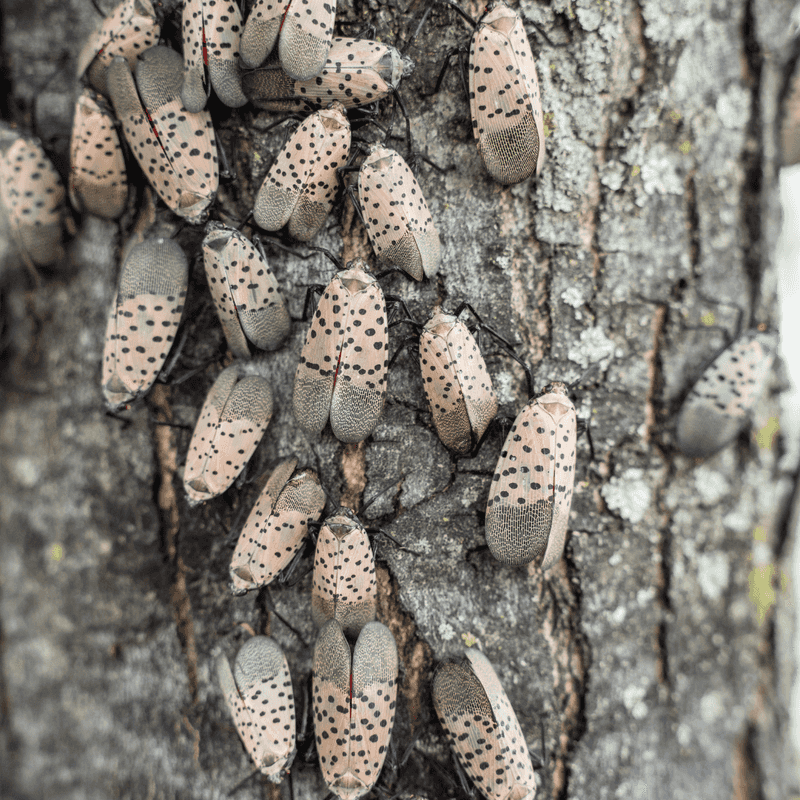
If the Tree of Heaven had a best friend, it would be the spotted lanternfly. These two species are closely connected in a way that spells trouble for Pennsylvania homeowners.
The spotted lanternfly, a destructive invasive insect from Asia, depends heavily on the Tree of Heaven for feeding and reproduction. Where one thrives, the other is almost always nearby.
Spotted lanternflies lay their eggs in flat, mud-like masses on the bark of Tree of Heaven trunks and branches. The egg masses blend in surprisingly well with the bark, making them easy to miss.
Your Pennsylvania Garden Changes Every Week. Your Plan Should Too.
Gardening in Pennsylvania changes quickly throughout the season. Every Friday you’ll receive a simple weekly plan showing exactly what to plant, prune, fertilize, harvest, and protect so you never miss the right timing.
Each mass can contain 30 to 50 eggs, meaning a single tree can become home to hundreds of new insects before spring even arrives.
Once the eggs hatch, nymphs move through several stages of development right on or near the tree. Young nymphs are small and black with white spots.
As they mature, they develop bright red markings that make them easier to identify. Adults return to the Tree of Heaven repeatedly to feed on its sap, especially in late summer and fall.
Researchers have found that spotted lanternflies prefer the Tree of Heaven above almost all other plants. Removing this tree from your yard can significantly reduce the number of lanternflies present.
That connection between the two species is exactly why the Tree of Heaven is considered such a serious threat. It does not just take up space.
It actively supports and shelters one of the most damaging pests currently spreading through Pennsylvania communities and beyond.
Invasive Growth Characteristics
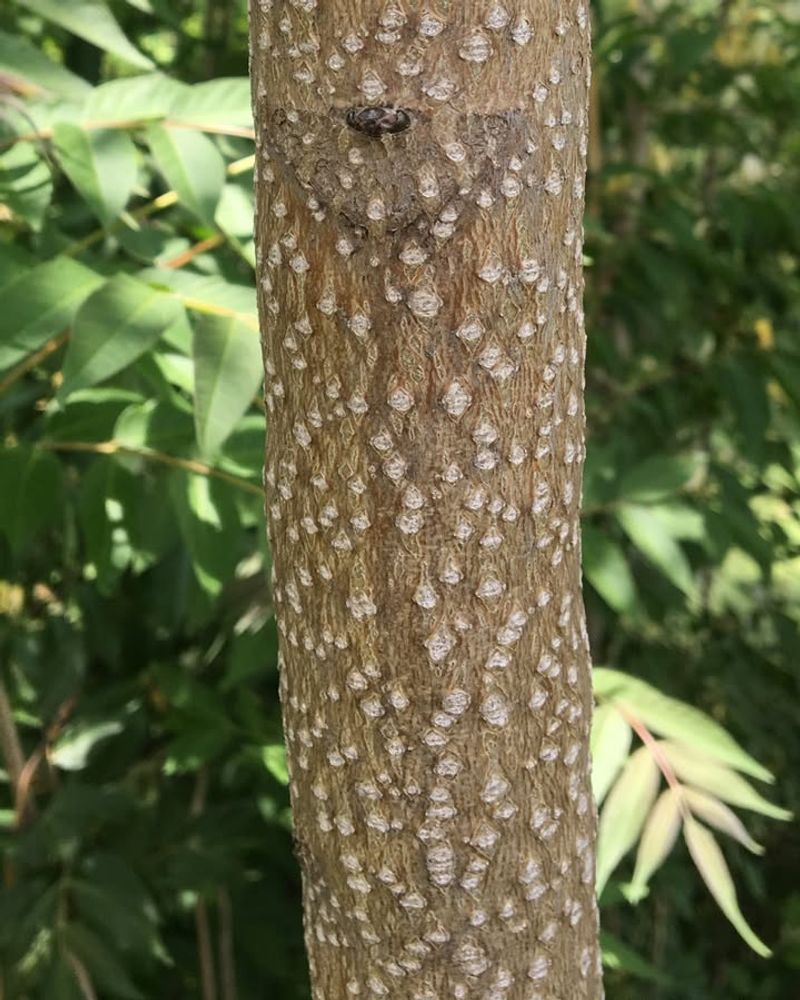
Few trees in Pennsylvania can match the sheer persistence of the Tree of Heaven. It does not just grow fast.
It grows relentlessly, bouncing back from cutting, mowing, and even harsh conditions that would stop most other trees in their tracks. Understanding how it spreads helps explain why it has become such a widespread problem across the state.
Seed production is one of its biggest strengths. A single mature Tree of Heaven can produce more than 300,000 seeds in one year.
Those seeds are lightweight and winged, allowing the wind to carry them far from the parent tree. They land in lawns, garden beds, gutters, and cracks in sidewalks, sprouting wherever they find even a little moisture and light.
Root sprouting is the other major issue. When a Tree of Heaven is cut down, its roots do not stop growing.
Instead, they send up dozens of new sprouts from the surrounding soil. Each sprout is a potential new tree.
Without proper treatment, cutting one tree can actually result in a cluster of new ones appearing within weeks.
The tree also releases chemicals into the soil that suppress the growth of nearby native plants. Scientists call this process allelopathy.
It gives the Tree of Heaven a competitive edge by weakening the plants around it. Native wildflowers, shrubs, and grasses struggle to survive in soil where this tree has taken hold.
Once it establishes itself in a yard or natural area, reclaiming that space takes real effort and a consistent plan of action.
Impact On Other Plants In Your Yard
The Tree of Heaven does not cause problems on its own. Its real damage comes from what it invites into your yard.
By hosting large populations of spotted lanternflies, it essentially turns your property into a launching pad for a pest that attacks a wide range of plants. The results can be costly and frustrating for any homeowner or gardener.
Spotted lanternflies feed by piercing plant stems and sucking out sap. They target grapes, apples, peaches, hops, and ornamental trees like maples and willows.
When they feed in large numbers, they weaken plants significantly. Leaves may wilt, curl, or drop early. Fruit can become stunted or fail to develop properly.
Another problem is the sticky substance lanternflies leave behind, called honeydew. This sugary waste coats leaves and branches, creating the perfect environment for a black sooty mold to grow.
That mold blocks sunlight from reaching the plant, slowing photosynthesis and reducing overall health. Plants covered in sooty mold look unsightly and struggle to perform well.
Home gardens and small orchards are especially vulnerable. A family that grows grapes or fruit trees for personal use can lose an entire season’s harvest to a heavy lanternfly infestation.
Even ornamental plants that are not food sources can show visible stress and reduced blooming. All of this connects back to the presence of the Tree of Heaven nearby.
Reducing or removing this tree from your property lowers the lanternfly population and gives your other plants a much better chance of staying strong and productive throughout the growing season.
Management And Removal Tips
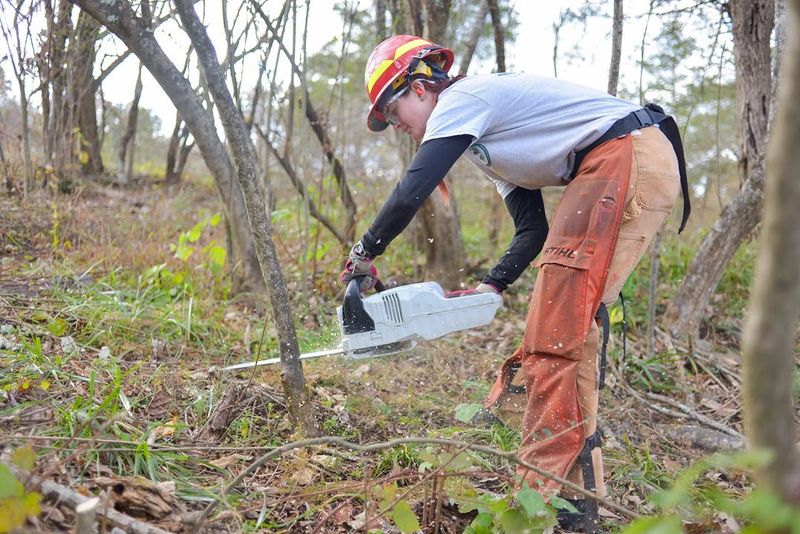
Getting rid of the Tree of Heaven takes more than a single afternoon of yard work. Because of its ability to resprout from roots and send new seeds everywhere, a smart, consistent approach works far better than a one-time effort.
Starting early and staying on top of it are the two most important things you can do. For small saplings under two inches in diameter, manual removal is often effective.
Pull them out by the roots when the soil is moist, making sure to get as much of the root system as possible.
Left behind roots will sprout again quickly. Wearing gloves is a good idea since the sap can irritate skin for some people.
Larger trees require a different strategy. Cutting the trunk alone will not stop regrowth.
The most effective method is to apply an herbicide directly to the freshly cut stump immediately after cutting, within minutes if possible. This prevents the root system from pushing up new sprouts.
Triclopyr-based herbicides are commonly recommended for this purpose and are available at most garden centers.
Another method called hack and squirt involves cutting notches into the bark and applying herbicide directly into those notches. This technique works well on established trees without requiring full removal right away.
Pennsylvania’s Department of Agriculture recommends checking your property regularly throughout the growing season and treating any new sprouts as soon as they appear.
Staying consistent over two or three growing seasons is usually what it takes to fully clear a property of this stubborn, fast-spreading tree.
Native Alternatives Worth Planting
Removing the Tree of Heaven does not mean your yard has to lose shade, beauty, or wildlife value. Pennsylvania is home to many wonderful native trees that can fill that same space while actually supporting local ecosystems instead of harming them.
Choosing a native replacement is one of the most rewarding things you can do for your property.
The Eastern Redbud is a favorite for good reason. In early spring, it bursts into clouds of bright pink and purple blossoms before its heart-shaped leaves even appear.
It stays relatively compact, making it perfect for smaller yards. Pollinators, especially native bees, absolutely love its flowers.
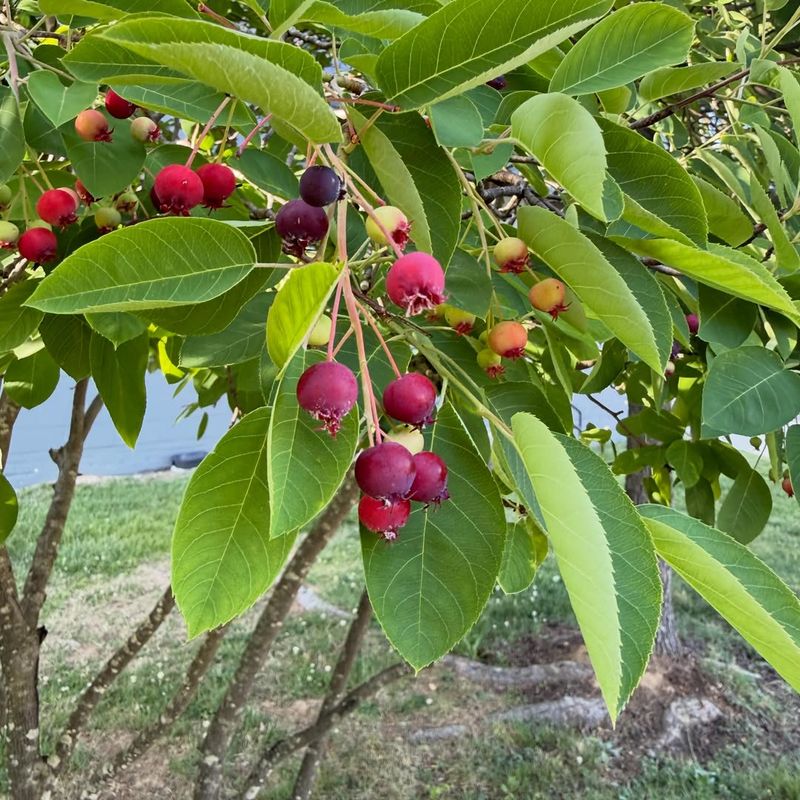
Serviceberry is another excellent choice. It produces delicate white flowers in spring, followed by small berries that birds find irresistible.
The fall foliage turns a beautiful mix of orange and red. It grows well in a variety of soil types and handles both sun and partial shade without complaint.
Red Maple is a classic Pennsylvania native that offers year-round interest. Its spring flowers attract early pollinators, its summer shade is generous, and its fall color is absolutely spectacular.
It grows quickly for a native tree, which makes it a practical choice for homeowners who want results without a long wait.
All three of these trees provide food and shelter for native birds, insects, and other wildlife. None of them serve as hosts for spotted lanternflies the way the Tree of Heaven does.
Swapping out an invasive troublemaker for one of these beautiful natives is a simple but powerful way to protect your yard and support Pennsylvania’s natural environment at the same time.