The Giant Mosquito In Your Pennsylvania Yard Might Not Be A Mosquito After All
You spot it hovering near your porch light or clinging to your window screen. It looks like a mosquito, but something is very off.
It’s enormous. Like someone took a regular mosquito and scaled it up to an almost unreasonable size.
Your first instinct is to back away and seriously reconsider your life choices. But take a breath. Because that giant mosquito is probably not a mosquito at all.
A lot of Pennsylvania residents encounter this oversized, long legged flying insect and immediately assume the worst. The confusion is completely understandable. At first glance the resemblance is striking.
But once you know what you’re actually looking at, the whole thing becomes a lot less terrifying and a lot more interesting.
This creature is far more common in Pennsylvania yards than most people realize, and its presence might actually be a good sign for your outdoor space.
Meet The Crane Fly
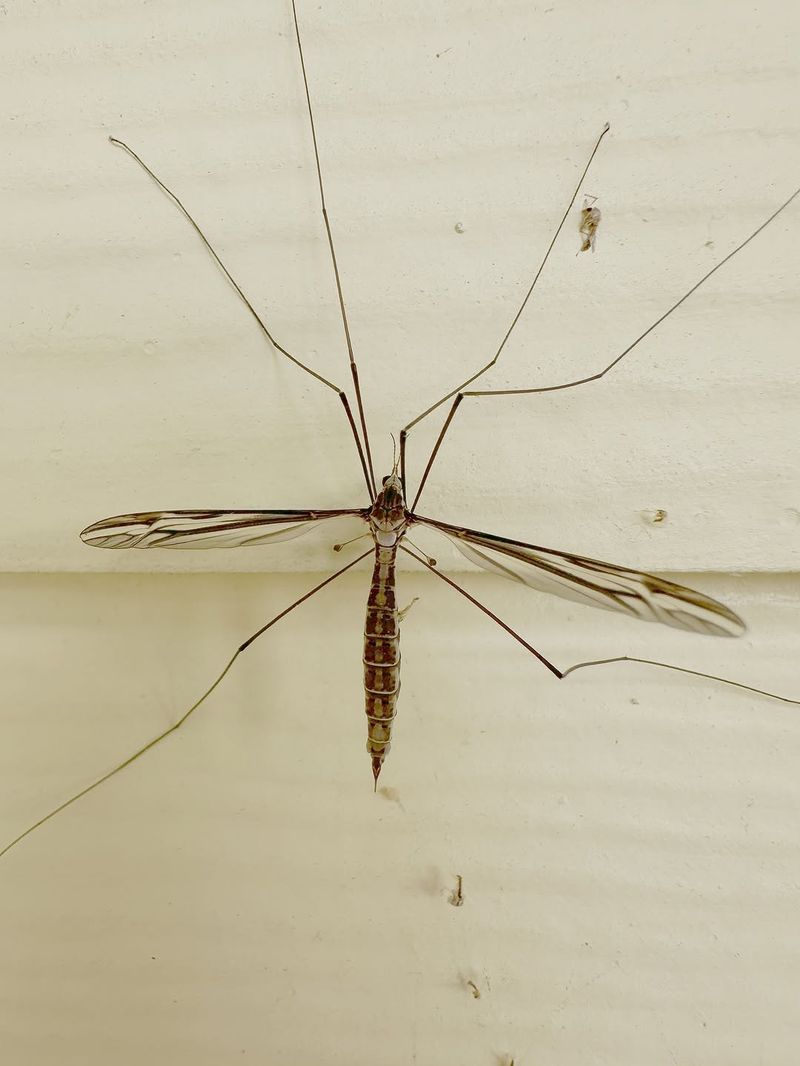
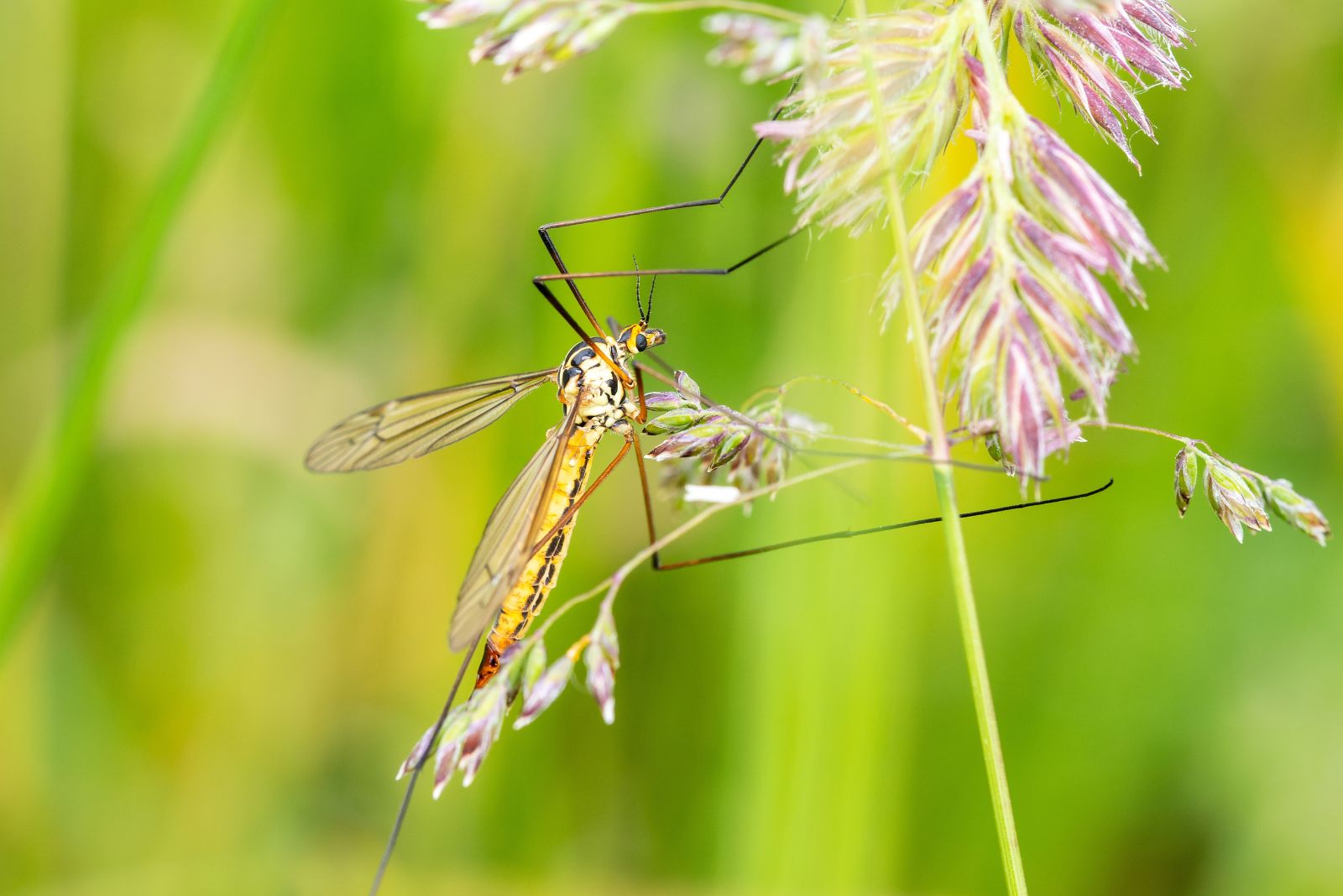
Picture a mosquito that somehow ended up in a growing machine and came out three times the size. That is basically what a crane fly looks like, and it is no wonder people freak out when they see one hovering near the porch light.
Crane flies belong to the family Tipulidae, and there are thousands of species found all over the world, including right here in Pennsylvania.
Despite their alarming size and spindly appearance, crane flies are completely harmless to people and pets. They do not bite. They do not sting. They do not transmit any diseases.
In fact, adult crane flies are so focused on reproducing that most of them do not even eat during their short adult lives.
Many folks call them “mosquito hawks” or “daddy longlegs flies,” thinking they hunt and eat mosquitoes. That is a fun idea, but it is mostly a myth.
Adult crane flies lack the mouthparts needed to catch and consume other insects. Some adults may sip a little nectar or plant moisture, but that is about it.
Crane flies are attracted to lights at night, which is usually when homeowners spot them bumbling around awkwardly near windows and doors. They are clumsy fliers, which makes them seem even more alarming.
But their goofy, uncoordinated flight is actually a sign that they are not built for hunting anything. They are simply out there looking for a mate before their short adult life wraps up.
Identification Tips
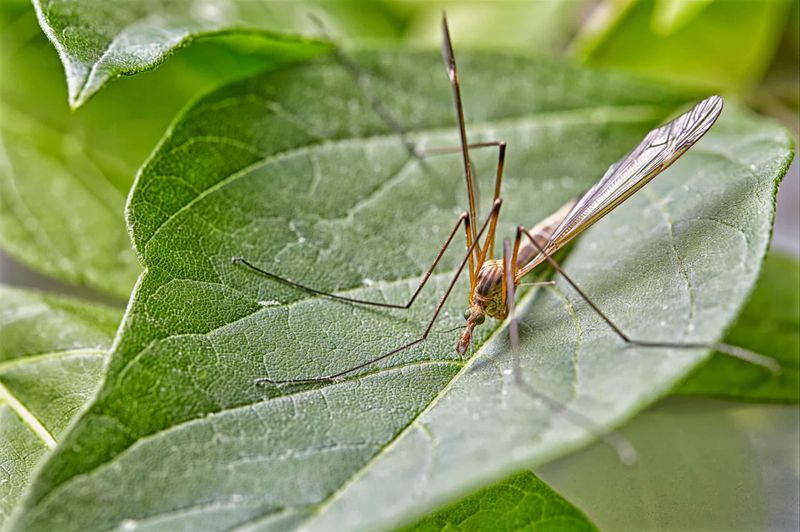
Once you know what to look for, telling a crane fly apart from a mosquito is actually pretty easy. The most obvious clue is size.
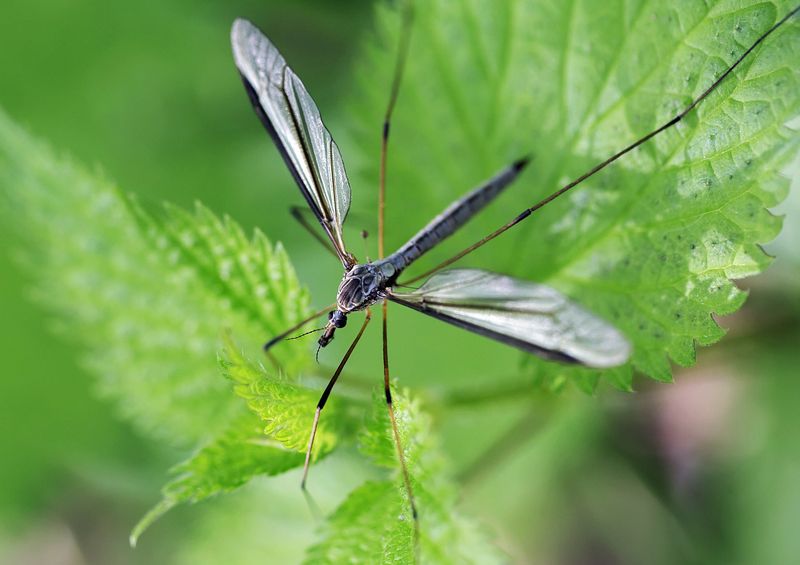
Crane flies are much larger than mosquitoes, sometimes reaching a wingspan of over two inches. If the insect hovering near your window looks like something out of a science fiction movie, it is almost certainly a crane fly.
Crane flies have extremely long, thin legs that dangle below their bodies as they fly. These legs break off easily, so you might find one stumbling around with only a few legs intact.
Mosquitoes also have long legs, but they are noticeably smaller and hold their legs in a more tucked position when resting. A crane fly at rest tends to spread its legs wide, making it look even more dramatic and oversized.
Your Pennsylvania Garden Changes Every Week. Your Plan Should Too.
Gardening in Pennsylvania changes quickly throughout the season. Every Friday you’ll receive a simple weekly plan showing exactly what to plant, prune, fertilize, harvest, and protect so you never miss the right timing.
Another major difference is the mouthparts. Mosquitoes have a sharp, needle-like proboscis they use to pierce skin and feed on blood.
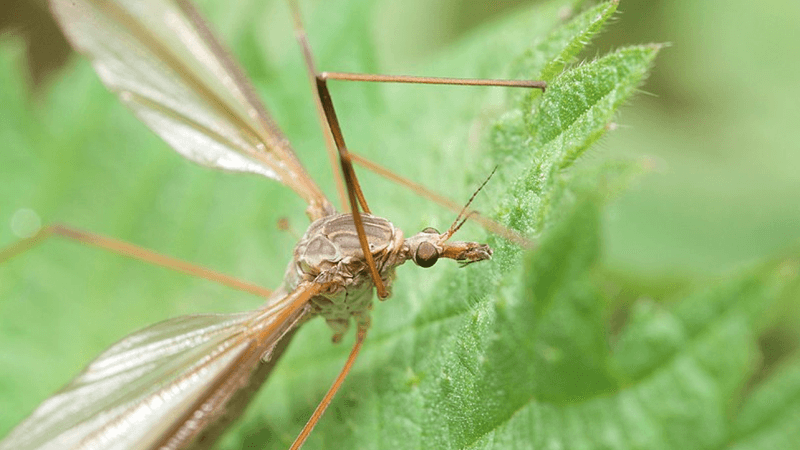
Crane flies do not have this. Their mouthparts are either very small or nearly absent, meaning they are physically incapable of biting you. No proboscis means no blood meal, and that means no itchy welts on your arms.
Wing shape also helps with identification. Crane flies have two narrow wings that are held out to the sides when resting.
Mosquitoes fold their wings flat along their backs. If you can get close enough to look, the wing position alone can settle the debate quickly. Crane flies also lack the scaly appearance that mosquitoes have on their wings and bodies.
Lifecycle And Behavior
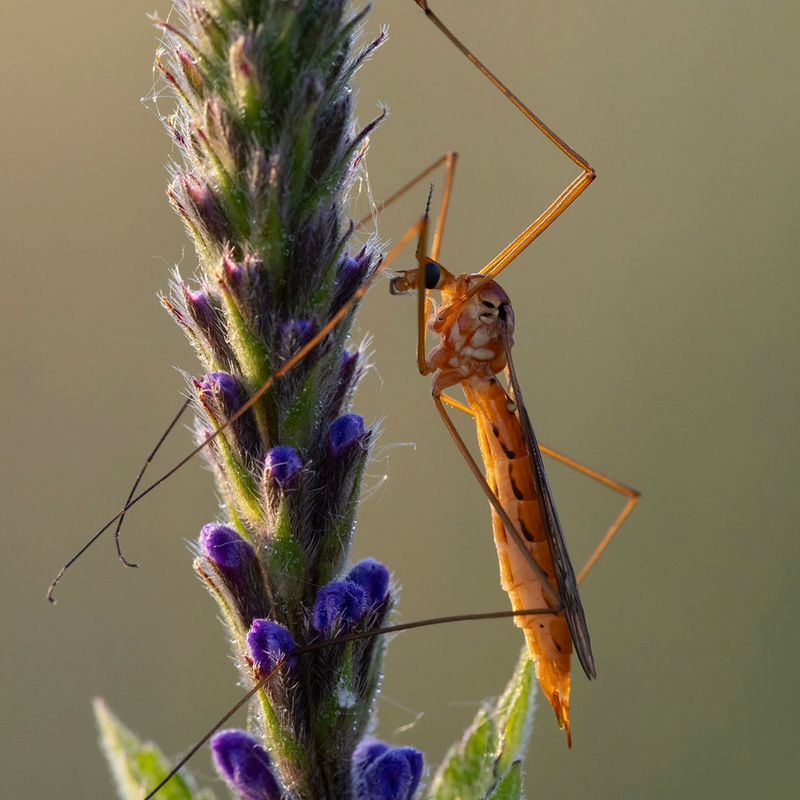
Crane flies follow a fascinating lifecycle that most people never think about because they only notice the adults flying around. Adult crane flies typically emerge in late spring and continue appearing through summer and into early fall in Pennsylvania.
Their main mission as adults is simple: find a mate, reproduce, and pass on their genes before time runs out.
After mating, females lay eggs in moist soil, often in lawns or grassy areas near water. The eggs hatch into larvae known as leatherjackets because of their tough, gray-brown skin.
These larvae live underground in the soil, which is where they spend the majority of their lives. They are not the prettiest creatures, but they play a useful role in the ecosystem.
Leatherjackets feed on decaying organic matter in the soil, which helps break down dry plant material and recycle nutrients.
They may also nibble on grass roots and other plant material near the soil surface, especially during cooler, wetter months. In most cases, their feeding does not cause noticeable damage to healthy lawns.
The larval stage can last through fall and winter, with the larvae pupating in early spring before the adult crane flies emerge. The entire cycle from egg to adult usually takes about a year.
Adults live for only a few days to a couple of weeks, just long enough to mate and start the cycle over again. Their short adult lifespan explains why they seem to appear suddenly in large numbers and then disappear just as quickly.
Role In The Garden
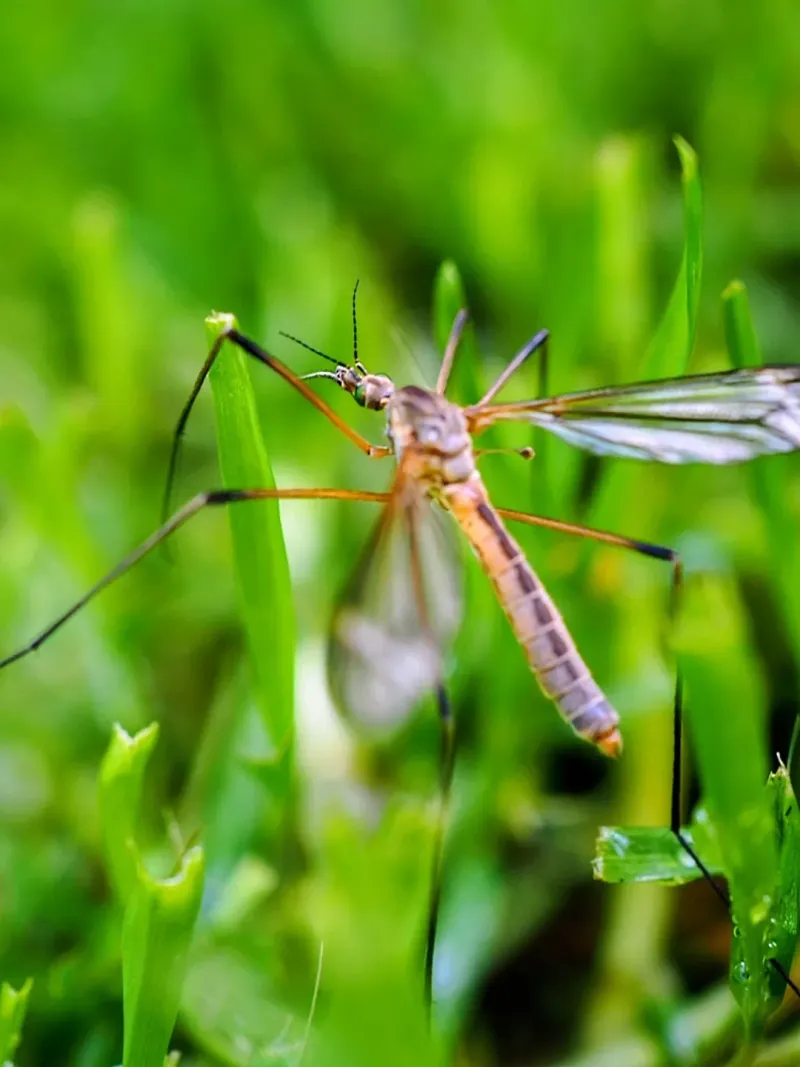
Crane flies might look like a nuisance, but they actually do some quiet, behind-the-scenes work that benefits your yard. Starting underground, the larvae help break down dry leaves, rotting plant material, and other organic debris in the soil.
This decomposition process releases nutrients back into the ground, which helps support healthier grass and garden plants over time.
Think of leatherjackets as tiny, slow-moving composters working beneath your feet. While they are not as efficient as earthworms, they still contribute to the natural cycle that keeps soil fertile and biologically active.
Healthy soil is the foundation of a thriving garden, and every creature that helps improve it is doing your yard a favor, even if it is not obvious at first glance. Adult crane flies also play an important role in the food web. Birds absolutely love them.
Robins, starlings, and other yard birds will snatch crane flies right out of the air or pluck their larvae from the soil. Frogs, toads, and other amphibians also feed on crane fly adults and larvae. Even some beneficial insects and spiders prey on them.
By supporting a population of crane flies, you are indirectly feeding and attracting a whole community of wildlife to your Pennsylvania yard. More birds visiting your lawn means more natural pest control for other insects you might actually want to get rid of.
It is a ripple effect that starts with one humble, goofy-looking insect that most people are trying to swat away. Letting crane flies do their thing is one of the easiest ways to support backyard biodiversity.
Common Misconceptions
Crane flies have a serious image problem. Because they are large, awkward, and show up unexpectedly, many people assume the worst about them.
One of the biggest myths is that crane flies are dangerous predators that bite people or animals. As we have already covered, that is completely false. No biting, no stinging, no disease transmission. Zero threat to you, your kids, or your pets.
Another widespread myth is that crane flies are deadly to mosquitoes and act as natural pest control. This idea sounds great, but adult crane flies simply do not have the equipment to hunt other insects.
The “mosquito hawk” nickname is catchy but misleading. Believing this myth can give people a false sense of protection and lead them to skip other, more effective mosquito prevention steps around their property.
Perhaps the most damaging misconception is that crane flies are harmful pests that require immediate treatment with pesticides. Homeowners who are afraid of them sometimes spray their entire yards unnecessarily.
Pesticide overuse can harm beneficial insects like bees and butterflies, disrupt the natural balance of your yard, and cause far more problems than a few crane flies ever would.
Educating yourself and your neighbors about crane flies makes a real difference. When gardeners understand that these insects are harmless and even helpful, they are less likely to reach for chemicals out of fear.
Sharing accurate information helps protect local ecosystems and keeps Pennsylvania yards healthier for everyone. Sometimes the best thing you can do for your garden is simply leave a creature alone and let nature handle it.
Management And Control
Good news for anyone still feeling uneasy about crane flies: adult crane flies do not need to be controlled at all. They are not damaging your plants, biting your family, or spreading disease.
Their adult stage is brief, and they will be gone before you know it. The best approach with adult crane flies is simply to leave them alone and let them complete their natural lifecycle.
Larvae are a slightly different story, but even then, most healthy lawns can handle a modest population of leatherjackets without any visible damage. Problems tend to occur in lawns that are already stressed from poor soil health, overwatering, or compaction.
If you notice patchy, yellowing grass that pulls up easily in spring, leatherjackets may be feeding on the roots beneath the surface.
Rather than reaching for pesticides, start with good lawn care basics. Aerate your soil each fall to reduce compaction and improve drainage.
Avoid overwatering, since moist soil is exactly what crane fly females are looking for when they choose a spot to lay eggs. A lawn that drains well and has strong, deep roots is much more resistant to larval feeding damage.
Encouraging natural predators is one of the most effective long-term strategies. Birds, especially starlings and robins, are excellent at finding and eating leatherjackets. You can attract more birds by adding feeders, birdbaths, or native plantings to your yard.
Nematodes, which are microscopic organisms available at garden centers, can also be applied to lawns to naturally reduce larval populations without harming other wildlife or your soil health.