Stink Bugs Are Getting Into Tennessee Homes This Summer, Here Is What Is Driving Them In
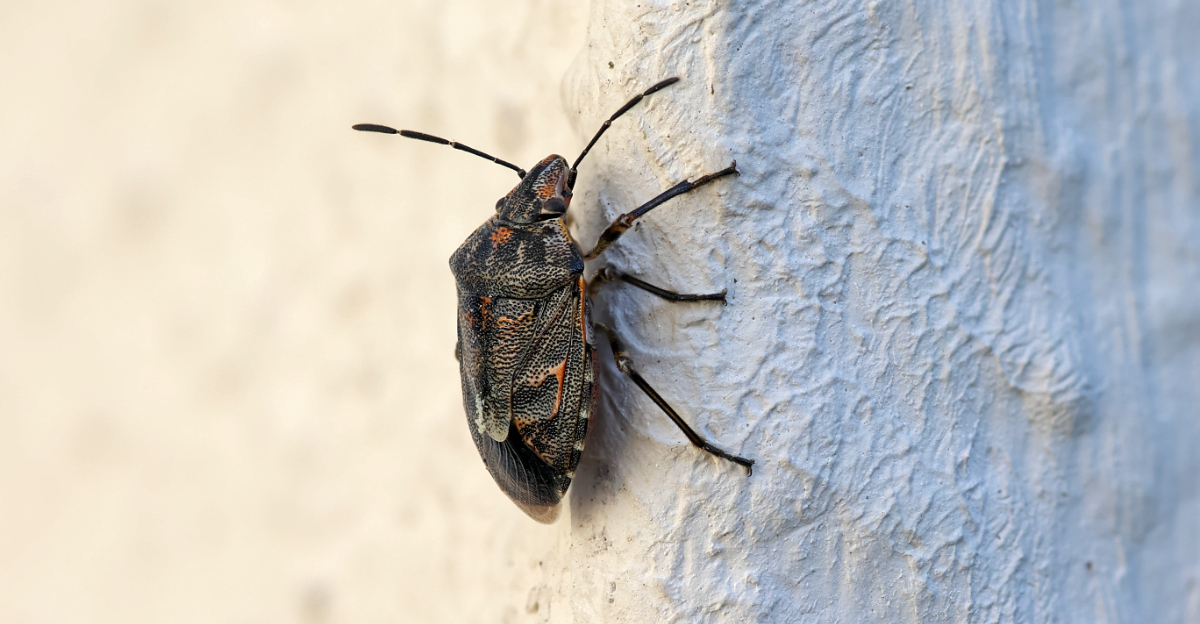
If you have been spotting a flat, shield-shaped bug creeping along your baseboards or window sills this summer, there is a reason it chose your home. Stink bugs are not wandering inside by accident.
Tennessee’s summer heat and humidity create exactly the kind of conditions that push them through your walls and into your living space. Stink bug sightings inside Tennessee homes have been increasing steadily over the past few summers.
What makes them tricky is not just getting them out, it is everything homeowners do wrong in the process that ends up making things worse. Before you reach for a tissue or fire up the vacuum, it helps to understand what is actually going on.
These bugs follow patterns, exploit specific weak points in your home, and respond to removal methods in ways most people do not expect.
Stink Bugs Enter Tennessee Homes In Summer To Escape The Heat
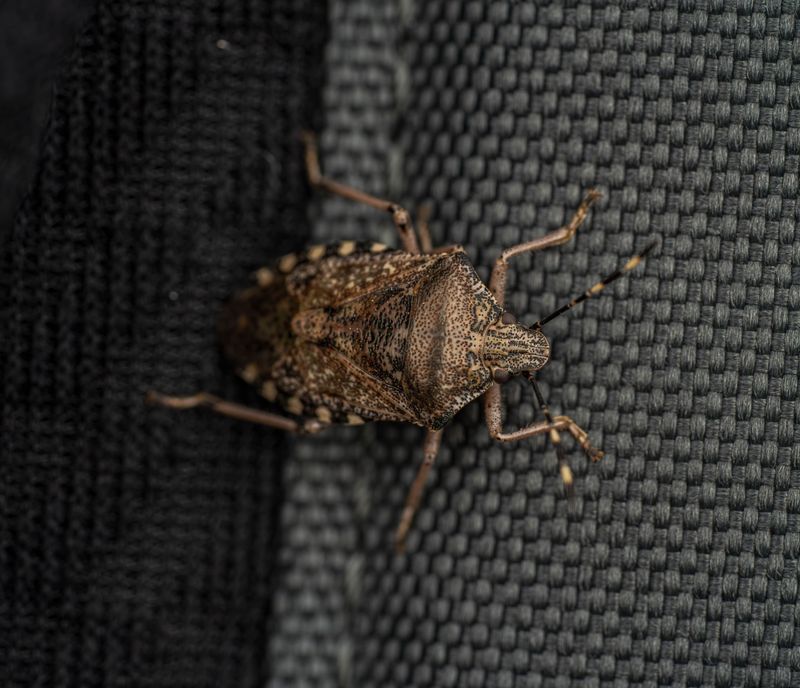
The heat hits hard, and stink bugs feel it too. When summer heat becomes extreme, stink bugs seek out stable environments where temperatures stay consistent.
Stink bugs are cold-blooded, so extreme heat stresses their bodies fast. Your air-conditioned home offers exactly the stable temperature they are looking for.
Most people assume stink bugs only invade in fall, but summer is a growing problem across the region. The combination of record-breaking heat and drought conditions pushes them indoors earlier each year.
They are not attracted to your food or your pets. They simply want a stable, comfortable temperature to survive and stay active.
Once inside, they tend to stay still and quiet, hiding in plain sight near windows or ceiling corners. You might not even notice them until one drops onto your couch.
Stink bugs inside Tennessee homes during summer are responding to the same instinct every creature has: find comfort and stay alive. Your walls just happen to offer exactly that.
Understanding their motivation makes prevention much more straightforward. Seal the entry points before the next heat wave rolls through, and you cut off their invitation entirely.
These Are the Spots In Your Home Stink Bugs Head To First
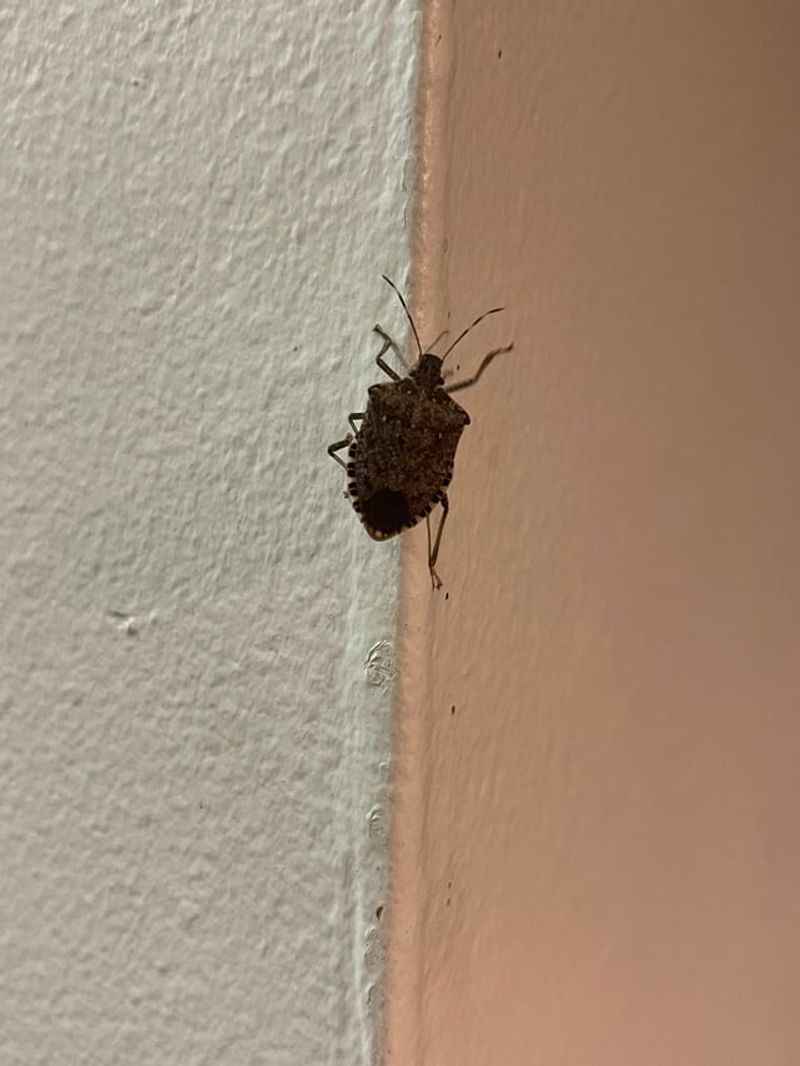
Stink bugs are creatures of habit, and they follow a predictable path once inside. Knowing their favorite hiding spots gives you a serious advantage.
Windows are their first destination. The warmth from sunlight and the thin gaps around frames make windows both an entry point and a resting place.
Door frames are another hotspot, especially doors that face south or west. The afternoon sun warms those frames, and any tiny gap becomes a welcome mat.
Attics rank high on their list too. Attics are warm, dark, and rarely disturbed, ideal conditions for a stink bug looking to settle in.
Crawl spaces and wall voids are also prime real estate. These areas stay relatively cool in summer and are almost impossible to monitor without a flashlight and some patience.
Curtains and blinds get overlooked by homeowners but not by bugs. Stink bugs love to tuck themselves behind window treatments where fabric creates a dark, undisturbed pocket.
Your Tennessee Garden Changes Every Week. Your Plan Should Too.
Gardening in Tennessee changes quickly throughout the season. Every Friday you’ll receive a simple weekly plan showing exactly what to plant, prune, fertilize, harvest, and protect so you never miss the right timing.
Stink bugs inside Tennessee homes tend to cluster in these specific zones, which makes targeted inspection much more effective than a whole-house sweep. Checking these spots regularly during peak summer months gives you the best chance of catching a problem early.
Tennessee’s Humid Summers Make Indoor Conditions More Attractive
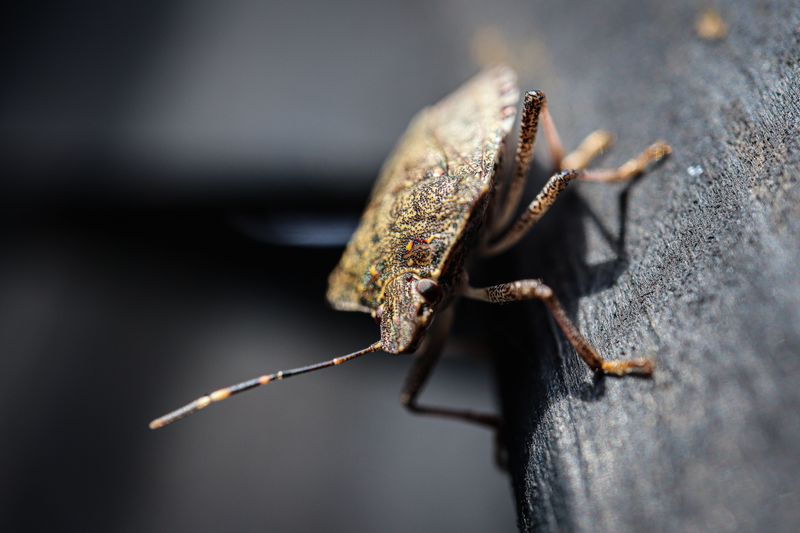
Humidity is a big deal in this part of the country, and it plays a major role in bug behavior. When outdoor air feels like a wet blanket, insects start looking for drier ground.
Summer humidity across much of Tennessee consistently runs high, often making outdoor conditions uncomfortable for insects and humans alike.
Indoor air conditioning does more than cool the air. It also pulls moisture out, creating a dry, stable environment that stink bugs find far more livable than a steamy backyard.
Gardens and landscaping near the home make the problem worse. Overgrown shrubs and mulch beds hold humidity close to the foundation, pushing bugs toward the drier air leaking from your walls.
Moisture also affects the food sources stink bugs rely on outdoors. When plants dry out or fruit drops early from heat stress, bugs lose their outdoor buffet and start wandering.
Your home essentially becomes a refuge from two different problems at once: excessive heat and smothering humidity. That double pull is hard for a stink bug to resist.
Stink bugs showing up inside Tennessee homes are often reacting to this exact combination. Reducing moisture near your foundation with proper drainage can make your home feel less like a safe harbor to them.
Stink Bugs Come In Through Gaps You Probably Haven’t Noticed
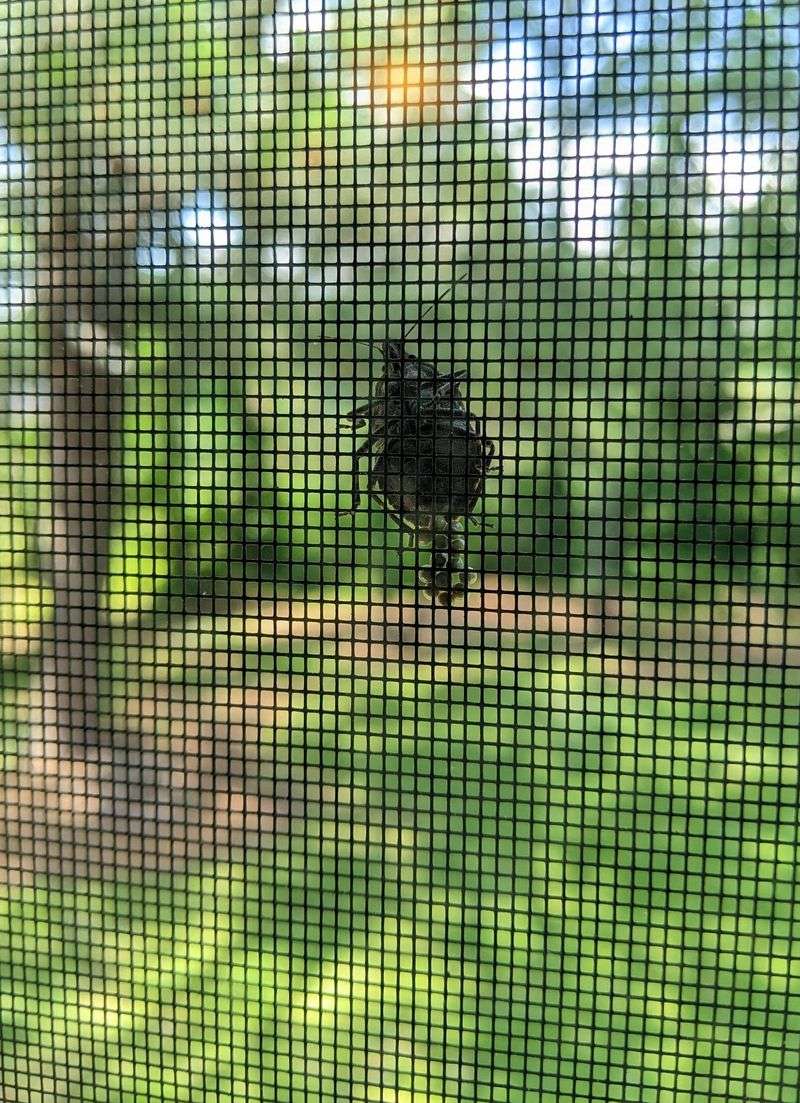
Most homeowners think their homes are sealed up tight. Then a stink bug appears in the middle of the living room and proves them wrong.
Stink bugs can fit through surprisingly small gaps in your home’s exterior, including cracks around window frames, door edges, and utility entry points.
Torn window screens are one of the most common entry points. Even a small rip in the corner of a screen is more than enough space for a determined bug to push through.
Utility penetrations are often ignored completely. The spots where pipes, cables, and wires enter your walls are frequently left with gaps that contractors never sealed properly.
Chimney openings without proper caps are another overlooked entry point. Stink bugs can drop straight down into your fireplace and walk right into your living space.
Roof vents and soffit gaps let air flow in and out, which is exactly what they are designed to do. Unfortunately, they also let insects travel the same path without any resistance.
Weatherstripping on doors and windows wears out faster than most people realize. A door that sealed perfectly two years ago may now have a visible gap at the bottom or sides that bugs exploit freely.
Stink bugs inside Tennessee homes almost always enter through these overlooked weak spots, so a thorough inspection of your exterior is the smartest move you can make this season.
Common Ways People Remove Stink Bugs That End Up Backfiring
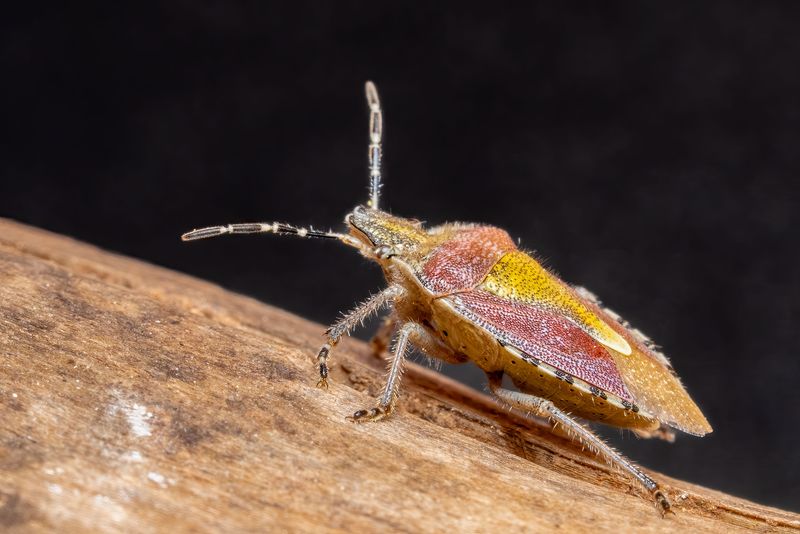
Squishing a stink bug seems like the obvious move until the smell hits and you immediately regret it.
The odor released when a stink bug is crushed is a chemical defense mechanism. It can linger on fabric, carpet, and skin for hours no matter how much you scrub.
Many people grab a can of bug spray next. Standard household sprays are mostly ineffective against stink bugs and can leave chemical residue on surfaces where kids and pets spend time.
Flushing them down the toilet seems harmless enough. However, it wastes water and does nothing to address the reason they got inside in the first place.
Vacuuming them up is a popular choice, but it comes with a catch. The suction agitates the bug, triggering the same stink response and leaving your vacuum with a lingering odor that is difficult to get rid of.
Some homeowners try to sweep them out the door, only to have the bug fly back inside within minutes. Stink bugs are surprisingly good fliers and have no problem returning to a spot they like.
Using a dedicated bug vacuum or a sealed bag inside your regular vacuum helps reduce the odor problem. The most effective removal method is also the simplest: scoop the bug into a jar of soapy water, seal it, and dispose of it outside.
Knowing what not to do keeps stink bugs inside Tennessee homes from becoming an even smellier situation than they already are.
How To Keep Stink Bugs From Getting Inside In The First Place
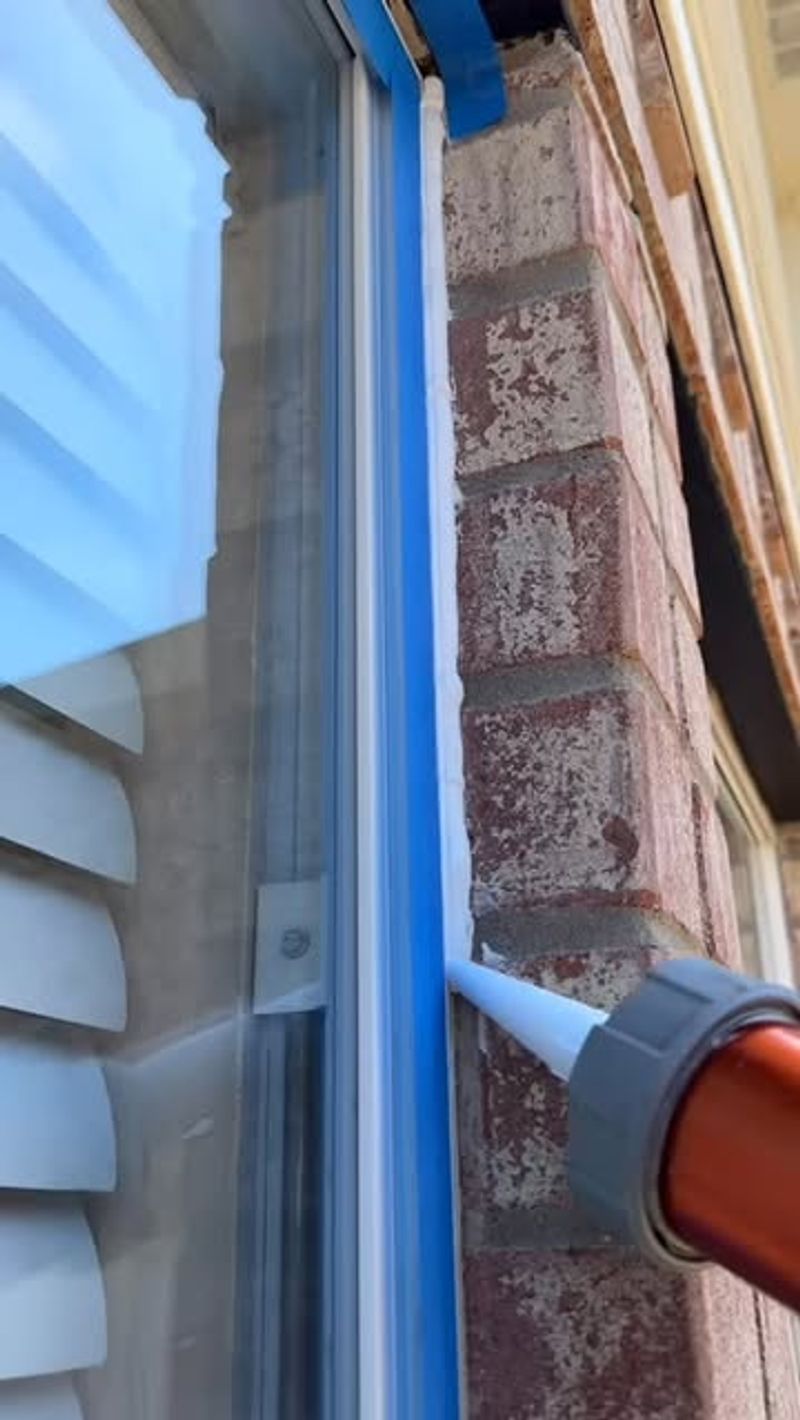
Keeping stink bugs out is far easier than dealing with them once they are already inside. A few hours of prep work now saves you weeks of bug encounters later in the season.
Start with a full exterior inspection of your home. Walk the entire perimeter and look for cracks, gaps, and worn seals around every window, door, pipe, and vent.
Caulk is your best friend for this project. A tube of exterior-grade silicone caulk costs a few dollars and can seal dozens of small openings that bugs currently treat as open invitations.
Replace damaged window screens immediately. Do not patch them with tape and hope for the best, because tape fails fast in summer heat and humidity.
Install door sweeps on every exterior door, including the garage entry. A proper sweep eliminates the gap at the bottom that lets insects slide right under without any effort.
Trim back shrubs, trees, and plants that touch your home’s exterior. Dense vegetation acts like a bridge that connects the bug’s outdoor world directly to your walls.
Outdoor lighting attracts stink bugs at night, so switching to yellow or amber bulbs near entry points can reduce how many bugs are drawn to those areas at night.
Keeping stink bugs out of Tennessee homes this summer is absolutely achievable with consistent effort. Seal the gaps, adjust the lights, and cut back the landscaping, and you give stink bugs far fewer reasons to treat your home as a destination this summer.