These Pennsylvania Wildflowers Handle Wet Clay Soil Better Than Any Garden Plant
Every Pennsylvania yard seems to have that one spot that just refuses to cooperate. Rain comes through, everything else drains out, and that one low corner holds water like it made a personal commitment to staying wet.
Clay soil is a big part of the story here, and if you have ever tried planting something standard in a soggy, clay-heavy bed, you already know how that tends to go. Not great.
The good news is that fighting wet soil is usually the wrong approach anyway.
Working with it is a much better strategy, and Pennsylvania has a genuinely impressive lineup of native wildflowers that are built for exactly these conditions.
They are not just tolerating the moisture. They are thriving in it.
That waterlogged corner of your yard has a lot more potential than it looks like right now.
1. Swamp Milkweed Loves Damp Clay
Clay soil that holds water after every rainstorm can feel like the hardest spot in the garden to work with, but swamp milkweed sees that same spot as home.
This native Pennsylvania wildflower, known botanically as Asclepias incarnata, is built for exactly the kind of soggy, heavy ground that sends many common garden plants into decline.
Its roots are strong enough to push through dense clay, and it handles standing moisture far better than most ornamental plants you would find at a typical nursery.
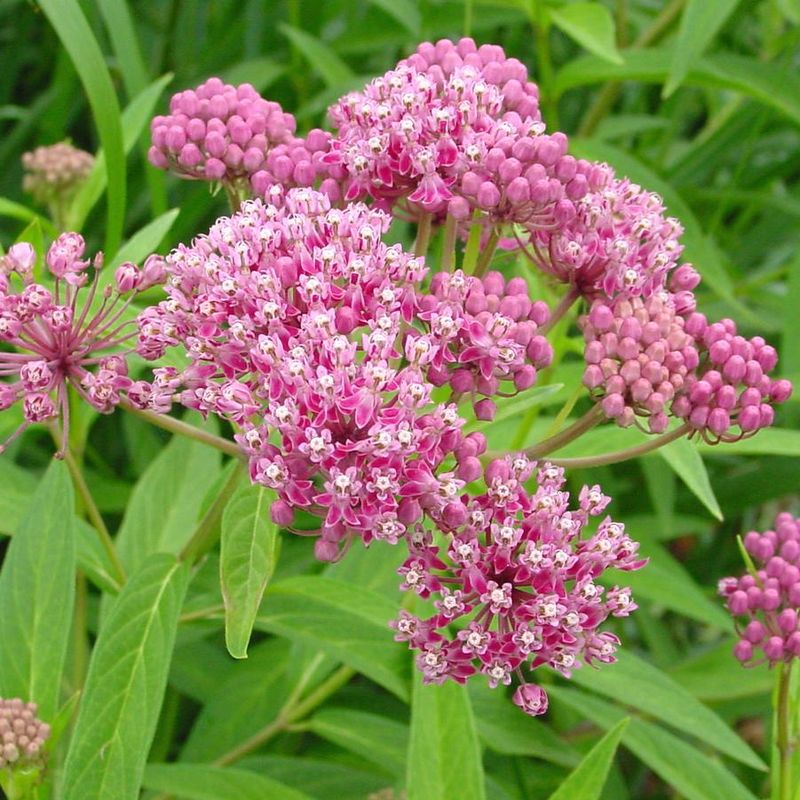
Swamp milkweed typically grows between three and five feet tall, making it a solid choice for the back of a rain garden or along a low border that collects runoff. The blooms appear in mid to late summer and range from soft pink to rosy mauve.
They are genuinely beautiful up close, with small clustered flowers that attract monarch butterflies, bees, and a range of other pollinators that are valuable in Pennsylvania landscapes.
Placement matters with this plant. It tends to do best in full sun or very light shade, and it appreciates consistent moisture throughout the growing season.
A rain garden, a damp meadow-style planting, or a low bed near a downspout are all reasonable spots to try it.
Once established, swamp milkweed can spread slowly by seed, so giving it a little room at planting time is a smart move for most home gardeners.
2. Blue Flag Iris Brightens Wet Spots
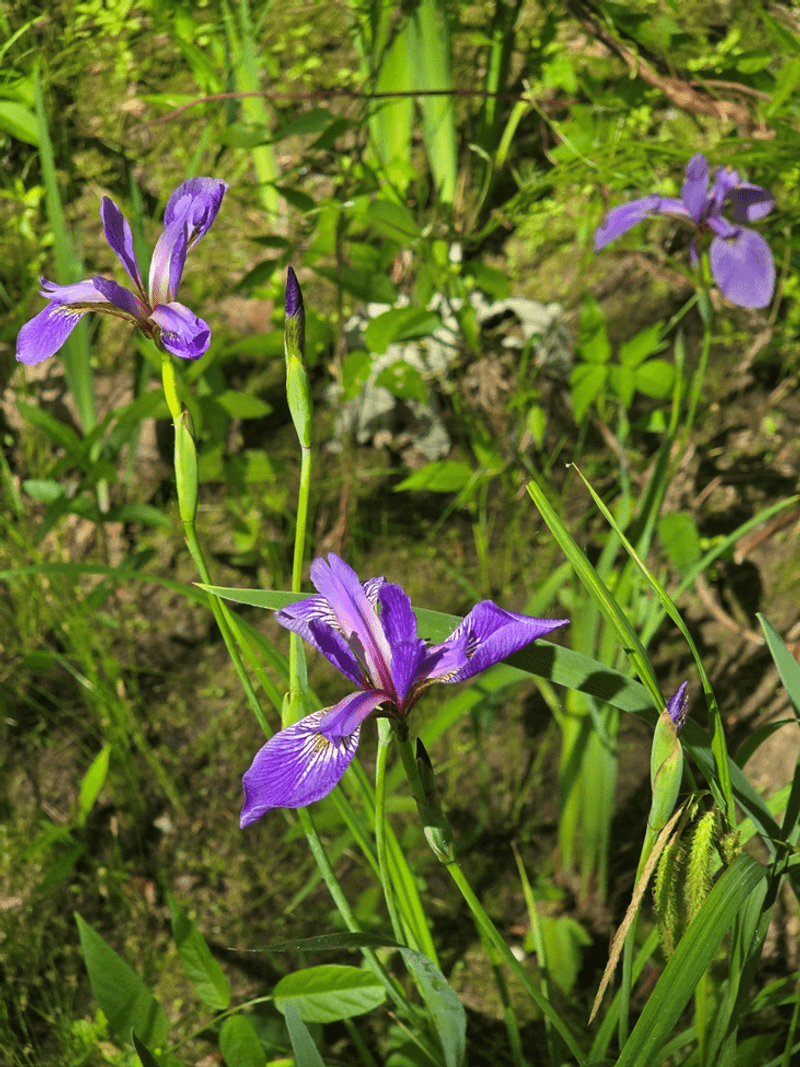
Low garden areas that stay wet well into spring are often the hardest spots to plant with confidence, but blue flag iris handles them with ease.
Iris virginica, the native blue flag iris found across Pennsylvania, grows naturally along stream banks, pond edges, and in wet meadows where the soil is heavy and slow to drain.
That background makes it a reliable option for rain gardens and low beds where standing water lingers after storms.
The flowers are one of its strongest selling points. Blooming in late spring to early summer, they display rich violet-blue petals with yellow and white markings near the center.
The display does not last long, but it is striking while it is happening, and the upright sword-shaped foliage stays attractive through much of the growing season.
Your Pennsylvania Garden Changes Every Week. Your Plan Should Too.
Gardening in Pennsylvania changes quickly throughout the season. Every Friday you’ll receive a simple weekly plan showing exactly what to plant, prune, fertilize, harvest, and protect so you never miss the right timing.
In a rain garden or naturalized wet planting, that foliage adds structure even after the blooms are finished.
Blue flag iris grows best in full sun to partial shade and prefers soil that stays consistently moist or even wet during the growing season. It spreads gradually by rhizomes, which means a small planting can fill in a low spot nicely over a few seasons.
Gardeners who have soggy areas near water features or downspout drainage paths often find that blue flag iris settles in well once given a season or two to establish its roots in the clay.
3. Cardinal Flower Adds Bold Red Blooms
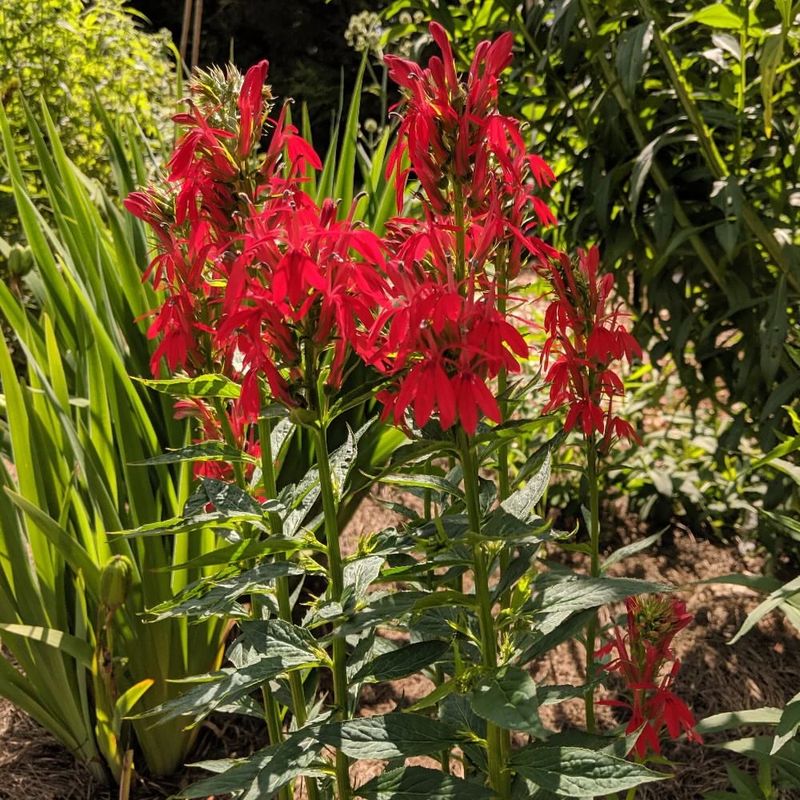
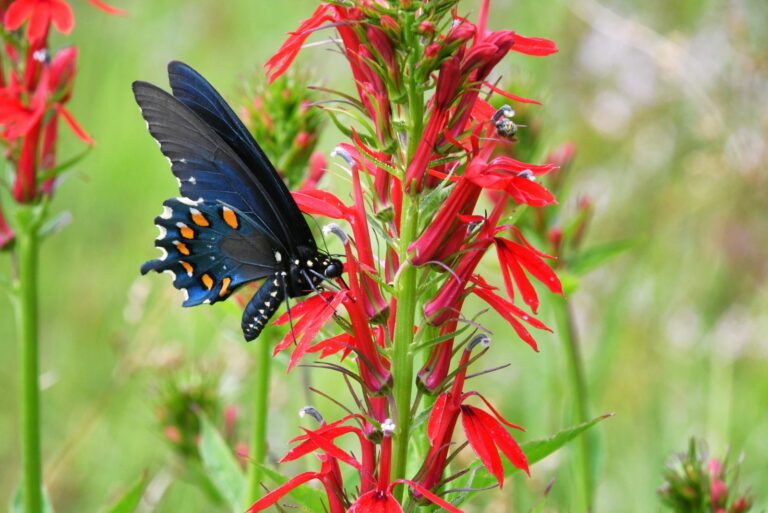
Few native plants in Pennsylvania can match the sheer visual impact of cardinal flower in full bloom. Lobelia cardinalis produces tall spikes of intense scarlet-red flowers that rise well above the foliage from midsummer into early fall.
In a damp border or rain garden, those red blooms catch the eye from a distance, and they are especially valuable for attracting hummingbirds, which are drawn to red tubular flowers more reliably than to almost any other color in the garden.
Cardinal flower is a natural fit for wet clay soil because it grows wild along streambanks, floodplains, and moist woodland edges throughout Pennsylvania.
It tolerates brief periods of flooding and handles heavy soil that drains poorly, making it a practical choice for low spots that other flowering plants tend to avoid.
The plants typically reach three to four feet tall, and a grouping of several plants together creates a bold color block that is hard to overlook.
Partial shade suits cardinal flower well, though it can handle full sun if the soil stays reliably moist. In shaded damp areas under trees or along a north-facing slope, it tends to perform quite well.
One thing worth knowing is that individual plants are relatively short-lived, but they often self-seed in moist soil. Leaving a few seedlings in place each season can help maintain a planting without much extra effort from the gardener.
4. Great Blue Lobelia Brings Soft Blue Color
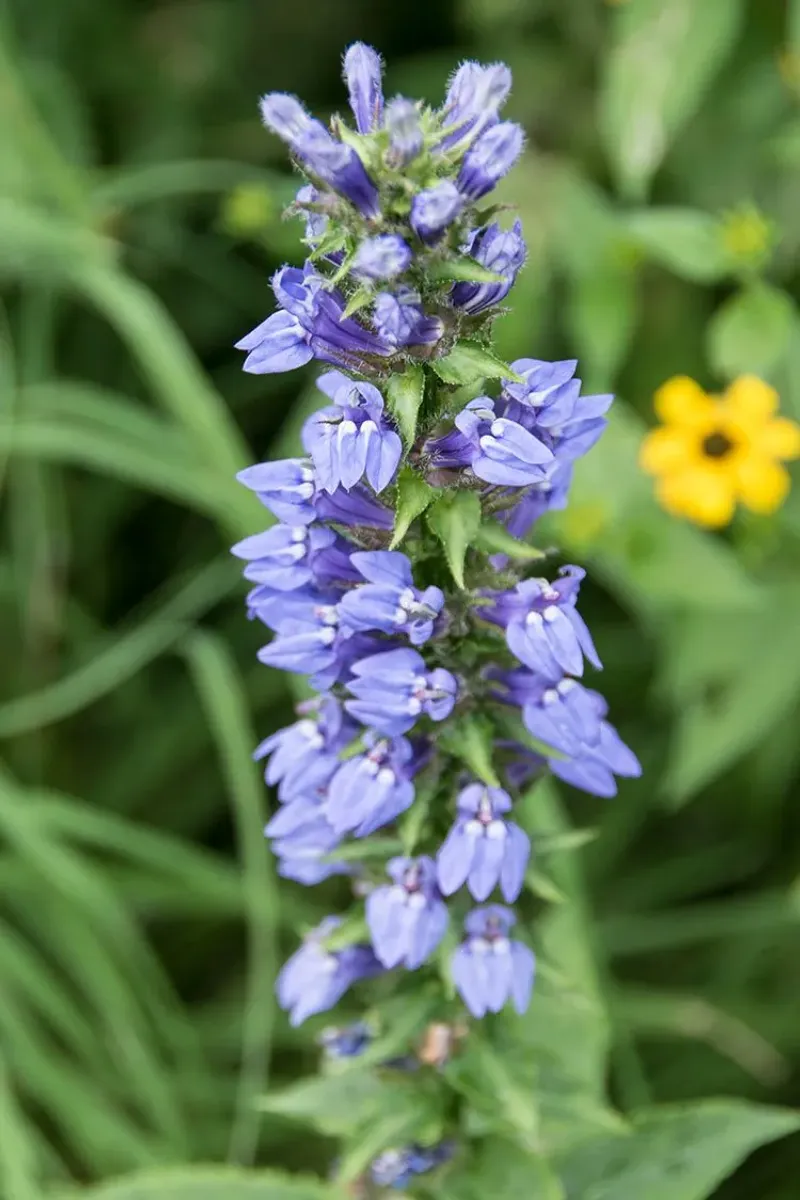
Not every wet garden spot gets full sun, and that is exactly where great blue lobelia earns its place.
Lobelia siphilitica is a native Pennsylvania wildflower that grows naturally in moist woods, stream margins, and shaded low areas where the soil stays damp through much of the season.
Unlike many flowering plants that struggle in heavy clay with limited light, great blue lobelia handles those conditions with a level of ease that most gardeners find genuinely refreshing.
The blooms appear in late summer and early fall, which is a useful time slot because many other native plants have already finished flowering.
The flowers are a soft blue-violet, arranged in dense spikes that rise from one to three feet tall depending on growing conditions.
Bumblebees are particularly fond of the blooms, and in a Pennsylvania pollinator garden, that late-season nectar source can make a real difference for native bee populations heading into fall.
Great blue lobelia works well in rain gardens that receive partial shade, along moist woodland edges, or in low borders near buildings where water tends to collect.
It self-seeds in moist soil, so a small planting can spread gradually over time without much intervention.
Pairing it with cardinal flower, which shares similar moisture needs and overlapping bloom times, creates a natural-looking combination of red and blue that fits well in a native plant bed or naturalized garden area.
5. Joe-Pye Weed Grows Tall In Wet Soil
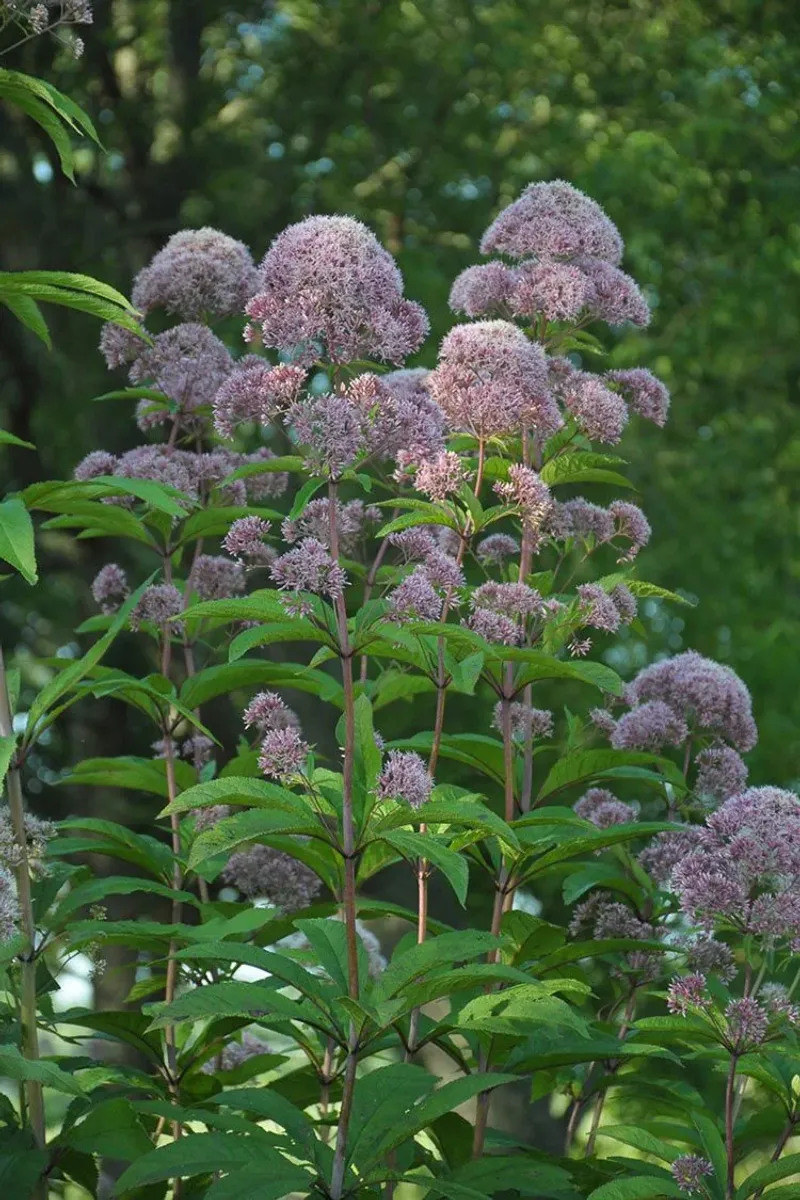
When a low garden area needs height, presence, and genuine staying power in wet clay soil, Joe-Pye weed is one of the most dependable native options Pennsylvania has to offer.
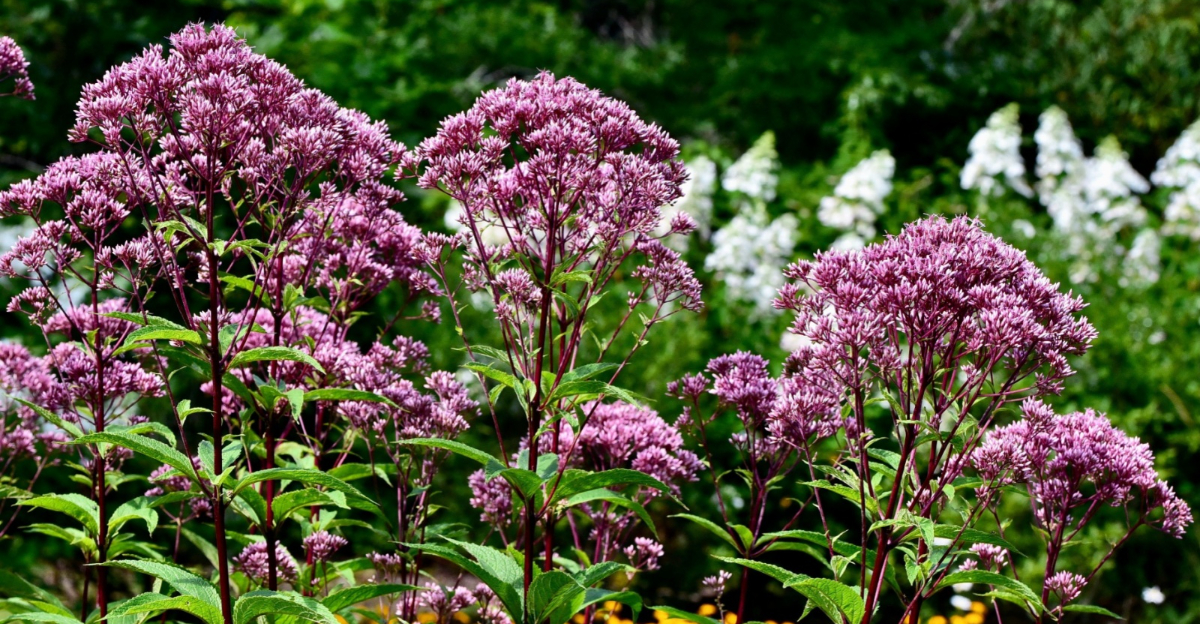
Eutrochium purpureum and its close relatives are large, bold wildflowers that can reach five to seven feet tall in moist conditions, creating a back-of-border statement that few other native plants can replicate.
The sheer size of a mature Joe-Pye weed planting in a damp garden bed is genuinely impressive.
The blooms arrive in mid to late summer as large domed clusters of dusty pink to mauve flowers.
They are not flashy in a traditional garden sense, but they have a warm, naturalistic quality that fits beautifully in rain gardens, meadow-style plantings, and low borders along property edges.
Butterflies, especially swallowtails, visit the flowers heavily during bloom time, making Joe-Pye weed a standout choice for pollinator-focused Pennsylvania landscapes.
Full sun to light shade works well for this plant, and it appreciates consistent moisture throughout the growing season.
In clay soil that stays damp or occasionally wet, it tends to establish more reliably than in drier ground.
Giving it enough space is important since mature clumps can spread several feet wide. Planting it near the back of a rain garden or in a naturalized low area gives it room to grow without crowding smaller plants nearby.
6. Monkeyflower Fits Soggy Corners
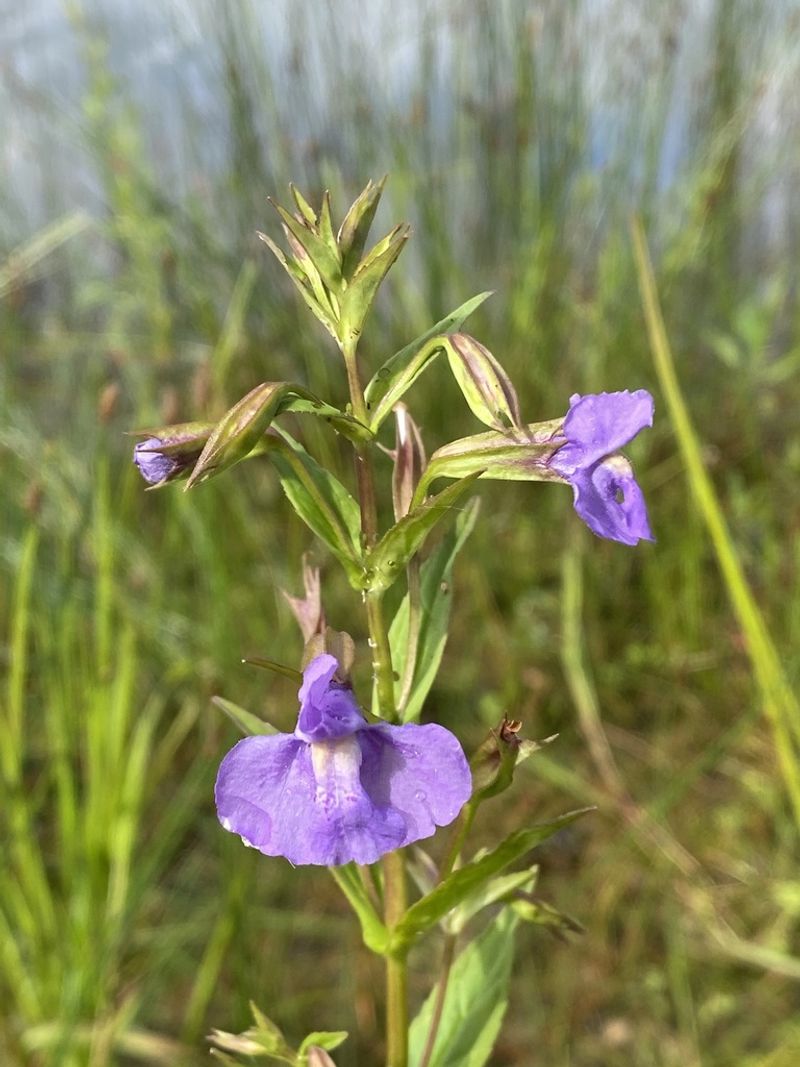
Soggy corners that never quite dry out are a fixture in many Pennsylvania yards, and square-stemmed monkeyflower, Mimulus ringens, is one of the few native wildflowers genuinely suited to those spots.
It grows naturally along streambanks, in wet meadows, and in roadside ditches throughout Pennsylvania, which tells you a lot about its tolerance for standing water and heavy, saturated clay.
Most common garden plants would struggle in the same conditions where monkeyflower quietly thrives.
The flowers are small but charming, with two-lipped lavender to pale purple blooms that appear from summer into early fall. Up close, the blossoms have a slightly quirky, open-mouthed shape that gives the plant its common name.
Bees are the primary pollinators, and monkeyflower can be a useful addition to a rain garden or wet border where other pollinator-friendly plants might not hold up as well.
Monkeyflower tends to stay between one and three feet tall, which makes it a good mid-border option rather than a background plant. It grows in full sun to partial shade and does best when soil moisture stays consistently high.
In rain gardens that receive seasonal flooding or in low beds near streams and drainage channels, it can establish well and spread modestly by seed over time.
Pairing it with taller natives like Joe-Pye weed or swamp milkweed can create a layered, naturalistic planting that handles wet clay with minimal fuss.
7. White Turtlehead Handles Moist Shade
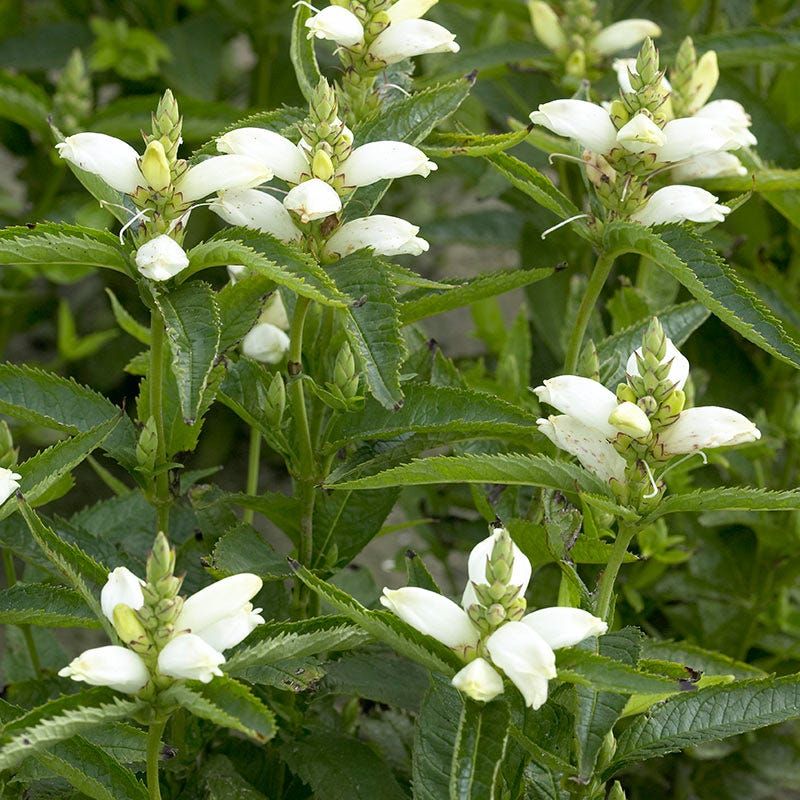
Moist shaded areas under trees or along a north-facing slope can be some of the trickiest spots in a Pennsylvania garden to plant well. White turtlehead, Chelone glabra, is a native wildflower that genuinely fits those conditions.
It grows naturally in shaded streambanks, wet woodland edges, and moist ravines throughout Pennsylvania, which means it is already adapted to the low light, high moisture, and heavy clay that many gardeners find so limiting.
The flowers are distinctive, with white tubular blooms that have a slightly compressed shape resembling a turtle pulling its head into its shell.
That small detail makes the plant easy to identify in the field and gives it one of the more memorable common names in the native plant world.
Blooms appear in late summer to early fall, which extends the season of interest in a shaded garden bed after many spring and summer plants have finished.
Baltimore checkerspot butterflies use white turtlehead as a host plant, which adds significant ecological value beyond its ornamental appeal. In a moist shaded Pennsylvania garden, that kind of wildlife connection is worth considering.
The plant grows between two and four feet tall and spreads slowly by rhizomes, gradually forming a tidy clump over several seasons.
Placing it alongside great blue lobelia or cardinal flower in a shaded rain garden or damp woodland border creates a layered native planting that supports pollinators and looks attractive through late summer.
8. Boneset Blooms In Wet Ground
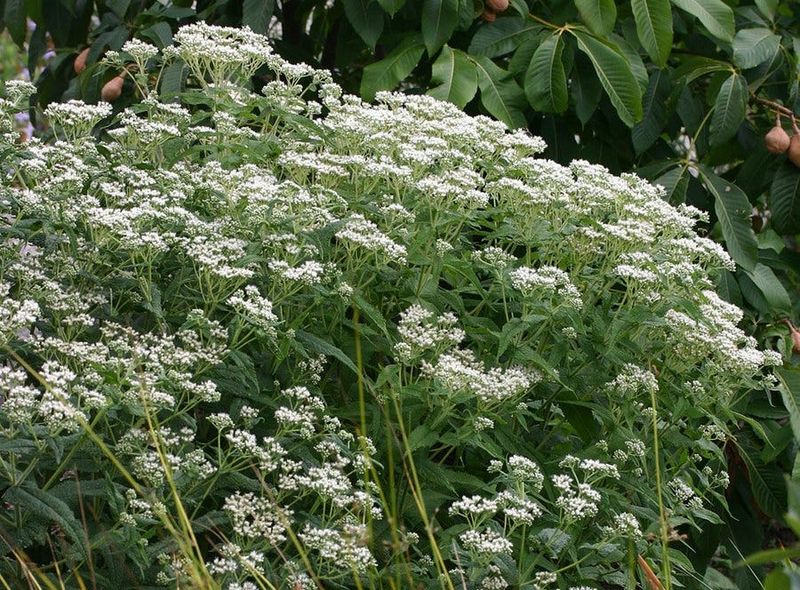
Late summer in Pennsylvania is when boneset really comes into its own, and wet clay soil is exactly the kind of ground it seems to prefer.
Eupatorium perfoliatum is a native wildflower with a long history in Pennsylvania landscapes, growing wild in wet meadows, marshy edges, and low roadside areas where the soil stays heavy and moist through the growing season.
It is not the showiest plant in a native garden, but it has a quiet reliability that more dramatic wildflowers sometimes lack.
The flowers arrive in mid to late summer as flat-topped clusters of small white blooms. They are modest individually, but a mature planting in full flower has a soft, airy quality that works well in naturalized areas and rain gardens.
Insects visit the blooms heavily, including native bees, wasps, and late-season butterflies that depend on nectar sources as summer winds down. For a pollinator garden in a wet area, that kind of late-season value is genuinely useful.
Boneset grows between two and five feet tall depending on light and moisture, and it handles full sun to partial shade reasonably well.
In clay soil that stays wet or drains slowly after rain, it tends to establish without much trouble once it gets through its first season.
Planting it near Joe-Pye weed or swamp milkweed ties the planting together visually while keeping the focus on native species well suited to Pennsylvania wet garden conditions.