How To Keep Moles Out Of Your Kentucky Lawn Without Harsh Chemicals
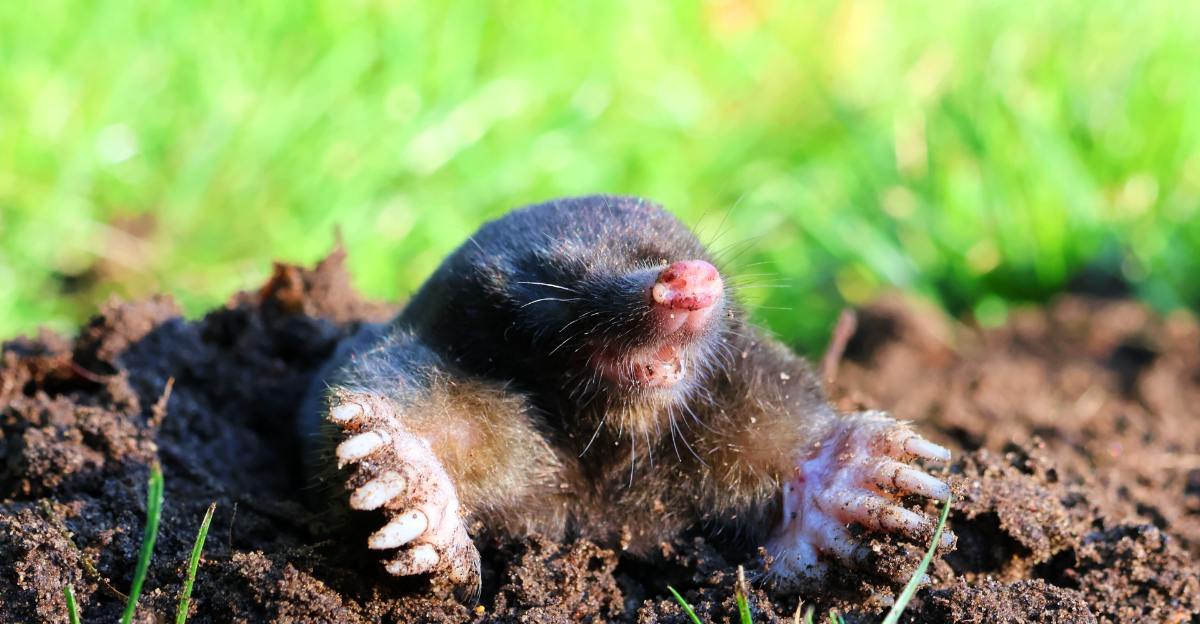
Moles do not announce themselves. One morning your Kentucky lawn looks fine, and the next it looks like something held a construction project underground.
By the time you spot the damage, the mole has already moved on to the next section of your yard. Those raised ridges are not random, they are the work of a small, surprisingly efficient digger that never really stops.
Harsh chemical fixes often create new problems without solving the original one. Kentucky homeowners have plenty of effective, low-impact options that actually work.
Some popular fixes do little more than give moles a minor inconvenience. Here is what actually moves them along.
1. Start By Confirming You Have A Mole Problem
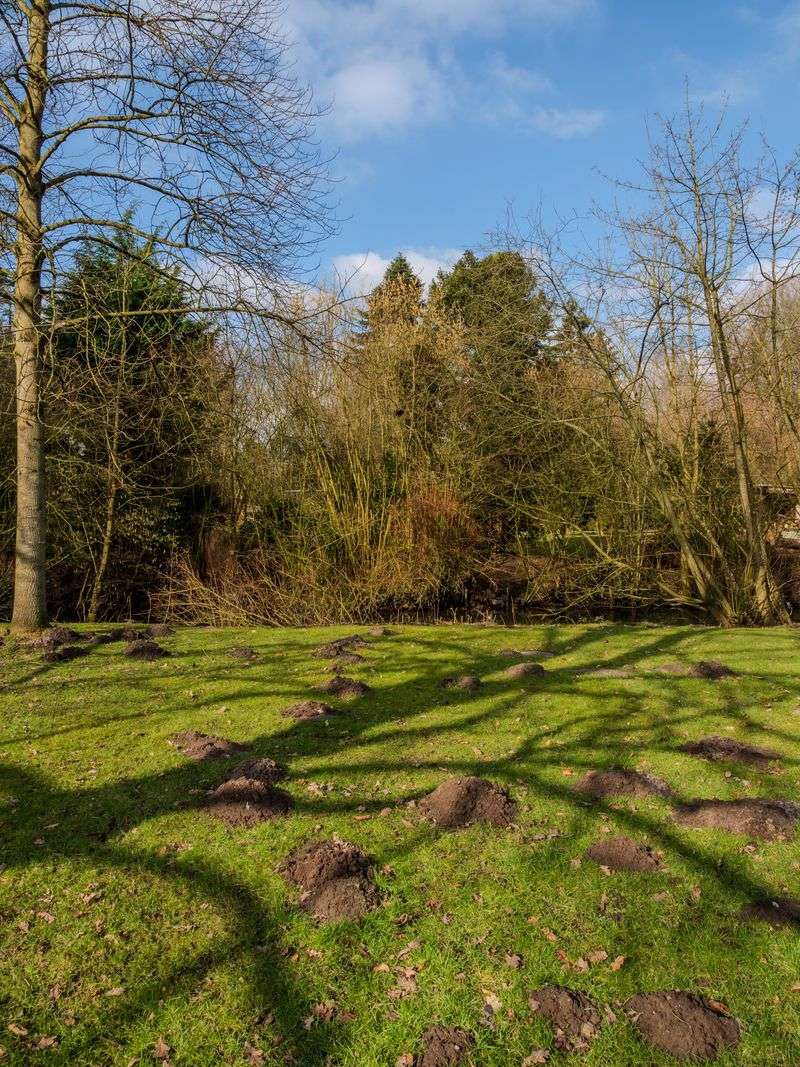
Soft ridges snaking across your yard are hard to miss. Before doing anything else, make sure moles are actually the culprit behind your lawn damage.
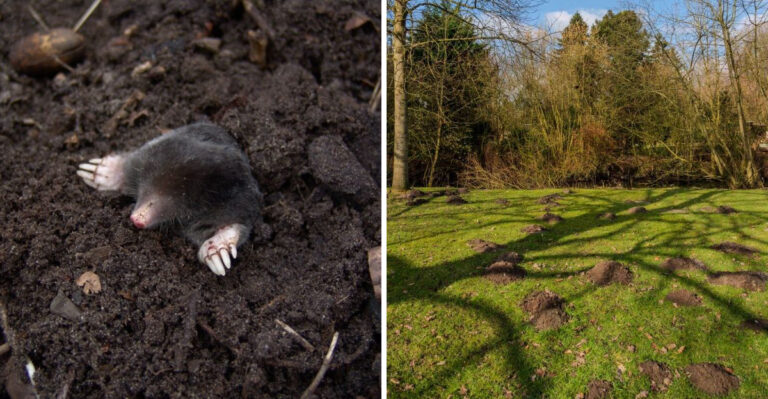
Moles leave very specific signs. Look for raised, volcano-shaped mounds of soil and shallow tunnels just below the surface that make the ground feel spongy underfoot.
Voles and shrews can cause similar damage, but their patterns differ. Voles leave surface runways in the grass, while moles push soil upward and create deeper tunnel networks.
Kentucky’s clay-heavy soil holds moisture longer than sandier ground, which keeps earthworms close to the surface for much of the year. That steady food supply is a big part of why moles are so persistent in this region.
Press down a section of raised tunnel with your foot. Check it again after 24 hours to see if it has been pushed back up.
If the tunnel rebounds, you have an active mole working that area. An inactive tunnel stays flat, meaning the mole has moved on to another section of your yard.
Moles are solitary animals, so one mole can create a surprisingly large tunnel system. A single mole can dig up to 15 feet of tunnel per hour under ideal conditions, though most digging happens at a much slower pace.
Spring and fall are peak activity seasons in Kentucky, when cooler soil temperatures bring earthworms closer to the surface. If you are seeing fresh damage, timing matters for choosing the right response.
Knowing you are dealing with moles keeps you from wasting time on the wrong solution. Accurate identification is the first step toward keeping moles out of your Kentucky lawn for good.
2. Reduce The Food Sources That Draw Moles In
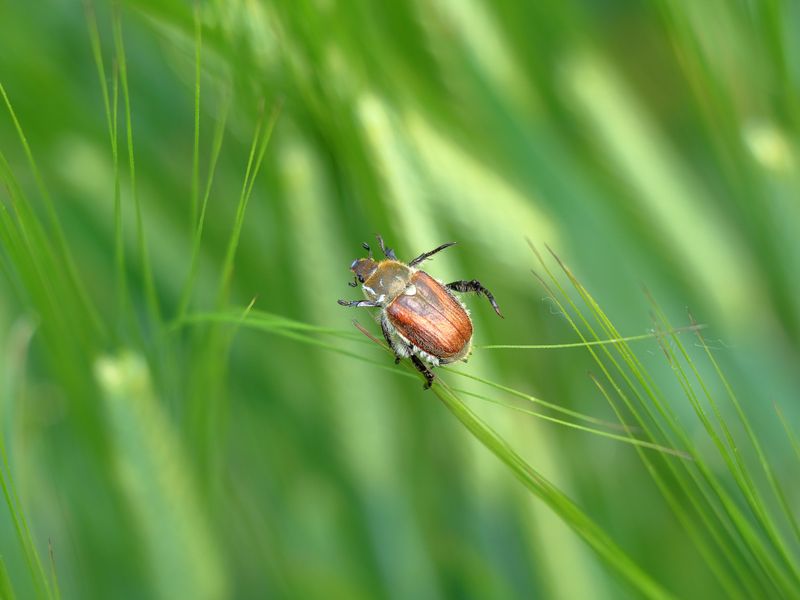
Moles are not after your grass or garden plants. They are hunting grubs, earthworms, and insects living in your soil.
Grubs are the number one food source that keeps moles coming back. Treating your lawn for grubs removes a major reason moles find your yard so attractive.
Beneficial nematodes are microscopic organisms you can apply directly to your lawn. They attack grub larvae naturally without harming pets, kids, or the surrounding environment.
Milky spore is another organic option worth considering. It targets Japanese beetle grubs specifically and may remain active in the soil for several seasons under the right conditions.
Your Kentucky Garden Changes Every Week. Your Plan Should Too.
Gardening in Kentucky changes quickly throughout the season. Every Friday you’ll receive a simple weekly plan showing exactly what to plant, prune, fertilize, harvest, and protect so you never miss the right timing.
Apply beneficial nematodes in late summer when grubs are young. Milky spore works best when soil temperatures are consistently between 60 and 70 degrees Fahrenheit, which in Kentucky typically means late summer into early fall.
Kentucky lawns often deal with Japanese beetle grubs more heavily in the central and northern parts of the state. If you are in that zone, milky spore is worth prioritizing over other grub treatments.
Reducing grubs will not eliminate every mole overnight. Earthworms are also a food source, and they are beneficial to your soil, so total elimination is not the goal here.
The goal is simply making your lawn less of a buffet. Fewer grubs means fewer reasons for moles to tunnel through your yard season after season.
A healthy lawn with lower pest pressure is naturally less appealing to moles. Cutting off the food supply is one of the most effective long-term strategies available to Kentucky homeowners.
3. Aerate And Dethatch To Make Your Lawn Less Mole-Friendly
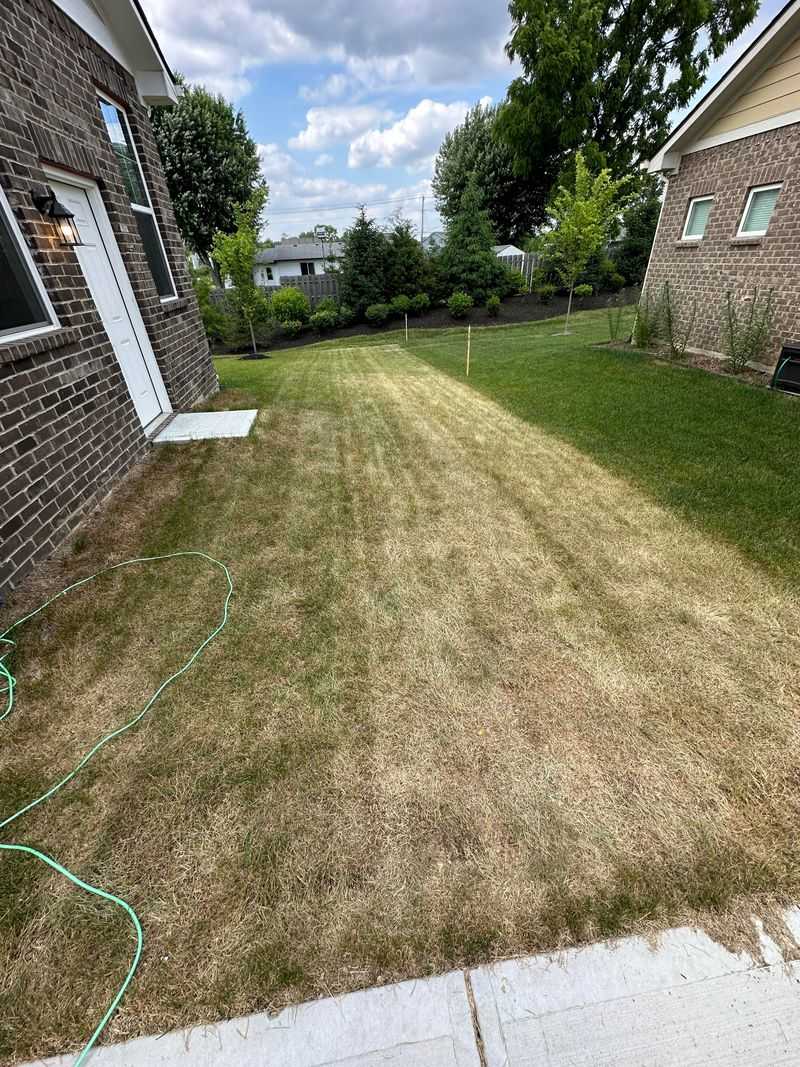
Moles do not choose a lawn at random. They go where the digging is easy and the food supply is reliable, and a compacted, thatch-heavy lawn offers both.
Thatch is the layer of brown grass, roots, and organic debris that builds up between the soil and the green growth above it. When it gets too thick, it traps moisture and creates the kind of damp conditions that earthworms and moles find very comfortable.
Dethatching removes that layer and helps your lawn dry out more evenly after rain or irrigation. A drier surface does not eliminate earthworms, but it does make your yard noticeably less attractive compared to a neighbor’s wetter, softer turf.
Aeration works alongside dethatching by breaking up compacted soil and improving drainage. In Kentucky, where clay-heavy soil is common, water tends to sit near the surface longer than it should, keeping the ground soft and easy to tunnel through.
Core aeration in the fall is a standard recommendation for Kentucky lawns, and it does double duty here. It improves root health and grass density while also making underground conditions less hospitable for a mole looking for an easy route.
Neither method will make your lawn completely mole-proof on its own. Combined with reduced watering and a healthy grass cover, though, they change the overall equation enough to matter.
4. Apply Castor Oil Repellent To Active Tunnel Areas
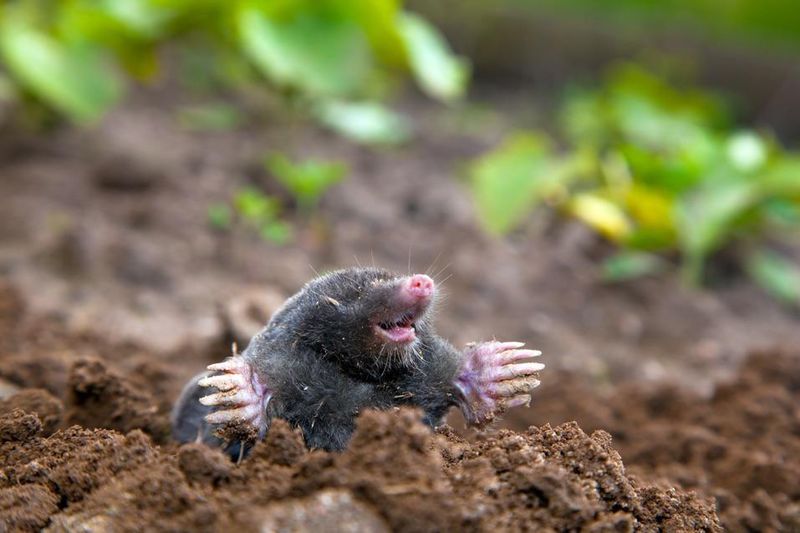
Castor oil is one of the most popular natural mole repellents available today. It does not harm moles, but it makes their environment smell and taste unpleasant enough to drive them away.
The oil coats the soil and the insects living in it. Moles tend to avoid soil treated with castor oil because it irritates their senses and makes the area far less appealing to tunnel through.
Mix about three tablespoons of castor oil with one tablespoon of dish soap. Add this mixture to a gallon of water and apply it using a garden hose sprayer or watering can.
Focus on active tunnel areas first. Soak the soil thoroughly so the solution penetrates deep enough to reach where moles are actually traveling.
Reapply after heavy rain because water washes the castor oil deeper into the soil and reduces its surface effectiveness. Consistent reapplication is key to keeping moles from returning.
You can also find pre-made castor oil granules at most garden centers. Sprinkle them around the perimeter of your lawn and along active tunnel paths for broader coverage.
Castor oil works best as a deterrent, not a one-time fix. Think of it as an ongoing boundary that tells moles your yard is not worth the trouble.
Keeping moles out of your Kentucky lawn with castor oil is affordable and safe for the whole family. Start with active areas and expand outward as needed.
5. Try Natural Plant Deterrents Around Vulnerable Spots

Certain plants send moles running in the opposite direction. Planting natural deterrents around your garden beds and lawn edges creates an invisible barrier moles prefer to avoid.
Daffodils are a beautiful and effective option. Their bulbs contain toxic compounds that moles instinctively avoid, making them a smart border plant for any Kentucky yard.
Alliums, which include ornamental onions and garlic, are another strong choice. Their strong scent confuses and repels moles when planted along vulnerable garden edges or flower beds.
Marigolds are budget-friendly and widely available at local nurseries. Plant them densely around areas where mole activity has been highest for the most noticeable effect.
Caper spurge, sometimes called mole plant, is occasionally used as a natural deterrent, though scientific evidence for its effectiveness is limited. Its milky sap is believed to irritate burrowing pests, but results can vary considerably.
Caper spurge spreads aggressively and is considered invasive in parts of the United States. Check whether it is recommended for your area of Kentucky before planting it.
Combining two or three of these plants creates a layered defense that is harder for moles to work around. Variety matters because no single plant deters every mole in every situation.
A thoughtful planting strategy does double duty by adding color and curb appeal. Your yard looks great while quietly telling moles they are not welcome here.
6. Adjust Your Watering Habits To Make The Soil Less Inviting
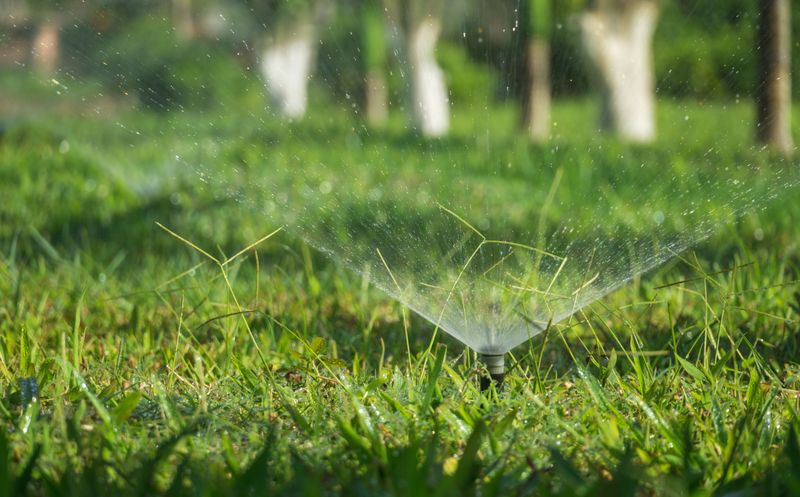
Overwatered lawns are a mole magnet. Soft, moist soil is easy to tunnel through and packed with the worms and insects moles love to eat.
If your lawn stays soggy for days after watering, you are creating perfect mole habitat. Cutting back on irrigation is a simple adjustment that makes a real difference.
Water deeply but less frequently to encourage deeper grass roots. This approach keeps the top layer of soil drier and much harder for moles to tunnel through comfortably.
Most Kentucky lawns need about one inch of water per week during the growing season. Check your local rainfall totals before running your sprinklers to avoid overwatering accidentally.
Water in the early morning so the surface dries out before evening. Moles are active in cycles throughout the day and night, so keeping the surface drier overall is more effective than targeting specific hours.
If you have low spots in your yard that collect standing water, address them with grading or drainage improvements. Wet areas attract grubs, which in turn attract moles.
Aeration is another helpful tool for managing soil moisture. Aerating your lawn once a year improves drainage and reduces the compacted, moist conditions moles prefer for tunneling.
A small change in your watering routine can shift the entire environment of your lawn. Drier soil is less comfortable for moles and keeps your grass healthier overall.
7. Install Underground Barriers Around Garden Beds
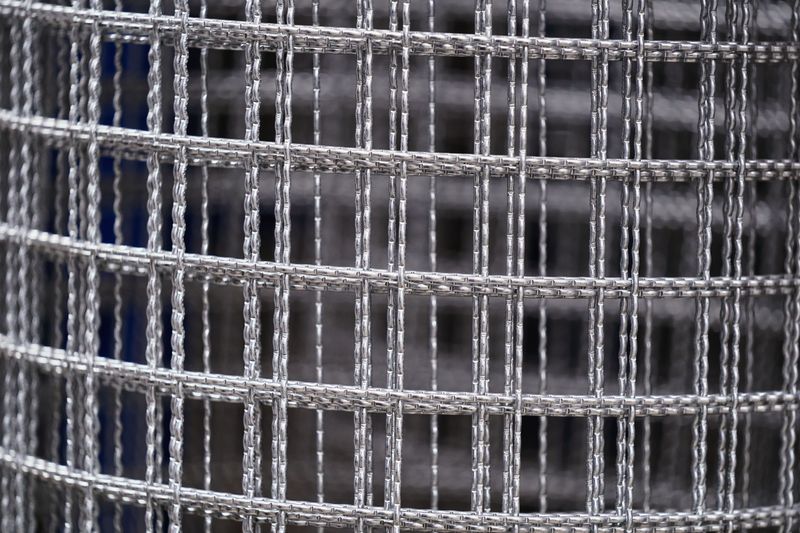
Sometimes the best defense is a physical one. Installing underground barriers is one of the most reliable ways to protect specific areas from mole intrusion.
Hardware cloth with a quarter-inch mesh is the gold standard for underground barriers. It is durable, rust-resistant, and small enough to block moles from pushing through.
Dig a trench around your garden bed at least two feet deep. Line the sides and bottom of the trench with hardware cloth before backfilling with soil.
Fold the top edge of the cloth outward at a 90-degree angle before burying it. This L-shaped design prevents moles from digging down and then angling back under the barrier.
For raised garden beds, line the bottom of the bed with hardware cloth before filling it with soil. This protects plant roots without interfering with drainage or plant growth.
Galvanized hardware cloth is durable and can last for many years underground, making it a cost-effective long-term option.
Plastic mesh and chicken wire are cheaper alternatives, but they break down faster underground. Spending a bit more on galvanized hardware cloth pays off over the long term.
Barriers work best when combined with other natural repellent strategies. Protecting your most valuable garden spaces gives you peace of mind while you manage the broader lawn area.
8. Know When It’s Time To Call A Professional
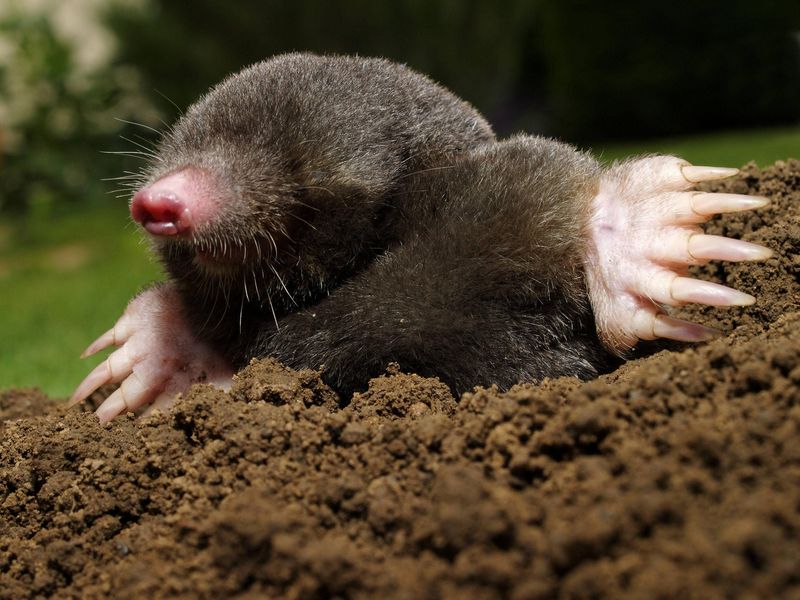
Natural methods work well for most homeowners, but some situations call for expert help. Knowing when to bring in a professional saves time, money, and a lot of frustration.
If mole activity has spread across a large portion of your lawn, you may be dealing with more than one mole. A professional can assess the scope and create a targeted plan.
Persistent damage after weeks of consistent natural treatment is a sign that something more is needed. Professionals have access to humane trapping methods that are highly effective when done correctly.
Look for pest control companies that specialize in wildlife management rather than general extermination. Wildlife specialists understand mole behavior and use strategies designed to resolve the problem without collateral damage.
Ask about their methods before hiring anyone. A good professional will explain their approach clearly and offer options that align with your preference for chemical-free solutions.
Some companies offer seasonal monitoring programs for lawns with repeat mole problems. This type of service catches new activity early before it turns into major lawn damage again.
Check online reviews and ask neighbors for recommendations. A trusted local company with experience in Kentucky soil and climate conditions will deliver better results than a generic national chain.
Keeping moles out of your Kentucky lawn is achievable with the right approach. When natural steps are not enough, a skilled professional can close the gap and restore your yard.