Genius Ways Michigan Gardeners Use Banana Peels To Help Roses Bloom Bigger
Banana peels have earned genuine credibility among Michigan rose growers, and the enthusiasm around them is grounded in something real rather than gardening folklore.
Roses are heavy potassium feeders, and potassium is exactly what banana peels deliver in a slow, accessible form that works well with the biological activity happening in healthy garden soil.
Michigan gardeners who have incorporated banana peels into their rose care routine consistently report fuller blooms, stronger stem development, and plants that rebound faster after each flush of flowering.
The methods for using them range from simple soil incorporation to more deliberate preparations, and some approaches work significantly better than others depending on soil type and the time of season they are applied.
1. Turn Peels Into Compost First
Composting banana peels before using them is honestly one of the smartest moves a rose grower here can make.
When peels go into a compost pile first, they break down alongside other organic materials like leaves, grass clippings, and kitchen scraps.
That process transforms raw peels into a rich, balanced amendment that is far more useful to your roses than a fresh peel tossed on top of the soil.
Fresh banana peels sitting on the surface of a rose bed can attract raccoons, squirrels, and other animals that love sweet-smelling organic material.
Composting removes that problem entirely because the scent breaks down during the decomposition process.
By the time the finished compost reaches your rose bed, it smells earthy and clean rather than sweet and inviting to wildlife.
Michigan gardeners with smaller yards especially benefit from this approach because it keeps the garden tidy and manageable.
Mixing banana peels into a compost pile that already contains brown and green materials helps balance the overall nutrient output.
Spread the finished compost around your rose bushes in spring or early summer and let it do the slow, steady work of improving your soil over time. Patience with this method pays off in stronger canes and fuller blooms.
2. Chop Peels Small Before Burying Them
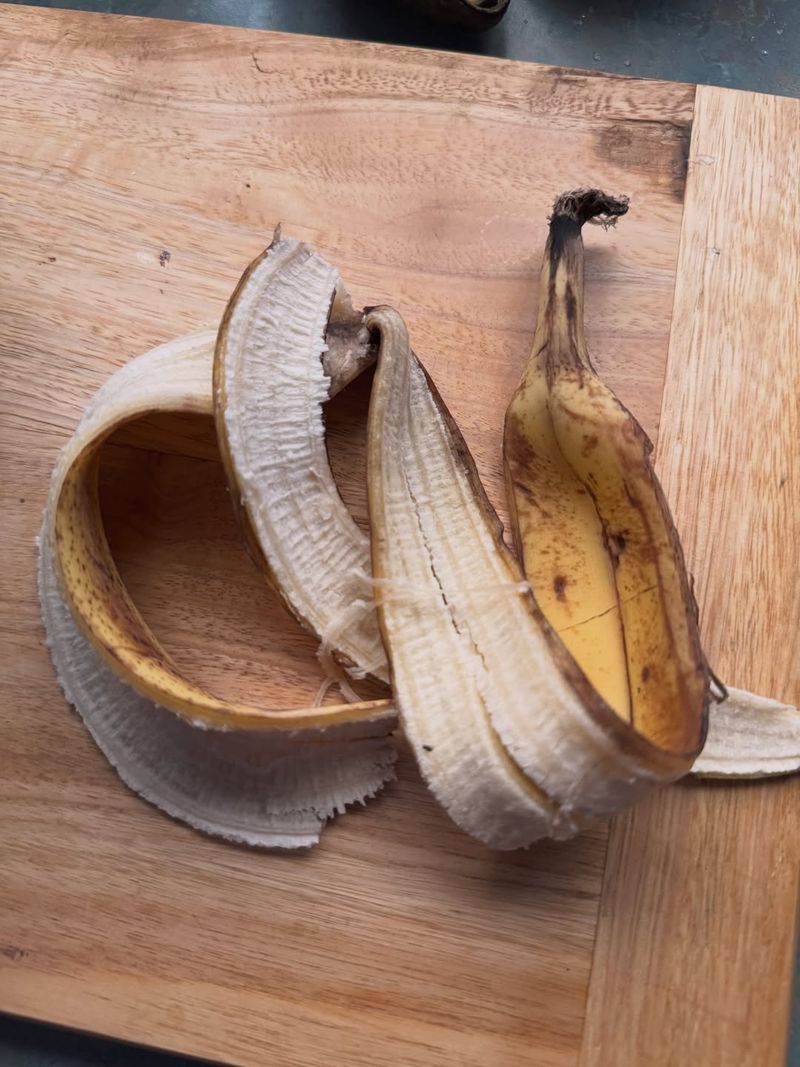
Whole banana peels take a surprisingly long time to break down in garden soil, especially during Michigan’s cooler spring and fall seasons.
Chopping them into small one-inch or smaller pieces speeds up that process dramatically by increasing the surface area that soil microbes can work on.
More surface area means faster breakdown, which means nutrients reach your rose roots sooner.
After chopping, bury the pieces several inches deep in the soil around your rose bush, staying within the root zone but not right up against the stem. Digging a small trench or a few holes around the drip line works well for this.
Cover the pieces completely with soil so they are not exposed to air, sunlight, or curious animals looking for a snack.
A garden fork or small hand trowel makes this job easy without disturbing too many roots. Many gardeners do this once a month during the active growing season from late spring through midsummer.
The key is to keep the amounts reasonable, one or two peels per bush per application is plenty. Going overboard with too many peels at once can create pockets of soggy, rotting organic matter that do more harm than good.
Your Michigan Garden Changes Every Week. Your Plan Should Too.
Gardening in Michigan changes quickly throughout the season. Every Friday you’ll receive a simple weekly plan showing exactly what to plant, prune, fertilize, harvest, and protect so you never miss the right timing.
Small, consistent additions work far better than occasional large dumps of peels around your roses.
3. Keep Peels Away From The Rose Crown
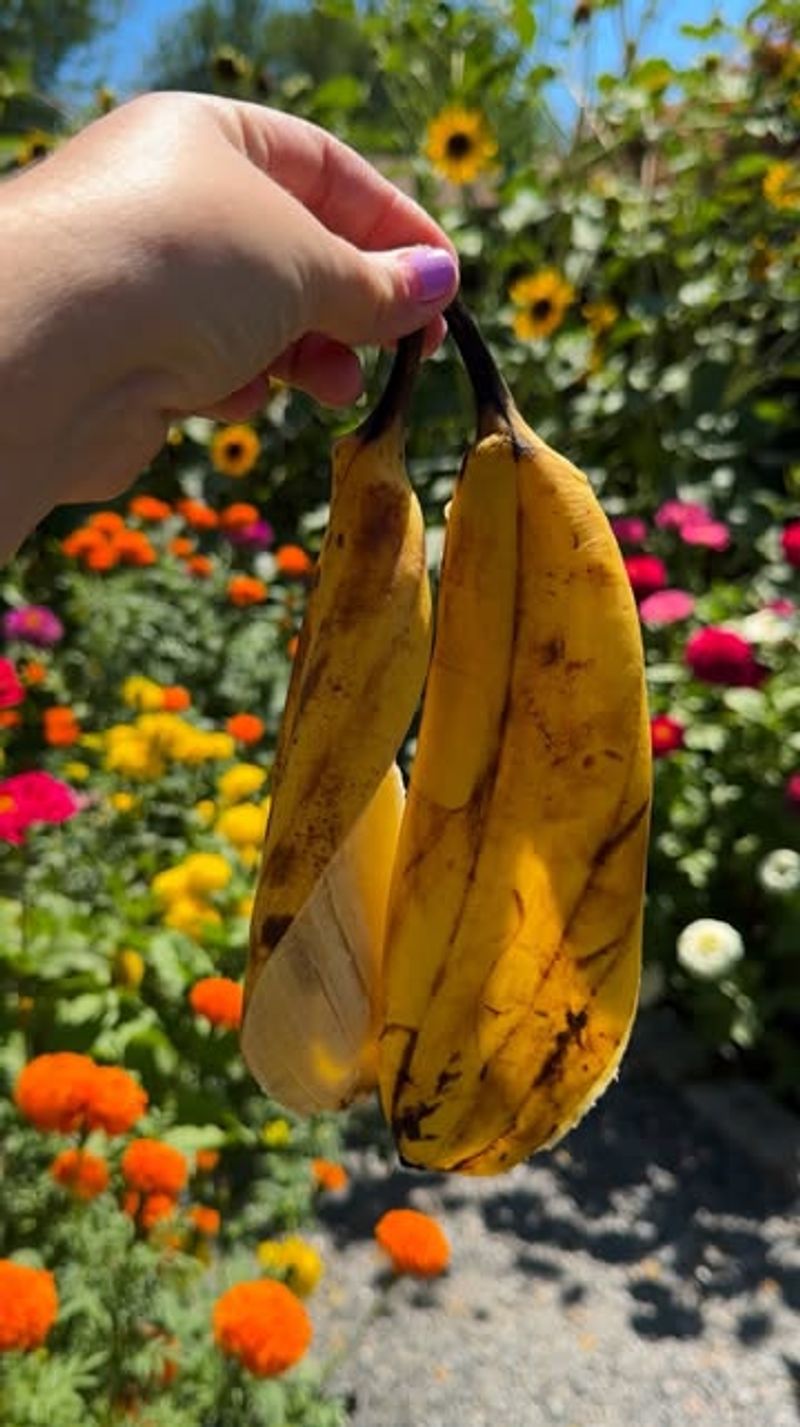
One of the most common banana peel mistakes gardeners make is packing organic material right up against the base of the rose plant.
The crown of a rose, which is the area where the canes meet the roots just at or below the soil surface, needs good airflow and clean conditions to stay healthy.
Pressing moist, decomposing banana peels against that zone creates exactly the kind of damp environment that encourages fungal problems.
Instead, place banana peel material out near the drip line of the plant. The drip line is the outer edge of where the rose branches extend, roughly beneath the outermost leaves.
That area is where the feeder roots are most active, so nutrients placed there have a much better chance of actually being absorbed and used by the plant.
Think of it like feeding a tree at its roots rather than pouring fertilizer against the trunk. The concept is the same for roses.
Keeping the crown area clear also makes it easier to monitor your rose canes for any early signs of disease or pest activity, which is especially important during humid summer months.
A few extra inches of distance between your banana peel material and the rose crown can make a noticeable difference in the overall health of your plants through the whole growing season.
4. Use Banana Peel Soak As A Mild Boost
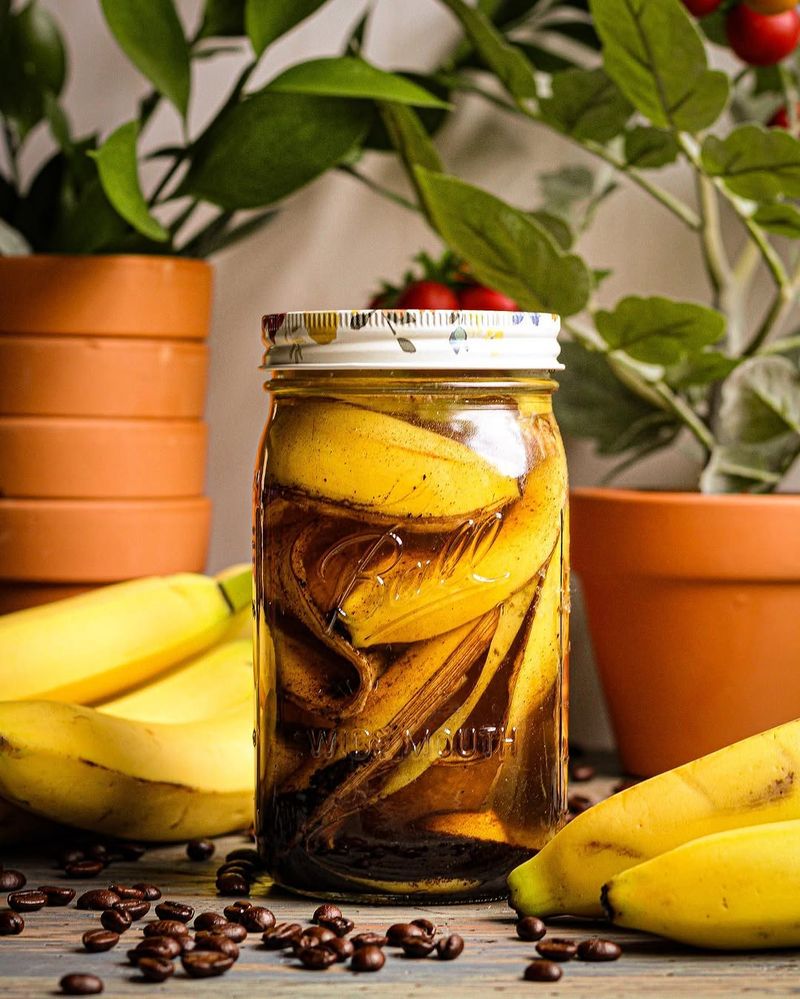
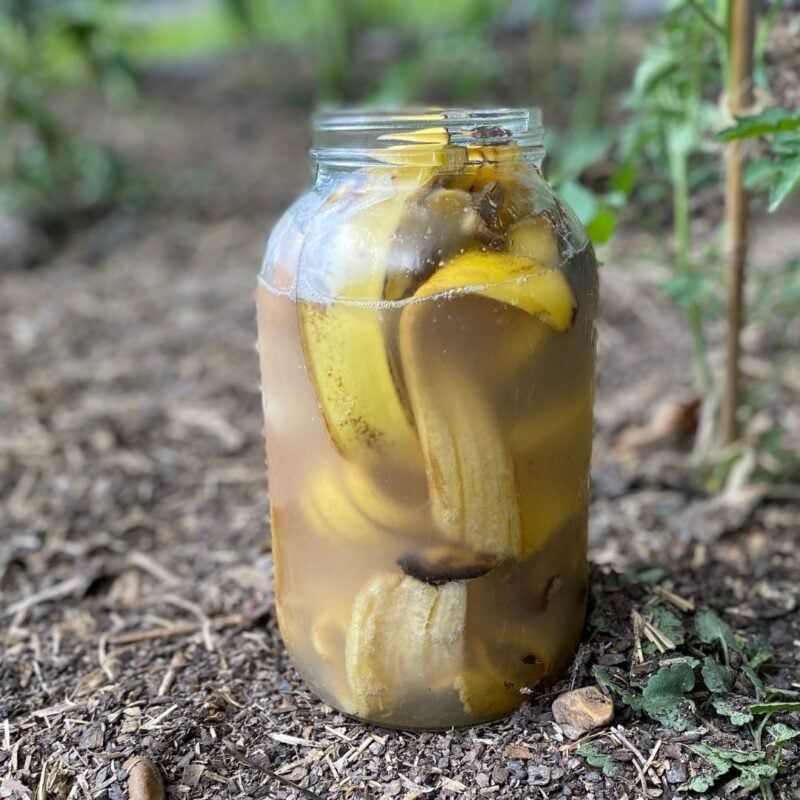
A banana peel soak is one of the easiest and least messy ways to give roses a mild potassium boost without burying or composting anything.
To make it, chop one or two clean banana peels into small pieces and drop them into a jar or bucket of water.
Let them soak for two to three days at room temperature, then strain out the peel pieces and pour the liquid slowly around the base of your established rose bush.
The water picks up trace amounts of potassium and other minerals from the peels during the soaking period. It is not a powerful fertilizer by any stretch, but it does offer a gentle supplement that roses can appreciate during the growing season.
Think of it more like a light vitamin water for your plants rather than a full meal.
Michigan gardeners who try this method should use it every two to three weeks at most during summer, and always water the soil first before applying the soak so the liquid moves down into the root zone more effectively.
Never use this as a replacement for a balanced rose fertilizer program.
It works best as a small, supportive addition to an already solid care routine. Fresh peels work better for soaking than old, browned ones, so use them within a day or two of eating the banana for best results.
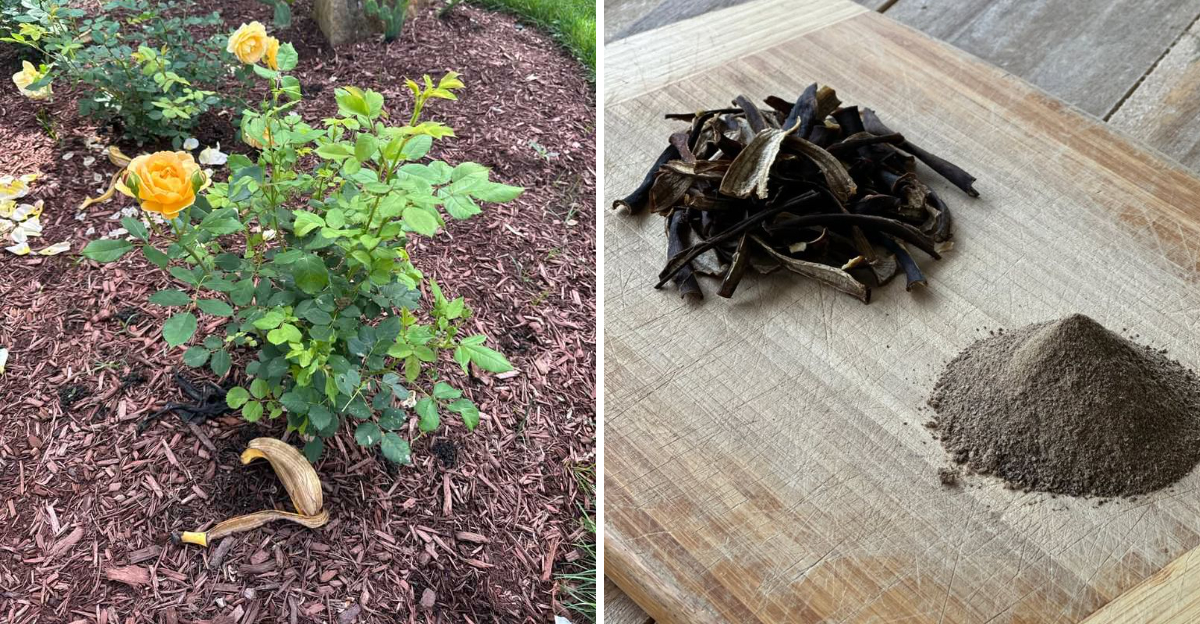
5. Dry Peels Into A Tidy Powder
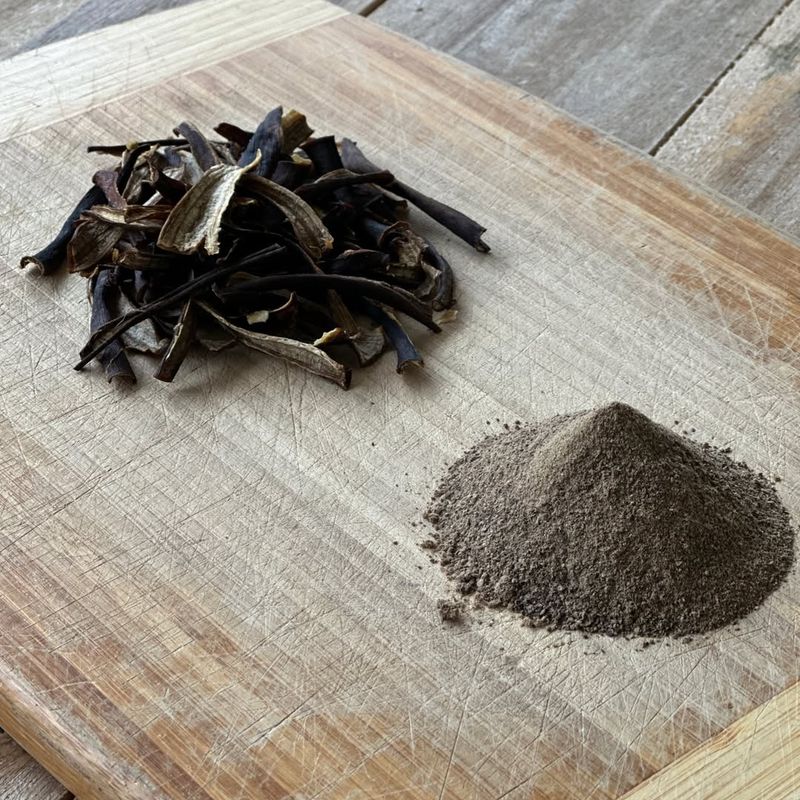
For gardeners who prefer a cleaner, more controlled method, drying banana peels into a fine powder is a fantastic option.
Spread fresh peels on a baking sheet and place them in an oven set to the lowest possible temperature, around 140 to 150 degrees Fahrenheit, until they become completely dry and crisp.
Once cooled, grind or crush them into small flakes or a coarse powder using a blender, food processor, or even a rolling pin.
Dried banana peel powder is more concentrated than fresh peels because most of the water weight is gone. That means a small amount goes a long way.
Sprinkle just a tablespoon or two of the powder around the root zone of each rose bush, then water the area gently so the nutrients begin moving into the soil. Doing this every three to four weeks during the growing season is more than enough.
Michigan gardeners love this method because there is no odor, no mess, and no wildlife attraction. The powder stores easily in a sealed jar in a cool, dry place for several weeks, making it convenient to prepare a batch and use it gradually.
It is also a satisfying way to reduce kitchen waste while doing something genuinely useful for your garden. Just remember, even concentrated, banana peel powder is a supplement, not a standalone fertilizer for your roses.
6. Use Peels After The First Bloom Flush
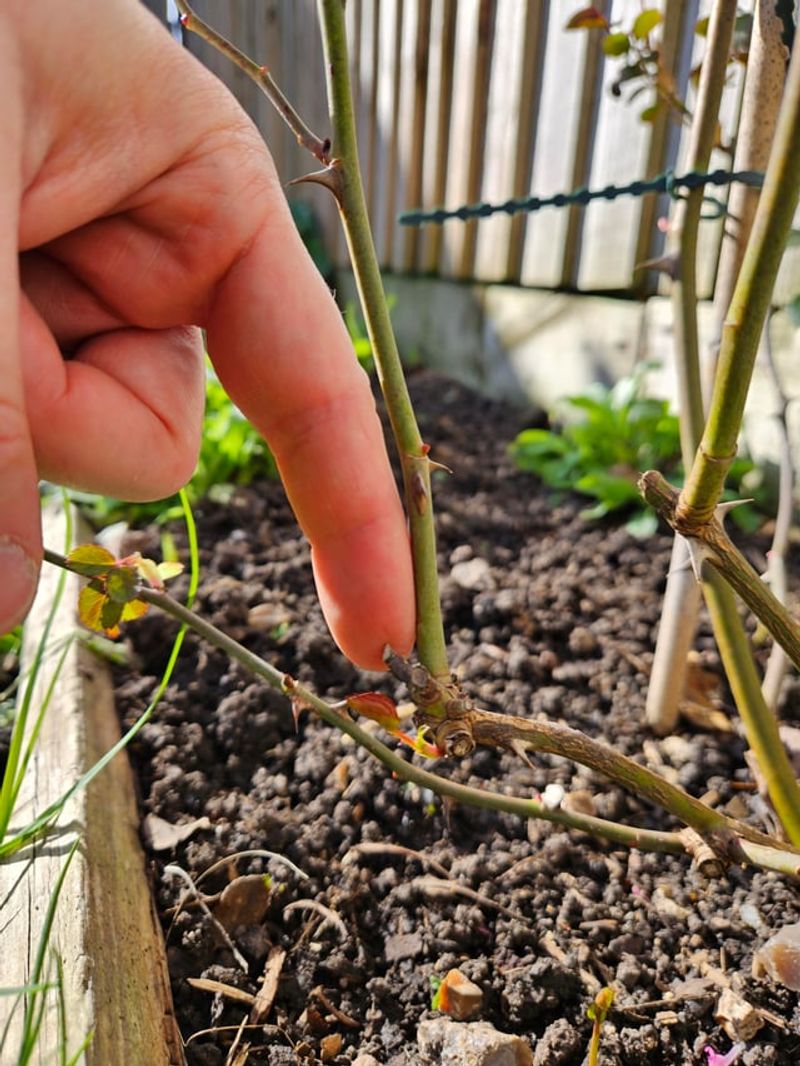
Timing matters more than most gardeners realize when it comes to feeding roses with banana peel supplements.
Michigan roses typically produce their first big flush of blooms in late spring or early June, and that burst of flowering uses up a meaningful amount of stored nutrients.
Right after that first flush is a smart window to offer a gentle potassium boost through banana peel compost, powder, or a mild soak.
Repeat-blooming rose varieties, which are the most popular type grown across Michigan, continue pushing out new buds and flowers all the way through late summer and into fall.
That ongoing cycle of growth means the plant is steadily drawing on soil nutrients throughout the season.
Supporting that process with small, timely additions of banana peel material can help keep the plant energized without overloading it.
Keep in mind that banana peel supplements work best when they are part of a broader feeding plan.
If your roses are already on a balanced fertilizer schedule, the banana peel additions act as a light top-up rather than the main event.
Avoid applying any organic supplements too late in the season, generally after mid-August in Michigan, because encouraging new growth too close to fall can leave tender new canes vulnerable when temperatures start dropping.
Timing your banana peel use thoughtfully makes a real difference in how your roses perform from one flush to the next.
7. Pair Banana Peels With Real Rose Fertilizer
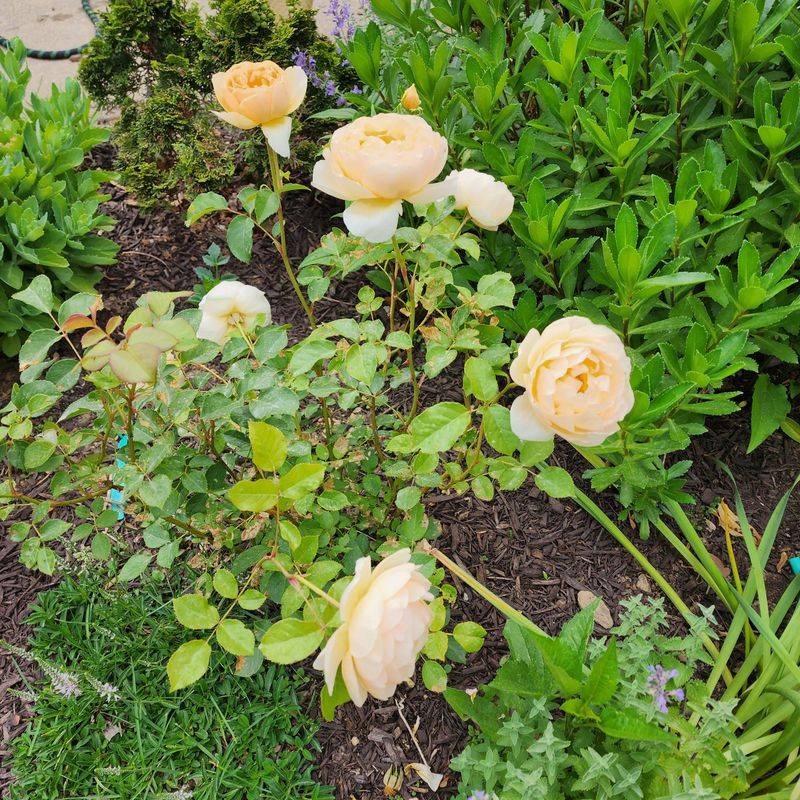
Banana peels bring potassium to the table, and potassium does support flower development, root strength, and overall plant resilience. But roses are hungry, complex plants that need much more than potassium alone to thrive.
Nitrogen drives leafy, vigorous growth. Phosphorus supports root development and flowering.
Magnesium, calcium, iron, and trace minerals all play important roles in keeping rose canes strong and blooms vibrant.
Relying on banana peels as your primary rose nutrition source will leave significant nutritional gaps over time.
A soil test from Michigan State University Extension, which is affordable and widely available to Michigan gardeners, can show exactly what your soil already has and what it actually needs.
That information takes the guesswork out of feeding and prevents you from adding nutrients that are already in good supply.
When the soil test shows a need, pair your banana peel supplements with a quality balanced rose fertilizer or a well-made compost that covers a broader range of nutrients.
Many gardeners use a granular rose fertilizer in spring and early summer, then add banana peel compost or powder as a light mid-season supplement between regular feedings.
That combination gives roses consistent, complete nutrition without the risk of overdoing any single element. The banana peels play a supporting role in a bigger, smarter feeding plan rather than carrying the whole load on their own.
8. Do Not Overdo Fresh Peels In Small Beds
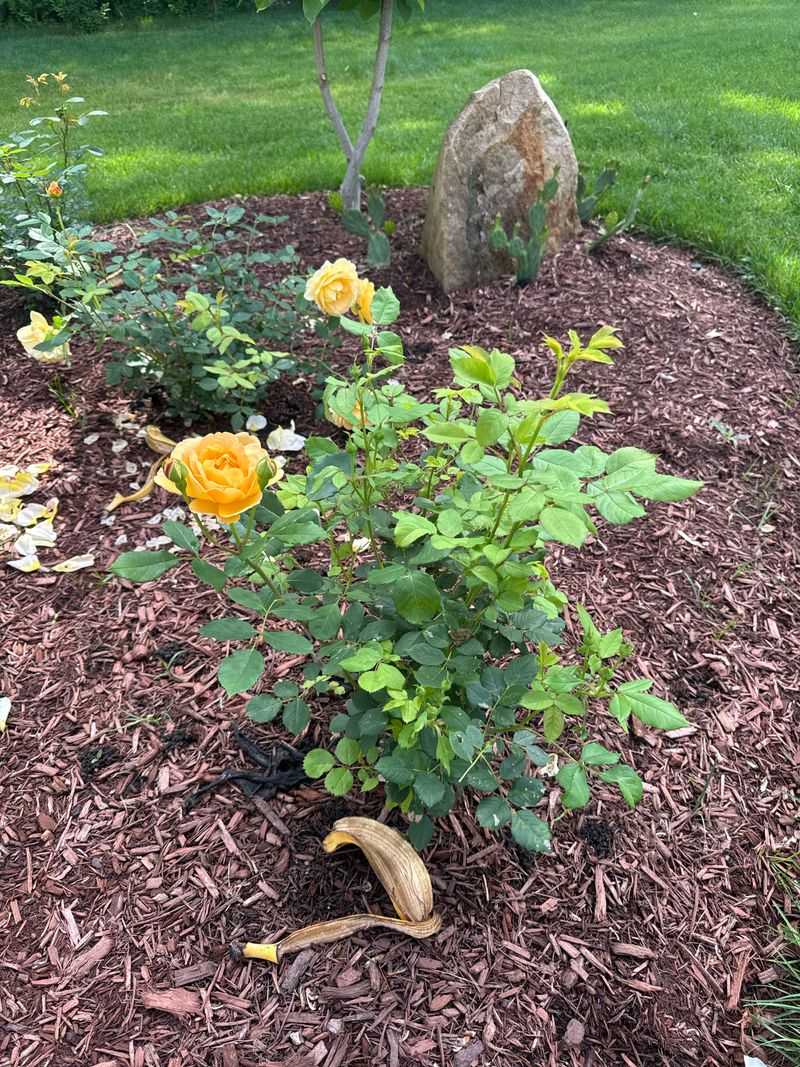
Fresh banana peels are full of moisture, and in a small, enclosed rose bed, too many of them at once can quickly become a problem. As they break down on or near the soil surface, they release a sweet, fermenting smell that many animals find irresistible.
Raccoons, squirrels, and even neighborhood dogs may dig up your rose bed looking for the source of that scent, which can seriously disturb root systems and undo a lot of careful gardening work.
Beyond the wildlife issue, a large pile of fresh peels in a small space can create soggy, anaerobic pockets in the soil.
Those low-oxygen zones slow down healthy microbial activity and can actually make the soil environment less hospitable for roses rather than more supportive.
Michigan summers can be humid enough without adding extra moisture traps to your rose beds.
Keeping fresh peel applications small and infrequent is the practical answer for suburban yards where space is limited. One or two peels per rose bush, chopped and buried properly, is a reasonable amount.
Better yet, skip fresh peels in tight spaces altogether and use composted or dried peel powder instead. Those forms are far less likely to cause odor or attract animals, and they integrate into the soil more cleanly.
Smart, measured use of banana peels always beats enthusiastic overuse when it comes to happy, healthy roses.
9. Skip Banana Peels If Soil Already Has Enough Potassium
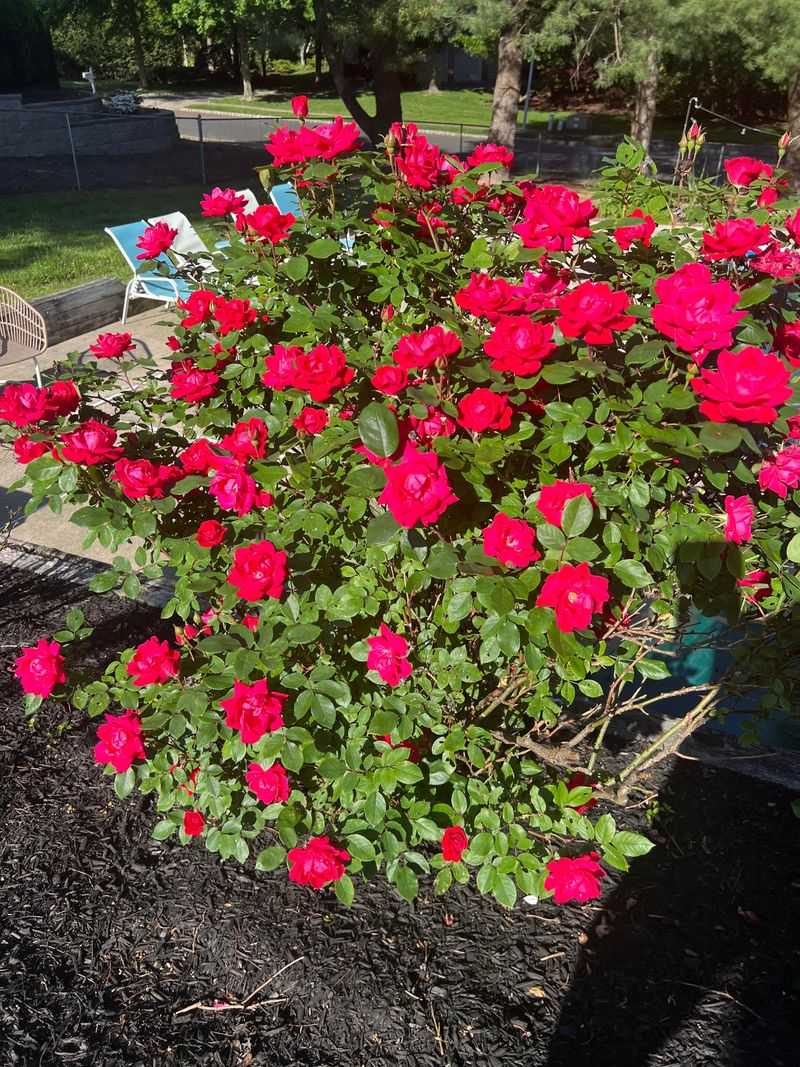
More is not always better in the garden, and potassium is a perfect example of that truth. If your soil already has adequate or high potassium levels, adding more through banana peels will not make your roses bloom bigger.
In fact, excess potassium can interfere with the plant’s ability to absorb other important nutrients like magnesium and calcium, which can actually reduce bloom quality rather than improve it.
Michigan State University Extension offers reliable, affordable soil testing services that gardeners can access through their local MSU Extension office or online.
A basic test will show potassium levels, soil pH, and recommendations for what your specific soil actually needs.
That kind of real information is far more valuable than any gardening trend or kitchen scrap tip, no matter how popular it might be.
Getting a soil test done every two to three years gives you a clear, accurate picture of your garden’s nutritional status over time.
If the test shows your potassium is already in a good range, put your banana peels in the compost pile where they can contribute to a broader mix of nutrients instead of focusing them all around your roses.
Gardening with data rather than guesswork saves money, reduces waste, and produces much better results in the long run. Your roses respond to what they genuinely need, not just what you happen to have available in the kitchen.
10. Keep Surface Mulch Clean Around Roses
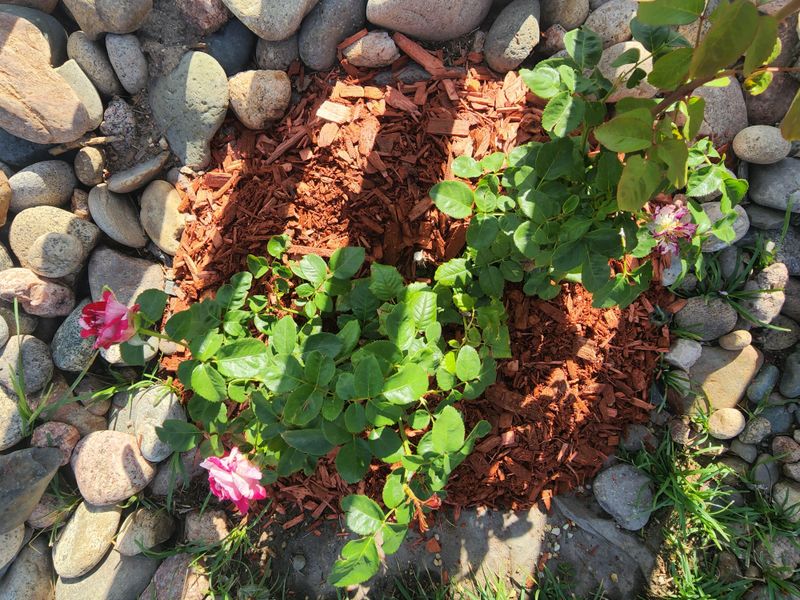
Leaving banana peels sitting on top of the mulch around your roses is one of those well-meaning habits that causes more trouble than it solves.
As the peels begin to break down in open air, they turn dark, slimy, and sweet-smelling fairly quickly, especially during warm summer days.
That combination is almost like sending an invitation to every animal in the neighborhood to come investigate your rose bed.
Exposed organic material on the surface also breaks down unevenly, and some of it can develop mold or attract fruit flies and other insects before it ever has a chance to benefit the soil.
A clean, well-maintained mulch layer of two to three inches of wood chips or shredded bark is one of the best things you can do for roses, and adding exposed peels on top undermines that tidy, protective layer.
The solution is straightforward. Compost your peels before they reach the garden, bury chopped pieces beneath the mulch layer, or use dried peel powder sprinkled lightly before watering.
Any of those options integrates the banana peel material into the soil system without leaving anything exposed or messy on the surface. A clean rose bed is also easier to inspect for pest activity, fungal issues, or moisture problems.
Keeping things tidy on the surface is one of the simplest ways to protect the hard work you have already put into your Michigan rose garden.
11. Stop Treating Banana Peels Like A Miracle Bloom Fix
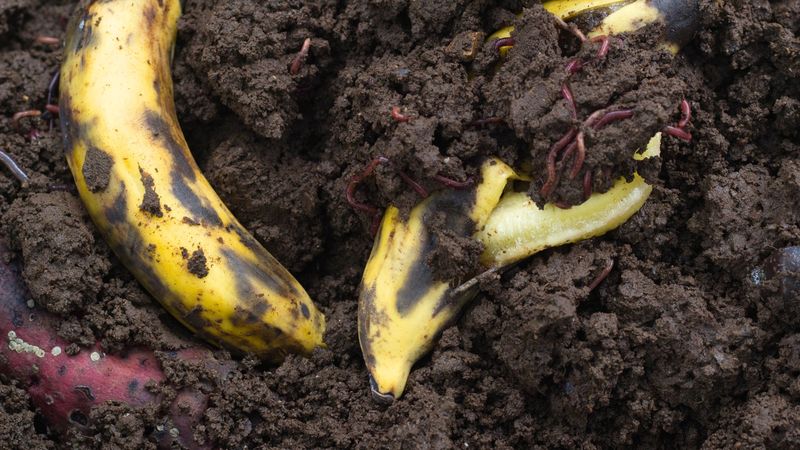
Banana peels have gotten a lot of attention online as a rose-growing secret weapon, and while they do offer some real value, they are nowhere near a miracle solution.
Roses that struggle with poor sunlight, compacted soil, inadequate pruning, drought stress, or a variety that simply does not perform well in Michigan conditions will not be rescued by banana peels.
No single ingredient fixes a system that has bigger problems underneath it. Big, beautiful rose blooms come from a complete, well-managed care routine.
This means choosing Michigan-suited varieties and planting them in full sun. To keep them thriving, prune correctly each spring, water deeply, manage pests early, and apply fertilizer based on soil needs.
Banana peels can support that system, but they cannot replace any part of it. Gardeners who chase single-ingredient fixes often end up frustrated because the results do not match the hype.
A rose that gets perfect care but no banana peels will almost always outperform a neglected rose that gets banana peels every week. The peels are a nice addition to a thoughtful routine, nothing more and nothing less.
Keeping realistic expectations about what banana peels can and cannot do will help you focus your energy on the things that truly move the needle for your roses this season.
12. Build A Rose Routine Around Them
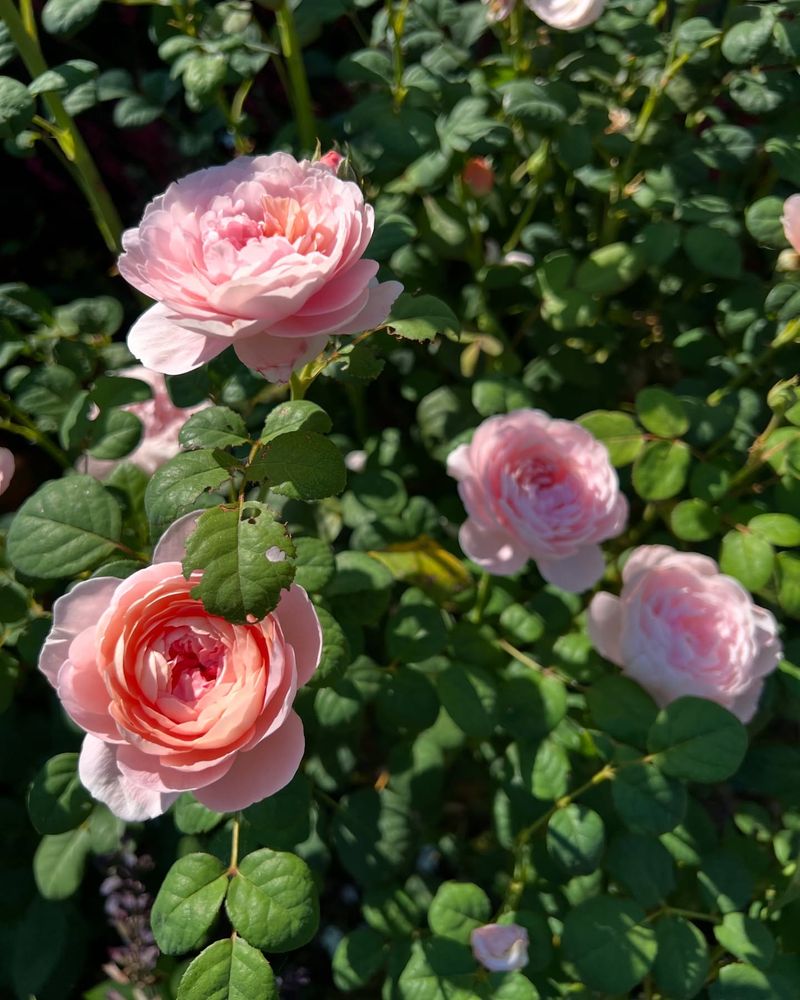
A simple, reliable Michigan rose routine that includes banana peels in the right role can make your whole growing season feel more manageable and rewarding.
Start in early spring with a soil test so you know exactly what your garden needs before you add anything.
Apply a layer of finished compost, ideally one that includes composted banana peel material, around your rose bushes as the soil warms up and new growth begins to appear.
Once your roses are actively growing, use a balanced rose fertilizer according to the product instructions and your soil test results.
After the first big bloom flush, sprinkle a small amount of dried banana peel powder or apply a diluted banana peel soak as a light mid-season supplement.
Keep your mulch layer clean and two to three inches deep to hold moisture, regulate soil temperature, and reduce weed pressure throughout the summer.
Water deeply and consistently, aiming for the soil rather than the leaves, and make sure your roses have good airflow around the canes to reduce fungal risk during Michigan’s humid stretches.
Avoid feeding roses after mid-August so the plants can begin winding down naturally as fall approaches.
Banana peels fit beautifully into this kind of thoughtful, well-rounded routine. They are not the star of the show, but when they support a solid plan rather than replace one, they genuinely earn their place in your Michigan rose garden year after year.