The Real Meaning Of A Cardinal Visit To Your Oklahoma Yard
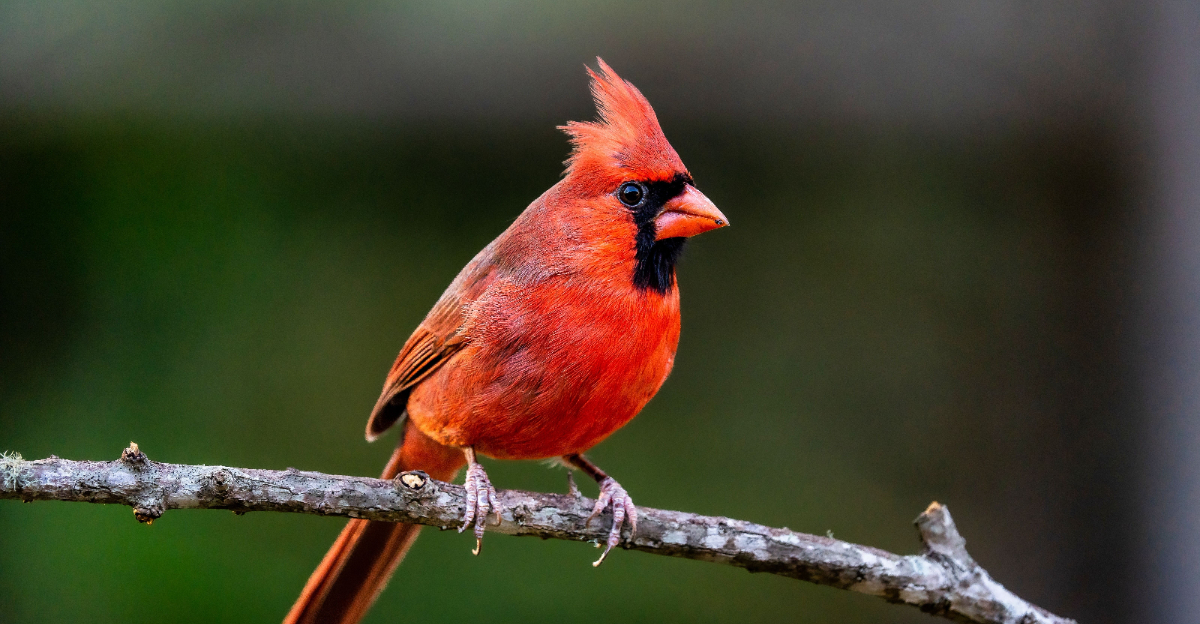
You hear it before you see it, that sharp, repeating whistle cutting through an otherwise ordinary Oklahoma morning. Then a flash of red lands on your fence post, and suddenly nothing else matters.
Cardinals have that effect on people. They show up uninvited, stay just long enough to make you pay attention, and leave you wondering if your yard did something right. Spoiler: it probably did.
Cardinals are not random visitors. They have preferences, they return to reliable spots, and they do not linger in yards that do not meet their needs.
If one keeps coming back, your yard earned it. Oklahoma sits in prime cardinal territory, which makes every sighting more meaningful, not less.
Cardinals In Oklahoma Are More Common Than You Think
That red bird is not rare. The Northern Cardinal is one of the most widespread songbirds across the entire state of Oklahoma.
They live year-round in backyards, forests, parks, and neighborhoods across most of the state, from the eastern woodlands to the central plains. You do not have to be lucky to spot one.
Oklahoma sits right in the heart of cardinal country. The state offers the warm, shrubby, seed-rich habitat these birds absolutely love.
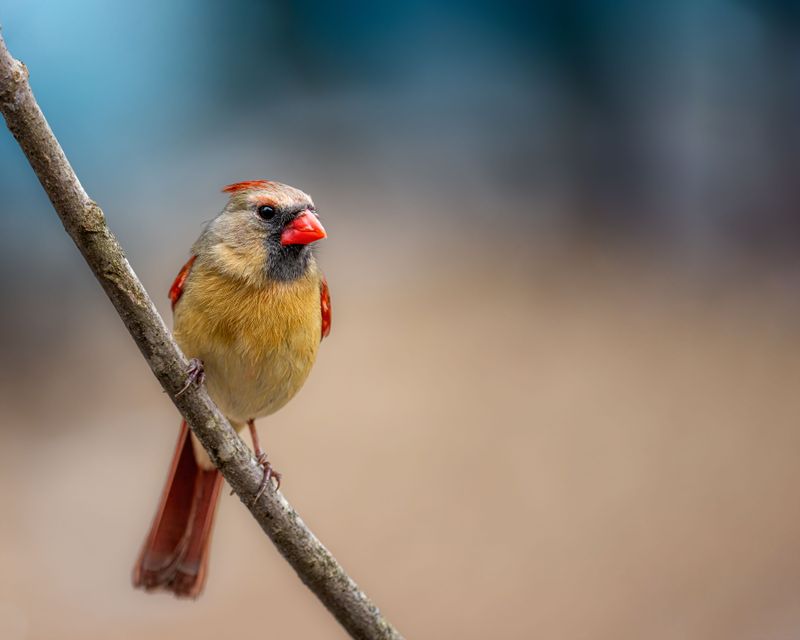
Male cardinals wear that iconic crimson coat, while females sport a warm, toasted tan with red highlights on their wings and crest. Both are stunning in their own right.
Cardinals do not migrate. Once a pair finds a good spot, they tend to stick around through every season.
That means if you have seen one lately, there is a solid chance it has been watching your yard for a while. Cardinals are creatures of habit, returning reliably to yards that consistently meet their needs.
Spotting a cardinal is not the universe handing you a rare gift. It is actually a sign that your yard is doing something right.
Understanding how common yet intentional these birds are changes everything. They are everywhere, but they do not land just anywhere.
The Specific Reasons A Cardinal Chose Your Yard
Cardinals do not wander randomly. Every landing is a choice, and your yard earned it for very specific reasons.
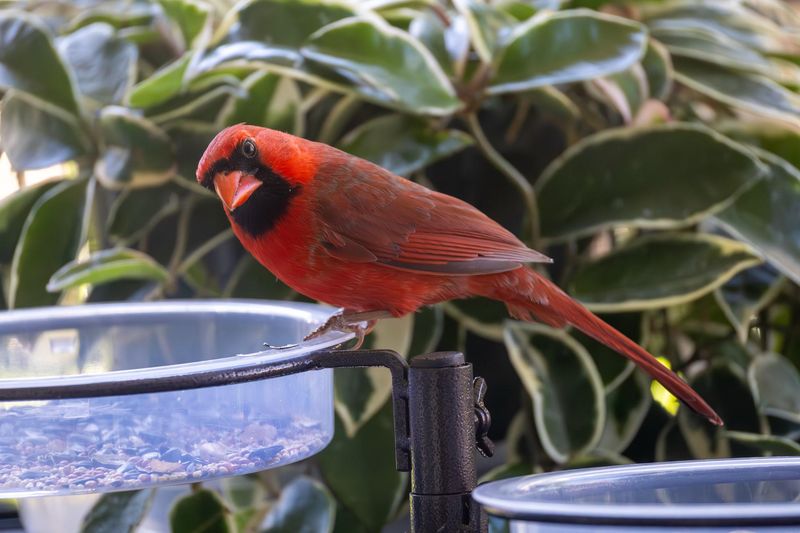
Food is the biggest draw. Cardinals go wild for black-oil sunflower seeds, safflower seeds, and cracked corn.
If you have any of those available, even accidentally through a fallen seed head or a neighbor’s feeder nearby, that bird found your yard on purpose. Cardinals have sharp eyes and sharp instincts.
Dense shrubs are another major magnet. Cardinals nest and roost low to the ground, tucked inside thick bushes like hollies, viburnums, or native sumac.
Oklahoma yards with layered plantings, meaning tall trees plus mid-level shrubs plus ground cover, are basically five-star hotels for these birds. The more layers, the better the welcome.
Water also plays a huge role. A shallow birdbath or dripping water feature is often enough to draw a cardinal in from nearby.
They bathe frequently and need fresh water daily. If your yard has a reliable water source, that is a powerful reason they keep coming back.
Your Oklahoma Garden Changes Every Week. Your Plan Should Too.
Gardening in Oklahoma changes quickly throughout the season. Every Friday you’ll receive a simple weekly plan showing exactly what to plant, prune, fertilize, harvest, and protect so you never miss the right timing.
Finally, shelter matters. Cardinals feel safest in yards with natural windbreaks, privacy hedges, or wooded edges.
Wide-open grass lawns with no cover make them nervous. More often than not, it comes down to one simple truth: your yard feels safe, stocked, and welcoming to wildlife.
What Their Behavior Around Humans Actually Signals
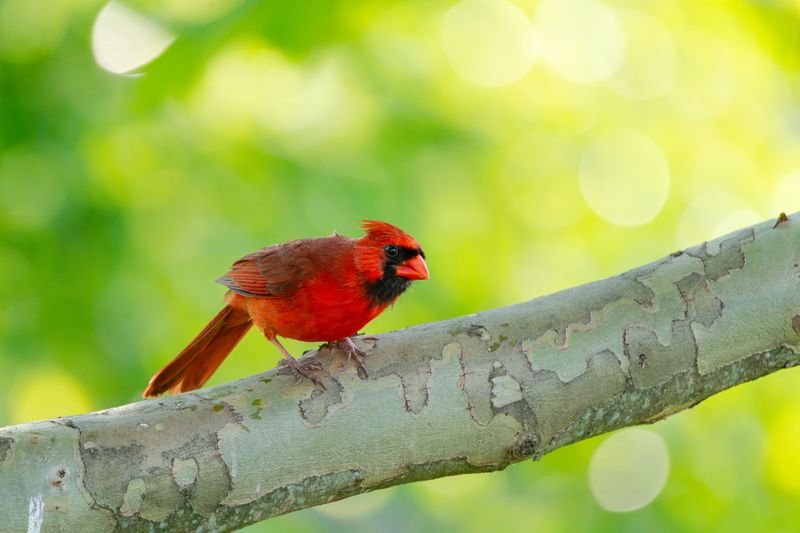
Cardinals are not tame, but they are not terrified of people either. Their behavior around humans tells you a lot about how comfortable they feel in your space.
A cardinal that hops closer while you sit outside is a confident bird. That confidence builds over time when a yard feels consistently safe and undisturbed.
If a cardinal sits near a window and seems to stare inside, it is almost always reacting to its own reflection. Males especially will tap or hover near glass, treating the mirror image as a rival.
Do not worry, this behavior is harmless and usually fades once nesting season winds down. It just means the bird is fired up and territorial.
A cardinal singing loudly from a high branch near your house is marking its territory. That song is a declaration, not a distress call.
Hearing that clear, whistled melody means a male has claimed your yard as part of his home range. That is actually a compliment.
Female cardinals sing too, which surprises a lot of people. A female calling softly from inside a shrub is often communicating with her mate nearby.
Watching how a cardinal moves through your yard, whether bold or cautious, tells you whether your space feels like a refuge or a risk. Every hop, perch, and song tells you exactly how your yard is landing with the wildlife that matters.
A Backyard Visit As A Sign Of A Healthy Yard
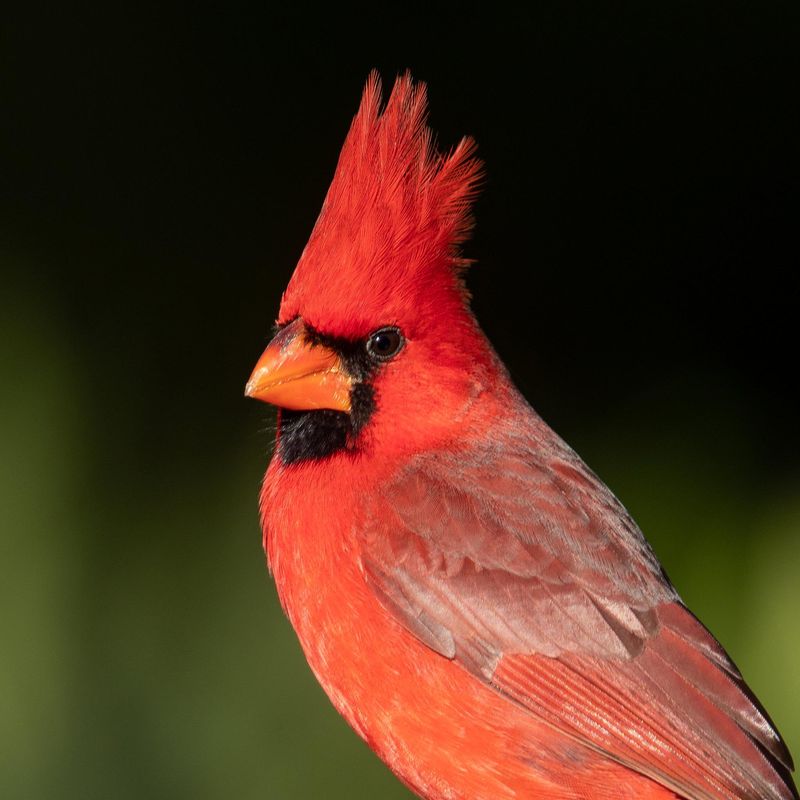
Cardinals are picky about where they spend their time. When one shows up consistently, your yard is passing a serious environmental test.
These birds need insects, berries, seeds, and shelter all within a small territory. A yard that checks all those boxes is genuinely thriving.
Healthy soil grows healthy plants, and healthy plants attract the insects that cardinals feed their chicks. Yes, even seed-loving cardinals rely on protein-rich bugs during nesting season.
If cardinals are visiting your yard, it likely means you have a functioning food web happening right outside your door. That is something worth protecting.
Pesticide-heavy yards tend to drive cardinals away. Chemicals reduce insect populations, strip berries from plants, and can contaminate the seeds birds eat.
A cardinal visit can actually signal that your yard is relatively low in chemical interference. Organic or natural gardening practices tend to invite more wildlife overall.
Native plants play a starring role here. Oklahoma natives like beautyberry, elderberry, and wild grape produce exactly the food cardinals seek in fall and winter.
Planting even a few native species shifts your yard from a decorative space into a working habitat. Cardinals tend to respond to that shift surprisingly quickly.
A cardinal that keeps coming back may be the most honest yard audit you will ever get. Few things give you a more honest read on your yard’s health than a cardinal choosing to stay.
Simple Ways To Bring More Cardinals To Your Space
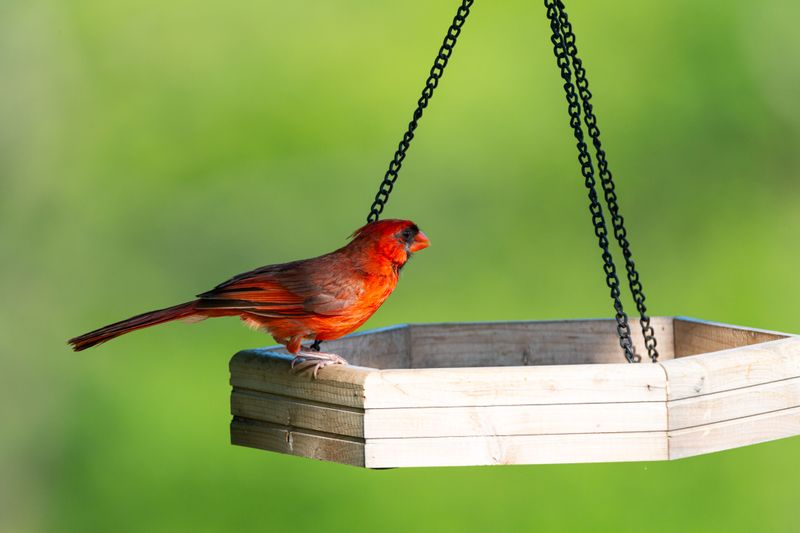
Attracting more cardinals is easier than most people expect. A few small changes to your yard can make a dramatic difference within weeks.
Start with a platform feeder or hopper-style feeder stocked with black-oil sunflower seeds. Cardinals prefer to feed on flat, open surfaces rather than narrow tube feeders.
Place the feeder within ten feet of shrubs or trees so cardinals can perch nearby and watch for danger before landing. Open placement with no nearby cover makes them hesitant.
Add a birdbath with shallow water, no deeper than two inches. Change the water every two to three days to keep it fresh and clean.
A small solar-powered dripper or wiggler creates movement in the water, which signals birds from a distance. Moving water is irresistible to most backyard species.
Plant dense, thorny shrubs along your fence line or yard edges. Hawthorns, native hollies, and rose of Sharon all give cardinals ideal nesting and roosting spots.
Avoid trimming those shrubs too aggressively in late winter. Cardinals scout nesting spots in February and March, so leaving cover intact during that window matters.
Skip the pesticides near your feeders and native plantings. Letting a few caterpillars and beetles thrive gives cardinals a natural food source to supplement their seeds.
Small steps add up fast. Your yard could become a genuine cardinal destination without a major overhaul, just a few thoughtful tweaks in the right direction.
A Year-Round Presence
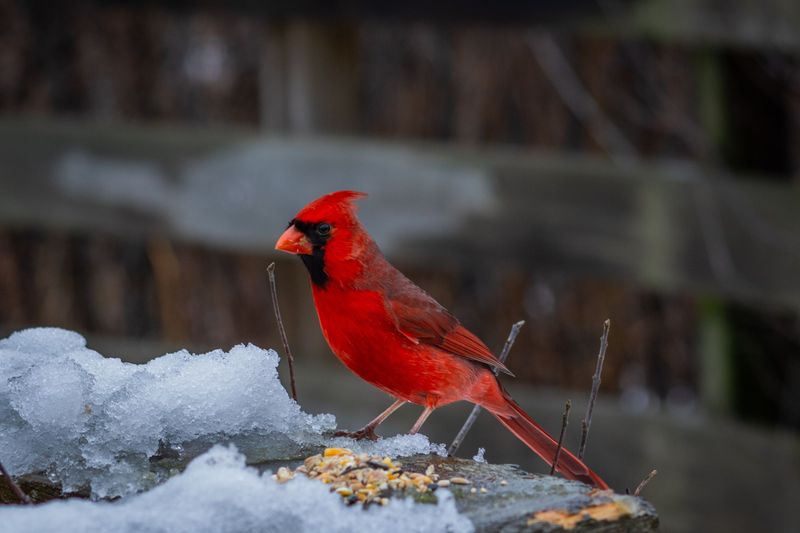
One of the best things about cardinals in Oklahoma is that they never leave. You get the red flash in July and the scarlet glow against January snow.
Winter is actually when cardinals become most visible. Bare branches and white backgrounds make that red plumage impossible to miss.
Cardinals form loose flocks in colder months, so where you see one, others are often nearby. A single feeder in December can draw a small flock at once.
Keeping your feeders stocked through winter is one of the most impactful things you can do for local wildlife. Cardinals rely on supplemental feeding when natural food sources get buried under ice or frost.
Spring brings a dramatic shift in behavior. Males begin singing aggressively in February, and courtship feeding, where the male delivers seeds beak-to-beak to the female, starts shortly after.
Watching that courtship ritual in your own backyard is genuinely one of nature’s sweeter moments. It happens right there between your fence and your garden bed.
Summer means nesting, and a quiet, shrubby yard gives pairs the privacy they need to raise two or even three broods per season.
Fall brings juveniles into the open, still wearing their muted first feathers, learning the ropes alongside their parents. Your yard is not just a random stop, it is part of their whole life cycle.