Colorado Mulching Tip That Helps Your Soil Retain Moisture All Summer Long
Colorado summers don’t ease in, they arrive with full force, baking soil dry within days of the last decent rainfall. One week your garden looks promising, the next the ground is cracked and your plants are struggling to keep up.
That’s just the reality of gardening at altitude in a semi-arid state. One simple habit, though, can make an enormous difference between a garden that barely survives and one that genuinely thrives through the heat.
Mulching works quietly in the background, shading roots, slowing evaporation, and keeping soil temperature steady even when afternoon temps climb into the 90s.
If your Colorado garden is going to hold its own against summer, mulch is the move worth making before the heat takes over.
The Deep Mulch Method That Locks Moisture Into Colorado Soil
Picture this: you water your garden, walk away, and come back to find the soil still damp two days later. That is exactly what the deep mulch method delivers for Colorado gardeners.
Most people sprinkle a thin layer of mulch and call it done. That approach barely slows evaporation in a state known for intense sun and low humidity.
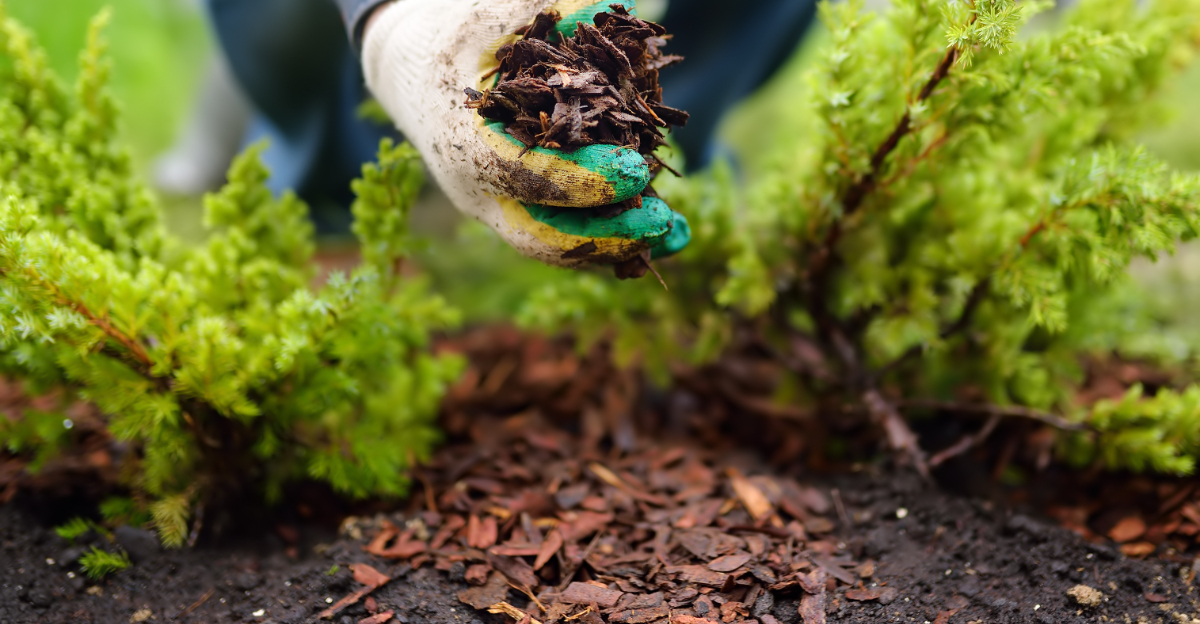
The deep mulch method means laying down three to five inches of organic material over your soil. That thickness creates a real barrier between your plants and the punishing summer air.
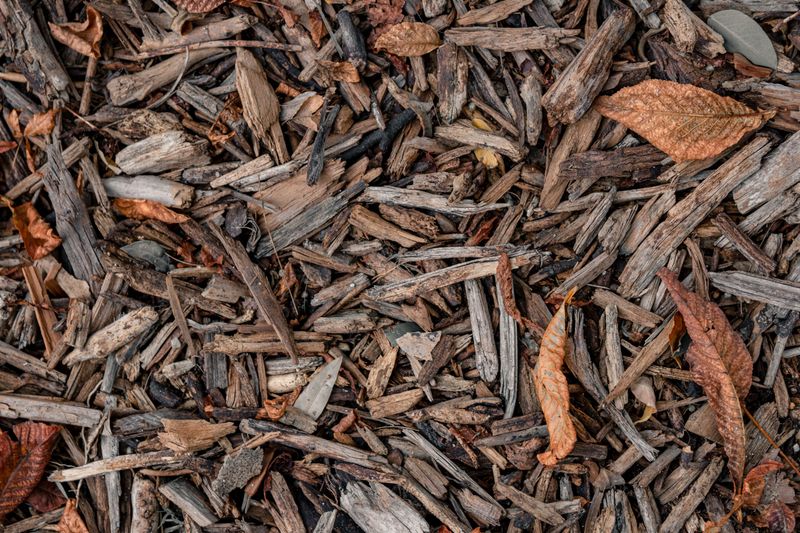
Wood chips, straw, and shredded leaves all work beautifully for this technique. Each one traps moisture underneath while slowly breaking down to feed your soil.
Colorado mulching tips almost always point back to depth as the most critical factor. A shallow layer dries out fast and offers little protection during a July heat spike.
Start by clearing weeds before you lay anything down. Weeds compete for water, and burying them under deep mulch cuts off their access to sunlight.
Leave a small gap around plant stems to prevent rot. About two inches of breathing room keeps stems healthy while the surrounding soil stays hydrated.
Stick with this method consistently, and many Colorado gardeners find they water less often through the hottest months. Fewer watering sessions means less effort and lower water bills by the end of summer.
How Much Mulch Your Garden Actually Needs
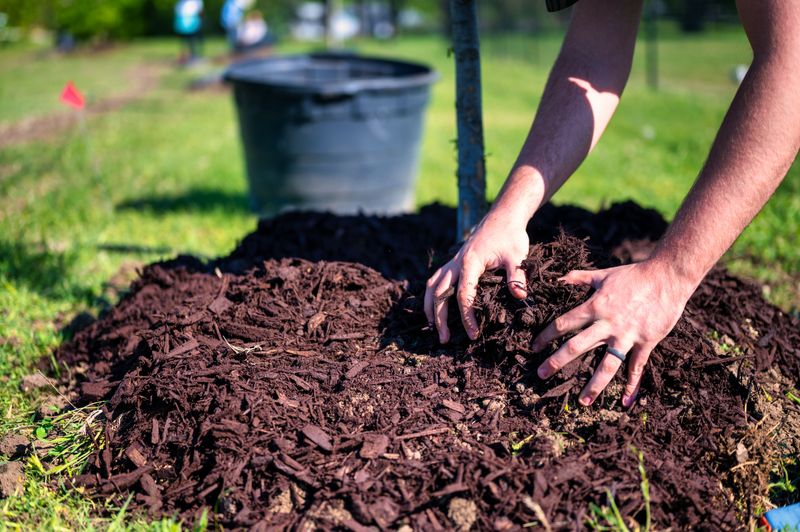
Guessing how much mulch to use is one of the most common garden mistakes people make. Too little does almost nothing, and too much can actually harm your plants.
For most Colorado gardens, three to four inches is the sweet spot. That depth keeps moisture in without suffocating roots or causing fungal problems near plant stems.
For trees and shrubs, you can push up to four or five inches of mulch in a wide ring around the base. Spread it out to the drip line for the best moisture coverage.
Vegetable gardens do well with two to three inches of lighter mulch like straw. Too much weight on vegetable beds can slow soil warming in the spring.
One cubic yard of mulch covers roughly 100 square feet at around three inches deep, though coverage varies slightly depending on the material. Use that math to estimate your needs before heading to the garden center.
Your Colorado Garden Changes Every Week. Your Plan Should Too.
Gardening in Colorado changes quickly throughout the season. Every Friday you’ll receive a simple weekly plan showing exactly what to plant, prune, fertilize, harvest, and protect so you never miss the right timing.
Replenish your mulch layer each spring as it breaks down over winter. A fresh top-up keeps your moisture barrier strong heading into the dry summer months.
Watch for mulch that has compacted into a solid crust. Rake it lightly to loosen it up so water can still pass through to the soil below.
Getting the depth right is honestly one of the most powerful Colorado mulching tips you can follow. Proper coverage turns a struggling garden into a thriving one with far less effort from you.
Best Mulch Materials For Colorado’s Dry Climate
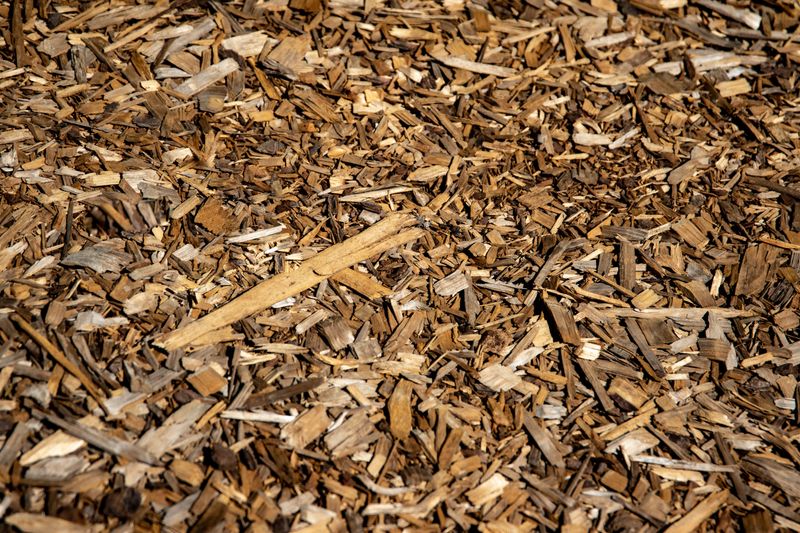
Not all mulch is created equal, especially when your garden sits at high altitude with dry mountain air blowing through it. Choosing the right material makes a massive difference in how long your soil stays moist.
Wood chips are a top pick for Colorado gardens because they hold moisture well and break down slowly, so you will not need to replenish them as often.
Straw is another fantastic option, especially for vegetable beds. It is lightweight, easy to spread, and breaks down to add organic matter to your soil by fall.
Shredded leaves are free if you have trees in your yard. Run them through a mower first so they break down faster and do not mat together and block water.
Pine needles work great around acid-loving plants like blueberries and strawberries. They stay loose, allow rainfall to pass through, and break down gradually over time.
Gravel and rock mulch are popular in Colorado landscaping for a reason. They reflect heat away from roots and never need replacing, making them a low-maintenance favorite.
Avoid using fine, compacted materials like sawdust alone. It tends to crust on top and actually repels water instead of holding it.
Mix organic options with each other to get the best results. A blend of wood chips and shredded leaves, for example, balances moisture retention with good airflow near the soil surface.
When To Apply Mulch For Maximum Moisture Protection
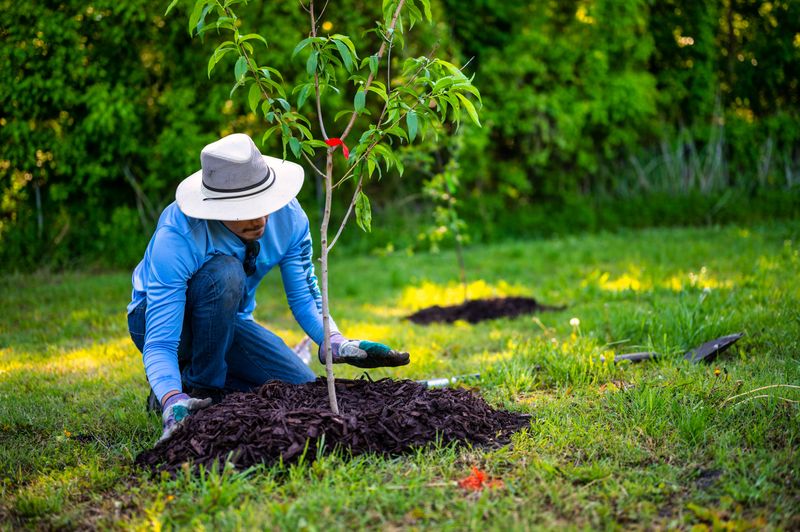
Timing your mulch application is just as important as choosing the right material. Put it down too early, and you slow the soil from warming up after a cold spring.
The best window for mulching in Colorado is late May to early June. By then, soil temperatures have risen enough to support active root growth.
Wait until after your last frost date before laying down a full layer. Mulch insulates the soil in both directions, slowing warming in spring just as it slows heating in summer.
Once temperatures start climbing consistently into the seventies, your mulch layer becomes a powerful shield. It helps regulate soil temperature and slows moisture loss during the hottest stretches of July and August.
Apply mulch right after a good watering or rainfall event. You want to lock in existing moisture, not just cover dry, thirsty ground.
Mid-summer top-ups help a lot when your original layer has thinned from decomposition. Adding an inch or two refreshes your moisture barrier without overdoing it.
Fall is also a smart time to mulch around perennials and trees. It protects roots from freeze-thaw cycles that are common in Colorado’s unpredictable shoulder seasons.
Matching your mulch timing to the season gives your garden a stronger foundation for handling whatever Colorado weather brings.
Common Mulching Mistakes That Let Moisture Escape
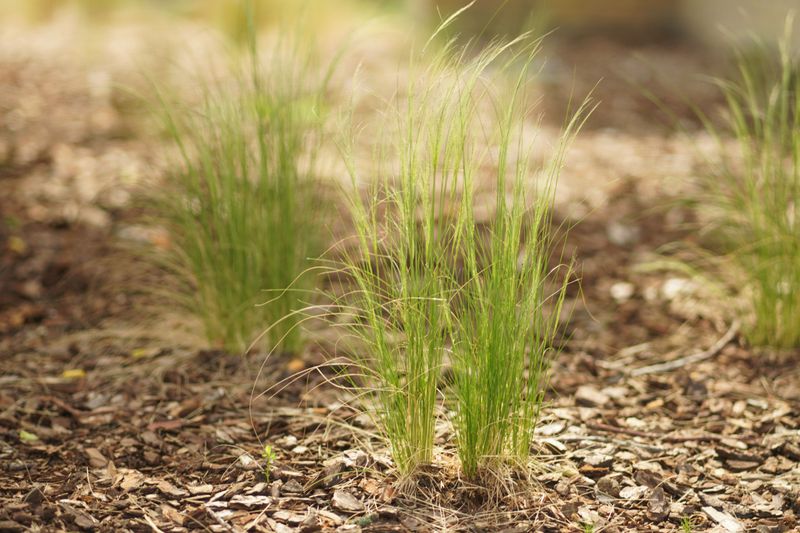
Even experienced gardeners make mulching mistakes that quietly undo all their hard work. Knowing what to avoid saves you time, money, and a lot of frustration come July.
Volcano mulching is probably the most widespread error out there. That is when mulch gets piled high against a tree trunk in a cone shape, trapping moisture against the bark and causing rot.
Always keep mulch pulled back two to three inches from any trunk or stem. That small gap allows air circulation and prevents disease from taking hold at the base.
Applying mulch over dry soil is another big misstep. You are essentially sealing in drought conditions, making it harder for water to penetrate when you finally do irrigate.
Using the wrong particle size also causes problems. Very fine mulch, like sawdust, forms a water-repelling crust on top that sheds rain instead of absorbing it.
Skipping weed removal before mulching is a shortcut that backfires fast. Weeds push through thin layers and steal the moisture you worked hard to preserve.
Forgetting to replenish mulch as it breaks down leaves your soil exposed. Bare soil loses moisture to evaporation at a rate that mulched soil simply does not.
Avoiding these mistakes is just as valuable as any other tip in your summer garden toolkit. Address these common mistakes, and your moisture retention tends to improve noticeably without spending anything extra.
Other Ways To Help Your Soil Hold Water Through Dry Spells
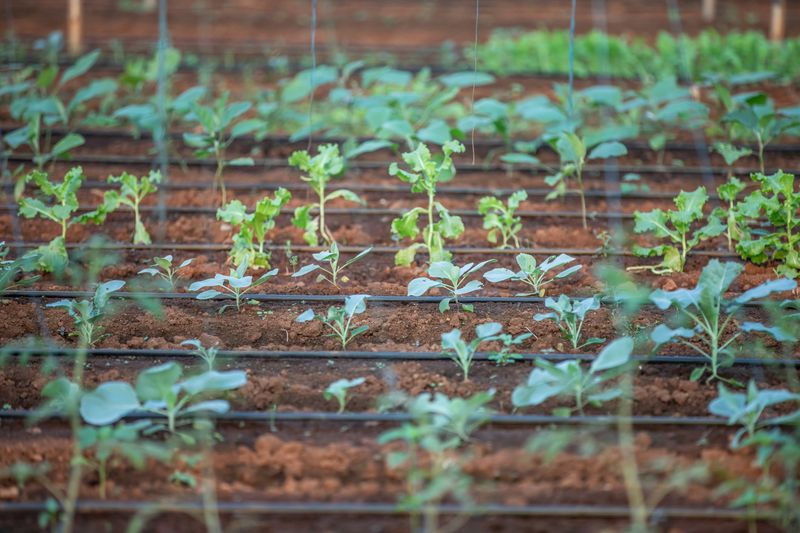
Mulching is powerful, but pairing it with a few other strategies gives your soil a much stronger chance of holding moisture through even a prolonged dry stretch. Think of it as building a team of defenses for your soil.
Drip irrigation is one of the best partners for a strong mulch layer. It delivers water directly to roots slowly, reducing runoff and keeping moisture where plants need it most.
Adding compost to your soil before mulching improves its ability to hold water naturally. Compost acts like a sponge, and sandy Colorado soils especially benefit from that organic boost.
Grouping plants with similar water needs together saves a surprising amount of moisture. You stop overwatering some areas while underwatering others, and every drop goes exactly where it counts.
Rain barrels capture roof runoff and give you free water for dry stretches. Even a modest barrel adds a useful backup water source for smaller beds during dry stretches.
Windbreaks like fences, hedges, or trellises slow the constant Colorado wind that pulls moisture right out of the soil. Less wind means less evaporation between watering sessions.
Choosing drought-tolerant native plants reduces how much supplemental water your garden needs in the first place. Plants adapted to this region thrive with far less intervention from you.
Stack these strategies alongside your Colorado mulching tips, and your garden handles summer heat with confidence. The goal is a system where every element works together to keep your soil rich and moist.