The Florida Hedge That Discourages Both Iguanas And Rats From Crossing The Property Line
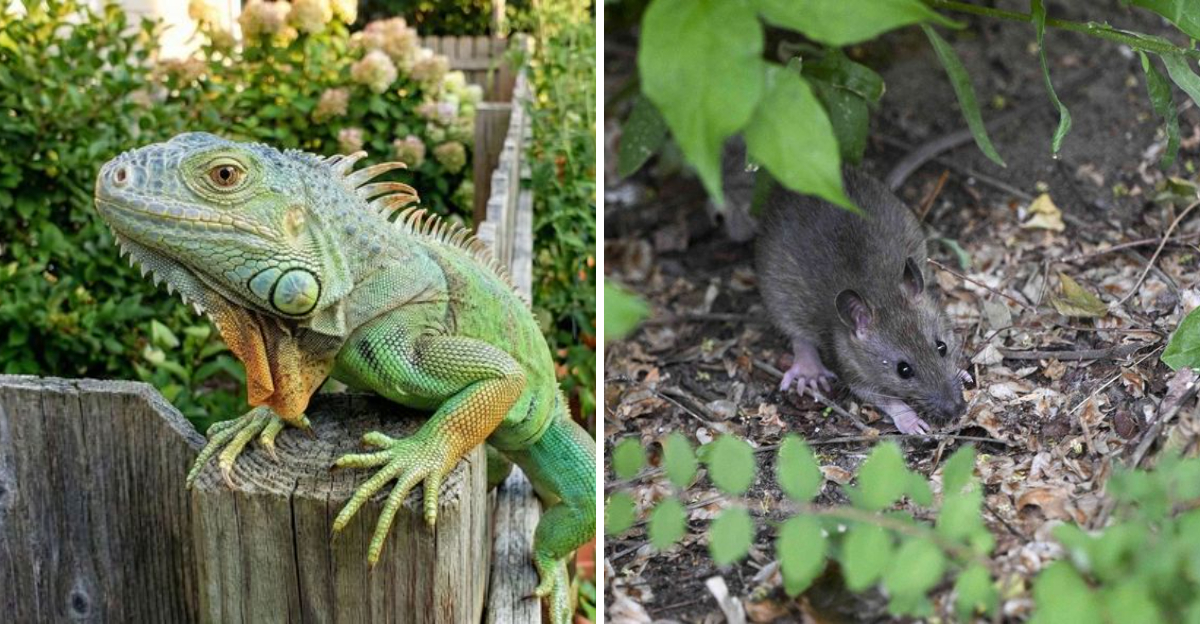
Property lines in Florida are suggestions as far as iguanas and rats are concerned. Both are bold, both are adaptable, and both have figured out that most yards offer something worth crossing into.
A standard fence slows them down briefly. The right hedge changes the calculation entirely.
One Florida native shrub has characteristics that both iguanas and rats find genuinely off-putting. Dense enough to block easy passage.
Structured in a way that removes the cover rats need to move comfortably. Iguanas consistently avoid yards where it grows thick along boundaries.
It also happens to be one of the better-looking hedge options available to homeowners. Birds use it heavily.
It handles Florida’s heat, salt, and drought without much intervention once established. A hedge that earns its place on multiple fronts is worth knowing about.
This one has been doing the job in Florida yards for a long time.
1. Simpson’s Stopper Makes A Dense Hedge Without A Messy Border
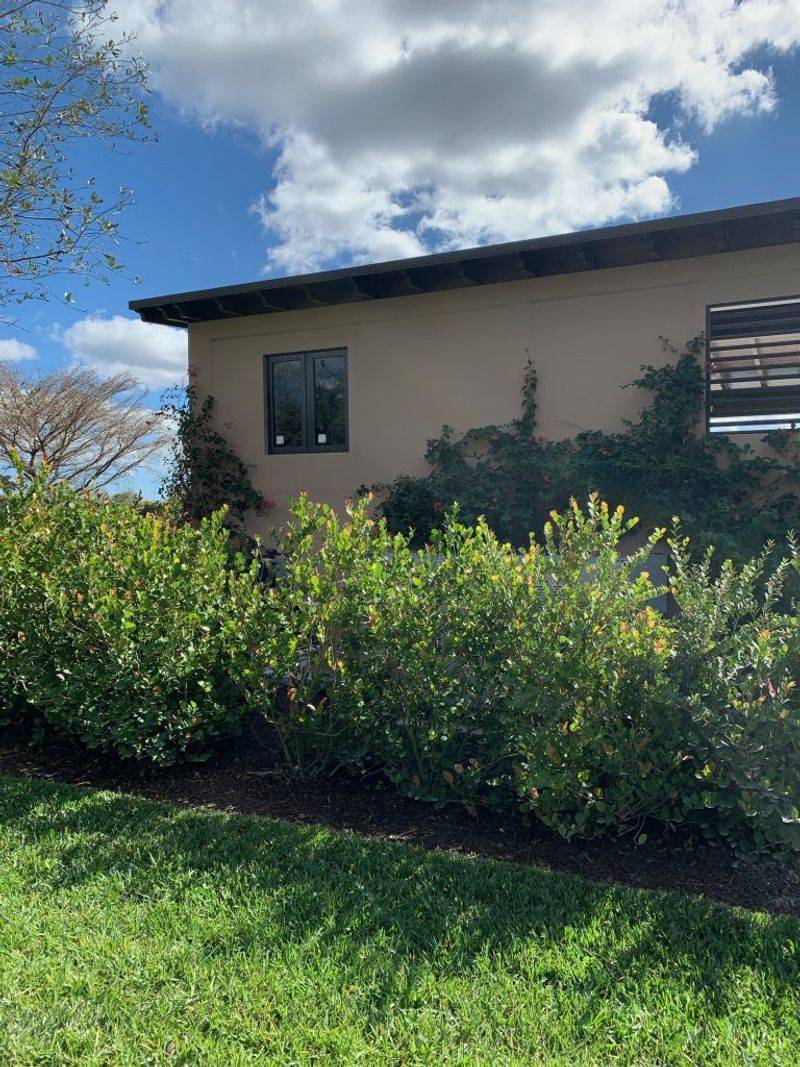
Picture a property line that looks chosen, not abandoned. Simpson’s stopper (Myrcianthes fragrans) is a Florida native shrub or small tree that brings exactly that kind of polished presence to a yard edge.
Its small, glossy leaves stay deep green year-round, giving the hedge a clean, finished look that stands out against fences, walls, and open ground.
Fragrant white flowers appear on established plants, and small orange-red fruit can follow where conditions support it. Both features add wildlife value without creating the kind of debris that builds up under sloppy, unmanaged borders.
A tidy hedge line also gives homeowners a clear visual edge to inspect and maintain.
Iguanas and rats are not repelled by one plant alone. However, a maintained Simpson’s stopper hedge reduces the overgrown debris zone that unmanaged property edges often create.
Dense, intentional plantings define the line without offering a hidden, cluttered corridor. Pruning, clean ground, and regular checks along the base are what keep this hedge working as a useful boundary screen rather than just another place for pests to hide.
2. Property Lines Need Structure Iguanas Cannot Easily Use
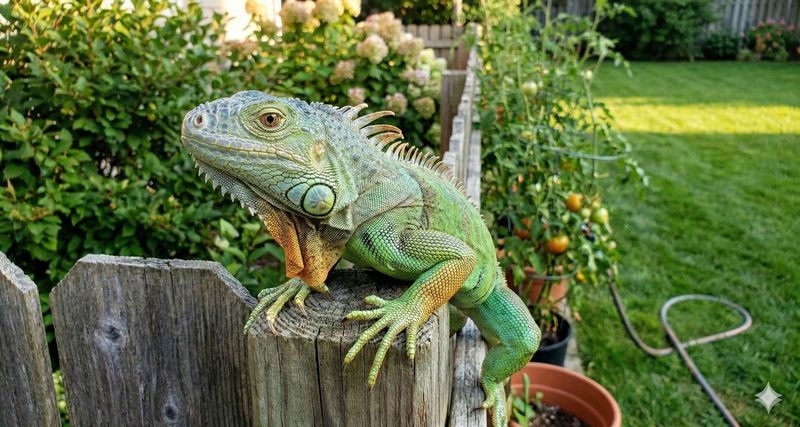
An iguana crossing a yard does not follow a random path. It looks for sunny routes, easy footing, food nearby, and spots where it can bask or hide without being disturbed.
Open, unstructured property edges offer all of those things at once, which is why a clean, defined boundary matters more than most homeowners expect.
Simpson’s stopper, kept trimmed and paired with a fence or wall, can reduce the number of open crossing points along a property line. A maintained hedge removes much of the loose, sheltered ground cover that iguanas prefer when moving through a yard edge.
Fewer gaps, cleaner ground, and fewer food plants nearby all work together to make the route less appealing.
Iguanas can climb, squeeze through gaps, and move around most obstacles when motivated. No hedge stops a determined iguana on its own.
The real value comes from combining Simpson’s stopper with fence repairs, clean soil at the base, reduced food plants, and fewer basking spots. A layered boundary plan is far more effective than any single plant or fix.
Your Florida Garden Changes Every Week. Your Plan Should Too.
Gardening in Florida changes quickly throughout the season. Every Friday you’ll receive a simple weekly plan showing exactly what to plant, prune, fertilize, harvest, and protect so you never miss the right timing.
Regular walks along the hedge line help catch new gaps or overgrowth before they become easy entry points.
3. Glossy Foliage Keeps The Hedge Looking Intentional
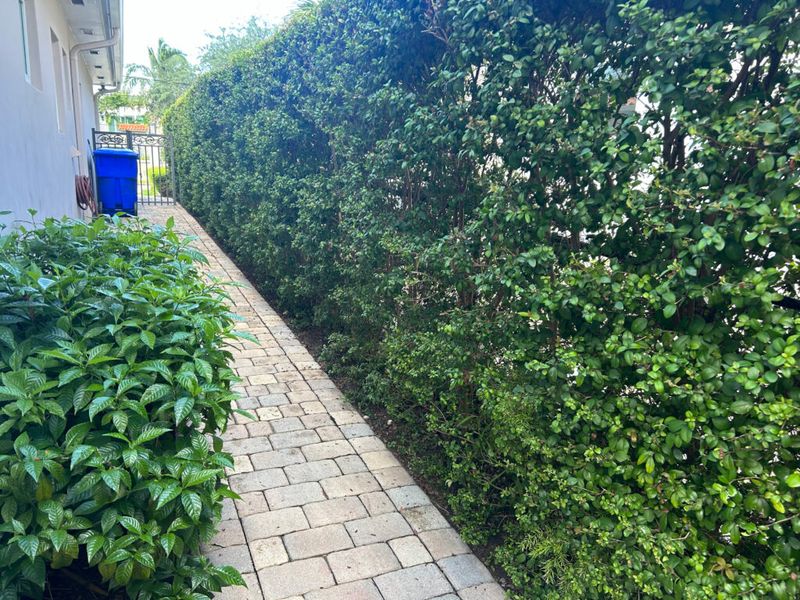
A hedge that looks neglected sends a message, and not a good one. Neighbors notice, HOAs notice, and so do pests that rely on overgrown cover for shelter and travel.
Simpson’s stopper avoids that problem naturally. Its glossy, compact foliage holds a neat shape well, and it responds to regular pruning without losing its dense, finished look.
Spacing matters when planting this hedge. Setting plants roughly four to six feet apart allows them to fill in and form a solid screen without creating lifeless zones or gaps at the base.
Repetition along the property line gives the hedge a uniform, intentional appearance that reads as a planned screen rather than random growth. Clean edging along the soil line adds to that polished effect.
Mature size is worth checking before planting. Simpson’s stopper can reach twenty feet or more if left unpruned.
Choosing the right spot and committing to a pruning schedule keeps it at hedge height without fighting its natural growth. Regional suitability also matters.
It performs best in warm, frost-light areas of this state and may need protection in northern regions during cold snaps. Confirming site conditions with a local Extension office before planting saves time and frustration later.
4. Small Fruit Feeds Birds Without Turning The Yard Into A Buffet
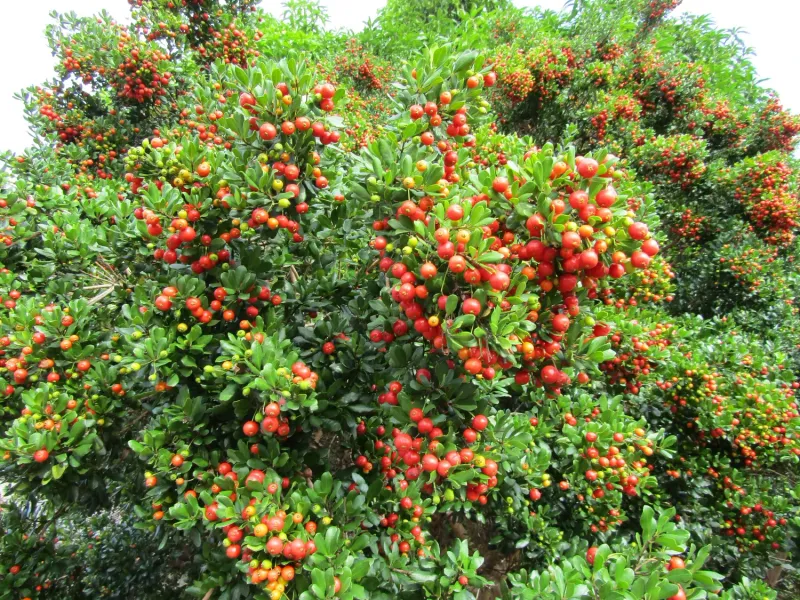
One of the quiet pleasures of planting Simpson’s stopper is watching birds visit the hedge when small fruit ripens.
The orange-red berries attract native birds where conditions support fruiting, adding real wildlife value to what might otherwise be a plain green screen.
That is a genuine benefit for Florida homeowners who want a yard that supports local wildlife.
Still, any fruiting plant near a property line deserves some attention during ripening season. Fallen fruit left on the ground can attract rats, which are always looking for an easy food source near shelter.
A quick cleanup habit, raking or blowing fallen fruit away from the base of the hedge regularly, keeps this benefit from working against you.
The fruit produced by Simpson’s stopper is small and not comparable to leaving pet food, birdseed bowls, or fallen citrus outside overnight. The risk is manageable with basic maintenance.
Keep the ground under the hedge clear, check for buildup after heavy fruit drop, and do not let debris pile up against the base. Birds will still visit.
Rats will find the area far less rewarding. That balance is exactly what a well-managed native hedge should offer along a property line.
5. Clean Pruning Gives Rats Fewer Hidden Travel Routes
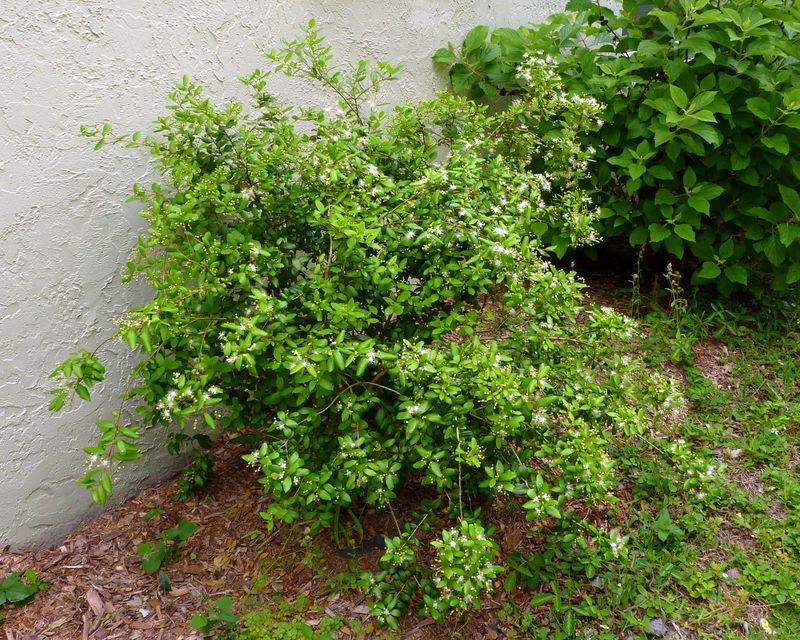
Rats are not bold travelers. They prefer to move under cover, staying close to walls, fences, dense vegetation, and clutter that keeps them hidden from view.
An overgrown hedge with debris piled at the base is nearly ideal for them. It offers shelter, a hidden path, and a sense of safety all in one spot.
Pruning Simpson’s stopper regularly changes that equation. Thin crowded interior growth where appropriate and remove withered branches.
Keeping the base of the hedge visible takes away the dense, dark corridor that rats count on. A hedge you can see under is a hedge that rats find far less useful as a travel route.
That visibility also makes it easier to spot fresh digging, droppings, or worn paths that signal rat activity early.
Leaving the hedge thick to the ground with old leaf litter and broken branches underneath works directly against the goal. The value of this screen comes from keeping it maintained, not from letting it grow wild and hoping for the best.
A simple routine of pruning every few months and clearing debris after storms keeps the property line open. Walking the base during yard inspections also makes it far less useful to rats moving through the area.
6. A Tight Base Matters More Than A Tall Wall
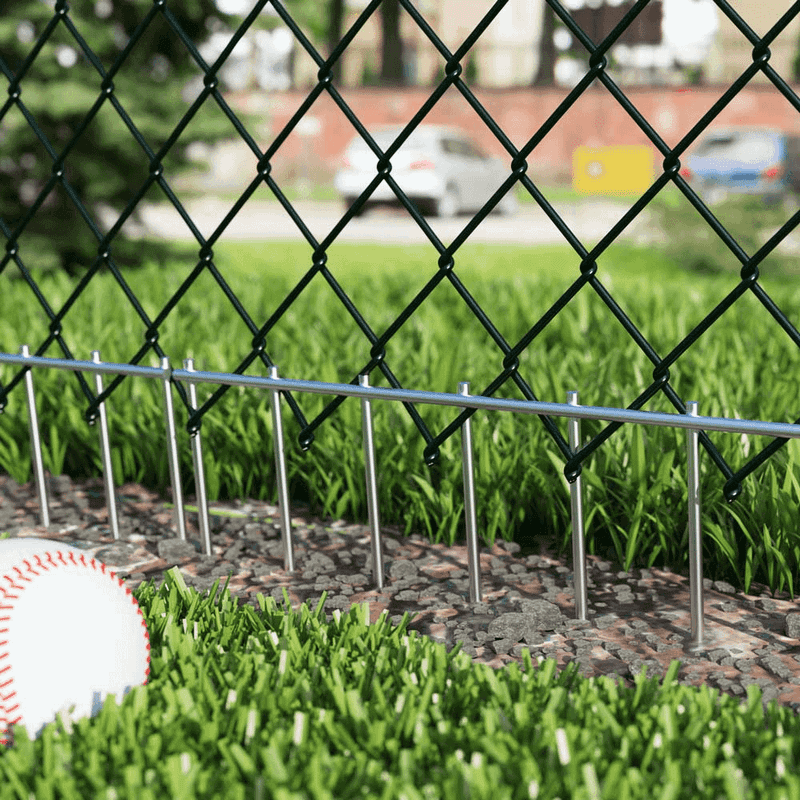
Height gets a lot of attention in hedge planning, but the base of the hedge is where the real work happens. A tall, leafy screen with gaps at the bottom, holes in the adjacent fence, or vines trailing over the top still gives iguanas and rats plenty of ways to move through.
The base is where animals actually travel, and that is where the focus should be.
Pairing Simpson’s stopper with clean edging, fence repairs, and a gravel or mulch transition at the soil line makes the base tighter and easier to monitor. Gravel near the base discourages burrowing and keeps debris from building up against the stems.
Regular checks along the bottom of the hedge, especially after rainy season when growth accelerates, help catch new gaps before they become well-used routes.
Low branches left to touch the ground and cluttered corners near fence posts undo the benefit of a well-maintained screen. Cracked or lifted fence panels do the same.
Simpson’s stopper helps guide and discourage movement along the property line, but it cannot replace physical exclusion where animals are already active.
Combining the hedge with fence maintenance and clean transitions creates a boundary that is genuinely harder to use as a casual crossing point.
7. The Hedge Works Best With No Food Left Nearby
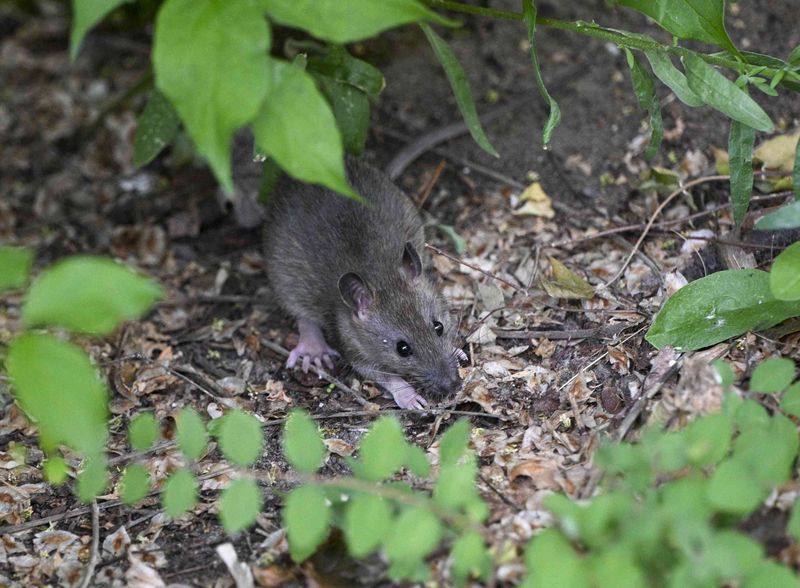
Even the best-maintained Florida hedge loses ground fast when the property line is sitting next to a food source. Rats and iguanas are practical.
If something worth eating is nearby, they will push past inconveniences to reach it. A tidy Simpson’s stopper screen is a real asset, but it cannot compete with an open bag of birdseed or a bowl of pet food left out overnight.
Pet food, birdseed, unsecured trash cans, and compost bins without tight lids are stronger attractants than any hedge is a deterrent. Fallen citrus, outdoor cooking grease, and water bowls left outside are too.
Removing those sources is not optional if the goal is a less inviting property line. Sanitation is the foundation that lets the hedge do its job.
Iguanas are drawn to fruit, flowers, and leafy plants near a yard edge. Rats are drawn to food scraps, water, and shelter close to cover.
Addressing both of those pulls, by cleaning up food sources and keeping the hedge well-maintained, creates a property line that offers far less reason to cross. Think of sanitation as the support system running underneath the hedge strategy.
Without it, even a beautiful Simpson’s stopper screen is working at a disadvantage from the start.
8. This Native Screen Helps Most When The Whole Edge Stays Clean
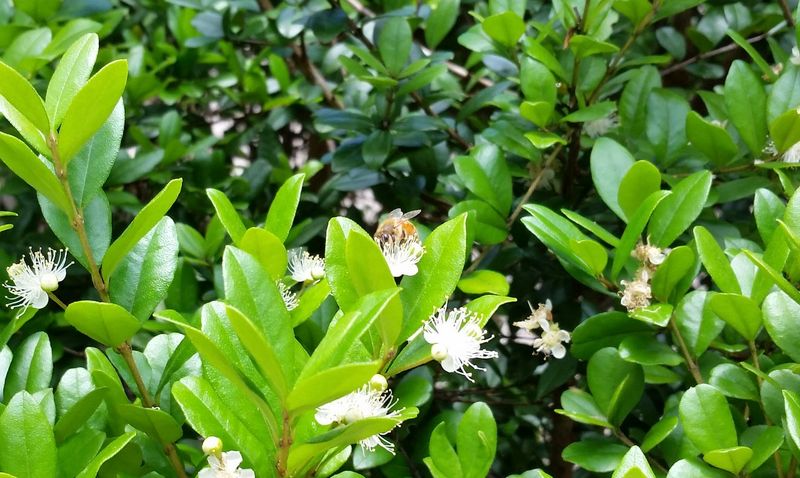
A Simpson’s stopper hedge planted along a clean, well-managed property edge is genuinely worth the effort. It offers privacy, a polished look, wildlife value, and a denser, more intentional boundary than most unmanaged property lines ever achieve.
For homeowners who want a native screen that fits this state’s climate and supports local birds, it checks real boxes.
Its value shows most clearly when the rest of the edge is just as well managed. Regular pruning keeps the base visible and the growth intentional.
Defined borders, clean soil transitions, and sealed fence gaps remove the weak points that animals use to move through. Fewer food sources nearby mean fewer reasons for rats or iguanas to push toward the hedge in the first place.
Simpson’s stopper is not a wall, and it is not a solution to an active pest problem. If iguanas are already burrowing or rats are already nesting in or near the hedge, bring in help.
Contacting a licensed pest-management professional or your local Extension office is the right next step. For a property line that is already reasonably clean, this native screen can be a smart, lasting addition.
It makes the edge less inviting, easier to inspect, and more rewarding to maintain over time.