How To Design An Arizona Native Garden That Attracts Vermilion Flycatchers
Some yards leave a lasting impression without being filled with bright flowers or expensive features. They simply feel alive.
Birds move through the trees, insects buzz from plant to plant, and something interesting is always happening. That kind of landscape does not happen by accident.
It comes from choosing plants that belong together and create a place wildlife actually wants to use. The result is a yard that feels more natural and changes with every season.
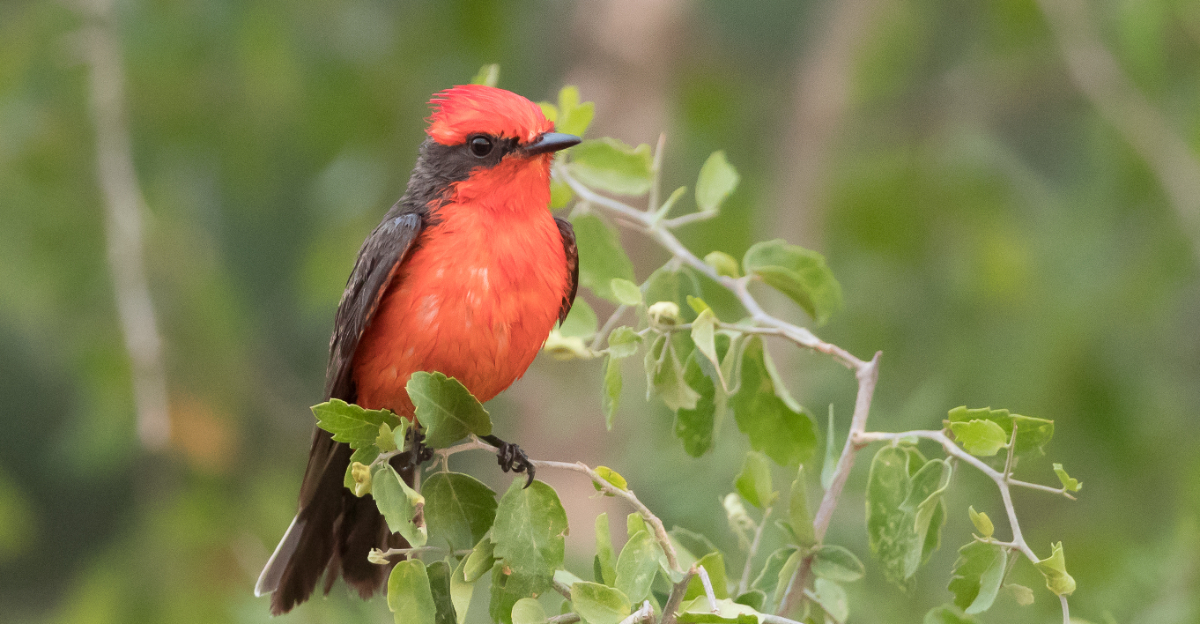
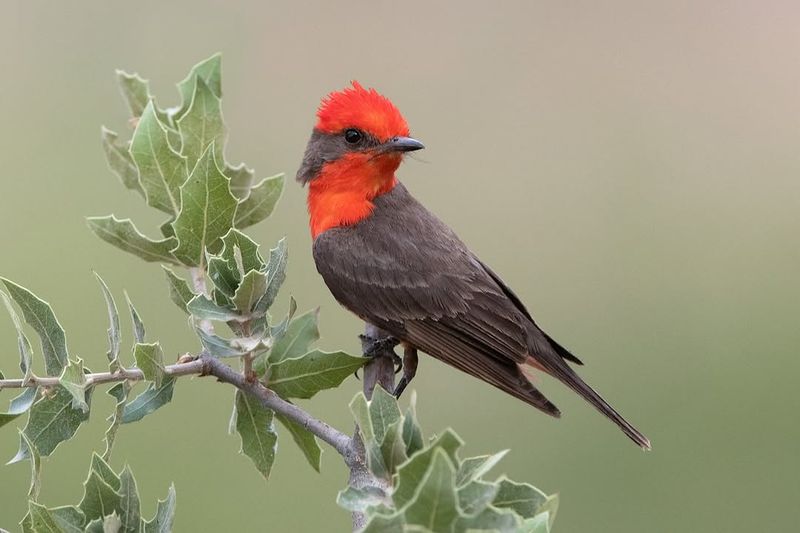
Arizona is home to one of the most eye-catching backyard birds you can hope to spot. The Vermilion Flycatcher may be small, but its bright red color is impossible to ignore.
If your landscape provides the habitat it needs, there is a much better chance it will stop by and keep coming back.
That is what makes a native garden so rewarding in the first place.
1. Plant Native Shrubs For Safe Perches
Vermilion flycatchers are perch hunters. They sit still, scan the ground below, then dart out to snag insects mid-air.
Without good perching spots, they simply will not stick around.
Native shrubs offer the right height and branch structure for this hunting style. Apache plume grows to about five feet and produces feathery seed plumes that add texture while offering sturdy stems.
Desert willow stretches taller and grows at a moderate pace, making it a reliable perch point within a few seasons.
Shrubs planted near open ground work best. A bird perching on a branch needs clear sightlines to spot insects below.
Dense plantings with no open floor space reduce hunting success and discourage flycatchers from returning.
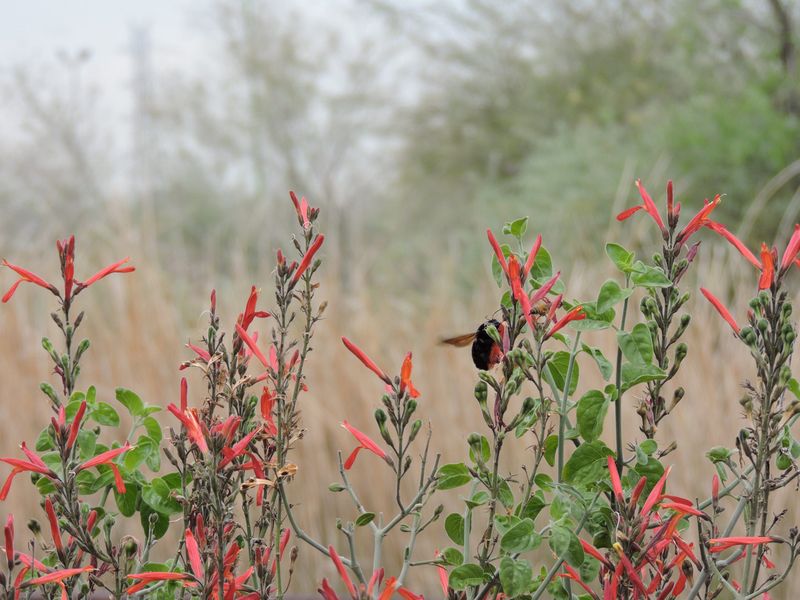
Chuparosa is another solid choice. It stays compact, blooms red, and attracts both insects and hummingbirds.
Placing it near a walkway or open patio gives the flycatcher a natural vantage point close to human activity, which these birds tolerate surprisingly well.
Space shrubs at least four to six feet apart. Tight clusters block airflow and reduce the open sightlines birds need.
A scattered planting style that mimics natural desert spacing tends to work much better than a manicured hedge row.
Healthy native shrubs rarely need extra watering once established.
2. Choose Flowering Plants That Attract Insects
No insects means no flycatchers. Period.
Vermilion flycatchers eat flying insects almost exclusively, so your plant choices directly control your food supply.
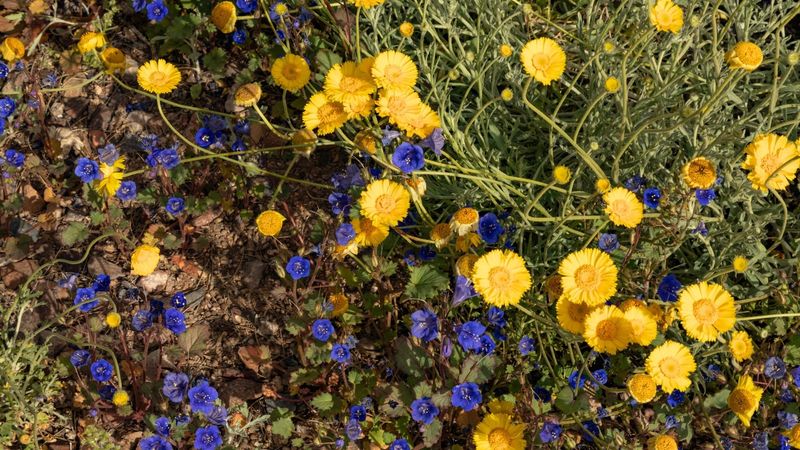
Desert marigold blooms from spring through fall and draws in an impressive variety of small beetles, flies, and native bees. Globe mallow is another powerhouse.
Its orange flowers open early in the season and stay active long enough to feed insects well into summer heat.
Blackfoot daisy is compact and reliable. It reseeds itself, spreads gradually, and produces small white flowers that attract midges and tiny flies, exactly the size prey vermilion flycatchers prefer.
Planting it in clusters creates a concentrated insect zone that birds quickly learn to patrol.
Penstemon species add vertical interest and attract long-tongued insects that are easy for flycatchers to spot and chase. Firecracker penstemon in particular produces tubular red flowers that bring in both insects and color contrast to the garden bed.
Your Arizona Garden Changes Every Week. Your Plan Should Too.
Gardening in Arizona changes quickly throughout the season. Every Friday you’ll receive a simple weekly plan showing exactly what to plant, prune, fertilize, harvest, and protect so you never miss the right timing.
Avoid hybrid cultivars when possible. Many hybridized plants produce little to no pollen or nectar, which reduces insect activity significantly.
Straight native species support far more insect life and therefore more bird activity.
Plant in drifts rather than single specimens. A mass of five or more globe mallows generates more insect activity than one plant surrounded by gravel.
3. Leave Open Spaces For Easy Hunting
Open ground is not wasted space. For vermilion flycatchers, it is the hunting floor.
They need clear, unobstructed areas to spot and chase insects near ground level.
A common mistake is filling every inch of yard with plants or decorative rock. Dense ground cover and wall-to-wall gravel both reduce insect activity and block the visual access birds depend on.
Leave patches of bare or lightly covered soil between plant groupings.
Roughly thirty percent of your garden space should stay open. Natural sandy areas, short native grass patches, or exposed caliche soil all count.
Flycatchers are comfortable hunting near bare ground and often return to the same open patches repeatedly once they learn the territory.
Native short grasses like sideoats grama can border open areas without closing them off. These grasses stay low, host insects at their base, and do not obstruct the sightlines birds need when perching above and scanning below.
Avoid planting ground cover plants like verbena or trailing lantana across your entire yard floor. While they look tidy, they create a carpet that hides insects and removes the open visual field flycatchers rely on for successful foraging.
Paths, patios, and gravel clearings actually help here. Hard surfaces near shrubs create natural insect gathering spots, especially in the morning when warmth draws out beetles and flies.
4. Add A Small Water Source For Drinking
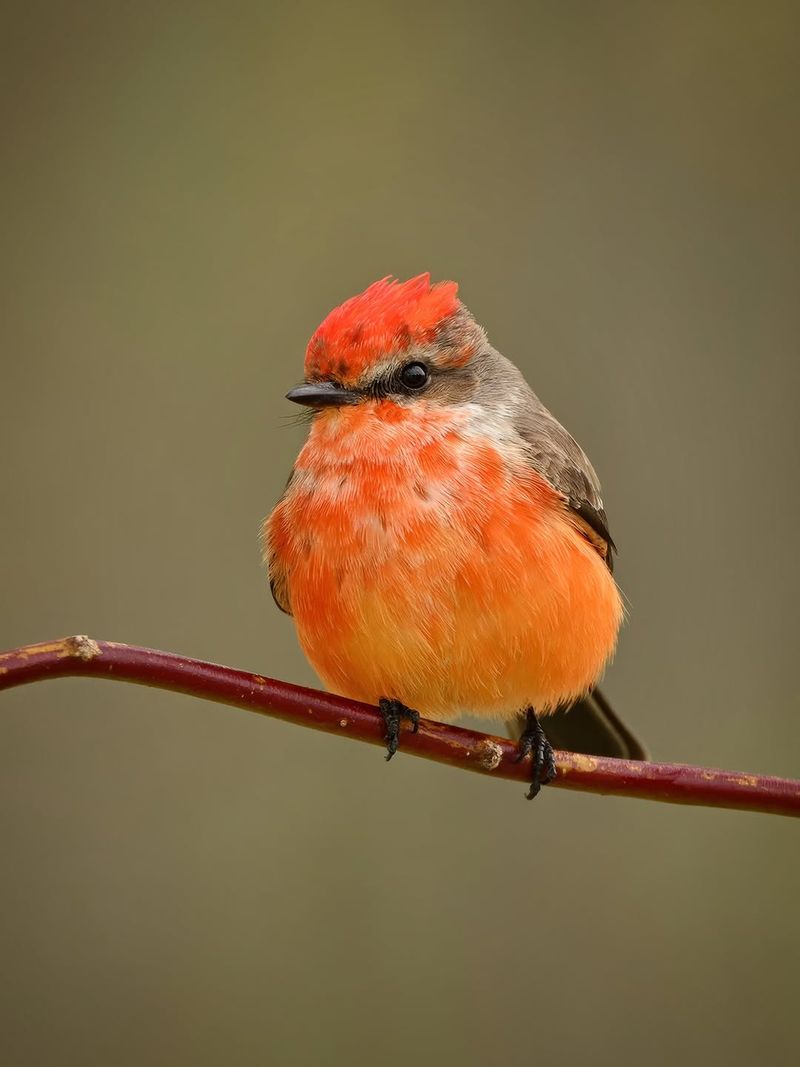
Water is scarce in the desert, and birds know exactly where to find it. A small, reliable water source can make your garden a consistent destination for vermilion flycatchers and dozens of other species.
Shallow is key. Flycatchers are small birds and prefer water no deeper than one inch at the edge.
A standard deep bird bath works if you add flat stones or gravel to raise the floor near the rim. Rough surfaces also help birds grip without slipping.
Place the water source in partial shade. Full sun causes rapid evaporation and can make the water uncomfortably warm by midday.
A spot that gets morning sun and afternoon shade keeps the water cooler and reduces how often you need to refill it.
Change the water every two to three days. Stagnant water breeds mosquito larvae and can become a health risk for birds.
A simple scrub with a brush and fresh fill is all it takes to keep the source safe and appealing.
A dripper or small pump adds movement to the water. Moving water catches light and makes sound, both of which attract birds from a distance.
Solar-powered drippers are inexpensive and require no wiring or plumbing.
5. Avoid Using Insecticides Around The Yard
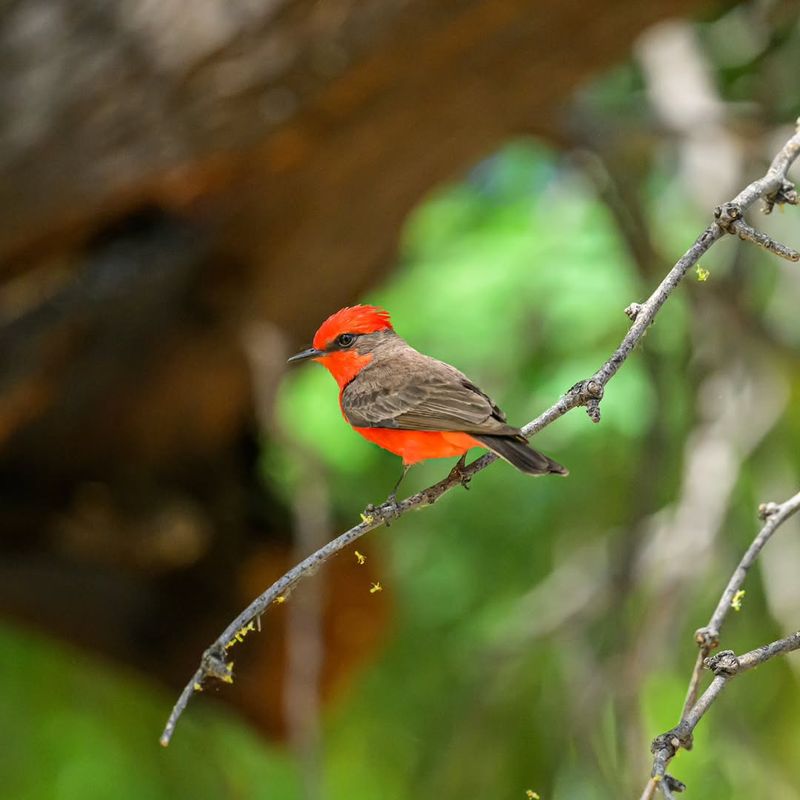
Spraying for bugs and hoping for flycatchers at the same time simply does not work. Insecticides reduce the very food source these birds depend on, and some residues can harm birds directly through the insects they eat.
Even targeted sprays drift. A product applied to one corner of the yard can affect insect populations across the entire space within days.
Broad-spectrum insecticides are especially problematic because they affect beneficial insects alongside pest species.
Native plants rarely need chemical intervention when they are properly placed and watered. Most pest pressure in native gardens is seasonal and self-limiting.
Aphid outbreaks, for example, typically attract ladybugs and parasitic wasps within a week or two without any spraying required.
Companion planting helps manage problem insects naturally. Growing desert milkweed near vegetable beds, or planting native salvias alongside ornamentals, creates a more balanced insect community that stays in check without chemicals.
If a specific plant is struggling with pests, remove it or relocate it rather than reaching for a spray bottle. One stressed plant is not worth compromising the insect population that supports your bird visitors.
Hand-removing caterpillars or scale insects from affected stems takes a few minutes and leaves the rest of the garden untouched.
6. Grow Native Trees For Nesting
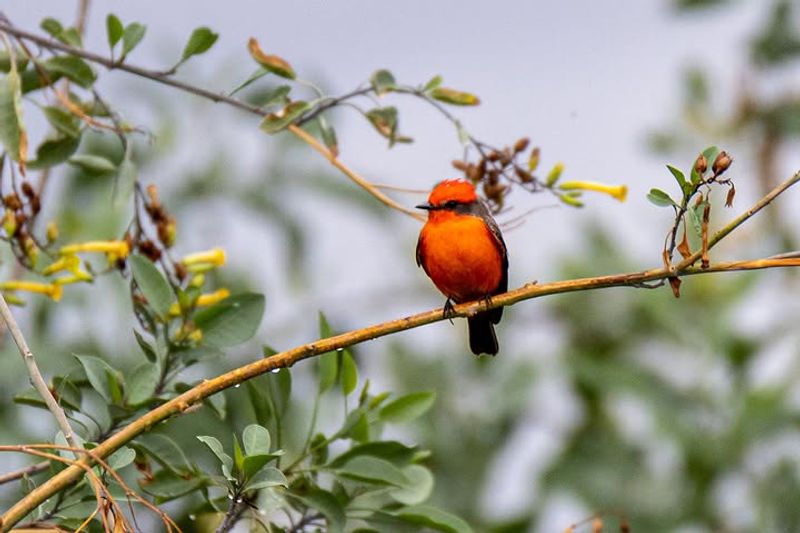
Vermilion flycatchers nest in trees, not shrubs.
Getting a nesting pair to settle in your yard requires at least one established native tree that offers the right branch structure and canopy coverage.
Fremont cottonwood is one of the best choices.
It grows fast near water, produces broad horizontal branches, and creates the kind of shaded canopy flycatchers favor for nest placement. It does need consistent moisture, so it works best in low spots or near a drip system.
Velvet mesquite is more drought tolerant and nearly as useful.
Its spreading canopy and rough bark attract insects year-round, and its mid-level branches sit at exactly the height vermilion flycatchers prefer for nest building, typically between five and twenty feet above ground.
Arizona sycamore grows along canyon edges and stream banks naturally, but it adapts well to irrigated garden settings. Its large leaves create dense shade, and its forked branches offer stable nest sites that hold up through monsoon season wind.
Plant trees on the north or east side of the garden when possible.
Morning sun reaches the canopy without baking the nest site during afternoon heat, which helps nestlings stay cooler during the hottest months.
Give trees room to grow. Planting too close to fences or structures limits canopy spread and reduces the branch options available for nesting.
7. Leave Leaf Litter Where Insects Thrive
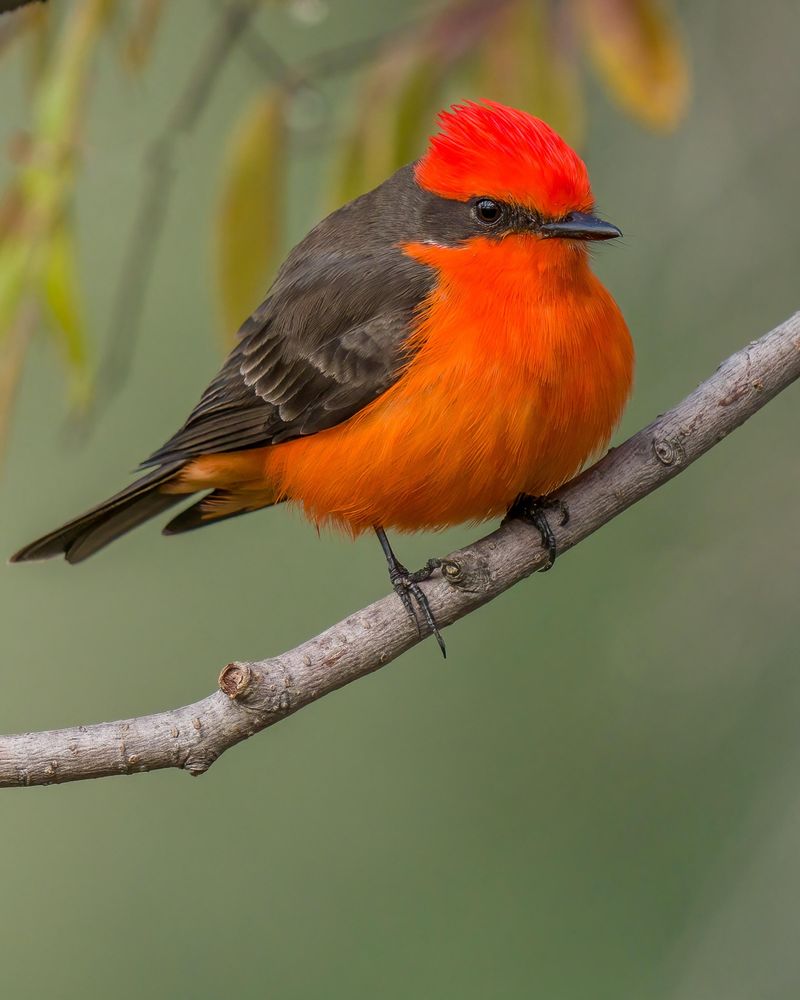
Raking up every fallen leaf is one of the quickest ways to reduce insect activity in a garden. Leaf litter is habitat.
Beetles, earwigs, flies, and other small invertebrates live and breed in decomposing organic material on the ground.
Vermilion flycatchers hunt near the surface. A garden floor rich with insects gives them an active feeding zone that requires very little effort to maintain once you stop clearing it away.
Let leaves accumulate under shrubs and along fence lines.
A two-inch layer of leaf litter under native shrubs holds moisture, moderates soil temperature, and supports a thriving community of decomposers. Pill bugs, ground beetles, and fly larvae all contribute to a food web that benefits birds at every level.
Do not mistake a tidy yard for a healthy one. In desert gardens, bare raked soil under every plant is actually a sign of reduced habitat value.
A slightly messier look under the canopy means more life where it counts.
Native tree leaf drop varies by season. Mesquite drops leaves in late winter and again during drought stress.
Allow those leaves to stay in place beneath the tree rather than bagging them. Over time, they break down and enrich the soil while feeding the insects birds rely on.
Leaf litter near a water source is especially productive. Moisture accelerates decomposition and draws in more insect species.