The Signs Your Arizona Citrus Tree Is Suffering From Reflected Heat And What To Do About It
Most citrus problems do not appear overnight. They start with small changes that are easy to brush off at first.
A few curled leaves, faded color, or fruit that does not seem to develop the way it should can all seem harmless. Many gardeners assume the tree simply needs more water or fertilizer.
Sometimes that is true, but sometimes the real problem is coming from the heat surrounding the tree instead of the heat above it.
That makes the issue much harder to recognize until the damage becomes more noticeable.
Reflected heat is a common challenge for citrus trees growing near walls, driveways, patios, and other hard surfaces in Arizona. Those areas can become much hotter than people expect during summer.
Once you know what to look for, the warning signs become much easier to spot. Acting early gives your citrus tree a better chance to recover before the hottest weeks take an even bigger toll.
1. Leaves Develop Scorched Or Brown Edges
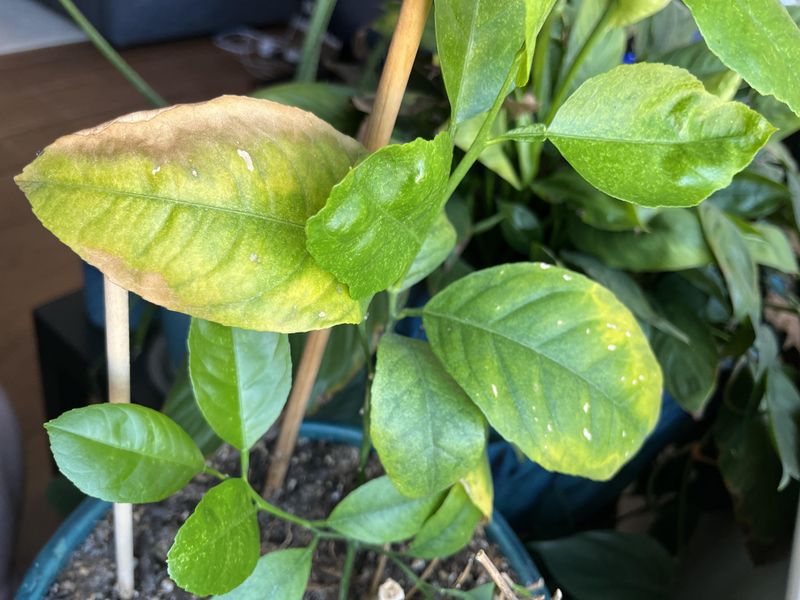
Brown, crispy leaf edges are one of the first red flags your citrus tree will show when heat stress kicks in. You might notice the tips or outer rims of leaves turning tan or brown, almost like they were lightly toasted.
That is not a coincidence.
Reflected heat from nearby concrete, block walls, or gravel can push air temperatures near the tree canopy several degrees higher than the actual air temperature.
Leaves on the south and west sides of the tree tend to show the worst damage because those sides get the most intense afternoon exposure.
Leaf scorch does not always mean permanent harm. Catching it early gives you a real chance to turn things around.
Start by checking whether the damaged leaves are on one specific side of the tree. If so, reflected heat from a nearby surface is likely the cause.
Move any dark-colored containers or decorative rock away from the base of the tree. Rinse down nearby walls and pavement in the late afternoon to cool the surrounding air.
Adding a layer of organic mulch around the root zone helps reduce ground-level heat significantly. Scorched edges rarely reverse once formed, but protecting healthy leaves going forward will keep the tree on track.
2. Fruit Shows Sunburn On The Sunny Side
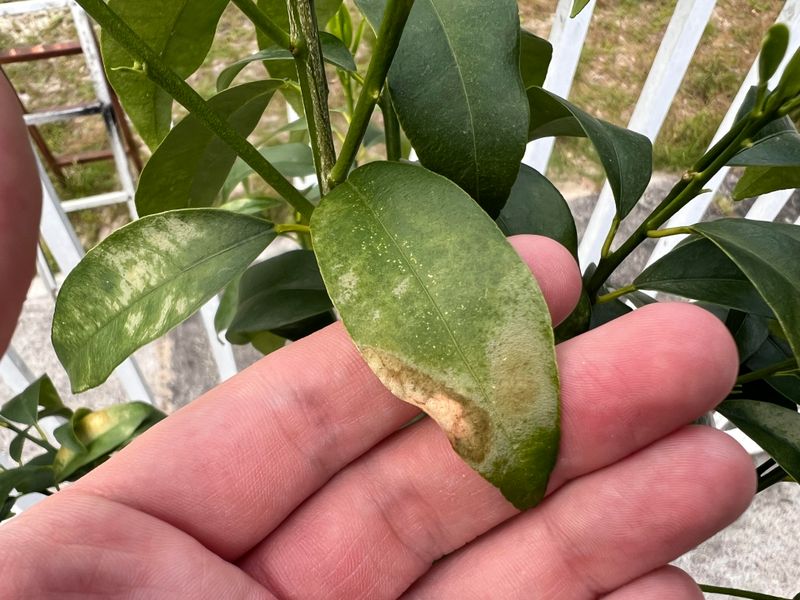
Spotted, bleached, or leathery patches on your citrus fruit are a classic sign of sunburn, and reflected heat makes it worse.
Fruit hanging on the outer canopy, especially on the south or west side, takes the hardest hit during peak afternoon hours.
Sunburned fruit often starts with a pale yellow or white patch that gradually turns tan or brown. The skin can become tough and papery in those spots.
Inside, the flesh near the burn may dry out or taste bitter. Fruit sunburn does not mean the entire harvest is lost, but it does reduce quality and shelf life.
Reflected heat from white walls, light-colored pavement, or metal fencing can bounce intense radiation directly onto the fruit surface. This added exposure on top of direct sunlight creates a double-heat effect that the fruit simply cannot handle.
Your Arizona Garden Changes Every Week. Your Plan Should Too.
Gardening in Arizona changes quickly throughout the season. Every Friday you’ll receive a simple weekly plan showing exactly what to plant, prune, fertilize, harvest, and protect so you never miss the right timing.
One practical step is to make sure the tree has a full, healthy canopy. Dense foliage naturally shades the fruit below it.
If the canopy is thin due to pruning or stress, the fruit becomes far more exposed. Avoid heavy pruning in late spring or early summer, which would strip away the natural shade the leaves provide.
Shade cloth draped loosely over the most exposed side during heat waves can also protect fruit without blocking too much light overall.
3. New Growth Wilts During Hot Afternoons
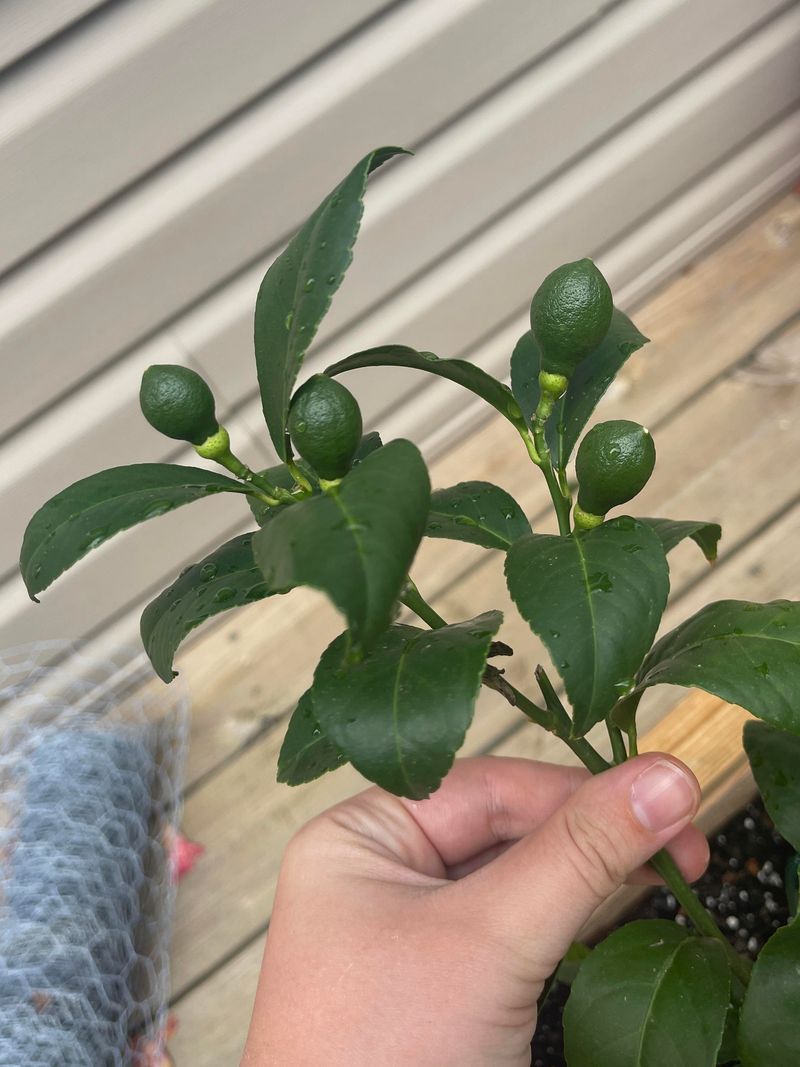
Soft, tender new growth is the most vulnerable part of any citrus tree during a heat wave. When you walk out in the early afternoon and notice young shoots hanging limp and droopy, that is a stress response worth paying attention to.
Some afternoon wilting is normal when temperatures climb above 105 degrees.
However, if the wilting starts before noon or the leaves do not recover by evening, the tree is likely dealing with more than just air temperature.
Reflected heat from walls, pavement, or gravel beds can make conditions near the tree far more extreme than what the thermometer reads in the shade.
New growth also has thinner leaf tissue and less developed vascular structure, so it loses moisture faster than mature leaves. When soil moisture cannot keep up with that rapid water loss, the shoots visibly collapse.
Check the soil moisture at about six inches deep. If it feels dry and powdery, the tree needs water right away.
Water deeply in the early morning so moisture is available before afternoon heat peaks. If the problem keeps happening even with adequate water, the reflected heat source is likely amplifying the stress.
Creating distance between the tree and nearby heat-reflecting surfaces, even temporarily, can reduce the pressure on tender new growth during the hottest stretch of the season.
4. The Soil Dries Out Faster Than Expected
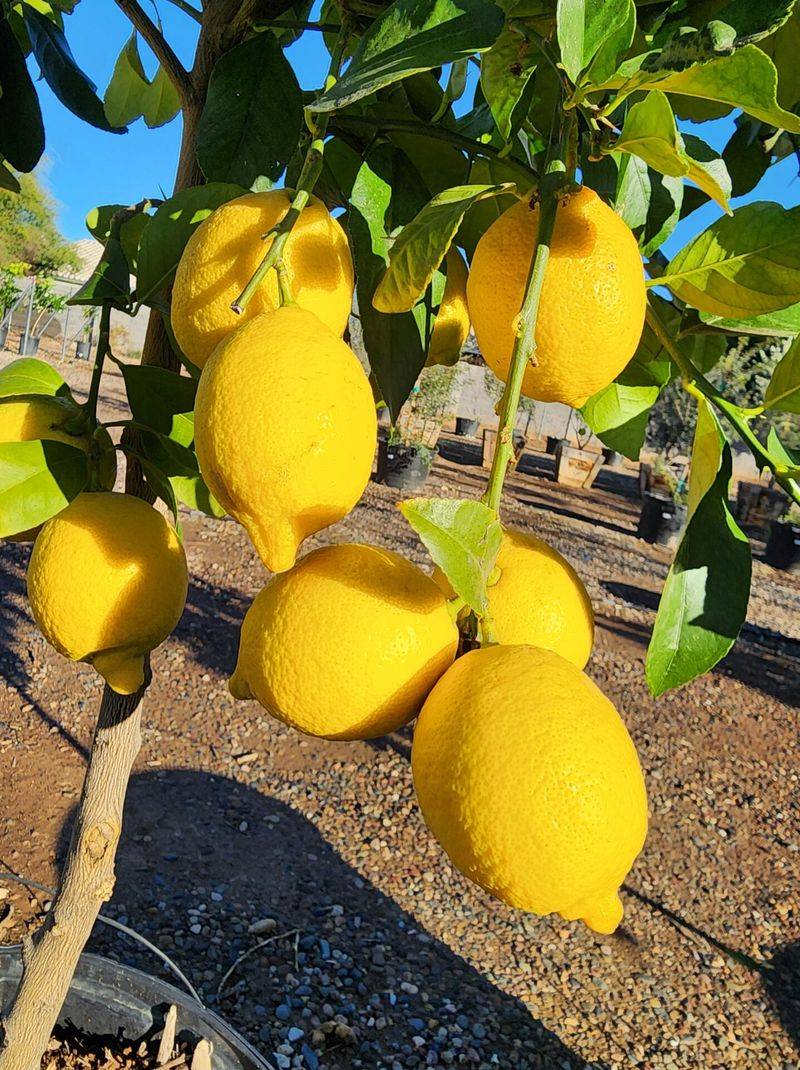
Soil that dries out within a day or two of watering is a warning sign most citrus growers eventually encounter in hot desert climates.
When reflected heat from pavement or walls constantly bakes the ground surface, soil moisture evaporates at a much faster rate than normal.
Bare soil around a citrus tree is especially vulnerable. Without a protective layer of mulch or ground cover, the sun and reflected heat pull moisture straight out of the top several inches of soil.
Roots near the surface end up in a cycle of stress, getting wet briefly and then drying out again far too quickly.
Sandy or decomposed granite soils common in desert landscapes hold very little water to begin with.
Add reflected heat into the mix, and the soil can go from adequately moist to bone dry in less than 48 hours during peak summer.
Check soil moisture at multiple depths rather than just at the surface. Push a wooden dowel or long screwdriver about eight inches into the ground.
If it meets resistance and comes out dry, the tree needs water regardless of when you last irrigated. Improving soil organic matter over time helps with water retention.
Covering bare soil with a three-inch layer of wood chip mulch dramatically slows surface evaporation and keeps root zone temperatures more stable throughout the day.
5. Add Mulch To Keep Roots Cooler
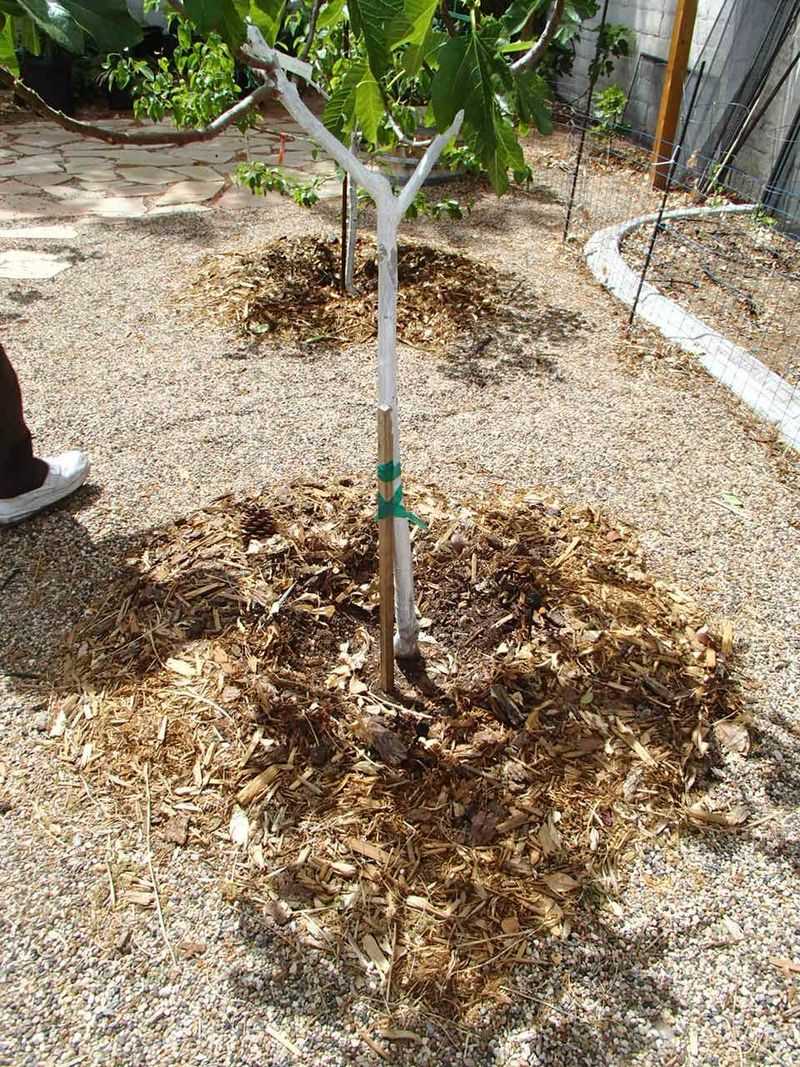
Mulch is one of the simplest and most effective tools a citrus grower can use against reflected heat damage.
A good layer of organic mulch acts as a buffer between the hot air and the root zone below, keeping soil temperatures significantly cooler during the day.
Wood chips work especially well because they break down slowly and keep the soil surface shaded and insulated.
Spread mulch at least three inches deep over the entire root zone, which extends roughly as far out as the canopy drip line. Keep the mulch a few inches away from the trunk itself to avoid moisture buildup against the bark.
Gravel and decomposed granite, which are popular in desert landscaping, actually absorb and radiate heat rather than blocking it.
Swapping them out for organic mulch under and around your citrus tree can make a noticeable difference in how the tree handles summer stress.
Beyond cooling the soil, mulch slows water evaporation, which means your irrigation goes further between watering cycles. Over time, decomposing organic mulch also adds nutrients back into the soil.
Refresh the mulch layer once or twice a year as it breaks down.
During the hottest months in the low desert, this one step alone can reduce root zone temperatures by ten degrees or more compared to bare or gravel-covered ground.
6. Water Deeply Instead Of More Often
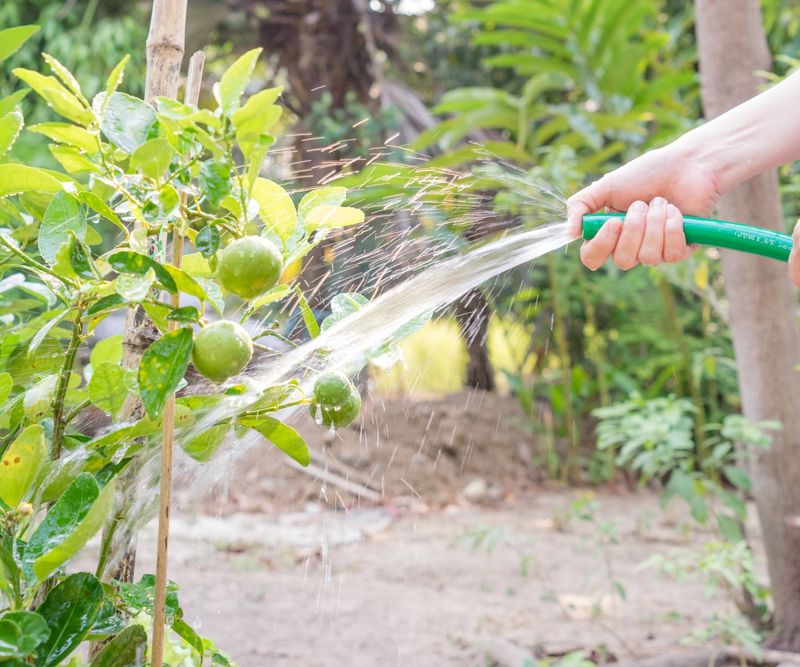
Watering every day might feel like the right move when temperatures are extreme, but frequent shallow watering often makes things worse for citrus trees under heat stress.
Shallow water evaporates quickly and trains roots to stay near the surface where heat is most intense.
Deep, infrequent watering encourages roots to grow downward into cooler, more stable soil layers.
A single deep watering that soaks the soil to 18 or 24 inches is far more beneficial than daily surface sprinkles.
Roots that grow deeper can access moisture even when the top layer of soil dries out rapidly from reflected and direct heat.
Slow drip irrigation works well for citrus because it delivers water gradually, giving the soil time to absorb it rather than letting it run off. Set emitters around the drip line of the tree, not right at the trunk.
Run the system long enough to saturate the root zone thoroughly.
During a heat wave, you may need to water more frequently than usual, but still aim for depth over frequency. Check soil moisture with a probe or wooden dowel before watering again.
Overwatering is a real risk even in summer, and saturated soil can stress roots just as much as drought.
Finding the right balance takes some observation, but deep watering consistently produces stronger, more heat-resilient citrus trees over the long term.
7. Provide Afternoon Shade During Heat Waves
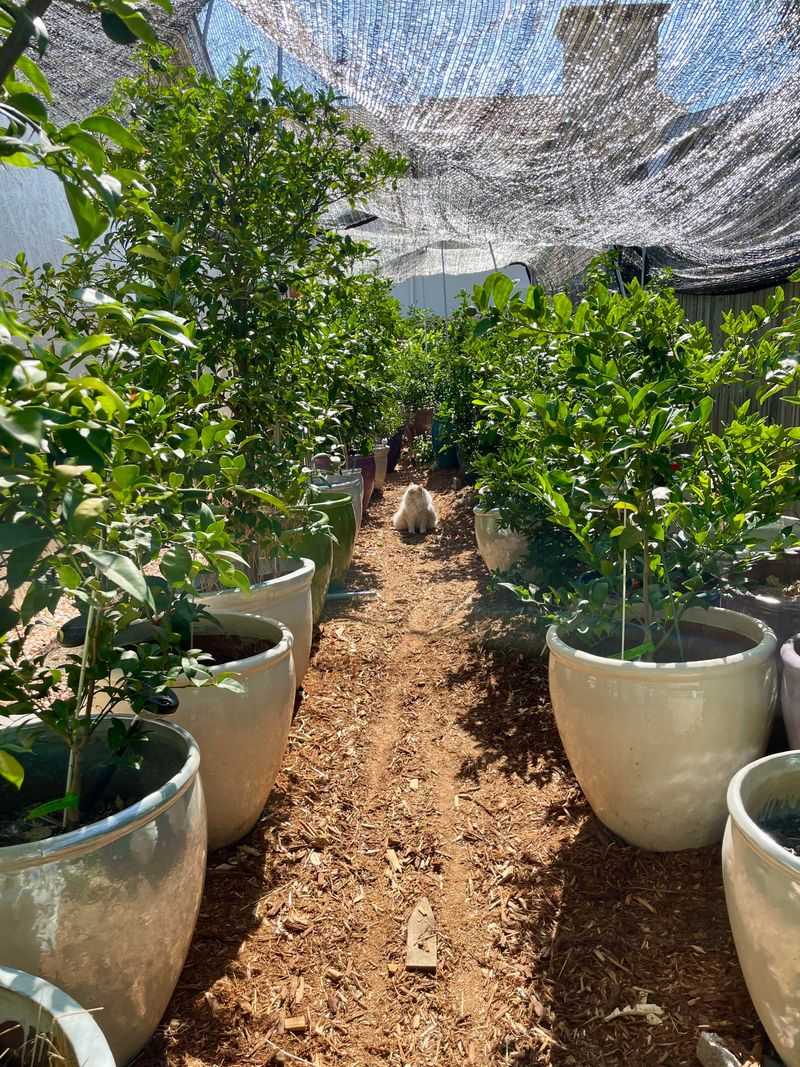
Blocking afternoon sun during a heat wave is not coddling your tree. It is smart, practical protection that can prevent serious setbacks during the most brutal stretch of summer.
Reflected heat combined with direct afternoon sun can push canopy temperatures to levels that damage leaves, fruit, and new growth all at once.
Shade cloth rated at 30 to 40 percent is a good starting point for citrus. It reduces light intensity without cutting off enough sunlight to affect fruit development.
Drape it loosely over the west-facing side of the tree or create a simple frame structure to hold it above the canopy.
Remove it once temperatures drop back to a more manageable range.
Temporary shade structures do not need to be fancy. A piece of shade cloth attached to two wooden stakes can do the job effectively.
The goal is to reduce the direct heat load on the tree during the three to five hottest hours of the afternoon.
Large patio umbrellas can also work in a pinch for smaller trees. Positioning them on the southwest side of the tree blocks the worst of the late afternoon sun angle.
Even a few days of protection during a record-breaking heat event can prevent weeks of recovery time.
Consistent use of temporary shade during extreme heat events is a practical strategy that many experienced desert gardeners rely on throughout the summer months.
8. Reduce Heat From Nearby Walls Or Pavement
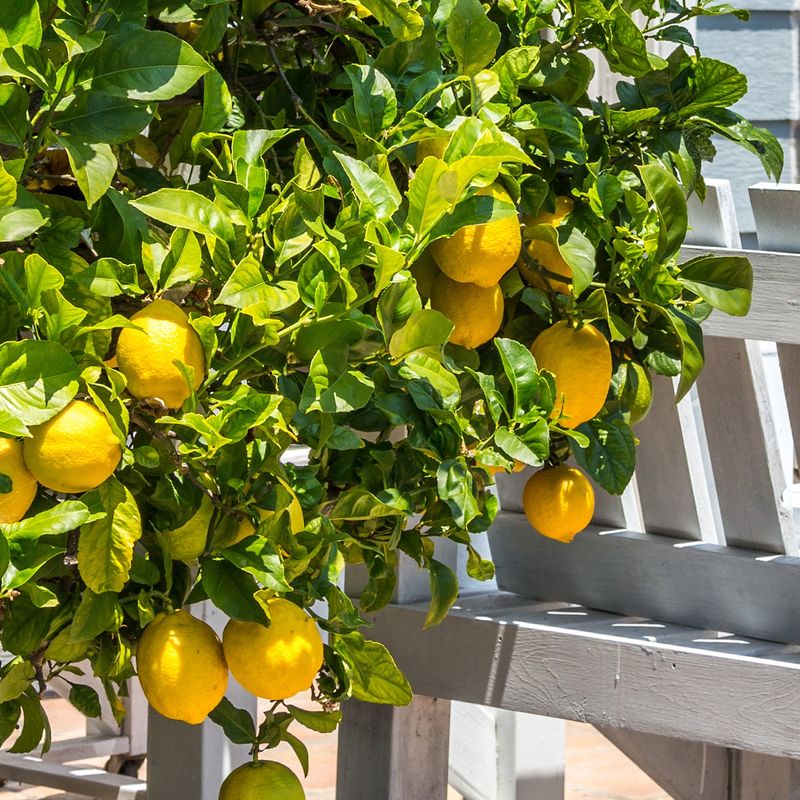
A block wall painted white or covered in light-colored stucco can reflect enormous amounts of heat directly onto a nearby citrus tree.
South and west-facing walls are the biggest offenders because they absorb heat all day and radiate it outward well into the evening hours.
Pavement is equally problematic. Concrete and asphalt store heat during the day and release it slowly at night, which means your citrus tree never fully gets a break.
Trees planted close to driveways, patios, or walkways often show more heat stress symptoms than those planted in open lawn or garden beds.
One approach is to apply a light-colored masonry paint or heat-reflective coating to nearby walls. Lighter surfaces absorb less heat and reflect less intense radiation compared to dark or unfinished masonry.
Another option is to grow a heat-tolerant vine or install a trellis with climbing plants against the wall to act as a living insulating layer.
Creating physical distance between the tree and heat-reflecting surfaces helps too. If the tree is already planted close to a wall, focus on what you can change around it.
Add mulch, improve irrigation, and consider installing a temporary shade barrier between the wall and the tree canopy.
Even small changes to the immediate environment can meaningfully reduce the reflected heat load your citrus tree deals with every single summer afternoon.