This Fragrant Georgia Plant Keeps Patios Smelling Amazing All Summer
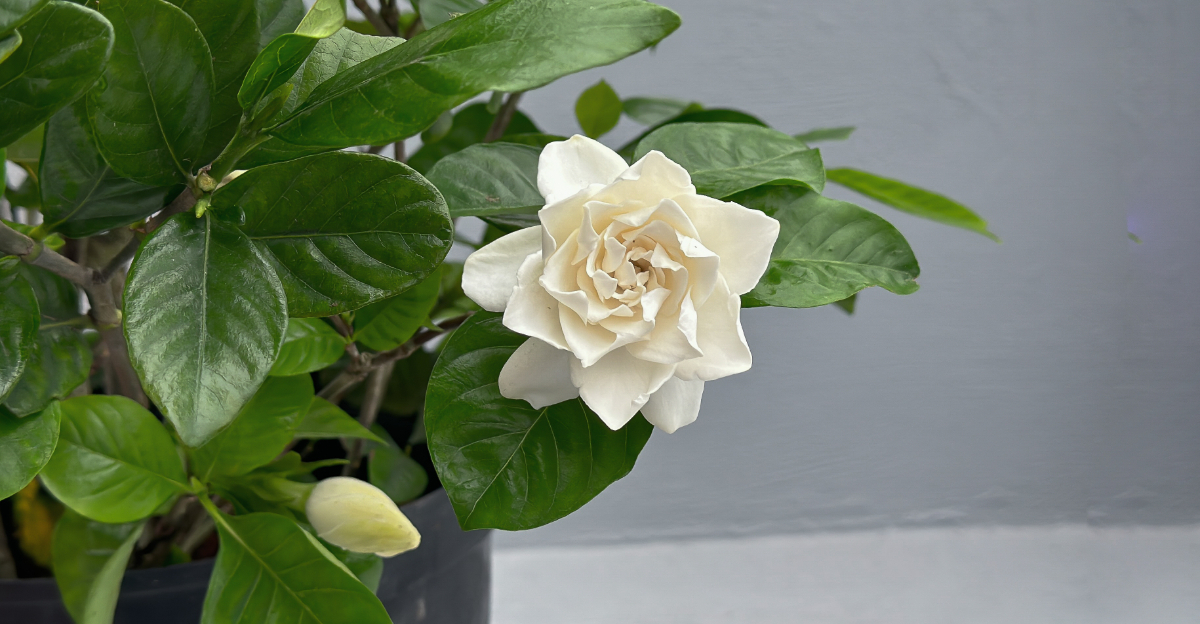
Some plants catch your eye, while others catch your attention the moment you step outside.
A pleasant fragrance can completely change the way a patio feels, making it a place where you want to spend more time during the summer.
It is one of those details that people often appreciate without even thinking about it. The right plant can make an ordinary outdoor space feel more inviting from morning until evening.
Better yet, you do not need to fill every corner with flowers to enjoy that effect. Sometimes one well-chosen plant is all it takes to create a lasting impression.
That is exactly why this fragrant favorite has become so popular with gardeners in Georgia. It handles summer conditions well while adding a scent that makes patios feel fresh and welcoming for months.
If you have been looking for a simple way to make your outdoor space more enjoyable, this plant deserves a spot on your list.
1. Gardenia Fills Patios With Sweet Summer Fragrance
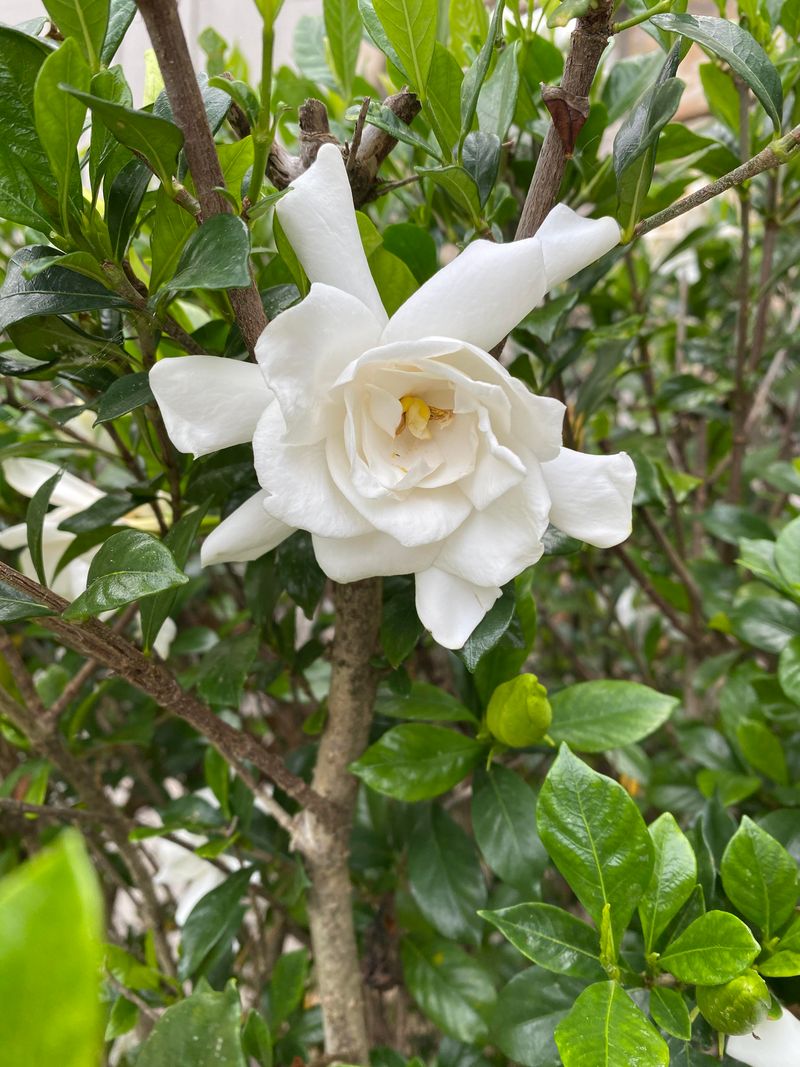
Gardenia has earned its reputation as one of the most fragrant flowering shrubs you can grow around a patio. Its creamy white blooms release a rich, sweet scent that becomes especially noticeable during warm summer mornings and evenings.
Even a single healthy plant can perfume a seating area while it is in bloom.
The flowers usually appear in flushes from late spring into summer, with some varieties continuing to produce new blooms for weeks when conditions are favorable.
Placing a gardenia near a porch, patio, or walkway allows the fragrance to be enjoyed every time you spend time outdoors or pass by.
Because the scent travels easily on warm air, you do not need a large planting to make an impact.
Growing gardenia in the right location helps it perform at its best. The shrub thrives in well-drained, acidic soil and appreciates several hours of morning sun with protection from the hottest afternoon heat.
Consistent moisture also helps support healthy growth and flowering, especially during long stretches of hot weather.
With proper care, gardenia provides much more than attractive evergreen foliage.
Its long-lasting blooms and unmistakable fragrance can turn an ordinary outdoor space into one that feels fresh, welcoming, and enjoyable throughout much of the summer season.
2. Morning Sun Helps Produce More Blooms
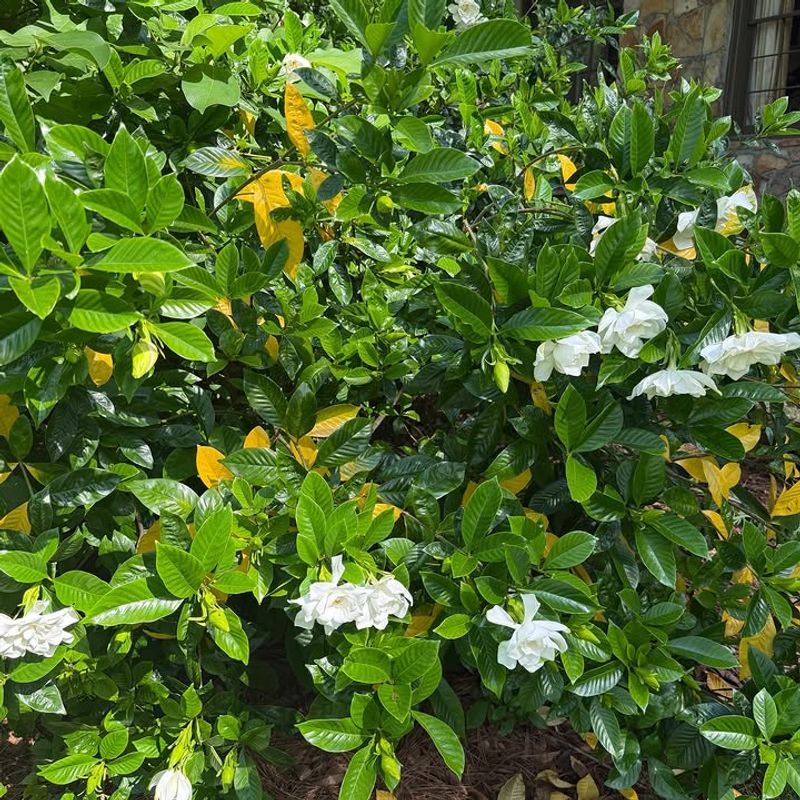
Finding the right balance of sunlight is one of the biggest reasons a gardenia produces plenty of flowers instead of just healthy green leaves. Bright morning sun gives the shrub several hours of gentle light while temperatures are still relatively cool.
That early energy supports photosynthesis, helping the plant develop stronger stems, healthy foliage, and more flower buds throughout the growing season.
By the time afternoon arrives, summer heat can become intense enough to stress the plant.
Gardenias naturally prefer protection from the strongest sunlight during the hottest part of the day, especially in areas where temperatures remain high for long periods.
A location with morning sun followed by light afternoon shade often provides the best growing conditions.
The leaves stay healthier, flower buds are less likely to dry out, and blooms usually last longer once they open.
Your Georgia Garden Changes Every Week. Your Plan Should Too.
Gardening in Georgia changes quickly throughout the season. Every Friday you’ll receive a simple weekly plan showing exactly what to plant, prune, fertilize, harvest, and protect so you never miss the right timing.
Too much shade creates a different problem. Gardenias may continue growing leaves, but flower production often drops because the plant does not receive enough light to support abundant blooming.
Choosing the right location before planting makes future care much easier.
Proper morning sunlight helps the shrub stay healthy and grow stronger. Consistent watering and acidic, well-drained soil also help it produce fragrant flowers throughout much of the summer.
3. Afternoon Shade Protects Flowers From Heat
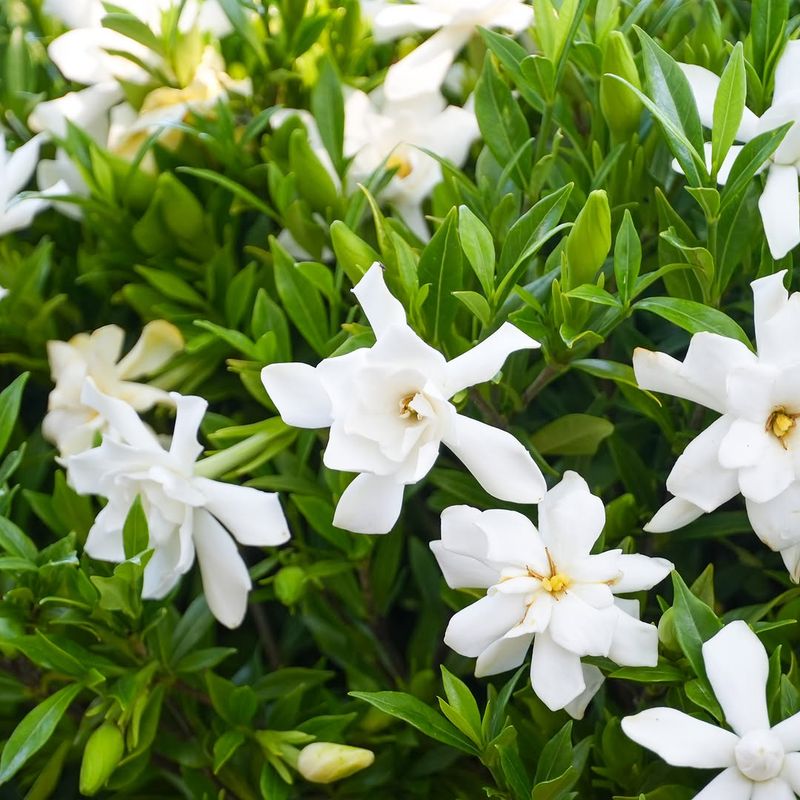
Afternoon heat can be much harder on gardenias than the morning sun. The shrub enjoys bright light, but long hours of intense summer sun may cause flowers to fade more quickly or buds to dry out before they fully open.
Giving the plant some protection later in the day helps it stay healthier and keeps the blooms looking fresh for a longer time.
A location that receives morning sunshine followed by light afternoon shade often provides the best balance. The plant still gets enough sunlight to produce flower buds while avoiding the hottest part of the day.
Shade from a nearby tree, fence, or the east side of a house can help reduce heat stress without blocking too much light.
Leaves also benefit from a little afternoon protection. Less heat means the plant loses moisture more slowly, which helps reduce stress during long dry spells.
Healthy foliage allows the shrub to keep producing energy for new growth and future flowers.
Even with afternoon shade, regular watering is still important during summer. Moist, well-drained acidic soil helps support healthy roots and steady growth.
When light, water, and soil conditions all work together, gardenias reward the extra care with more beautiful flowers and a stronger fragrance that lasts well into the season.
4. Acidic Soil Keeps Plants Healthy
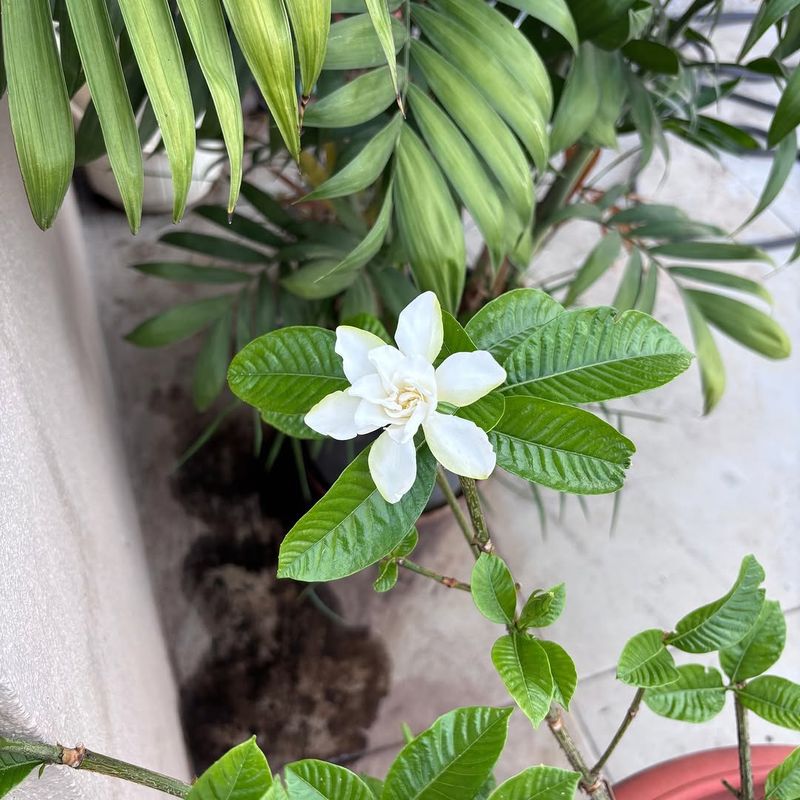
Soil plays a major role in how healthy a gardenia looks throughout the growing season. Unlike many common landscape shrubs, gardenias need acidic soil to absorb important nutrients.
When the soil becomes too alkaline, the plant may struggle even if it receives enough water and sunlight. Healthy roots depend on the right soil conditions from the start.
One of the first signs of a problem is yellowing leaves with dark green veins. This often happens because the plant cannot take up enough iron from soil that has a high pH.
Simply adding more fertilizer will not always solve the issue if the soil itself is not acidic enough. Checking the soil pH can help identify the real cause before the problem becomes worse.
Adding organic matter such as compost or pine bark can help improve soil structure while supporting the acidic conditions gardenias prefer.
Pine straw mulch is another popular choice because it helps conserve moisture and gradually supports soil acidity over time.
Keeping the soil consistently moist but well drained is just as important.
Healthy soil gives gardenias the foundation they need to grow strong, produce glossy green leaves, and develop fragrant blooms throughout the summer.
5. Deep Watering Helps During Hot Weather
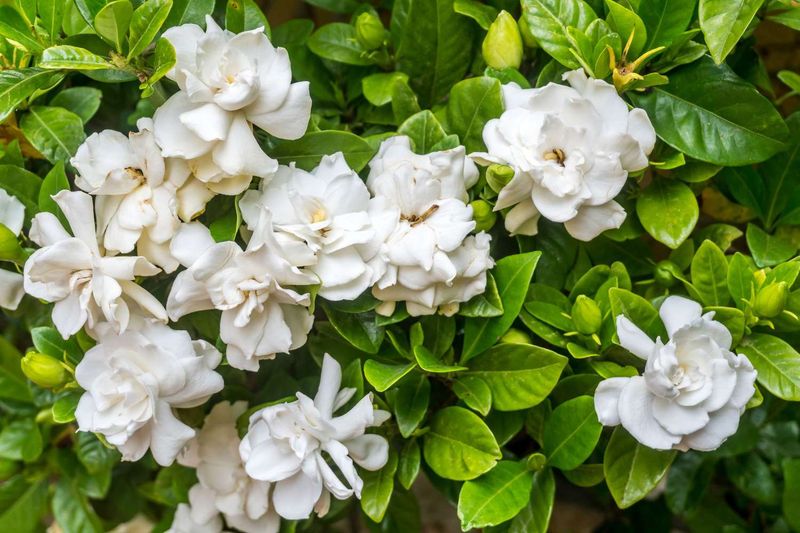
Hot weather can quickly dry out the soil around a gardenia, especially when the plant is growing in full leaf and producing flowers.
Once the roots become too dry, the shrub may respond by dropping flower buds, producing smaller blooms, or developing wilted leaves.
A deep watering helps prevent those problems by soaking the soil well below the surface where most of the roots are growing.
Instead of watering a little every day, it is usually better to water thoroughly and then allow the top layer of soil to dry slightly before watering again.
This encourages the roots to grow deeper, making the plant more resilient during long stretches of summer heat. Shallow watering often leaves moisture near the surface, where it evaporates quickly.
Watching the soil is more reliable than following a fixed schedule. Rainfall, temperature, and soil type all affect how often a gardenia needs water.
Checking the top couple of inches before watering helps prevent both underwatering and overwatering.
Mulch also plays an important role during hot weather. It slows moisture loss, keeps the root zone cooler, and reduces temperature swings in the soil.
Together, deep watering and a layer of mulch help gardenias stay healthy, continue blooming, and produce their signature fragrance throughout the summer.
6. Mulch Keeps Roots Cool And Moist
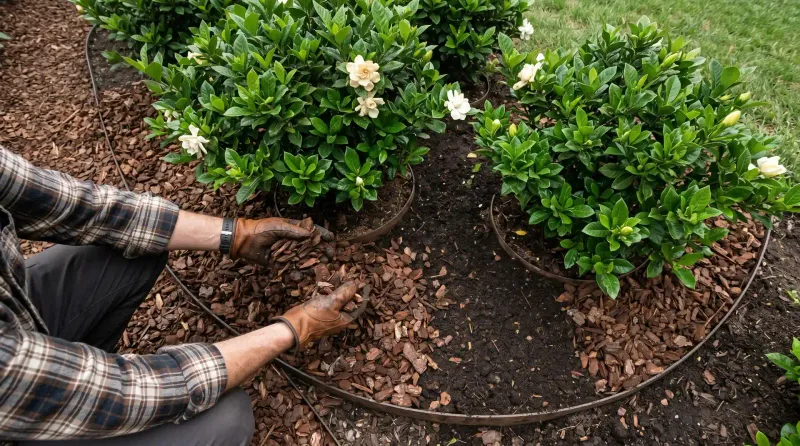
Mulch gives gardenias extra protection during the hottest part of summer. These shrubs have shallow roots that can heat up and dry out quickly when the soil is exposed to direct sun.
A layer of mulch helps keep the root zone cooler and slows the loss of moisture from the soil. That creates more stable growing conditions and reduces stress on the plant.
Gardenias grow best when the soil stays evenly moist instead of constantly drying out and becoming wet again. Mulch helps maintain that balance by reducing evaporation after each watering.
As a result, the roots can absorb water more efficiently and continue supporting healthy leaves and flower production. The plant is also less likely to suffer from heat stress during long hot spells.
Organic materials such as pine bark or pine straw are good choices because they also support the slightly acidic soil gardenias prefer. Spread mulch around the plant, but leave a few inches of space around the main stem.
That improves air circulation and helps prevent excess moisture from collecting against the trunk.
Refreshing the mulch every year keeps it working well. Healthy roots support stronger growth, greener leaves, and more fragrant flowers throughout the summer.
7. Regular Feeding Supports More Summer Blooms
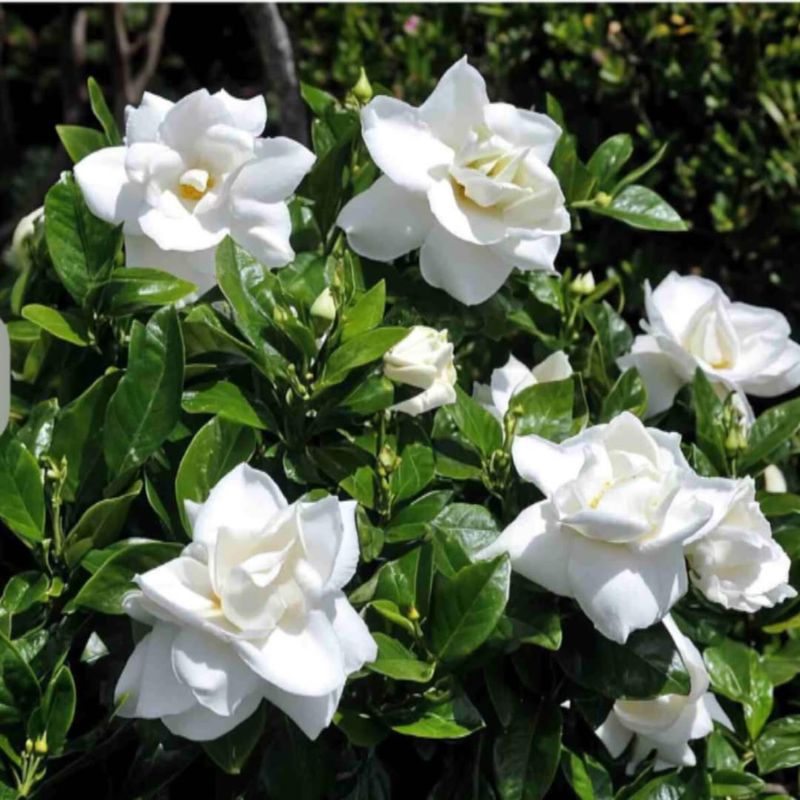
Regular feeding helps gardenias keep producing healthy growth and new flower buds throughout the growing season.
Blooming takes a lot of energy, and the plant uses nutrients from the soil every time it sends out fresh leaves and flowers.
Replacing those nutrients with the right fertilizer helps the shrub stay vigorous instead of slowing down after its first flush of blooms.
Gardenias grow best with a fertilizer made for acid-loving plants. These products usually contain nutrients that are easier for the shrub to absorb while also helping maintain the slightly acidic soil it prefers.
Following the label directions is important because applying too much fertilizer can damage the roots or encourage leafy growth instead of flowers.
A slow-release fertilizer is often a good choice because it provides nutrients over a longer period. Feeding during the active growing season supports steady development without causing sudden bursts of growth.
Once the shrub begins preparing for cooler weather, additional fertilizer is usually no longer needed.
Healthy soil, regular watering, and proper feeding work together to keep gardenias performing their best.
A well-fed plant is more likely to produce glossy green leaves, healthy flower buds, and fragrant blooms that continue through much of the summer.