How To Grow And Harvest Healthy Basil Plants In Georgia
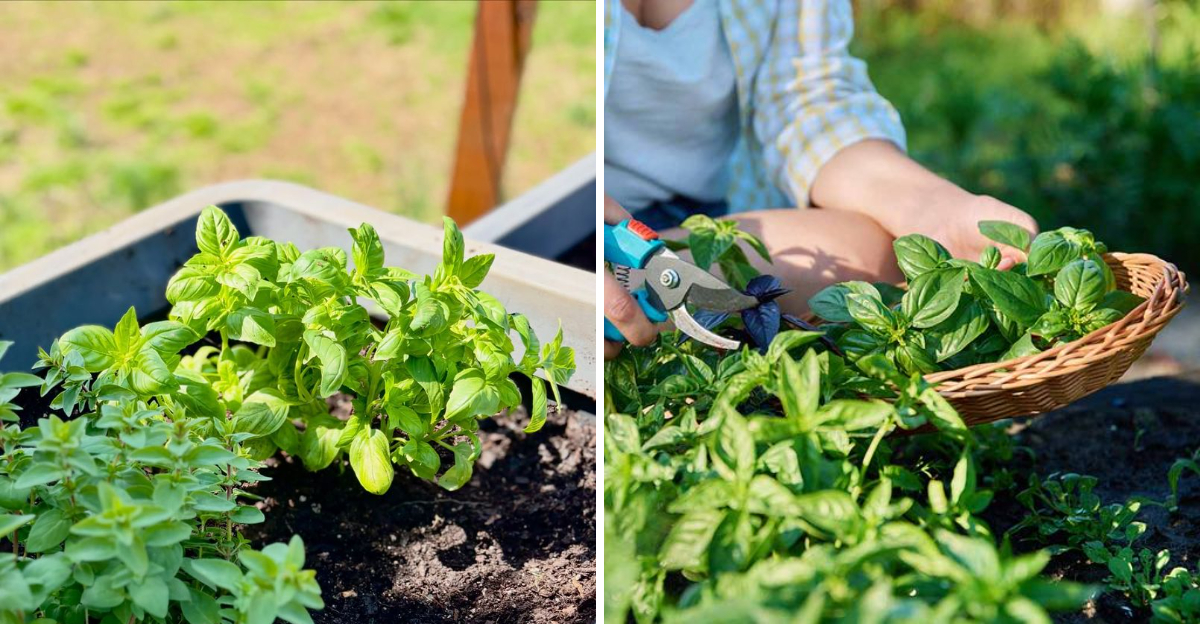
Basil can look perfect in Georgia for days, then suddenly start acting completely different once late spring weather settles in.
Fresh leaves stop looking as full, stems start growing strangely, and the whole plant loses that healthy look much faster than expected. Small backyard pots usually show problems first, especially after a stretch of warm humid afternoons.
Fresh basil growing outside sounds simple until the plant starts reacting to every little weather shift.
Georgia conditions can push basil into growing fast and beautifully, though weak growth also shows up fast when the plant gets off to a rough start early on.
Healthy basil usually stays fuller, smells stronger, and keeps producing longer when a few early mistakes never happen in the first place.
1. Basil Grows Best Once Soil Temperatures Stay Warm
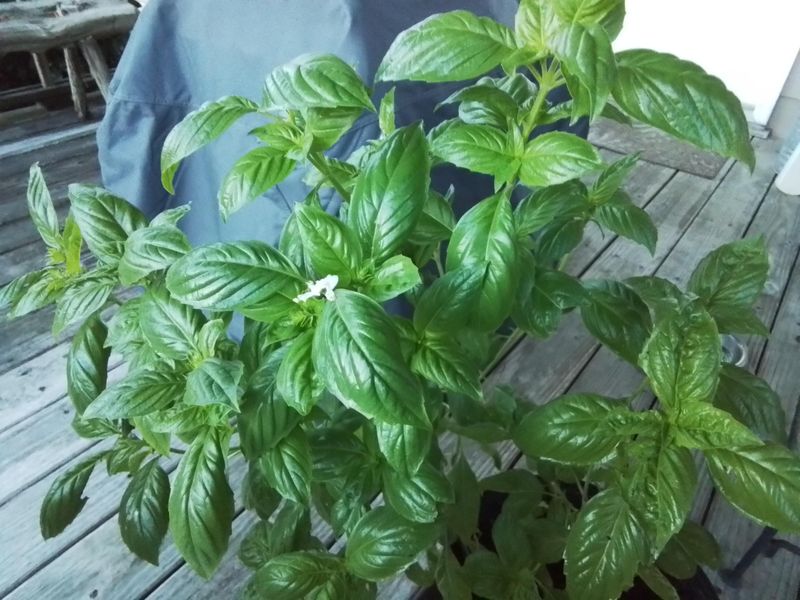
Cold soil is one of the fastest ways to set back a basil planting. Basil is a warm-season herb that genuinely struggles when soil temperatures drop below 60 degrees Fahrenheit.
In Georgia, that usually means waiting until late April or early May before transplanting seedlings outdoors, depending on where in the state you live.
North Georgia gardeners near the mountains should wait a little longer than those in central or south Georgia, where warming happens earlier in spring. Rushing the planting date because the air feels warm can backfire fast.
Soil holds cold longer than air does, and basil roots sitting in chilly ground will stall out and turn yellow before they ever get going.
A simple soil thermometer takes the guesswork out completely. Push it about two inches into the ground and check the reading in the morning, which is when soil is at its coolest.
Once you consistently see readings at or above 65 degrees, basil will root in quickly and start putting out strong new growth within a week or two.
Starting seeds indoors about four to six weeks before your last frost date is another smart move for Georgia growers.
2. Morning Sun Helps Basil Stay Full And Productive
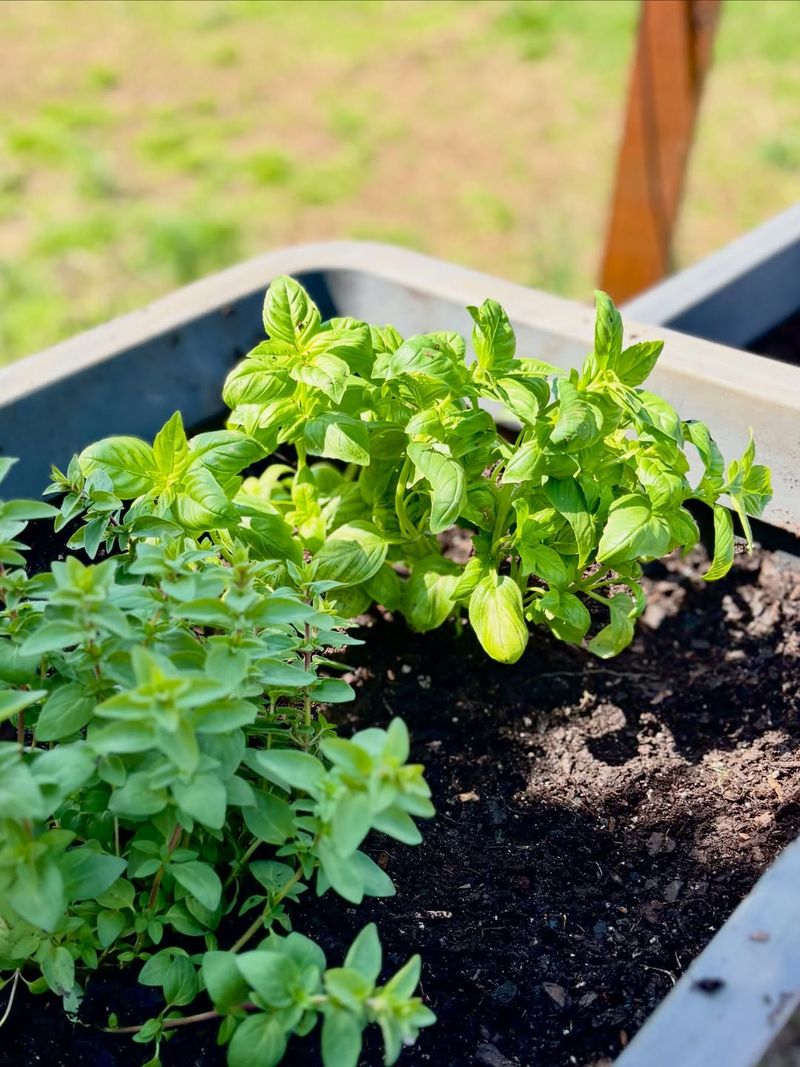
Sunlight placement matters more than most new gardeners expect.
Basil needs at least six hours of direct sun each day, but in Georgia, where summer afternoons can push past 95 degrees, a little afternoon shade actually helps plants stay healthier through the hottest stretch of the season.
Positioning basil where it catches strong morning light and gets some relief from the intense late-day sun is a practical approach that works well across most of Georgia. East-facing garden beds or spots along the east side of a fence or structure are often ideal.
Full afternoon exposure on a blazing July day in central Georgia can cause leaf edges to scorch, which reduces both the quality and quantity of leaves you can harvest.
Container growers have an advantage here because pots can be moved around.
If you notice leaves looking bleached or dried out along the edges, shifting the container to a spot with afternoon shade is usually all it takes to bring the plant back to looking full and green within a few days.
Your Georgia Garden Changes Every Week. Your Plan Should Too.
Gardening in Georgia changes quickly throughout the season. Every Friday you’ll receive a simple weekly plan showing exactly what to plant, prune, fertilize, harvest, and protect so you never miss the right timing.
Consistent morning sun also encourages compact, bushy growth rather than tall, leggy stems.
3. Pinching Stem Tips Encourages Bushier Basil Plants
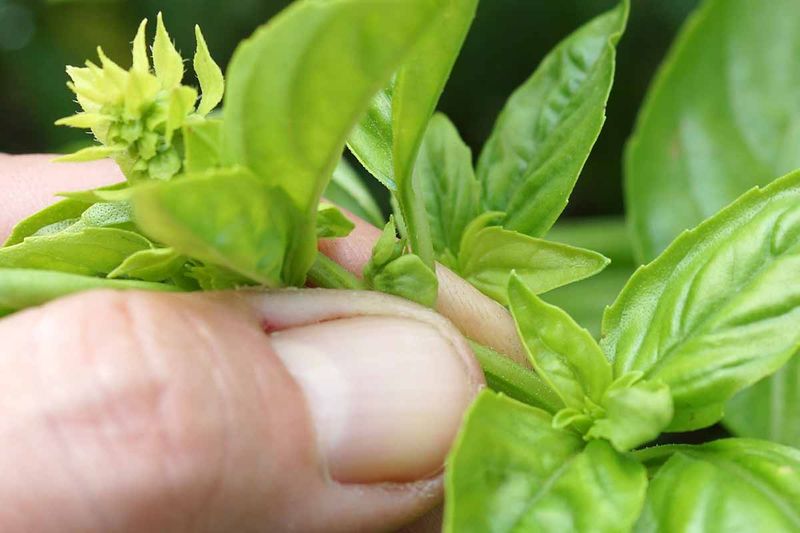
Most gardeners walk past their basil every day without realizing a ten-second pinch could double the plant’s productivity.
Pinching is the simple act of removing the top set of leaves or the growing tip from a basil stem, and it is one of the most effective techniques for keeping plants full, compact, and loaded with harvestable leaves all season long.
When you remove the top tip, the plant responds by pushing out two new stems from just below the cut. Those two stems eventually produce their own tips, and pinching those gives you four stems.
Repeat that process a few times over a growing season and a single basil plant in Georgia can become impressively full and productive without much effort at all.
Start pinching as soon as your plants reach about six inches tall. At that height, there is enough established stem to handle the cut without stressing the plant.
Use clean fingers or small scissors and remove just the top inch or two, cutting right above a set of healthy leaves. Leaving a pair of leaves below the cut gives the plant a strong base to branch from.
Georgia’s long warm season means you have plenty of time to repeat this process multiple times before fall.
4. Overwatering Can Lead To Weak Basil Growth
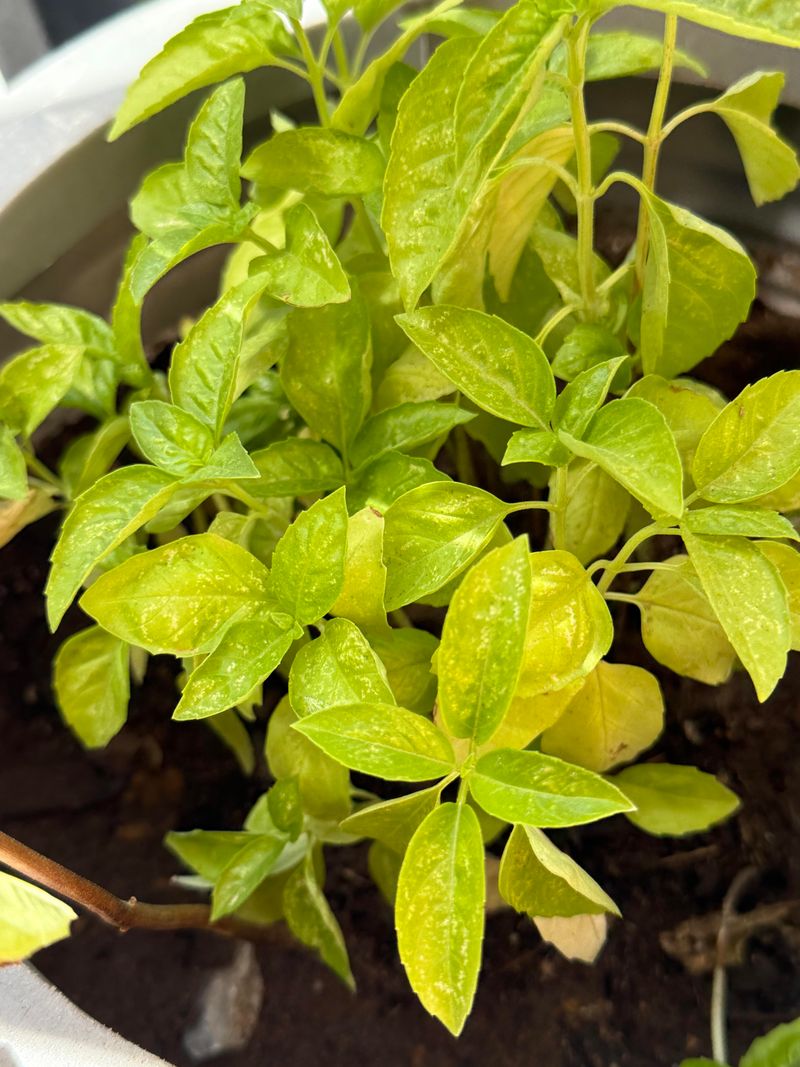
Basil does not like wet feet, and that is a problem worth paying attention to in Georgia where summer rain can come fast and heavy.
Overwatering is actually one of the more common reasons backyard basil plants underperform, even when gardeners are putting in genuine effort to care for them properly.
Roots sitting in waterlogged soil cannot absorb oxygen, which slows growth and causes lower leaves to turn yellow and drop. In severe cases, root rot can set in, and once that happens the plant rarely recovers fully.
Well-draining soil is non-negotiable for basil, whether you are growing in raised beds, ground-level plots, or containers on a porch.
A general rule that works well in Georgia’s climate is to water deeply but infrequently. Let the top inch of soil dry out between waterings, then water thoroughly so moisture reaches the roots.
During rainy stretches, skip supplemental watering entirely and let the rain do the work. Check the soil with your finger before reaching for the hose.
Container growers should make sure pots have drainage holes at the bottom. Saucers that hold standing water beneath pots can keep roots in a constantly wet environment even when the top of the soil looks dry.
5. Harvesting Leaves Regularly Helps Basil Keep Producing
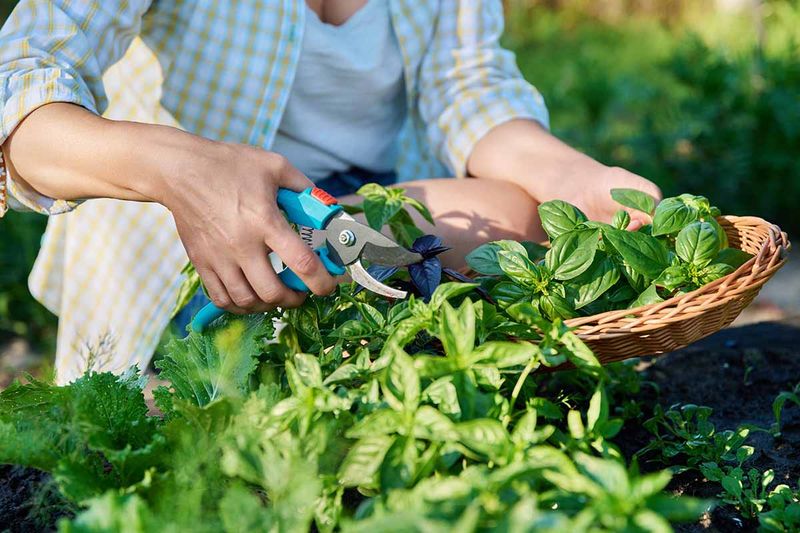
Leaving basil untouched for weeks at a time is actually working against you. Regular harvesting is one of the best things you can do to keep a plant producing steadily through Georgia’s long growing season.
Basil responds to being harvested by pushing out new growth, so the more you pick, the more the plant tends to give back.
Aim to harvest in the morning after any dew has dried but before the afternoon heat sets in. Leaves harvested at that time of day tend to have the best flavor because the plant’s essential oils are at peak concentration before the sun starts drawing moisture out.
Strip leaves from the top down, always leaving at least two sets of leaves on each stem so the plant has enough foliage to continue photosynthesizing and growing.
Never strip a stem completely bare. Taking too much at once can stress the plant and slow regrowth significantly.
A good target is harvesting no more than one-third of the plant at any single session. Spreading harvests out across the season keeps the plant in a productive rhythm without setbacks.
Georgia gardeners who harvest weekly or every ten days often end up with far more basil than those who wait and take large amounts at once.
6. Flower Buds Should Be Removed For Better Leaf Growth
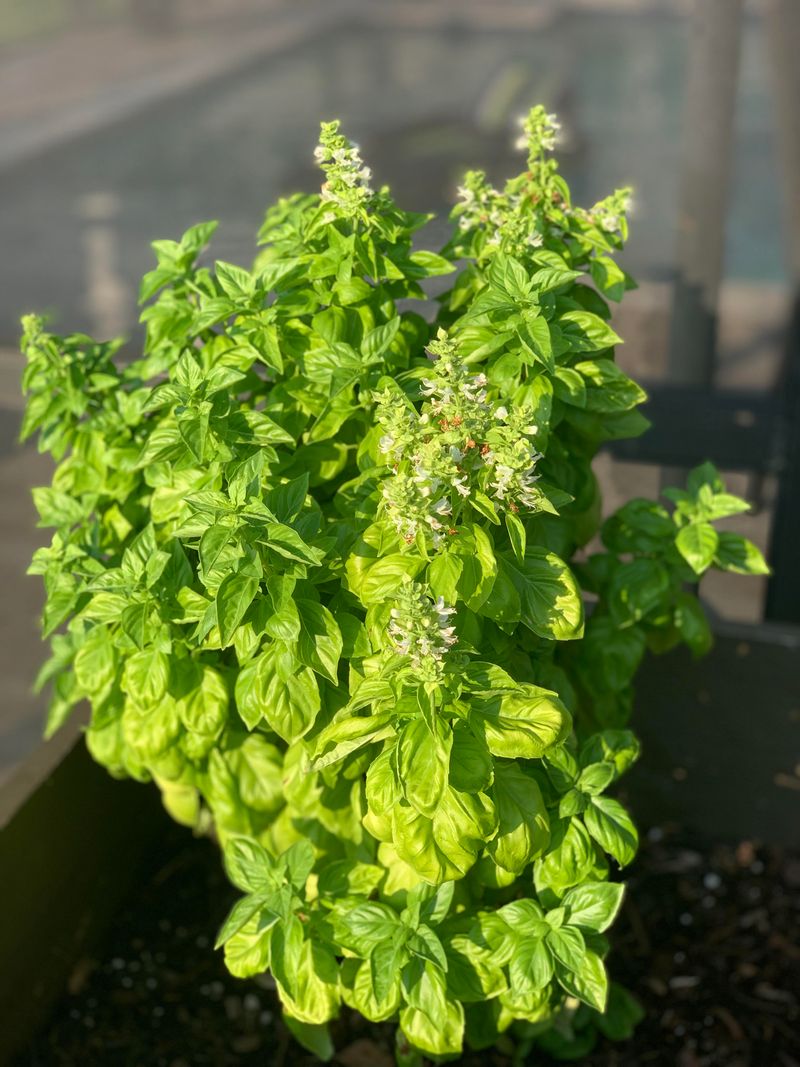
Basil has one goal once it decides summer is winding down, and that goal is to flower and set seed. Unfortunately for gardeners, the moment basil starts focusing on flowering is the moment leaf production drops off sharply.
Removing flower buds as soon as they appear is one of the simplest and most impactful habits you can build into your routine.
Flower buds on basil appear at the top of stems as small, tightly clustered spikes. They start green and eventually open into tiny white or purple blooms depending on the variety.
Catching them while they are still small and tightly closed gives you the best results. Pinch or snip the entire flower spike off down to the next set of healthy leaves, using the same technique as general pinching.
In Georgia, basil often makes its first attempt at flowering in late June or July as day length and heat signal the plant toward its reproductive stage. Staying on top of bud removal during this window can extend the productive leaf harvest by several weeks.
Once a plant is allowed to flower fully and go to seed, leaf quality drops noticeably and the flavor becomes more bitter.
7. Clean Snips Help Prevent Damage During Basil Harvesting
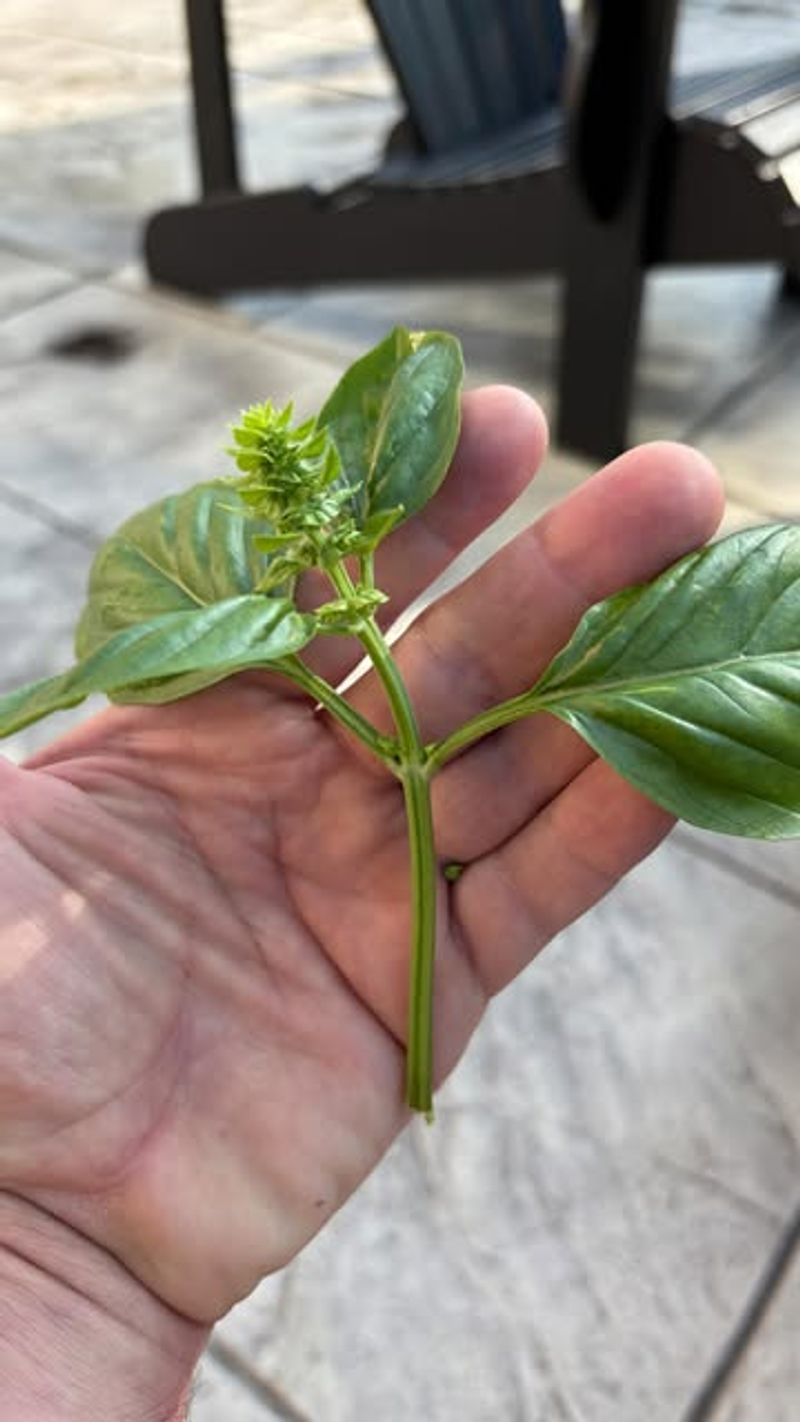
Tearing basil by hand might seem harmless, but ragged cuts on stems create larger wound surfaces that take longer to heal and can invite fungal problems, especially in Georgia’s humid summer air.
Using a clean, sharp pair of scissors or pruning snips makes a real difference in how quickly plants recover after harvesting.
Sharp blades cut cleanly through stems without crushing or bruising the plant tissue around the cut. Crushed tissue is slower to callous over and more vulnerable to moisture-related issues during Georgia’s muggy stretches between July and September.
A clean cut just above a leaf node heals relatively quickly and the plant moves on to producing new growth without much interruption.
Keeping your tools clean is just as important as keeping them sharp. Wiping blades with a damp cloth between uses removes plant residue that can harbor bacteria or fungal spores.
If you are moving between different plants in the garden, a quick wipe between cuts is a smart precaution, particularly if any plant has shown signs of stress or disease.
Investing in a small pair of dedicated herb scissors makes the harvesting process faster and more enjoyable.