The One Thing You Must Do To Ohio Zinnias In July For More Blooms Through Fall
July is zinnia season in Ohio and honestly, few summer annuals put on a better show. Bold colors, happy pollinators, the whole cheerful package.
But here’s where a lot of gardeners quietly lose momentum: zinnias need a little attention in July to keep that show going strong, and skipping it means the blooms start thinning out right when the garden should be hitting its peak.
The biggest culprit is spent flowers left on the plant.
Once a zinnia thinks it has successfully made seeds, it starts winding down production, which is the opposite of what anyone wants in the middle of summer. Regular deadheading changes that equation completely.
Pair it with full sun, decent airflow, and steady moisture during dry stretches and your Ohio zinnias can keep blooming well into fall.
Worth the effort? Absolutely.
1. Deadhead Spent Blooms Regularly
Bright July flower beds can start looking a little tired once the first wave of zinnia blooms begins to fade. Those spent flowers hanging on the stems are not just an eyesore in your Ohio garden.
They are actually telling the plant that its job is done, which can slow down new bloom production faster than most gardeners expect.
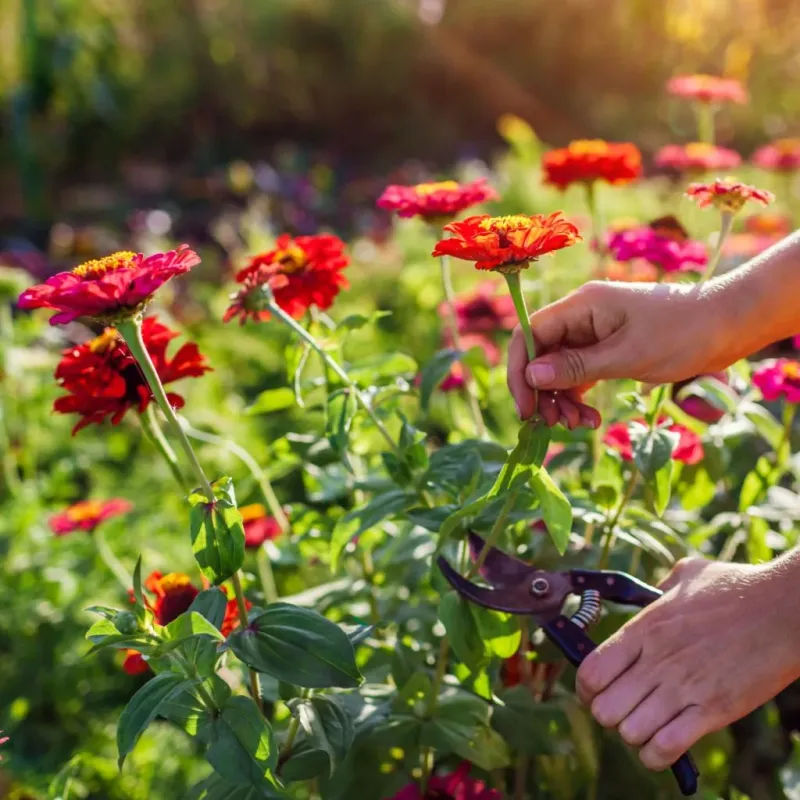
Deadheading is simply the act of removing those faded blooms before the plant puts energy into forming seeds. When you remove spent flowers consistently throughout July, the plant redirects its energy toward producing new buds instead.
That simple shift can keep your annual beds looking full and colorful well into September and October across Ohio.
Try to walk through your zinnia beds every few days during July rather than waiting until the plants look completely worn out. Catching blooms early, just as the petals start to look dull or droopy, gives the plant more time to push out fresh growth.
Regular deadheading combined with adequate sun and water is one of the most reliable ways to extend zinnia color through the fall season in Ohio residential gardens.
2. Cut Back To A Leaf Node Or Side Stem
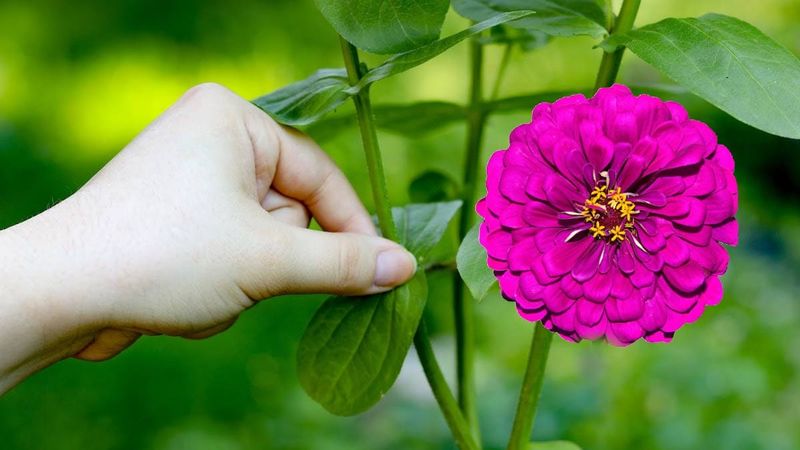
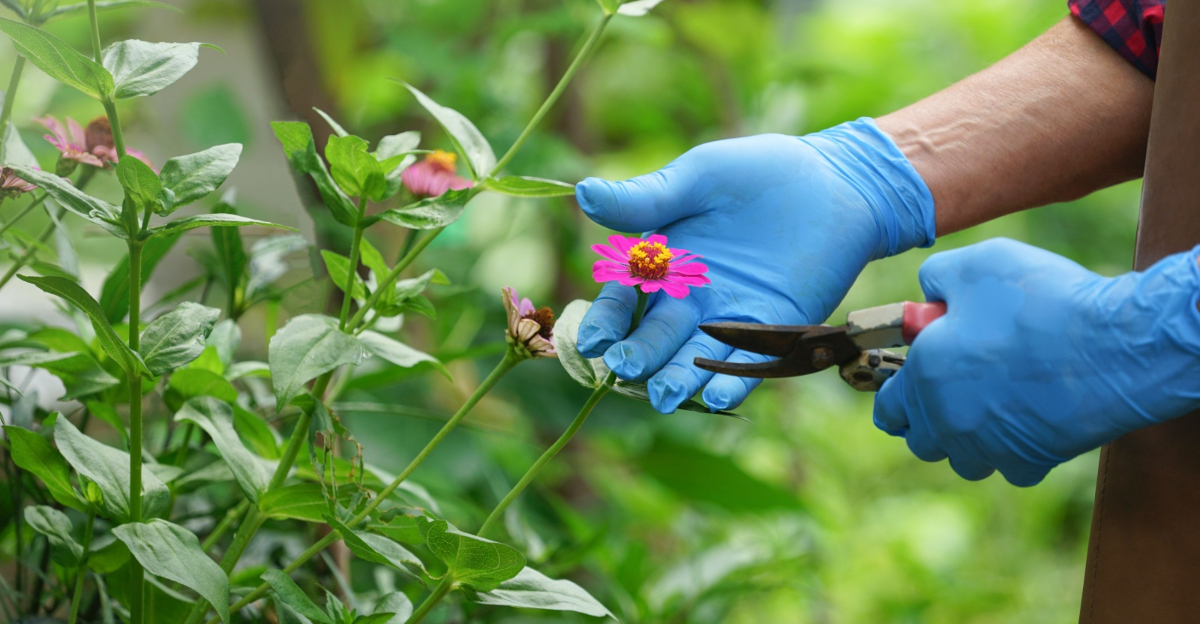
Snipping off a spent bloom right at the base of the flower head might seem like enough, but where you make the cut actually matters quite a bit.
Cutting back to a leaf node or a side stem encourages the plant to branch out and produce more flowering stems rather than just one new bud at the top of the same stalk.
A leaf node is the point along the stem where a leaf or a small branching stem grows out from the main stalk. When you cut just above that node, you give the plant a clear signal to send energy outward rather than upward.
Over time, this habit can result in a fuller, bushier zinnia plant with more blooms spread across the entire plant rather than just at the top.
In Ohio July gardens, zinnias can grow quickly during warm stretches, so checking stem length before each cut is worth the extra moment. Use clean, sharp pruning snips to avoid tearing the stem tissue.
Your Ohio Garden Changes Every Week. Your Plan Should Too.
Gardening in Ohio changes quickly throughout the season. Every Friday you’ll receive a simple weekly plan showing exactly what to plant, prune, fertilize, harvest, and protect so you never miss the right timing.
A clean cut heals faster and reduces the chance of disease entry during the humid Ohio summer weeks when conditions can favor fungal issues.
3. Remove Faded Flowers Before Seed Forms
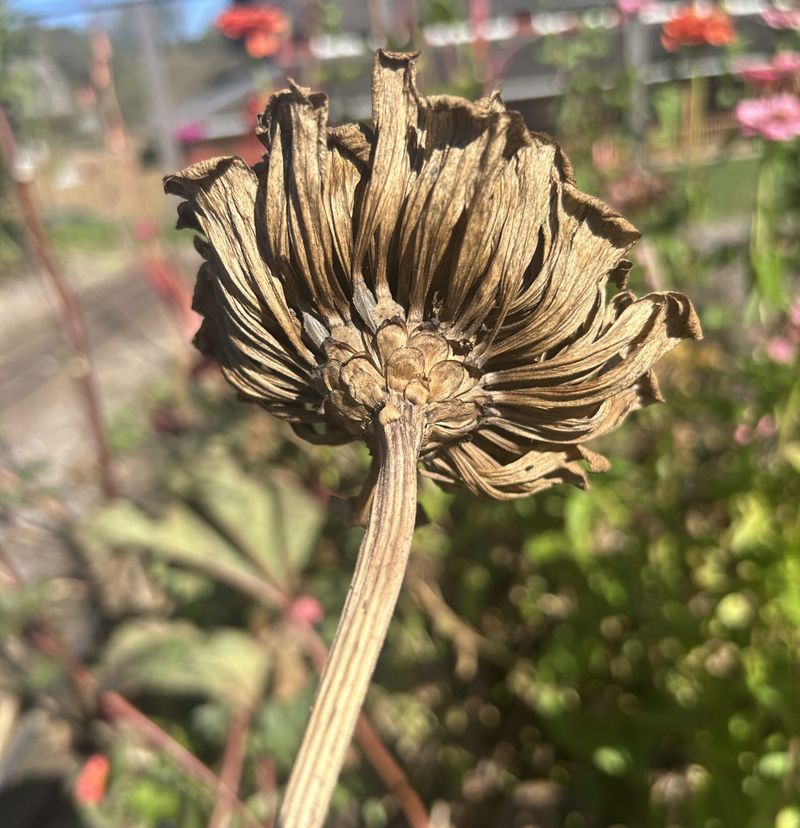
Timing matters more than most people realize when it comes to keeping zinnias blooming. Once a spent zinnia flower begins forming a seed head at its center, the plant shifts its focus toward seed development rather than producing new flowers.
That transition can happen surprisingly fast during warm Ohio July weather.
You can usually spot early seed formation by looking at the center of the bloom. When the petals start dropping and the center begins to look dry, raised, or slightly cone-shaped, seed development has likely already started.
Removing the flower head at that stage rather than waiting any longer gives the plant a better chance to redirect its energy toward new buds.
For Ohio gardeners who want to save seeds at the end of the season, the strategy is simply to let a few blooms go to seed in late summer or early fall rather than throughout July.
Focusing on removing spent flowers early in the season keeps the plants productive during the stretch when bloom energy matters most.
Pulling faded flowers before seeds mature is one of the more straightforward ways to support a longer bloom window without needing any special tools or products.
4. Pick Flowers Often For Bouquets
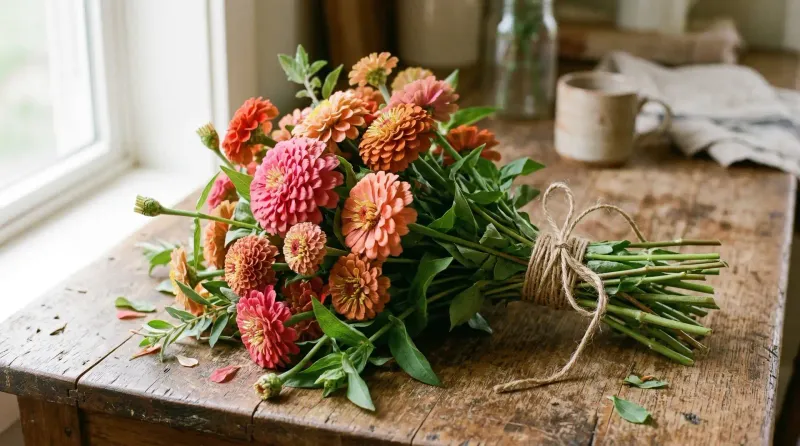
One of the most enjoyable ways to keep zinnias blooming longer is also one of the most rewarding.
Cutting flowers regularly for indoor bouquets works almost exactly like deadheading because it removes mature blooms before seeds can form and signals the plant to keep producing.
Ohio gardeners with cutting gardens or mixed annual beds can take advantage of this throughout July without feeling like they are depleting the garden.
For the best vase life, cut zinnia stems in the early morning when the flowers are freshly open and the stems are full of moisture. Choose blooms that have just opened rather than ones that have been open for several days.
Cutting the stem at an angle and placing it immediately in water helps the flower stay fresh longer once it is inside.
From the plant’s perspective, each cut you make just above a leaf node encourages branching and more flowering stems over the following weeks. Bouquet cutting is genuinely a win on both ends.
Your home gets a fresh arrangement of vibrant Ohio garden color, and the zinnia plant responds by pushing out new growth.
Cutting two or three stems every few days during July can noticeably increase the number of blooms you see through August and September.
5. Keep Plants In Full Sun
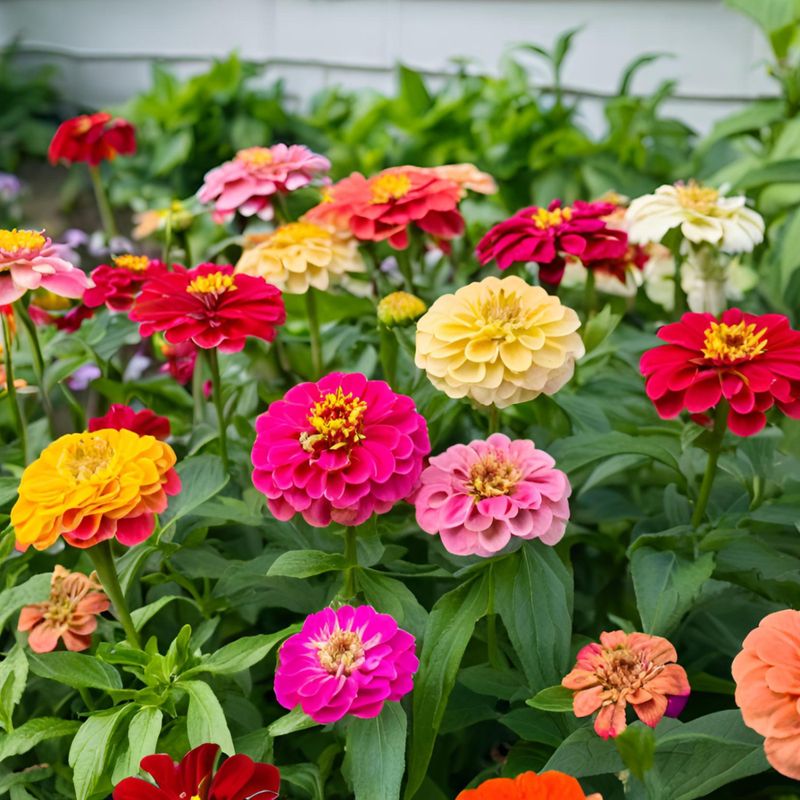
Zinnias are warm-season annuals that genuinely thrive in full sun, and Ohio July gardens can provide exactly the kind of long, bright days these plants need to stay productive.
When zinnias receive fewer than six hours of direct sunlight each day, bloom production tends to slow down noticeably.
Shaded or partially shaded plants often stretch toward the light, produce fewer flowers, and become more vulnerable to humidity-related issues.
If you planted zinnias earlier in spring near structures, fences, or trees, take a moment in July to observe how much direct sun those spots are actually receiving.
Nearby plants can grow larger over the summer and cast unexpected shade on annual beds that were sunny in May.
Adjusting placement for future plantings based on what you observe this July can improve results next season.
For container-grown zinnias in Ohio, moving pots to the sunniest available spot during July is a simple way to support continued blooming.
South-facing or west-facing beds and borders tend to offer the most reliable sun exposure in residential Ohio landscapes.
Keeping your zinnias in full sun is not a complicated fix, but it is a foundational part of helping them stay healthy and productive through the heat of summer and into fall.
6. Water At The Base During Dry Spells
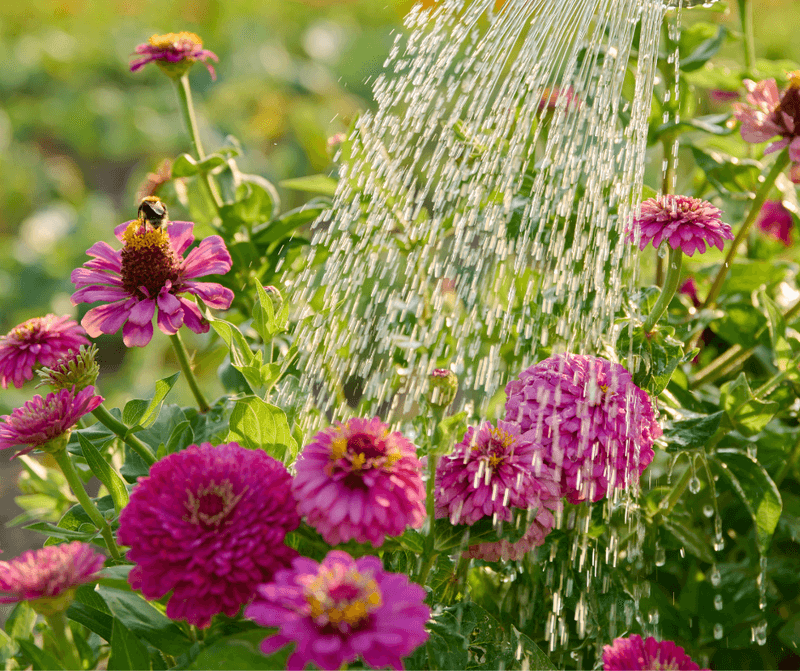
Hot, dry stretches are common across Ohio in July, and zinnias can show signs of stress fairly quickly when soil moisture runs low for several days in a row.
Wilting in the afternoon heat is sometimes normal on very hot days, but if plants are still drooping in the cooler morning hours, the soil likely needs water.
Checking soil moisture an inch or two below the surface is a reliable way to tell whether watering is actually needed.
Watering at the base of the plant rather than from overhead makes a real difference for zinnias during Ohio’s humid summer weeks.
Wet foliage that stays damp through the evening creates conditions that can encourage powdery mildew and other fungal issues.
A soaker hose or careful hand watering directed at the root zone keeps the leaves dry while still delivering moisture where the plant needs it most.
During extended dry spells, zinnias generally benefit from a deep, thorough watering once or twice per week rather than light daily sprinkles.
Deeper watering encourages roots to grow further into the soil, which can help plants handle heat stress more effectively.
Mulching around the base of plants can also help Ohio gardens retain soil moisture between watering sessions throughout July and August.
7. Space Plants For Better Airflow
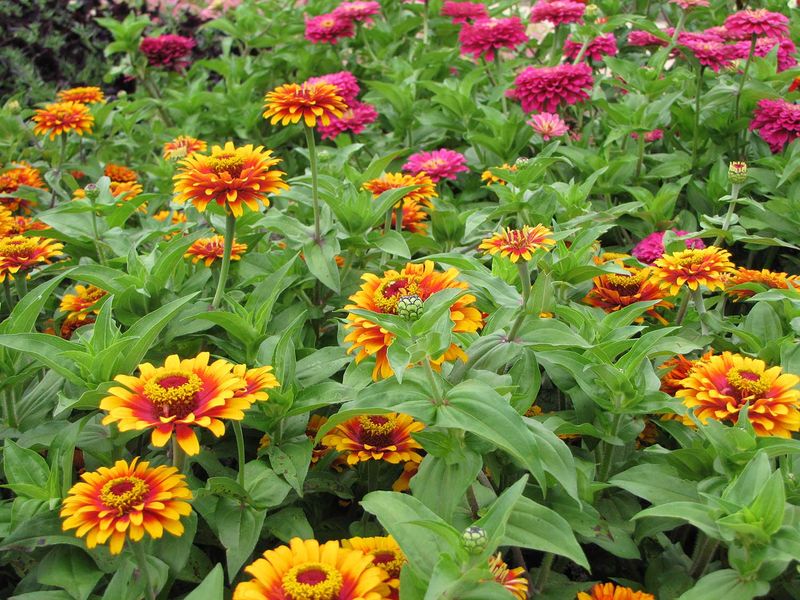
Crowded zinnia beds might look lush in early summer, but by July the lack of airflow between plants can start creating real problems.
When stems and leaves are packed tightly together, moisture from rain and humidity lingers on foliage much longer than it should.
That extra dampness creates a welcoming environment for powdery mildew and other fungal concerns that are especially common in Ohio during the second half of summer.
Standard spacing recommendations for most zinnia varieties fall somewhere between nine and twelve inches apart, though larger varieties may benefit from even more room.
If you notice your Ohio zinnia bed looks overcrowded this July, thinning out a few weaker or smaller plants can improve conditions for the ones remaining.
It feels counterintuitive to remove plants from a bed you worked to fill, but the surviving plants often respond with noticeably better growth and bloom production.
Good airflow also helps plant tissues dry out faster after rain or morning dew, which reduces the window of time when fungal spores can take hold.
For future planting seasons, keeping spacing in mind from the start saves a lot of corrective effort in July and August.
Well-spaced Ohio zinnia beds tend to look healthier, bloom more consistently, and stay more manageable throughout the entire growing season.
8. Watch For Powdery Mildew In Humid Weather
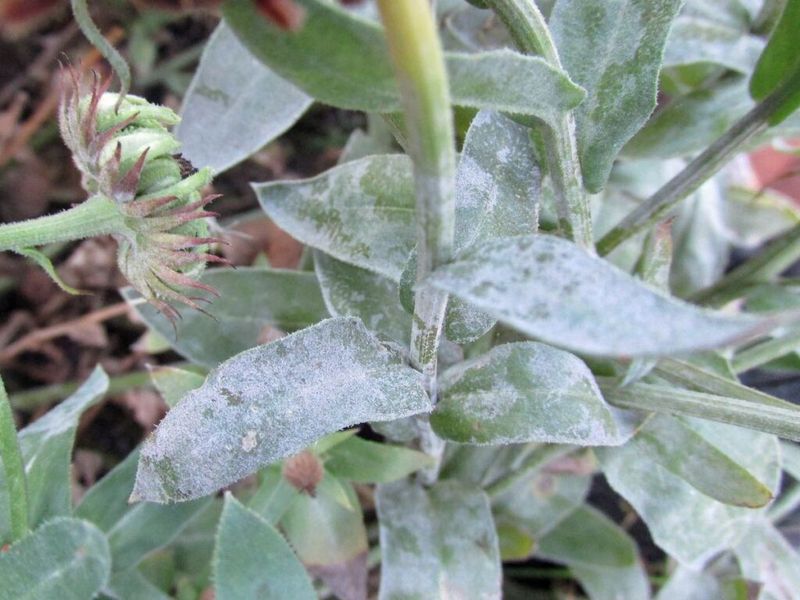
Humid Ohio evenings in July create conditions where powdery mildew can appear on zinnia foliage with little warning.
The telltale sign is a white or grayish powdery coating on the surface of leaves, usually starting on older lower leaves before spreading upward.
Catching it early gives you the best chance of slowing its spread across the planting.
Powdery mildew on zinnias is caused by a fungal pathogen that thrives when warm days are followed by cool, humid nights. Unlike many other fungal diseases, it does not actually need standing water on the leaves to develop.
Ohio’s late July and August weather patterns can be particularly favorable for this issue, especially in garden beds with limited airflow or dense planting.
Removing affected leaves promptly and disposing of them away from the garden can help reduce the spread. Avoiding overhead watering, as mentioned in the watering section, also limits the surface moisture that makes conditions worse.
Some gardeners find that a diluted baking soda spray or neem oil application can help manage mild cases, though results vary.
Selecting mildew-resistant zinnia varieties when planning future Ohio garden seasons is one of the more practical long-term strategies for keeping this frustrating issue under control without heavy intervention.
9. Leave Some Late Seed Heads For Birds
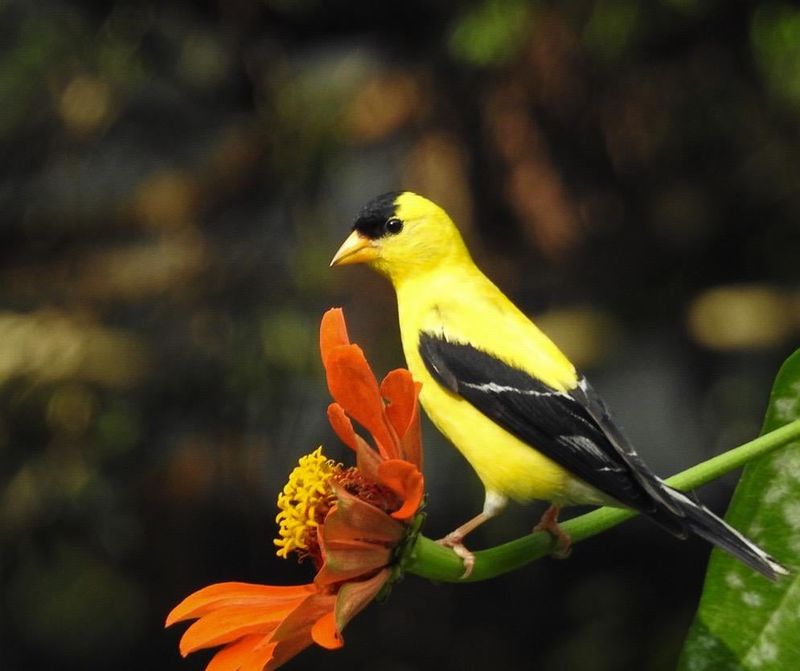
Toward the end of summer and into early fall, shifting your approach from full deadheading to selective seed head preservation can benefit more than just the plants.
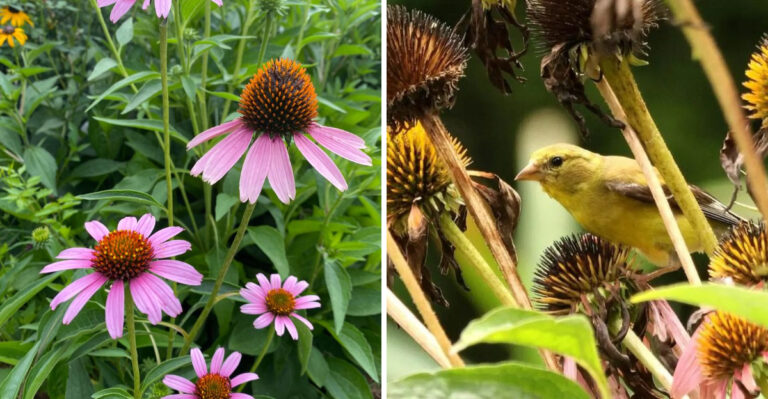
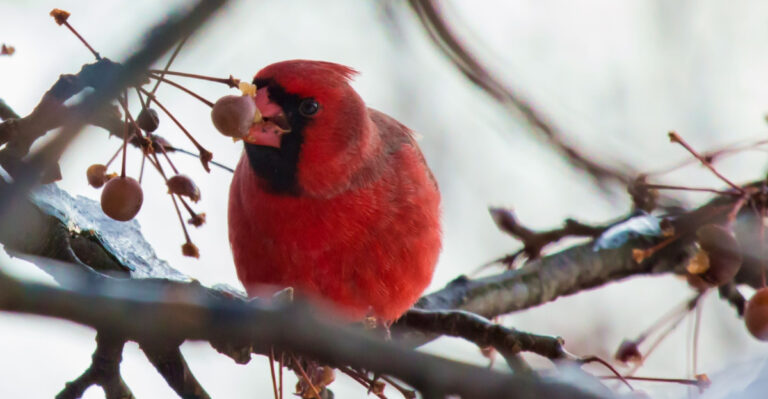
Zinnia seed heads are a reliable food source for several bird species, including goldfinches, which are frequently spotted in Ohio residential gardens during late summer and fall migration periods.
Leaving a portion of your zinnia plants to go to seed in late August and September provides natural foraging material right in your backyard. You do not need to stop deadheading entirely.
Simply choose a few stems in each section of the bed and allow those blooms to mature fully and dry on the plant.
The contrast of dried seed heads among any remaining late blooms can also add quiet visual interest to the garden as the season winds down.
For Ohio gardeners interested in saving seeds for next year, fully dried zinnia seed heads are easy to harvest and store.
Allow the heads to dry completely on the plant before collecting them, then store the seeds in a cool, dry location through the winter.
Keeping this late-season practice in mind from the start of July helps you plan which plants to deadhead consistently and which ones to eventually let go for birds and seed saving.