Why Great Blue Herons Keep Returning To The Same Ohio Yards
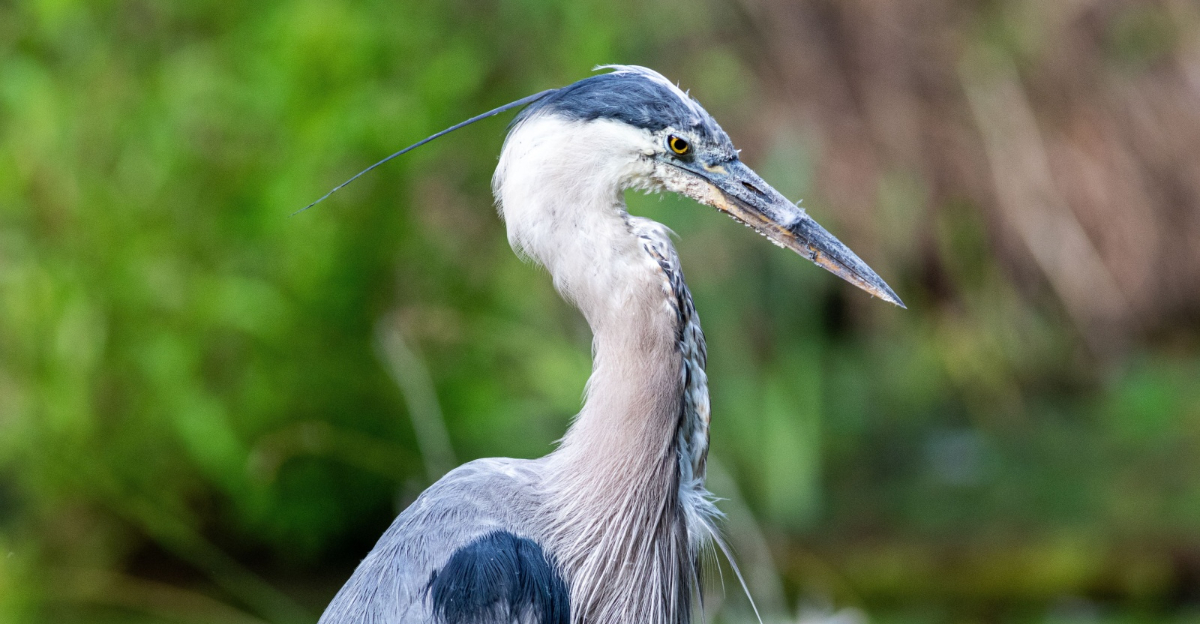
The first time a Great Blue Heron shows up at your backyard pond, it feels like a genuine wildlife moment. Tall, prehistoric looking, completely unbothered by your existence: honestly kind of impressive.
The second time it shows up, you start to appreciate it a little less. By the third visit, if you have koi or goldfish in that pond, things have gotten personal.
Great Blue Herons are not showing up in Ohio backyards by accident. These birds are methodical, patient, and very good at identifying spots that offer reliable food, accessible water, and low disturbance.
The frustrating truth is that many Ohio backyard ponds check every single one of those boxes without homeowners ever realizing it.
Understanding what keeps drawing them back is the first step toward figuring out what to do about it.
1. Backyard Ponds Offer Easy Feeding
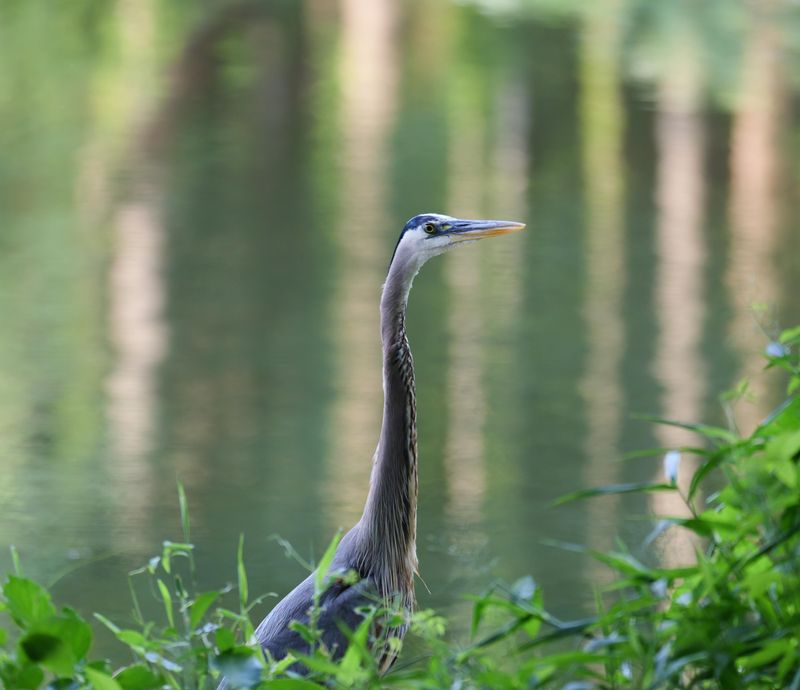
A backyard pond stocked with goldfish or koi is one of the most reliable food sources a Great Blue Heron can find in an Ohio neighborhood.
Unlike wild marshes or riverbanks where prey moves quickly through deep or murky water, a small garden pond concentrates fish in a confined, shallow space that makes hunting far less demanding.
Herons are patient, efficient hunters, and a pond that gives them easy visual access to prey can become a regular stop on their foraging route.
Ohio homeowners with ornamental ponds sometimes notice a heron returning at similar times of day, often early morning when the yard is quiet and the water surface is calm. That consistency is not accidental.
When a bird finds a reliable food source with minimal effort, it tends to remember the location and revisit it regularly. Backyard ponds essentially remove several of the challenges herons face in the wild.
If you want to protect your fish while still appreciating the bird, consider adding a pond net or a motion-activated water sprinkler as a humane deterrent. Great Blue Herons are federally protected, so physical harm is not a legal option.
Focusing on fish protection rather than bird removal is the most practical approach for Ohio pond owners.
2. Shallow Water Makes Hunting Easier
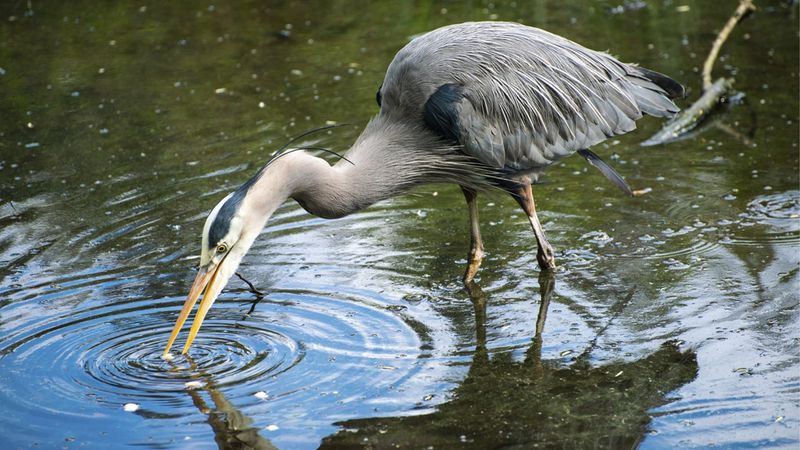
Shallow water is one of the biggest reasons a heron keeps choosing a specific yard over nearby natural areas. When water depth is only a few inches, fish and frogs have limited room to escape, and a heron can see straight to the bottom without any difficulty.
That visual clarity combined with reduced prey movement makes shallow garden ponds and water features significantly easier hunting grounds than deeper natural bodies of water.
Many Ohio backyard ponds are designed for aesthetics rather than wildlife management, which means they are often built with gradual slopes and shallow edges that unintentionally create ideal heron hunting conditions.
Even a section of a pond that sits at six to ten inches deep can be enough to attract a foraging heron.
The bird does not need the entire pond to be shallow, just a reliable wading spot near the water’s edge.
Your Ohio Garden Changes Every Week. Your Plan Should Too.
Gardening in Ohio changes quickly throughout the season. Every Friday you’ll receive a simple weekly plan showing exactly what to plant, prune, fertilize, harvest, and protect so you never miss the right timing.
Homeowners who notice herons repeatedly targeting the same corner of a pond may want to look at that spot’s depth. Adding steeper sides or deeper zones near the edges can make the pond less accessible for wading.
Combining that with underwater shelter structures, like stacked clay pipes or rock caves, gives fish a place to hide and reduces how easy the pond is to hunt.
3. Fish And Frogs Keep Them Interested
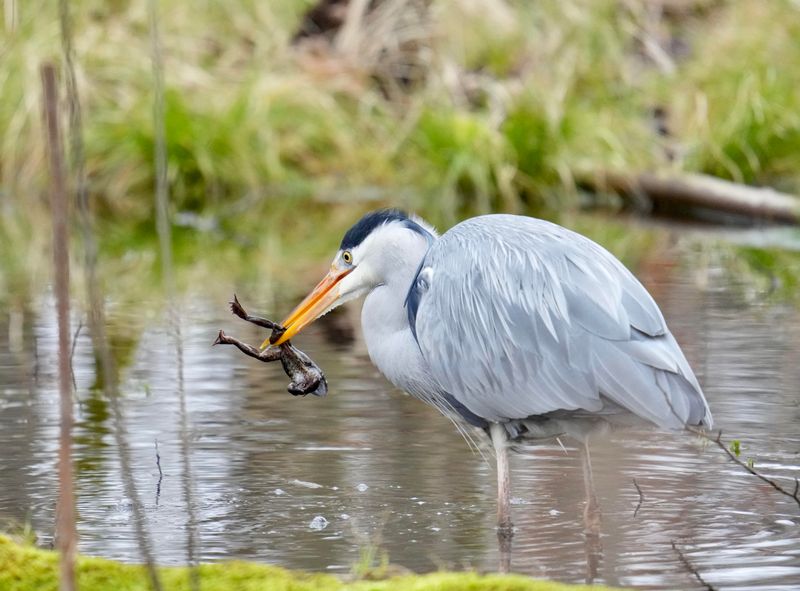
Koi, goldfish, and frogs are among the most common prey items a Great Blue Heron pursues in Ohio backyards.
A pond that holds even a modest population of fish or supports a few frogs near its edges becomes a dependable food source that a heron may return to throughout the warmer months.
Frogs are especially active during spring and early summer in Ohio, which often lines up with increased heron activity in residential areas.
What makes backyard ponds so appealing is the combination of both food types in one small space. A pond with lily pads, aquatic plants, and shallow edges naturally attracts frogs, which in turn attracts herons.
The bird is essentially finding a two-course meal in a single location. That kind of food variety is a strong motivator for repeat visits, especially when natural foraging areas nearby may be more competitive or less predictable.
Ohio homeowners who keep frogs in or around their ponds should understand that this may be a contributing factor in heron visits.
While frogs are a natural and welcome part of a healthy pond ecosystem, they do signal to passing herons that the pond is a productive feeding spot.
Adding floating plant coverage or dense marginal plants around pond edges can provide frogs with hiding spots that make the pond less exposed and slightly less attractive to hunting birds.
4. Open Pond Edges Give Them Room To Stand
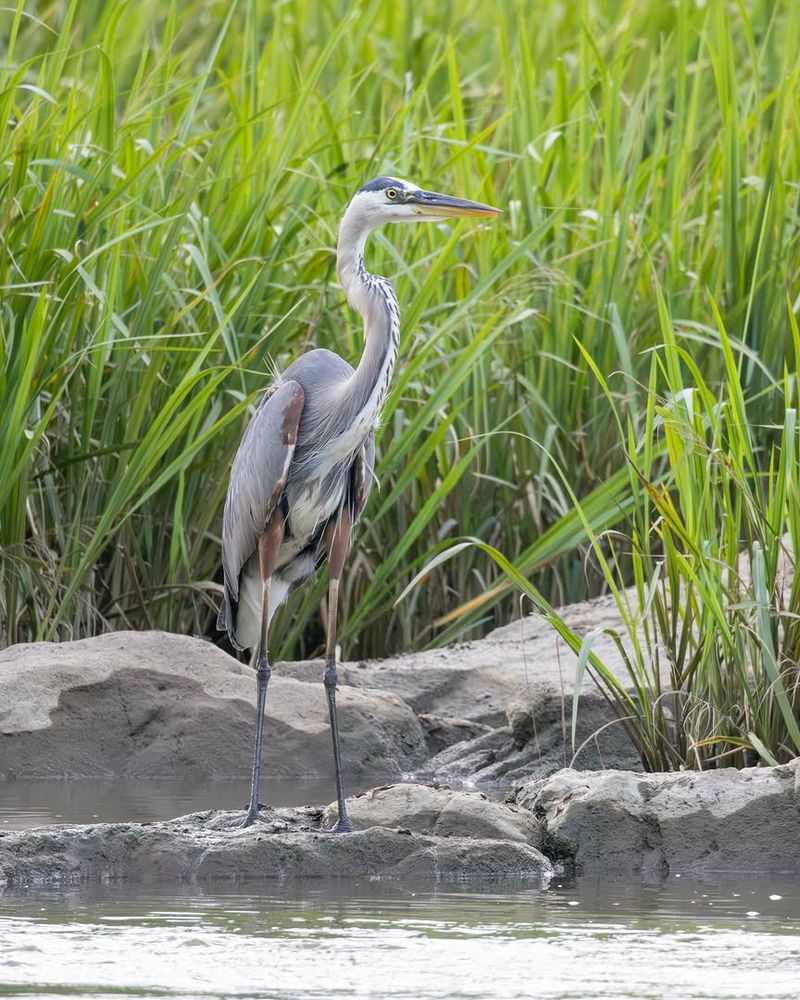
Pond edge design plays a bigger role in heron visits than most Ohio homeowners realize. Herons need open, uncluttered space to stand while they hunt.
They rely on stillness and patience, waiting motionless until prey moves within striking range.
If a pond edge is bordered by dense shrubs, tall ornamental grasses, or thick plantings, the heron has fewer comfortable places to position itself, which can reduce how often it visits.
Many residential ponds in Ohio are landscaped with low-growing ground covers or open gravel borders that look clean and tidy but give herons exactly the kind of unobstructed standing room they prefer.
A clear line of sight to the water from a stable, flat surface is often all a heron needs to decide a spot is worth using.
Even a small gap in the plantings near a pond edge can serve as an entry point for a foraging bird.
One practical way to discourage repeat visits without harming the bird is to add dense border plantings, tall ornamental grasses, or stacked stone edging around the perimeter of the pond.
This does not eliminate the risk entirely, but it removes the easy standing spots that herons tend to favor.
Making the pond edge feel cluttered or unstable from the bird’s perspective can shift its attention toward more accessible foraging areas elsewhere.
5. Quiet Yards Feel Safer To Visit
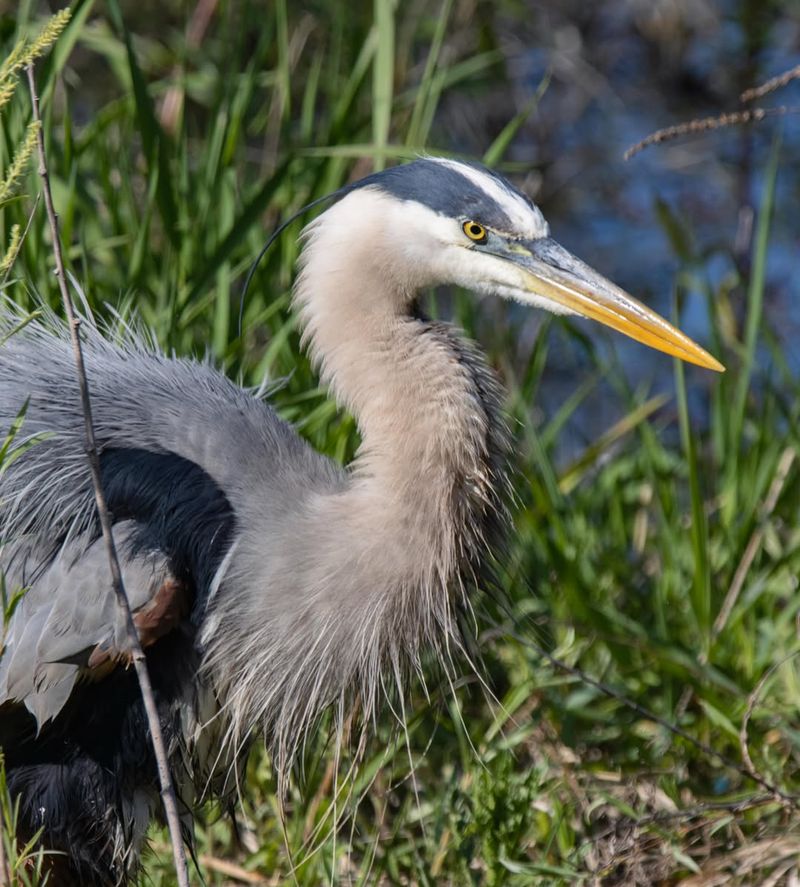
Early morning in a quiet Ohio neighborhood can feel almost completely still, and that stillness is exactly what a Great Blue Heron looks for when choosing where to forage.
These birds are naturally cautious and tend to avoid areas with frequent human movement, loud noise, or active pets.
A yard that sees little foot traffic before mid-morning gives a heron the calm, undisturbed window it needs to wade in, hunt, and leave without feeling threatened.
Herons have a wide personal space requirement and will typically take flight when a person or animal approaches too closely.
But in yards where disturbance is consistently low, they may become more comfortable over time, returning earlier and staying longer.
Ohio homeowners in quieter suburban neighborhoods or rural areas sometimes find that a heron has been visiting their pond for weeks before they even notice.
If reducing heron visits is the goal, simply increasing activity near the pond during early morning hours can help.
Walking near the water, letting a dog out to the yard, or running a garden hose near the pond edge are all low-effort ways to make the space feel less safe to a foraging bird.
Consistency matters more than intensity, since a heron that is regularly interrupted at a location will start choosing other spots over time.
6. Nearby Trees Provide Resting Spots
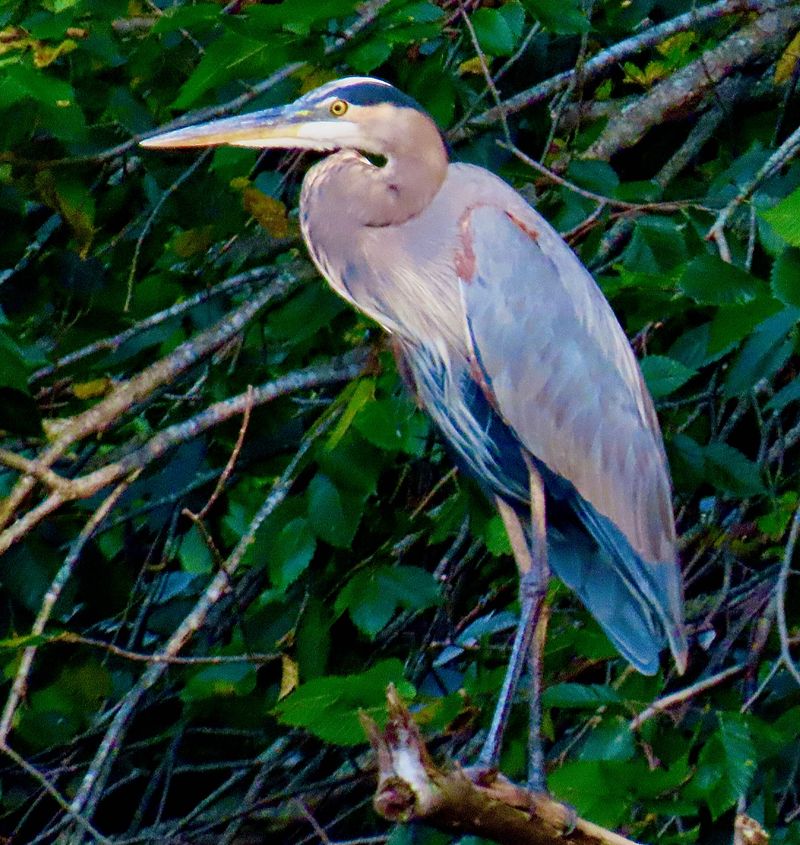
Tall trees near a backyard pond serve a purpose that goes beyond shade and aesthetics.
For a Great Blue Heron, mature trees offer elevated perching spots where the bird can rest, scan the surrounding area, and monitor a pond before deciding to move in and forage.
Ohio properties with large oaks, sycamores, or cottonwoods near water features may unintentionally be providing herons with a staging area that makes a pond even more accessible.
Herons are known to use tall trees near feeding areas, both for resting and for nesting in colonies called rookeries. While a single tree near a backyard pond is unlikely to become a nesting site, it can still function as a convenient perch between feeding bouts.
A bird that can rest, observe, and then drop down to a nearby pond with minimal effort is more likely to make that pond a regular part of its foraging pattern.
Ohio homeowners with heavily wooded lots near ponds may notice more consistent heron activity than those with open, treeless yards. This does not mean removing trees is a solution, since that would cause far more disruption than it solves.
Instead, focusing on pond-level deterrents like netting, decoys, or motion-activated sprinklers is a more practical approach for properties where nearby trees contribute to repeat heron visits.
7. Uncovered Fish Ponds Invite Repeat Visits
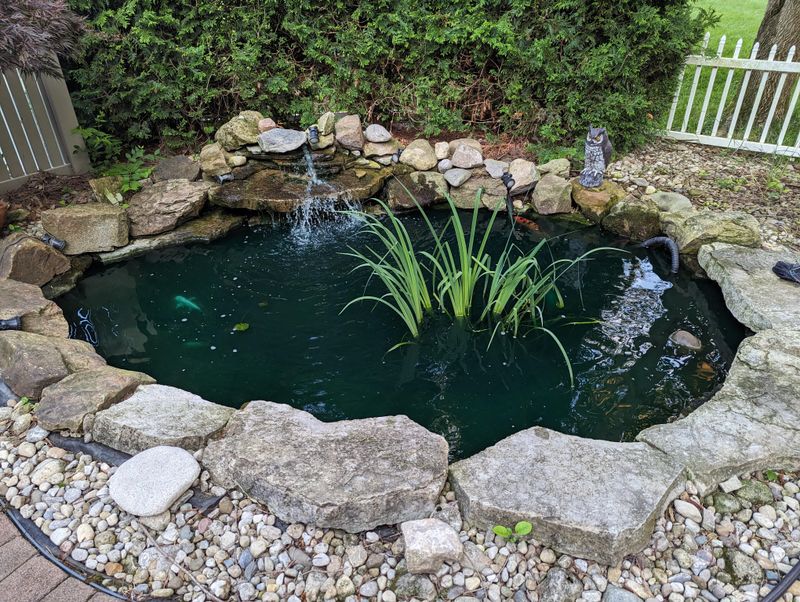
An uncovered fish pond is one of the clearest invitations a backyard can send to a passing Great Blue Heron.
When fish are visible near the surface with no physical barrier between them and the air above, a heron can assess the pond’s food value from a distance and move in without any obstacle.
Ohio koi ponds and goldfish ponds that sit open to the sky are particularly vulnerable during spring and fall when herons are actively foraging and fish tend to be more active near the water’s surface.
Many Ohio pond owners do not add netting until after they have already lost fish, which means the pond has already been identified as a feeding location by one or more herons.
Once a bird connects a specific pond with a successful meal, it tends to return to check whether the food source is still available.
That learned behavior is part of why repeat visits feel so persistent and predictable.
Adding a pond net stretched across the water’s surface is one of the most effective physical deterrents available to homeowners. Nets do not harm the bird and do not interfere with the pond’s ecosystem in a meaningful way.
Some Ohio pond owners also use floating decoy herons near the pond edge, based on the idea that herons tend to avoid areas where another bird appears to already be feeding, though results with decoys can vary.
8. Routine Feeding Patterns Bring Them Back
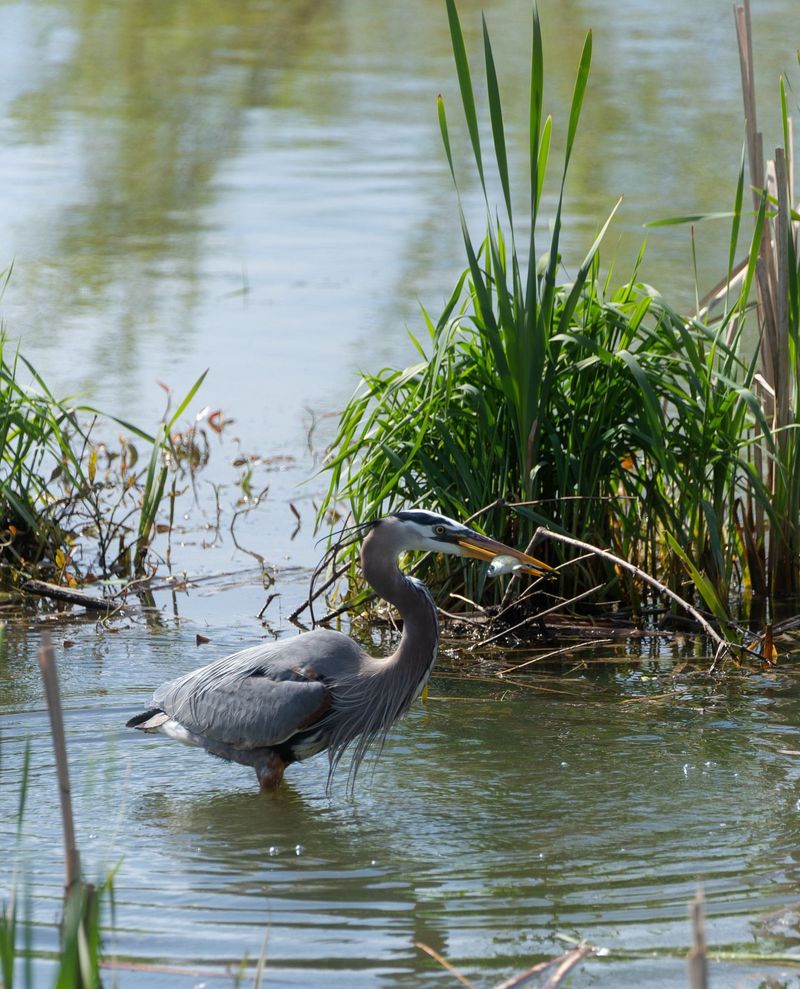
Herons are creatures of habit in a very practical sense. Once a bird finds a location that reliably provides food with low effort and low risk, it tends to incorporate that spot into a regular foraging circuit.
Ohio homeowners who notice a heron showing up at the same time each morning are likely seeing evidence of this routine behavior in action. The bird is not being bold or territorial; it is simply following a path that has worked before.
This kind of learned foraging behavior means that a single successful fishing trip to a backyard pond can lead to weeks or even months of repeat visits. The heron does not need to find the pond exceptional.
It only needs to find it reliable. A pond that consistently holds accessible fish or frogs, sits in a quiet yard, and offers an open edge for standing becomes part of the bird’s mental map of productive feeding spots in the area.
Understanding this pattern can actually help homeowners take action more effectively. If deterrents are introduced early, before the heron has established a strong routine connection to the pond, they tend to work better.
Waiting until the bird has visited dozens of times makes it harder to redirect its behavior, since the pond has already become a familiar and trusted stop along its regular route through the neighborhood.
9. Low-Disturbance Water Features Hold Their Attention
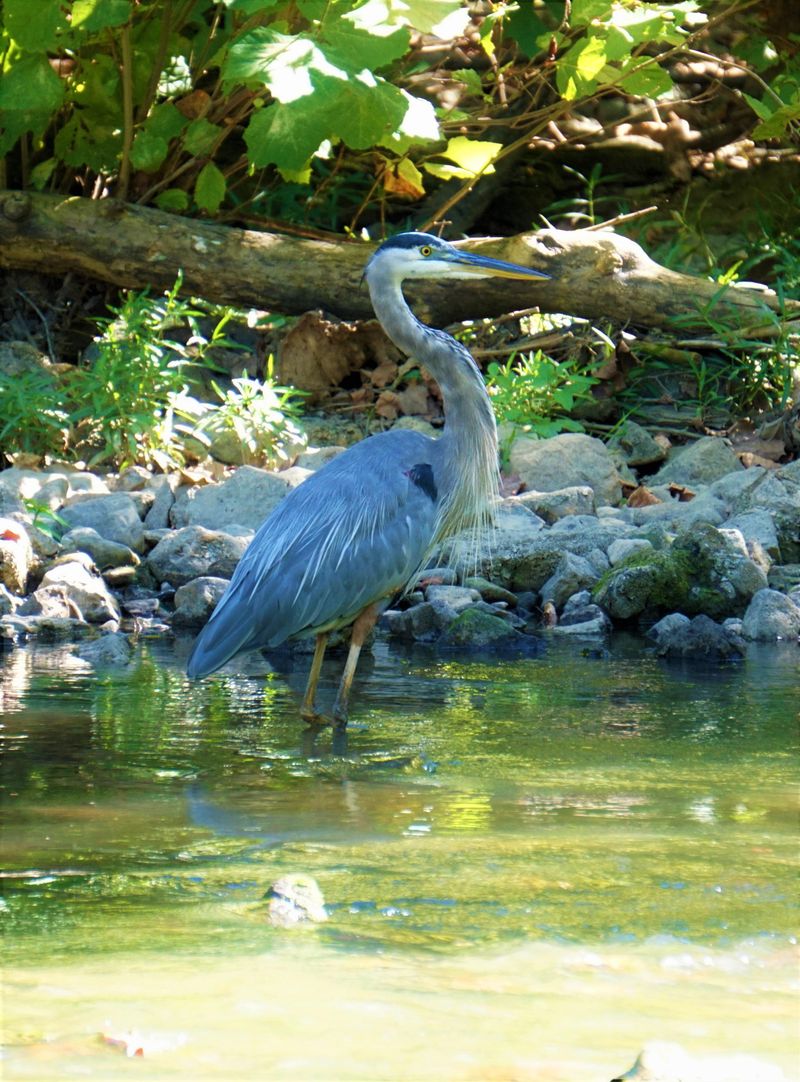
Garden water features like small waterfalls, basin ponds, and shallow decorative pools create the kind of calm, low-disturbance environment that herons find genuinely appealing.
Even features that were not designed to hold fish can attract herons if they support frogs, insects, or small aquatic invertebrates.
In Ohio, many residential water gardens sit tucked into quiet corners of yards where foot traffic is minimal and ambient noise is low, which makes them especially attractive to cautious foraging birds.
The sound of moving water from a small pump or waterfall can also draw herons closer by signaling the presence of an active aquatic environment.
While running water itself does not guarantee a heron visit, it can make a water feature more noticeable from a distance.
A heron flying over a neighborhood may investigate a yard with an active water feature simply because the movement and sound suggest a productive foraging opportunity.
Ohio homeowners who want to enjoy a garden water feature without encouraging heron visits can focus on removing or covering any fish, keeping the water depth consistent at over 18 inches where possible, and adding dense marginal plantings around the basin edge.
These steps make the feature less rewarding for a foraging heron without disrupting the garden aesthetic or harming any wildlife in the process.