Florida Plants That Need To Come Out Of The Ground Before August Or They Won’t Survive
Most Florida gardeners think about plant removal in fall or winter, when the season has already done its damage and the evidence is hard to ignore. August in this state does not wait for a convenient moment.
Some plants reach a point of no return well before that month arrives, and the window for acting is shorter than most people realize. Certain plants in Florida yards right now are heading toward a threshold.
It is not because of anything the gardener did wrong. Florida’s summer progression pushes specific plant types past what they were built to handle if they stay in the ground too long.
Taking them out before August is not giving up. It is the move that preserves the root stock, protects the plant, and sets up a recovery that would not be possible if the decision came later.
A few Florida plants are already sending signals worth paying attention to right now.
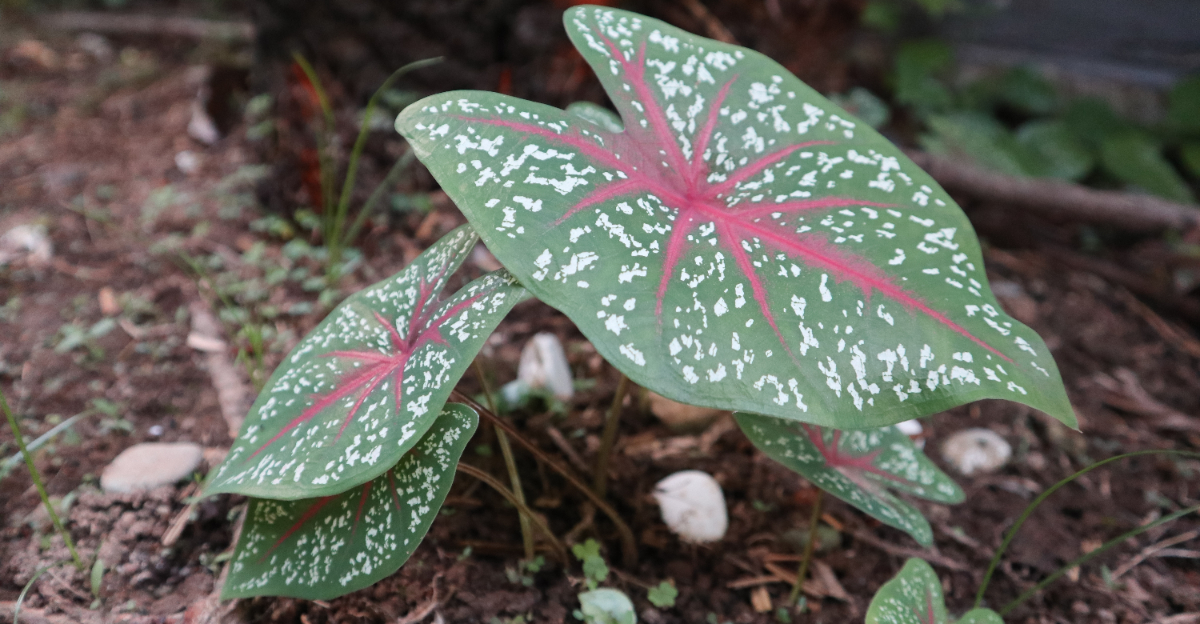
1. Caladiums Need Rescue Before Late-Summer Sun Burns Them Out
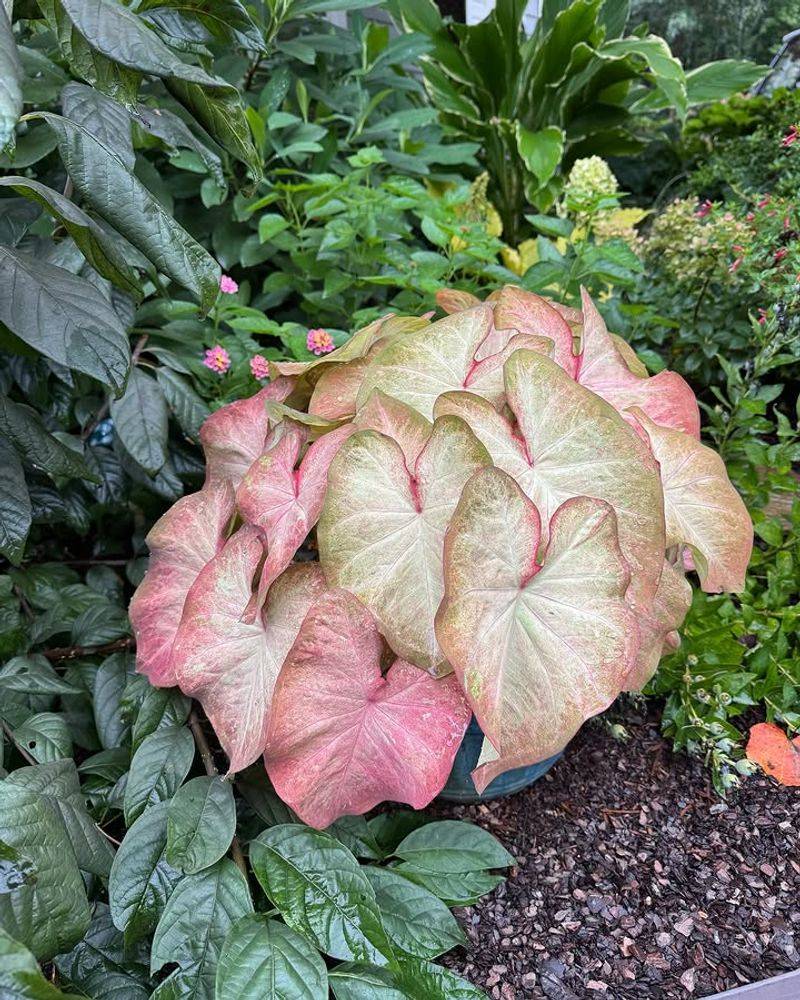
Leaves bleaching at the edges and color fading from vivid pink to washed-out cream are warning signs. Paper-thin tissue crisping in the afternoon heat also shows a caladium is in the wrong spot.
Caladiums (Caladium species and hybrids) are tropical plants that thrive in shade or filtered light, not in beds that bake under direct afternoon sun.
Most varieties are non-native ornamentals prized for their bold, colorful foliage rather than heat or sun tolerance.
Some sun-tolerant caladium hybrids exist and are bred to handle more light. Even those can struggle when reflected heat from pavement, walls, or mulch raises soil temperatures beyond comfortable levels.
If potted caladiums are sitting on a hot patio or driveway, moving them to a shaded porch or bright indirect light can make a real difference before August arrives.
For in-ground plants, adding shade cloth or repositioning nearby containers to block harsh afternoon rays may be enough to buy them time.
Lifting tubers is sometimes recommended in late fall or when foliage naturally declines, not as an emergency summer response to a little sun stress. Healthy in-ground caladiums with good shade and steady moisture should be left alone.
Rescue only the ones clearly suffering in exposed, dry, or overheated beds. Focus on shade first, then soil moisture, before considering any digging.
2. Impatiens Should Leave Hot Beds Before August Finishes Them
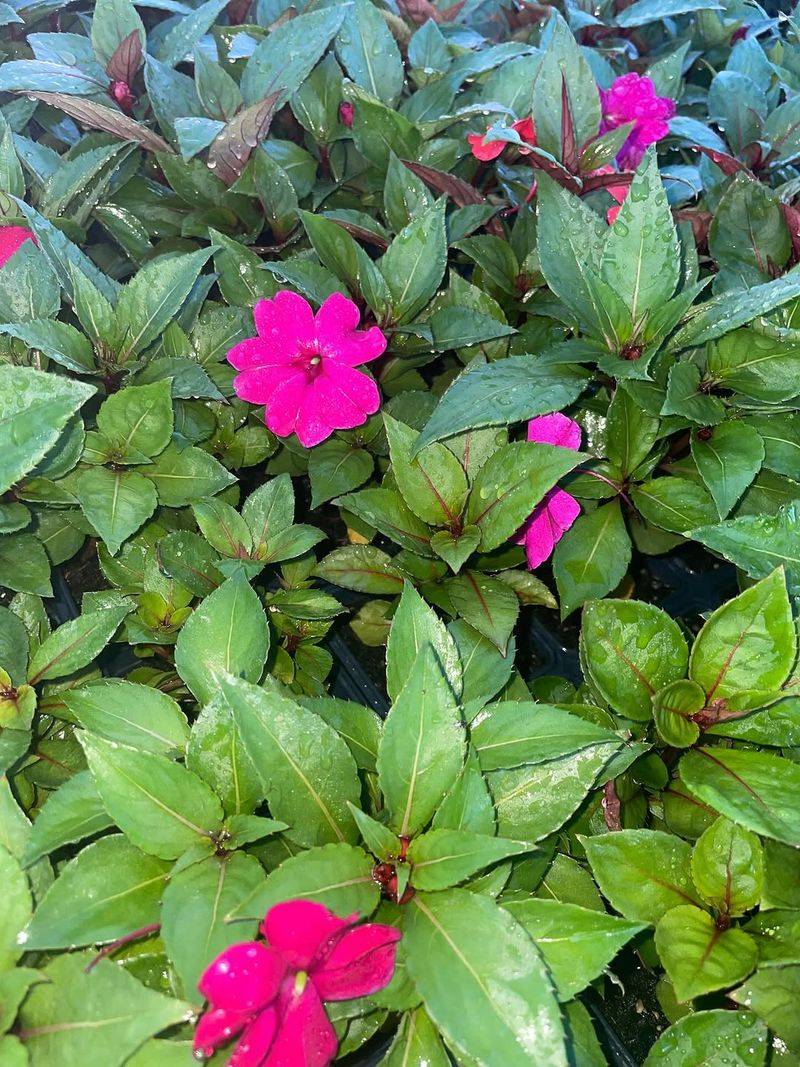
A flat of impatiens that looked lush in April can look like a soggy, collapsed mess by July. Traditional impatiens (Impatiens walleriana) are well known for struggling in hot, humid, exposed beds.
The problem gets worse when afternoon sun hits hard, airflow is poor, or soil stays wet between rains. Downy mildew is a serious disease concern for this species and can spread rapidly in warm, humid conditions, which describes most summer gardens in this state.
If impatiens in a bed are clearly failing, look for yellowing leaves, rotting stems, or sparse growth. Removing those plants and waiting for a cooler planting window is often the most practical choice.
Your Florida Garden Changes Every Week. Your Plan Should Too.
Gardening in Florida changes quickly throughout the season. Every Friday you’ll receive a simple weekly plan showing exactly what to plant, prune, fertilize, harvest, and protect so you never miss the right timing.
Trying to nurse collapsing annuals through peak summer heat rarely pays off. Potted impatiens may survive longer if moved to a shaded porch or covered patio where afternoon heat is blocked and airflow stays steady.
New Guinea impatiens (Impatiens hawkeri) and other impatiens types handle heat and sun differently than traditional bedding impatiens. Not all impatiens should be treated the same way.
Check what type is growing before making any decisions. If the plants are in containers and still holding on, better shade and careful watering may extend their season without any digging or replanting needed at all.
3. Ferns Need A Cooler Spot Before Fronds Turn Crispy
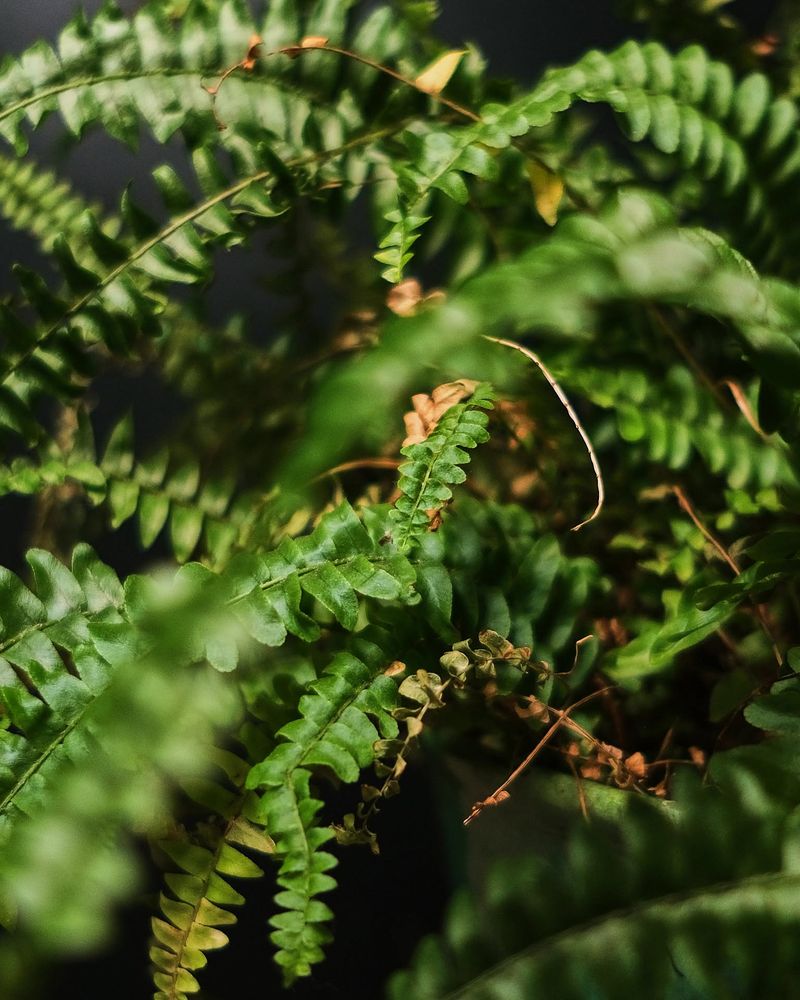
A hanging basket fern that was lush and green in spring can turn brown and brittle within a few weeks of being hung in the wrong spot. Many ferns commonly grown in this state struggle when placed in harsh afternoon sun or on hot concrete patios.
They also suffer in spots where the soil or potting mix dries out too fast between waterings. Crisping fronds, browning tips, and overall thinning are signs the plant needs a cooler, more sheltered location.
Rescue for most ferns does not mean digging up the entire root system. Moving a container or hanging basket into bright shade or a covered area with good airflow is often enough to slow the damage.
For ferns growing in beds, adding a thick layer of mulch to retain soil moisture and reduce ground temperature can help.
Steady moisture without waterlogging, high humidity, and protection from harsh midday and afternoon sun are what most ferns need to stay healthy through summer.
Trimming off badly damaged fronds after moving the plant can also help redirect energy toward fresh growth. Avoid heavy pruning during peak heat, though, since removing too much at once can add stress.
Focus on improving the environment first. New fronds will follow if the roots are healthy and the location is finally right for the plant.
4. Hydrangeas Should Move Only If Heat Stress Keeps Winning
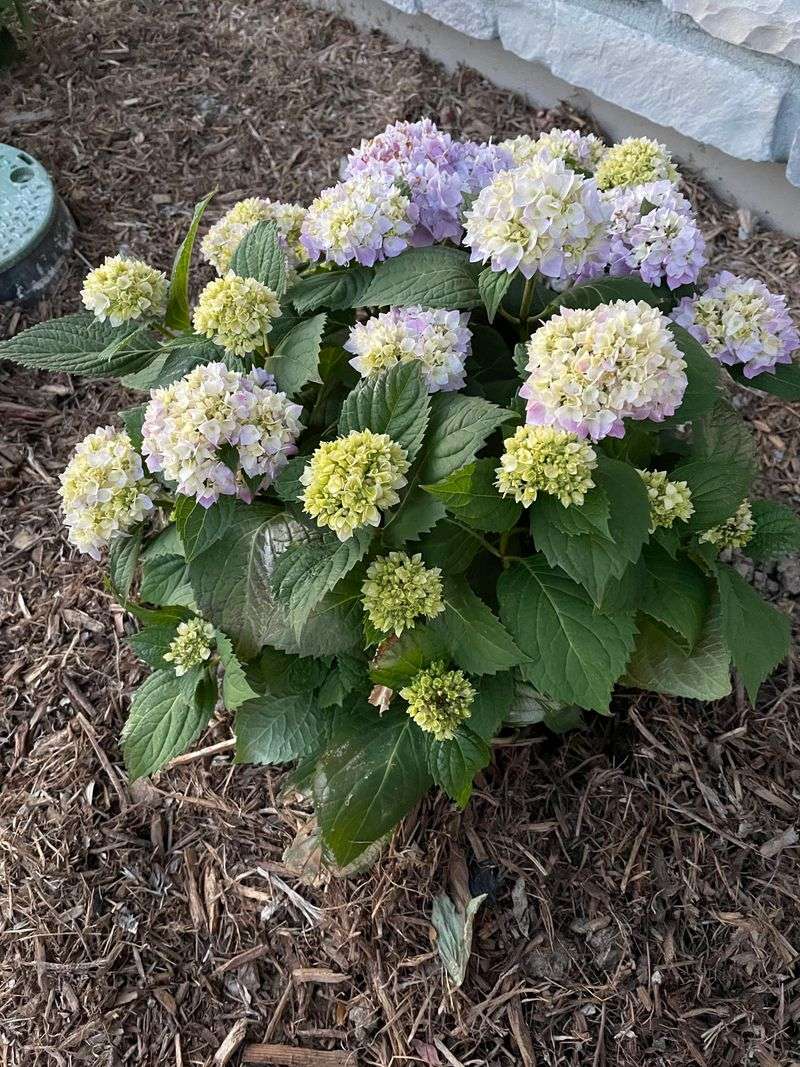
Few sights are more frustrating than watching a hydrangea wilt completely by noon, even after a deep watering the night before. Bigleaf hydrangea (Hydrangea macrophylla) is especially prone to wilting in afternoon sun and reflected heat.
Sandy, fast-draining soil in many yards makes root moisture even harder to maintain. Oakleaf hydrangea (Hydrangea quercifolia) tends to handle heat and drought a bit better, but both can struggle when placed in the wrong exposure.
Moving an established in-ground hydrangea during peak summer heat is a high-risk choice that can add serious transplant stress on top of existing heat stress. Before reaching for a shovel, try improving the site instead.
Adding a thick mulch layer around the root zone can help. Temporary afternoon shade and deep, consistent watering may also be enough to get the plant through until fall.
Transplanting is better saved for cooler months when the plant is dormant or at least not under active heat stress.
If the site is genuinely wrong, full western sun with no shade may be the issue. Planning a fall or early winter move makes more sense than forcing a summer transplant.
Container hydrangeas that are struggling can be moved to shade immediately without the same transplant risk. Patience and site improvement should come before any decision to dig.
5. Hostas Need Containers Before Florida Summer Breaks Them Down
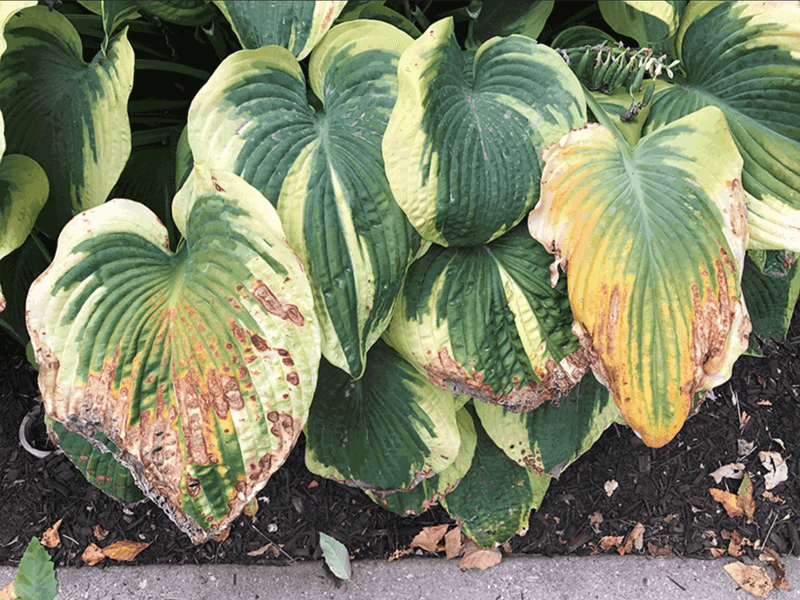
Hostas (Hosta species and hybrids) are beloved shade garden plants across much of the country, but this state is not their easiest home. They are non-native plants that evolved in cooler climates and prefer cold winters, mild summers, and consistent moisture.
Warm nights, high humidity, sandy soil, and summer heat can wear them down quickly. Pests like slugs and grasshoppers also tend to target stressed hosta foliage with enthusiasm.
If hostas are planted in a hot bed, watch for scorched leaf edges, yellowing, or rapid decline. Lifting them into a container with quality potting mix and moving them to a cool, shaded, protected spot may slow the damage.
A covered porch, shaded patio, or bright interior space can work well. Container growing also makes it easier to control moisture, which is important since hostas want steady hydration without sitting in waterlogged soil.
In many parts of this state, hostas are better treated as seasonal container accents than permanent landscape plants. Northern regions with cooler winters give hostas a better chance at long-term survival, but even there, summer care requires attention.
If a hosta is clearly not thriving and the bed conditions cannot be improved, replacing it with a better-adapted shade plant is a reasonable choice. Native shade-tolerant alternatives may perform far more reliably in local conditions.
6. Begonias Belong In Shade Before Late-Summer Heat Builds
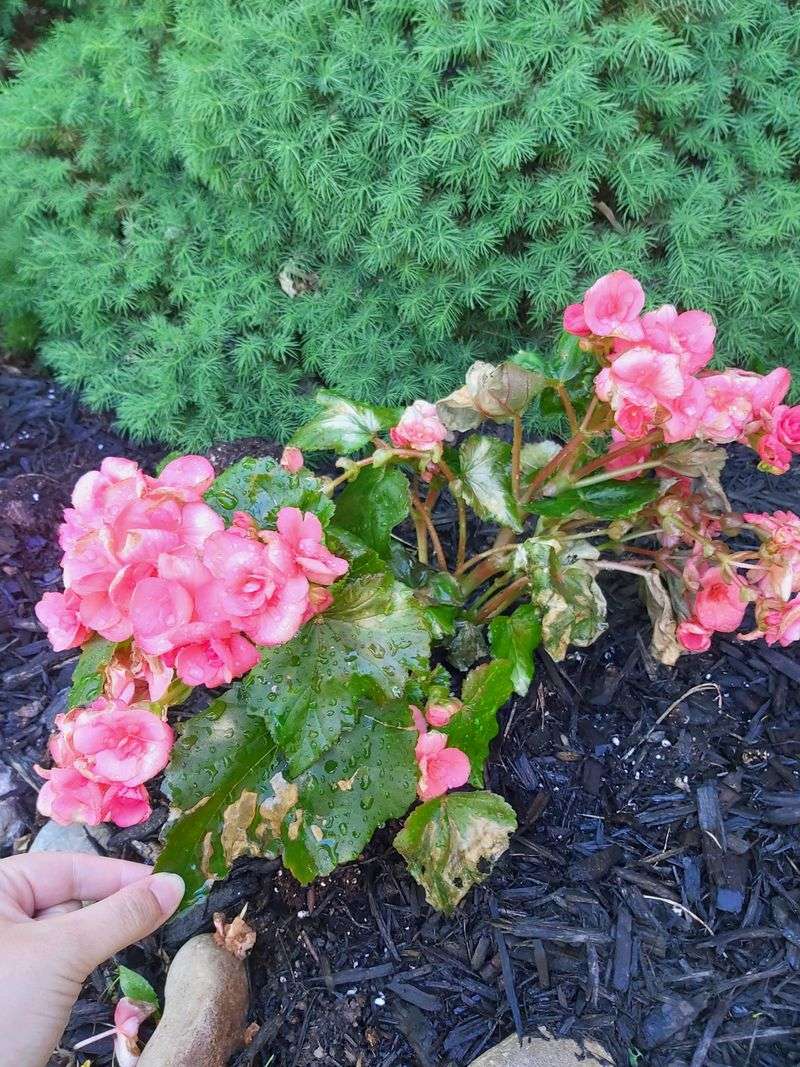
Wax begonias are a go-to bedding plant for many home gardens, and for good reason. They are tough, colorful, and relatively easy to grow in the right conditions.
But when they land in a bed that gets pounded by afternoon sun, stays soggy after storms, or lacks airflow, they can fade fast as summer heat builds toward its peak.
Stems may rot at the base, flowers may drop, and foliage can turn pale or spotty under the wrong conditions.
Angel wing begonias and other ornamental types have their own needs and tolerances, so treating all begonias the same way would be a mistake. Wax begonias (Begonia x semperflorens-cultorum) generally prefer partial shade to full shade in hot climates.
Afternoon sun protection is especially helpful during the hottest months. Moving container begonias to a bright shaded spot is an easy fix that can extend their season significantly.
Some in-ground plants are small enough to move without major root disturbance. For those, lifting them into a container and placing them in filtered light is worth trying before further decline.
Larger, established plantings in partially shaded beds with good drainage may not need any intervention at all. Check drainage first, improve shade where possible, and avoid overwatering, which is a common mistake that leads to stem rot in humid conditions.
7. Coleus Can Fade Fast When Summer Sun Hits The Wrong Bed
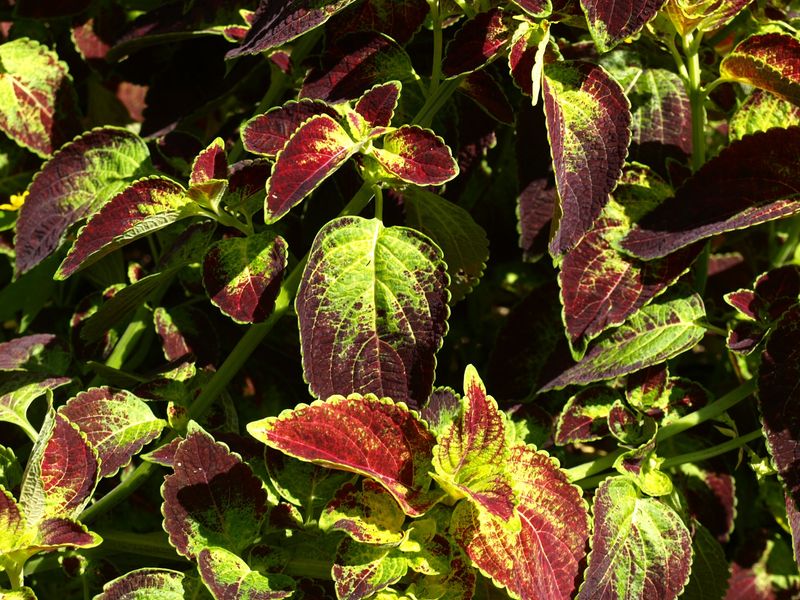
Coleus is one of the most popular foliage plants in warm-climate gardens, and its bold leaf patterns make it hard to resist at the nursery. Most coleus varieties are non-native tropical plants.
Plectranthus scutellarioides, formerly Solenostemon scutellarioides, is grown as an annual or short-lived perennial in Florida.
They love warmth, but not harsh, direct afternoon sun, especially when it combines with dry soil and reflected heat from pavement or light-colored walls.
Sun-tolerant coleus varieties exist and are worth seeking out if full-sun beds are unavoidable. But many standard varieties sold at garden centers are shade types that will bleach, wilt, and drop leaves when placed in too much direct light.
If coleus in a bed or container is losing color, wilting despite regular watering, or developing crispy leaf edges, act quickly. Moving it to bright filtered shade can often reverse the decline.
Container coleus are easy to relocate and tend to respond well once moved to a better spot. In-ground plants that are small enough to lift without major root disruption can be potted up and placed in shade during the worst of summer.
Pinching back leggy stems after moving can also encourage bushier, healthier regrowth.
Coleus that are healthy in a partially shaded, well-watered bed do not need to be moved at all. Assess the site honestly before deciding.
8. Torenia Struggles In Soggy Exposed Beds As Rainy Season Peaks
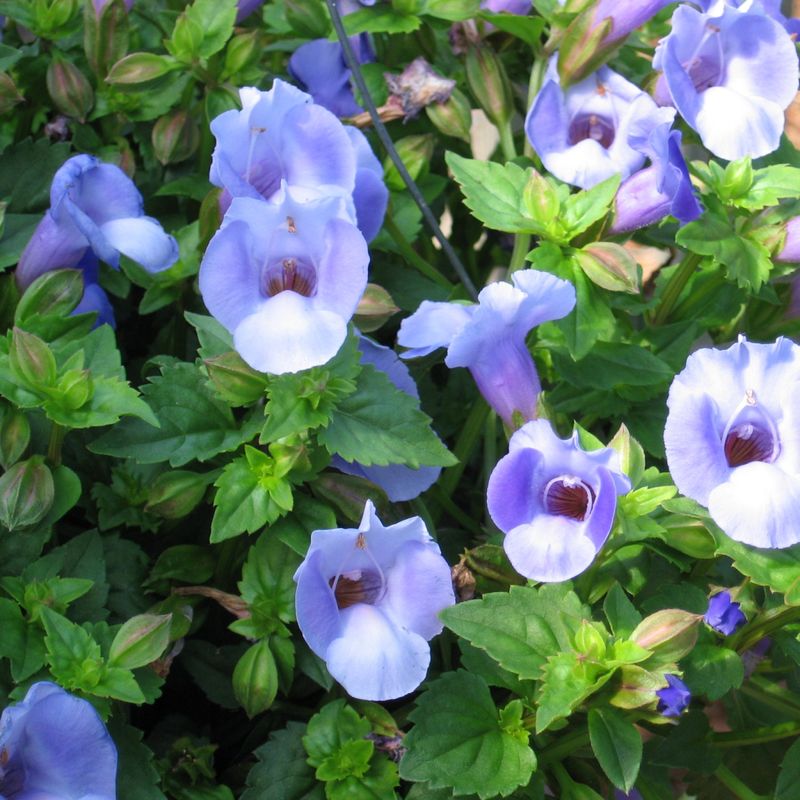
Torenia, sometimes called wishbone flower (Torenia fournieri), is a cheerful little annual. It performs beautifully in shaded beds and containers during the warmer months.
It handles heat better than traditional impatiens and offers a similar pop of color in low-light spots. The problem comes when it ends up in a bed that floods repeatedly during the rainy season.
It also struggles where airflow is poor and soil stays saturated for days after heavy storms.
Root rot is a real risk for torenia in poorly drained Florida beds, and once the stems start collapsing at the base, recovery is unlikely.
If torenia plants are in containers, moving them to a raised surface or covered area during heavy rain periods can protect roots from sitting in standing water.
In-ground torenia in a bed that drains well and stays consistently moist without flooding generally does not need intervention.
For plants already showing signs of rot or severe decline, removing them and improving drainage before replanting in fall is the smarter move.
Adding organic matter to beds, raising planting areas slightly, or switching to raised containers can all help prevent the same problem next season.
Torenia is a non-native annual. Treating it as a seasonal plant and planning replacements for cooler months is a practical, low-stress way to manage it through summer.