How To Revive Heat-Damaged Azaleas In Florida Before The Season Runs Out Of Time
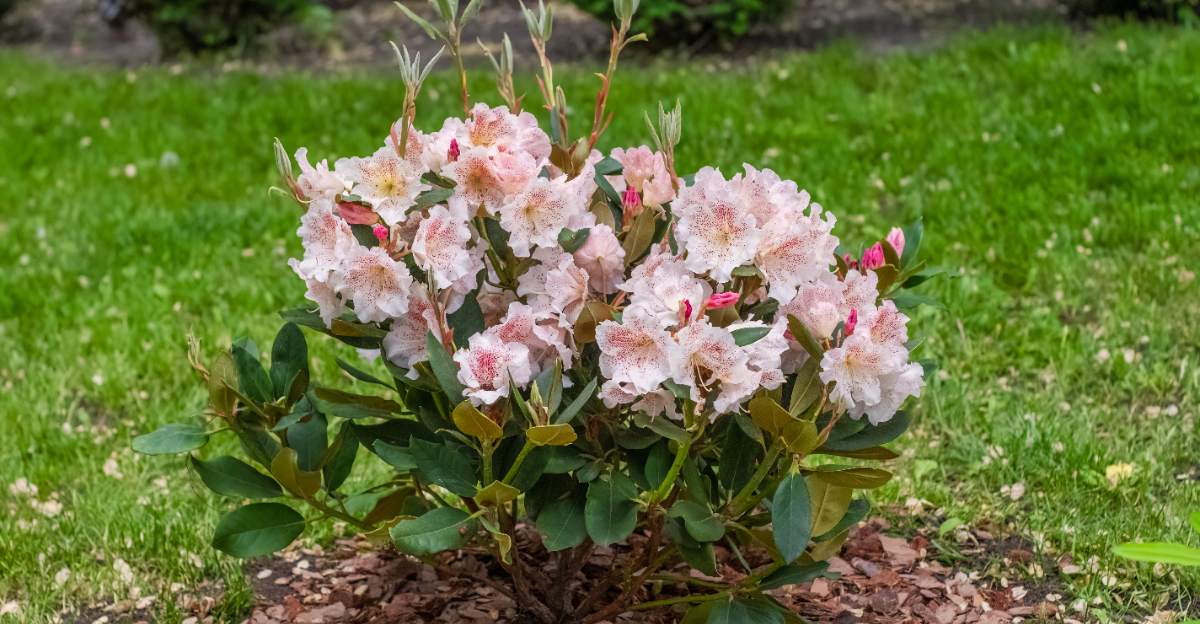
Florida azaleas are tougher than their reputation suggests, but summer heat has a way of finding their limits. A stretch of serious heat lands differently on azaleas than on most other shrubs.
Leaves scorch, stems go brittle, and a plant that was full and healthy in spring starts looking like it has run out of options by midsummer. Most Florida gardeners either do too much or nothing at all when azaleas show heat stress.
Both approaches cost the plant time it cannot afford to lose once the season is already this far along. Recovery is possible.
Azaleas hold more reserve than they appear to in a stressed moment, and the right response at the right time shifts the outcome in a meaningful way. The window for bringing a heat-damaged Florida azalea back before the season closes is real.
It is just not as wide as most people assume.
1. Check The Stems Before You Cut Back Crispy Growth
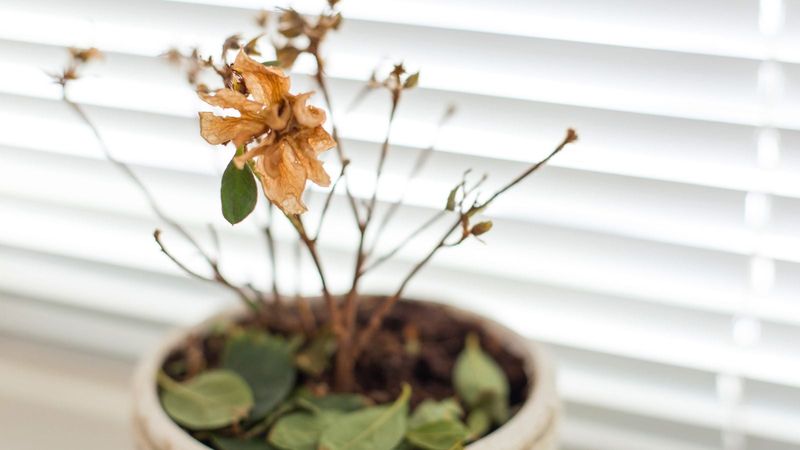
A wilted azalea with crispy brown leaves after a hot week can look completely lost, but looks can be misleading. Before reaching for pruning shears, take a moment to actually check whether the plant is still alive beneath all that damage.
Scratch a small section of stem gently with your thumbnail or a clean knife edge. Green or cream-colored tissue just under the bark is a good sign that the branch still has life in it.
Crispy leaves and browned tips do not always mean the whole branch needs to come off. Flexible stems that bend without snapping are far more promising than brittle, fully brown ones that crack at the slightest pressure.
Work your way from the outer tips inward, checking each branch section before cutting anything.
Cutting back too eagerly can remove wood that was still capable of pushing new growth. Start from the outermost tips and cut only what is clearly dry, brittle, and hollow.
Stop as soon as you reach tissue that looks and feels alive. Recovery is possible when live wood remains, so a careful assessment now saves you from shortening a shrub that could have bounced back on its own.
2. Move Potted Azaleas Out Of Afternoon Heat
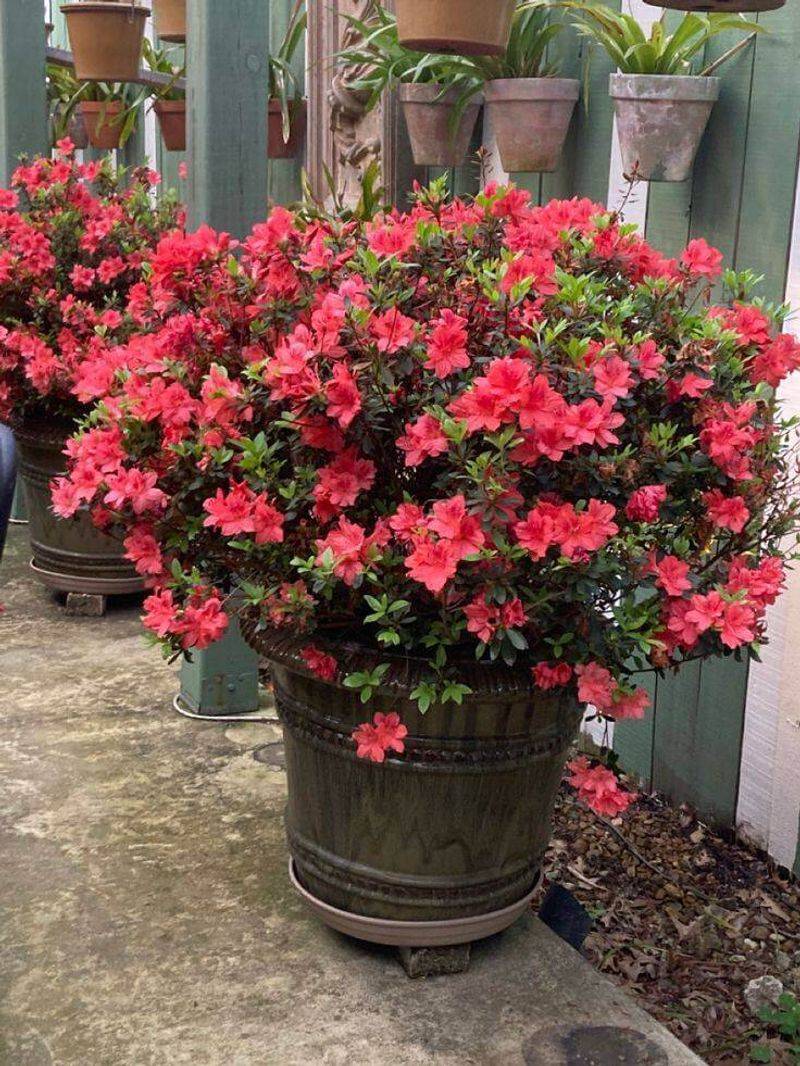
A potted azalea baking on a concrete patio or against a sun-facing wall is dealing with more than just air temperature.
The container itself absorbs heat, the roots have nowhere to escape, and reflected heat from nearby surfaces can push stress well beyond what the plant can handle.
Patios, driveways, and balconies can turn a manageable warm afternoon into a damaging one for container plants.
Moving the pot to a spot with bright shade, filtered light, or morning sun only can give the plant a real chance to stabilize. Azaleas still need light to recover, so deep shade is not the goal.
A spot under a tree canopy or near a structure that blocks harsh western afternoon sun is often a good fit during recovery.
In-ground azaleas planted in a tough spot may benefit from a temporary shade cloth while they recover. This is especially true near a south-facing wall or heat-reflecting surface.
Your Florida Garden Changes Every Week. Your Plan Should Too.
Gardening in Florida changes quickly throughout the season. Every Friday you’ll receive a simple weekly plan showing exactly what to plant, prune, fertilize, harvest, and protect so you never miss the right timing.
Digging up an established shrub during peak summer heat adds serious stress and is rarely the right first move. Focus on improving conditions around the plant first.
If the site is truly wrong for the long term, that conversation is better saved for cooler weather.
3. Water Deeply Without Leaving Roots Soggy
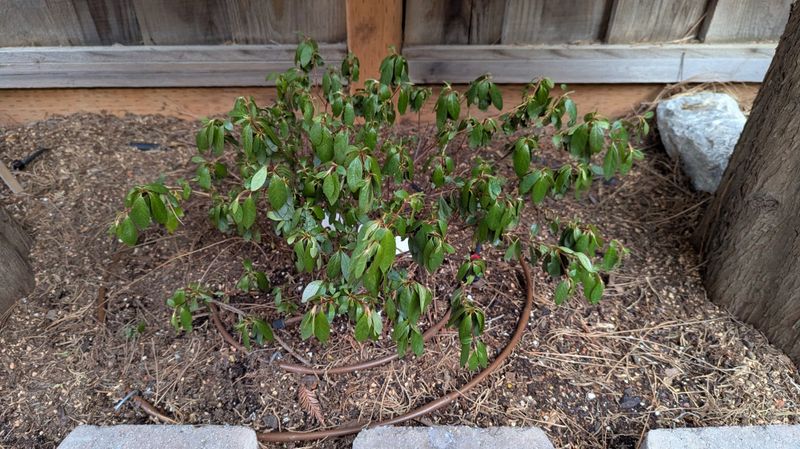
Yellowing leaves after a stretch of heavy rain can fool a Florida gardener into thinking the azalea needs more water. But soggy roots and drought-stressed roots can produce similar symptoms, including wilting, leaf drop, and a tired-looking shrub.
Guessing without checking can make things worse, so push a finger or a wooden dowel a few inches into the soil near the root zone before watering again.
Heat-stressed azaleas need consistent, even moisture rather than frequent shallow sprinkles or daily flooding. Water deeply when the soil feels dry about two inches below the surface, then let excess water drain away completely.
Sandy soil drains fast, so plants in open garden beds may dry out quickly between rains, while plants in low spots or clay-influenced soil can stay wet far too long.
Containers add another layer of complexity. Saucers that hold standing water can keep roots wet long after watering, and clogged drainage holes can trap moisture at the bottom of the pot.
Check that water moves freely through the container. Root stress from soggy conditions can look identical to drought stress on the outside, so drainage is just as important as moisture during recovery.
4. Refresh Mulch Before Shallow Roots Overheat
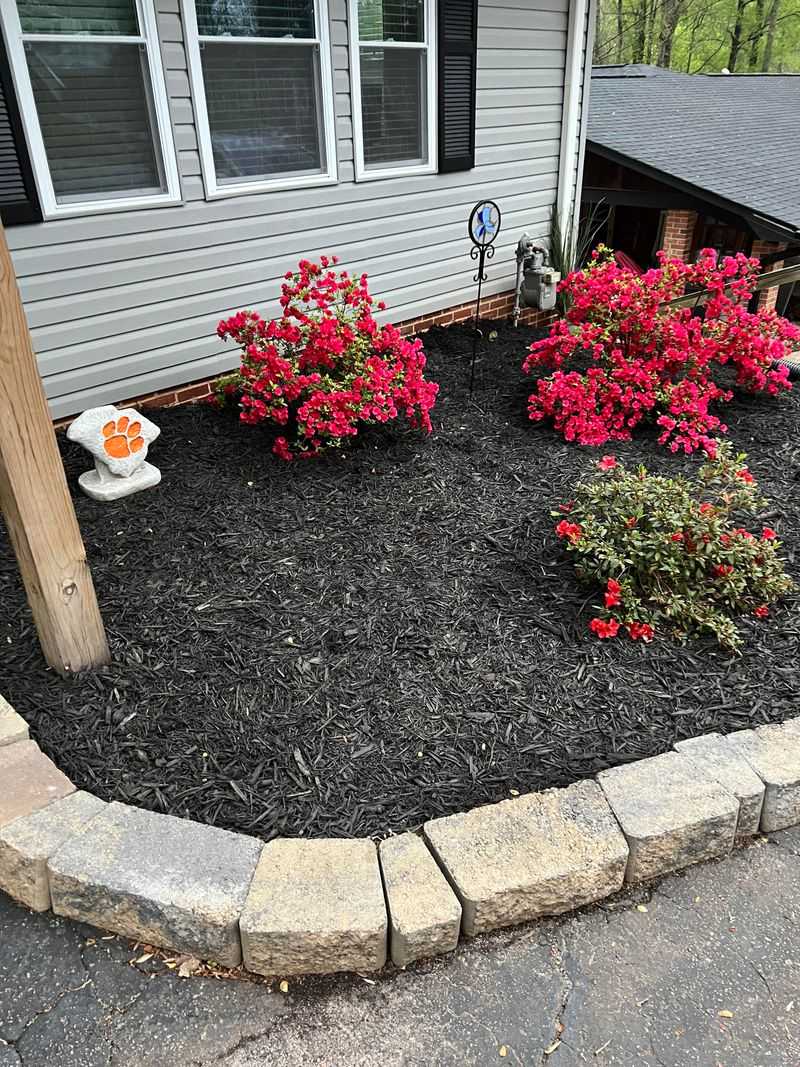
Azalea roots grow close to the surface, which means they are among the first to feel the effects of hot, dry soil. A mulch ring that has thinned out, dried up, or washed away during the rainy season offers little protection to a stressed plant.
Refreshing the mulch layer around your azaleas is one of the most practical things you can do to support recovery.
A two to three inch layer of organic mulch helps moderate soil temperature and slow moisture loss. Pine bark or pine straw can also reduce the impact of surface heat on shallow roots.
Keep mulch a few inches away from the base of the stem and the crown of the plant. Piling mulch directly against woody stems traps moisture and can lead to rot or pest problems over time.
Avoid thick, compacted piles that can prevent water from reaching the root zone or stay wet and suffocate roots beneath them. Fresh, loose organic mulch applied correctly creates a steadier environment for roots trying to recover.
When roots are more comfortable, the plant has a better chance of pushing new growth. Signs of improvement include small new leaf buds or fresh green tips emerging from the branch tips within a few weeks.
5. Remove Damaged Leaves Without Stripping The Shrub
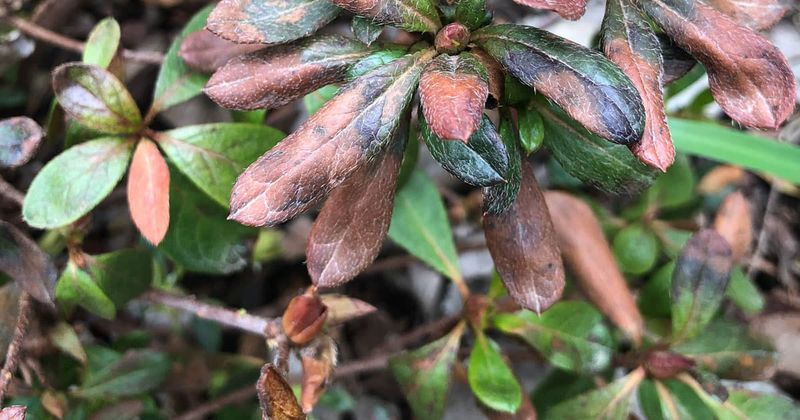
Crispy tips near a driveway or foundation wall can make an azalea look worse than it actually is. Fully browned, papery leaves that are clearly spent can be removed to tidy the plant and improve airflow.
Pulling off every damaged leaf at once can leave the shrub more vulnerable during peak heat. Some of those partially damaged leaves are still doing quiet work by shading stems and nearby foliage.
Light cleanup makes the most sense when leaves are completely dried out and no longer attached firmly to the stem. If a leaf pulls away easily with a gentle tug, it is ready to come off.
Leaves that are yellowing but still attached and somewhat firm may still be contributing to the plant, even if they look rough. Waiting a bit longer before removing those is often the safer choice.
Stripping a stressed shrub bare can expose stems to direct sun and heat, adding a new layer of stress on top of the existing damage. Azaleas need enough remaining foliage to support recovery.
A selective approach, removing only what is clearly finished while leaving everything else intact, gives the plant more resources to work with. Signs of progress include new growth tips appearing at the base of remaining branches.
6. Pause Fertilizer Until New Growth Looks Steady
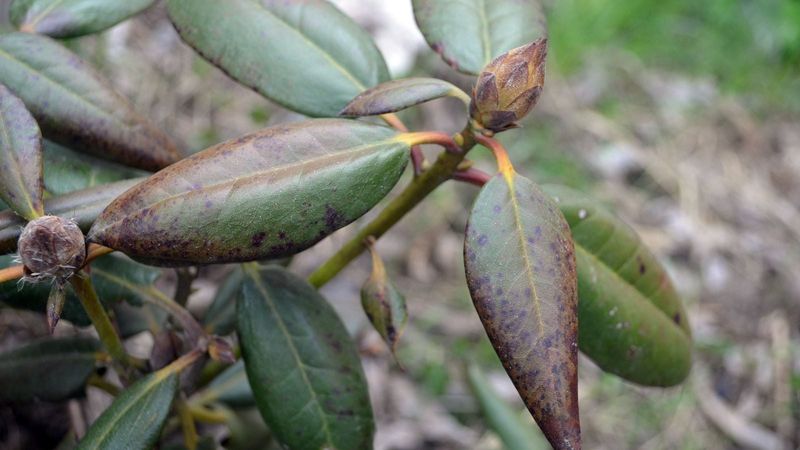
Reaching for fertilizer when a shrub looks bad feels like a natural response, but pushing a heat-damaged azalea with nutrients before it is ready can backfire. Fertilizer salts can stress roots further when the plant is dry, waterlogged, or not actively growing.
A root system that is already struggling does not have the capacity to take up nutrients efficiently, and adding more can cause additional root injury.
Hold off on fertilizer until you see signs that the plant is stabilizing, such as new leaves emerging or stems that look firm and healthy rather than soft and stressed. Once steady new growth appears, an acid-forming fertilizer suited for azaleas may be appropriate.
Use it only if the plant shows signs of nutrient deficiency. Always check local fertilizer ordinances before applying, since many counties in this state have seasonal restrictions.
Soil pH plays a big role in nutrient availability for azaleas. Even a well-fertilized plant can show yellowing and poor growth if the soil is too alkaline for nutrients to be absorbed.
A simple soil test through your local Extension office can clarify whether a pH adjustment, a nutrient issue, or a watering problem is behind the symptoms. Do not confuse one problem for another and apply the wrong fix.
7. Watch For Lace Bugs On Heat-Stressed Azaleas
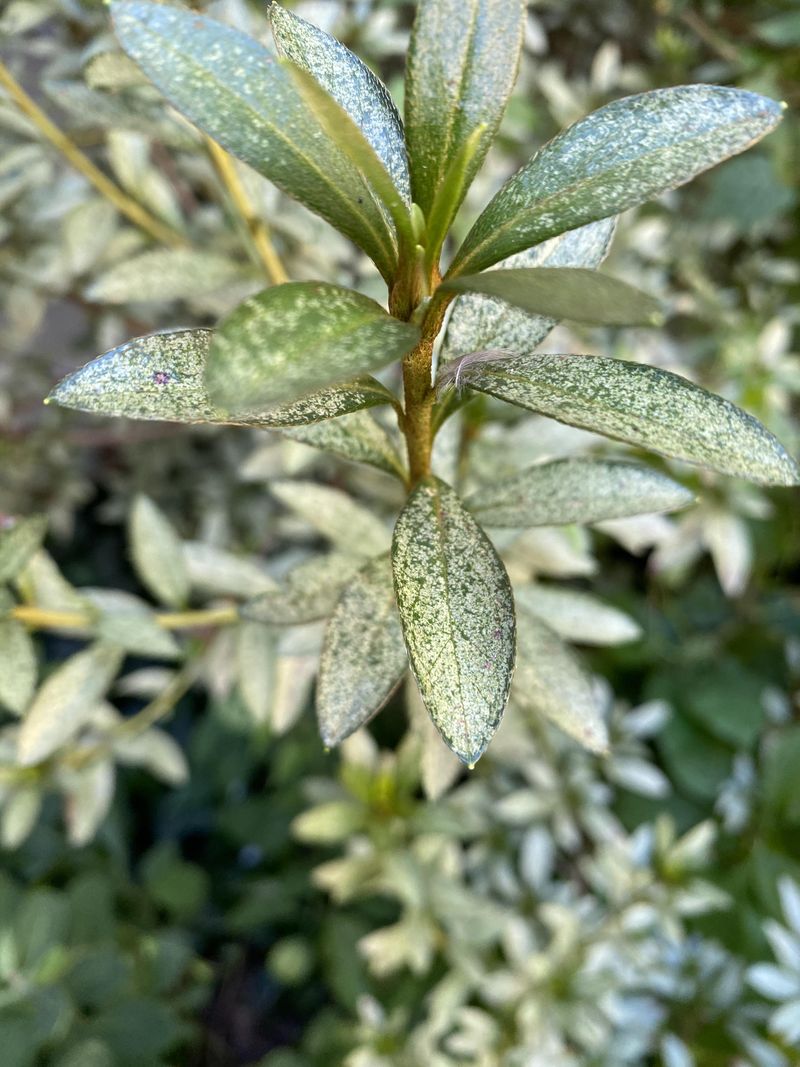
Stippled leaves that look pale, washed out, or almost silvery on top are worth flipping over for a closer look. Azalea lace bugs are a recognized pest concern on azaleas in warm regions, particularly on plants growing in sunny or partially sunny spots.
According to UF/IFAS, lace bugs feed on the underside of leaves and leave pale stippling on the upper surface. They also leave dark, varnish-like specks on the leaf undersides.
Heat-stressed plants can be more vulnerable to pest pressure, which makes monitoring especially useful during Florida summer. Check leaf undersides regularly, looking for the insects themselves, shed skins, and the characteristic dark spotting.
Identifying the pest before treating is essential. Broad pesticide applications made without a confirmed diagnosis can disrupt beneficial insects and add stress to an already struggling plant.
Horticultural oils and insecticidal soaps are sometimes used for lace bug management. Applying oil-based products during hot, sunny weather can increase the risk of leaf injury.
Always read the product label fully before applying anything, follow the directions exactly, and avoid treating during the hottest part of the day. If you are unsure about identification or treatment options, your local UF/IFAS Extension office can provide guidance specific to your area and situation.
8. Protect Next Season’s Buds Before You Prune Too Late
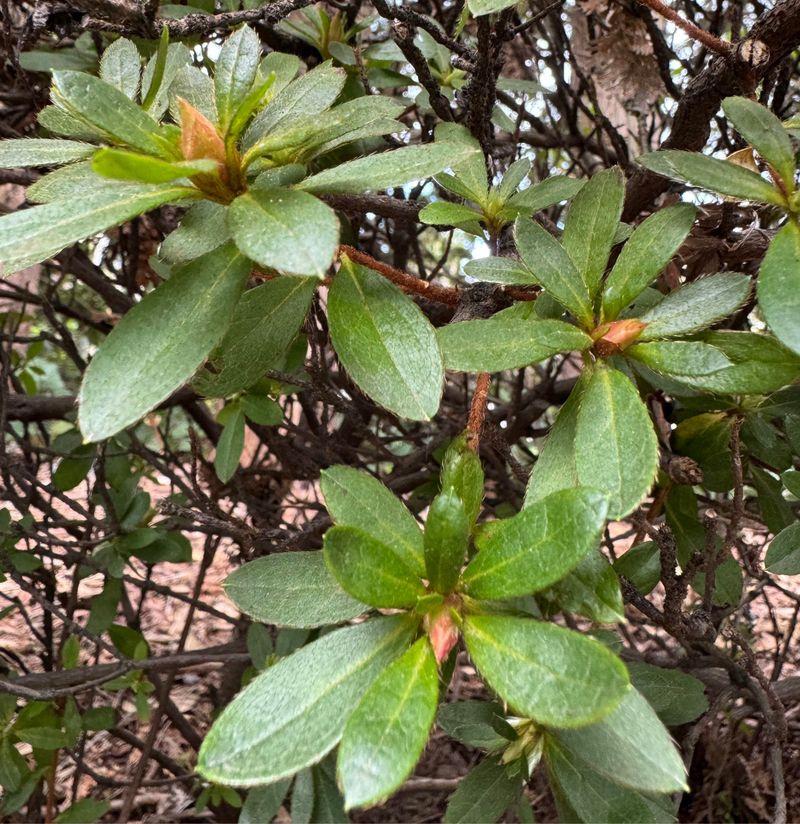
Buds at risk from late pruning are a real concern that often catches Florida gardeners off guard. Many azalea varieties set flower buds for the following spring after they finish blooming in spring and into the growing season that follows.
According to UF/IFAS, pruning azaleas too late in the season can remove those developing buds and result in a shrub that leafs out fine but does not bloom the next year.
Heavy pruning is generally best done soon after flowering in spring, while the plant still has time to grow, set new buds, and harden off before winter. A heat-damaged azalea in summer calls for selective pruning, not a hard late cut across the whole plant.
Remove only clearly deceased or brittle wood, and leave everything else alone unless there is a specific structural reason to cut.
Recovery does not always look dramatic at first. A shrub that was stressed in summer may push modest new growth before slowing down as temperatures cool.
That is not a failure. Protecting whatever live wood remains, keeping roots comfortable, and avoiding late hard pruning gives both the plant and next season’s flowers the best possible chance.
Patience matters as much as any single care step when helping an azalea through a rough summer.