These Are The Florida Plants That Help Discourage Armadillos From Digging In Your Garden
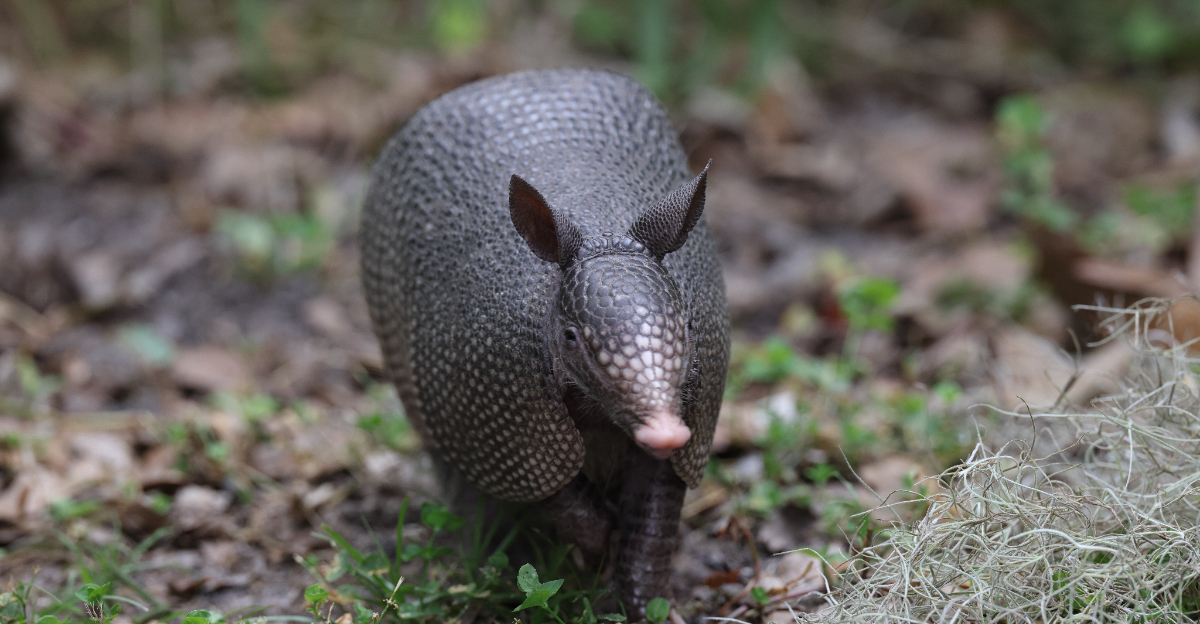
Armadillos are single minded about one thing. Whatever is living in your soil, grubs, worms, insects, they want it, and a well-maintained Florida garden bed is basically an invitation to start excavating.
One night of armadillo activity can undo hours of work, and the frustrating part is that they tend to come back to the same spots until something changes. Most deterrent advice focuses on fencing and repellent sprays.
Both have their place, but what grows in and around a garden bed plays a role that rarely gets mentioned. Certain plants produce scents and textures that armadillos find genuinely off-putting.
A few create a ground-level environment that works against the kind of digging they prefer. None of them are a perfect solution on their own.
As part of a broader approach, the right plant choices add a layer of discouragement that costs nothing extra once they are in the ground.
1. Rosemary Adds Scent Around Beds Armadillos Keep Disturbing
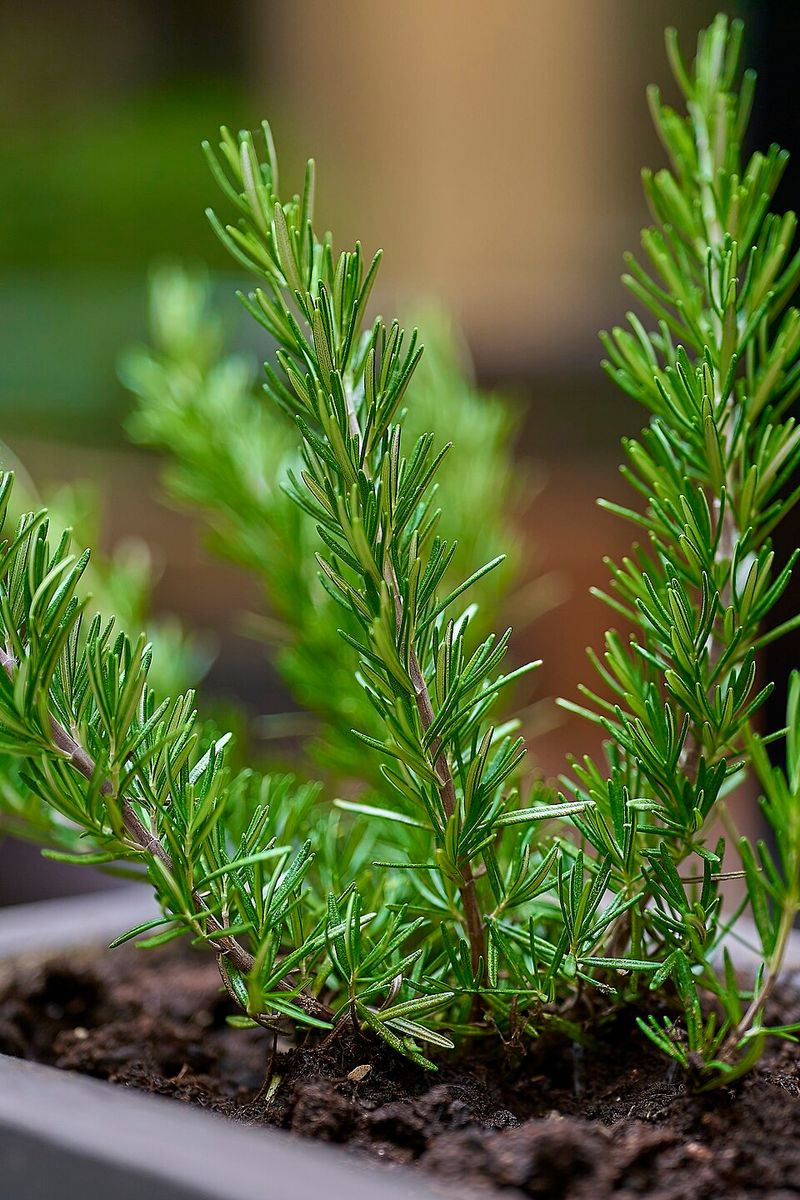
A sunny Florida raised bed with sharp drainage and a clean aromatic edge is exactly where rosemary (Salvia rosmarinus) earns its place in a thoughtful garden design.
This woody herb brings upright structure, silvery-green foliage, and a bold scent that many people find pleasant.
That scent may make a garden edge feel less like an easy open feeding zone. Its fragrance is strong enough to notice from several feet away.
That is part of why it gets mentioned in conversations about making beds feel less inviting to curious noses.
Rosemary grows well in hot, sunny spots with well-drained, even sandy soil. It handles drought after establishment and works nicely along patio edges, raised bed borders, and dry foundation plantings.
Beyond its practical role, it is a genuinely useful culinary herb that attracts pollinators and adds year-round structure to a bed.
Be honest about its limits, though. Rosemary does not repel armadillos.
Scent and structure may help make a bed feel less open and accessible, but a grub-heavy patch of soil will still draw digging activity regardless. It also struggles in soggy ground and poorly drained spots, which are common in low-lying areas during the rainy season.
Pair it with firmer mulch edges and responsible grub management for a more realistic layer of protection around vulnerable garden beds.
2. Society Garlic Creates A Strong-Smelling Border Near Paths
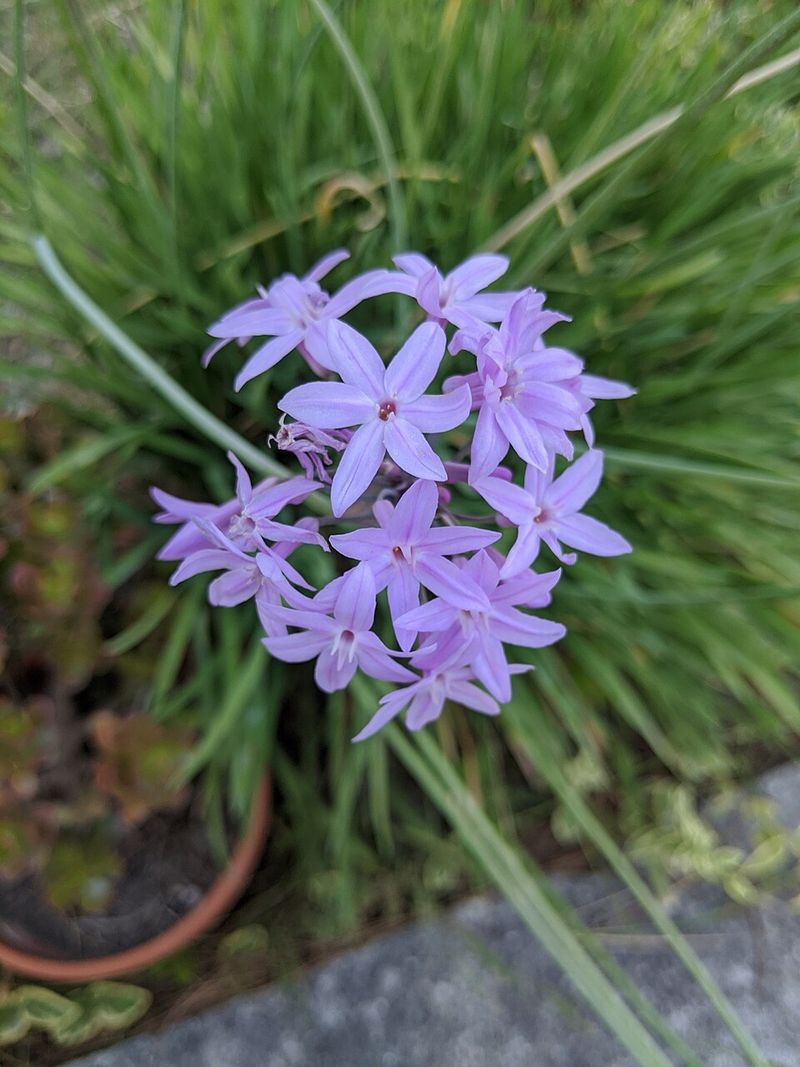
Few Florida edging plants pack as much sensory punch into a tidy clump as society garlic (Tulbaghia violacea). Run your hand along its narrow, strappy foliage and the sharp garlic-like scent is immediate and unmistakable.
That strong aromatic quality is what earns it a spot on this list. A well-managed scented edge may help define a bed and make it feel less like a blank, open feeding ground near paths and sunny borders.
Small purple flowers appear seasonally and draw pollinators, making it a practical and pretty edging choice for patios, walkway borders, and sunny bed margins.
Your Florida Garden Changes Every Week. Your Plan Should Too.
Gardening in Florida changes quickly throughout the season. Every Friday you’ll receive a simple weekly plan showing exactly what to plant, prune, fertilize, harvest, and protect so you never miss the right timing.
It clumps neatly, stays low, and does not create the kind of debris-catching mess that can invite other yard problems.
Spacing plants correctly and giving them good drainage keeps the clumps looking tidy and healthy through warm months.
Worth noting clearly: society garlic is non-native. It originates from southern Africa and is commonly grown as an ornamental in warm regions, but it is not a native species.
It is not listed as invasive in this state. Still, responsible gardeners should monitor clumps, avoid letting it spread beyond intended borders, and keep up with occasional cleanup.
Like every plant on this list, it works best as part of a broader strategy. That strategy should include firming up mulch, managing grubs responsibly, and using physical bed barriers where needed.
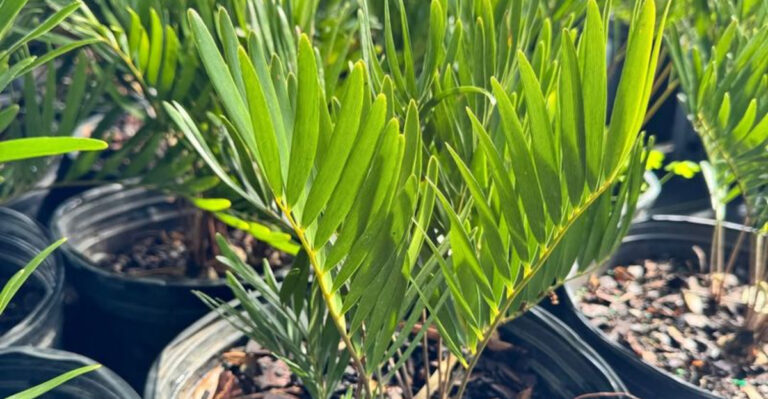
3. Coontie Gives Digging Spots Tough Evergreen Structure
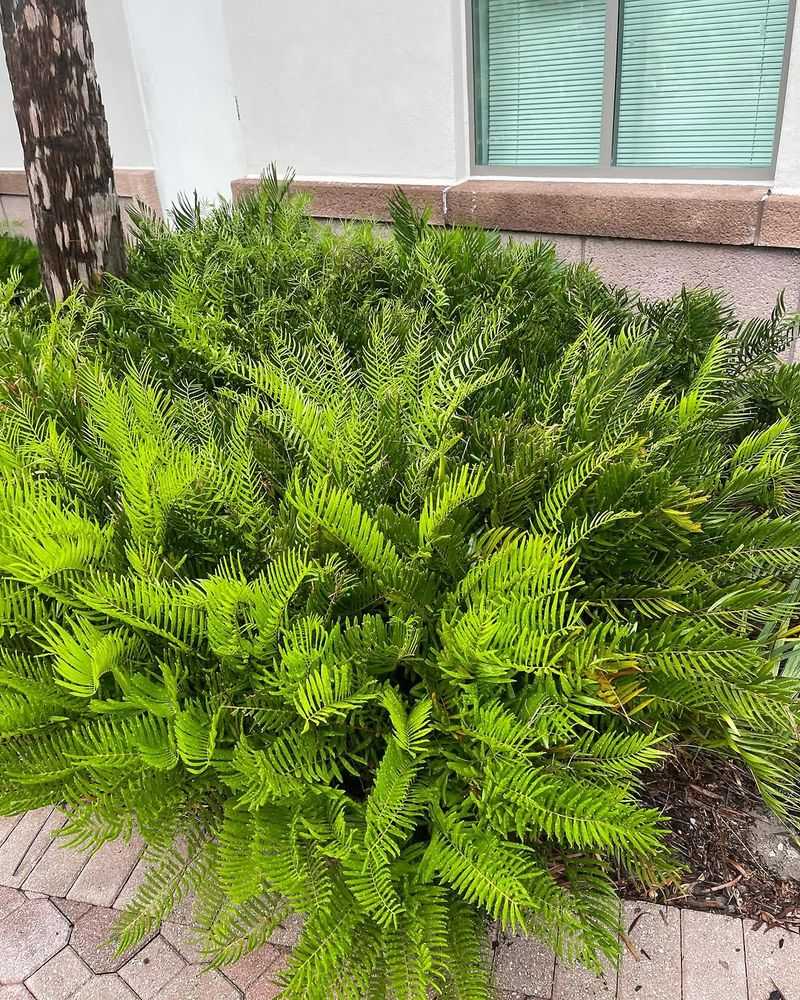
Beds that keep getting disturbed often share one thing in common: they look open, loose, and easy to access. Coontie (Zamia integrifolia) changes that equation with tough, sculptural evergreen fronds that bring genuine visual weight and density to a planting.
This native cycad has been part of this state’s natural landscape for thousands of years. Its low, spreading form can make a bed feel far less like bare, workable ground.
Coontie is also the sole larval host plant for the Atala butterfly, a striking native species that was once thought locally gone but has made a meaningful comeback.
Planting coontie supports that recovery directly, which makes it one of the more ecologically valuable choices on this list.
After establishment, it handles drought well and works in full sun to partial shade. It fits comfortably into foundation beds, naturalistic borders, and shaded garden edges.
A quick clarification worth making: coontie is a cycad, not a true palm, even though its fronds can give a similar impression.
Dense structural planting can reduce the exposed, loose-soil look that makes some edges more attractive to digging activity, but coontie does not repel armadillos.
Pair it with hardware cloth barriers under beds and consistent grub management for a more complete approach. Give it room to spread slowly and avoid overwatering, especially in heavier soils.
4. Prickly Pear Makes Sunny Edges Harder To Nose Through
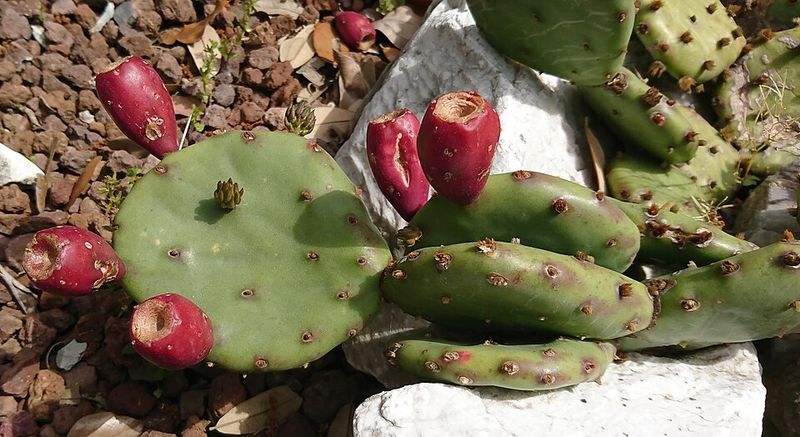
Hot, dry, sunny edges where nothing else seems to want to grow are exactly where native prickly pear cactus can earn its keep.
Species like Opuntia humifusa are native to this state and bring flat green pads, bright yellow flowers, and small fruit that wildlife genuinely use.
The spines are the obvious feature here, and on a dry exposed edge, they can make some spots harder to nose through or push past without discomfort.
Beyond the physical barrier quality, prickly pear is genuinely low-maintenance once established in the right spot. It handles drought, poor sandy soil, and intense heat without complaint.
Birds and other wildlife feed on the fruit, which adds real ecological value to a planting that also serves a practical purpose along a garden edge.
Placement matters enormously here. Prickly pear must be kept well away from walkways, pet paths, play areas, children, and delivery workers.
Avoid any spot where people or animals might brush against it accidentally. Spines can cause serious discomfort and are difficult to remove from skin or paws.
Also be clear: spines on a garden edge may make some spots harder to disturb, but they do not solve armadillo digging on their own. A motivated armadillo following a grub scent will work around obstacles.
Use prickly pear as one layer of a broader, wildlife-safe yard strategy.
5. Dwarf Yaupon Holly Keeps Foundation Beds Dense And Tidy
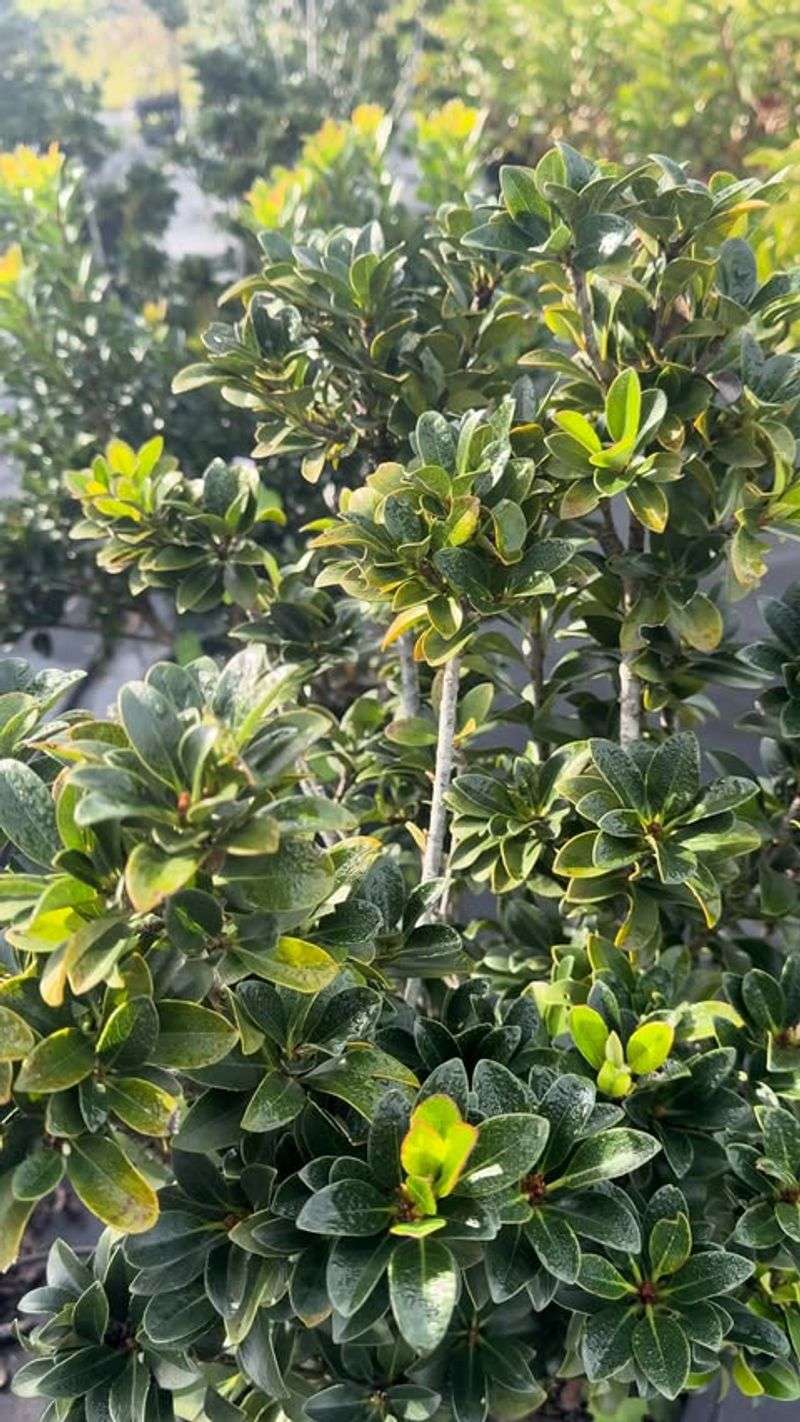
Foundation beds that look full, dense, and well-structured simply feel less like an open invitation. Beds with bare patches of loose mulch between widely spaced plants are more vulnerable.
Dwarf yaupon holly cultivars (Ilex vomitoria dwarf selections) are built for exactly this kind of tidy, filled-in look.
Their compact, rounded form and small evergreen leaves create a polished, low-maintenance edge that makes foundation beds feel managed rather than open and workable.
Yaupon holly is a native species, which is worth celebrating. It supports native pollinators, tolerates drought after establishment, and handles both sunny and partly shaded spots across a wide range of soil conditions.
Dwarf cultivars stay low without aggressive pruning. That makes them practical choices for tight foundation beds, low borders, and neat landscape edges in yards with children or pets.
Cultivar selection does matter here. Not all yaupon cultivars behave the same way in terms of size, density, or growth rate.
Checking with a local nursery or your county Extension office before planting helps you choose the right form for your space.
Dense planting can reduce the number of exposed, loose-soil zones where digging tends to happen, but yaupon holly does not repel armadillos.
Combine it with firmer mulch management and grub reduction through responsible lawn care. Add physical barriers under vulnerable beds for a more realistic approach to protecting your garden edges.
6. Muhly Grass Softens Edges Without Loose Mulch Mess
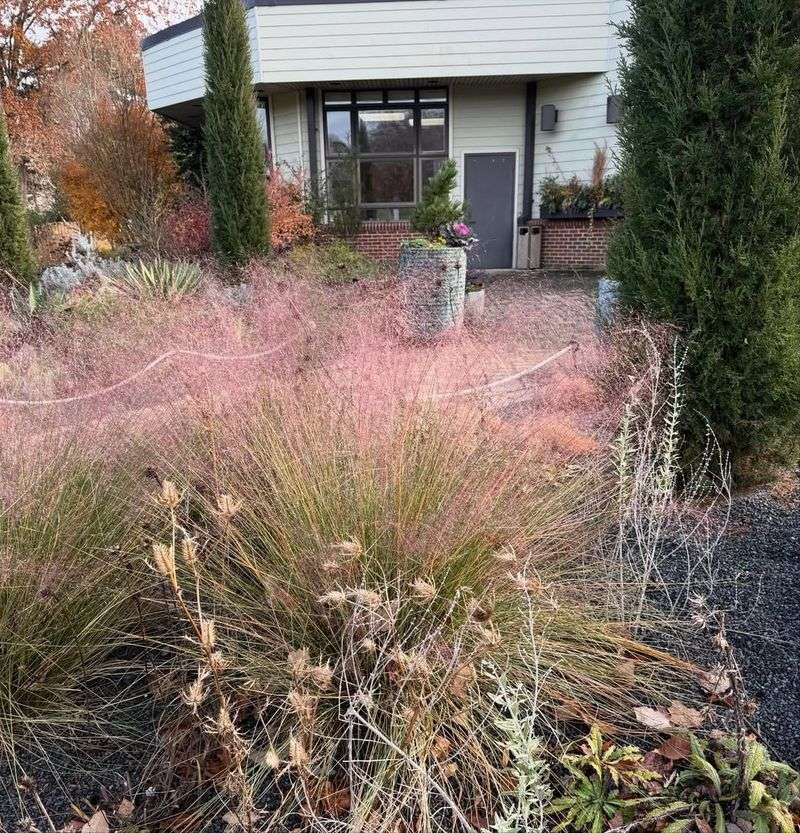
There is something quietly striking about a row of muhly grass (Muhlenbergia capillaris) catching afternoon light along a sunny bed edge. The airy pink-purple plumes that appear in fall are genuinely beautiful.
The real practical value here is that this native grass can help define a bed edge without creating the loose, bare, easy-to-nose-through surface that tends to attract digging activity.
Planted in spaced clumps, muhly grass softens the transition between lawn and garden bed without turning into a debris-catching tangle.
It prefers full sun and well-drained soil, handles drought well after establishment, and fits naturally into Florida-Friendly Landscaping designs.
Its fine-textured foliage moves gently in a breeze and adds seasonal interest that most structural plants simply cannot match.
Clumps do need occasional cutting back, usually in late winter before new growth begins, to keep them looking their best and prevent buildup of deceased material at the base.
Open clumps help define edges and reduce exposed soil zones, but muhly grass does not repel armadillos.
A bed edge that feels more defined and less like bare loose mulch may be slightly less appealing to casual digging. Determined armadillos following grub scent will still investigate.
Pair muhly grass with grub management, firmer bed edging, and physical barriers under raised beds for a more complete and realistic garden protection plan.
7. Wild Lime Adds Thorny Native Structure To Vulnerable Borders
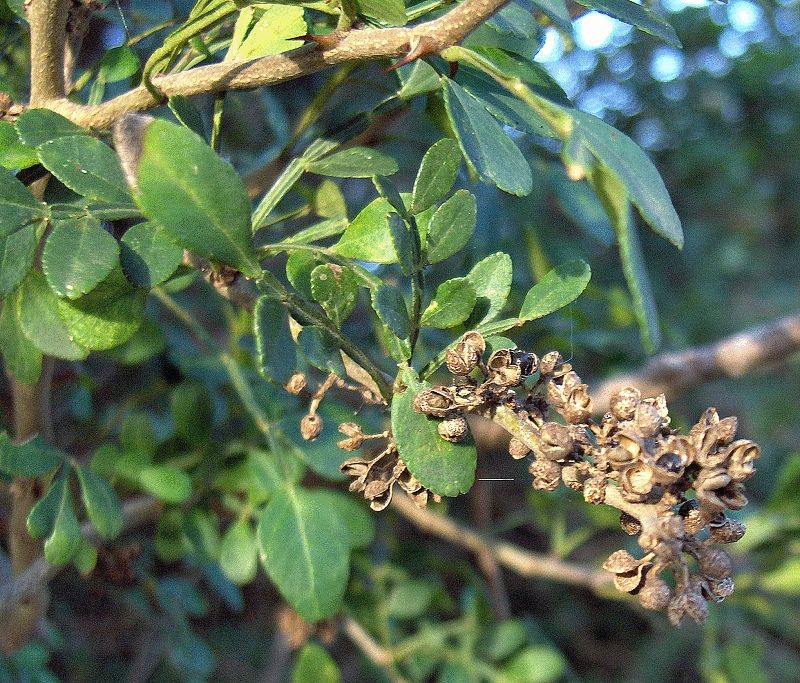
Along a Florida property edge or wildlife hedge, structure and toughness may matter more than delicate ornamental charm. Wild lime (Zanthoxylum fagara) brings something few native plants can match.
This native thorny shrub or small tree has sharp recurved thorns, aromatic foliage, and a dense branching habit. It can make a border feel genuinely hard to push through or nose around without effort.
Wild lime also serves as a larval host plant for the giant swallowtail butterfly, one of the largest and most recognizable butterflies in this state. That ecological role makes it a meaningful addition to a wildlife-aware yard, not just a barrier plant.
Birds use its structure for shelter, and its small fruit has value for native wildlife as well.
Placement requires serious thought. Wild lime should never go near tight walkways, play areas, pet paths, or spots where gardeners, children, or visitors move frequently.
Thorns on a wild lime are genuinely sharp and can cause real discomfort. Keep it along property edges, wildlife corridors, and open sunny borders where foot traffic is minimal.
Thorny structure can make some borders less easy to nose through, but wild lime does not control armadillo activity on its own. Combine it with responsible grub management and physical bed barriers.
Add guidance from your local UF/IFAS Extension office for a well-rounded and wildlife-safe approach to protecting vulnerable garden borders.
8. Fakahatchee Grass Protects Wide Edges With Bold Clumps
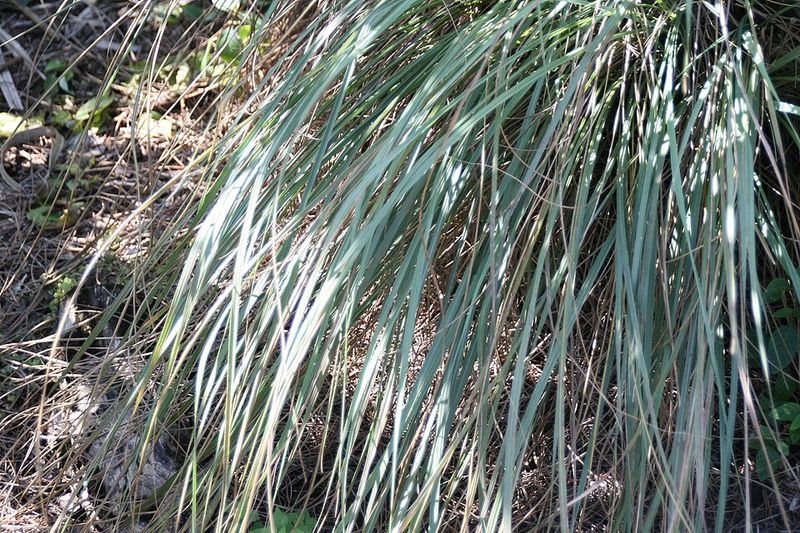
Wide open bed edges, broad sunny borders, and pond margins often leave loose soil exposed for long stretches. Those are exactly the kinds of spots where Fakahatchee grass (Tripsacum dactyloides) makes sense.
Bold, arching clumps of this native grass can reach several feet in both height and width, and that sheer physical presence changes how a wide edge looks and feels.
A broad clump of well-established Fakahatchee grass reduces the expanse of loose, open soil that tends to look like easy digging territory.
Beyond its size, this grass has real wildlife value. Birds use the seeds, and its dense clumping structure provides cover for small wildlife.
It handles a range of moisture conditions, including spots that stay moist seasonally. That makes it more flexible than many other grasses for edges near retention areas or low spots in the yard.
Size is the most important thing to understand before planting. Fakahatchee grass needs significant room and is far too large for tight foundation beds, small raised beds, or narrow borders near walkways.
It belongs in bigger plantings where its bold form can be appreciated without overwhelming a space. Dense clumps can reduce exposed loose-soil edges, but this grass does not repel armadillos.
Pair it with physical barriers and responsible grub management. Contact your local UF/IFAS Extension office when digging pressure becomes a persistent problem in your yard.