What Smart Kentucky Gardeners Do To Save Their Plants After A Storm Before It Gets Hot
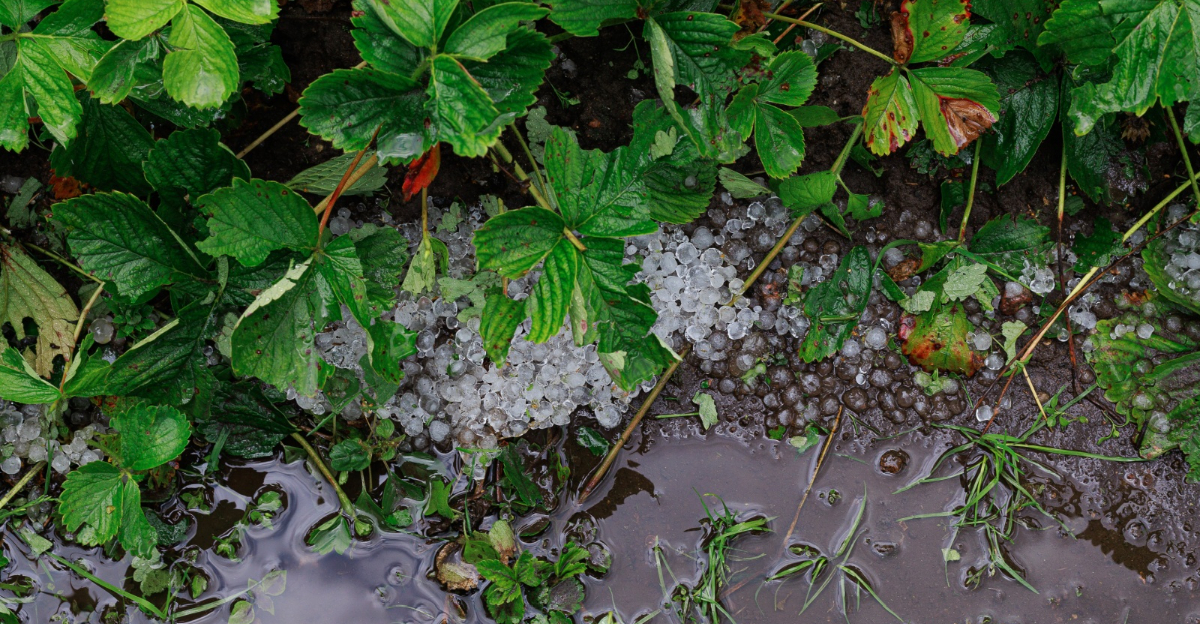
The storm is gone but the real trouble is still coming. What sets back most garden plants after a storm is not the wind or the rain.
It is the heat that follows. Waterlogged roots sitting in compacted soil, snapped stems left open to bacteria, stressed plants baking under a July sun.
That combination is quietly devastating. Kentucky summers do not give gardeners a grace period.
You have a narrow window, maybe three or four hours, before conditions turn against everything still alive in that garden bed.
Most people walk outside, feel relieved the worst is over, and then still see significant plant losses in the days that follow. Because they did not know what to do in the hours that followed.
The steps that actually save a storm-hit garden are specific, fast, and nothing like what most beginners expect.
Kentucky gardeners who have been through a few relentless summers know that what you do before noon matters more than anything else you will do all season. Are you making the same mistakes?
1. Check For Downed Power Lines First

Stop everything before you grab your pruning shears. A downed power line near your garden beds is not a gardening problem, it is a serious safety hazard that requires immediate attention.
Most people underestimate how quickly a familiar backyard becomes dangerous after a major storm rolls through.
Even if the line looks inactive or harmless, never assume it is safe. Live wires can energize wet soil, puddles, and metal fencing instantly.
The ground itself can carry current several feet away from where the wire is actually touching. Call your local utility company before stepping outside after any major storm.
They can confirm whether power has been cut to the affected line in your area. Keep that number saved in your phone before storm season begins, not after.
Stay at least 30 feet away from any wire touching the ground or hanging low. Teach every family member the same rule before storm season begins each year. Children especially need to hear this more than once.
Wet grass conducts electricity faster than you might expect. Rubber-soled shoes offer some protection, but they are not a guarantee of safety near live lines.
Do not let confidence in your footwear replace good judgment. Once the utility crew clears the area, document everything before touching a single plant.
Your safety is the foundation of every smart gardening decision you make after a storm. Skipping this step to save a few tomatoes is never worth the risk.
2. Photograph All Affected Areas For Insurance
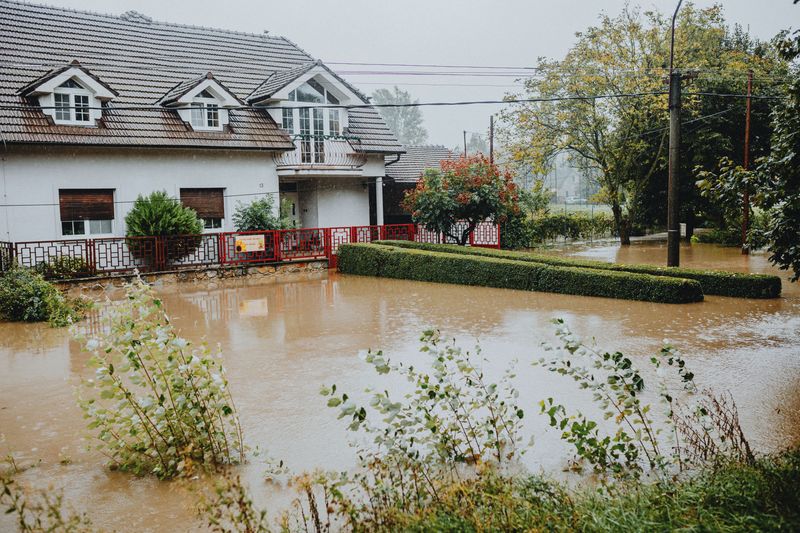
Before you move a single broken branch, grab your phone. Insurance adjusters need visual proof of storm damage, and photos taken immediately carry the most weight.
Waiting even a few hours can change what the scene looks like and weaken your claim before it even starts. Walk every corner of your yard and shoot wide shots first, then close-ups.
Capture fallen trees, crushed garden beds, snapped fence posts, and flooded vegetable rows. Do not skip the areas that look minor because adjusters look at the full picture, not just the obvious.
Your Kentucky Garden Changes Every Week. Your Plan Should Too.
Gardening in Kentucky changes quickly throughout the season. Every Friday you’ll receive a simple weekly plan showing exactly what to plant, prune, fertilize, harvest, and protect so you never miss the right timing.
Time-stamped photos are your best friend when filing a homeowner claim. Most insurance apps even allow you to upload images directly from the scene in real time.
Check whether your provider has one before storm season arrives. Do not forget to photograph any damage to raised garden structures, pergolas, or greenhouse panels.
These are often overlooked but covered under many standard homeowner policies. A quick photo now can translate into real money back later.
Make short video walkthroughs too, narrating what you see out loud. Adjusters respond well to video because it shows context that still photos sometimes miss.
Keep each clip under two minutes and speak clearly about what you are looking at. Back up everything to a cloud folder right away before the battery runs out or the phone gets muddy.
Losing documentation makes the entire claims process significantly harder than it needs to be. A solid photo record gives you leverage and peace of mind when the paperwork begins.
3. Prune Torn Branches Cleanly
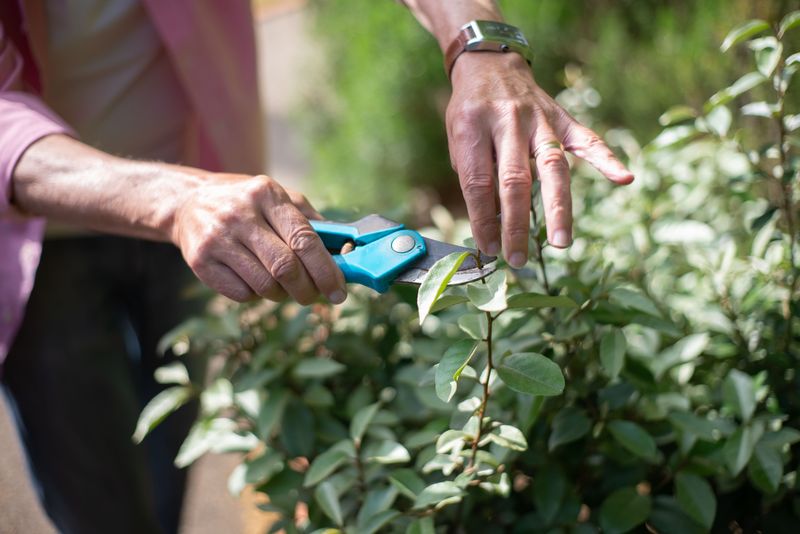
Jagged tears on branches are open invitations for fungal disease. Storms rarely snap wood cleanly, so finishing the job with sharp tools is one of the smartest moves you can make.
Use bypass pruners for stems smaller than your thumb. Anything thicker needs a proper pruning saw to avoid crushing the wood fibers.
Cut just above a healthy bud or side branch, angling the cut slightly away from the bud. This helps water run off instead of pooling and rotting the cut surface.
Disinfect your blades between each plant using rubbing alcohol or a diluted bleach solution. Skipping this step spreads disease from one stressed plant to the next without you even realizing it.
Avoid cutting back more than one-third of any plant at one time. Over-pruning a storm-stressed plant pushes it past the point of recovery, especially once heat arrives.
For cuts wider than two inches, keep the wound clean and allow the tree to begin its natural healing process without sealant. Smaller cuts heal on their own when the plant is otherwise healthy and watered well.
Clean pruning after a storm before it gets hot gives plants a fighting chance to redirect energy into new, strong growth. Every clean cut is a small act of confidence in your garden.
4. Stake Leaning Plants Back Upright
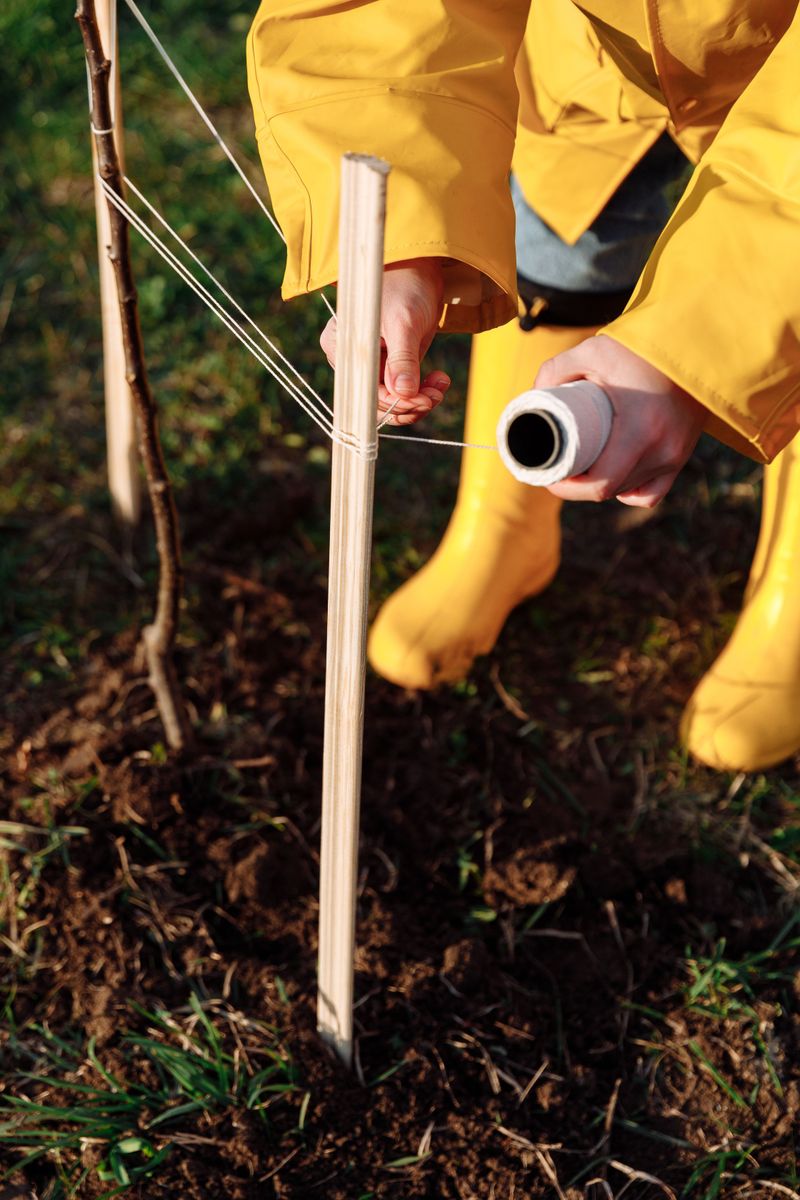
A plant tilted at 45 degrees is not finished, it is just asking for help. Roots that have been partially pulled from the soil can re-anchor themselves if you act before the sun bakes the ground.
Work quickly and gently when repositioning a leaning plant. Forcing a stem upright too fast can snap it at the base, which is far worse than leaving it tilted.
Push soil back around exposed roots with your hands before inserting any stake. Firm the soil down lightly so air pockets do not dry out the root zone.
Use soft garden ties, strips of old pantyhose, or foam-covered wire to attach the stem to the stake. Rigid ties bite into stems under heat and wind stress, causing new damage over time.
Place the stake on the side opposite to the lean for maximum counterbalance effect. Drive it at least eight inches into the ground so it holds firm against afternoon winds.
Check the tie tension every few days as the plant grows and the stem thickens. A tie that was loose on Monday can become a tight restriction by Friday in summer heat.
Staking leaning plants quickly after a storm before it gets hot is one of the most rewarding garden rescues you will ever attempt. Watching a wilted, tilted plant stand tall again feels genuinely satisfying.
5. Mulch Exposed Root Zones Immediately
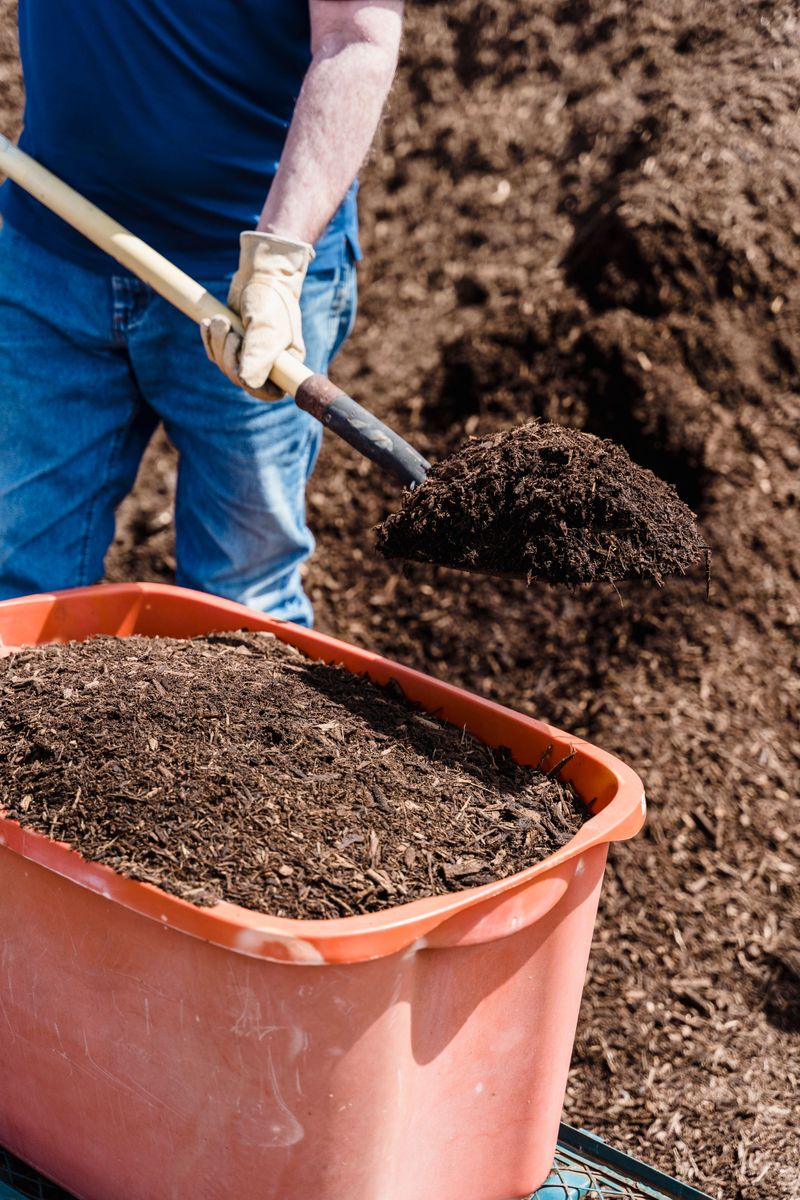
Storm rain strips mulch away fast, leaving roots naked and vulnerable. Bare soil heats up to dangerous temperatures within hours once the sun returns after a storm.
Spread a fresh two-to-three-inch layer of mulch around every affected plant as soon as possible. Keep the mulch a few inches away from the main stem to prevent rot and pest problems.
Wood chips, straw, and shredded bark all work well for this purpose. Each one locks in moisture, regulates soil temperature, and slows the evaporation that summer heat accelerates.
Avoid using fresh grass clippings right after a storm because they mat down and block airflow. Matted clippings trap moisture against stems and create the perfect environment for fungal problems.
If you run out of bagged mulch, shredded newspaper works as a temporary fix in a pinch. Wet it down before laying it out so it does not blow away in afternoon breezes.
Pay special attention to shallow-rooted plants like azaleas, hostas, and strawberries. Their roots sit close to the surface and overheat faster than deep-rooted trees and shrubs.
Mulching exposed root zones immediately after a storm before it gets hot is one of those unglamorous tasks that saves gardens season after season. Think of mulch as a sunscreen for your soil, and apply it generously.
6. Deep-Water Early Morning, Before 9 AM
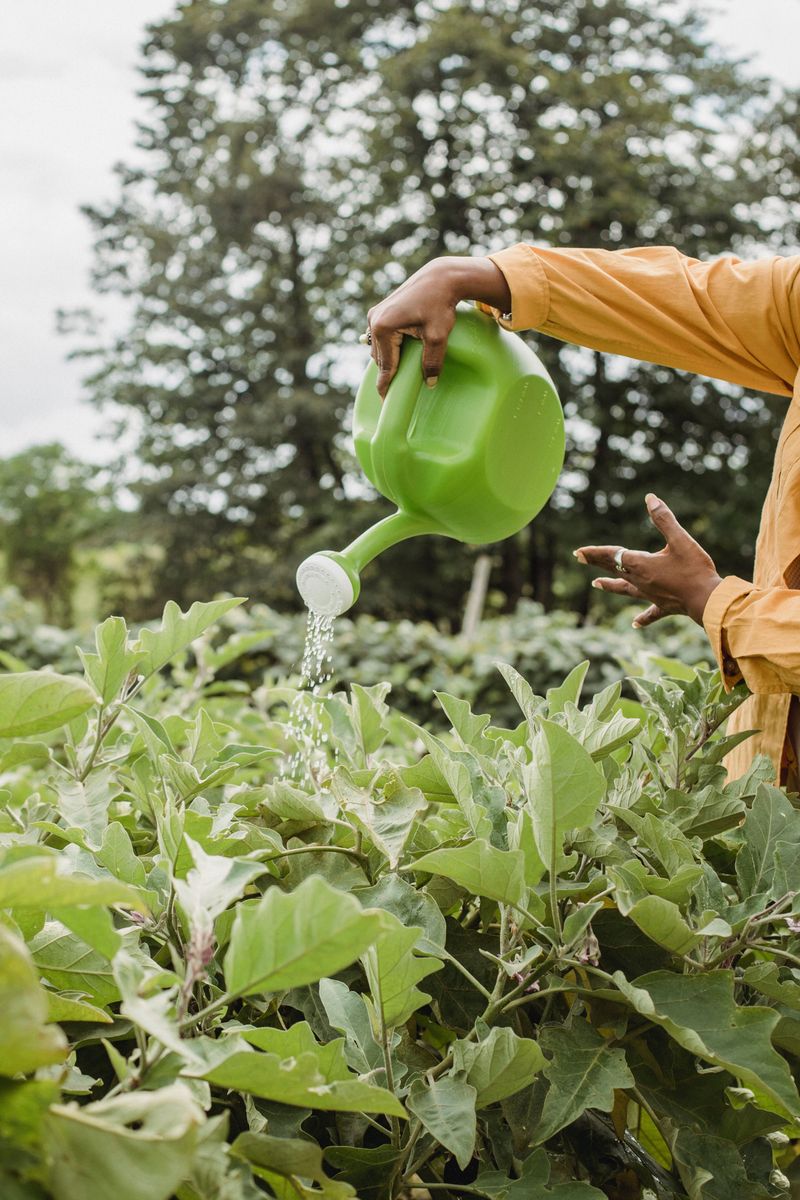
Watering after a storm might sound unnecessary, but it is often exactly what plants need. Heavy rain compacts soil and flushes nutrients away, leaving roots thirsty despite the wet ground.
Early morning watering before 9 AM gives moisture time to soak deep before heat evaporates it.
Afternoon watering in summer loses a significant portion of its water to evaporation before it ever reaches the root zone.
Water slowly and deeply rather than quickly and shallow. A slow soak encourages roots to grow downward, which makes plants far more resilient during the next dry stretch.
Use a soaker hose or a gentle wand attachment to avoid splashing soil onto leaves. Soil splashed onto foliage after a storm carries fungal spores that can trigger leaf spot and blight.
Focus your morning watering session on plants that show wilting or leaf curl. These are the ones signaling that their root systems were disrupted during the storm.
Skip overhead sprinklers for at least a week after a major storm event. Foliage that stays wet overnight becomes a breeding ground for the diseases that summer humidity already encourages.
Deep-watering before 9 AM is one of the most powerful habits smart Kentucky gardeners use after a storm before it gets hot. That one-hour window in the morning can change the entire trajectory of your garden season.
7. Avoid Fertilizing Until New Growth Appears
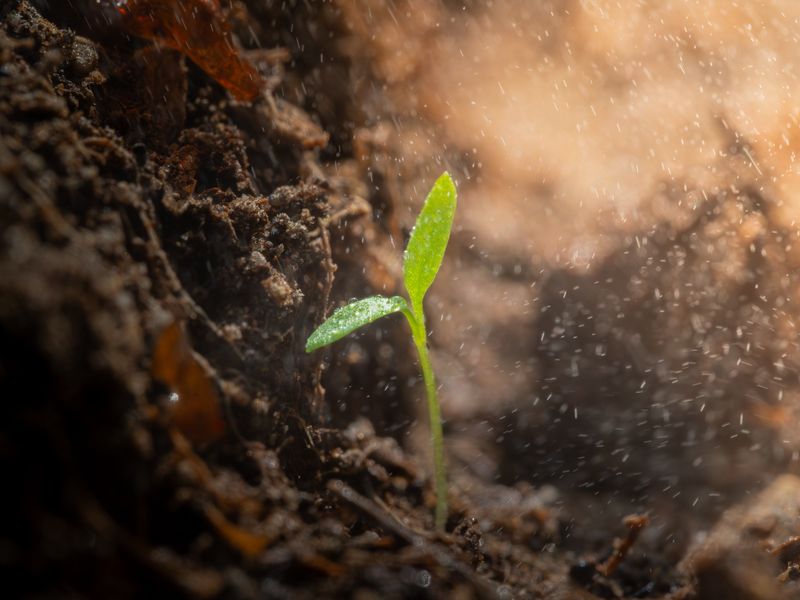
Reaching for the fertilizer bag after a storm feels instinctive, but it is one of the worst moves you can make. Stressed plants cannot process nutrients efficiently, and fertilizer can burn already-damaged root systems.
Think of it this way: you would not feed a heavy meal to someone recovering from surgery. Plants need rest and stability before they can handle the push that fertilizer provides.
Storm damage disrupts the root hairs responsible for nutrient absorption. Flooding those damaged roots with nitrogen or phosphorus creates salt buildup that draws moisture out of cells instead of feeding them.
Watch for new leaf buds or fresh green shoots as your signal that recovery has begun. That new growth tells you the root system is functioning well enough to support feeding.
Once new growth appears, start with a diluted, balanced liquid fertilizer at half the recommended strength. A gentle nudge beats a hard push when plants are still rebuilding their systems.
Compost tea is a forgiving option during the recovery window. It feeds slowly, improves soil structure, and introduces beneficial microbes that support a healthier root environment during recovery.
Holding off on fertilizer after a storm before it gets hot is one of those counterintuitive lessons that separates experienced Kentucky gardeners from frustrated beginners. Patience during this stage pays off with stronger, healthier plants by midsummer.
8. Remove Debris From Around Plant Bases
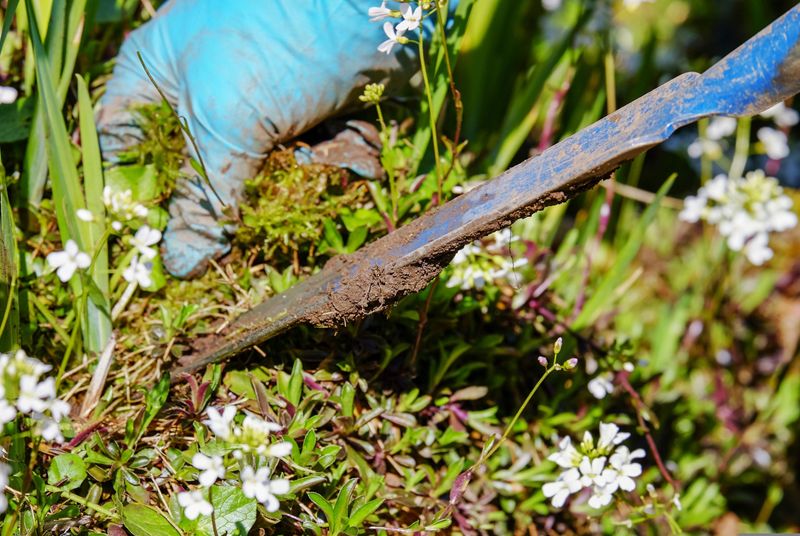
Piles of wet leaves and broken sticks sitting against plant stems are a slow-developing problem that worsens quickly in summer heat. That debris traps moisture, blocks airflow, and creates a cozy home for slugs, fungus, and stem rot.
Clear everything away from the base of every plant within 24 hours of the storm passing. Even small debris piles become problematic once summer humidity and heat arrive together.
Wear gloves because storm debris often hides sharp wire, broken glass, or stinging insects. Moving fast is important, but a hand injury slows your whole garden rescue operation down.
Bag and remove diseased or mold-covered debris rather than composting it. Composting infected plant material recycles the problem right back into your garden beds next season.
Use a narrow hand rake or a claw cultivator to get into tight spaces around shrub bases. Wide rakes can accidentally damage surface roots that are already stressed from storm exposure.
Once the area is clear, do a quick visual check of each stem at ground level. Look for bark splits, soft spots, or discoloration that signals deeper damage needing immediate attention.
Removing debris from around plant bases after a storm before it gets hot is the final step in a smart Kentucky gardener’s storm recovery routine. A clean base sets every plant up for a strong, healthy rest of the season.