Why Georgia Gardeners Are Adding Esperanza Near Their Front Door This Summer
Front doors usually get plenty of attention, but the space around them often feels like it is missing something.
A few shrubs can look nice, yet they do not always create the warm, welcoming feeling people hope for.
That is why more gardeners are choosing plants that do more than fill an empty spot. Bright flowers, long-lasting color, and easy care can make an entrance feel completely different without turning it into a high-maintenance project.
One good choice can make your home feel more inviting every time you pull into the driveway.
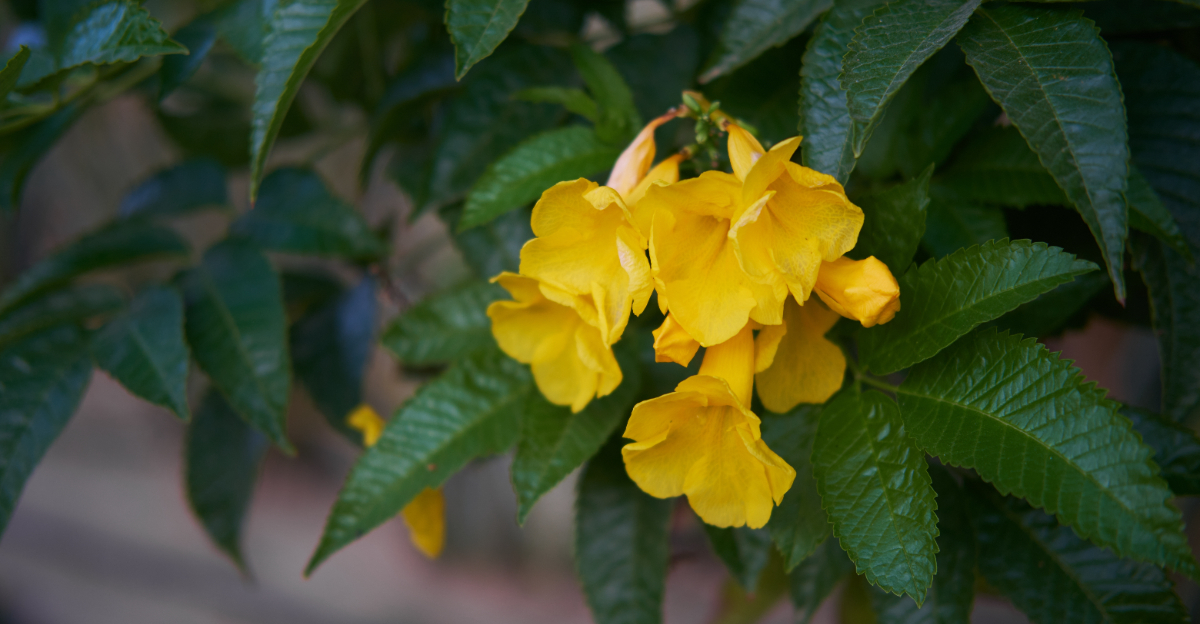
This summer, plenty of gardeners in Georgia are giving that space a fresh look by planting Esperanza near their front door.
It stands out with cheerful golden blooms and keeps flowering through the hottest part of the season.
Once established, it asks for very little while adding months of color that visitors notice before they even reach the front porch.
1. Bright Yellow Flowers Last For Months
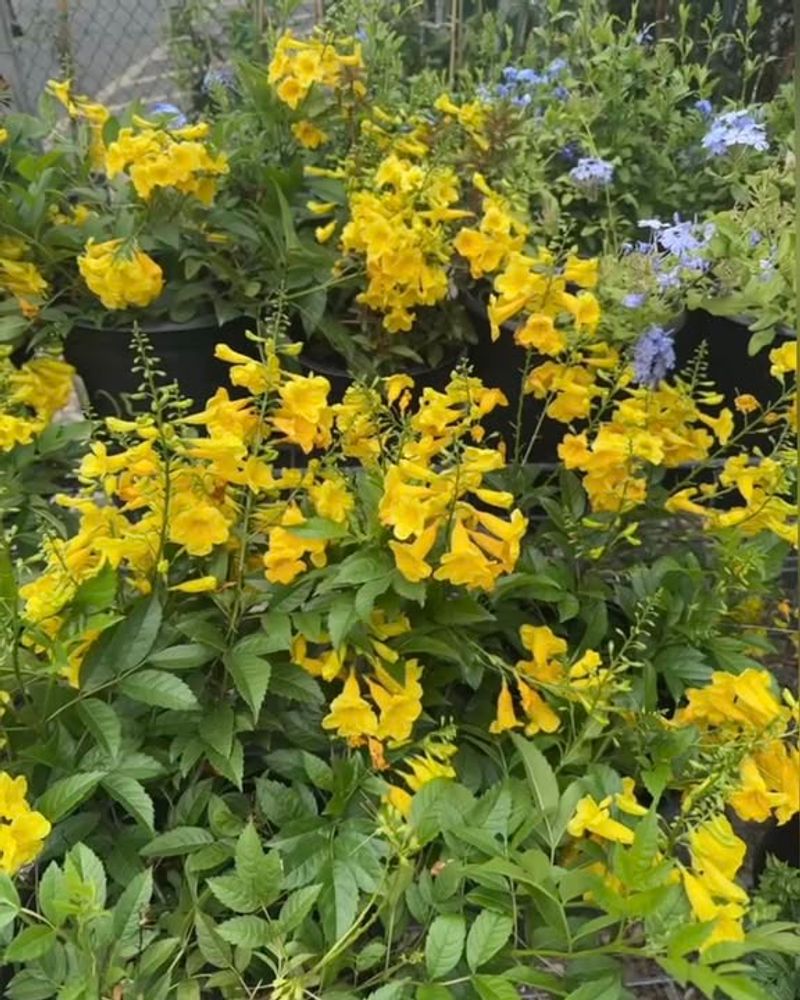
Golden and glowing, Esperanza blooms from late spring all the way into fall without much help from you. Few flowering shrubs can match that kind of staying power in a Southern summer.
Each cluster of trumpet-shaped flowers opens in waves. One round fades, and another takes its place within days.
You rarely hit a stretch where the plant looks bare or tired.
Gardeners in the South know how hard it is to find something that keeps color going through July and August. Most annuals fry out.
Perennials go dormant. Esperanza just keeps pushing new blooms.
The yellow is not pale or washed out. It is a rich, warm gold that stands out even from the street.
Paired with a dark front door or brick facade, the contrast is striking.
Bloom timing varies slightly based on when you plant and how much sun the spot gets. Full sun locations tend to produce the heaviest flowering.
Partial shade can work, but expect fewer blooms overall.
No deadheading is needed to keep flowers coming. Just water occasionally, give it room to grow, and let it do its thing.
Esperanza rewards low-maintenance gardeners better than almost anything else available right now.
2. Hummingbirds Visit The Blooms Often
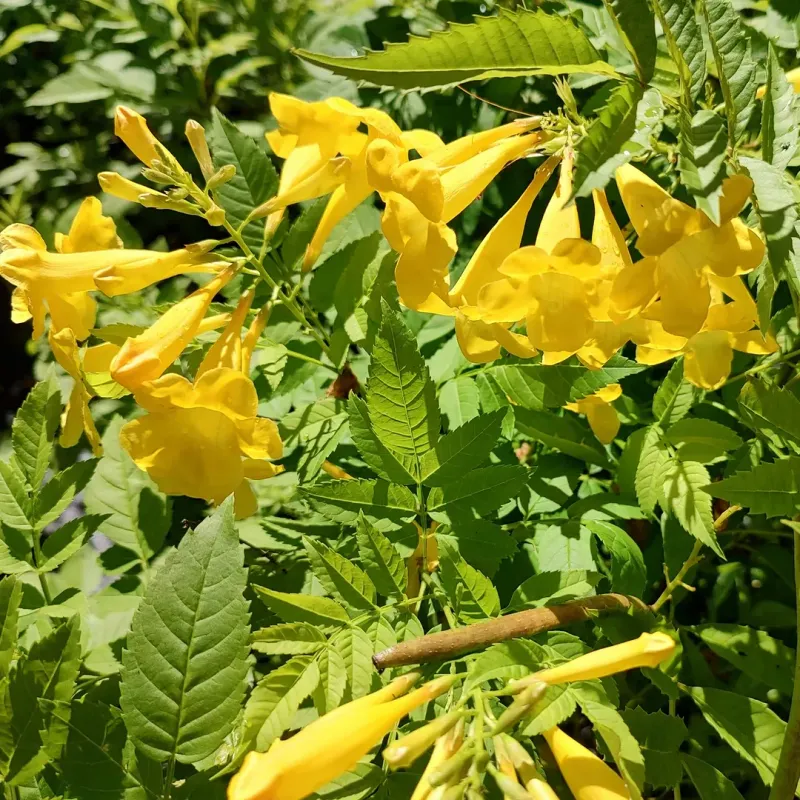
Watch your front yard turn into a hummingbird hotspot once Esperanza starts blooming. Ruby-throated hummingbirds are drawn to those trumpet-shaped yellow flowers like a magnet.
Hummingbirds prefer tubular blooms because they can reach the nectar easily with their long beaks. Esperanza fits that bill perfectly.
The flower shape and color are practically designed for them.
Planting near your front door puts all that action right where you can enjoy it. Morning coffee on the porch becomes a whole lot more interesting when hummingbirds are darting around just a few feet away.
Beyond hummingbirds, butterflies and bees also visit regularly. Esperanza supports a range of pollinators throughout the blooming season, which makes it a genuinely useful plant for your local ecosystem.
You do not need to add feeders or nectar mixes when Esperanza is growing strong. Natural blooms attract wildlife more reliably than most artificial setups anyway.
Your Georgia Garden Changes Every Week. Your Plan Should Too.
Gardening in Georgia changes quickly throughout the season. Every Friday you’ll receive a simple weekly plan showing exactly what to plant, prune, fertilize, harvest, and protect so you never miss the right timing.
Keep in mind that foot traffic near the plant can spook birds at first. Give it a week or two, and hummingbirds tend to get comfortable with human activity nearby.
Position the plant where you have a clear sightline from inside. A window view of a hummingbird feeding is one of those small backyard moments that genuinely makes your day better.
3. Summer Heat Rarely Slows This Plant Down
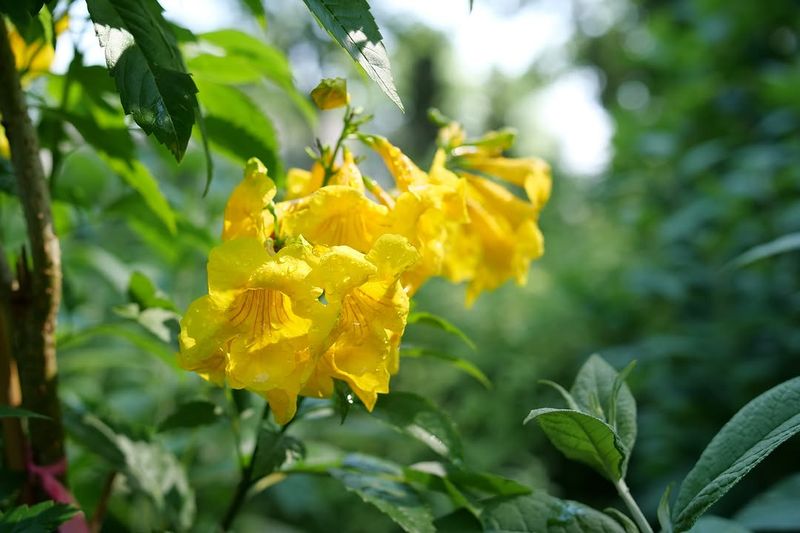
Ninety degrees and climbing, and Esperanza is still blooming like nothing is wrong. That kind of heat tolerance is rare, and it is exactly why this plant fits so well in the Deep South.
Native to warm regions of the Americas, Esperanza evolved in conditions that would stress most ornamental plants. High temperatures actually suit it.
The heat triggers strong growth and consistent flowering.
Humidity is another factor that knocks out a lot of popular garden plants. Fungal issues, root stress, and wilting are common complaints during muggy Southern summers.
Esperanza handles humidity without those problems cropping up regularly.
Soil type matters some, but not as much as you might think. Well-draining soil helps avoid root issues in wet summers.
Sandy or loamy soil works well. Heavy clay can cause drainage problems if the area floods after rain.
Established plants bounce back quickly after heat waves. Even if leaves look a little tired midday, they perk up once temperatures drop in the evening.
That resilience makes it forgiving for gardeners who cannot water on a strict schedule.
Avoid planting in spots with reflected heat from pavement or walls. Those areas can push temperatures beyond what even Esperanza prefers.
4. Low-Water Needs After It Gets Established
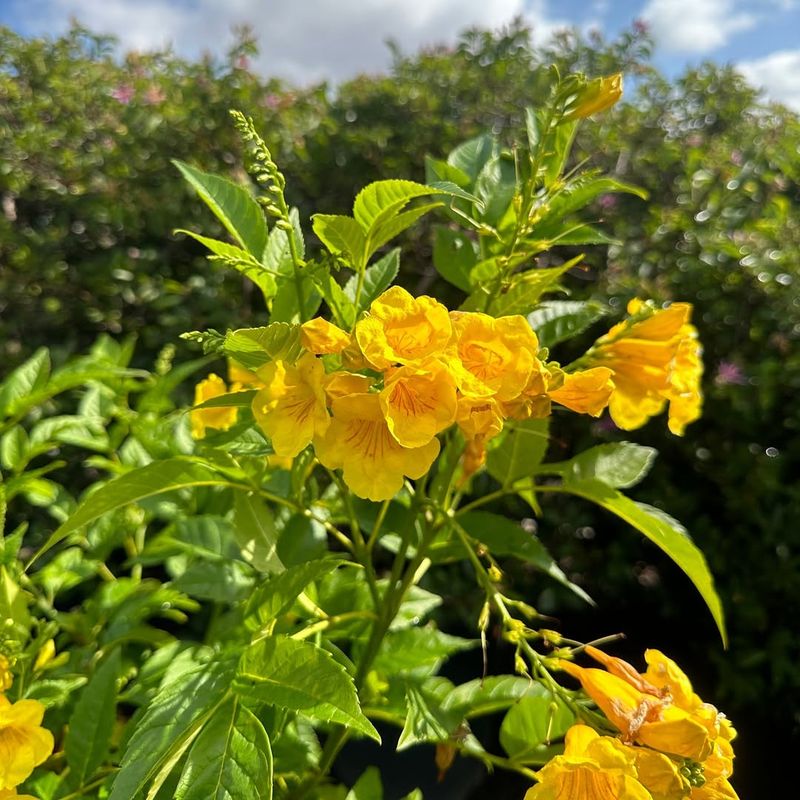
Once Esperanza settles in, it becomes one of the most drought-tolerant plants you can grow in a Southern front yard. Watering every day is not part of the deal.
The first season is the critical window. New plants need consistent moisture to develop a strong root system.
Water deeply two to three times a week during the first summer, then back off as roots establish.
By the second season, most established plants in well-draining soil need very little supplemental watering. Rainfall alone can carry them through average summers in warm Southern climates.
Drought stress does show up occasionally. Leaves may look slightly droopy during extended dry stretches.
A deep soak every week or two during those periods is usually enough to bring the plant back around.
Overwatering is actually a bigger risk than underwatering once the plant matures. Soggy soil encourages root problems that can set the plant back significantly.
Let the soil dry out between waterings.
Mulching around the base helps retain soil moisture during dry spells. A two to three inch layer of organic mulch also keeps roots cooler and reduces how often you need to water during hot stretches.
5. Large Containers Show Off Its Color Well
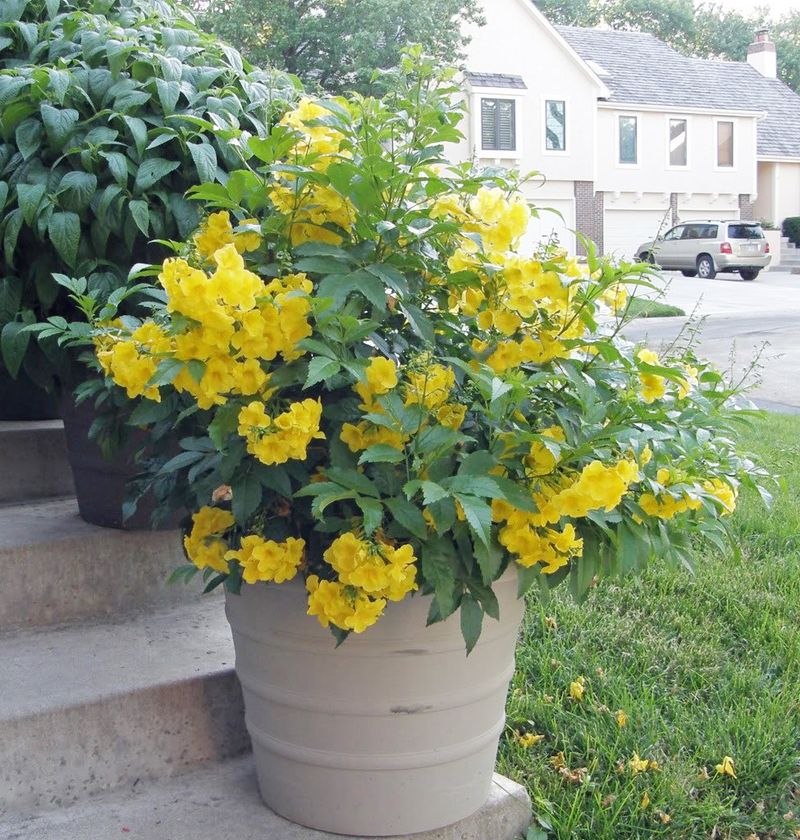
Container growing opens up Esperanza to gardeners who do not have ideal in-ground planting spots. A large pot near the front door can produce just as much color as a garden bed.
Size matters when choosing a container. Go with at least a 15 to 20 gallon pot.
Smaller containers restrict root growth and limit how large and productive the plant can get through the season.
Dark-colored containers absorb heat, which Esperanza actually appreciates. Terracotta, resin, or glazed ceramic pots all work well as long as drainage holes are present.
Standing water at the bottom will cause root problems fast.
Potted Esperanza dries out faster than in-ground plants. Plan to water more frequently, especially during peak summer weeks.
Check soil moisture every couple of days rather than guessing based on appearance alone.
Use a quality potting mix with good drainage. Adding perlite to standard potting soil helps prevent compaction and keeps roots breathing properly through the season.
Feed container plants with a balanced slow-release fertilizer at the start of the season. One application usually supports strong growth and consistent blooming without needing repeated treatments.
Positioning the container near the front door creates an instant focal point.
6. Front Entryways Feel More Inviting With Bold Blooms
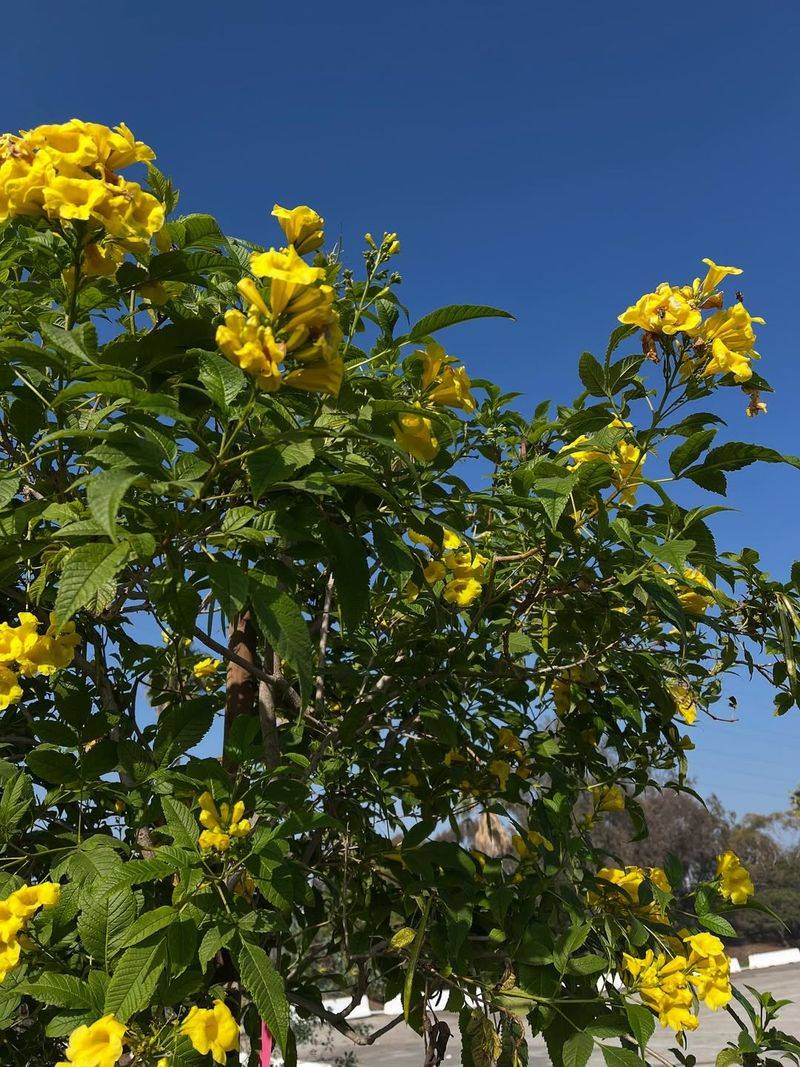
First impressions start at the front door. Bold blooms like Esperanza set a tone before anyone even knocks.
Yellow is one of the most welcoming colors in garden design. It reads as warm, energetic, and cheerful from a distance.
Planted near an entryway, Esperanza draws the eye straight to the door without looking forced or overdone.
Symmetry works beautifully here. Two plants flanking a front door create a balanced, structured look that feels polished without requiring a landscape designer.
Even a single large plant on one side adds enough visual interest to change how the whole entry feels.
Esperanza grows tall enough to create vertical interest, which most low-growing annuals cannot offer. In Georgia, established plants can reach four to six feet in a single season under good conditions.
That height frames an entryway rather than just filling space at ground level.
Pairing Esperanza with lower-growing plants in front adds layering. Purple salvia, dark foliage plants, or simple green groundcovers all complement the yellow blooms without competing for attention.
Nighttime curb appeal matters too. Under porch lighting or pathway lights, yellow blooms glow in a way that softer colors simply do not.
Evening visitors get the same welcoming effect as daytime guests.
7. Long-Blooming Flowers Keep Color Going
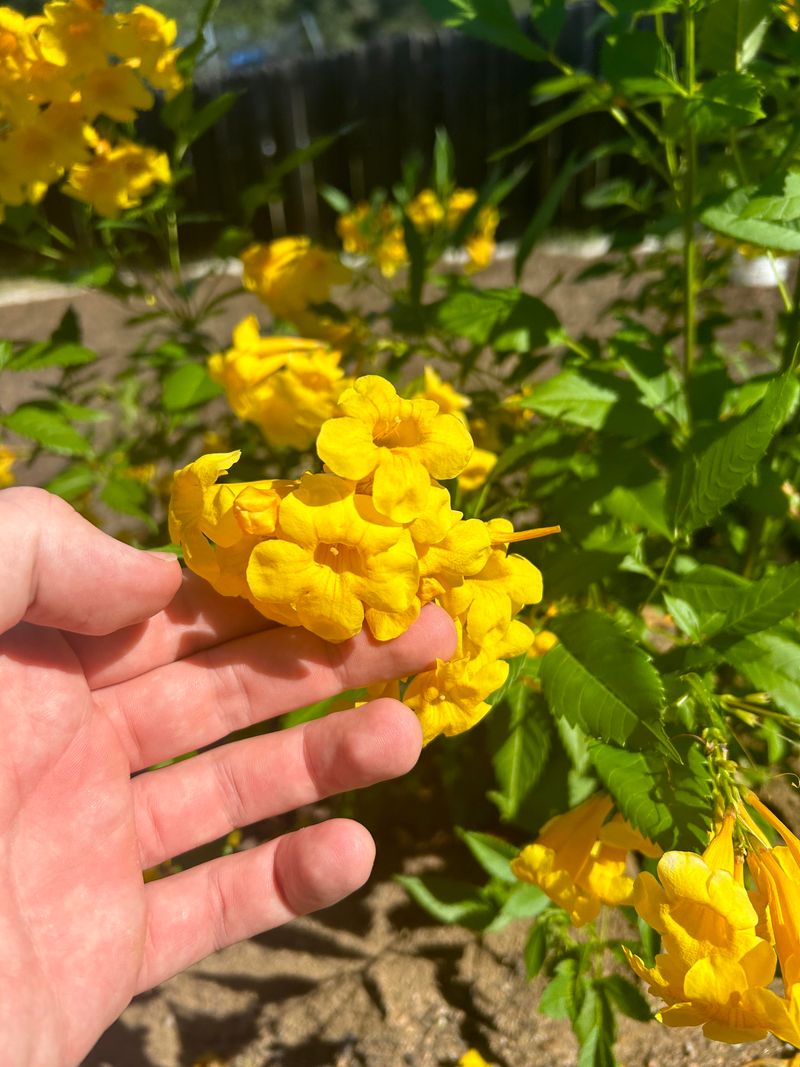
Most flowering plants give you a good two to four weeks of peak color before things start fading. Esperanza operates on a completely different timeline.
Blooming typically begins in late spring and continues through the first frost in fall. In warmer parts of the South, that window can stretch five to six months without a significant break in flower production.
The way it blooms is part of what makes it so reliable. Flowers do not all open at once and then disappear.
Instead, new clusters form continuously as older ones drop. Color stays consistent rather than peaking and crashing.
Gardeners in Georgia often struggle to find plants that carry color through September and October. Most summer annuals look ragged by August.
Esperanza tends to look its best in late summer when temperatures begin to ease slightly.
No aggressive pruning is needed to maintain blooming. Light shaping in early summer can encourage bushier growth, but heavy cutting is not necessary to keep flowers coming.
Let the plant grow naturally for the best results.
Fertilizing lightly in midsummer can support continued bloom production. Avoid high-nitrogen formulas, which push leafy growth at the expense of flowers.
A balanced or bloom-focused fertilizer works better for maintaining color through the season.