The Real Reasons Fire Ant Mounds Keep Appearing In Kentucky Yards

Fire ants do not show up in Kentucky yards by accident. Every mound you find has a reason behind it, and that reason usually has nothing to do with bad luck or a messy yard.
These colonies are opportunists. They read the landscape, find what they need, and move in fast. Your yard could be doing them favors you never signed up for.
Kentucky’s climate has been shifting in ways that work in fire ants’ favor, and certain lawn conditions make establishment almost effortless for a new colony.
If the mounds keep coming back no matter what you do, something in your yard is inviting them. The reasons are more specific than you think, and more fixable.
1. Your Soil Type Makes The Perfect Fire Ant Home

Soft ground is basically a welcome mat for fire ants. Sandy or loamy soil found across many Kentucky properties is exactly the texture these insects prefer for building colonies.
Fire ants need soil they can move through quickly. Dense clay is harder to tunnel through, but loose, well-draining ground lets them dig fast and deep.
Many yards across central and western Kentucky sit on a mix of silt and loam. That combination holds just enough moisture without becoming waterlogged, making it ideal nesting ground.
Homeowners with raised garden beds or freshly tilled soil often see mounds appear first in those spots. The disturbed, airy texture is exactly the kind of ground a scouting queen tends to target.
Adding organic matter to your lawn actually improves your grass but can also improve ant habitat. Compost-rich topsoil becomes soft and warm, two things fire ants absolutely love.
Compacted soil in high-traffic areas tends to stay mound-free longer. If you want to reduce new colonies, consider topdressing certain areas with heavier soil blends.
Testing your soil type is easy and inexpensive. Your local extension office can help you understand what you are working with and suggest amendments that discourage nesting.
The real reasons fire ant mounds keep appearing in Kentucky yards often start right beneath your feet. Knowing your soil is the first smart step toward taking back your lawn.
2. Warm Winters Are Letting More Colonies Survive
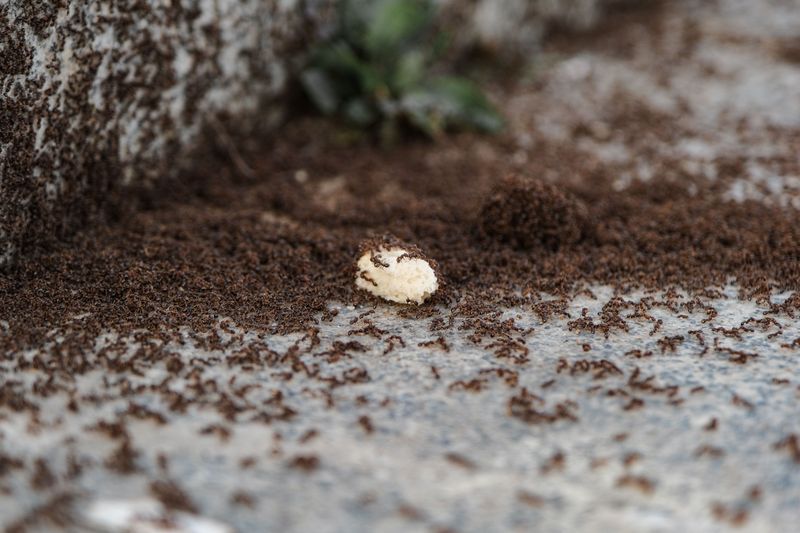
Cold winters used to do the heavy lifting for homeowners. A hard freeze would wipe out shallow colonies and give yards a fresh start each spring.
That natural reset is happening less often now. Milder winters across the state mean fire ant colonies are surviving underground without taking a serious hit.
Queens slow down significantly, but colonies can remain intact underground. Workers cluster deeper in the soil, ready to resurface once temperatures climb again.
A colony that survives winter comes roaring back stronger in spring. It already has thousands of workers ready to build, spread, and defend the moment soil warms up.
Homeowners sometimes assume the cold handled the problem for them. Then April arrives and the mounds are back, bigger and more aggressive than the previous summer.
Your Kentucky Garden Changes Every Week. Your Plan Should Too.
Gardening in Kentucky changes quickly throughout the season. Every Friday you’ll receive a simple weekly plan showing exactly what to plant, prune, fertilize, harvest, and protect so you never miss the right timing.
Tracking winter low temperatures in your area can actually help you predict a bad ant season. Fewer nights dropping below 10 degrees Fahrenheit usually means more colonies will make it through to spring.
Treating colonies in late fall gives you a head start before warm weather returns. Catching them while they are slow and clustered deeper in the soil improves your results significantly.
The real reasons fire ant mounds keep appearing in Kentucky yards include climate shifts that favor year-round survival. Understanding seasonal patterns helps you treat smarter, not just harder.
3. Moisture From Rain And Irrigation Draws Them In

Water is life for fire ants, just like every other creature. Consistent moisture in your lawn signals to scouting ants that the location is worth settling down in.
Overwatered lawns create a shallow, moist layer just beneath the surface. Fire ants read that as prime real estate and move in fast.
Heavy spring rains push colonies upward from deeper ground. Fresh mounds can appear within a day or two of a heavy storm soaking your yard.
Irrigation systems set to run daily can mimic that rainy-season effect. Even in dry summers, a well-watered lawn stays attractive to colonies searching for a new home.
Low spots in your yard that collect standing water are especially vulnerable. Ants will build just outside the wet zone where moisture lingers but flooding does not occur.
Adjusting your watering schedule can actually reduce new mound activity. Watering deeply but less frequently encourages deeper grass roots and creates drier surface conditions ants dislike.
Check for leaking hose bibs or irrigation heads near garden edges. Even a slow drip creates a consistently moist patch that becomes a hotspot for new colonies.
Managing moisture is one of the most overlooked tools homeowners have. A few simple irrigation adjustments can make your yard noticeably less inviting to these persistent insects.
4. Disturbed Soil Gives New Colonies A Fresh Start
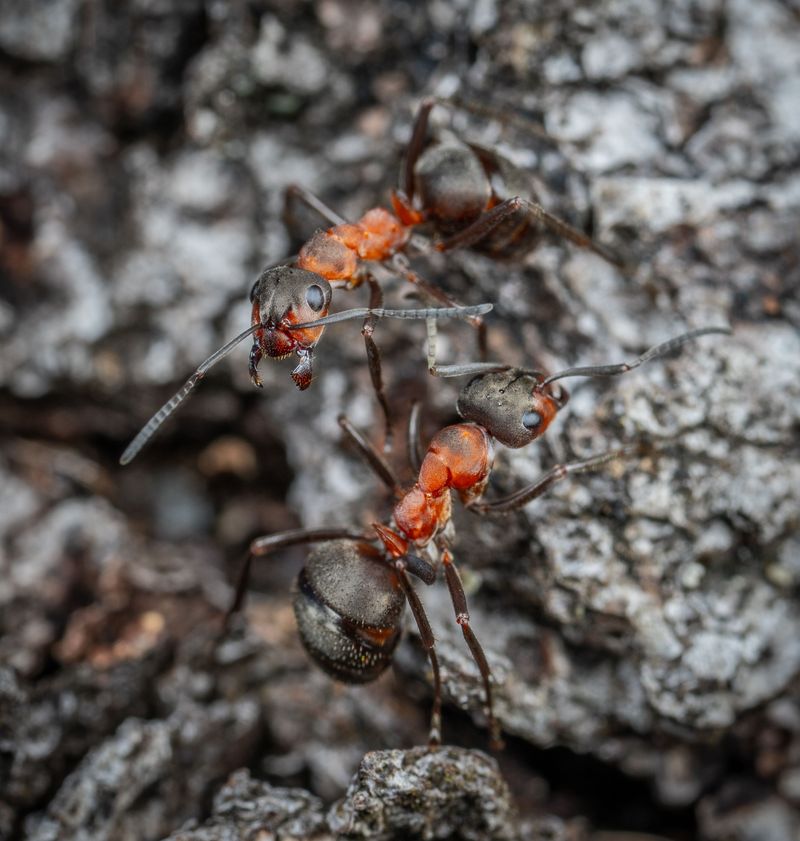
Every time you dig, you are basically sending out an invitation. Freshly turned soil is airy, loose, and easy to tunnel through, which is exactly what a fire ant queen is looking for.
Landscaping projects are a common trigger for new mound activity. Planting flowers, installing edging, or grading a slope all expose fresh ground that ants will quickly claim.
Construction work nearby also stirs things up. Heavy equipment moving soil can scatter existing colonies, sending queens off to find new territory, often right into your yard.
Even small disturbances matter. Pulling weeds, turning compost, or aerating your lawn can expose enough loose material to attract a scouting colony within days.
Garden beds are particularly high-risk zones. The combination of soft soil, organic mulch, and regular watering makes them among the most targeted spots on any property.
Treating disturbed areas immediately after a project can prevent new colonies from getting established. A broadcast granule treatment applied right after digging gives you a strong preventive barrier.
Timing matters when you work outside. Doing major yard projects in cooler months reduces the chance of triggering immediate ant activity in freshly moved soil.
One of the real reasons fire ant mounds keep appearing in Kentucky yards is that routine yard work keeps creating perfect conditions. Being proactive after disturbance is the key to staying ahead.
5. Nearby Wooded Areas Act As A Constant Source
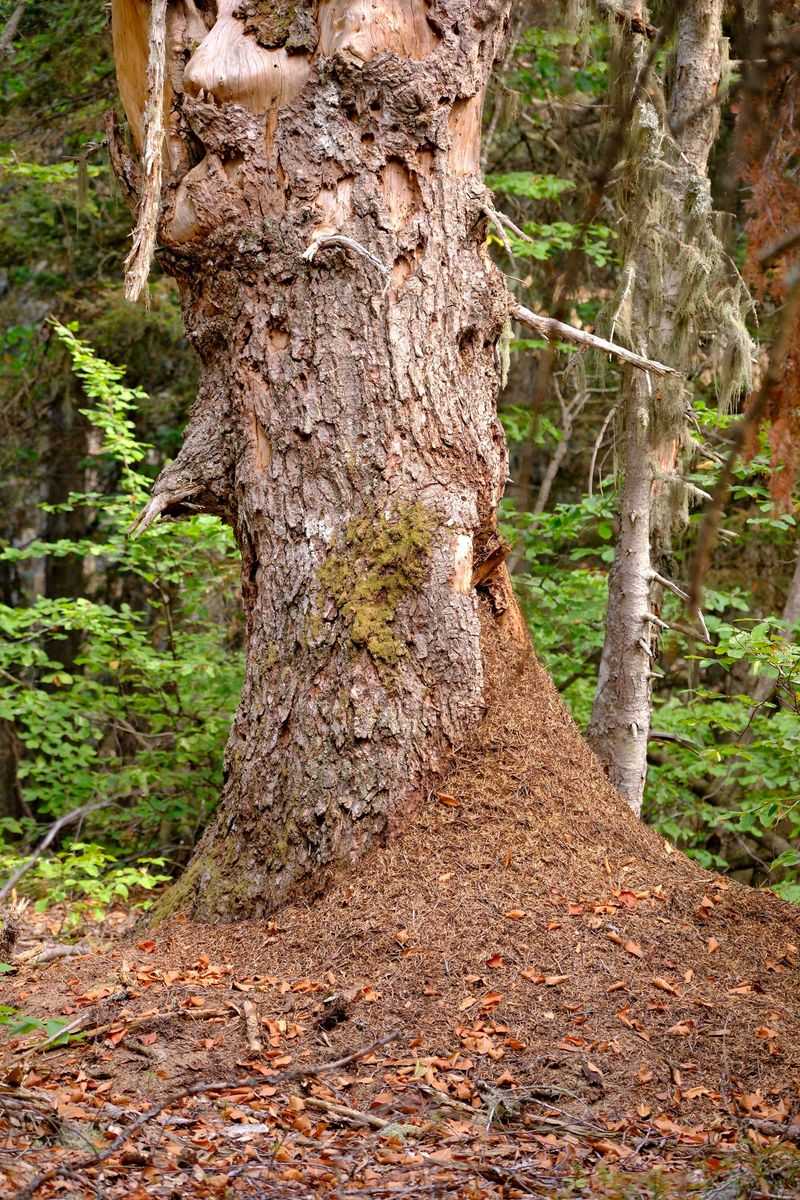
Treelines are not just pretty backdrops. For fire ants, a nearby forest edge is a launching pad for constant colony expansion into your open lawn.
Wooded areas provide shelter, leaf litter, and decaying wood that support large, established fire ant populations. Those colonies regularly send out winged reproductives to start new nests nearby.
If your yard backs up to woods or a green belt, you are essentially next door to an ant nursery. New queens can travel surprisingly far before landing, research suggests most settle within a couple of miles, but wind can carry some considerably further.
The transition zone between trees and lawn is particularly active. Ants moving from shaded forest floor into sunny open ground follow moisture and warmth gradients that lead straight to your yard.
Mulched beds along fence lines near wooded edges are especially vulnerable spots. The combination of organic material and proximity to established colonies creates a perfect bridge for expansion.
Creating a treated barrier along your property line near wooded edges can slow this process. Regular perimeter treatments form a chemical boundary that deters incoming queens from settling.
Keeping grass trimmed short near the treeline also helps. Taller grass near wooded borders gives ants more cover and encourages them to push further into your lawn.
Living near natural areas is wonderful, but it does come with tradeoffs. Knowing that the woods are a constant source helps you focus your prevention efforts where they matter most.
6. Open Sunny Lawns Are Exactly What They Prefer
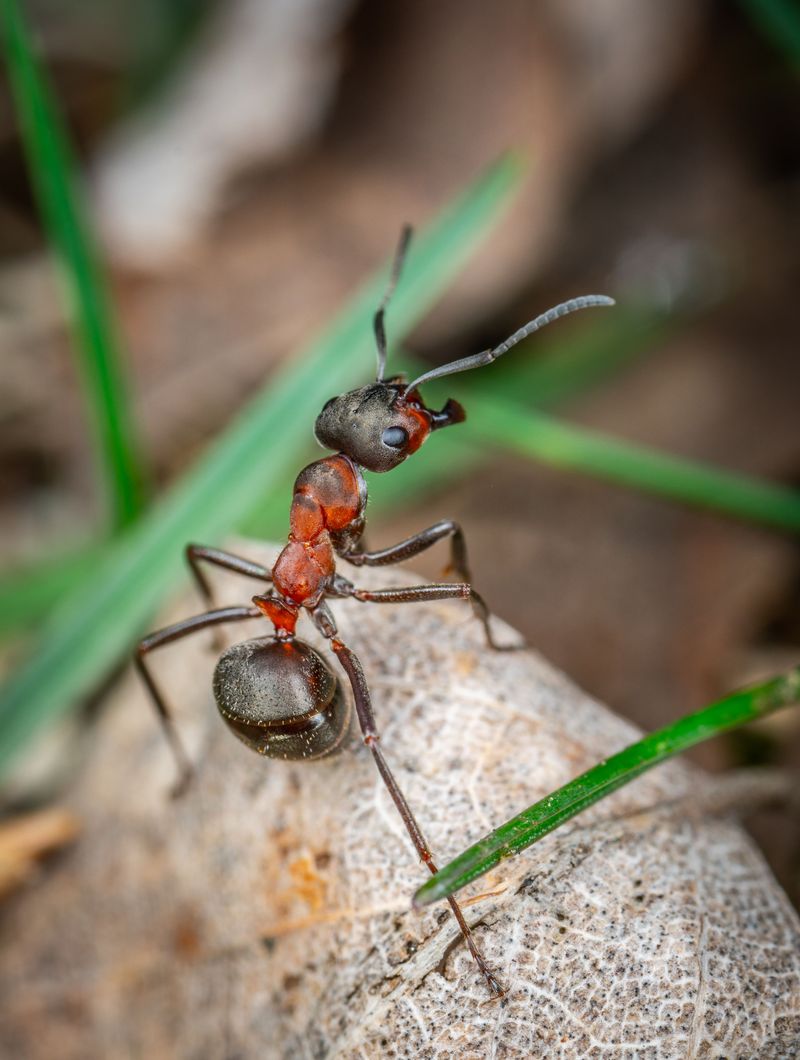
Fire ants are sun lovers through and through. Open, sunny turf heats up faster and stays warm longer, giving colonies the thermal energy they need to thrive.
Mounds act like solar collectors. The dome shape captures heat from morning sun and keeps the interior warm enough for eggs and larvae to develop quickly.
Shaded yards tend to have fewer mounds, and that is not a coincidence. Canopy cover lowers soil temperature and creates less favorable conditions for colony growth.
Large open lawns in full sun are prime targets from the moment spring arrives. A newly mated queen looking for a place to establish her colony will head straight for exposed, sun-warmed turf.
Sports fields, parks, and wide residential lawns all share this vulnerability. The more open space your yard has, the more attractive it becomes to new colonies looking to expand.
Strategically adding shade trees or shrubs can reduce the appeal of certain lawn sections. Even partial shade from a pergola or garden structure can discourage mound placement in that zone.
Grass type also plays a role in sun exposure. Thin or patchy turf exposes bare soil directly to sunlight, making those bare spots especially attractive nesting locations.
One of the real reasons fire ant mounds keep appearing in Kentucky yards is simply the abundance of warm, sunny open space. Changing the landscape slightly can shift the odds in your favor.
7. Existing Colonies Split And Spread On Their Own
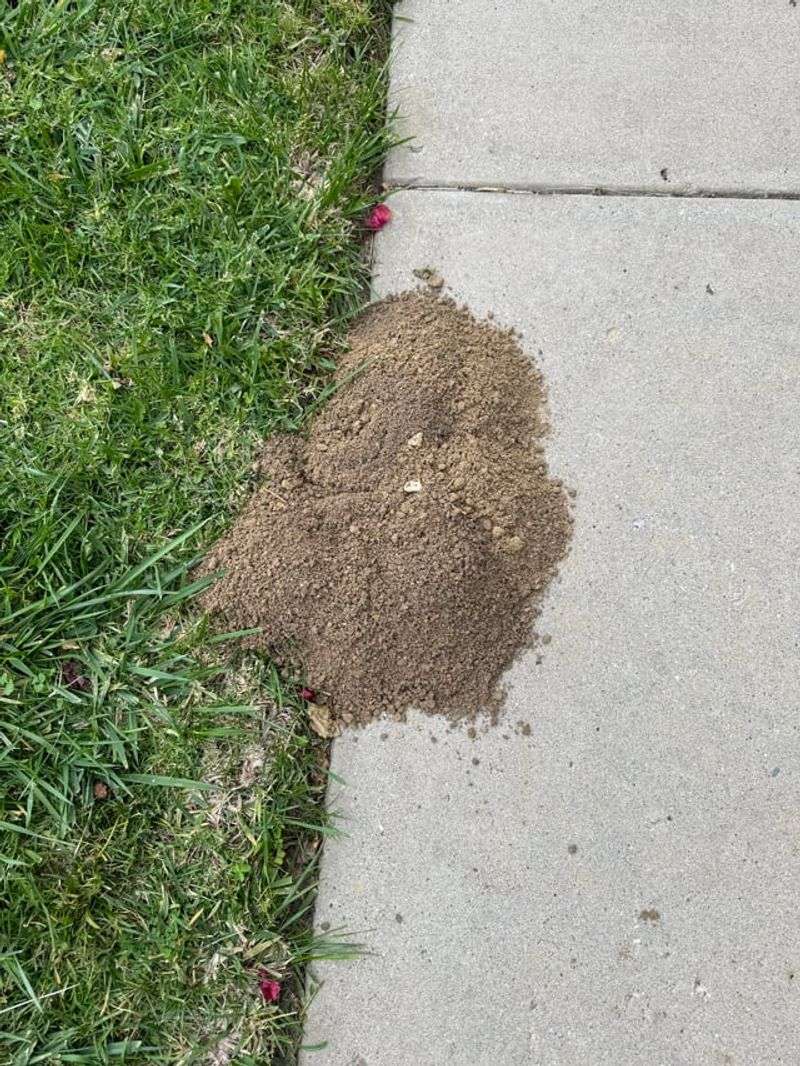
You treat one mound and feel good about it. Then two weeks later, three new ones appear nearby, and it feels like the yard is fighting back.
That pattern is called budding, and it is a survival strategy fire ants have mastered. When a colony feels threatened, it splits into smaller groups and moves to fresh ground.
Improper treatment can actually trigger budding. Using the wrong product or applying it incorrectly can scatter a colony instead of eliminating it, multiplying your problem fast.
Mature colonies also bud naturally, even without any disturbance. Once a nest reaches a certain size, multiple queens and workers break off to establish satellite colonies nearby.
This spreading behavior explains why mounds seem to follow you around the yard. The parent colony is still active, and its offspring move into nearby open patches of ground wherever conditions allow.
Using slow-acting bait products is more effective against budding than fast-acting contact treatments. Bait gets carried back to the queen, targeting reproduction at the source rather than just the workers on the surface.
Treating the entire yard rather than individual mounds gives better long-term results. A broadcast approach addresses the whole population instead of just the visible tip of the problem.
Watching how mounds spread across your lawn tells a story about colony behavior. Understanding that story helps you choose treatments that stop the spread instead of accidentally fueling it.
8. Your Neighbors’ Yards May Be Fueling The Problem
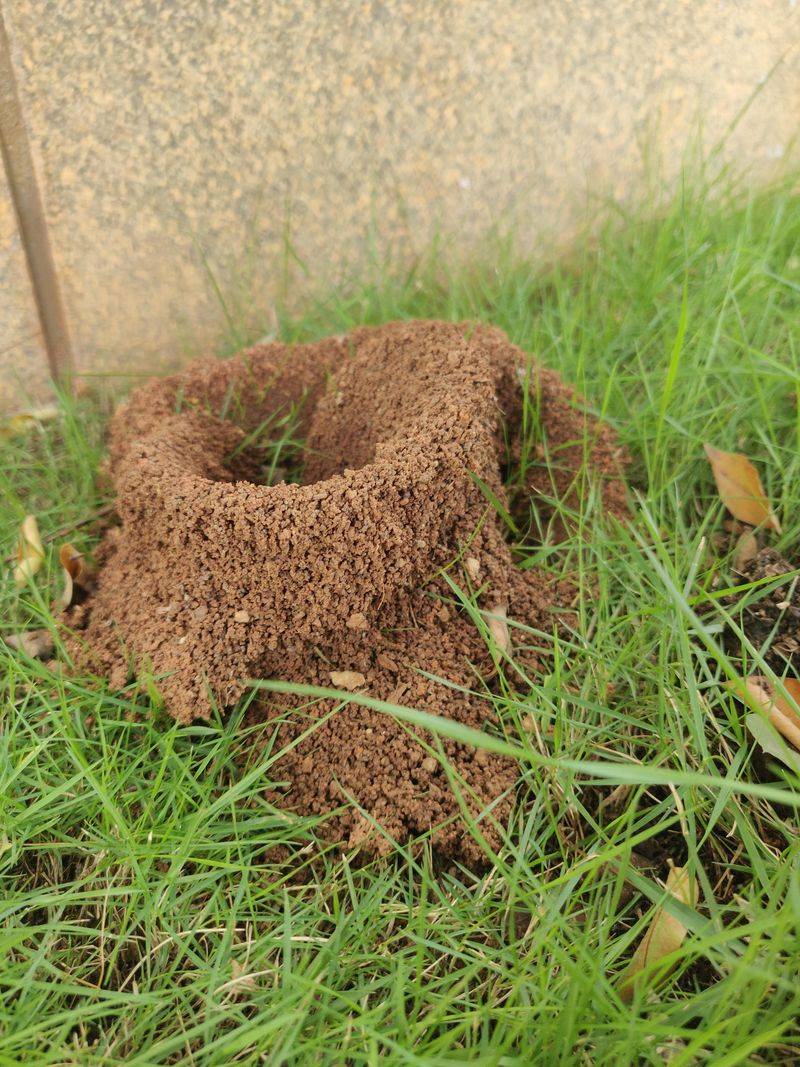
You can do everything right in your yard and still wake up to fresh mounds. Sometimes the problem is literally next door, and that is a harder situation to control.
Fire ant colonies do not respect property lines. A large, untreated colony in a neighboring yard will send out winged queens that land and nest wherever conditions look good.
Neighbors who do not treat their yards create a constant reservoir of new colonies. Each warm season, reproductive ants can fly from those established nests and land in freshly treated ground nearby.
This is one of the most frustrating of the real reasons fire ant mounds keep appearing in Kentucky yards. You are managing the symptom while the source keeps producing new invaders.
Talking to neighbors about shared pest management is worth the slightly awkward conversation. When multiple households treat at the same time, the results across the whole area improve dramatically.
Some counties and neighborhoods have coordinated treatment programs through local extension services. Joining or organizing one of those efforts can make a bigger difference than solo treatments ever could.
Focusing your own treatments on the perimeter of your property creates a buffer zone. That barrier intercepts incoming queens before they can establish new mounds in your lawn.
Solving this problem long-term often takes a community effort. Connecting with neighbors and treating together is the most powerful strategy for keeping fire ant mounds out of your yard for good.