Why Michigan Gardeners Stop Watering These Native Plants In July
Watering more during the hottest month of the year seems like the obvious move for keeping plants healthy.
For a specific group of Michigan natives, doing exactly that is one of the most common ways gardeners unintentionally damage plants that were thriving on their own.
These species evolved through Michigan’s natural dry summer periods and developed root systems and internal mechanisms calibrated specifically for low-moisture July conditions. Adding supplemental water does not help them through the heat.
It interferes with a process they handle better without any intervention at all. Knowing which plants belong in this category saves water and keeps these natives performing exactly as they are built to perform.
1. Butterfly Weed
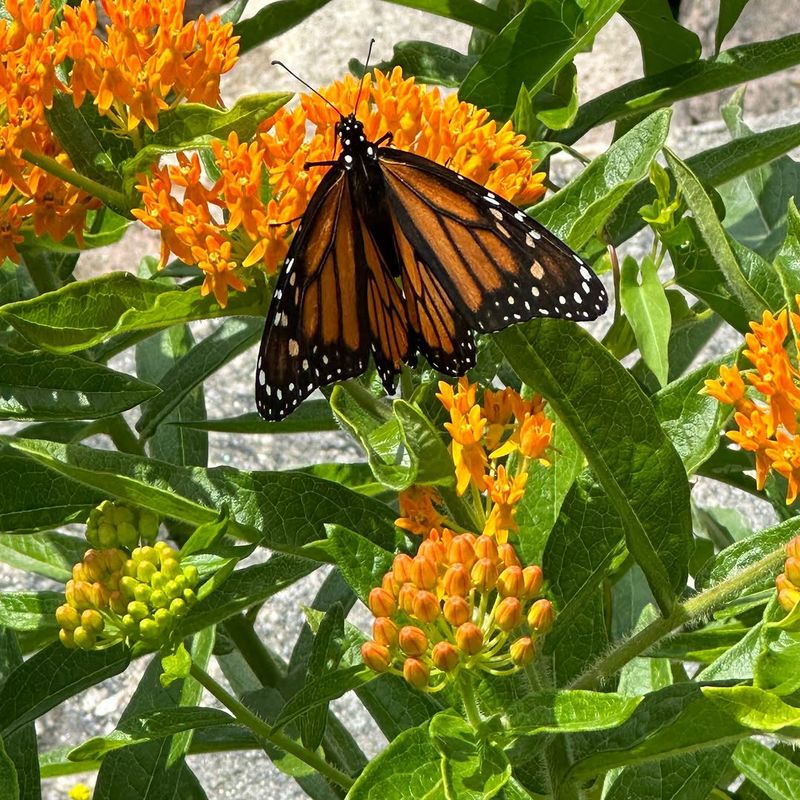
Few plants earn their name quite like Butterfly Weed. Monarch butterflies, native bees, and all kinds of pollinators flock to its vivid orange blooms from early summer straight into July, and it does all of this without asking for much water at all.
Once established in the right spot, Asclepias tuberosa is one of the most self-sufficient plants you can grow in the garden.
This native milkweed naturally belongs in dry, sunny places. You will find it growing wild along sandy roadsides, in open pine barrens, dry prairies, oak barrens, and woodland clearings across Michigan.
Those lean, well-drained conditions are exactly where it thrives, and trying to pamper it with regular July watering in a suitable dry bed can actually cause weak, floppy growth or root problems. Moist, heavy soil is not its friend.
Sandy or gravelly garden beds with full sun are the sweet spot for this plant. If your site matches its natural range, established plants can handle July heat on their own without routine irrigation.
That said, gardeners who planted Butterfly Weed this spring or last fall should still check soil moisture during their first growing season. New plants need time to build that deep taproot that makes them so tough.
Once the roots are established, step back and let this vivid native do what it does best.
2. Wild Bergamot
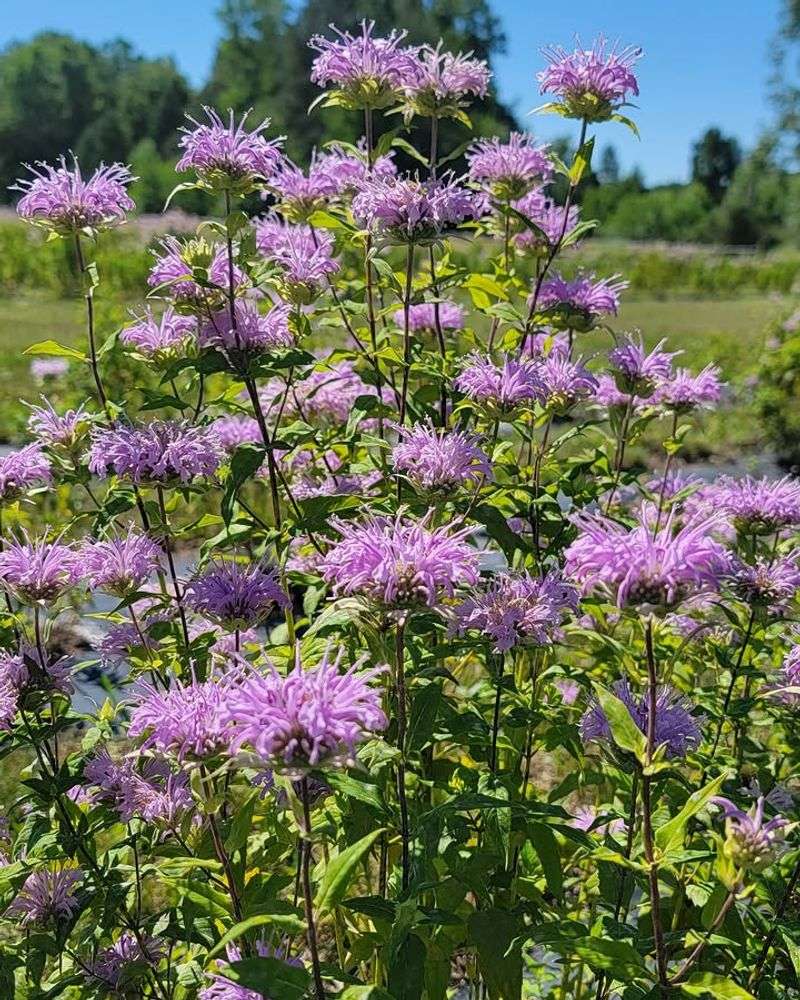
Wild Bergamot in full bloom is one of July’s most cheerful sights in a native garden. Its soft lavender-purple flowers cluster at the tops of upright stems, drawing in bumblebees, hummingbird moths, and butterflies throughout the height of summer.
This is exactly the time when Monarda fistulosa is at its peak, and it handles the season beautifully without extra water from a garden hose.
Across Michigan, Wild Bergamot grows naturally in savannas, prairies, fields, open roadsides, and woodland edges where soil drains freely. It is documented throughout the state and is well adapted to average, well-drained conditions.
Overhead watering in July not only gives it more moisture than it needs in a dry garden bed, but it can also reduce airflow around the foliage, which sometimes encourages powdery mildew on the leaves.
Spacing plants well and avoiding soggy spots goes a long way toward keeping this plant healthy all season.
If your garden bed drains reasonably and your Wild Bergamot has been growing for a full season or more, July is a great time to let rainfall handle the work.
Your Michigan Garden Changes Every Week. Your Plan Should Too.
Gardening in Michigan changes quickly throughout the season. Every Friday you’ll receive a simple weekly plan showing exactly what to plant, prune, fertilize, harvest, and protect so you never miss the right timing.
Planting it in a constantly wet or low-lying area is a setup for disappointment, since it genuinely prefers conditions that lean dry to average. Match the site, skip the routine watering, and enjoy the blooms.
3. Sand Coreopsis
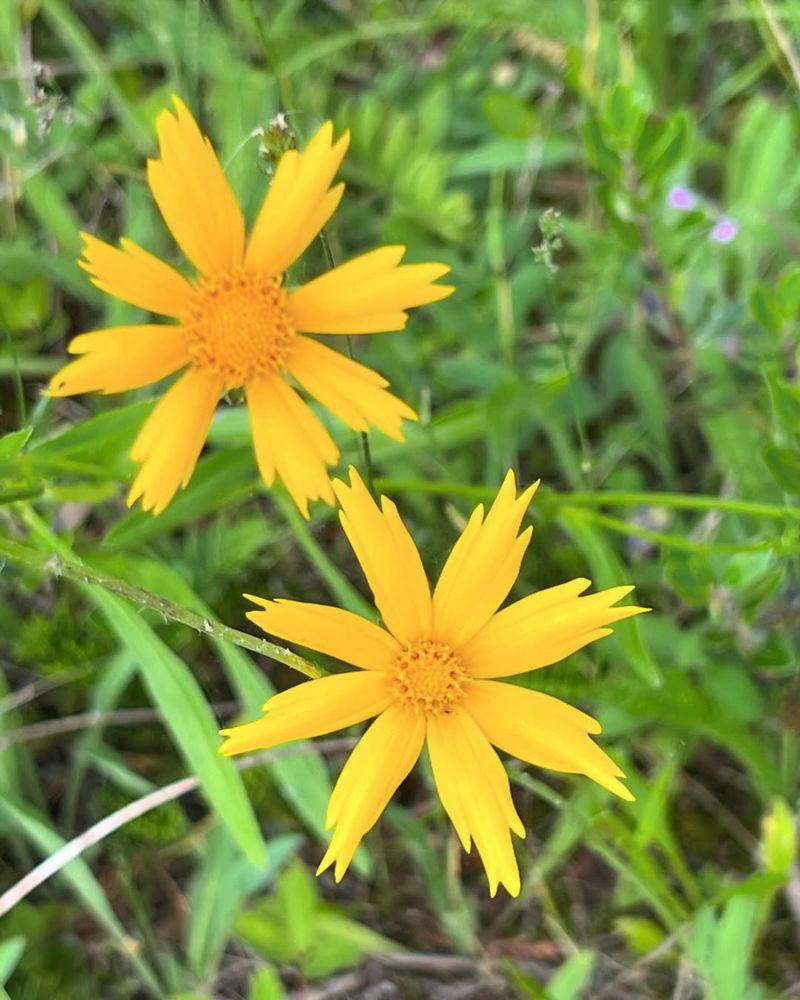
Sand Coreopsis has a personality that matches its name perfectly. It is bright, cheerful, and completely at home in the kind of dry, sandy conditions that would stress most garden flowers.
Coreopsis lanceolata blooms generously in June and often keeps pushing out yellow flowers well into July and August, all without needing rich soil or regular watering to pull it off.
In Michigan, this native grows along open sandy banks, dry roadsides, bluffs, grasslands, and oak-pine woodland edges.
It has even been found near the sandy dunes along Lakes Michigan and Huron, which tells you a lot about its tolerance for heat and drought.
Full sun to partial sun suits it well, and very dry to somewhat moist soil covers its comfort range. Rich, wet garden soil is more likely to cause problems than to help it.
July is when many gardeners are tempted to water their flowering plants more frequently, but Sand Coreopsis rewards a hands-off approach in a well-matched site. Overwatering can lead to floppy stems or root issues in sandy ground.
If your planting is established and sitting in the right kind of lean, sunny spot, let the plant do its thing.
Save your watering efforts for new transplants still building their roots, and enjoy the cheerful yellow blooms that keep coming through the heat of summer without much fuss at all.
4. Showy Goldenrod
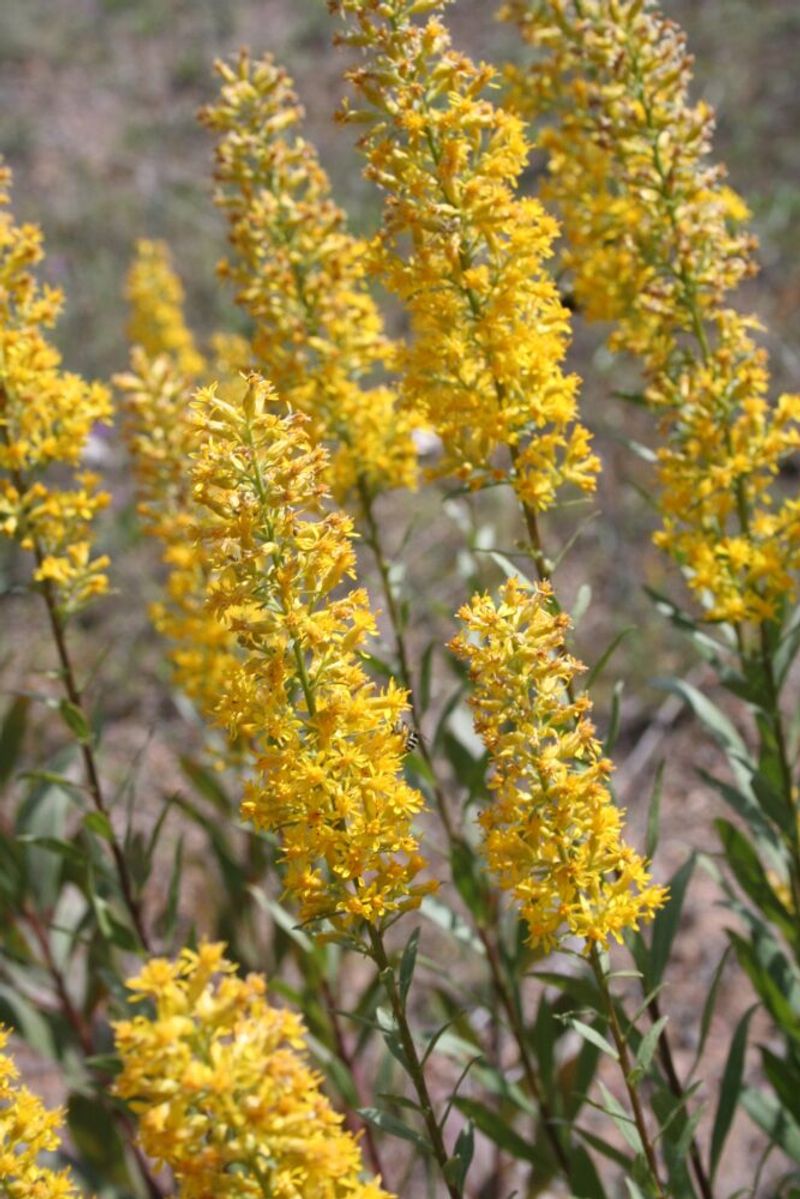
Goldenrod gets a bad reputation sometimes, but Showy Goldenrod is one of the most striking natives you can grow in a Michigan garden.
Its tall, upright stems and dense golden flower plumes are a late-season feast for pollinators, and the plant earns every bit of that attention without needing coddling in July.
Solidago speciosa is built for tough, dry conditions, and that is exactly where it shines.
You will find it growing across the state in dry open sandy areas, prairies, fields, oak savannas, jack pine savannas, roadsides, and even along railroad corridors. In the Upper Peninsula, it manages in thin, lean soils that many plants would struggle in.
Full sun to partial sun and very dry to average moisture are the conditions it prefers, and matching those in your garden means you can stop worrying about regular July irrigation once the plant is settled in.
July care for Showy Goldenrod is really about the basics: good sun exposure, proper plant spacing, and making sure the site fits the plant’s natural growth pattern. Crowding it or planting it in a shady, moist corner works against its strengths.
Established plants building toward their late-summer bloom do not need routine sprinkling to stay healthy.
The pollinators that rely on goldenrod as a critical late-season food source will thank you for growing it right, in a lean sunny spot where it can truly perform.
5. Smooth Blue Aster
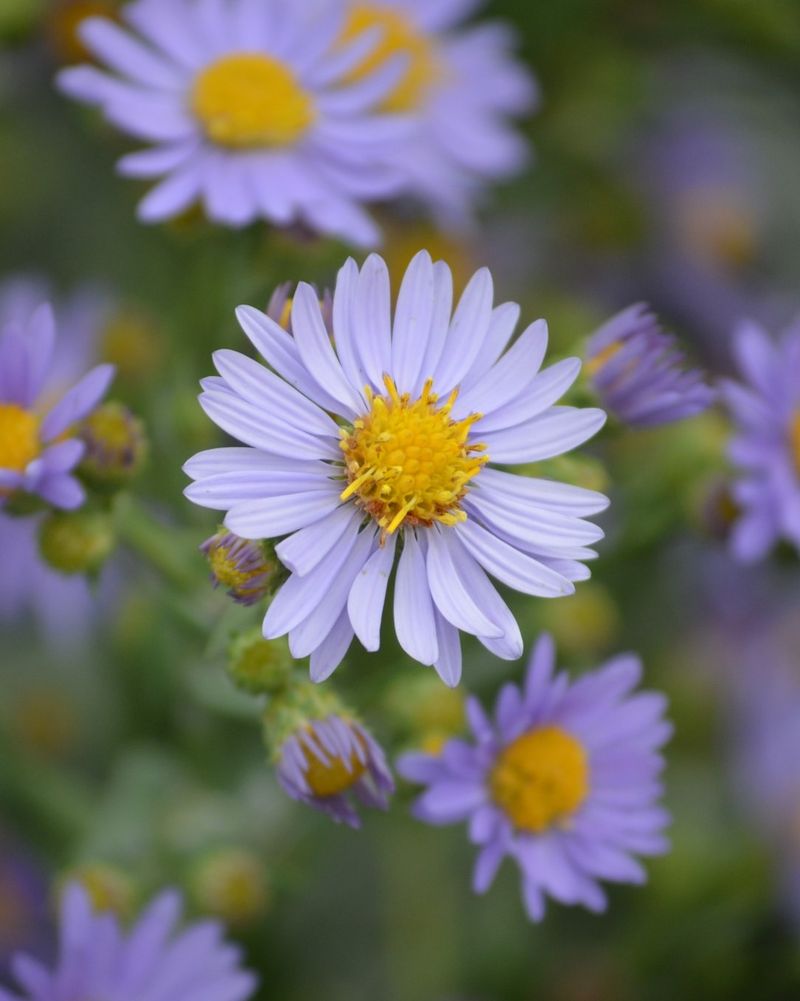
Smooth Blue Aster might be one of Michigan’s most underrated native plants. Its soft blue to purple flowers appear later in the season, making it a valuable player in any native garden that needs color heading into fall.
Symphyotrichum laeve is listed for the Upper Peninsula, Northern Lower Peninsula, and Southern Lower Peninsula, which means it is well documented across the state and clearly adaptable to a range of Michigan conditions.
Depending on the site, it can handle dry, medium, or even wetter soils, which makes it more flexible than many natives.
In a dry border or prairie edge planting where it has been growing for a full season or more, it generally does not need routine July watering to stay healthy.
The plant is building its root system and preparing for its fall bloom display, and it can manage that work on its own in a reasonably matched site. That said, gardeners should stay practical about it.
During an intense heat wave or in a sandy spot where soil dries out fast, checking soil moisture still makes sense, especially for plants that went in the ground earlier that same spring.
A new transplant needs more attention than an established clump. The smart approach is to know your specific site conditions and adjust from there, rather than watering on a fixed schedule just out of habit. Let the soil be your guide every time.
6. New Jersey Tea
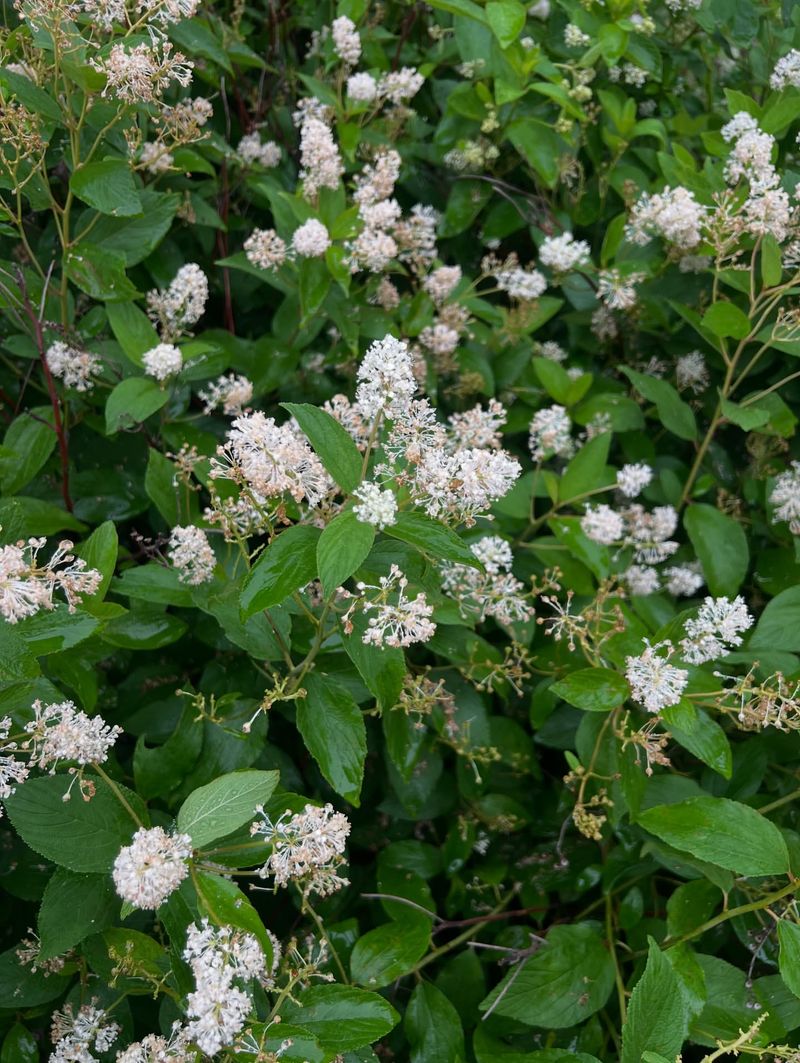
New Jersey Tea is a shrub that rewards patience more than almost any other native. When you first plant it, the above-ground growth can seem slow, and that is completely intentional.
Ceanothus americanus spends its early energy driving roots deep into the soil, building the underground foundation that makes it one of the most drought-tolerant shrubs in the native plant toolkit.
Once that root system is established, July watering becomes largely unnecessary in a well-matched site.
Michigan State University describes this plant as extremely deep-rooted and drought tolerant, which is a strong endorsement for gardeners looking to reduce summer irrigation. It fits full to partial sun and dry to medium soil conditions well.
Small white flower clusters appear in early summer and attract a variety of native bees. The plant stays relatively compact and works beautifully in naturalistic borders, dry slopes, or open woodland edges where other shrubs might struggle.
The temptation to overwater during establishment is real, especially when a young plant looks like it is not doing much above ground. Resist it.
Consistently wet soil can actually set this shrub back rather than help it along. Give it well-drained soil that matches its natural habitat, let it build those deep roots through its first season or two, and then step back in subsequent Julys.
It will reward your patience with reliable, low-maintenance performance for many years ahead without needing regular summer irrigation.
7. Little Bluestem
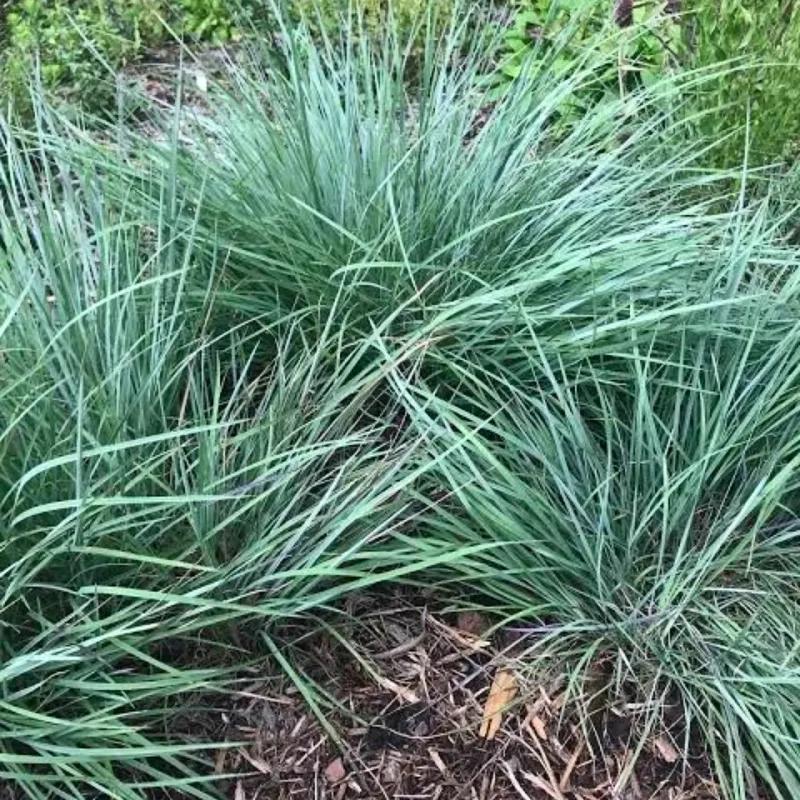
Little Bluestem is the kind of grass that looks better the less you fuss over it.
In July, its upright blue-green blades are at their summer best, and by fall the whole plant shifts to warm shades of copper and russet that make it a standout in any native garden.
Schizachyrium scoparium is a native grass built for full sun and well-drained soil, and it genuinely does not need routine summer watering once it is settled into the right spot.
Michigan gardeners have embraced Little Bluestem as a lawn alternative in sunny areas where traditional turf grass struggles or demands too much input.
It provides texture, movement, and seasonal interest while offering real habitat value for birds and small insects.
One of its biggest selling points is drought tolerance, and that quality only works in your favor if you actually let the plant experience some dryness rather than keeping the soil consistently moist through July.
Overwatering Little Bluestem in a well-drained bed can cause it to flop or grow too lushly, losing the upright form that makes it so attractive. July is the month to trust the plant’s natural toughness and back off the hose.
Established clumps handle summer heat with ease.
New plantings from this spring still benefit from occasional moisture checks, but even those should be getting less water than you might give a traditional garden perennial during the same stretch of summer heat.
8. Switchgrass
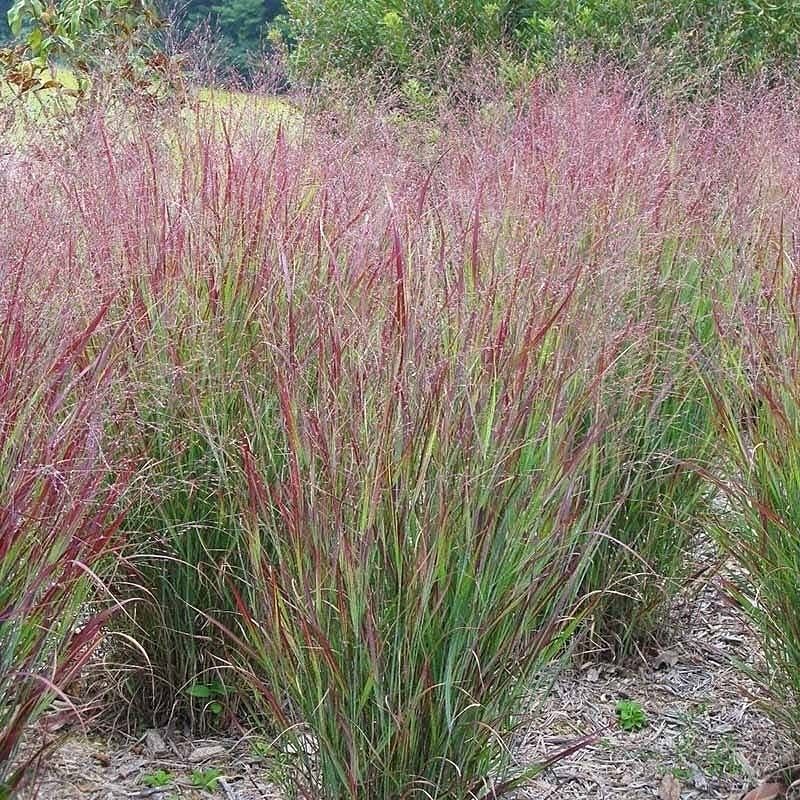
Switchgrass is one of those plants that earns its place in a Michigan garden in more ways than one.
Panicum virgatum grows with an airy, open texture that moves beautifully in a summer breeze, and it provides erosion control on slopes and banks where other plants might fail.
It tolerates sun to partial shade and handles dry conditions with the kind of quiet confidence you expect from a true native grass.
Mature clumps of Switchgrass do not need routine July watering in a well-established planting.
Whether it is anchoring a prairie-style border, softening the edge of a rain garden, or holding a slope in place, established plants pull through Michigan summers with minimal irrigation.
It also fits naturally into larger native plant groupings, where its vertical structure and late-season seed heads add real visual interest and food for birds heading into fall.
New plugs planted earlier in the season are a different story. Young plants still building their root systems need more attention, and gardeners should check soil moisture during heat waves rather than assuming the plant can fend for itself right away.
Once Switchgrass is truly established, though, it shifts into a low-input mode that makes July maintenance simple.
Skip the regular watering, give it the sun it needs, and let this tough native grass do exactly what it evolved to do across Michigan’s open landscapes.
9. Wild Lupine
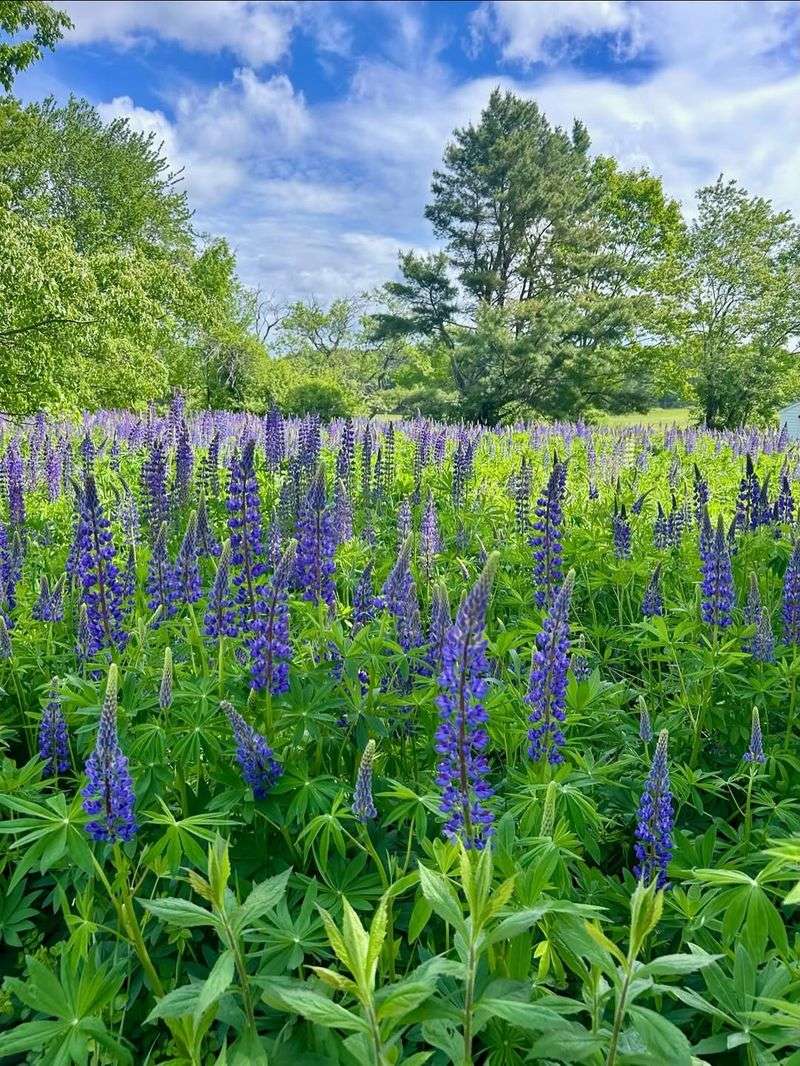
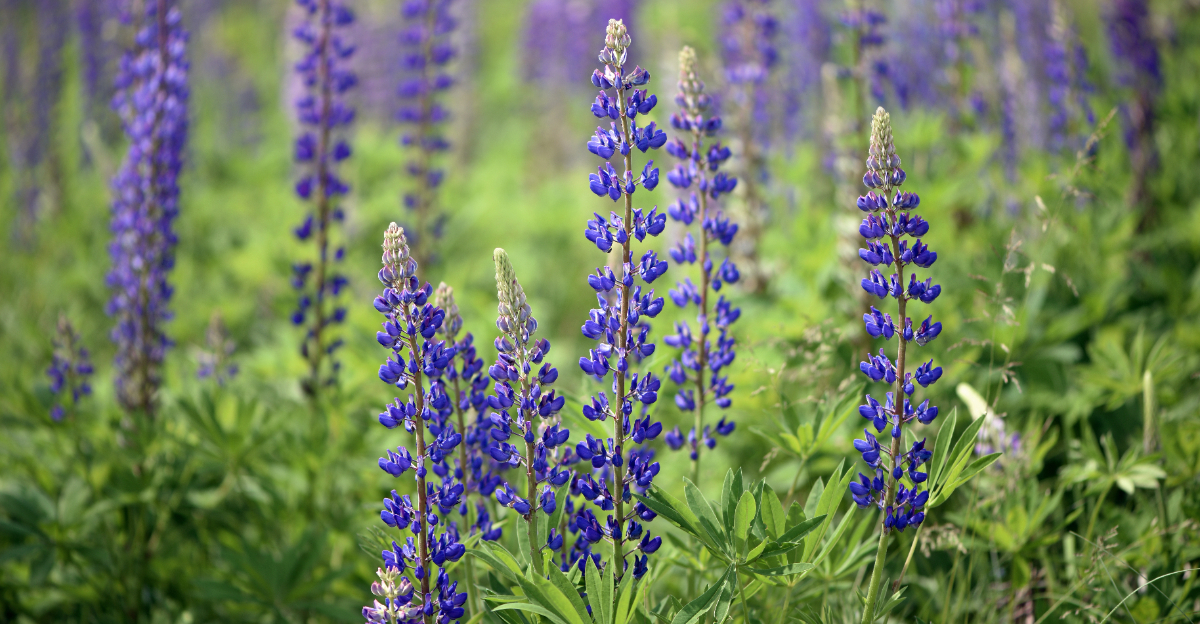
Wild Lupine is famous for its stunning purple flower spikes in late spring, but July is actually a quieter time for this plant. By midsummer, the blooms have finished and the plant is focused on seed development and root maintenance.
Lupinus perennis is a Michigan native for dry sandy soil, prairies, open fields, and woodland edges, and it is critically important as the only host plant for the endangered Karner blue butterfly in the state.
This plant belongs in lean, well-drained sites where the soil stays on the dry side. Treating it like a moisture-loving border perennial in July is one of the fastest ways to run into problems.
Rich, constantly moist soil does not suit Wild Lupine at all, and summer overwatering in a garden bed can stress the plant rather than help it. Sandy, sunny spots where rainfall drains quickly are exactly the kind of conditions it evolved for.
Young plants and first-season transplants still need some support while their root systems get established, and gardeners should monitor soil during extended dry spells in the first year.
But established Wild Lupine plants in a correctly matched sandy site can handle July on their own without routine irrigation.
The key is getting the site right from the start. Once this native is comfortable in lean, sunny, well-drained ground, it becomes one of the most rewarding low-input plants in a native garden.
10. Prairie Dock
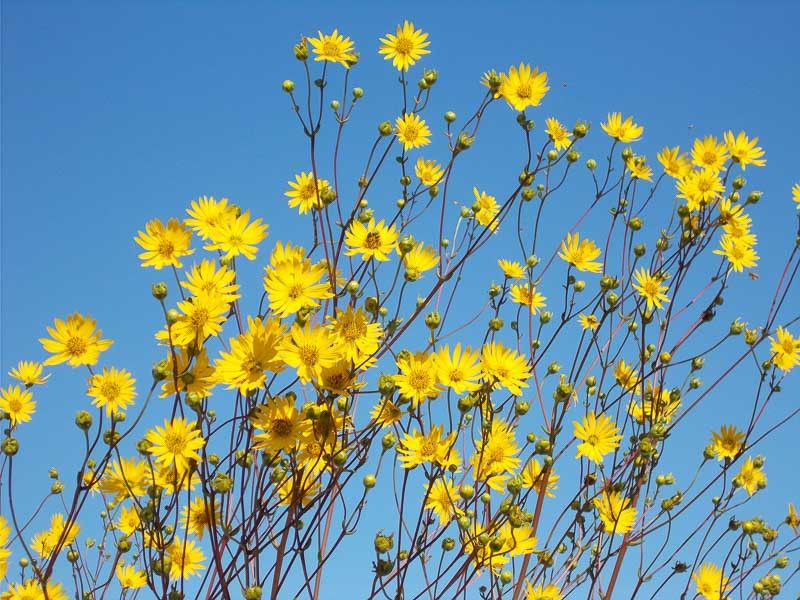
Prairie Dock commands attention. Its enormous, rough-textured basal leaves can grow larger than a dinner plate, and tall flower stalks shoot up six to eight feet or more by late summer, topped with cheerful yellow blooms.
Silphium terebinthinaceum is a bold, architectural native listed for southern Lower Michigan in dry, average, and wet moisture ranges, which shows just how adaptable it can be once its deep root system is fully established.
That deep root system is the real story with Prairie Dock. The plant invests enormous energy into growing roots far down into the soil before it puts on much of a show above ground.
This underground strategy is exactly what allows established plants to handle Michigan’s July heat without needing weekly irrigation.
Large leaves may look like they would wilt quickly in the sun, but the root system keeps the plant anchored and hydrated even during dry stretches.
Patience and space are what Prairie Dock needs more than anything else in July. It is a slow establisher, and gardeners sometimes worry that it is not performing, but the underground work is happening even when the top looks quiet.
Give it full sun, make sure surrounding plants are not crowding it out, and avoid overwatering a mature planting just because the leaves look imposing.
Once this plant finds its footing in a sunny open spot, it becomes a genuinely low-maintenance powerhouse that rewards every patient gardener who gave it room to grow.
11. Hairy Beardtongue
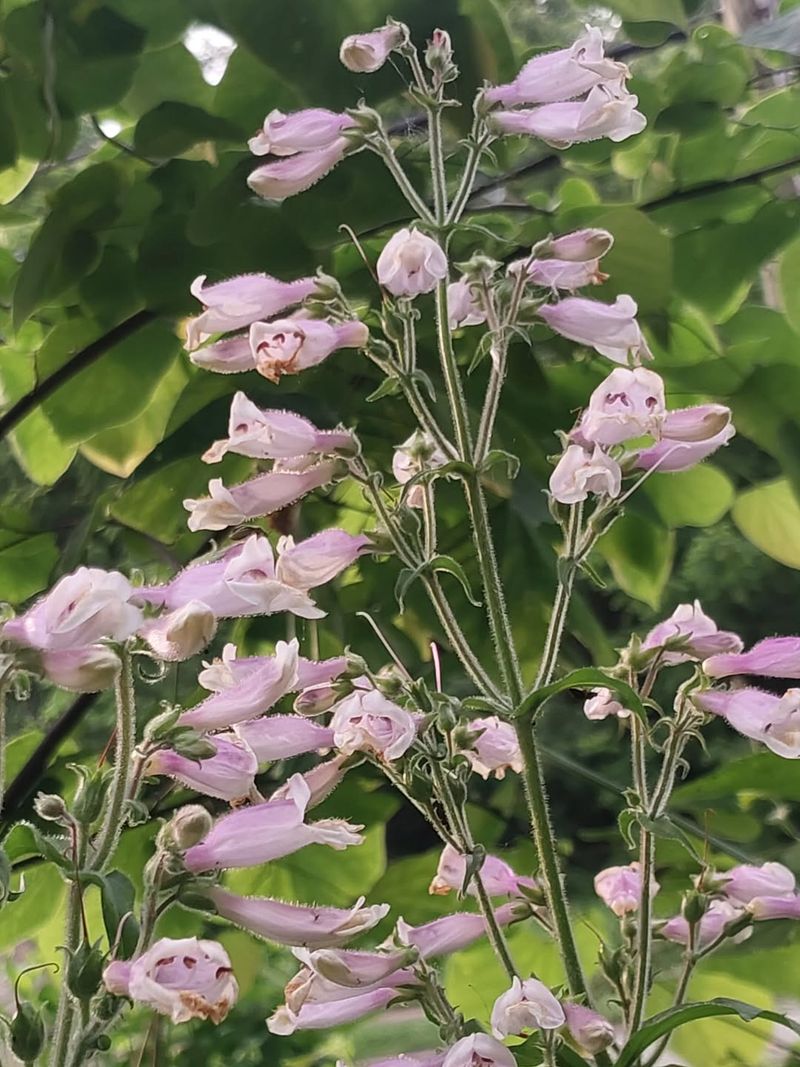
Hairy Beardtongue has a name that makes people smile, but gardeners who grow it quickly learn to take it seriously.
Penstemon hirsutus produces lovely tubular flowers in shades of pale pink and white that attract native bees and hummingbirds during late spring and early summer.
By July, the blooming is winding down and the plant shifts into a quieter maintenance mode, which is exactly when pulling back on watering makes the most sense.
This native belongs in lean, well-drained garden beds with full sun and dry to average soil. It is not a plant for constantly moist flower borders or heavy clay that holds water after rain.
In the right site, established Hairy Beardtongue handles Michigan’s July conditions without needing routine sprinkling.
Its natural habitat includes dry rocky slopes, open woodlands, and lean prairies where soil moisture stays on the lower end of the spectrum through summer.
Birds also visit the dried seed heads later in the season, adding another layer of wildlife value to a plant that already works hard for pollinators.
First-season transplants need more attention, and gardeners should check soil moisture during their first summer to make sure new roots are developing properly.
But once the plant has settled in for a full growing season, it becomes one of the most reliable low-water performers in a Michigan native bed. Match the soil, give it sun, and let it thrive on its own terms through the summer months.
12. Black Eyed Susan
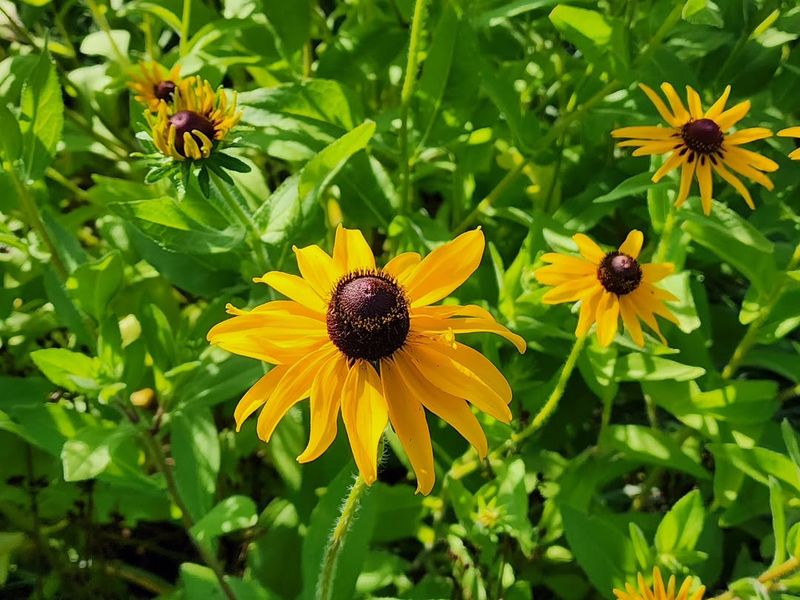
Black Eyed Susan is practically the mascot of the Michigan summer garden.
Its bold yellow petals surrounding a dark brown center pop against green foliage from June through August, and it attracts a steady stream of bees, butterflies, and other pollinators at the height of summer.
Rudbeckia hirta is listed in Michigan native plant resources for full sun to partial shade and dry to average soil, which covers a wide range of garden conditions across the state.
Established Black Eyed Susans in a sunny native bed or prairie-style planting do not need regular July irrigation to keep performing.
They are naturally suited to the kind of warm, drier conditions that July often brings in Michigan, and frequent light sprinkling can actually do more harm than good by keeping the soil surface wet without encouraging roots to go deep.
A low-input approach fits this plant perfectly once it has been growing in your garden for a full season.
During a long dry stretch with no meaningful rainfall, a deep soak at the soil level is a smarter strategy than sprinkling a little water every few days.
Deep watering encourages roots to reach further down, which builds a stronger, more resilient plant over time.
New transplants still need monitoring through their first summer, especially during heat waves.
But for established clumps in well-matched sunny spots, July is the month to trust Black Eyed Susan’s natural toughness and let it bloom its heart out without much help from you.