The Best Time To Pick Michigan Strawberries For The Sweetest Flavor
Michigan strawberry season is short, intense, and completely unforgiving about timing.
The difference between a berry picked at the right moment and one pulled a day too early is not subtle. It shows up immediately in flavor, texture, and how long the fruit stays good after harvest.
Michigan’s spring temperature swings push strawberries through their ripening window fast, sometimes within a matter of days during a warm stretch in June. Color alone will mislead you here.
There is a specific combination of visual and physical cues that signals true peak ripeness, and learning to read them makes every picking session dramatically more rewarding than going by looks alone.
1. Early To Mid June Is Usually The First Sweet Spot
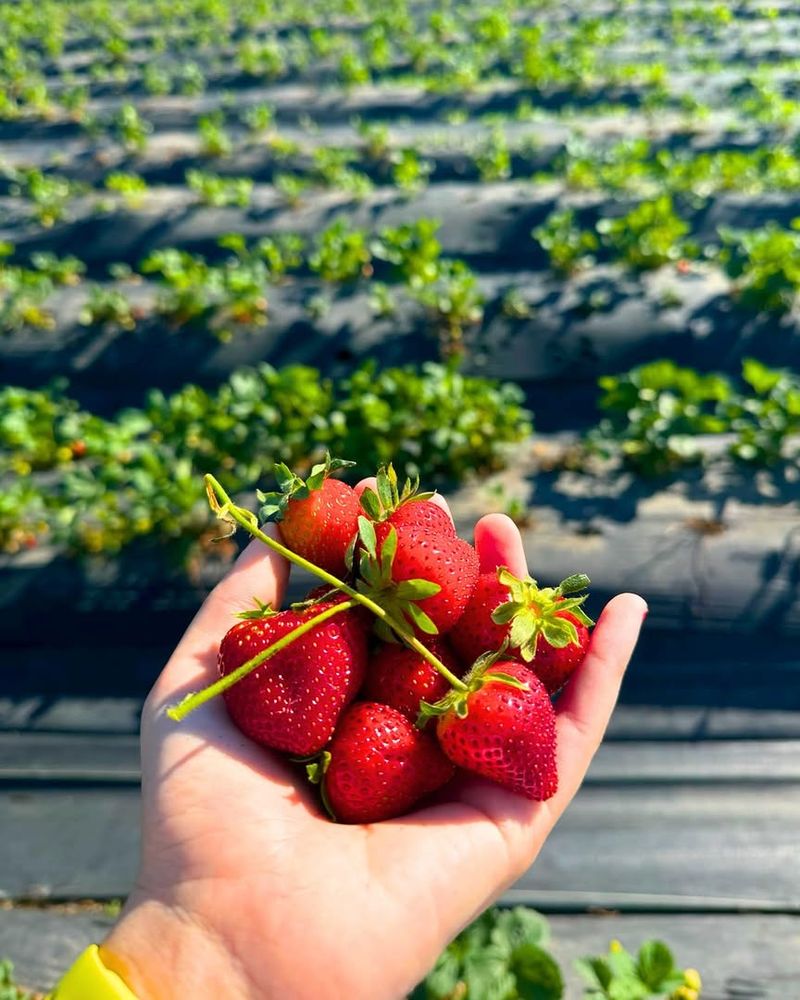
Something exciting happens in Michigan every year right around the first week of June.
Strawberry plants that have been quietly growing all spring suddenly start showing off their bright red fruit, and for berry lovers, that first glimpse of color is practically a celebration.
If you live in southern Michigan or the lower part of the Lower Peninsula, you are often among the first in the state to enjoy ripe berries.
June bearing strawberries are the main variety grown across farms and home gardens.
These plants produce one big, beautiful harvest each season, and that harvest almost always kicks off somewhere between early and mid June in the warmer southern regions.
Farms closer to the Ohio border can sometimes see ripe berries as early as the first few days of June when spring temperatures have been consistently warm.
Checking your local farm or garden patch starting around June 1st is a smart habit to build. Berries can go from nearly ripe to perfectly sweet in just a few warm days, so staying alert during this window really pays off.
A berry picked even a day or two too early can taste noticeably tart compared to one that had that extra bit of time in the sun. Weather plays a huge role in this early timing every single year.
A cooler, wetter spring can push the first harvest back by a week or more, while a warm and sunny May can bring those first ripe berries right on schedule or even a little ahead of time.
Watching the weather and staying connected with local growers helps you catch that first sweet window perfectly.
2. Late June Often Brings Peak Strawberry Flavor
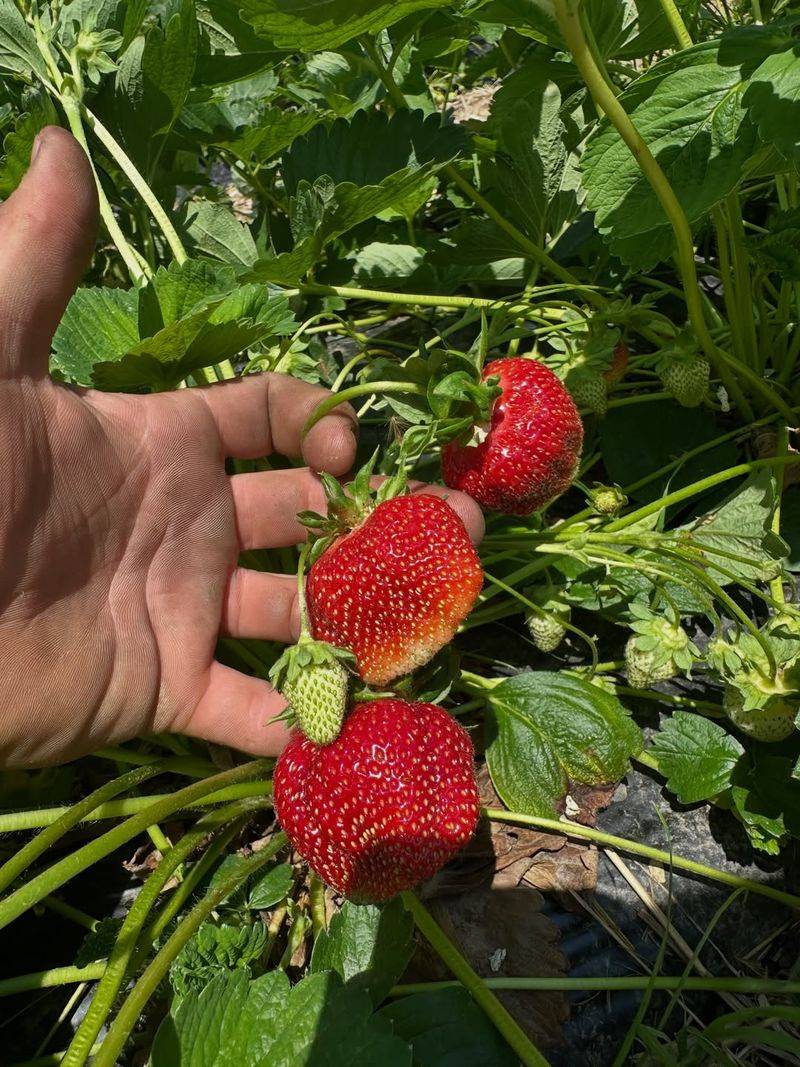
If early June is the opening act, late June is absolutely the main event.
By the last week of June, most Michigan June bearing fields are in full swing, producing some of the most flavorful strawberries you will find anywhere in the country.
The berries are fully colored, deeply fragrant, and packed with the kind of natural sugar that only comes from fruit that has ripened slowly in real sunshine.
There is a reason why people who grew up near farms talk about June strawberries with such fondness.
A berry that travels hundreds of miles from a commercial farm in another state simply cannot match the freshness of one picked the same morning just a few miles from your kitchen.
Your Michigan Garden Changes Every Week. Your Plan Should Too.
Gardening in Michigan changes quickly throughout the season. Every Friday you’ll receive a simple weekly plan showing exactly what to plant, prune, fertilize, harvest, and protect so you never miss the right timing.
Local fruit skips the long refrigerated truck ride, which means it arrives at your table with its flavor fully intact rather than faded from time and distance.
Late June is also when pick-your-own farms across Michigan tend to be the busiest and most rewarding.
Fields are loaded, the weather is usually warm and sunny, and the whole experience feels festive and fun for families and solo pickers alike.
Many farms sell out of their best picking spots quickly during this peak period, so planning ahead and arriving early in the day gives you a real advantage.
The sweetness during this peak window comes from the combination of warm days and cooler nights that summers often deliver in late June.
That temperature swing helps berries develop a richer, more complex flavor than berries grown in consistently hot climates. Catching this peak moment is well worth the effort.
3. Early Morning Picking Helps Preserve The Best Flavor
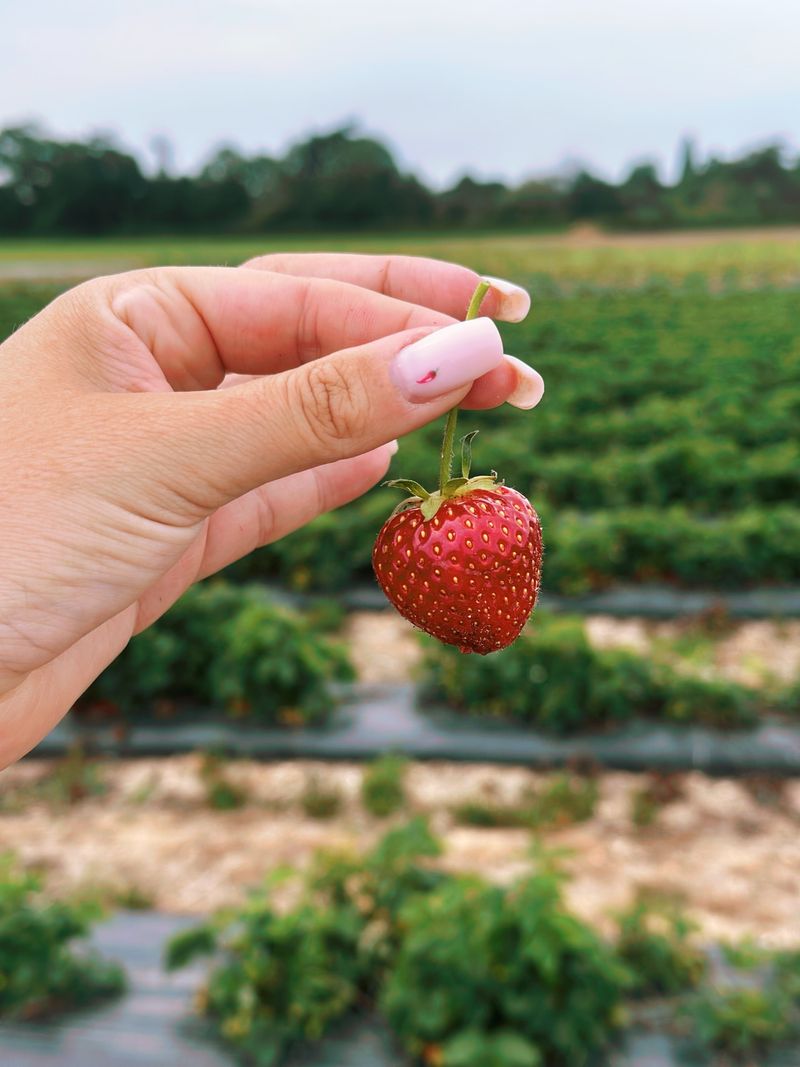
Most experienced berry pickers in Michigan will tell you the same thing without hesitation: get out there early.
Picking strawberries in the cool hours of the morning, before the heat of the day sets in, makes a noticeable difference in how your berries taste and how long they stay fresh once you bring them home.
It is one of those small habits that experienced gardeners and farm visitors swear by every single season. Warm temperatures cause strawberries to soften faster than you might expect.
A berry picked at noon on an 85-degree June day is already starting to lose some of its firm texture and fragrant appeal, while the same berry picked at 7 or 8 in the morning still has that satisfying snap and bright, clean smell.
Cooler fruit also handles better in your picking container, since soft berries bruise more easily and start releasing juice that can affect the quality of the berries around them.
Morning dew on the leaves and soil is also a sign that the air temperature is still comfortable for both you and the berries.
Most strawberry farmers and gardening experts agree that harvesting before 10 a.m. is the ideal window during warm summer weather.
You avoid the midday heat, the berries are at their firmest, and the whole experience is genuinely more pleasant when the air is still cool and fresh.
Bringing a small cooler or insulated bag to the farm is a great move if you plan to pick a large quantity.
Keeping your freshly picked berries out of direct sun on the drive home helps them stay firm and flavorful for much longer once you get back to your kitchen.
4. Fully Red Berries Give The Sweetest Taste
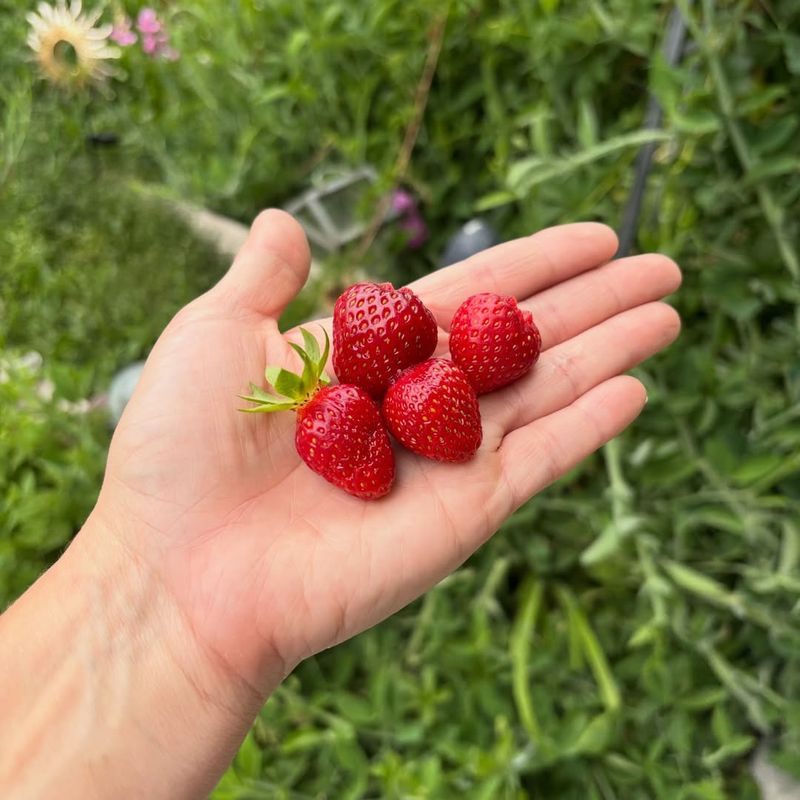
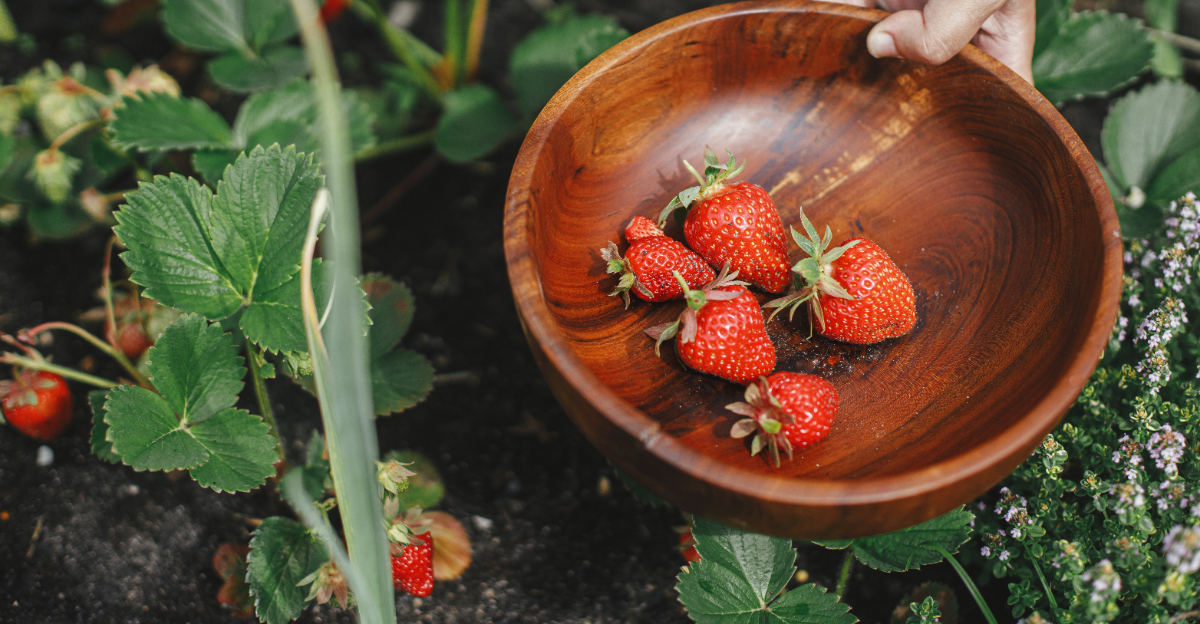
Color is your most reliable guide when picking strawberries, and fully red is the only shade worth putting in your basket.
A strawberry that shows any white or pale pink near the tip is simply not ready yet, and no amount of time sitting on your kitchen counter will change that.
Unlike bananas or peaches, strawberries do not continue ripening or getting sweeter once they leave the plant. The science behind this is straightforward and worth knowing.
Strawberries produce their sugar while still attached to the plant and drawing nutrients from the soil and sunlight.
Once that connection is cut, the sugar content stays exactly where it was at the moment of picking.
A pale, underripe berry will taste tart and slightly flat no matter how long you wait, while a deep red, fully ripe berry delivers that rich, sweet flavor that makes strawberries here so celebrated.
When you are out in the field or garden, take a moment to look at the entire surface of each berry before picking. The tip should be as red and vibrant as the top, with no white zones or faded patches.
A fully ripe strawberry also tends to have a noticeably stronger fragrance, almost like a natural perfume drifting up from the plant. If you can smell the berry before you even touch it, that is a very good sign.
Gently turning the berry to check the underside takes only a second and saves you from the disappointment of biting into something that looks ripe from above but still has a pale, underdeveloped bottom. Patience at the plant pays off with every single bite.
5. June Bearing Strawberries Have A Short Main Season
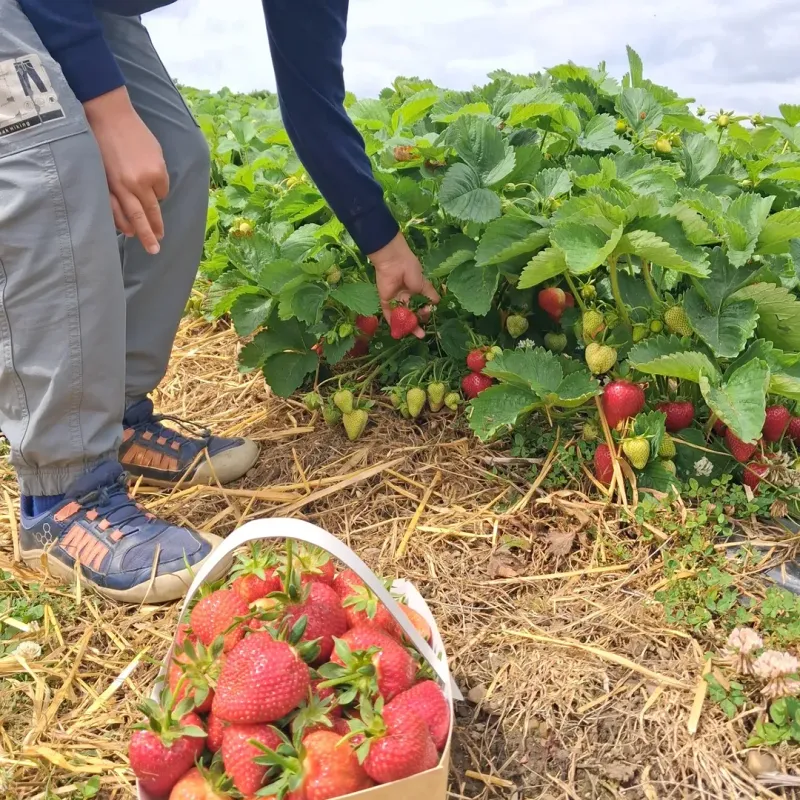
Urgency is part of what makes strawberry season here feel so electric.
June bearing strawberries, which make up the majority of the state’s commercial and home garden crop, produce all of their fruit in one concentrated rush that typically lasts somewhere between two and four weeks.
When farms announce that picking is open, experienced berry lovers know not to put it off until next weekend, because the window can close faster than anyone expects. Warm weather accelerates the ripening process dramatically.
A stretch of hot days in late June can push an entire field through its peak and into overripe territory within just a few days.
Berries that are perfectly sweet on Tuesday can be soft and mushy by Friday if temperatures stay high.
Farmers who grow June bearing varieties watch their fields closely during this period and often harvest multiple times per week to keep up with the pace of ripening. For home gardeners, this short season is both a challenge and a reward.
You might find yourself picking every other day just to stay ahead of the ripe fruit, which sounds like a lot of work but is actually one of the most enjoyable parts of growing your own strawberries.
Fresh berries every morning for three weeks straight is a pretty remarkable reward for the effort put into the garden earlier in the season.
Planning what to do with your harvest ahead of time also helps you make the most of this brief window.
Freezing, making jam, or baking with fresh berries are all great ways to stretch the flavor of peak strawberries well beyond the few weeks they are available fresh off the plant.
6. Day Neutral Strawberries Can Extend The Season
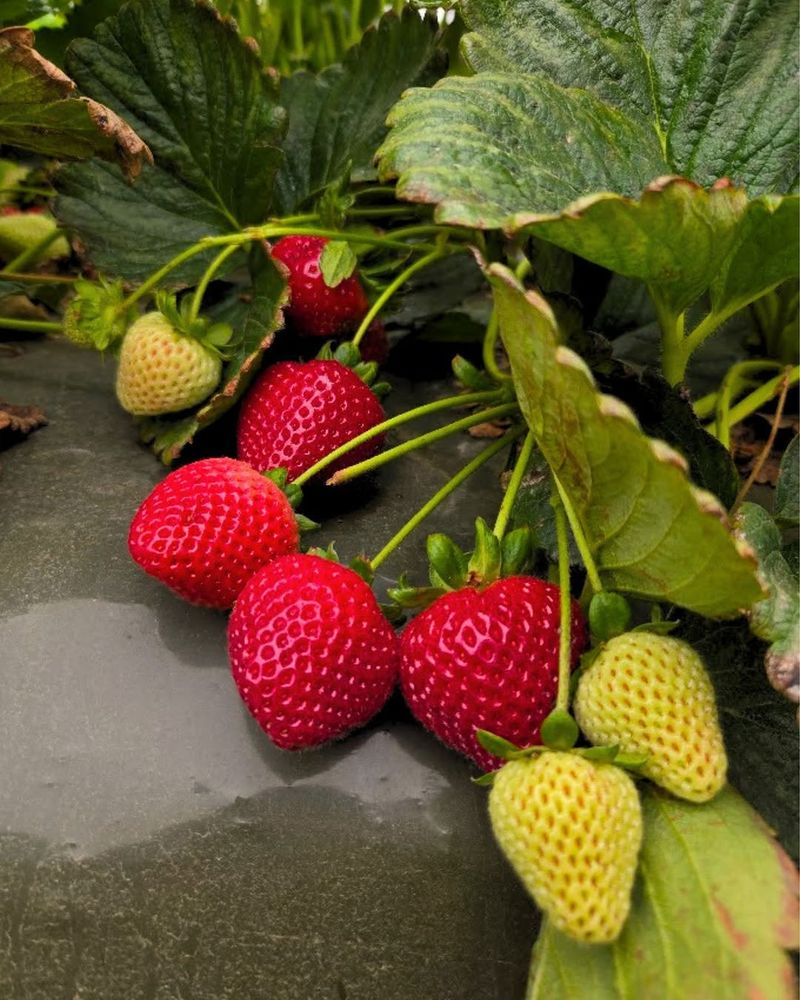
Once the main June bearing rush is over, many gardeners feel a familiar pang of disappointment. The good news is that not every strawberry variety wraps up for the year in early July.
Day neutral strawberries offer a way to keep fresh berries coming well beyond the traditional Michigan season, and more home gardeners are planting them specifically for this reason.
Unlike June bearing varieties, which trigger their fruiting based on day length and produce one concentrated harvest, day neutral plants are designed to flower and fruit across a much wider range of conditions.
They can produce berries in flushes throughout summer and even into early fall in some gardens, depending on the weather and how well the plants are cared for.
The individual berry size is often smaller than a classic June bearing Michigan strawberry, but the flavor can still be quite good, especially when the fruit is fully ripe.
Some Michigan farms have started incorporating day neutral varieties into their pick-your-own offerings, extending the season for customers who love the experience of picking fresh fruit.
Everbearing strawberries, which are sometimes grouped loosely with day neutral types, also show up in home gardens across the state as a way to stretch that fresh berry season.
Checking with your local nursery or extension office about which day neutral varieties perform best in your specific Michigan region is a helpful first step if you want to try growing them.
That said, the classic strawberry experience is still firmly rooted in June.
Day neutral varieties are a wonderful bonus, but nothing quite replaces the anticipation and flavor of that peak June bearing harvest that berry fans look forward to every single year.
7. Gentle Picking Keeps Strawberries Sweeter Longer
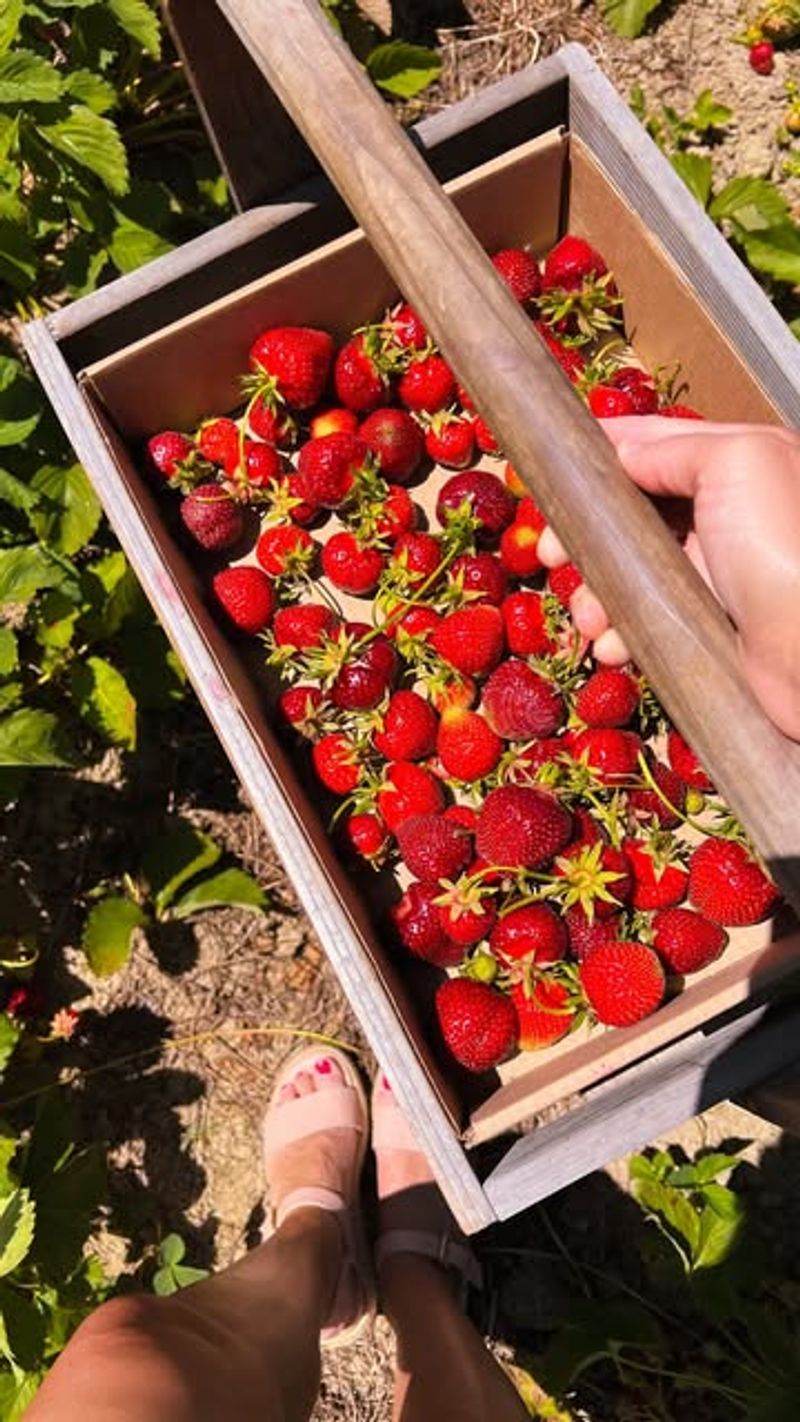
The way you pick a strawberry matters almost as much as when you pick it.
Grabbing a berry and pulling it roughly from the plant can bruise the flesh even before it lands in your basket, and bruised strawberries start breaking down quickly, losing both their texture and their vibrant flavor within hours.
A little care in the field goes a long way toward enjoying better berries once you get home. The correct technique is simple and easy to master on your very first try.
Pinch the stem just above the green cap between your thumb and forefinger, then twist gently and pull with a smooth, light motion.
The berry should come free cleanly with the cap still attached. That green cap acts as a natural seal, helping to slow moisture loss and protect the top of the fruit from damage during transport and storage.
Stacking too many berries on top of each other in a picking container is one of the most common mistakes people make at pick-your-own farms.
The weight of the berries above crushes the ones below, especially as the day warms up and the fruit softens slightly.
Using a wide, shallow container rather than a deep bucket helps distribute the weight more evenly and keeps your harvest looking and tasting its best all the way home.
Refrigerating freshly picked Michigan strawberries as soon as possible after picking also makes a meaningful difference.
Unwashed berries stored in a single layer in the refrigerator can stay fresh and flavorful for two to three days, giving you plenty of time to enjoy every last one at their absolute best.