Why California Basil Bolts In Summer And The Fix Most Gardeners Miss
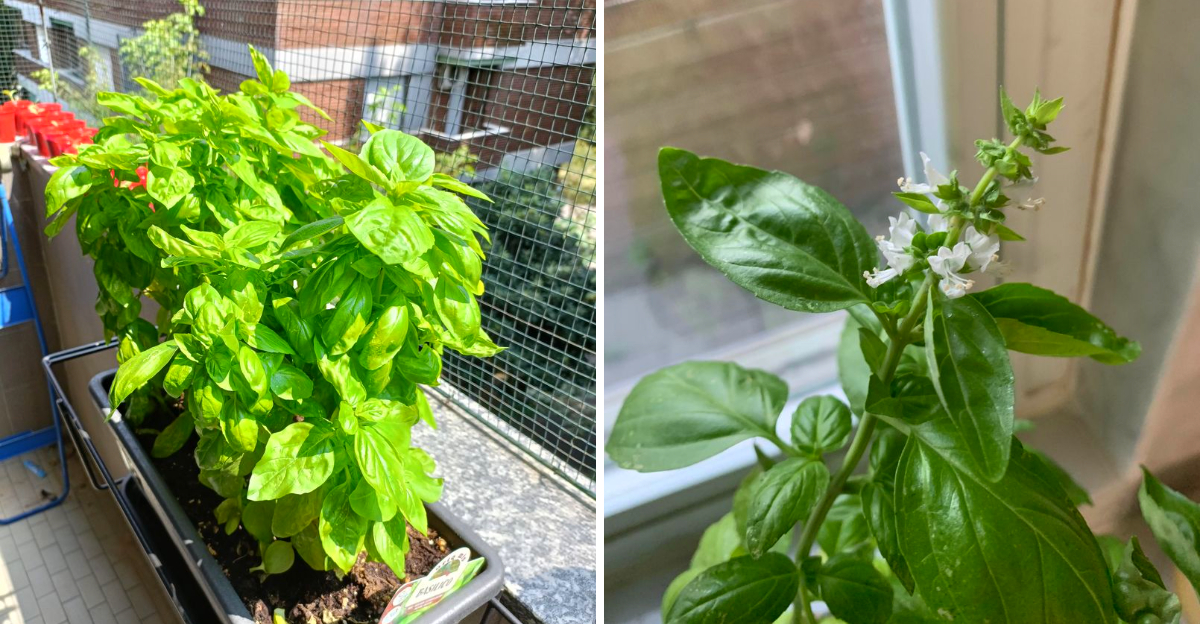
Basil has a dramatic side that California gardeners know all too well. One week your plant is full, fragrant, and practically begging to be turned into pesto.
The next week it is stretching upward, throwing out flower buds, and acting like producing leaves is suddenly beneath it. Honestly, a little rude.
This shift happens fast in a California summer, and once warm temperatures, long sunny days, and dry conditions kick in, basil starts prioritizing flowers and seeds over the lush leafy growth you actually want.
The flavor even changes when this happens, and not for the better.
The good news is that catching the early signs and knowing exactly how and where to make your cuts can keep a basil plant producing fresh, fragrant leaves much longer into the season than most gardeners expect.
1. Summer Heat Pushes Basil Toward Flowers
Hot herb beds in California can change quickly once summer temperatures climb into the upper 80s and 90s. Basil is a warm-season herb, but when heat becomes intense and sustained, the plant reads those conditions as a signal to shift toward reproduction.
Instead of pushing out more leaves, it starts directing energy toward forming flower stems and seeds.
In warm inland areas like the Central Valley or the Inland Empire, this shift can happen faster than gardeners expect. Even in milder coastal zones, a stretch of unusually warm days can nudge basil in the same direction.
The plant is not doing anything wrong; it is simply following its natural growth cycle.
Recognizing that heat is a trigger helps gardeners stay one step ahead. Watching for upward stem stretching and checking the tips of branches for early bud formation gives you a chance to respond before the plant fully commits to flowering.
Keeping basil slightly shaded during the hottest part of a California afternoon can also slow the bolting process without reducing the overall health of the plant.
2. Long Days Can Encourage Flowering
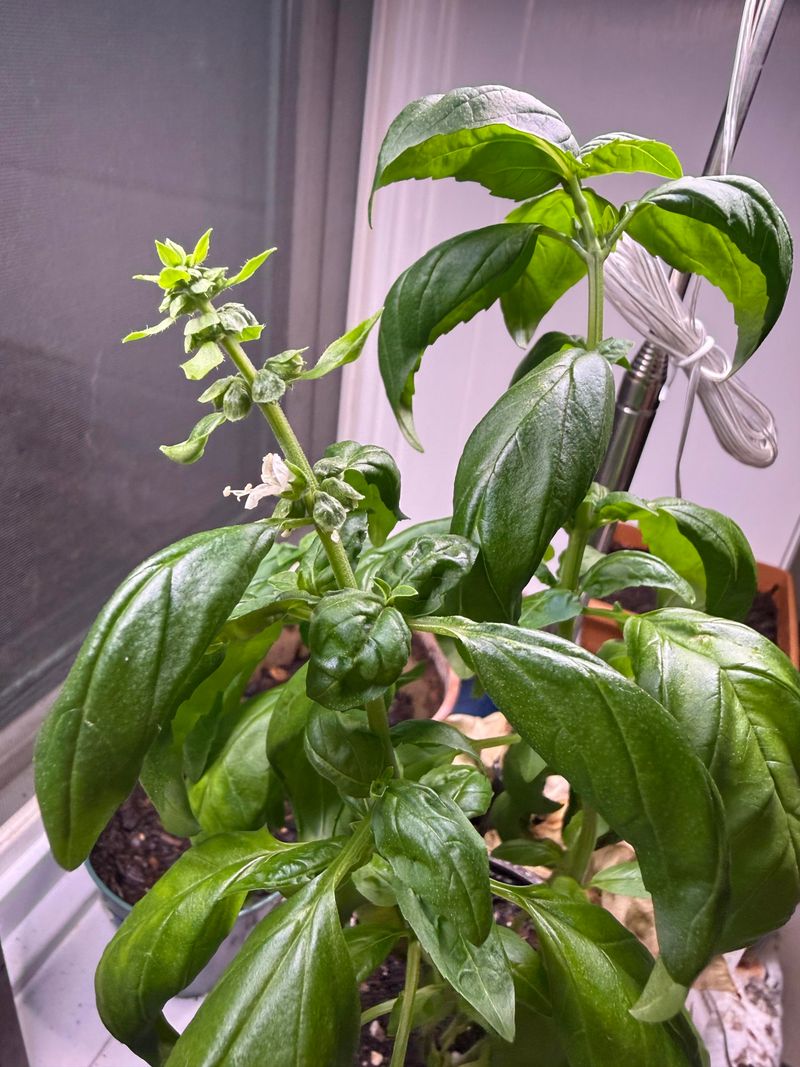
Spending time in a California garden during June or July, you quickly notice how long the daylight stretches.
Those extended hours of light are not just pleasant for gardeners; they also send signals to certain plants that the season is moving forward and it may be time to flower.
Basil can respond to longer days by shifting into its reproductive phase earlier than it might in shorter-day conditions.
This is sometimes called photoperiod sensitivity, and while basil is not as dramatically affected by day length as some other plants, the combination of long days and high temperatures in California summers can speed up the bolting process noticeably.
Gardeners who grow basil through June and July may find that plants started in late spring begin showing flower buds by midsummer even when watered consistently.
Providing some afternoon shade using a shade cloth or positioning containers where a fence or trellis blocks the harshest late-day sun can help moderate the light exposure.
Pairing that shade strategy with regular harvesting gives basil a better chance of staying in the leafy, productive stage longer during California’s extended summer days.
Your California Garden Changes Every Week. Your Plan Should Too.
Gardening in California changes quickly throughout the season. Every Friday you’ll receive a simple weekly plan showing exactly what to plant, prune, fertilize, harvest, and protect so you never miss the right timing.
3. Flower Buds Are The First Warning Sign
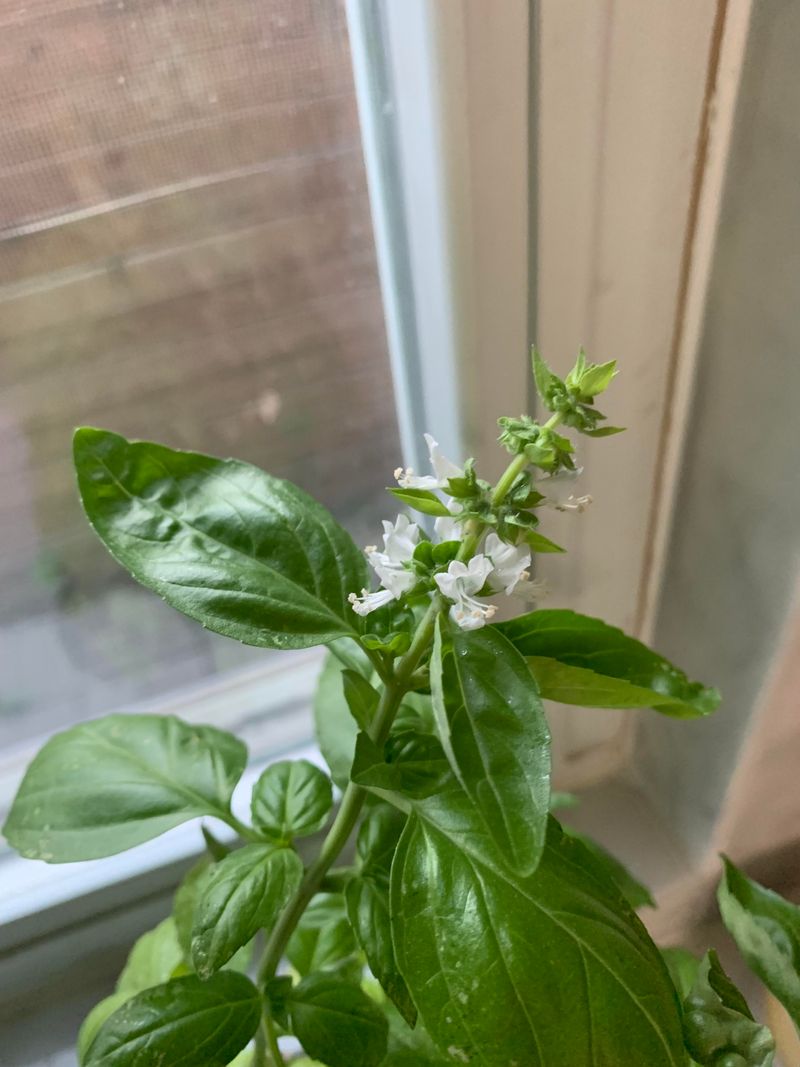
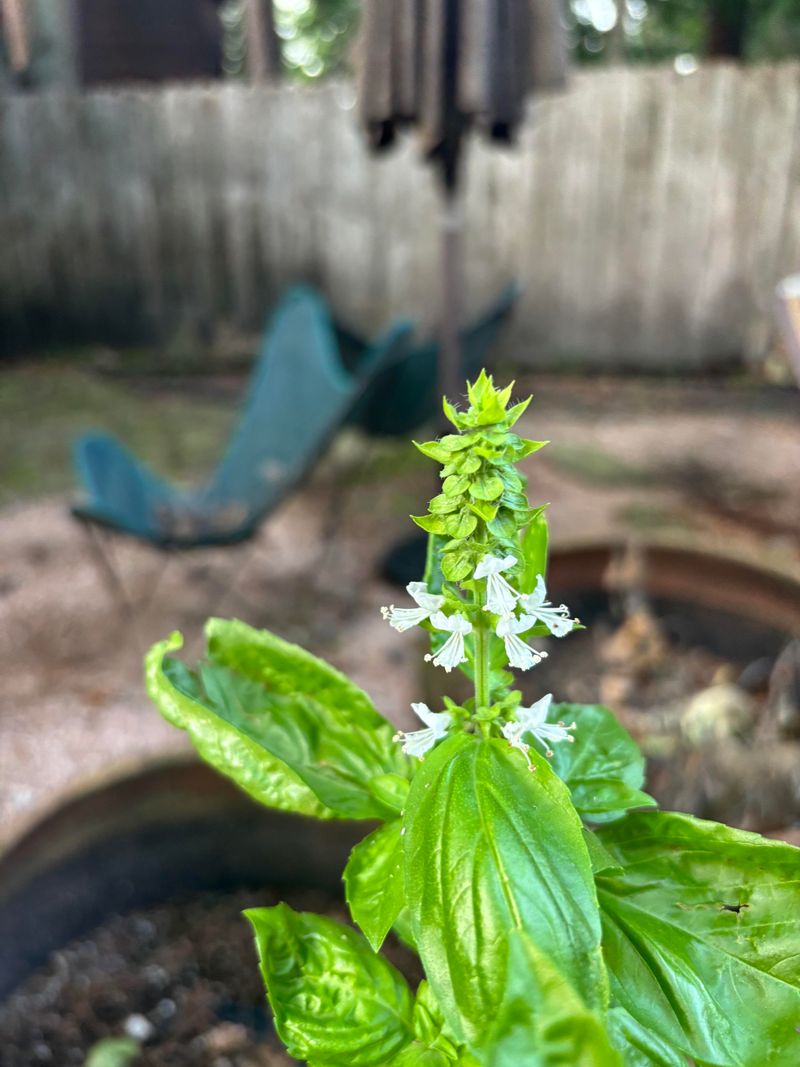
Tender basil tips can tell you a lot about what is happening inside the plant. When small, tightly packed clusters of green buds appear at the very top of a stem, that is the clearest early signal that bolting has begun.
Catching this stage early gives you the best opportunity to redirect the plant’s energy back toward leaf production.
Many California gardeners walk past this warning without acting on it, assuming the buds are harmless or that they will deal with them later.
By the time those buds open into small white or purple flowers, the stems have often already stiffened and the leaves closest to the flowering tip have started to shrink and lose their flavor.
Removing flower buds as soon as they appear is one of the most effective steps you can take to extend your harvest.
Pinch or cut the budding tip off just above a pair of healthy leaves, and the plant will often respond by sending out two new side shoots from that point.
Staying consistent with this check during California’s warmest months, even if it means a quick look every few days, can make a meaningful difference in how long your basil stays productive.
4. Missed Pinching Lets Stems Stretch
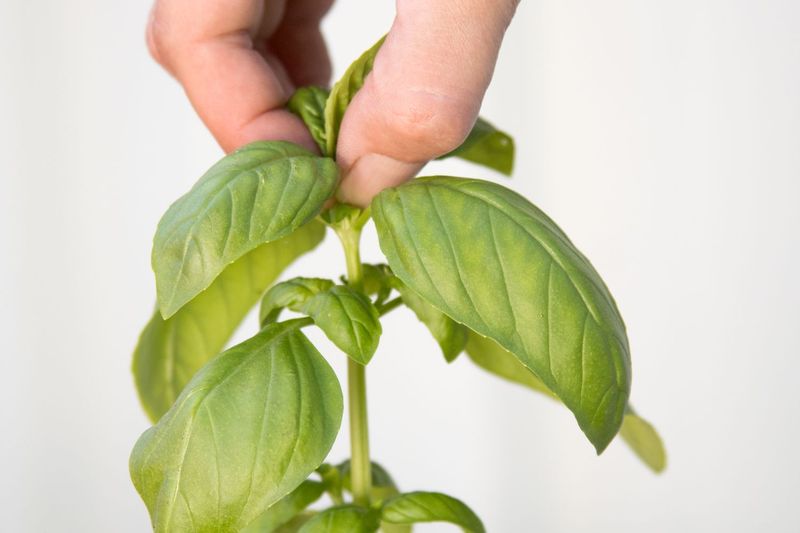
Stretched, leggy basil stems are often the result of skipped pinching sessions. When the top growing tip of a basil plant is left in place for too long, the plant naturally grows taller and narrower rather than branching out sideways.
In California’s summer heat, this upward growth can happen surprisingly fast.
Pinching is the simple act of removing the top portion of a stem to encourage the plant to branch. When you pinch a basil stem correctly, the plant responds by activating the buds sitting just below the cut, which grow into new lateral branches.
Each new branch eventually becomes another stem you can harvest from, which means a pinched plant can produce far more leaves over the season than one left to grow unchecked.
The fix many gardeners miss is not just removing the flower tip after it appears, but pinching stems regularly before any flower buds even form.
Starting this habit when basil plants are still young, around six to eight inches tall, sets up a bushier structure from the beginning.
In California’s long growing season, a plant shaped well early can remain productive through late summer and into fall with consistent attention.
5. Regular Harvesting Keeps Leaves Coming
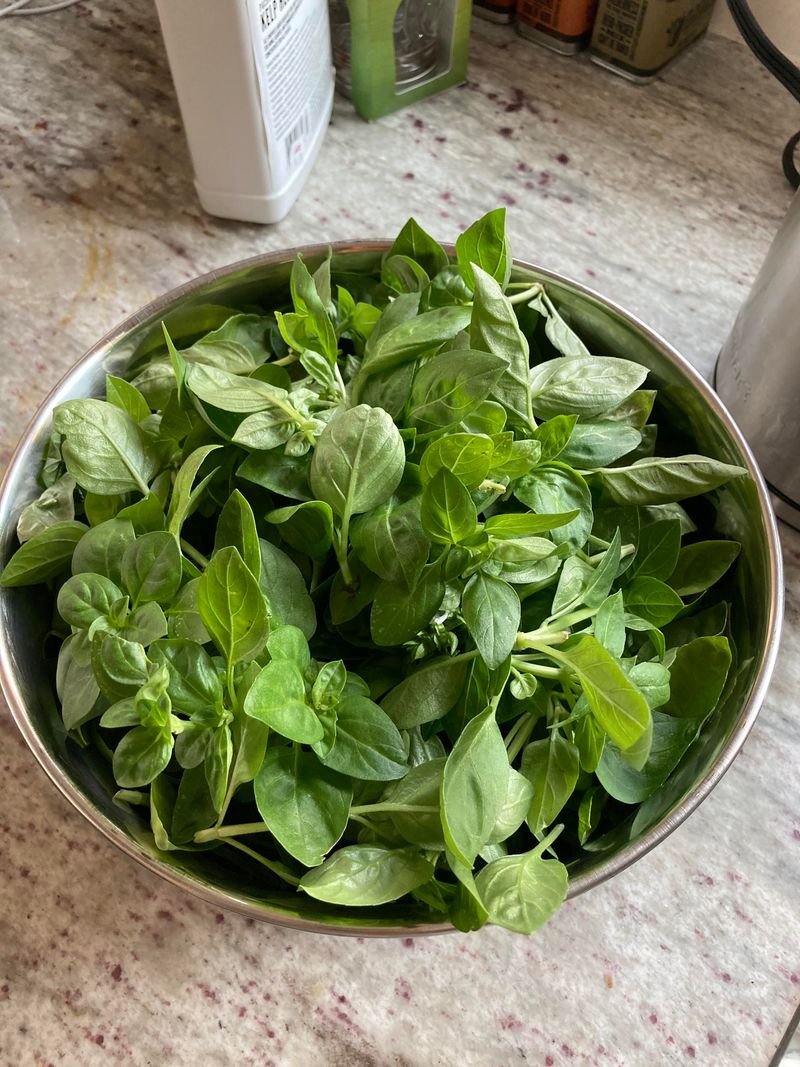
Kitchen gardens thrive when the gardener is engaged with them regularly, and basil is one of those herbs that genuinely responds well to frequent attention.
Harvesting basil consistently is not just about gathering leaves for cooking; it also sends the plant a signal to keep producing new growth rather than shifting toward flowers and seeds.
Each time you remove a stem by cutting it above a leaf node, you are essentially doing the same thing as pinching. The plant responds by branching at that point, which leads to more stems and more leaves over time.
Gardeners who harvest only occasionally, taking a few leaves here and there without cutting full stems, often end up with a plant that bolts faster because the main growing tips are left in place.
In California, where summer heat can push basil quickly toward flowering, building a habit of harvesting every week or so can make a real difference. You do not need to take a huge amount each time.
Even a light trim that removes the top sets of leaves from several stems keeps the plant focused on vegetative growth.
Pairing regular harvesting with consistent watering gives California basil the best environment to stay leafy through the warmest months.
6. Cutting Above Leaf Nodes Encourages Bushier Growth
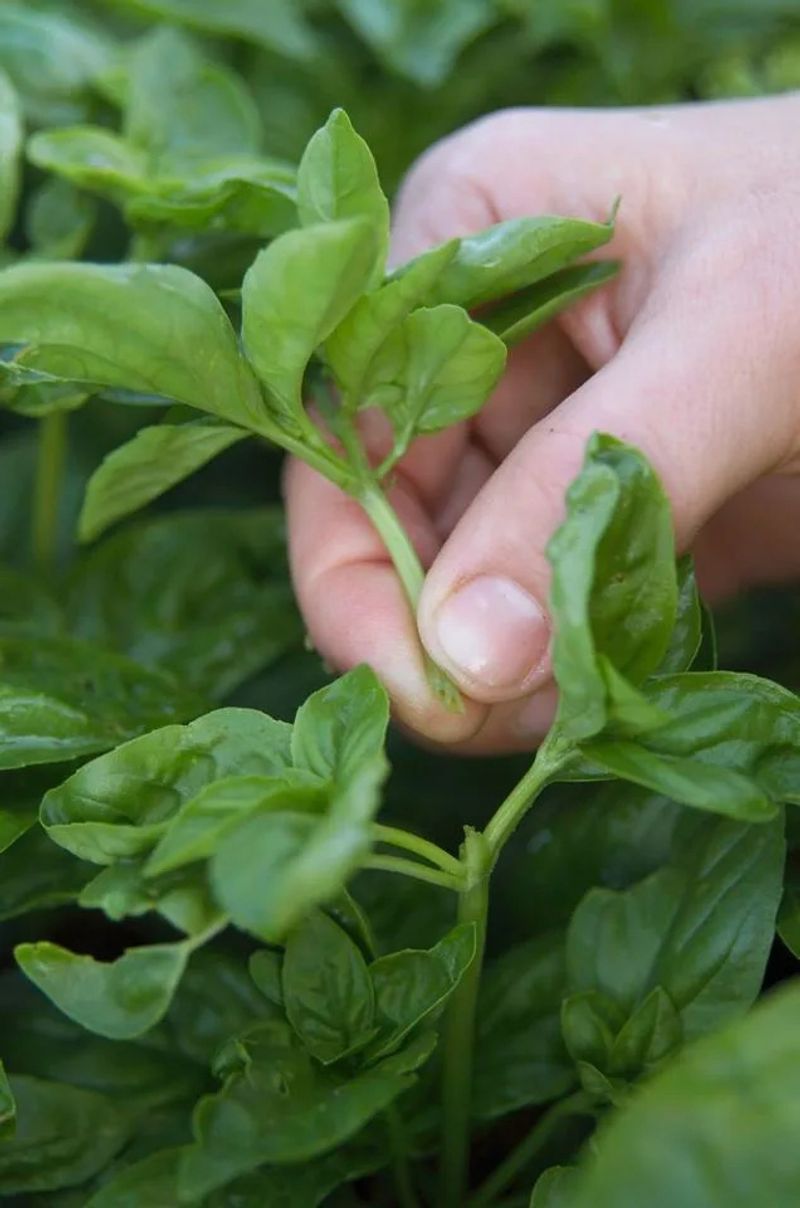
One of the most useful techniques in basil care is understanding exactly where to make a cut. Slicing a stem just above a leaf node, the point where a pair of leaves meets the stem, encourages two new shoots to emerge from just below the cut.
Over time, this simple habit turns a single-stemmed plant into a full, bushy one.
Many gardeners cut basil randomly, removing leaves from the middle of a stem or snipping just the very tip without thinking about where the next growth will come from.
While any harvesting is better than none, cutting above leaf nodes consistently produces better results.
Each correct cut sets up two new growing points, and those points can each be cut again later, multiplying the number of productive stems on the plant.
In California herb beds and containers, where space is often limited, this approach helps you get the most out of each plant.
A basil plant that has been shaped through careful node-based cutting can produce a noticeably larger volume of leaves than one that has simply been trimmed casually.
Practicing this technique from the time your basil is young builds a strong branching structure that holds up better even during California’s most intense summer heat stretches.
7. Dry Soil Adds More Stress In Hot Weather
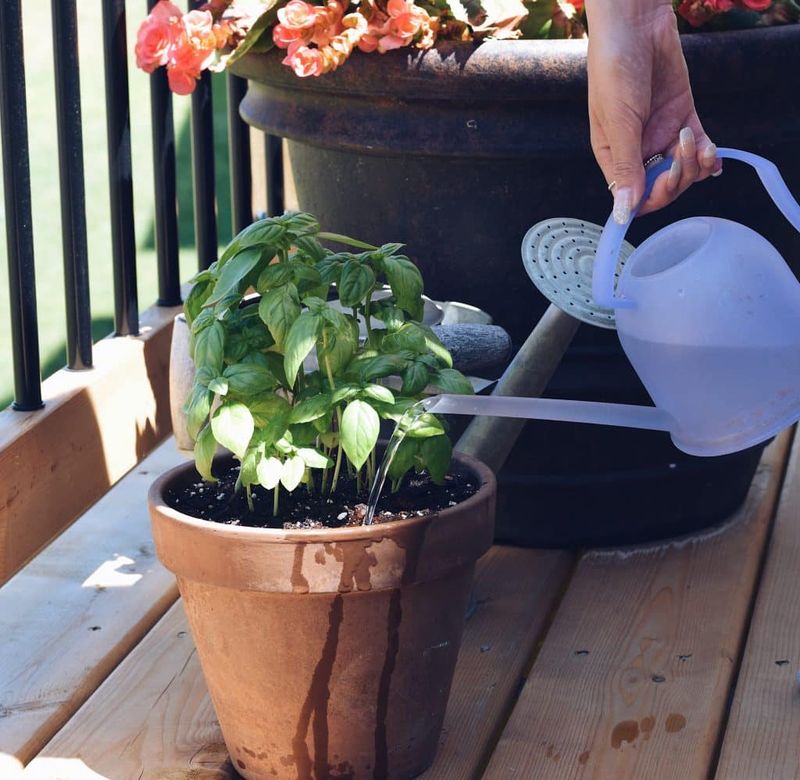
Basil growing in dry soil during a California heat wave is under more stress than most gardeners realize. When a plant is water-stressed, it often accelerates its reproductive timeline as a survival response.
For basil, that means bolting can happen sooner and more aggressively when the soil dries out between waterings.
Dry summers make consistent moisture management especially important for basil. In raised beds, the soil can dry out faster than in-ground plantings because of increased airflow around the bed walls.
Checking soil moisture by pressing a finger about an inch into the soil gives a better reading than simply looking at the surface, which can appear dry even when moisture remains below.
Mulching around basil plants with a light layer of straw or shredded leaves can help the soil retain moisture longer between waterings, which reduces stress during hot spells.
Watering in the morning rather than the evening gives the plant what it needs before the heat of the day sets in.
Keeping soil consistently moist, without letting it become waterlogged, is one of the steadiest ways to support basil through California’s dry-season summers and reduce the speed at which bolting sets in.
8. Older Plants Bolt More Easily
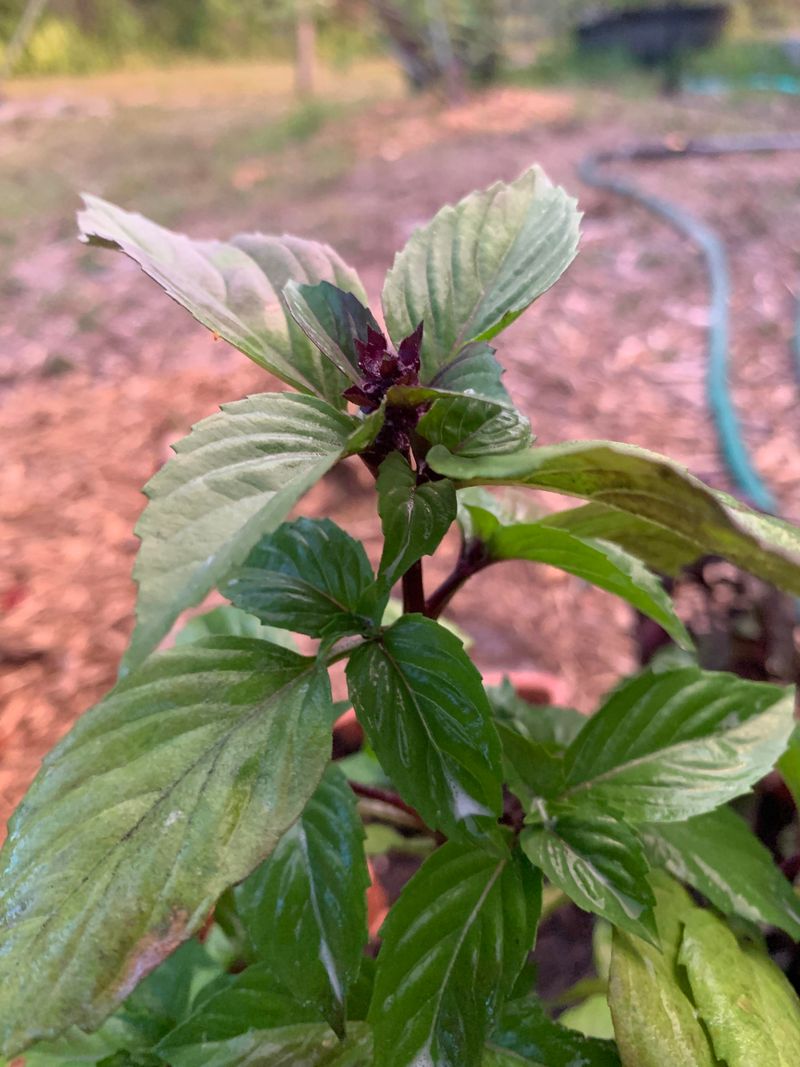
A basil plant that has been growing since early spring will naturally be closer to the end of its productive cycle by midsummer. As basil ages, it becomes more inclined to flower and set seed regardless of how well it is managed.
This is simply the plant completing its life cycle, and no amount of pinching fully reverses the tendency in a genuinely mature plant.
Gardeners sometimes notice that older California basil plants bolt faster and more persistently than younger ones, even when given the same care.
Flower buds on an older plant may return quickly after removal, and the leaves may become smaller and more bitter as the plant commits more fully to reproduction.
These are signs that the plant is winding down its vegetative phase.
Knowing this helps set realistic expectations. Rather than fighting an old plant indefinitely, many experienced California gardeners choose to start fresh with new transplants or seeds partway through summer.
Starting a second round of basil in late spring or early summer means you have younger, more productive plants ready as the original ones begin to slow down.
Replacing aging plants before they fully bolt is a practical strategy that keeps the herb bed producing through a longer portion of California’s growing season.
9. Container Basil Needs Closer Summer Attention
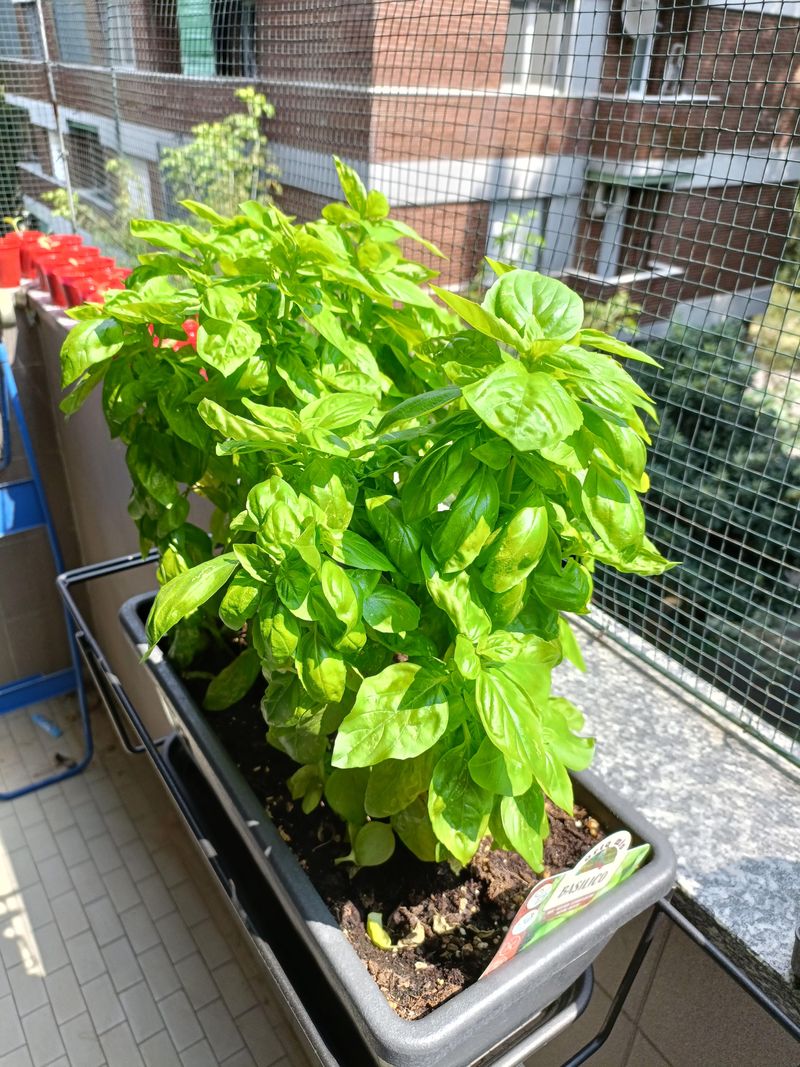
Patio gardens and balcony setups are common in California, and many basil growers rely entirely on containers. Container-grown basil faces some added challenges during summer that in-ground plants handle more easily.
Pots heat up quickly in direct sun, and the smaller volume of soil dries out much faster than a garden bed would.
When container soil gets hot and dry, basil under that stress can bolt more readily.
The combination of heat radiating from the pot walls, limited root space, and inconsistent moisture creates conditions where the plant feels pressure to complete its reproductive cycle sooner.
Plastic pots absorb more heat than terracotta, but terracotta dries out faster, so both have trade-offs in California summer conditions.
Checking container basil daily during hot stretches is a reasonable approach. Moving pots to a spot that receives some afternoon shade can reduce heat stress without sacrificing the morning sun the plant needs.
Watering container basil thoroughly until water drains from the bottom, rather than giving it a light sprinkle, ensures the entire root zone gets moisture.
Sizing up to a larger pot also helps, since more soil volume holds moisture longer and gives roots more room to stay cool and healthy during California’s warmest summer weeks.
10. Succession Planting Keeps Fresh Basil Available
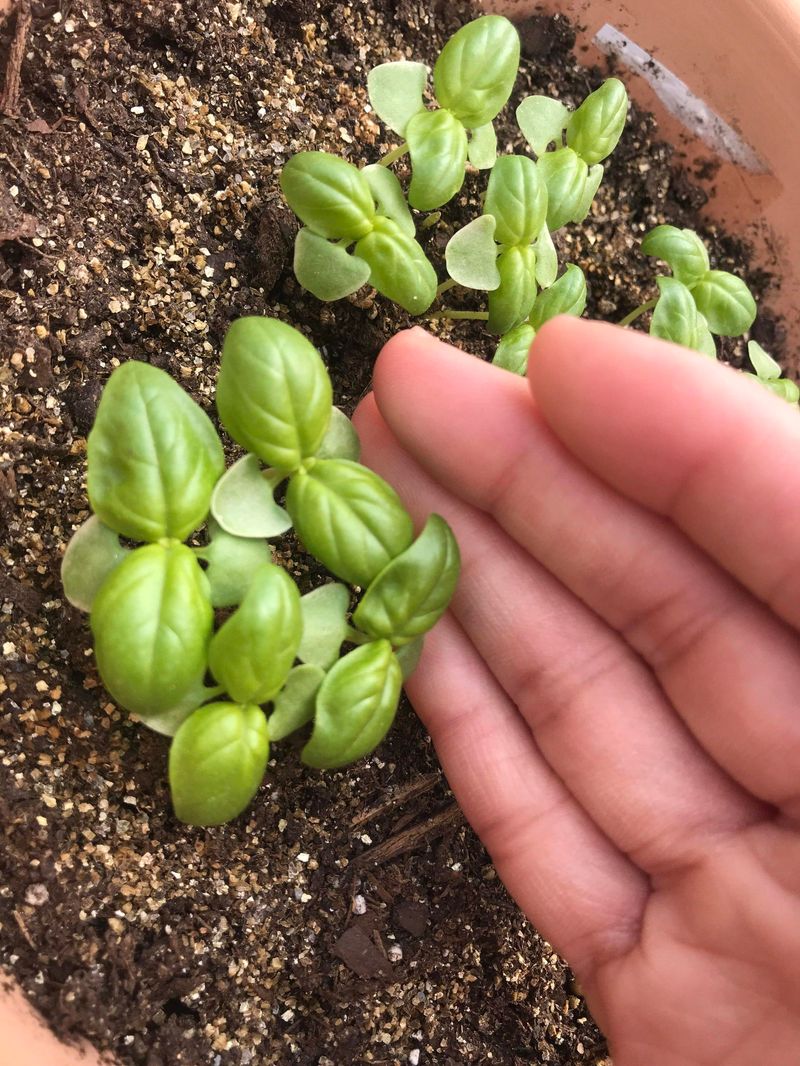
One of the most practical strategies experienced gardeners use is succession planting, which means starting new basil plants at intervals throughout the growing season rather than relying on a single planting.
When one set of plants begins to bolt or slow down, the next round is already growing and ready to take over.
Starting seeds or purchasing transplants every three to four weeks from spring through early summer gives you a steady pipeline of young, vigorous plants.
Younger plants tend to stay in the leafy stage longer and respond better to pinching than older ones that are already inclined toward flowering.
In California’s long growing season, there is often time for two or even three rounds of basil from late spring through early fall.
Succession planting also takes the pressure off any single plant. Instead of trying to keep one aging basil going indefinitely through aggressive pinching and watering adjustments, you simply transition to the next round when the older plants begin to decline.
This approach works well in raised beds, in-ground herb gardens, and container setups across California. Keeping a few extra seedlings going in small pots means you are never far from a fresh, productive plant ready to step in.