These Are The Best Native Pennsylvania Plants For Supporting Fireflies
There’s something almost magical about watching fireflies light up a Pennsylvania evening. Those tiny flickering lights drifting across the yard on a warm summer night have a way of stopping you in your tracks and making everything feel a little more peaceful.
But if you’ve been noticing fewer fireflies over the years, you’re not imagining it. Their numbers are genuinely declining, and the reasons are closer to home than most people think.
Fireflies need very specific conditions to survive and reproduce. And most modern yards simply don’t provide them.
The good news is that you can change that, and it starts with what you plant. Native Pennsylvania plants play a huge role in creating the right habitat for fireflies.
They attract the right insects, provide essential ground cover, and support the full firefly life cycle in ways that non native plants just cannot match.
These plants are beautiful, low maintenance, and perfectly suited to Pennsylvania’s climate. If you want your summer evenings lit up again, here’s exactly what to plant.
1. Wild Bergamot
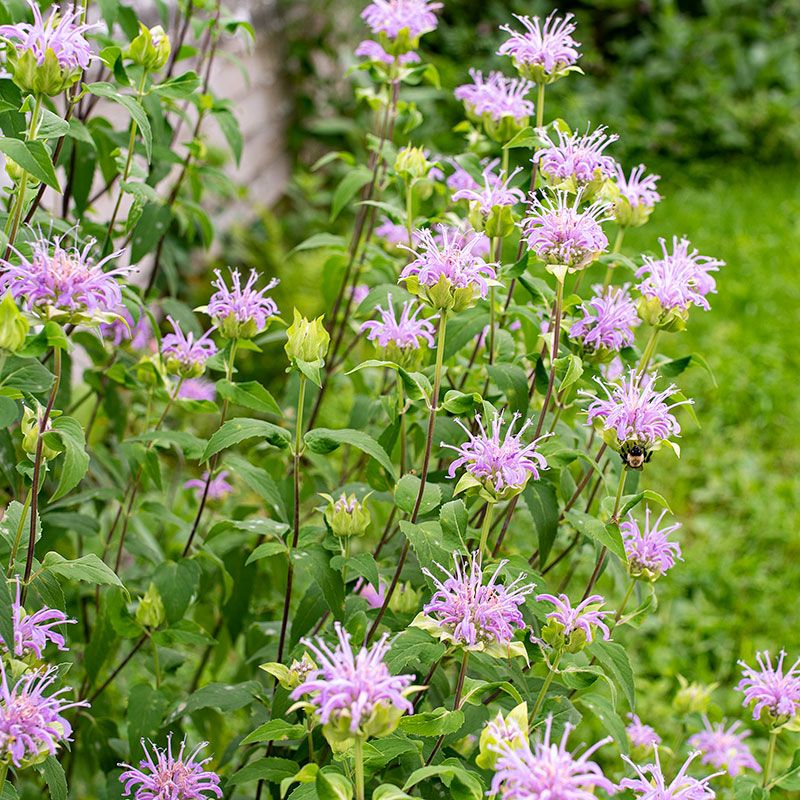
Few wildflowers feel as cheerful and alive as Wild Bergamot on a warm Pennsylvania summer afternoon. Its lavender-pink blooms burst open in clusters, attracting a buzzing crowd of bees, butterflies, and moths from late June through August.
All that insect activity is exactly what fireflies need to thrive. Firefly larvae are predators. They crawl through moist soil and leaf litter hunting for small insects, worms, and slugs.
When a garden is full of diverse insect life, firefly larvae have plenty to feed on. Wild Bergamot acts like an open invitation for those beneficial insects to visit and stay.
Growing Wild Bergamot in Pennsylvania is surprisingly easy. It does best in full sun to partial shade and adapts well to average, well-drained soil.
Once established, it is quite drought-tolerant, which makes it a low-maintenance choice for busy gardeners. It spreads gradually over time, filling in bare spots beautifully.
This plant also has a rich history with Native American communities, who used it as a medicinal herb and flavoring. The leaves carry a pleasant oregano-like scent, which is why it is sometimes called bee balm or wild oregano. Pollinators cannot seem to get enough of it.
Plant Wild Bergamot in clusters of three or more to create the most impact. Pair it with other native plants like Joe-Pye Weed or Purple Coneflower for a layered, firefly-friendly garden.
Leaving the seed heads standing through winter also provides food for birds and shelter for overwintering insects, making your yard a true wildlife habitat year-round.
2. Joe-Pye Weed
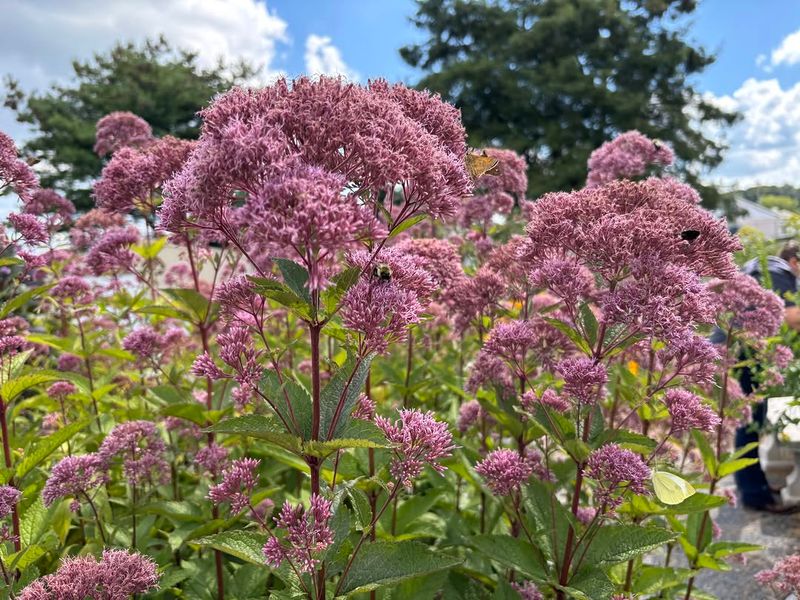
Standing up to seven feet tall with massive dusty-pink flower clusters, Joe-Pye Weed is hard to miss in any garden. It blooms from midsummer into early fall, right when firefly populations are at their peak activity.
This timing is no coincidence since the insects it attracts are exactly the kind that support a healthy firefly ecosystem.
Monarch butterflies, swallowtails, bumblebees, and dozens of other pollinators flock to Joe-Pye Weed like it is their favorite gathering spot. That high insect traffic creates rich feeding opportunities for firefly larvae living in the soil below.
Your Pennsylvania Garden Changes Every Week. Your Plan Should Too.
Gardening in Pennsylvania changes quickly throughout the season. Every Friday you’ll receive a simple weekly plan showing exactly what to plant, prune, fertilize, harvest, and protect so you never miss the right timing.
More insects in your garden means more food for young fireflies as they grow underground through spring and early summer.
Joe-Pye Weed loves moisture. It thrives near streams, rain gardens, and low spots in the yard where water tends to collect.
Those same moist conditions are prime real estate for fireflies, which prefer humid environments close to water. Planting this species near a damp area of your yard creates a double benefit for firefly habitat.
Despite its towering height, Joe-Pye Weed rarely needs staking. Its strong stems hold up well through summer storms.
It also spreads slowly by seed and rhizome, eventually forming a beautiful colony that gets better every year. Cutting it back by half in late spring, a technique called the Chelsea chop, keeps plants compact and bushy without sacrificing blooms.
Fun fact: Joe-Pye Weed is named after a Native American healer who reportedly used the plant to treat typhoid fever. Whether or not that legend is true, its value for wildlife is absolutely real and well-documented by modern ecologists.
3. Blue Vervain
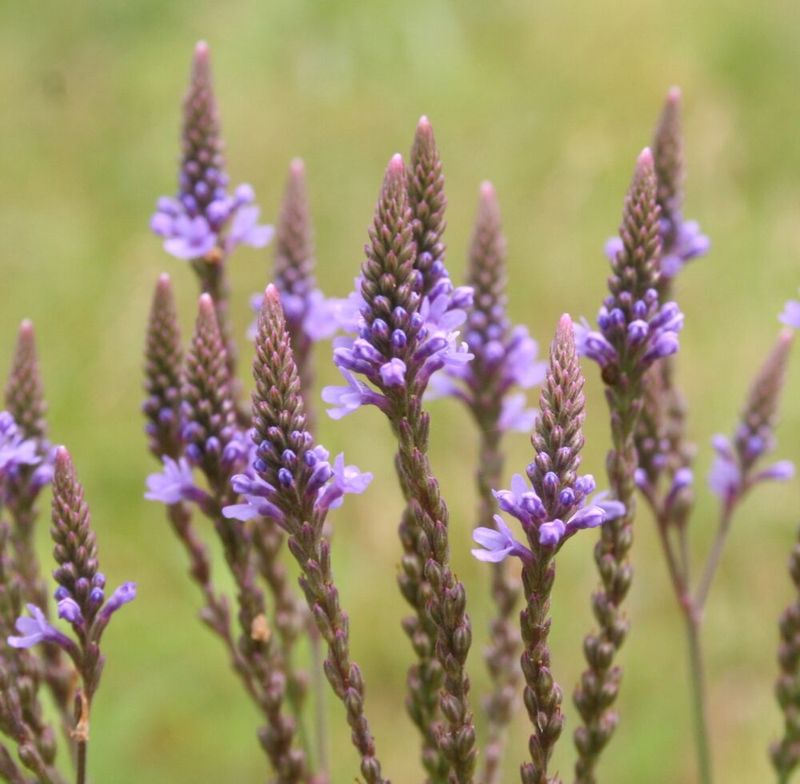
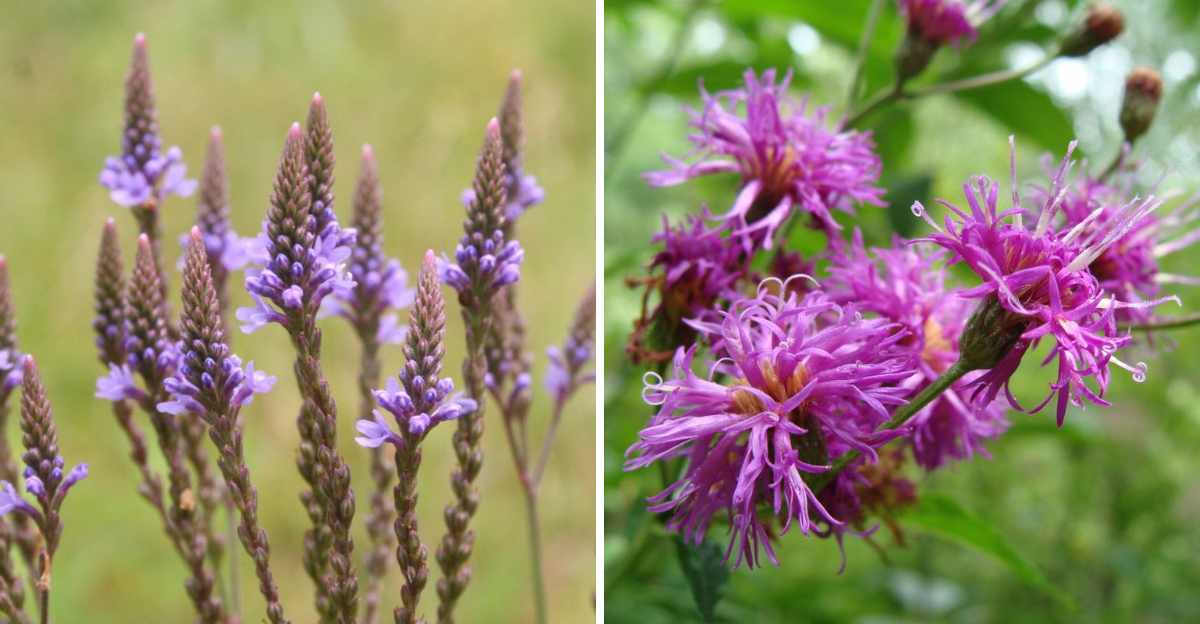
There is something almost electric about Blue Vervain in full bloom. Its slender, candelabra-like spikes are covered in tiny blue-purple flowers that open gradually from the bottom up, keeping the show going from midsummer all the way into early fall.
Hummingbirds, bees, and small butterflies absolutely adore it. Blue Vervain is a wetland native, meaning it naturally grows along stream banks, pond edges, and marshy meadows across Pennsylvania.
Those are precisely the kinds of spots where fireflies are most commonly found. Adult fireflies prefer to rest in tall vegetation near water, and the upright stems of Blue Vervain provide perfect cover for them during the day.
Beyond shelter, this plant supports the broader insect community that firefly larvae depend on for food. Its nectar-rich flowers draw in a wide variety of small insects, while its seeds feed sparrows and other birds through fall and winter.
A single plant can support an impressive number of species across the seasons. Growing Blue Vervain is straightforward if you match it to the right spot. It prefers full sun and consistently moist or even wet soil.
Rain gardens, bioswales, and low areas of the yard are ideal locations. It self-seeds readily, so you may find cheerful new plants popping up in unexpected places each spring.
If you want to attract fireflies specifically, try planting Blue Vervain near the edge of a lawn or garden border where the grass stays a little longer.
Fireflies love transitional zones between open areas and taller vegetation. Blue Vervain fits perfectly into that kind of layered, naturalistic planting design.
4. Cardinal Flower
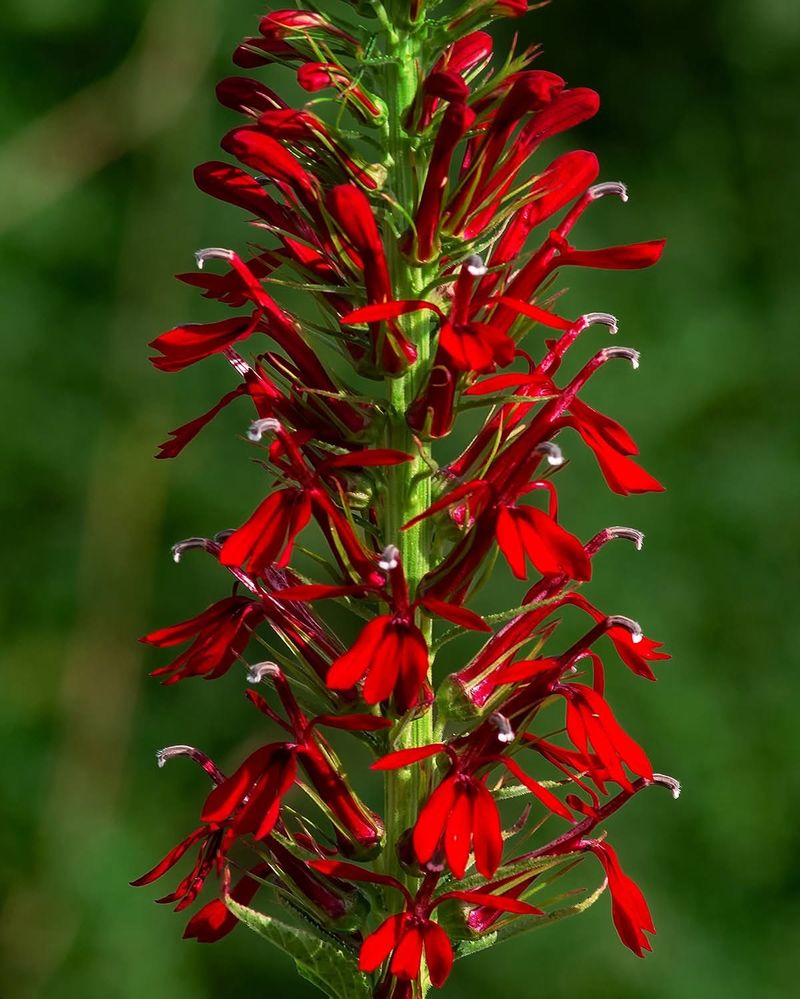
Cardinal Flower stops people in their tracks. That vivid, fire-engine red is almost unbelievable in a natural setting, and it blazes brightest along shaded stream banks and moist garden beds from July through September.
Ruby-throated hummingbirds are its most famous visitors, but it also draws in butterflies and long-tongued bees that few other plants can attract.
What makes Cardinal Flower so valuable for fireflies is its love of wet, shaded habitats. Fireflies thrive in exactly these kinds of places.
The cool, moist soil near streams and ponds is where firefly larvae spend most of their lives, hunting for prey and slowly developing before they emerge as glowing adults. Planting Cardinal Flower near water naturally enhances that environment.
In a garden setting, Cardinal Flower works beautifully along the edge of a rain garden or beside a backyard water feature. It prefers partial to full shade and consistently moist soil.
While it is a short-lived perennial, it self-seeds generously, meaning a small patch can grow into a stunning colony over just a few seasons.
Native Americans historically used Cardinal Flower for a range of medicinal purposes, and early European settlers were so captivated by its color that they sent specimens back to botanical gardens in Europe.
Today, it remains one of the most beloved native wildflowers in Pennsylvania for both gardeners and wildlife lovers alike.
Pair Cardinal Flower with Blue Vervain or Swamp Milkweed for a moisture-loving native plant trio that creates excellent firefly habitat.
The combination of red, pink, and purple blooms also makes for a genuinely stunning garden display throughout the summer months.
5. Swamp Milkweed
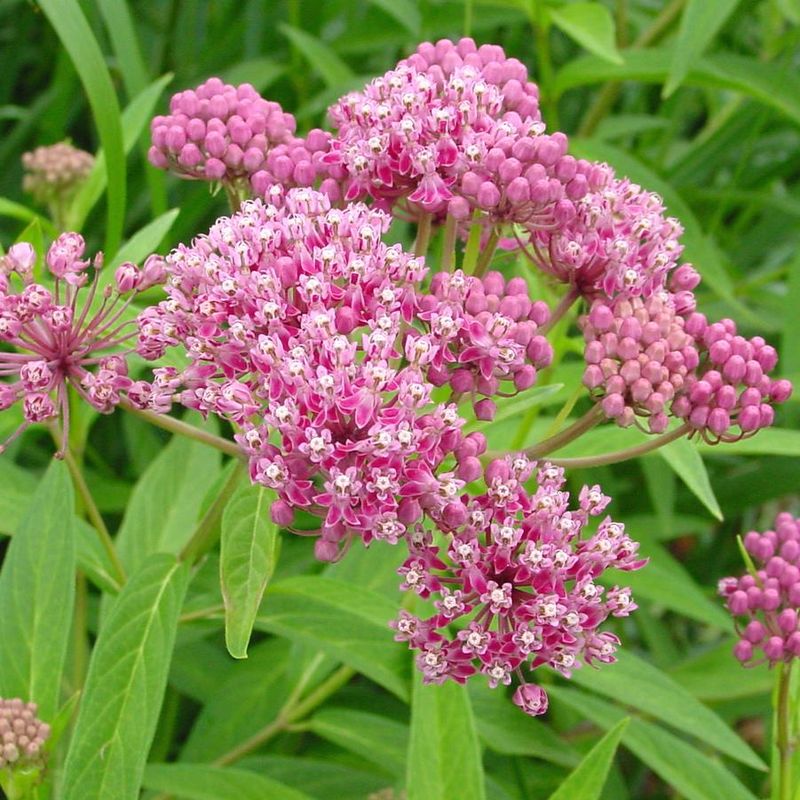
Most people know milkweed as the monarch butterfly plant, and Swamp Milkweed absolutely delivers on that front. Its rosy-pink flower clusters bloom from early summer through fall, drawing monarchs, fritillaries, and a dazzling variety of bees and beetles.
But its benefits stretch well beyond butterflies, making it a powerhouse plant for the entire garden ecosystem.
Fireflies benefit from Swamp Milkweed in a very practical way. The insects it attracts create a rich, living food web in and around the soil.
Firefly larvae are active hunters, and a garden buzzing with beetles, caterpillars, and other small invertebrates gives them everything they need to grow strong. More insect diversity equals better conditions for fireflies at every stage of their lives.
True to its name, Swamp Milkweed thrives in wet conditions. It grows naturally along stream banks, pond margins, and wet meadows throughout Pennsylvania.
In a garden, it does well in rain gardens, beside water features, or in any low spot that stays consistently moist. Full sun brings out the best blooms, though it tolerates light shade reasonably well.
Unlike common milkweed, Swamp Milkweed grows in a tidy, upright clump that rarely spreads aggressively. That makes it a great choice for smaller gardens or mixed perennial beds where space is limited.
It can reach four to five feet tall, providing height and structure alongside shorter plants like Blue Vervain or Wild Bergamot.
Leaving the tall stems standing through winter is a smart move. Many native bees nest inside hollow or pithy stems, and those overwintering insects become part of the food supply that supports the next generation of fireflies come spring.
6. Purple Coneflower
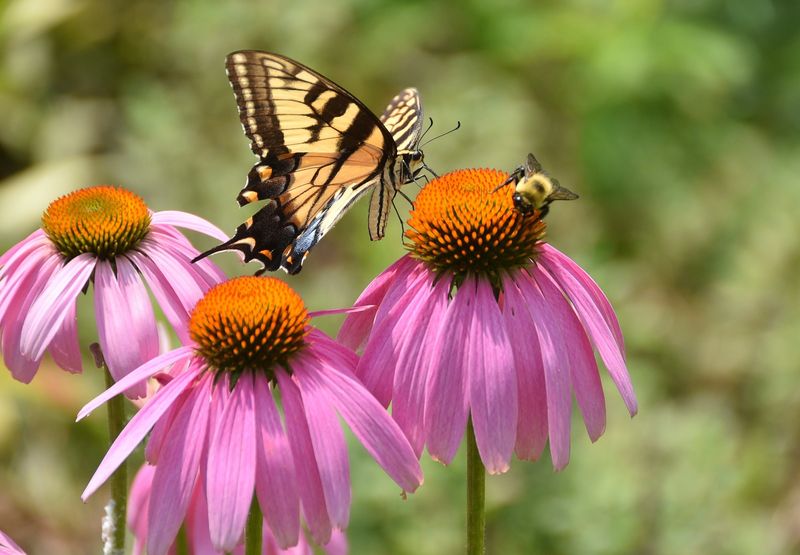
Purple Coneflower might be one of the most recognizable wildflowers in North America, and for good reason. Its bold purple petals and spiky orange-brown center cones are cheerful, long-lasting, and almost impossible to walk past without stopping to admire.
Blooming from June through August, it keeps pollinators busy for months. Bees love it. Butterflies love it.
Beetles love it. And that abundance of insect life is exactly the kind of thriving ecosystem that helps fireflies succeed.
When beneficial insects are active and plentiful in your garden, firefly larvae have a rich hunting ground just beneath the soil surface. Purple Coneflower essentially builds the foundation of a firefly-friendly food web.
One of the best things about Purple Coneflower is how adaptable it is. It grows in full sun to partial shade and handles average, well-drained soil with ease.
It is drought-tolerant once established, making it one of the most forgiving native plants you can grow. Whether your yard is sunny and dry or shaded and damp, there is likely a spot where this plant will thrive.
After the blooms fade, the seed heads become a goldfinch buffet. American goldfinches cling to the cones all through fall and winter, picking out seeds with their nimble beaks.
Leaving the seed heads standing also adds winter structure to the garden and shelters small insects through the cold months. Purple Coneflower spreads slowly by seed and forms bigger, showier clumps each year.
Planting it alongside Wild Bergamot and Ironweed creates a layered, season-long bloom sequence that keeps your garden lively and your local firefly population well-supported from late spring through the first frost.
7. Ironweed
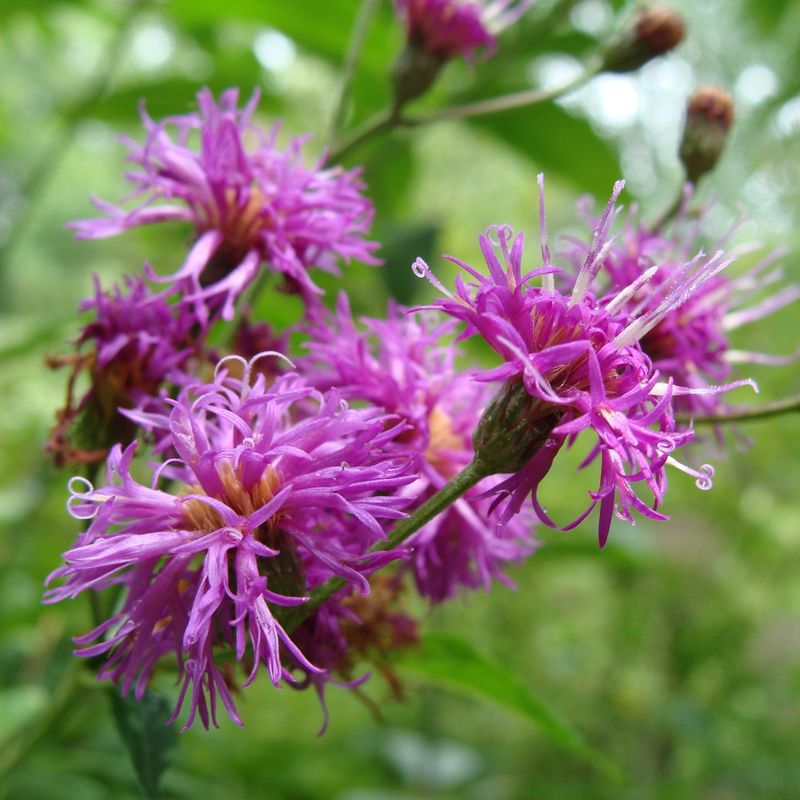
Ironweed earns its name honestly. Its stems are tough, its roots run deep, and once it is established in your garden, it is there to stay.
But that toughness is a feature, not a flaw, especially when you are trying to build a lasting habitat for fireflies. Blooming in late summer through fall, Ironweed picks up right where many other native plants leave off.
The rich purple flower spikes are some of the most intensely colored blooms you will find in any native plant garden. Butterflies, especially monarchs and swallowtails on their southward migration, flock to Ironweed in late August and September.
That late-season nectar source keeps insect populations active well into fall, extending the feeding opportunities for firefly larvae in the soil below.
Ironweed grows tall, sometimes reaching six feet or more, which makes it excellent for providing the kind of dense vegetative cover that adult fireflies prefer.
Fireflies spend their daylight hours resting in tall grasses and flowering plants, staying cool and hidden from predators. Ironweed offers exactly that kind of sheltered resting habitat.
In the garden, Ironweed does best in full sun and tolerates a wide range of soil conditions, from average to moist. It is naturally found in floodplains, wet meadows, and streamside habitats across Pennsylvania.
Planting it alongside Joe-Pye Weed and Swamp Milkweed creates a tall, late-season native plant community that hums with insect activity.
Fun fact: the genus name Vernonia honors English botanist William Vernon, who collected plants in North America in the late 1600s.
Today, Ironweed is celebrated not just for its history but for its outstanding ecological value in supporting native wildlife, including the fireflies that light up Pennsylvania summer nights.