The Native Michigan Flower That Handles Dry Soil Better Than Store-Bought Annuals
Dry soil is one of the most common and frustrating challenges in Michigan garden beds, particularly along south-facing borders, slopes, and areas under mature tree canopies where roots compete aggressively for available moisture.
Store-bought annuals marketed as drought tolerant rarely live up to that label once a genuine dry stretch settles in during July.
One native Michigan flower handles those same conditions without any visible stress, producing consistent bloom through the driest stretches of summer.
This is because it evolved specifically for the soil and climate conditions that break less adapted plants down.
Gardeners who have switched to it in their driest spots tend to wonder why they kept replanting annuals for as long as they did.
1. Why Butterfly Weed Belongs In Your Garden
Some flowers just belong in a place, and butterfly weed belongs in Michigan.
Its scientific name is Asclepias tuberosa, and it is a true native milkweed species that has grown naturally across Michigan’s open meadows, dry prairies, and roadsides long before garden centers ever existed.
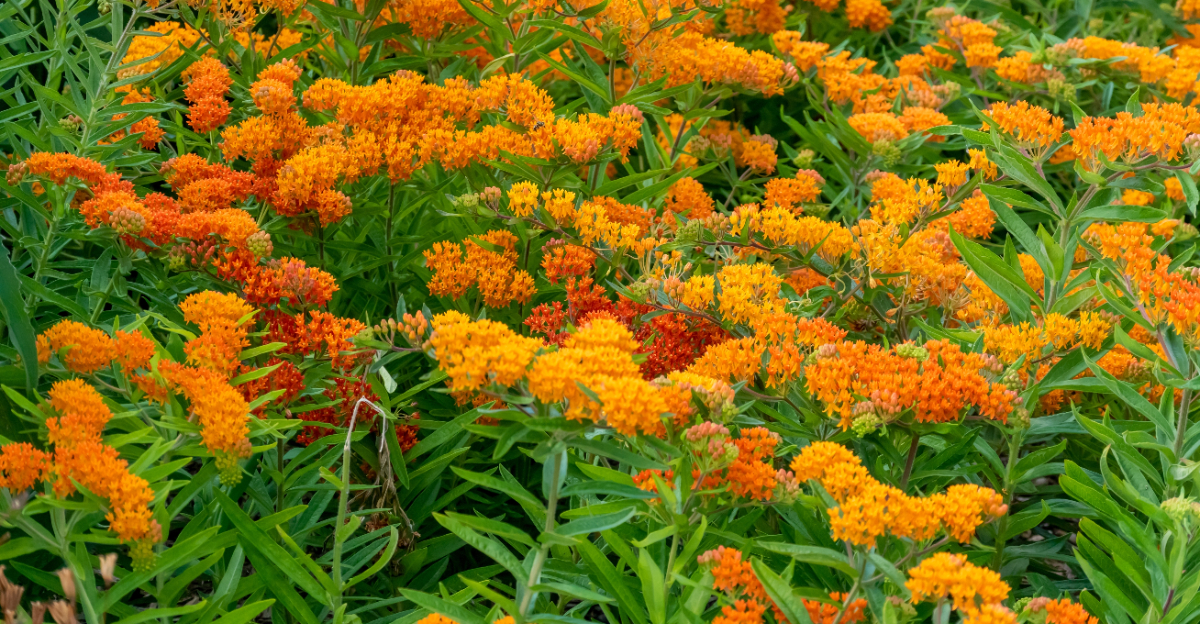
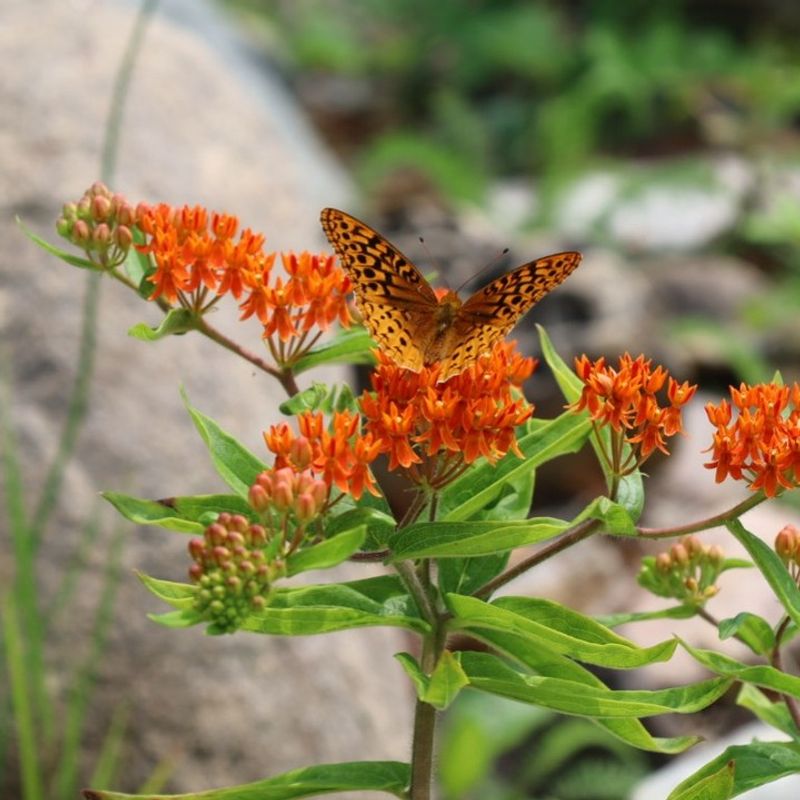
The flowers are a vivid, unmistakable orange that practically glows in summer sunlight.
Unlike the colorful annuals lining the shelves at garden stores each spring, butterfly weed is not something you have to replant year after year.
It is a perennial that is genuinely adapted to Michigan’s climate, its soils, and its seasonal rhythms.
That is a big difference from plants that were grown far away and shipped in hoping for the best. Gardeners who choose butterfly weed are working with nature rather than against it.
Because this plant evolved right here, it already knows what Michigan summers feel like, how dry the soil can get, and how to push through tough conditions.
Placing it in a sunny native garden is not just a smart gardening move, it is also a way of bringing something genuinely local and meaningful back into your outdoor space.
Few store-bought annuals can claim that kind of connection to the land you are actually growing them on.
2. It Handles Dry Soil Once Established
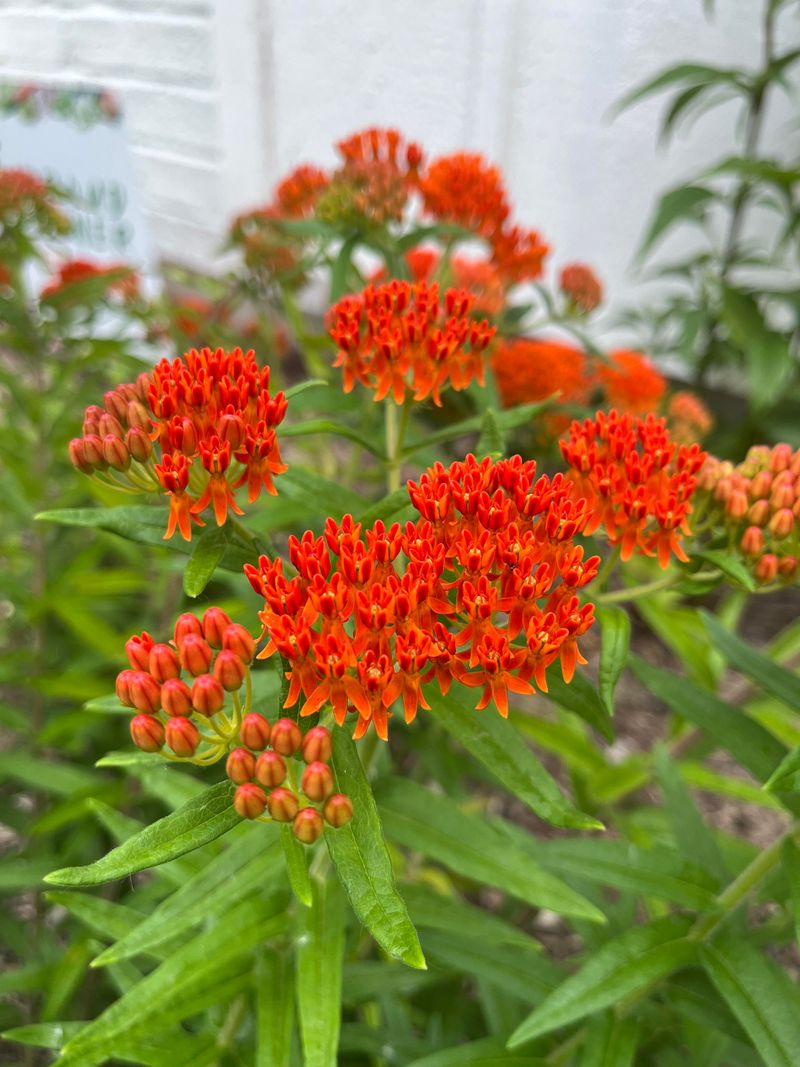
Drought tolerance is not a marketing phrase when it comes to butterfly weed. It is the real thing.
Once this plant settles into its spot and builds a strong root system, it handles dry summer stretches better than most common store-bought annuals ever could.
Petunias wilt. Marigolds struggle. Butterfly weed just keeps blooming. The secret is underground.
Butterfly weed grows a thick, deep taproot that reaches down into the soil to find moisture even when the surface is bone dry.
That root system is what makes it so reliable during Michigan’s hot July and August stretches when rainfall gets scarce and garden hoses get heavy.
New plants are a different story, though, and that is worth knowing before you skip the watering can.
During the first growing season, butterfly weed is still building that important root system, so consistent moisture helps it get established.
Water it regularly that first year, taper off as summer progresses, and let it do its thing from the second season onward.
Your Michigan Garden Changes Every Week. Your Plan Should Too.
Gardening in Michigan changes quickly throughout the season. Every Friday you’ll receive a simple weekly plan showing exactly what to plant, prune, fertilize, harvest, and protect so you never miss the right timing.
Most gardeners are genuinely surprised at how little attention it needs once roots are settled in.
Compared to annuals that need watering every couple of days through a dry spell, an established butterfly weed plant feels almost effortless during a heat wave. That reliability is hard to put a price on.
3. It Belongs In Sunny Michigan Gardens
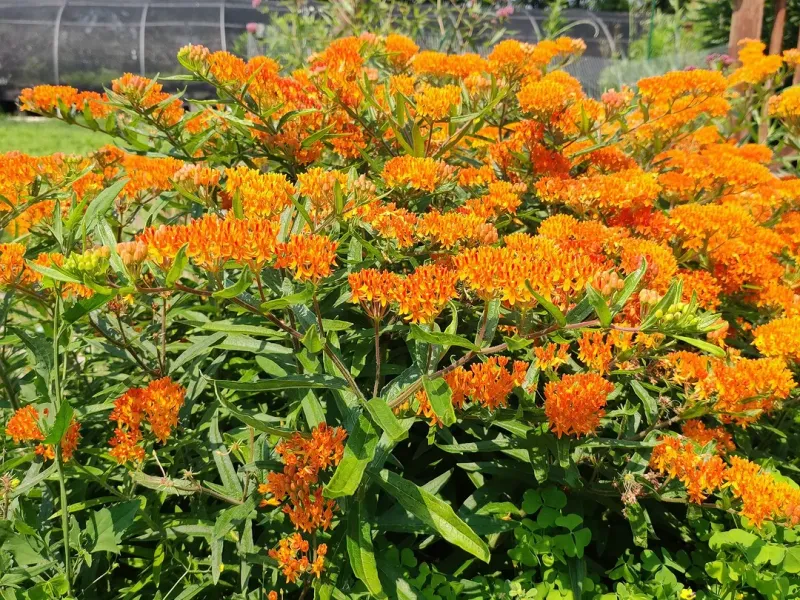
Full sun is where butterfly weed truly shines, and that is not an exaggeration.
In its natural habitat across Michigan, this plant grows in wide open spaces where sunlight hits it for most of the day.
Prairie edges, dry roadsides, open slopes, these are the places it evolved to thrive, and your garden can replicate that same energy.
Six or more hours of direct sunlight per day is the sweet spot for butterfly weed. It can handle a little light afternoon shade without too much complaint, but the more sun it gets, the better it blooms.
Shady spots, even partial ones, tend to make the plant stretch and lean while producing fewer flowers than you would hope for.
Michigan gardeners with open, south-facing beds or sunny hillside areas have a real advantage here.
Dry slopes that seem frustrating to plant are actually ideal for butterfly weed because they match its natural growing conditions almost perfectly.
Native plant borders and prairie-style garden designs are another excellent fit.
When you match the plant’s natural preferences to your actual site, you stop fighting the conditions and start working with them.
That shift makes gardening feel a lot more rewarding and a lot less like a constant battle against the weather. Butterfly weed rewards the gardeners who simply put it in the right place and step back.
4. Sandy Soil Is Not A Problem
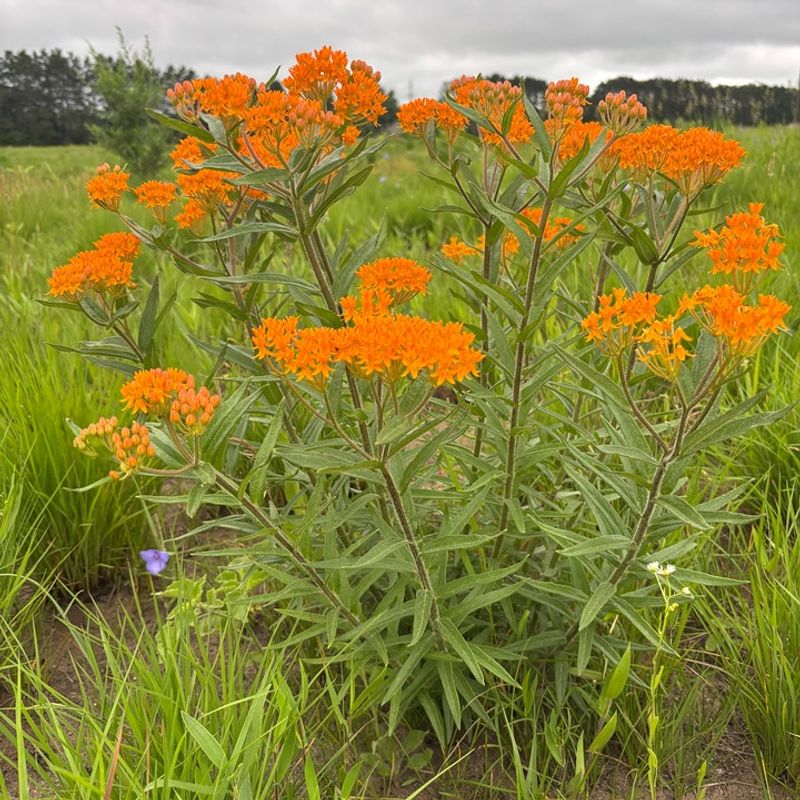
Sandy soil gets a bad reputation in gardening circles, and honestly, it is a little unfair.
Yes, it drains fast and holds almost no moisture, but for butterfly weed, those qualities are a feature, not a flaw.
This plant naturally grows in sandy roadsides, dry barrens, pine barrens, and oak barrens across Michigan, which means it has been thriving in fast-draining sandy ground for a very long time.
Many store-bought annuals tell a completely different story. Impatiens, begonias, and similar garden center favorites often need richer, moisture-retaining soil to look their best.
In sandy conditions, they fade quickly, demand constant watering, and still tend to underperform.
Replacing them every spring just to watch them struggle again gets old fast. Butterfly weed skips all of that frustration.
Its deep taproot is perfectly designed for sandy ground, pushing past the dry surface layer to find what it needs below.
Gardeners with sandy Michigan soils who have struggled to keep traditional annual displays looking fresh through summer should seriously consider making the switch.
The difference in effort alone is noticeable. You stop spending weekends dragging hoses around and start actually enjoying the garden.
Plus, the bright orange flowers look fantastic against pale sandy soil, creating a natural, striking contrast that feels right at home in Michigan’s landscape rather than out of place in it.
5. It Does Not Want Soggy Soil
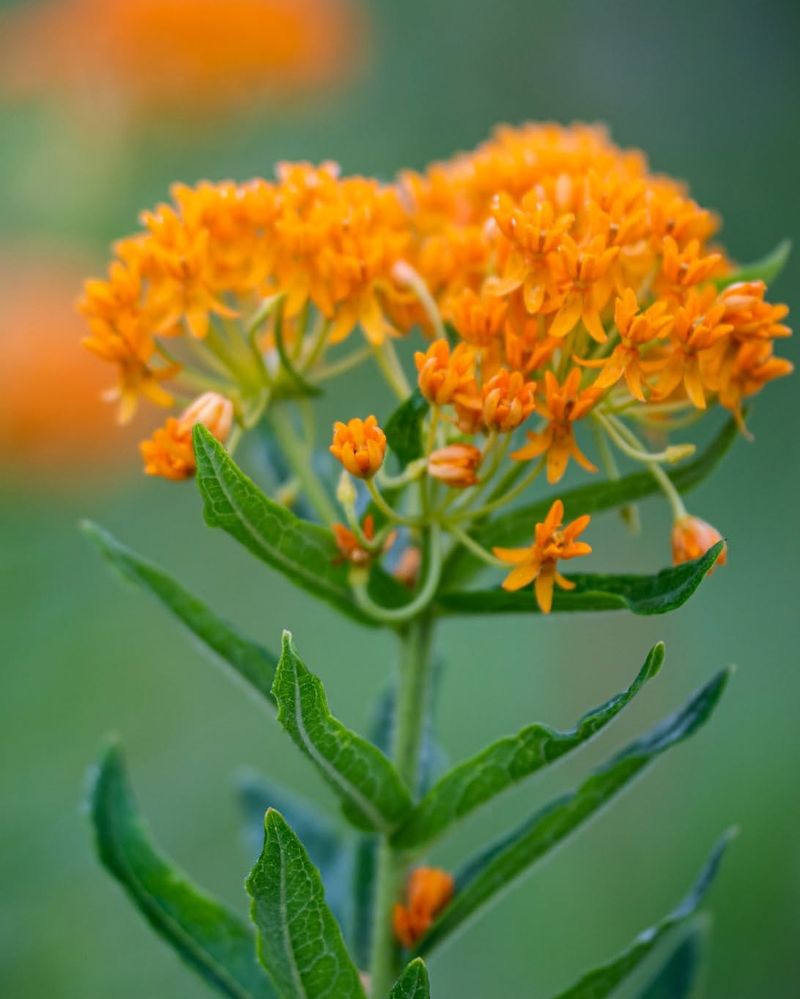
Butterfly weed has strong opinions about where it lives, and wet feet are not on its list of favorites.
Unlike many popular garden plants that welcome steady moisture, this native wildflower genuinely prefers well-drained to dry soil conditions.
Plant it somewhere that stays soggy after rain and you will likely be disappointed with the results.
The problem with constantly wet soil is that it works against everything butterfly weed is built for.
Its thick taproot is designed for dry to average moisture levels, not for sitting in water-logged ground.
Wet conditions can cause root rot and weaken the plant over time, which is the opposite of what this tough native is supposed to do in your garden.
The practical advice here is straightforward: choose the right spot from the beginning instead of trying to manage water levels around the plant.
Raised beds, sloped areas, and spots with naturally fast-draining soil are all excellent choices.
Avoid low spots in the yard where water tends to collect after heavy rain. Avoid adding thick layers of moisture-holding mulch right around the base. Butterfly weed does not need pampering and does not respond well to it.
The gardeners who get the best results are the ones who resist the urge to over-water and simply trust that the plant knows what it is doing.
Sometimes the best garden care is knowing when to step back and let the plant lead.
6. It Brings Pollinator Value
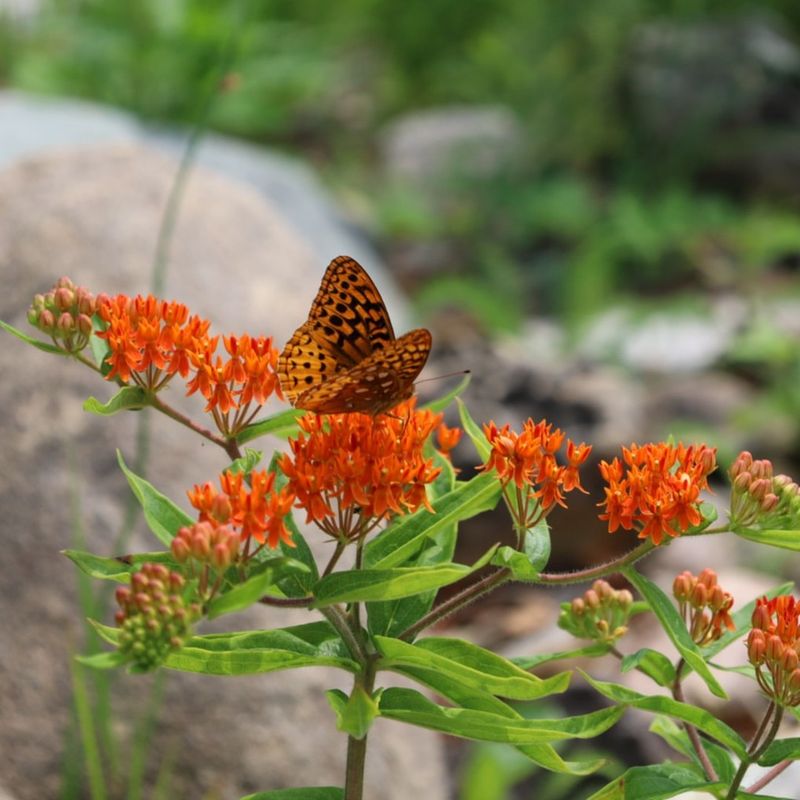
Color alone is a great reason to grow butterfly weed, but it offers something even better than a pretty garden.
As a native milkweed, it plays a real role in supporting pollinators, and during peak bloom in midsummer, a single patch of butterfly weed can feel like a buzzing, fluttering hub of activity.
Bees, butterflies, and other beneficial insects are drawn to it with impressive consistency.
Monarch butterflies are perhaps the most well-known visitors, since milkweed is the only plant their caterpillars can feed on.
Planting butterfly weed gives monarchs a resource they genuinely need, which makes your garden part of something much bigger than a backyard display.
That is a meaningful thing to be part of, especially as monarch populations face ongoing pressure across their migration routes.
Beyond monarchs, the flowers attract native bees, swallowtail butterflies, hummingbirds, and a surprising variety of other pollinators that bring life and movement to the garden through the hottest weeks of summer.
For a gardener who has ever planted a bed of annuals and noticed how quiet it stayed, the contrast is striking.
Butterfly weed makes the garden feel genuinely alive in a way that many ornamental flowers simply do not.
One tough, drought-tolerant native flower doing double duty as a pollinator magnet is exactly the kind of practical beauty that makes native gardening so satisfying and worth the effort.
7. It Returns Instead Of Being Replaced Each Year
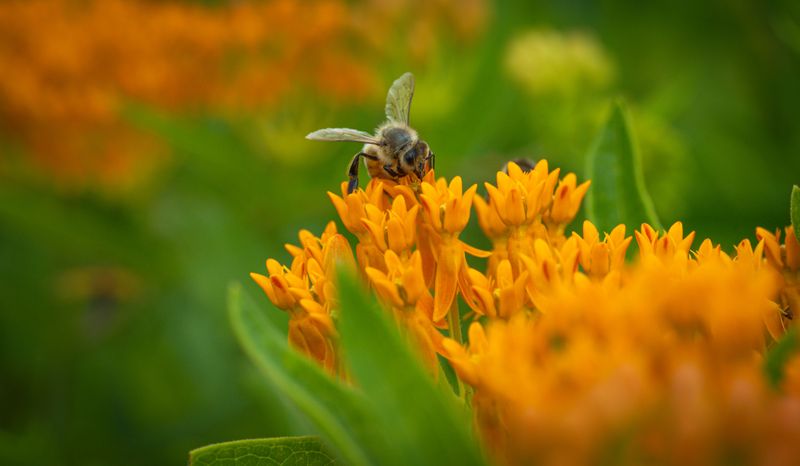
There is something genuinely satisfying about watching a plant come back on its own after a long Michigan winter.
Butterfly weed is a true perennial, which means once it finds its footing in the right spot, it returns season after season without needing to be replanted.
That is a very different experience from pulling out spent annuals in fall and starting completely over every spring.
Patience is part of the deal, though, and it is worth being honest about that.
Native perennials like butterfly weed often spend their first season or two focusing almost entirely on root development rather than above-ground growth.
You might plant it in spring, see modest top growth, and wonder if anything is actually happening. Something is happening, just underground where you cannot see it yet.
By the third season, most butterfly weed plants are well established and blooming with real confidence.
The root system that took time to build is now the very thing that makes the plant so reliable going forward.
Compare that investment of patience to the annual cycle of buying, planting, watering constantly, and replacing, and the long-term reward starts to look very appealing.
Butterfly weed is not the plant for gardeners who want instant results, but for anyone willing to give it a couple of seasons, the payoff is a tough, beautiful, self-sufficient flower that shows up every summer without needing much from you at all.
8. It Needs Less Fuss Than Many Annual Displays
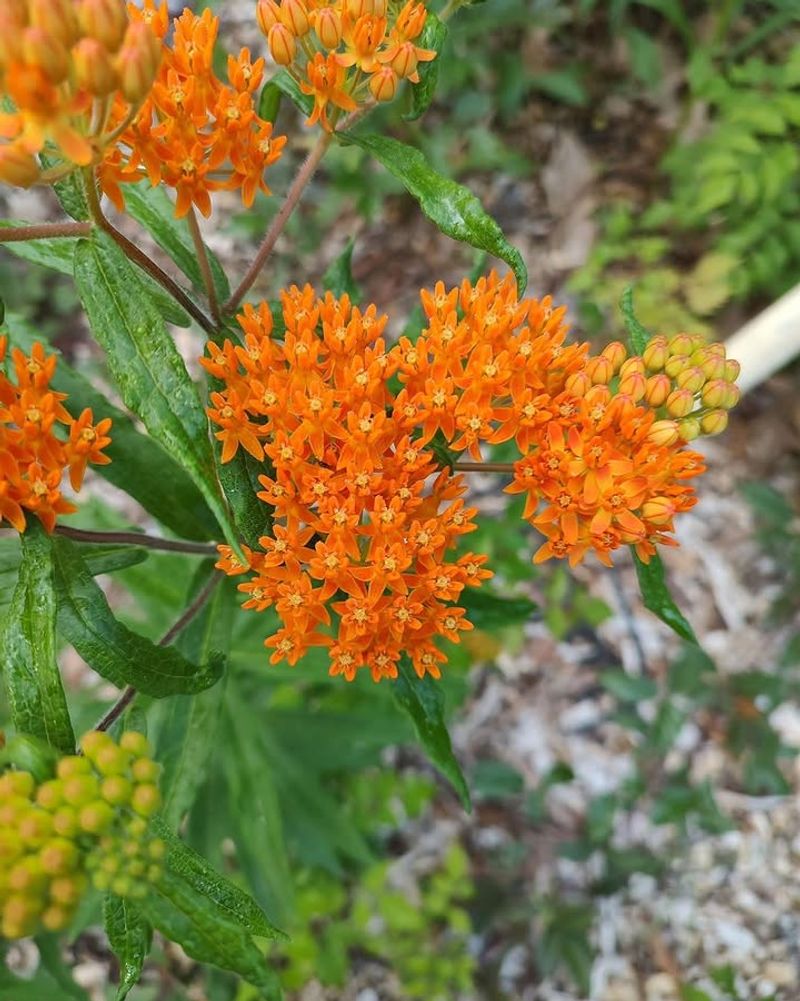
Hot Michigan summers have a way of exposing which plants are truly built for the conditions and which ones are just holding on.
Many popular annual flower displays need consistent watering, regular deadheading, and occasional fertilizing just to keep looking presentable through July and August.
That upkeep adds up quickly, both in time and in water usage. Established butterfly weed operates on a very different schedule.
Once its root system is in place, it manages dry stretches on its own, keeps blooming through heat, and does not demand the constant attention that many annual beds require.
That does not mean it is completely hands-off, but the day-to-day fuss is noticeably lower in a dry, sunny bed.
To be fair, many annuals are genuinely beautiful and serve a real purpose in garden design. The comparison is not about calling annuals bad choices across the board.
It is about recognizing that in hot, dry, sunny spots specifically, butterfly weed is simply better suited to the conditions.
When you stop dragging the hose to the same dry corner of the yard every other day just to keep petunias alive, you start to appreciate what a well-matched native plant can do.
Butterfly weed earns its place not by being the flashiest option at the garden center, but by being one of the most reliably low-fuss choices for the exact conditions where many annuals struggle the most.
9. It Is A Strong Choice For Low Water Garden Areas
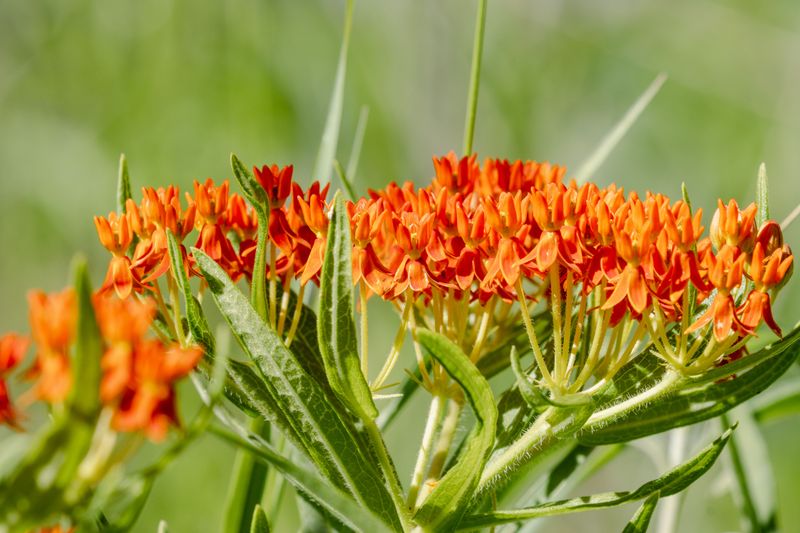
Every yard has at least one spot that seems to resist every planting attempt.
Maybe it is a sunny slope that dries out fast, a stretch along a fence line that never gets irrigation, or a narrow border that is just too far from the hose to water regularly.
Those low-water zones frustrate a lot of gardeners, but butterfly weed was practically made for them.
Once established, butterfly weed fits naturally into dry borders, sun-baked slopes, and native plant beds where frequent watering simply is not practical.
It does not need a drip line or a dedicated watering schedule to stay healthy through summer.
The key is making sure the site has good drainage and enough sunlight, and then letting the plant do what it does naturally.
Gardeners who have tried to force moisture-loving plants into these dry zones know how discouraging the results can be.
Butterfly weed removes that frustration by actually belonging in those conditions. It is not a compromise plant or a last resort.
It is a genuinely attractive, ecologically valuable choice that happens to thrive exactly where other plants give up.
Matching the right plant to the right site is one of the most important principles in smart gardening, and butterfly weed makes that principle easy to apply.
For any low-water area in a Michigan yard, it deserves serious consideration as a first choice rather than an afterthought.
10. It Looks Best With Other Dry Soil Natives
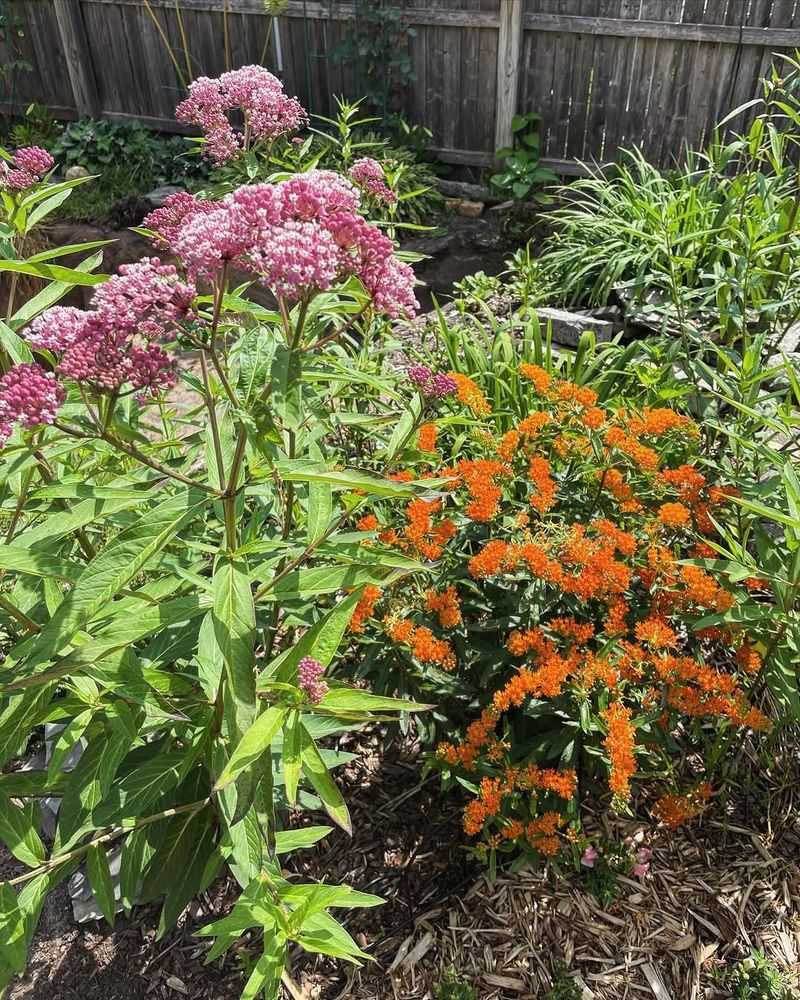
Butterfly weed is bold on its own, but it becomes something really special when it is surrounded by the right neighbors.
Pairing it with other Michigan-friendly dry soil natives creates a garden that looks naturally cohesive, supports more pollinators, and honestly requires a lot less work than a mixed planting of plants with very different water needs.
Native grasses like little bluestem add texture and movement alongside the bright orange blooms.
Purple coneflowers bring a soft contrast in color while sharing the same preference for well-drained sunny soil.
Blazing stars, also called liatris, send up tall purple spikes that bloom in late summer after butterfly weed finishes, extending the season of color and pollinator activity well into fall.
Black-eyed Susans, wild bergamot, and prairie dropseed grass are other excellent companions that fit the same dry, sunny conditions without competing for resources in ways that create maintenance headaches.
When you group plants with similar water and light needs together, the whole garden becomes easier to manage because every plant in the bed is happy with the same treatment.
There is no juggling of different watering schedules or worrying about one plant crowding out another. The result is a planting that looks like it grew there naturally, because in many ways, it did.
For Michigan gardeners who want beauty without constant upkeep, building a dry soil native community around butterfly weed is one of the smartest moves you can make.