Texas Gardeners Can Count On These 7 Perennials For Partial Sun Color
Growing a colorful garden in Texas is not always about blasting plants with full sun all day long.
Some of the most stunning, reliable perennials actually prefer a little shade mixed into their day, thriving in those spots where trees filter the light or a fence blocks the afternoon heat.
If you have a partially shaded corner that feels impossible to fill, you are not alone.
Texas gardeners across the state struggle to find plants that can handle heat, humidity, drought, and limited sunlight all at once.
The good news is that several tough, beautiful perennials are built exactly for those conditions.
From hummingbird magnets draped in red to butterfly favorites buzzing with purple blooms, these plants bring serious color to spots where other plants give up.
They come back year after year, ask for very little once they settle in, and look like you spent way more effort than you actually did.
Get ready to rethink those shady spots, because the right perennial can turn a problem area into the most eye-catching corner of your yard.
1. Turk’s Cap Brings Red Shade Color
Few plants earn their keep in a Texas shade garden quite like Turk’s Cap.
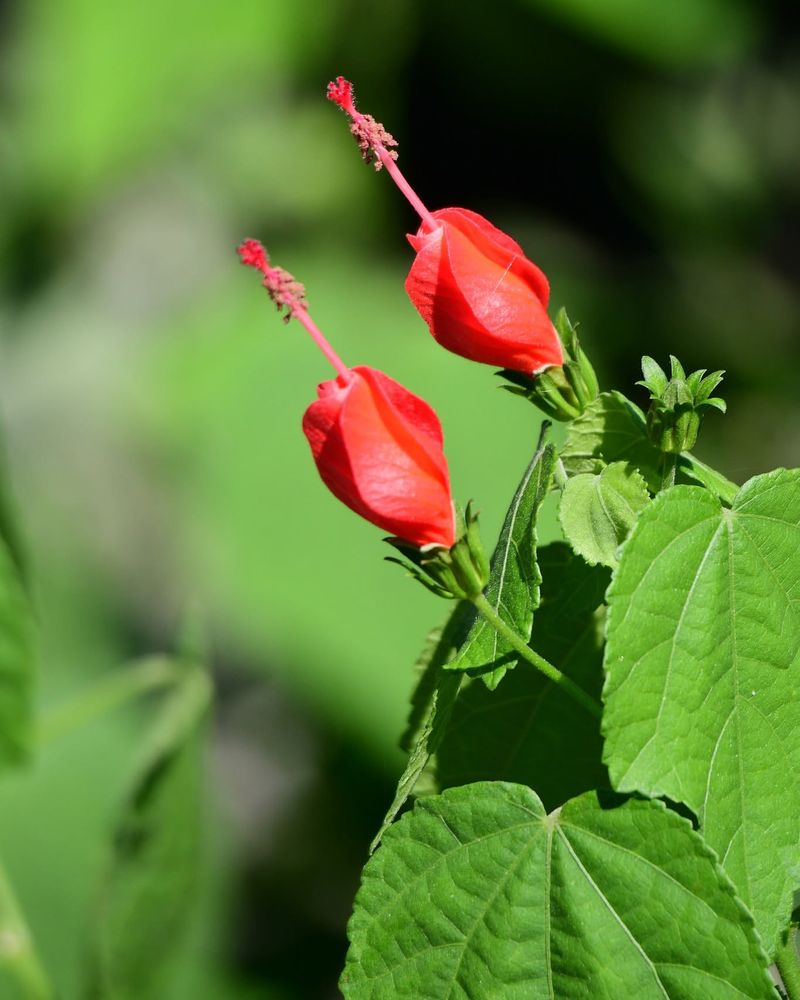
Named for its tightly twisted red petals that never fully open, this native perennial looks like a little turban sitting on each stem. It is quirky, it is bold, and hummingbirds absolutely cannot resist it.
Turk’s Cap thrives in partial shade to full shade, making it one of the most flexible options for spots under trees or along north-facing fences.
It tolerates poor soil, clay, and rocky ground without much complaint. Once established, it needs very little supplemental water, which is a big deal when Texas summers push temperatures past 100 degrees for weeks at a time.
Plants typically grow three to six feet tall and wide, so give them room to spread out.
Spacing them about three feet apart allows good air circulation and prevents crowding. The red blooms appear from late spring through fall, giving you months of continuous color.
Beyond hummingbirds, Turk’s Cap also attracts butterflies and beneficial insects.
The small red fruits that follow the flowers are edible and attract birds through winter.
Plant it in a spot with morning sun and afternoon shade for the best results. It handles the brutal Texas summer heat with ease and rewards you with reliable color season after season.
This plant is a true Texas garden workhorse, and once it settles in, it basically takes care of itself.
2. Rock Rose Handles Bright Part Sun
A plant that blooms almost nonstop through a Texas summer, shrugs off drought like it is nothing, and still manages to look fresh and pink every single morning is worth knowing about.
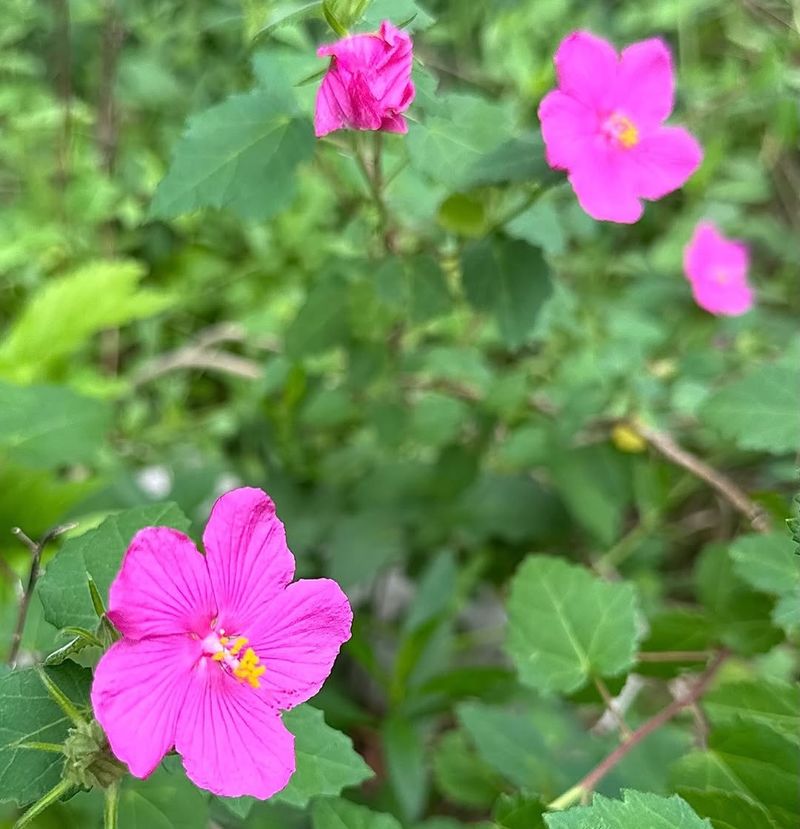
That is Rock Rose, also known as Pavonia lasiopetala, and it is one of the toughest performers in the Texas perennial lineup.
Rock Rose loves bright partial sun, meaning it does well in spots that get around four to six hours of direct light per day.
Your Texas Garden Changes Every Week. Your Plan Should Too.
Gardening in Texas changes quickly throughout the season. Every Friday you’ll receive a simple weekly plan showing exactly what to plant, prune, fertilize, harvest, and protect so you never miss the right timing.
It handles the intense afternoon heat better than most plants, especially when given some protection from the very harshest midday rays. Well-draining soil is a must since it strongly dislikes sitting in water.
The blooms are a cheerful, clear pink, opening each morning and closing by afternoon.
This daily show goes on from spring through fall, providing a long season of color that many other perennials simply cannot match. Plants grow three to four feet tall and wide, so plan accordingly when spacing them in the garden bed.
After establishment, Rock Rose is remarkably drought tolerant.
Watering once a week during extreme heat is usually enough to keep it happy.
Rock Rose works beautifully along dry slopes, rocky berms, or mixed borders where drainage is excellent.
Pair it with native grasses or salvias for a low-maintenance planting that looks intentional and polished all season long. Your neighbors will ask what it is, and you can enjoy telling them how little work it requires.
3. Heartleaf Skullcap Adds Purple Blooms
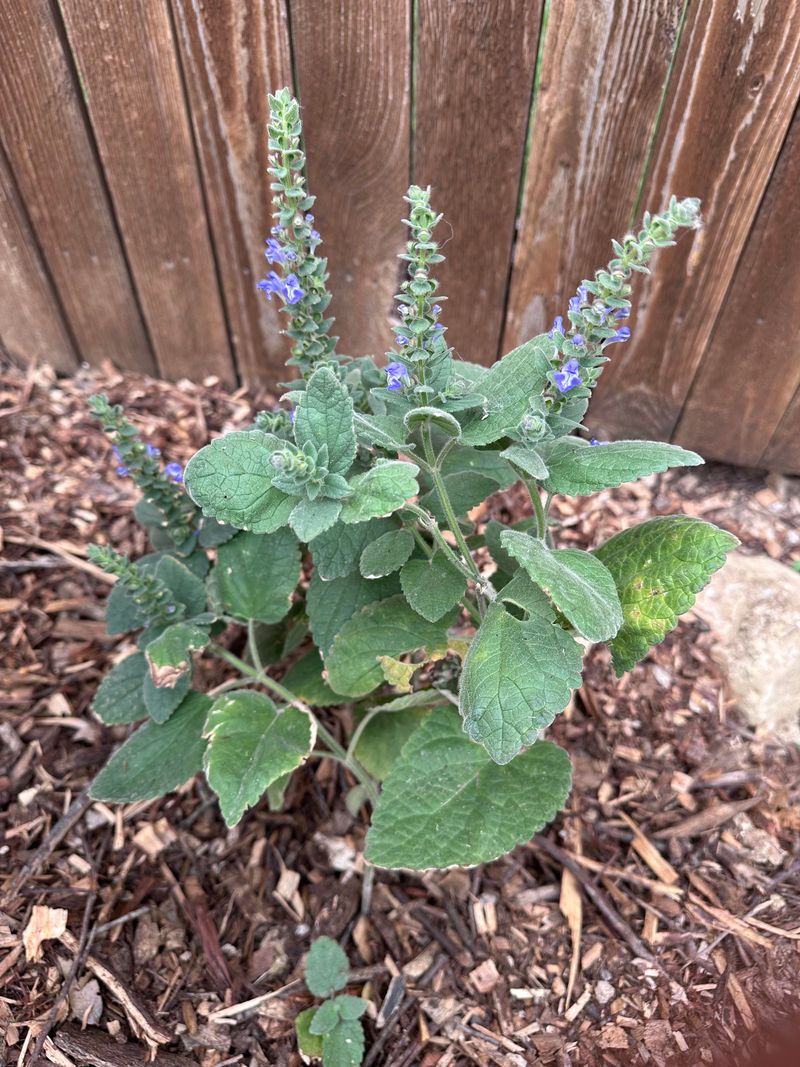
Purple is one of the hardest colors to find in a shaded Texas garden.
Walk through most nurseries and you will notice that purple-blooming plants for low-light spots are surprisingly rare.
Heartleaf Skullcap fills that gap beautifully, offering soft lavender-purple blooms on a native plant that genuinely loves growing in partial shade.
Scientifically known as Scutellaria ovata, this low-growing perennial stays around one to two feet tall. That makes it a natural fit for the front of a shaded border or as a ground layer beneath taller shrubs.
The heart-shaped leaves are attractive even when the plant is not in bloom, adding textural interest to the garden bed between flowering cycles.
Blooms appear in spring and again in fall, with a rest during the hottest summer weeks.
The flower spikes rise above the foliage in a loose, airy way that feels natural and unforced. Pollinators, especially native bees, visit the flowers regularly.
Heartleaf Skullcap grows best in partial to full shade with moist, well-draining soil.
It does not handle prolonged drought as well as some other Texas natives, so supplemental watering during dry stretches helps keep it looking its best. Mulching around the base retains moisture and moderates soil temperature.
Spacing plants about eighteen inches apart allows them to fill in without overcrowding.
Over time, Heartleaf Skullcap spreads slowly by rhizomes, creating a soft purple carpet effect that feels lush and intentional.
It is a quiet star in the shaded Texas garden, and one of those plants that makes visitors stop and ask what it is.
4. Cedar Sage Brightens Dry Shade
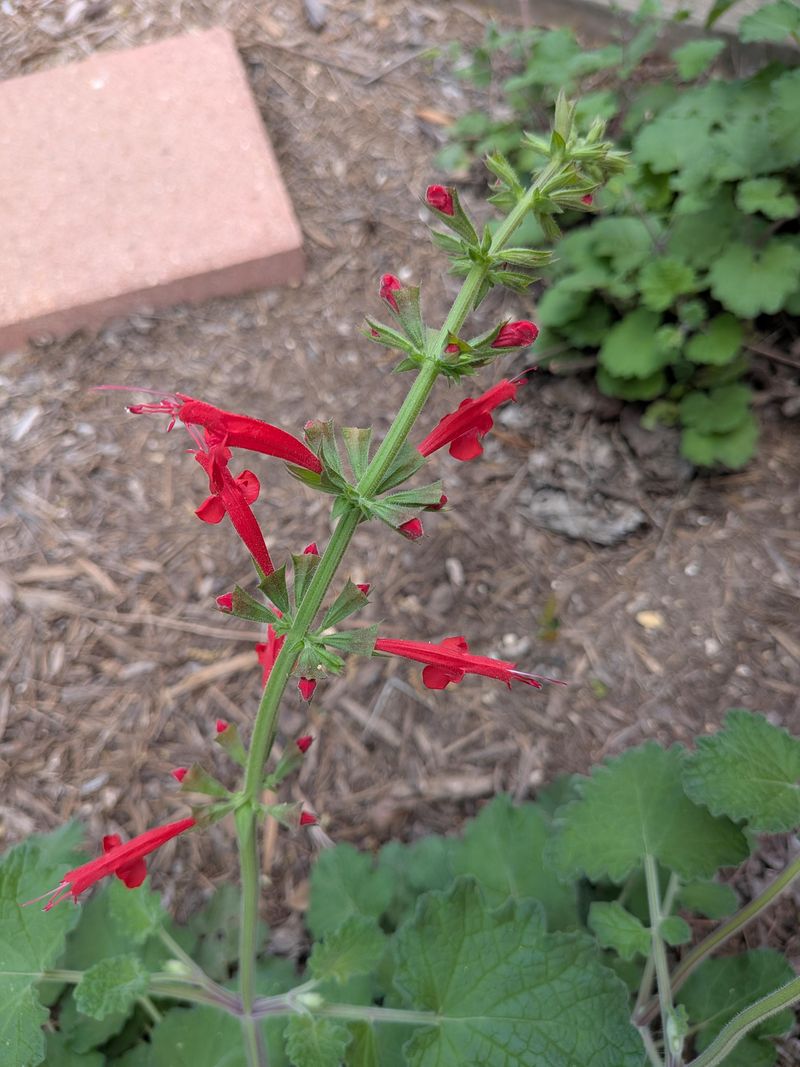
Dry shade is one of the trickiest gardening situations in Texas.
Spots under cedar, live oak, or juniper trees are often bone dry, root-choked, and stubbornly resistant to most plants. Cedar Sage was practically born to solve this problem.
Salvia roemeriana is a compact native perennial that thrives in exactly those difficult conditions.
It produces bright red, tubular flowers that hummingbirds seek out eagerly, bringing movement and life to corners of the yard that many gardeners had written off entirely.
The deep green, rounded leaves stay attractive through much of the year, even when the plant is between bloom cycles.
Plants grow about one to two feet tall and wide, which makes them easy to tuck into tight spots or layer along a shaded path.
Cedar Sage blooms in spring, takes a short summer break, and often reblooms in fall when temperatures ease. That two-season show is a big bonus for gardeners who want sustained interest in shaded beds.
Drought tolerance is a standout feature. Once established, Cedar Sage needs very little supplemental irrigation.
It adapts well to rocky, alkaline soils common across central and south Texas, which aligns perfectly with the conditions found under native cedar trees.
Space plants eighteen to twenty-four inches apart to allow airflow. Avoid overwatering, as consistently wet soil can cause root problems.
Cedar Sage is a little red beacon in the darkest corner of your yard, and it asks almost nothing in return for that service.
5. Shrimp Plant Works In Warm Shade
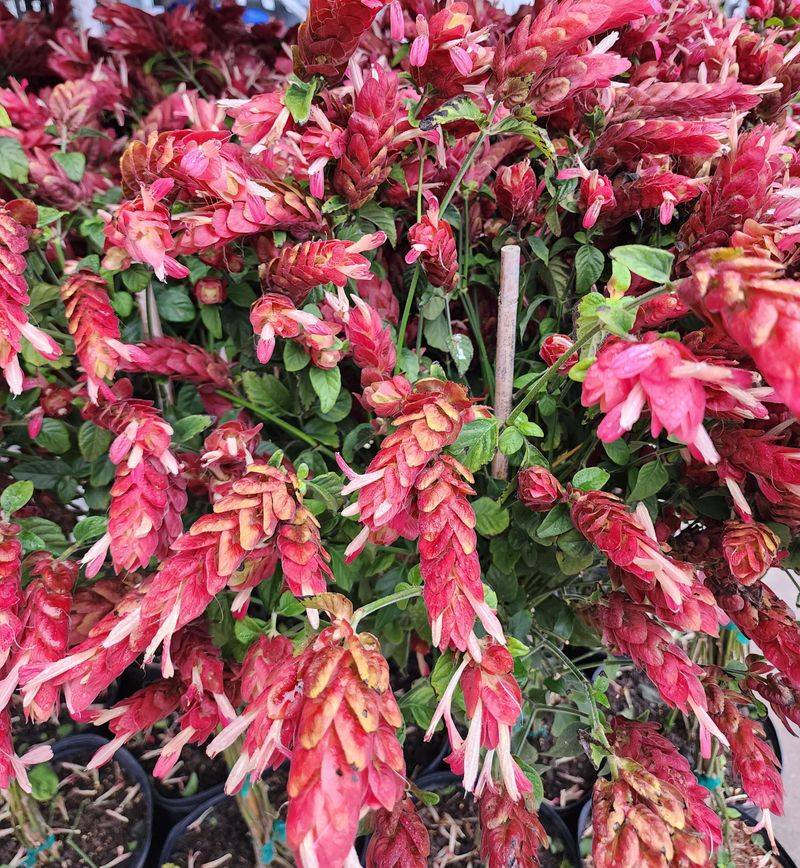
There is something wonderfully unexpected about a plant named after a crustacean.
Shrimp Plant earns its quirky name honestly, producing arching clusters of overlapping bracts in shades of salmon, copper, and warm pink that really do look like little cooked shrimp hanging from the stems.
Up close, it is one of the most distinctive-looking plants you can grow in a Texas garden.
Justicia brandegeana performs beautifully in warm, protected partial shade. It loves the kind of spot you find on a covered patio, beneath a large tree canopy, or along a south-facing wall that gets bright indirect light through most of the day.
Full shade tends to reduce blooming, while too much direct afternoon sun can scorch the leaves.
Bloom season is impressively long.
Shrimp Plant produces its colorful bracts from spring through fall, and in mild coastal and South Texas winters it may bloom nearly year-round. The actual flowers are small white tubes that peek out from the bracts and attract hummingbirds reliably.
Plants grow two to three feet tall and benefit from occasional light pruning to stay compact and encourage fresh branching.
They prefer consistently moist, well-draining soil but tolerate brief dry spells once established. Mulching helps retain soil moisture through hot months.
Space plants about two feet apart.
Shrimp Plant pairs well with caladiums, ferns, and other shade-loving tropicals for a lush, layered look.
It brings a warm, almost exotic energy to shaded corners that other plants struggle to match, and it consistently surprises people who have never seen it before.
6. Gregg’s Mistflower Draws Butterflies
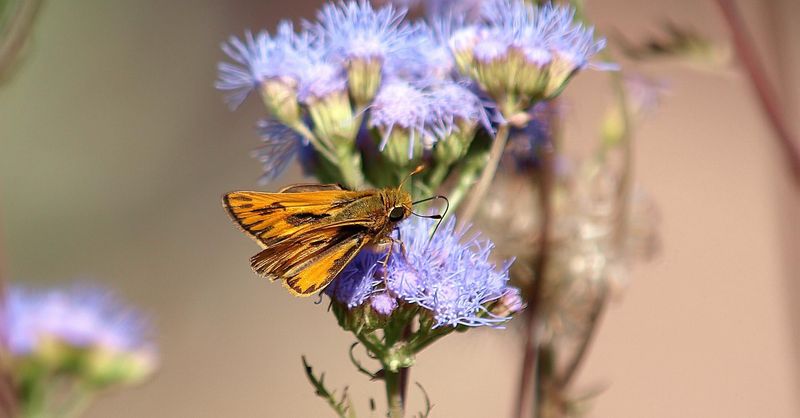
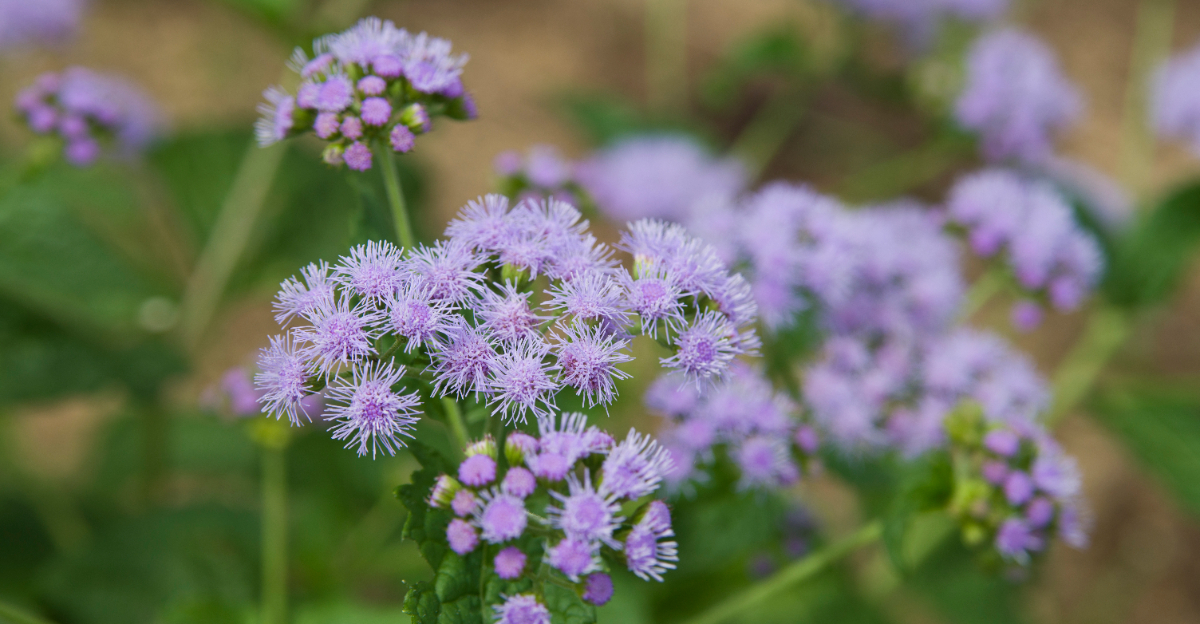
Every fall, something remarkable happens in Texas gardens where Gregg’s Mistflower grows. Clouds of blue-purple blooms appear almost overnight, and within days the plant is covered in butterflies.
Monarchs, queens, skippers, and sulphurs seem to materialize from nowhere, drawn in by the nectar-rich flowers like they received a personal invitation.
Conoclinium greggii is a native Texas perennial that grows naturally along rocky arroyos and canyon edges, which tells you a lot about its toughness.
It handles partial sun well, thriving in spots that get morning light with afternoon shade or dappled sun throughout the day.
The fuzzy, blue-purple flower clusters are small but produced in such abundance that the plant looks almost frosted with color.
Bloom time peaks in fall, which makes Gregg’s Mistflower especially valuable since most perennials are winding down just as it hits its stride.
It also blooms in spring, giving you two seasons of pollinator activity.
The timing aligns perfectly with monarch migration through Texas, making this plant a genuine conservation tool right in your backyard.
Plants spread by underground rhizomes and can form colonies over time.
Space them about two feet apart and give them room to naturalize. They grow one to three feet tall depending on sun exposure and soil conditions.
Prune plants back in late winter to encourage fresh, vigorous growth.
Gregg’s Mistflower works beautifully along garden edges, in naturalized areas, and mixed into pollinator gardens across central and west Texas. Few plants create that kind of butterfly spectacle, and none do it in partial shade quite this reliably.
7. Texas Betony Adds Pink Spikes
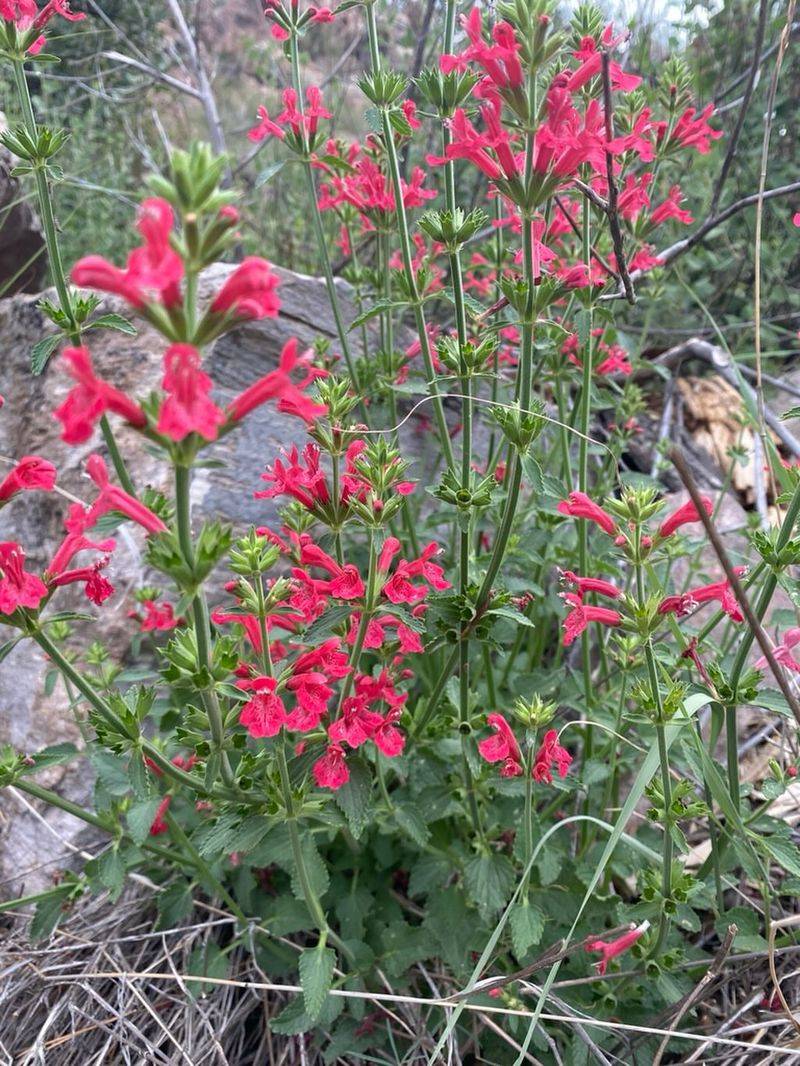
Upright, structured, and loaded with personality, Texas Betony is the kind of plant that makes a garden look professionally designed without requiring any extra effort.
The tall flower spikes rise boldly above the foliage in shades of rosy red to bright pink, creating strong vertical lines that contrast beautifully with mounding or spreading plants nearby.
Stachys coccinea is a native perennial that grows naturally in shaded canyons and rocky slopes across Texas and the Southwest.
In the garden, it performs best with partial sun, ideally getting morning light and afternoon shade.
That protection from harsh afternoon rays keeps the foliage looking clean and prevents the leaves from scorching during peak summer heat.
The textured, slightly rough leaves add visual interest even between bloom cycles.
Flower spikes appear from spring through fall, with blooming most vigorous in the cooler shoulder seasons. Hummingbirds visit the tubular blooms regularly, and the plant is also attractive to native bees and other beneficial insects.
Texas Betony grows about two to three feet tall and spreads slowly over time.
Spacing plants eighteen to twenty-four inches apart gives each one room to develop its natural form without crowding. It adapts well to a range of soil types, including rocky and alkaline soils common across much of Texas.
Once established, Texas Betony is quite drought tolerant.
Water deeply but infrequently after the first growing season. Cut plants back in late winter to promote fresh growth and strong spring flowering.
The pink spikes bring real structure and a pop of warm color to shaded garden beds that often lack that kind of vertical punch, and they do it without asking for much in return.