This Is The Easiest Fruit Tree Texas Gardeners Aren’t Growing Yet
Every Texas gardener has a wish list. A fruit tree they’ve been thinking about planting but never gotten around to.
And if you’ve been assuming that growing your own fruit in the Texas heat is complicated or just not worth the trouble, one tree out there is about to change your mind completely.
This is hands down one of the easiest fruit trees you can grow in Texas. And most gardeners aren’t growing it yet. It handles the heat like it was born for it.
It’s drought tolerant once established, produces abundantly, and doesn’t demand the spraying, pruning, and babying that most fruit trees require. Even complete beginners tend to have remarkable success with it.
The fruit is delicious fresh, incredible dried, and wonderful in the kitchen. And once this tree gets going, it gives generously season after season with very little asked in return.
If you’ve been on the fence about adding a fruit tree to your Texas garden, this is the one to start with.
Meet The Fig Tree
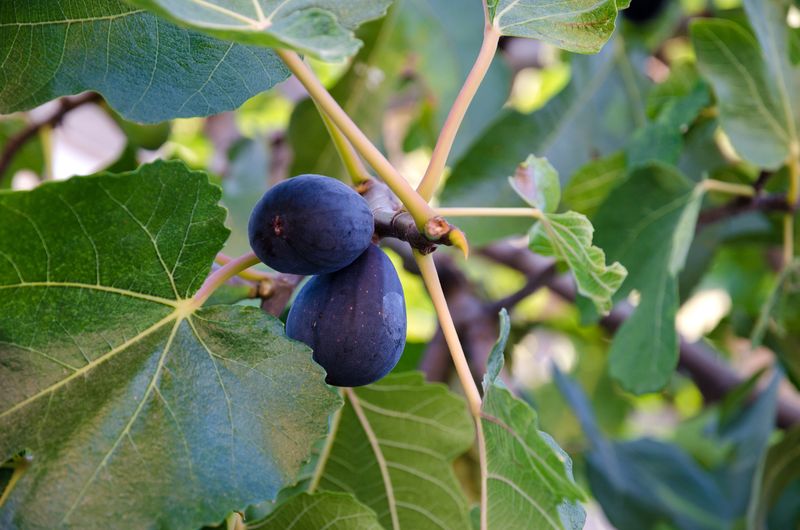
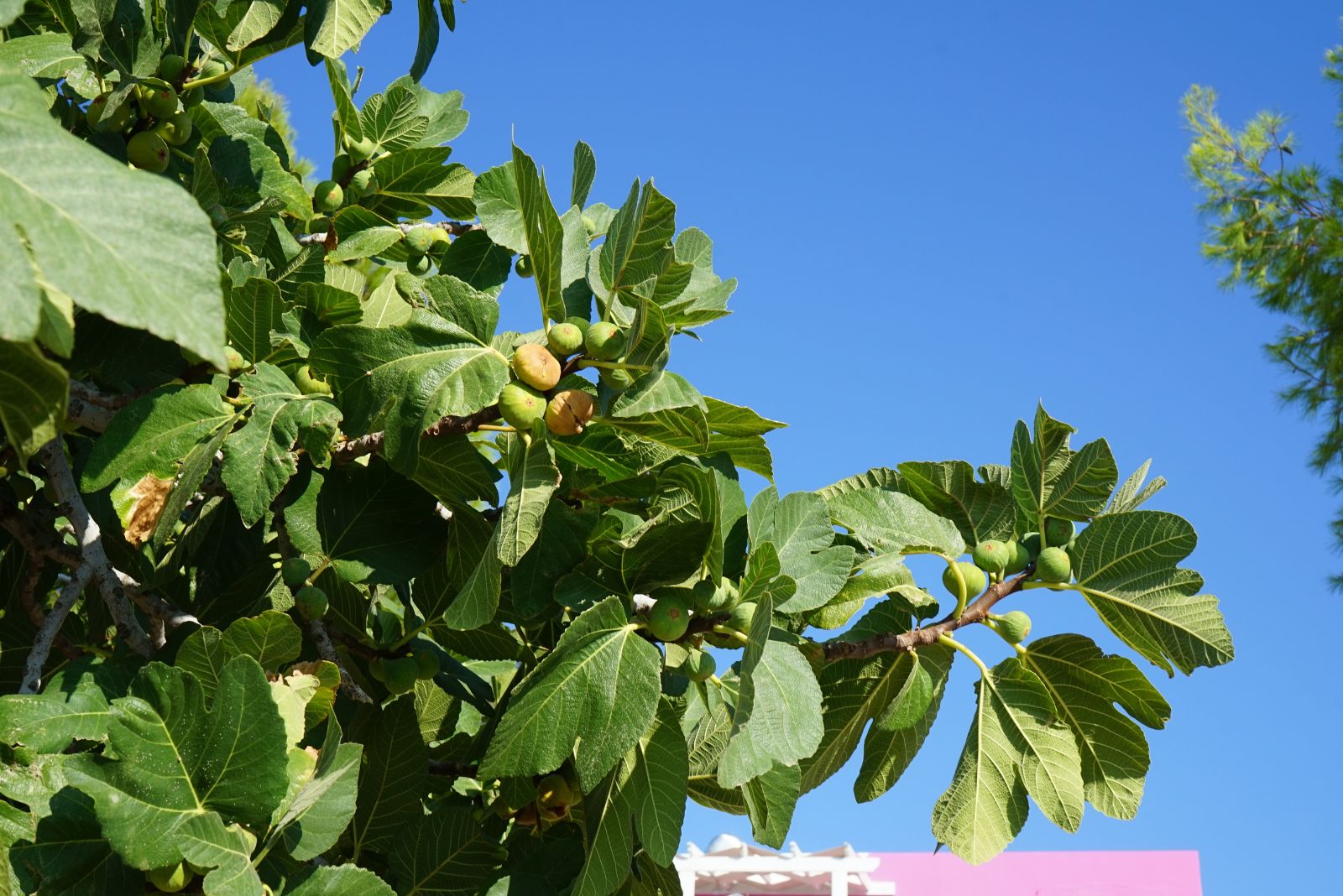
Picture a fruit tree that asks for very little but gives back a whole lot. That is exactly what the fig tree, known scientifically as Ficus carica, brings to the table.
Originally from the Middle East and western Asia, figs have been grown by humans for thousands of years. In fact, figs are one of the oldest cultivated fruits in history, dating back more than 11,000 years.
Fig trees are naturally built for warm, dry climates, which makes them a perfect match for Texas. They love heat, tolerate drought, and do not need much fuss to produce an impressive amount of fruit.
Most varieties grow between 10 and 30 feet tall, but they can be kept smaller with simple pruning.
The fruit itself is sweet, soft, and absolutely delicious fresh off the tree. You can also dry figs, make jam, or use them in cooking and baking.
Varieties like Celeste, Brown Turkey, and LSU Purple are especially popular in Texas because they handle the climate so well.
Brown Turkey figs are a top pick for beginners because they are tough, productive, and adaptable. Celeste figs are smaller but incredibly sweet and tend to ripen a bit earlier in the season.
If you have never grown a fig tree before, you are in for a pleasant surprise. These trees settle in quickly, spread their roots, and start producing fruit within just one to two years of planting.
For any Texas gardener looking for a reliable, tasty, and easy-to-grow fruit tree, the fig is the clear winner.
Thrives In Texas Heat
Texas summers are no joke. Temperatures regularly climb above 100 degrees Fahrenheit, and the sun beats down hard from June through September.
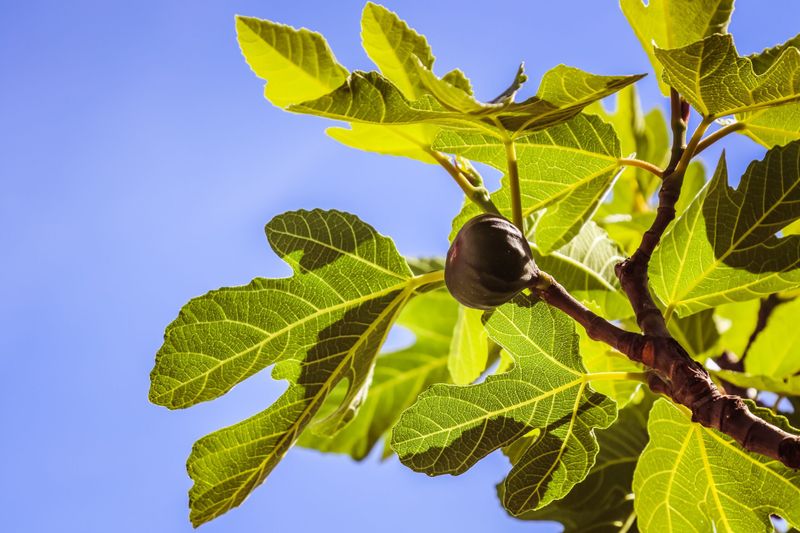
Most fruit trees struggle in those conditions, but the fig tree genuinely thrives. It is built for heat, and that is one of the biggest reasons Texas gardeners should pay attention to it.
Fig trees love full sun, meaning they need at least six to eight hours of direct sunlight every single day. In Texas, that is rarely a problem.
Your Texas Garden Changes Every Week. Your Plan Should Too.
Gardening in Texas changes quickly throughout the season. Every Friday you’ll receive a simple weekly plan showing exactly what to plant, prune, fertilize, harvest, and protect so you never miss the right timing.
The more sun a fig tree gets, the better it grows and the more fruit it produces. Planting your fig in the sunniest spot in your yard is one of the smartest moves you can make.
Once a fig tree is established, which usually takes about one full growing season, it becomes remarkably drought-tolerant. Its root system digs deep into the soil to find moisture, so you do not need to water it nearly as often as other fruit trees.
During very long dry spells, giving it a deep watering once a week is usually enough to keep it happy and productive.
Another bonus is that fig trees actually perform better when they experience a little stress from heat and dry conditions. That stress encourages the tree to put more energy into producing fruit rather than just growing more leaves and branches.
So the brutal Texas summer that makes other plants suffer actually pushes the fig tree to do its best work. For any gardener tired of babying heat-sensitive plants, the fig tree is a breath of fresh air.
High Fruit Production
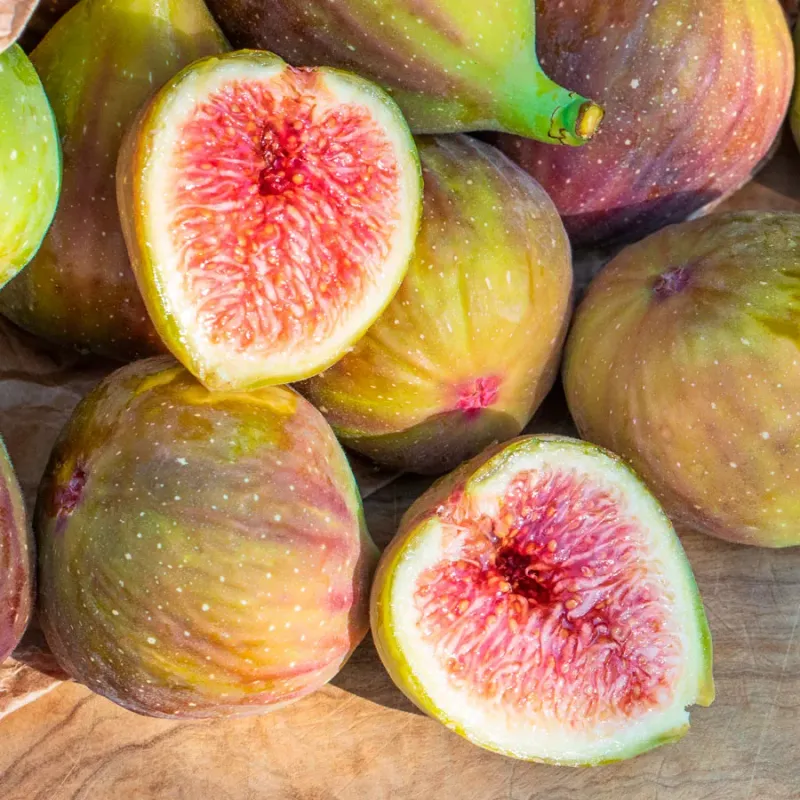
One fig tree can produce an almost shocking amount of fruit. Depending on the variety and growing conditions, a single mature fig tree can yield anywhere from 20 to 200 pounds of figs per season.
That is a serious harvest from just one tree, and it is one of the main reasons experienced gardeners keep coming back to figs year after year.
In Texas, most fig trees produce their main crop in late summer, typically from July through September. Some varieties, like Brown Turkey, are capable of producing two crops in a single year.
The first, lighter crop appears in early summer on last year’s wood, and the second, heavier crop follows in late summer on new growth. Getting two harvests from one tree is a pretty amazing deal.
The fruit ripens quickly once it starts coming in, so it helps to check your tree every day or two during peak season. Ripe figs are soft to the touch and slightly drooping on the branch.
They do not continue ripening after they are picked, so waiting until they are fully ripe on the tree is the way to go.
Fresh figs have a short shelf life of only a few days, but that is easy to work around. You can refrigerate them, freeze them, dry them in a dehydrator, or turn them into preserves and jams.
Many Texas gardeners end up with more figs than they know what to do with, which is a great problem to have. Sharing extras with neighbors and family makes the whole experience even more enjoyable.
Minimal Maintenance Required
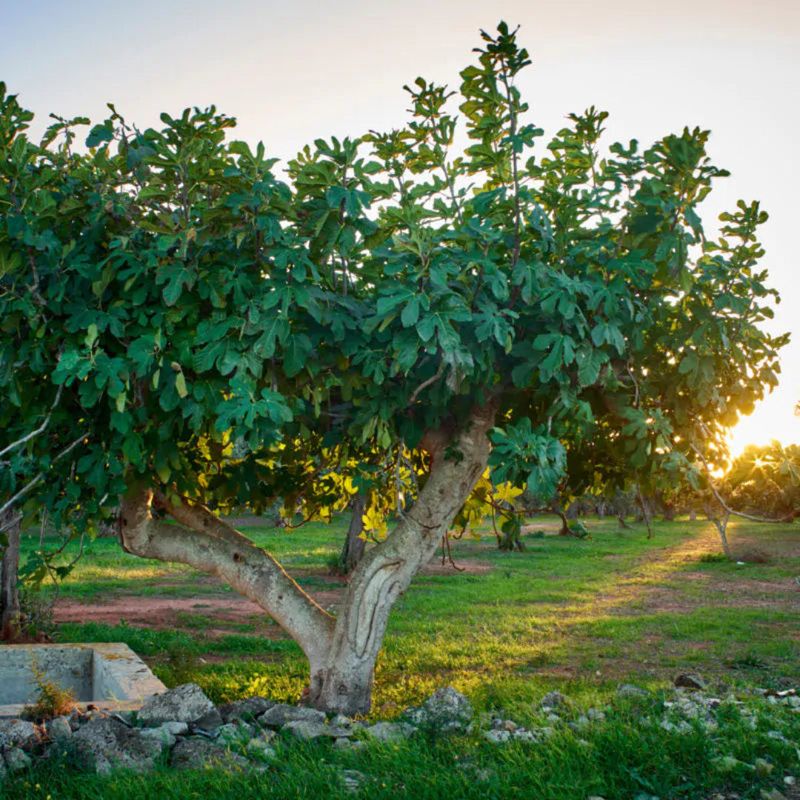
Here is something that will make any busy gardener smile: fig trees are about as low-maintenance as fruit trees get.
They are naturally resistant to most common pests and diseases, which means you will not spend your weekends mixing sprays or chasing down bugs.
That alone makes them stand out from other fruit trees that need constant attention and treatment.
Pruning is really the main task that keeps a fig tree in top shape. Light pruning in late winter or early spring, before new growth starts, helps keep the tree at a manageable size and encourages better fruit production.
You do not need to go overboard. Removing dry or crossing branches and thinning out crowded areas is usually all it takes.
Avoid heavy pruning because figs produce fruit on both old and new wood, and cutting too much can reduce your harvest.
Fertilizing is also simple. A light application of a balanced fertilizer in early spring gives the tree a good start for the season.
Over-fertilizing, especially with too much nitrogen, can actually push the tree to grow more leaves instead of fruit, so less is more when it comes to feeding.
Weeds around the base of the tree can compete for water and nutrients, so keeping a layer of mulch around the root zone is a smart habit. Mulch helps retain moisture, keeps the soil cooler, and reduces weed growth all at once.
Fig trees are genuinely forgiving plants. Even if you miss a watering or forget to prune for a season, they tend to bounce back without much drama. That kind of reliability is rare in the fruit tree world.
Versatile Planting Options
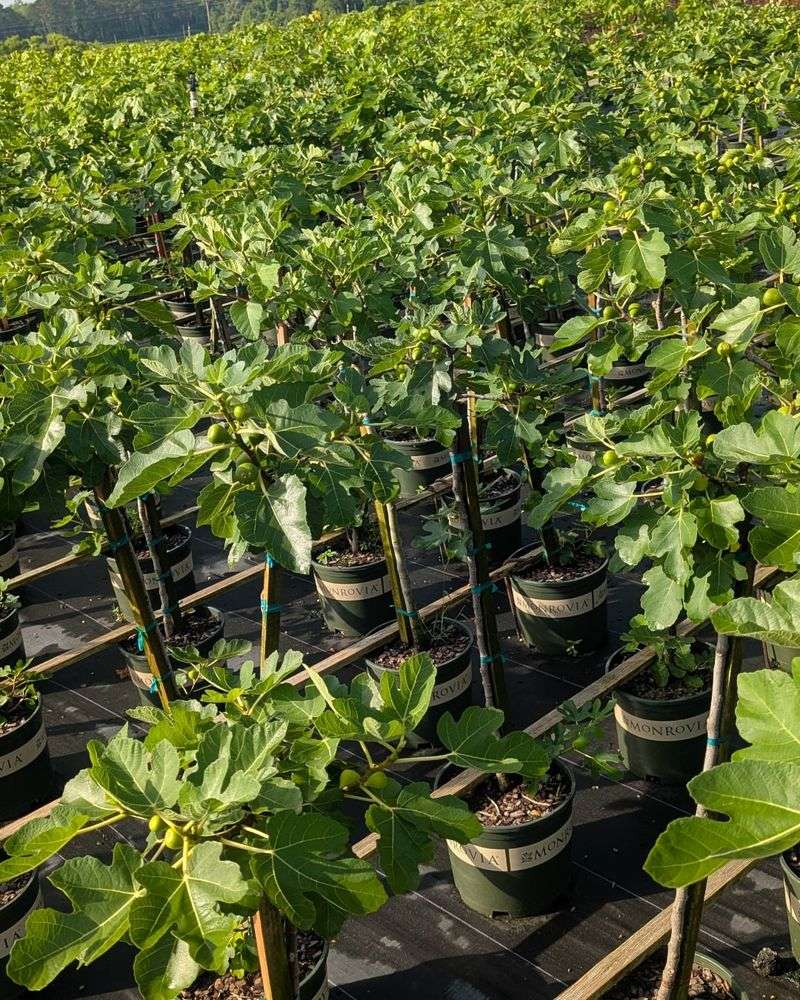
Not every gardener has a sprawling yard to work with, and that is perfectly fine when it comes to fig trees. One of the coolest things about figs is how flexible they are when it comes to where you can plant them.
Whether you have a large property, a modest backyard, or just a sunny patio, there is a way to grow a fig tree that fits your space.
In traditional garden beds, fig trees have plenty of room to spread out and grow to their natural size. Planting them near a south-facing wall or fence is a smart trick because the wall reflects extra heat and helps the tree thrive even more.
That reflected warmth can also protect the tree during unexpected cold snaps in winter. Raised beds work great for figs too. The well-draining soil environment of a raised bed suits figs perfectly, and it makes managing the root zone much easier.
Raised beds also warm up faster in spring, which can give your tree a head start on the growing season.
Container growing is another option that works surprisingly well for fig trees. Large pots with good drainage allow you to grow a productive fig tree on a patio, balcony, or small yard.
Container-grown figs can even be moved indoors or into a garage during cold winters, which is especially useful for gardeners in northern Texas where temperatures occasionally drop below freezing.
Urban gardeners love figs for exactly this reason. A single container fig tree can produce a generous harvest without taking up much space at all, making it one of the most practical fruit trees for city living.
Planting And Care Tips
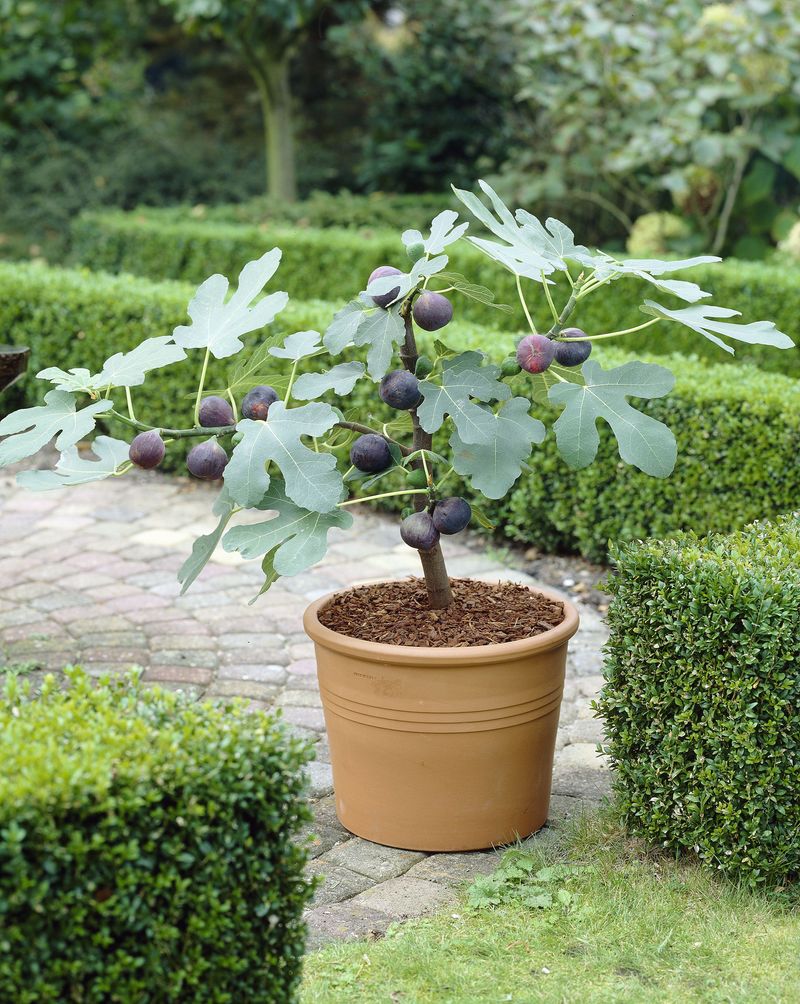
Getting your fig tree off to a strong start begins with picking the right spot. Choose a location that gets full sun for most of the day and has soil that drains well.
Fig trees do not like sitting in waterlogged soil, so if your yard tends to hold water after rain, consider planting in a raised bed or amending the soil with compost and coarse sand to improve drainage.
Spring is the best time to plant a fig tree in Texas. The warm soil helps the roots establish quickly, and the tree has the entire growing season to settle in before cooler weather arrives.
Dig a hole that is twice as wide as the root ball and just as deep. Set the tree at the same level it was growing in its container, backfill with soil, and water it thoroughly right after planting.
Young fig trees need regular watering during their first season, especially during dry stretches. Once the tree is established, you can ease up significantly.
During long dry spells, a deep watering once a week keeps the tree productive and the fruit from splitting or dropping early.
Gardeners in northern Texas should keep an eye on the forecast during late fall and winter. Young trees are more vulnerable to cold than mature ones.
Wrapping the trunk with burlap or piling mulch around the base before a hard freeze can protect the tree and help it recover quickly in spring.
A light feeding with a balanced fertilizer in early spring each year is all the extra nutrition most fig trees need to stay healthy and produce fruit season after season.